
さて本日から再び松尾芭蕉さんの「奥の細道」に随行するかのような俳句作詩旅の探訪。
松尾芭蕉さんの全国の「記念館」は全国にあって、その人気の高さがうかがえる。
1 芭蕉記念館(東京都江東区常盤)
2 山寺芭蕉記念館(山形市大字山寺)
3 芭蕉翁記念館(伊賀市上野丸之内)
4 奥の細道むすびの地記念館(岐阜県大垣市船町)
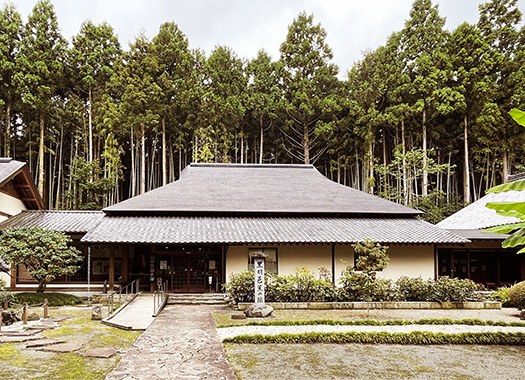
5 黒羽芭蕉の館(栃木県大田原市黒羽)
ひょっとするとこの他にもあるかも知れませんがわたしが知ったのは以上の5箇所。1人の人物に対してここまで地域自治体の公共的予算を掛けてその名を冠した「記念館」を建設し、しかも維持管理をし続けるというのは、非常に興味深い令和の今日に至る日本の「文化」痕跡。
芭蕉さんについては、その人生自体が「旅」そのものでもあったのでこのように5箇所にまで及ぶのですが、一方で海外の作家などは日本のこういう「文化への拝跪・大衆性」とそれへの公共支出に非常に驚き憧れると言う。こういったことへ社会的な許諾認識が広くあることは、一度研究すべき日本の特徴的な社会テーマ。
わたしのように、住宅・建築とこうした「作家」の関係性を興味分野にしていて、これらの施設を目的的に探訪する人間もそう多くはないけれど、一定数いると思われます。
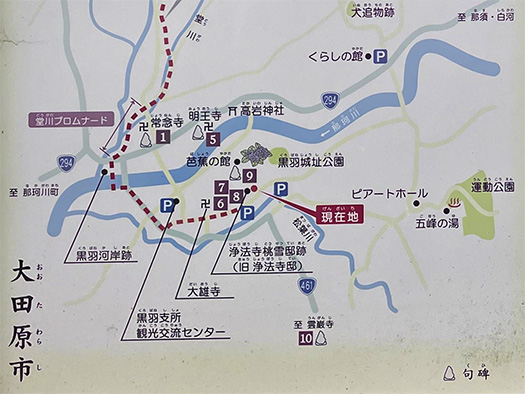
芭蕉については、日本文学史上の最有名人でありまたその作品が日本人の精神性に深く沈殿していることから、日本人的文化「観光」の大きな領域になり得るのでしょう。そういうなかで写真をあげた5黒羽芭蕉の館は、奥の細道の道中で「いちばん長く滞在した」ということが、その機縁とされて建設されたもの。案外縁は薄いかも(笑)。
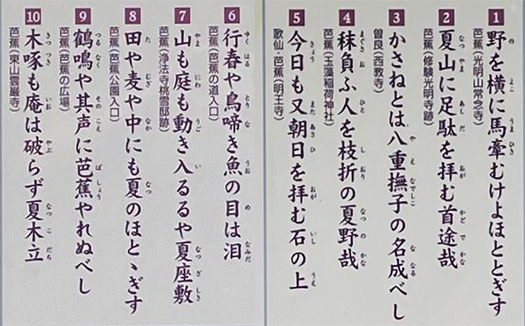
この地で詠まれた詩文・俳句もそう有名なものとは言えない〔失礼)かも知れません。
しかしこういった沈思型の観光行動というのは、日本人に広く根付いている独特の文化性なのかも知れません。とくに七五調の基本音律の日本語文学のわかりやすさは、日本人に有無を言わせず迫ってくるものであるのかも。
いま日本は海外観光客の大洪水ですが、さて、こういった「文学館」にまで及んでくるかどうか?とくに「ひらかな」というワケわかんない文字文化を見つめる中国のみなさんの反応が興味深い。
●お知らせ
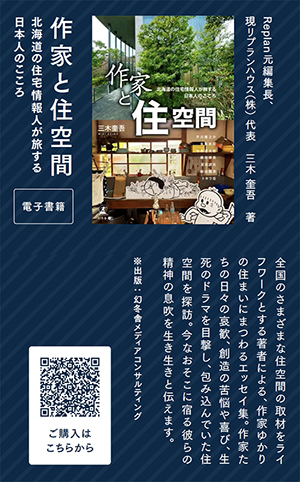
拙書「作家と住空間」幻冬舎から電子書籍で発刊
お求めはAmazonで。
https://amzn.asia/d/eUiv9yO
English version⬇
[Basho, the most popular figure in Japan’s unique “memorial hall” culture / 75 Japanese Language Journey – 3]
According to my research, there are five Basho memorial halls nationwide. The fact that public funds are invested in and used to maintain such cultural facilities is very “Japanese.” …
Today, we will once again embark on a journey to explore haiku poetry, as if accompanying Matsuo Basho on his journey along the “Oku no Hosomichi” (Narrow Road to the Deep North).
There are many “memorial halls” dedicated to Matsuo Basho throughout Japan, which shows how popular he is.
1. Basho Memorial Hall (Koto Ward, Tokyo)
2. Yamadera Basho Memorial Hall (Yamadera, Yamagata City)
3. Basho Memorial Hall (Ueno Marunouchi, Iga City)
4. Okuno Hosomichi Musubi no Chi Memorial Hall (Funamachi, Ogaki City, Gifu Prefecture)
5. Kuroha Basho Museum (Kuroha, Otawara City, Tochigi Prefecture)
There may be others, but these are the five I am aware of. It is fascinating that local governments have invested public funds to build memorial halls named after a single individual and continue to maintain them, reflecting Japan’s cultural legacy in the modern era.
Regarding Basho, since his life itself was a journey, this extends to five locations. On the other hand, foreign writers are often surprised and envious of Japan’s “veneration of culture and its mass appeal” and the public expenditure allocated to it. The widespread social acceptance of such matters is a distinctive social theme in Japan that deserves further research.
There are probably not many people like me who are interested in the relationship between housing, architecture, and such “writers” and who visit these facilities for that purpose, but I think there are a certain number of them.
Basho is the most famous figure in Japanese literary history, and his works have deeply penetrated the Japanese spirit, so he could become a major area of Japanese cultural “tourism.” Among these, the five photos of Kuroba Basho’s House were taken at a place built because it was said to be the place where he stayed the longest during his journey along the “Oku no Hosomichi” (Narrow Road to the Deep North). The connection may be rather tenuous (laughs).
The poems and haiku composed in this place may not be particularly famous (my apologies).
However, this kind of contemplative tourism may be a unique cultural trait deeply rooted in the Japanese people. In particular, the simplicity of Japanese literature, with its basic 7-5 rhythm, may be something that irresistibly draws Japanese people in.
Japan is currently experiencing a flood of overseas tourists, but will this trend extend to “literary museums”? I am particularly interested in the reactions of Chinese people, who are unfamiliar with the “hiragana” writing system.
●Notice
My book “Writers and Living Spaces” has been published as an e-book by Gentosha.
Available for purchase on Amazon.
共有:

Posted on 8月 20th, 2025 by 三木 奎吾
Filed under: 日本社会・文化研究




コメントを投稿
「※誹謗中傷や、悪意のある書き込み、営利目的などのコメントを防ぐために、投稿された全てのコメントは一時的に保留されますのでご了承ください。」
You must be logged in to post a comment.