
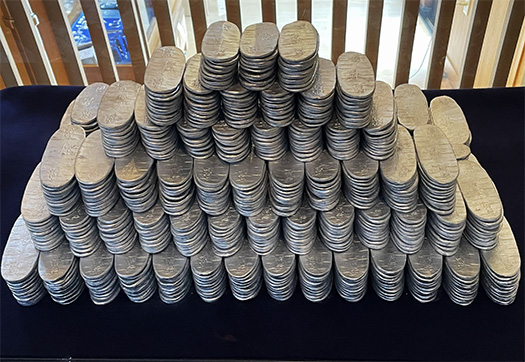
いちばん上の写真は「御取納丁銀」レプリカ。御取納丁銀とは、戦国武将・毛利元就(1497-1571年)が正親町天皇の即位料として献上した丁銀。元就は約180kgを献上したとされ、約160gのものが1100枚。田中貴金属の現在価格では100gあたり18,821円ということなので、元就の寄進額は33,877,800円ということになる。その「価値観」についてはその時代の貨幣経済の進捗ぶりに比例するだろうから、単純化はできないけれど、とくに海外、当時の日明貿易の決済手段として明側からは、強く「銀」が求められたのだという。
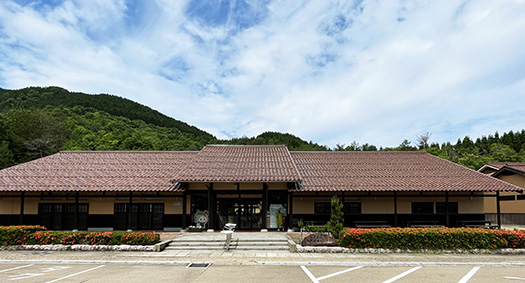
2枚目の写真は「石見銀山世界遺産センター」の正面外観。その名の通り、石見銀山についての幅広い情報が開示されている。このレプリカは、わたしのような人間にわかりやすく伝わってきた(笑)、宝の山。
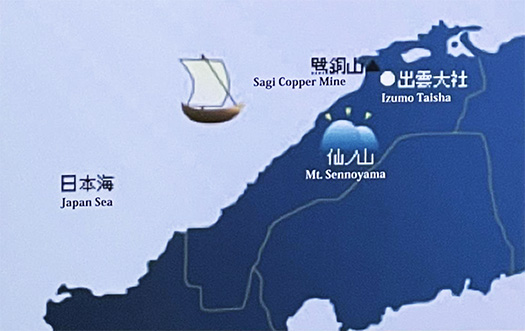
こちらのマップ説明は石見銀山の「発見譚」の図示。16世紀に石見銀山の開発が始まった背景には東アジア世界での銀の需要の高まり、それをめぐっての博多の貿易商人の活動があった。当時の中国・明の時代にはそれまでの「銅」貨に代わって「銀貨幣」が導入され慢性的に銀が不足する事態になっていた。
当時の日本は戦国の割拠時代。この日明貿易は戦国大名・大内氏が博多の商人と結んで独占していた。そのなかに神屋寿禎という商人がいて出雲大社の近傍「鷺銅山」で銀を購入するため日本海を航行するなか、石見銀山方面はるかに南の山が輝くのを見た。そこは「銀峯山(仙の山)という名でかつて銀が多く採れた」と聞いた。そこで寿禎は鉱山技術者を引き連れて1527年に仙の山で銀鉱石の採掘を行った。
石見銀山の始原期はこのような事情。わたしとしては、古来からの「鉄生産」拠点・山陰地域に加えて日本史の基本的な動因の鉱工業がこの地域にあったことがポイント。鉄という農作業にきわめて有用な利器がこの地域を起点として勃興し広く日本が農業開発され、そしてその後、奥州平泉から産金して、黄金の国ジパング幻想が世界を駆け巡ったこと。こうした日「出ずる国」の大きな動因として石見銀山があったことがわかる。経済大国。日本列島というのはまことに世界でも稀有な国土条件。
●お知らせ
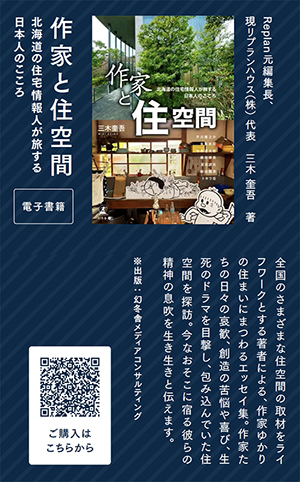
拙書「作家と住空間」幻冬舎から電子書籍で発刊
お求めはAmazonで。
https://amzn.asia/d/eUiv9yO
English version⬇
Background of the discovery and development in the 16th century Iwami Ginzan, a World Heritage Site-2]
San’in, the cradle of domestic iron production, gold production in Oshu, and the discovery and operation of a silver mine in Iwami. The Japanese archipelago, an important part of the world economy. ・・・・・.
The top photo is a replica of the “Gotorinouchogin”. Gotorin Chogin is a silver coin offered by warlord Mori Motonaga (1497-1571) as an accession fee to the Emperor Shojincho. Motonari is said to have offered approximately 180 kg of the silver, with 1,100 pieces weighing approximately 160 g. The current price at Tanaka Kikinzoku is 18,821 yen per 100 grams, which means that Motonari’s donation amounted to 33,877,800 yen. The “value” of the silver donated by Motonari was proportional to the progress of the monetary economy of the time, so it cannot be simplified, but it is said that silver was strongly demanded by the Ming Dynasty, especially as a means of settlement for overseas trade between Japan and Ming China.
The second photo is the front exterior of the Iwami Ginzan World Heritage Center. As the name suggests, a wide range of information on Iwami Ginzan Silver Mine is available. This replica is a treasure trove of information, which was conveyed to people like me in an easy-to-understand manner (laugh).
This map illustrates the “tale of discovery” of Iwami Ginzan Silver Mine, which was developed in the 16th century because of the growing demand for silver in the East Asian world and the activities of Hakata traders in the region. During the Ming Dynasty in China, silver coinage was introduced to replace the previous “copper” coinage, resulting in a chronic shortage of silver.
At that time, Japan was under the rule of the Warring States period. The trade between Japan and Ming China was monopolized by the Ouchi clan, a feudal lord of the Warring States period, in partnership with merchants in Hakata. One of these merchants was Kamiya Jutei, who was sailing the Sea of Japan to purchase silver from the “Sagi Copper Mine” near Izumo-taisha Shrine, when he saw a shining mountain far south in the direction of Iwami Ginzan. He was told that the mountain was called “Ginpusan (Mt. Sacred Mountain)” where a lot of silver had been extracted in the past. So, Jutei brought mining engineers to mine silver ore in Sen no Yama in 1527.
The Iwami Ginzan Silver Mine was founded in this situation. For me, the key point is that in addition to the ancient “iron production” base in the San-in region, the mining industry, which is the basic driving force of Japanese history, was located in this region. Iron, an extremely useful tool for agricultural work, emerged in this region, leading to the widespread development of agriculture in Japan, and later, gold was produced in Oshu-Heisen and the illusion of Zipangu, the land of gold, circulated around the world. The Iwami Ginzan Silver Mine was a major driving force behind this “Land of the Rising Sun. An economic superpower. The Japanese archipelago is truly a rare land condition in the world.
Notice
My book “Writers and Residential Space” is published by Gentosha as an e-book.
Please visit Amazon for more information.
共有:

Posted on 7月 9th, 2025 by 三木 奎吾
Filed under: 歴史探訪




コメントを投稿
「※誹謗中傷や、悪意のある書き込み、営利目的などのコメントを防ぐために、投稿された全てのコメントは一時的に保留されますのでご了承ください。」
You must be logged in to post a comment.