本文へジャンプ

【北海道集団移住の新十津川の子が描く未来形】


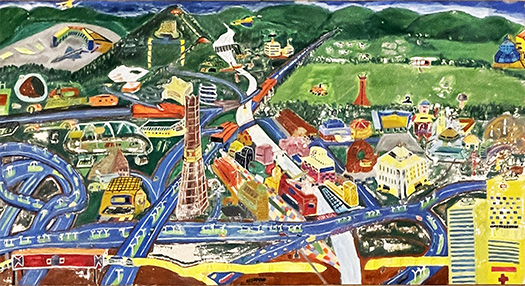
 先日訪れていた「新十津川」の開拓記念館で出会った印象的な絵。
 「母村」奈良県十津川の記録的大水害から北海道への集団移住を決意して、新天地を切り開いてきたひとびとのことは、北海道人として強い同胞感を持っている。それまでの日本社会が定住開発できにくかった寒冷な北海道で、必死に開拓努力されてきたことは、強く共感を刺激される。
 一方で最大人口1.6万人にまでなった新十津川は現在6,000人台で人口が推移。<昭和30年の16,199人をピークに長期的に減少傾向にあり、令和2年には6,484人。>
 この絵は、その新十津川の小学校6年生の生徒たちがイマジネーションたくましく、新十津川の輝かしい未来を描いたものです、という説明文が添えられていた。
 一見して、交通手段というものへの強い憧憬がうかがわれた。移動交通という発展方向へのシンプルなキャッチアップ姿勢。画面中央には石狩川が描かれ町の中心を流れている。その流路を横断して道央圏・滝川市への大動脈幹線道路。そしてタテ方向には画面下部の先に札幌都市圏への幹線道路。町中にも立体の道路ICが描き出されている。さらには航空施設と見なせる図も示されている。幹線道路の交差点にあたる位置には、一見テレビ塔とも思える高層建築。
 いかにもな、近現代の社会目線に則した利便性重視「都会化」が未来目標と感じられる。わたしたち現代人の持っている「地域発展」という概念がビジュアル化されたものだと受け止められた。こどもたちの「イマジネーションたくましく」というよりも当然ながら現代のオトナ社会からの教化が反映されたものと思えた。
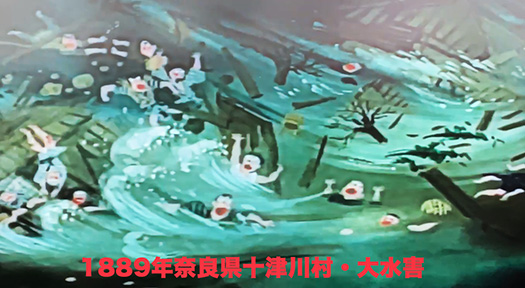
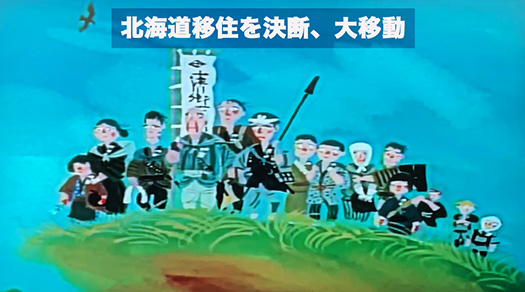
 ひとの「思い」というものはビジュアル表現で明示される。こちらのイラストは同じ新十津川の開拓記念館で見た「母村」を襲った大水害と、移住決意のイラスト表現。いかにも切実な未来投企姿勢。
 このような表現を超えて、リアリティを持って「未来のカタチ」を想像する必要がある。オトナたち、あるいはもうすぐ辞世する高齢年代こそは、もうちょっと「面白み・人間味のある」未来形を示すべきか、と。

●お知らせ
拙書「作家と住空間」幻冬舎から電子書籍で発刊
お求めはAmazonで。
https://amzn.asia/d/eUiv9yO
English version⬇

【The Future Envisioned by Children in Shintotsukawa, Hokkaido’s Group Relocation Project】
A sudden doubt arises about the future shape modern society so casually presents to children. Is this really an exciting future? …

 An impressive painting I encountered at the Shin-Totsukawa Pioneering Memorial Museum I visited recently.
As a native of Hokkaido, I feel a strong sense of kinship with the people who decided to collectively migrate to Hokkaido after the record-breaking flood disaster in their home village of Totsukawa, Nara Prefecture, and who carved out a new frontier. Their desperate pioneering efforts in the cold climate of Hokkaido, where Japan’s society at the time struggled to achieve settled development, deeply resonate with me.
 Meanwhile, Shin-Totsukawa, which once reached a peak population of 16,000, now hovers around 6,000. It has been in long-term decline since its peak of 16,199 in 1955 (Showa 30), reaching 6,484 in 2020 (Reiwa 2). >
The accompanying description stated: “This painting depicts the bright future of Shintotsukawa, imagined with great creativity by sixth-grade elementary school students from the town.”
At first glance, a strong yearning for transportation was evident. A simple desire to catch up with development focused on mobility. The central Ishikari River flows through the town’s heart. Crossing its course is a major arterial highway connecting to the central Hokkaido region and Takikawa City. Running vertically toward the Sapporo metropolitan area is another main artery visible at the bottom of the image. Multi-level road interchanges are depicted within the town itself. Additionally, what appears to be an aviation facility is shown. At the intersection of these highways stands a tall structure that could be mistaken for a television tower.
 This clearly reflects a future goal of modern, convenience-focused “urbanization” aligned with contemporary societal perspectives. It felt like a visual representation of the concept of “regional development” held by us modern people. Rather than children’s “robust imagination,” it seemed, unsurprisingly, to reflect the indoctrination from contemporary adult society.

 Human “thoughts” are explicitly conveyed through visual expression. This illustration depicts the devastating flood that struck the “home village” and the decision to relocate, both seen at the same Shintotsukawa Pioneers’ Memorial Museum. It embodies a profoundly earnest attitude toward envisioning the future.
 We must go beyond such expressions and imagine the “shape of the future” with realism. Shouldn’t adults, or rather the elderly generation nearing the end of their lives, show a future form that’s a bit more “interesting and human”?

●Notice
My book “Writers and Living Spaces” published as an e-book by Gentosha
Available on Amazon.


【AIなどの活用で「時間を超える」探索へ】


 長寿社会になってきて、高齢期の過ごし方というものが変容してきている。
 これまでの社会常識としてある程度の年齢になれば「引退」が自然な流れだったものが、個人によって大きくバラツキはあるけれど、全体として健康で長生き出来る人が増えてきた。そういう人間にとって「サンデー毎日」(一種自虐的なコトバだけれど、毎日が日曜日という意)ではオモシロくない。
 わたし自身も半ばそういった状況になってきていますが、現代のAIなどを活用した「進化」によっていろいろ可能性が広がっていく中で、画像による人生整理・整頓に興味を持っています。
 まぁ簡単に言えば「来し方行く末」に思いを致すということ。それに最新技術が利用できる。
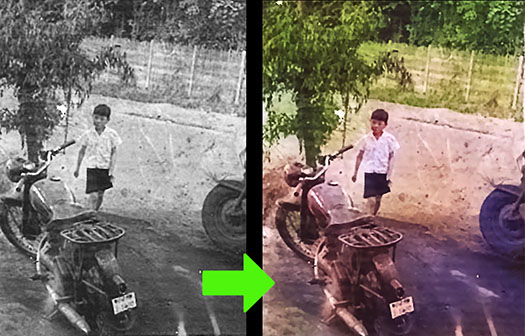
 写真はわたしの小学校入学前か、入学直後の70年近い過去写真ですが、それにPhotoshopの「カラー化」テックを利用して現実感を「復元」させてみたモノ。
 印象は人によって大きく違うでしょうが、写真雑誌を作ってきた人間としては、この「時間復元」の切り口に非常に強く惹かれています。リアリティの追体験・その入口。
 写真という画像保存技術は人類史でも特筆すべき「革命」だったでしょうが、モノクロ写真がカラー化することで、リアリティ認識・復元レベルがさらに深化する。

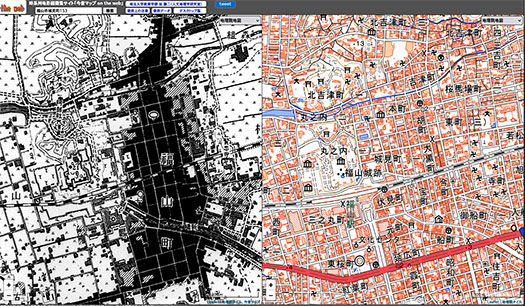
 一方、こちらは「過去の街並み」を記憶復元させてくれるデータベース型のサイトの様子。わたしの祖父から以前の血縁は広島県福山市周辺、備後地方で生きていたのですが、祖父が北海道に移住してくる直前、1905(明治38年)段階で特定された「居住地」周辺の過去地図と、現在地図の対比画像。
 住宅雑誌では豊富なカラー写真で「空気感」も表現する、という姿勢でやっていましたがそういった「志向性」が、過去時間に対しても機能するようになってきた。同時に「空間性」という面で、地図探索の深化も大いにパワーを与えてくれる。
 人間の「時間を超える想像力・探索力」が大きく次元レベルでの進化が起こっている。深く興味を刺激されてきています。

●お知らせ
拙書「作家と住空間」幻冬舎から電子書籍で発刊
お求めはAmazonで。
https://amzn.asia/d/eUiv9yO

English version⬇

【Using AI and Other Technologies to Explore Beyond Time】
The invention of photography triggered a dramatic revolution in human consciousness. Advances in AI technology further deepen its potential. By harnessing this, we aim to bring the past to life. …

 As society ages, the way people spend their later years is changing.
While it used to be common sense that reaching a certain age meant “retirement” was the natural path, there’s now greater variation among individuals. Overall, more people are living longer and healthier lives. For such individuals, a “Sunday Every Day” (a somewhat self-deprecating term meaning every day feels like Sunday) isn’t very interesting.
 I myself am approaching this stage, and as modern “evolution” driven by AI and other technologies expands possibilities, I find myself drawn to organizing and tidying up one’s life through images.
Simply put, it’s about reflecting on the past and contemplating the future. And the latest technology can be used for this.
This photo is from nearly 70 years ago, either before or just after I entered elementary school. I used Photoshop’s “colorization” technique to “restore” its sense of reality.
 Impressions will vary greatly from person to person, but as someone who’s worked on photo magazines, I find this “time restoration” approach incredibly compelling. It’s a re-experience of reality, an entry point into it.
Photography as an image preservation technology was surely a remarkable “revolution” in human history. Now, by colorizing black-and-white photos, the level of reality perception and restoration deepens further.

 On the other hand, this is a database-type site that helps reconstruct memories of “past streetscapes.” My grandfather and earlier relatives lived around Fukuyama City in Hiroshima Prefecture, in the Bingo region. It shows comparison images of past maps around the “residence” identified in 1905 (Meiji 38), just before my grandfather migrated to Hokkaido, and current maps.
 While residential magazines have pursued an approach of conveying “atmosphere” through abundant color photography, this same ‘orientation’ now functions effectively with respect to past time. Simultaneously, in terms of “spatiality,” deepening map exploration provides tremendous power.
Human “imagination and exploration capabilities transcending time” are undergoing a major dimensional-level evolution. This deeply stimulates my interest.

●Notice
My book “Writers and Living Spaces” published as an e-book by Gentosha.
Available on Amazon.

【大都市札幌「ヒグマ出没・事故」での生活危機】


 朝夕はすっかり冷気を感じるように季節が進んできている札幌。
 散歩道では落ち葉が吹き溜まっている光景も目にするようになって来ました。
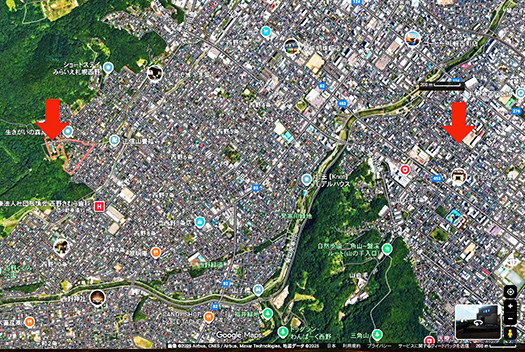
 そういうなか、図はわが家から直線距離2−3kmのヒグマによる傷害事件発生箇所。
 早朝散歩に勤しんでいる前期高齢者ですが、散歩道選択では最近は交通繁華な都市環境を選択するようになってきた。やはり最近のヒグマ出没・襲撃被害の多発、自衛行動が背景。
 札幌は南側全域が山地になっていて藻岩山〜手稲山にかけての広大な森林地帯が後背地。その森林隣接地が今年はヒグマの出没によって「注意報」発令地域になってしまっている。
 わたしの生きてきた70年以上を通して、こうしたヒグマ注意報の記憶はない。
 札幌市のLINE広報を受信していますが、ことしはヒグマ情報ニュースのオンパレード。札幌市の中でももっとも緑地の多い南区が中心なのですが、徐々に緑に隣接する全住宅地に拡散してきている。
 ヒグマに対しての防護策は開拓期アメリカのように各人が銃器を持って自衛するなどはもちろん論外で、ひたすら公共対応しかないのですが、わたしたち市民生活の側でも大いに「変容」影響が出てこざるを得ない。
 先日は「夜に犬の散歩で家の近くの公園を散歩していて」ヒグマに襲撃された方もいた。
 こういった人間行動の制約条件は今後とも「恒常化」せざるを得ない。知床の殺害事件などを受けてことしの「観光客数」はどのように推移しているのか、社会全体で都市計画レベルの対応を迫られてくるのではないか。
 これまでは「自然景観」というものが最高の「暮らしの彩り」と認知されてきたものが、根底的に変容する可能性がある。安全環境という価値観が再優位になってくる可能性が高い。とくに子育て期の住宅選択では。
 ヒグマの跋扈はこういう人間社会の変容を引き起こしていく可能性があるでしょう。さて。

●お知らせ
拙書「作家と住空間」幻冬舎から電子書籍で発刊
お求めはAmazonで。
https://amzn.asia/d/eUiv9yO

English version⬇

Life in Crisis Amid “Brown Bear Sightings and Accidents” in the Metropolis of Sapporo
The natural landscape, once highly valued as the ultimate “color” of life, may undergo societal transformation with safety now taking top priority. Even in Hokkaido. …

 In Sapporo, the season has advanced to the point where a distinct chill is felt in the mornings and evenings.
Along walking paths, scenes of fallen leaves piled up by the wind have also become common sights.
Amidst this, the map shows locations within a straight-line distance of 2-3 km from my home where brown bear injuries have occurred.
As a pre-elderly person diligently taking early morning walks, I have recently started choosing walking paths in the busy urban environment with heavy traffic. This shift stems from the recent surge in brown bear sightings and attacks, prompting self-defense measures.
Sapporo’s entire southern area is mountainous, with the vast forested region stretching from Mount Moiwa to Mount Teine forming its hinterland. This year, the areas adjacent to these forests have been designated as “advisory zones” due to brown bear activity.
In my 70-plus years of life, I have no memory of such brown bear advisories.
 I receive Sapporo City’s LINE notifications, and this year they’ve been flooded with brown bear alerts. While the most heavily forested Minami Ward has been the epicenter, the threat is gradually spreading to all residential areas bordering green spaces.
Protective measures against brown bears, like the American frontier days where individuals armed themselves for self-defense, are obviously out of the question. Public response is the only option. However, this inevitably forces significant “changes” and impacts on our daily lives as citizens.
 Recently, someone was attacked by a brown bear while walking their dog at night in a park near their home.
These restrictions on human activity will inevitably become permanent. Given incidents like the fatal attack in Shiretoko, how will tourist numbers trend this year? Society as a whole may be forced to respond at the urban planning level.
 What was previously recognized as the ultimate “colorful aspect of life” – the natural landscape – may undergo a fundamental transformation. The value placed on a safe environment is highly likely to regain primacy. This is especially true for housing choices during child-rearing years.
The rampant presence of brown bears has the potential to trigger such transformations in human society. Now then.

【56億7千万年後の救世主「弥勒如来」を巨人・運慶が造仏】


 わたしは東京では上野に旅宿することが増えている。
 それは、東京国立博物館や科学博物館などの国家最高の芸術・知見が集約していることが大きい。その上、東京駅などのビジネス上のターミナルにも山手線で10分ほどという利便性。そしてアメ横などの大衆性もあって、いごこちがいいのですね。
 で、今回の移動でいちばん芸術的「興味」が膨らんでいたのが東京国立博物館での「運慶展」。
 仏教の教えでは、現世は「釈迦如来」ガウタマ・シッダールタという実在した人物が仏教を開き、衆生救済に当たられたということが起点。仏教伝来以降、日本社会では最重量を掛けてこうした仏の造形がされてきた。やはり、観念だけではなく具体的に「視覚化」することが求められたということでしょう。奈良や鎌倉の「大仏」=大日如来が典型。
 そしてお釈迦さまのNEXTの世を救済される存在として「弥勒如来」が考えられている。その期間が56億7千万年後というまるで人知を越えるはるかな時間が設定されている。
 そういう観念上の存在をわたしが魅了されている運慶さんが造形したのです。それはぜひ見てみたい。
 興福寺北円堂での開示機会に行って拝むことは可能でしょうが、今回は東京の上野で見ることができて、しかも脇を固める国宝仏像も一挙に展示公開されていたのですね。あ、11/30までこちらで公開されています。
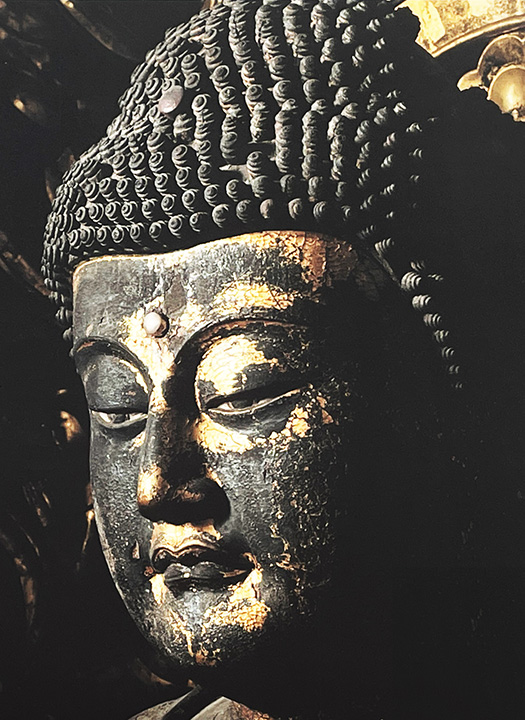
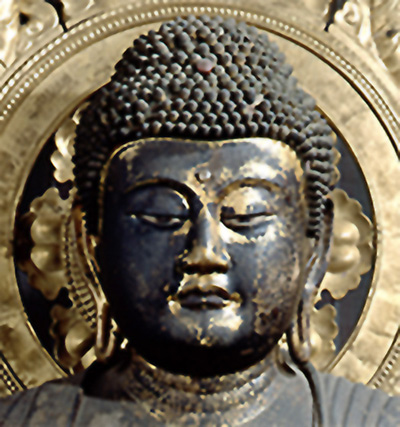
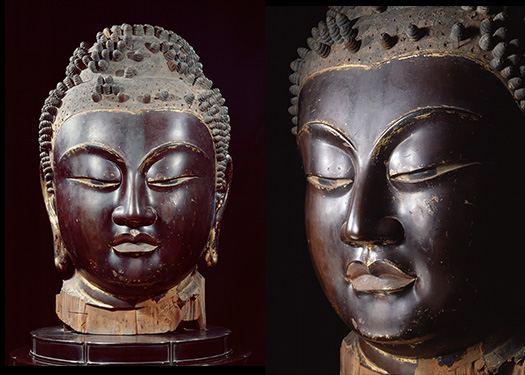
 で、写真2点は今回展覧会のポスター画面ショットと興福寺のHPからのもの。人形は顔がいのち、というのは至言だと思いますが、運慶さんはこの顔相造形に至るにあたって、相当考え抜かれたという展示会の解説。
 ちなみに同じ興福寺に置かれている「釈迦如来」像はこちら(同寺HPより)。

 違いは白毫(仏像の眉間にある白い毛で光明が放たれ世界を照らし出す。水晶やガラスなどの突起物をはめ込んで光を表現するのが一般的)の有る無し。「この像の眉間からは自然に光が発せられたので白毫はつけなかった」とされる。一方の上の「弥勒如来」には表現されている。
 さてそこから先が、運慶さんとわたしたち凡百との内心での「対話」ということになりますね。
 もちろんまったくわからないのですが(笑)日本社会が生んだ最高レベルの芸術家と語り合える、稀有な機会だと思いました。みなさんはいかが? さて、う〜む。

●お知らせ
拙書「作家と住空間」幻冬舎から電子書籍で発刊
お求めはAmazonで。
https://amzn.asia/d/eUiv9yO

English version⬇

【Giant Unkei Sculpts Buddha Statue of Maitreya, Savior of 5.67 Billion Years Hence】
A masterpiece by Unkei, Japan’s foremost sculptor. The eyes, in particular, captivate with their ultimate expression. …

 I’ve been staying in Ueno more often when in Tokyo.
This is largely because it concentrates Japan’s finest art and knowledge, like the Tokyo National Museum and the National Museum of Nature and Science. Plus, it’s conveniently just about 10 minutes on the Yamanote Line from business hubs like Tokyo Station. And with popular spots like Ameyoko, it just feels comfortable.
So, the thing that piqued my artistic “interest” the most during this trip was the “Unkei Exhibition” at the Tokyo National Museum.
 According to Buddhist teachings, the present world originates from Shakyamuni Buddha, Gautama Siddhartha, a historical figure who founded Buddhism and dedicated himself to saving all beings. Since Buddhism’s arrival in Japan, immense importance has been placed on creating sculptures of these Buddhas. It seems the need was not just conceptual but to concretely “visualize” them. The Great Buddhas of Nara and Kamakura, representing Dainichi Nyorai, are prime examples.
 Then, as the being destined to save the world in the next era after Shakyamuni, Maitreya Buddha is conceived. The timeframe set for this is an unimaginably distant 5.67 billion years.
It is precisely this conceptual being, created by the sculptor Unkei—whose work fascinates me—that I long to see.
 While it’s possible to go to the Kōfuku-ji Temple’s North Round Hall during its unveiling to pay respects, this time I could see it right here in Tokyo’s Ueno. Moreover, the accompanying National Treasure Buddhist statues were all displayed together for public viewing. Ah, it’s on display here until November 30th.
The two photos are a poster screenshot for this exhibition and one from Kōfuku-ji’s website. The saying “The face is the soul of a statue” is profoundly true, and the exhibition commentary explains that Unkei must have pondered deeply to achieve this facial expression.
Incidentally, here is the “Shaka Nyorai” statue also housed at Kōfuku-ji (from the temple’s website).

 The difference lies in the presence or absence of the white hair (the white hair between a Buddha statue’s eyebrows from which light radiates to illuminate the world. It is typically depicted by embedding protrusions like crystal or glass to represent the light). It is said, “Since light emanated naturally from this statue’s brow, the white hair was not added.” On the other hand, it is depicted on the Miroku Nyorai above.
Now, from there onward, it becomes a kind of “dialogue” in our hearts between Unkei and us ordinary mortals.
 Of course, I have absolutely no idea what it means (laughs), but I felt it was a rare opportunity to converse with one of the highest-level artists Japan has produced. What do you all think? Well, hmm.

●Notice
My book “Writers and Living Spaces” published as an e-book by Gentosha
Available on Amazon.


【本年度産「新米」60kg 宮城県の友人農家から到着!】


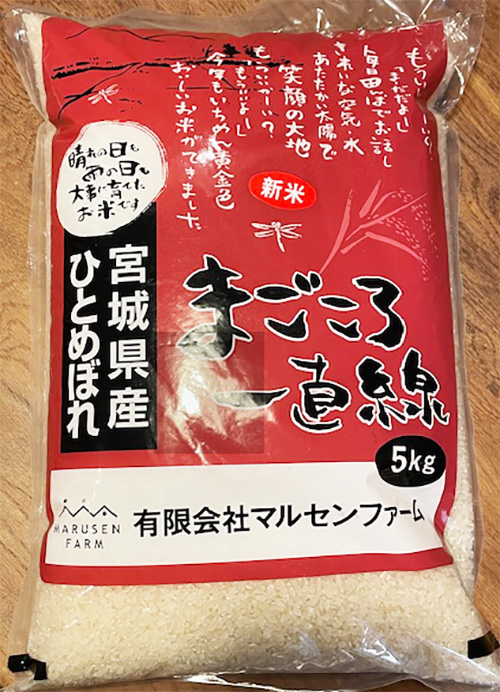
 わが家では主食のお米、宮城県に在住する元住宅建材企業勤務で退職後、出身の親元の農家を継承して営んでいる友人から、直接購入しています。縁の深かった東北への思いもあり、またかれの「営業活動」に賛同したとも言えるし、結局「人の縁」がいちばんと思っているということなのか、よくわかりません。
 ここのところの「コメ騒動」で、かれの地元でも「大量買い付け」などの投機的なコメ品薄状況があって、かれ自身が直接生産した、わたしの方に回せるコメが無くなってしまっていた。やむなくコメを集約している農協組織の「周辺のコメ」を送ってくれたりしていた。価格も大幅に値上がりしたけれど、それでも最低限必要な量は送ってくれていた。
 「ことしの新米はキッチリと送れるから、待っていてね」と言われていた。
 その2025年産の新米が東京移動中に到着していた。なんと、わが家のお米が底を突く寸前(笑)。でもいまのお米も先述のコメ騒動の渦中に送ってくれていた最後の最後のもの。すぐに新米を食し始めるのではなく、最後までしっかり食べきりたい。で、本日ともう1日分が残っている状況ですが、あすから10月とキリもいいので、明日以降、新米にチェンジして行きたいと思います。もう1日分については、そのあと、早めに感謝の気持ちを込めて食べきりたい。
 価格については、これまでの経緯を踏まえてお互いになんとか「納得できる」水準にいたしました。あえて公表はいたしません。仁義。
 ということですが、やはり「ありがたい」。
 わたしには農家の経験は無いけれど、一度は出張の寄り道でかれの農場にも訪問させていただいている。川にほど近い、いかにも「宮城の農園地帯」らしい風景が迎えてくれた。この天地から友人の手による農作業を経てきたコメを日頃食べさせてもらっていることが、深く認識できた。この世で生きていて、その根源にあたるエネルギーの発祥場所という感覚。
 人間なんだから、そういう感覚を日々持っていられることも「ありがたい」と思う。
 到着の連絡と代金振込の連絡をしたら、返信で最近の健康状態やらを知らせてくれていた。こういう交流が得られるのも、現代では稀有なことだと思っています。いつまでもよろしく。

●お知らせ
拙書「作家と住空間」幻冬舎から電子書籍で発刊
お求めはAmazonで。
https://amzn.asia/d/eUiv9yO

English version⬇

【This Year’s New Rice Harvest – 60kg Arrived from My Farmer Friend in Miyagi Prefecture!】
A guy who loves cooking, grinding his own rice daily to make perfect meals. Massive shipment of his staple food arrived (lol). Even amid the rice turmoil, I want to cherish the bonds between people. …

 At our house, we buy our staple rice directly from a friend who used to work for a housing materials company in Miyagi Prefecture. After retiring, he took over his family farm back in his hometown. I suppose it’s partly because of my deep connection to Tohoku, partly because I support his “business efforts,” and partly because I believe human connections are ultimately the most important thing—though I’m not entirely sure myself.
 Recently, the “rice turmoil” led to speculative buying and shortages even in his hometown. The rice he personally produced and could send to me ran out. He had no choice but to send us “rice from nearby” sourced through the agricultural cooperative that aggregates rice. The price had risen significantly, but he still sent us the minimum amount we needed.
 He told me, “This year’s new rice will definitely be sent, so please wait.”
That 2025 new rice arrived while I was moving to Tokyo. Amazingly, our household rice was about to run out (laugh). But the rice we have now was the very last batch he sent us right in the middle of the aforementioned rice turmoil. I want to finish eating this rice completely before starting the new rice. So, we have today’s portion and one more day’s worth left. Since tomorrow marks the start of October, a nice round date, we plan to switch over to the new rice starting then. As for that final day’s portion, we’ll finish it off soon after, eating it with gratitude.
Regarding the price, considering everything that’s happened, we’ve managed to settle on a level we can both “accept.” I won’t disclose it publicly. That’s just honor among us.
That said, I’m truly “grateful.”
 I have no farming experience myself, but I once visited his farm during a detour on a business trip. It welcomed me with a landscape typical of Miyagi’s farming region, close to a river. I deeply recognized that I regularly eat rice that has come from this land, through the farming work done by my friend’s hands. It felt like the origin of the fundamental energy that sustains life in this world.
 As human beings, I think it’s truly “grateful” to be able to hold onto that feeling every day.
After I notified him of my arrival and the payment transfer, he replied with updates on his recent health and such. I feel this kind of exchange is rare in modern times. I hope we can stay in touch forever.

●Notice
My book “Writers and Living Spaces” published as an e-book by Gentosha
Available on Amazon.
 

【上野・不忍池のカモたちと多民族化ニッポン】


 昨日、札幌に帰還いたしました。
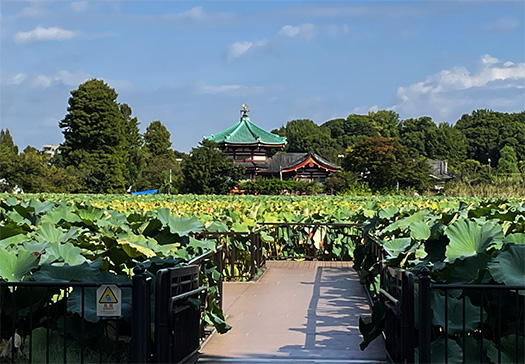
 ここ最近、移動時の「インバウンド」ぶりがさらに加速、ドライブが掛かっている。観光地で聞こえるのは、外国語ばかり。上野を中心に宿泊することが多いのですが、写真の不忍池で早朝散策していても目にするのは外国人多数。一時期のチャイナオンリーではなく、欧米系中心かなぁという状況。
 ランチなど飲食店でも日本人からの接遇を受けることの方が希少機会。
 日本の「少子化」状況を受けて労働力の確保という抜き差しならない必要性から、実質的な移民政策が取られている証明か。国際金融での「円安」進行もこうした要因を反映して「そうしやすい環境」を意図的に作り出しているようにも思える。このままアメリカのように「多民族化」していくことが趨勢と言えるのでしょうか?「経済政策」の根幹テーマとしてきちんと論じて欲しい。
 参院選での参政党の伸展要因は「日本人ファースト」という理念が広範に日本人意識に芽生えつつあることの証明とも考えられる。
 たしかに移動しながら感じるのは多民族化への自分自身の内心での化学反応。
 どうもこれまでの日本社会とは大きく様相が変わってきている、と。
 一昨年、京都に行っていてあまりのインバウンドぶりに内心、悲鳴を感じて「まだマシ」な奈良方面それも「なるべく外国人がまだ来ない」地域として飛鳥や橿原に行動しておりました。「より日本的なるもの」にこころが向かっていくのは自然でしょう。
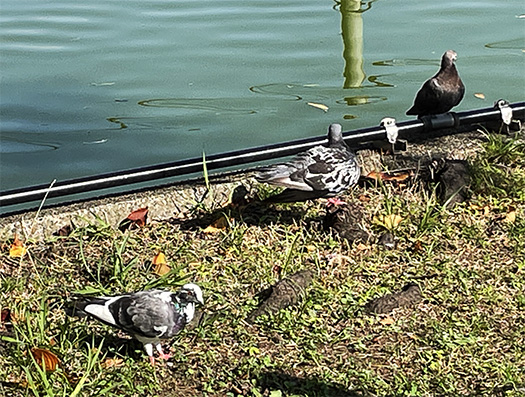
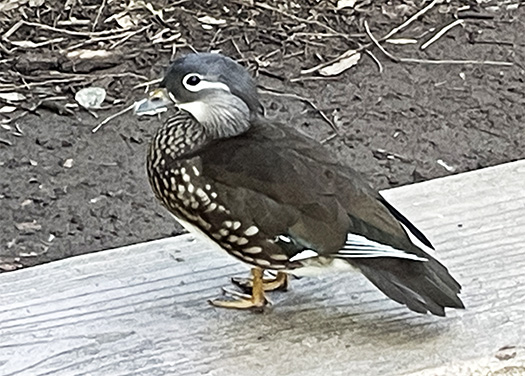
 ・・・ということで池のほとりでたわむれているカモたちを観察していると、しかし実にその品種は多様だと気付かされる。わたしがいつも散歩している札幌円山公園ではほぼ1種類のカモとオシドリという近縁種だけですが、どうもカモといっても多様だと驚いた。まぁきっと昔からそうなんでしょうが、池の畔の「説明板」には以下の記述。
 「不忍池にはいろいろなカモ(中略)が多いとき1万羽を超えることも。キンクロハジロ、ホシハジロ、オナガカモがベスト3。カルガモ、ヒドリカモ、バン、ハシビロカモ、マガモなど・・・」
 なんだそうであります。
 多民族化というのは、日本列島という交流の多い環境では自然な流れなのでしょうか。幕末明治の変動もこの列島社会では「受け入れやすい」から、アジアで先駆けたということなのかなぁ。

●お知らせ
拙書「作家と住空間」幻冬舎から電子書籍で発刊
お求めはAmazonで。
https://amzn.asia/d/eUiv9yO

English version⬇

【Ueno’s Shinobazu Pond Ducks and Multicultural Japan】
A classic Tokyo stroll. What catches the eye is the ducks’ “diversity.” Quite different from Sapporo in “feather color.” But no Mandarin Ducks. I wonder if they don’t get along…

 Yesterday, I returned to Sapporo.
Recently, the “inbound” trend during travel has accelerated even further, gaining momentum. All you hear at tourist spots is foreign languages. I often stay around Ueno, but even during early morning strolls around Shinobazu Pond (pictured), I see mostly foreigners. It’s no longer just Chinese tourists; it seems more Westerners are coming now.
Even at lunch spots and restaurants, receiving service from Japanese staff has become a rare occurrence.
 Is this proof that Japan is effectively implementing immigration policies, driven by the urgent necessity to secure labor amid its declining birthrate? The ongoing weakening of the yen in international finance also seems to reflect these factors, as if intentionally creating an environment conducive to such trends. Is it inevitable that Japan will follow America’s path toward becoming a “multiethnic society”? I wish this core theme of “economic policy” would be properly debated.
 The growth of the Japan First Party in the Upper House election could be seen as proof that the “Japanese First” ideology is taking root in the consciousness of many Japanese people.
Indeed, as I move around, I feel my own inner reaction to this multiethnic shift.
It seems Japan’s society is changing significantly from what it was before.
 The year before last, while in Kyoto, I inwardly screamed at the overwhelming influx of tourists. I headed for the Nara area, which felt “still bearable,” specifically to places like Asuka and Kashihara, hoping to avoid areas still largely untouched by foreigners. It’s natural for one’s heart to gravitate toward “more Japanese things.”
…And so, observing the ducks frolicking by the pond, I realized just how diverse their breeds actually are. At Sapporo’s Maruyama Park, where I always walk, there’s basically just one type of duck and its close relative, the Mandarin duck. But I was surprised to learn that ducks themselves are quite diverse. Well, I suppose it’s always been that way. The information board by the pond reads:
“Shinobazu Pond hosts various ducks (omitted)… sometimes exceeding 10,000 birds. The top three are the Common Pochard, Tufted Duck, and Long-tailed Duck. Others include the Spot-billed Duck, Gadwall, Common Moorhen, Shoveler, Mallard, etc…”
So it seems.
Is this multiethnic trend a natural progression in the Japanese archipelago, an environment rich in exchange? Perhaps the upheavals of the late Edo and Meiji periods were “easier to accept” in this island society, making Japan a pioneer in Asia.

●Notice
My book “Writers and Living Spaces” published as an e-book by Gentosha
Available on Amazon.
 

【新橋・烏森神社、天鈿女命<アメノウズメ>ご健勝(笑)】


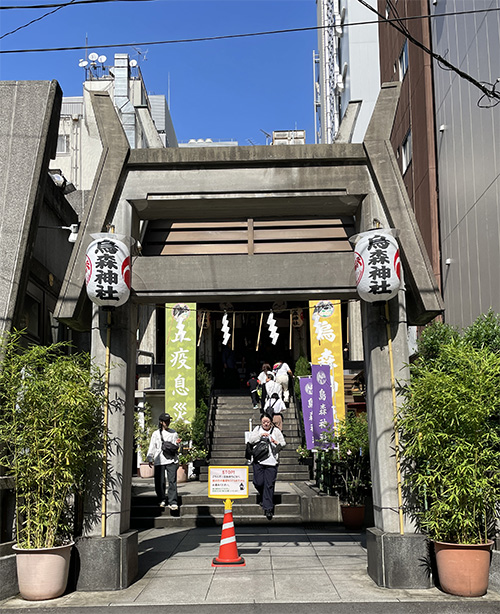
 今回の東京滞在も本日帰還で終了であります。昨日は午後からの用件に向けて移動中、新橋に立ち寄ったので、恒例(笑)の神社参拝として烏森神社へ。
 東京での広告企業勤務時代はおおむね銀座から新橋への「ガード下」屋台群にご厄介になる生活だったので、その一帯の歓楽業関係の崇敬を一手にご引き受けいただいている天鈿女命<アメノウズメ>の御利益に与って生きていたと言えるでしょうか。
 天鈿女命<アメノウズメ>とは。
 アマテラスさまが弟神の須佐之男命が天上界に久しぶりに帰ってきたとき大暴れしたことに立腹して天岩戸にお隠れになってしまい、光が世界から失われてしまった。困った天上界の人びとが一計を案じて天岩戸の前で大宴会を開いたとき、肌も露わな姿態で踊りを舞われ、大いに人びとが盛り上がって喧噪にあふれた。その様子をアマテラスさまが不審に思って天岩戸を開けてしまった瞬間、力自慢のタヂカラオ(天手力男命)が岩戸を閉めさせずに、無事に世界に光明が再来した、という神話上の故事の大主役。その故事に由縁して歓楽産業の主要神に祀られていて、この新橋・烏森神社の祭神になられているのですね。日本社会のユーモア感覚を伝える貴重な神話故事。
 昨日まで東京渋谷の無機質大都会化を憂いていましたが、ここサラリーマンの聖地・新橋ではこの神さまが無事ご健在ということでひと安心。心安らかに手を合わせておりました。
 変貌を続ける大都会東京ですが、そのなかでも「時間差」はこのように感受することができますね。いや、むしろこうした街区ごとの「個性」の違いこそが日本の首都のオモシロさであるのかも知れません。失われるモノがあり、同時に深まっていくモノもある。鴨長明は「方丈記」で、吉田兼好は「徒然草」で、世相という情報世界を現代人にまで「伝えて」くれていますが、ただ厭世的になるのではなく淡々と世を見続け、光明を見出していく姿勢も重要なのかと、腑に落ちていました。
 さて本日帰還。留守中、ヒグマがわが家の2-3km近くで人を襲ったニュースも。
 大都市東京も、北の自然と共生する地方都市も、多事多難。

●お知らせ
拙書「作家と住空間」幻冬舎から電子書籍で発刊
お求めはAmazonで。
https://amzn.asia/d/eUiv9yO

English version⬇

【Shinbashi’s Karasumori Shrine, Ame-no-Uzume-no-Mikoto in fine health (lol)】
The entertainment district protected by this star of Japanese mythology thrives. Each block’s unique preservation and development efforts are fascinating. Now, what about the northern lands facing brown bear threats? …

 My Tokyo stay ends today with my return home. Yesterday, while heading to an afternoon appointment, I stopped by Shimbashi and paid my customary (lol) visit to Karasumori Shrine.
 During my time working at an advertising agency in Tokyo, I mostly lived off the street food stalls under the elevated tracks between Ginza and Shimbashi. So, I suppose I lived under the protection of the blessings of Ame-no-Uzume-no-Mikoto, who is revered as the patron deity of the entertainment industry in that area.
Ame-no-Uzume-no-Mikoto.
 When Amaterasu-sama became furious upon her brother Susanoo-no-Mikoto returning to the heavenly realm after a long absence and causing a huge disturbance, she hid herself away in the Heavenly Rock Cave. Light vanished from the world. The troubled inhabitants of the heavenly realm devised a plan and held a grand banquet before the cave entrance. There, she danced in a revealing state, greatly exciting the people and filling the air with noise and revelry. Suspicious of the commotion, Amaterasu opened the cave door. At that very moment, the mighty Tajikarao (Tajikarao-no-Mikoto) prevented the door from closing, allowing light to safely return to the world. She is the central figure in this mythological tale. Because of this story, she is enshrined as a major deity of the entertainment industry and is the principal deity at this Shinbashi-Karasumori Shrine. A precious mythological tale conveying Japanese society’s sense of humor.
Until yesterday, I was lamenting the impersonal urbanization of Tokyo’s Shibuya. But here in Shimbashi, the sacred ground of the salaryman, knowing this deity remains safely and robustly present brings me relief. I bowed my head in quiet peace.
Though Tokyo continues its relentless transformation, one can still sense these “time lags” within it. Or rather, perhaps it is precisely these distinct “personalities” of each neighborhood that make Japan’s capital so fascinating. Some things are lost, while others deepen. Dogen in his Hojoki and Yoshida Kenko in his Tsurezuregusa have “passed on” this world of social phenomena to us modern people. But it struck me: rather than just becoming pessimistic, the attitude of calmly observing the world and finding light within it is also important.
 Well, I’m back today. While I was away, there was news of a brown bear attacking someone just 2-3 km from my house.
Both the metropolis of Tokyo and regional cities coexisting with northern nature face their share of trials and tribulations.

●Notice
My book “Writers and Living Spaces” published as an e-book by Gentosha
Available on Amazon.

【東京渋谷に残る自然痕跡・・・と北の鳥たち】


 自分のカラダはいま東京の雑踏の中にいて徒歩と電車・地下鉄での移動のなかに身を置いているのですが、やはり加齢とともに心理は「彷徨っている」意識に支配されてくる。きのうも触れた渋谷の土地「記憶難民」ぶりですが、ちょっとSNSを覗いてみると東京地元のみなさんまでそういった声にあふれているのですね。「迷子になる〜〜」という悲鳴(笑)。
 人間と「住」空間を主な領域として生きてきたわたしですが、その領域にプラスしてやはり現代人の「無機質空間でのいとなみ」ということも考えざるを得ないなぁと思える。機能性に特化して「風景的」空間性を捨て去った空間に対して、人間的なアプローチはなにか可能なのか。人間が作った空間なので、やがてそこに「なじみ」の感覚が生起してきて、それなりの「愛着」のとっかかりのようなものが認識されるようになるのでしょうか、果たして?
 いまのところ、高齢者にはなかなか想像力が湧いてこない。ふ〜む。
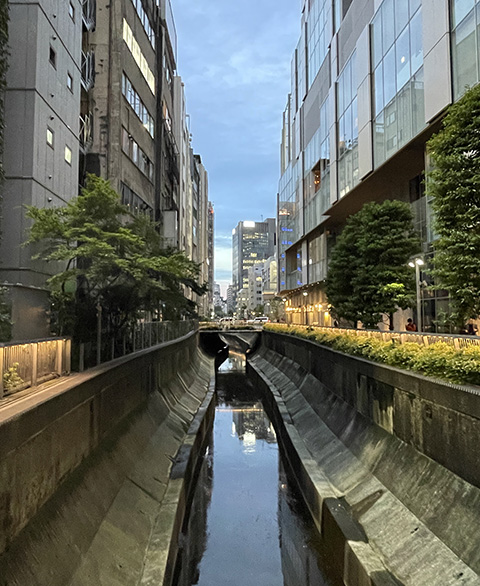
 上の写真は、ふと過去の渋谷風景の「痕跡」とも思えたコンクリートで覆われた「渋谷川」の様子。渋谷川は渋谷駅南方から南、広尾五丁目の天現寺橋までの2.4 kmを流れる二級河川。まるで現代建築技術でコントロールされ切った「自然」だけれど、その流路の不定形ぶりに辛うじての自然感が漂って見える。わたしが最初にこの川を見ていたのはいまから55年前でそこから8−9年は見た記憶を持っている。もちろん当時はなんの感慨を持つことも無かった。むしろコンクリートで「半ばは殺された川」という印象を強く抱いていた。もちろん川鳥など見たこともない。
 だから渋谷という地域・自然の「墓」の記憶なのかも知れないと思う。しかし墓であっても、なにかの残影を想起させるものではあるだろうか。
 そんなことで札幌の散歩道で、都市化されたとはいえその生きようを担保している環境の中で、ごく自然に表情を感じさせてくれる存在に思いが向かっていた。やはり心理に「渇望」感が起こっているのでしょうね。渋谷以外ではそれなりに鳥たちのさえずりも聞こえるので、たくましく生き延びていることを感じるけれど、時間が無いので、その姿を拝むことは難しい。
 昔人は「ふるさとは遠くにありて思うもの」と記したけれど、現代の大都会の暮らしではよりデフォルメされていくのでしょうね。

●お知らせ
拙書「作家と住空間」幻冬舎から電子書籍で発刊
お求めはAmazonで。
https://amzn.asia/d/eUiv9yO

English version⬇

【Natural Traces Remaining in Tokyo’s Shibuya… and Birds from the North】
The terminal in Tokyo’s Shibuya, transformed into an inorganic landscape. Seeing traces of former nature in a river that resembles a “grave.” Unconsciously searching for cute birds. …

 My body is currently immersed in Tokyo’s bustling crowds, navigating on foot and via trains and subways. Yet, with age, my psyche increasingly succumbs to a sense of “wandering.” Yesterday I mentioned Shibuya’s status as a “memory refugee” zone, but glancing at social media reveals even Tokyo locals are flooded with similar sentiments. “I’m getting lost~~” cries abound (laugh).
 As someone who has lived primarily within the domains of humans and “residential” spaces, I find myself compelled to also consider the modern human’s “activities within inorganic spaces.” Is there any human-centered approach possible for spaces that prioritize functionality and discard “scenic” spatiality? Since humans create these spaces, does a sense of ‘familiarity’ eventually emerge there, allowing us to recognize some semblance of an “attachment” to them? I wonder…
 For now, I find it hard to imagine this happening for the elderly. Hmm.
The photo above shows the concrete-covered “Shibuya River,” which suddenly struck me as a “trace” of Shibuya’s past scenery. The Shibuya River is a Class II river flowing 2.4 km south from Shibuya Station to Tenjōji Bridge in Hiroo 5-chome. It’s like a “nature” completely controlled by modern construction technology, yet the irregularity of its course still manages to give off a faint sense of naturalness. I first saw this river 55 years ago and remember seeing it for another 8-9 years after that. Of course, I felt nothing special about it back then. Rather, I strongly felt it was a river “half-killed” by concrete. Naturally, I never saw any river birds.
 So perhaps it’s a memory of Shibuya as a “grave” for the region and its nature. But even a grave might evoke some lingering trace, mightn’t it?
That’s why, on my walks in Sapporo, amidst an environment that, though urbanized, still safeguards its vitality, my thoughts turned to those beings that so naturally reveal their expressions. I suppose it’s because a sense of “longing” stirs within me. Outside Shibuya, I can hear birds chirping reasonably well, so I sense they’re surviving robustly. But with no time, it’s hard to actually see them.
Ancient people wrote, “Hometown is something you think of when far away,” but in modern metropolitan life, that feeling probably gets more distorted.

●Notice
My book “Writers and Living Spaces” published as an e-book by Gentosha
Available on Amazon.

【サケ遡上の札幌から大変貌の東京渋谷へ】


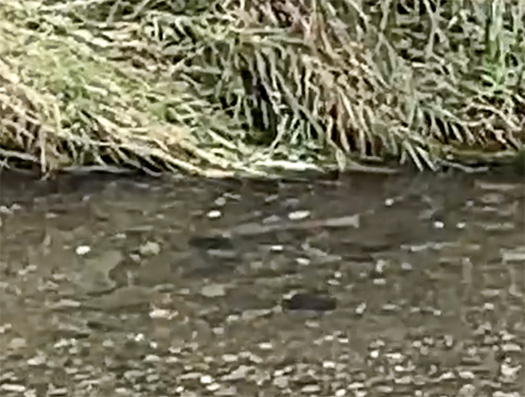
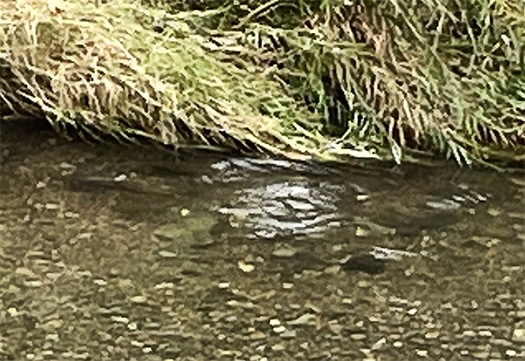
 写真は一昨日午後のわが家周辺の「琴似発寒川」の架橋から見下ろしたサケ(サクラマス説もあり)たち。ここから数十メートルには人間が河川管理のために設けたコンクリート製の高低差のあるダム装置が有り、遡上する魚種に対して「魚道」が整備されているけれど、かれらにとっては相当に過酷な遡上ポイントになっているのでしょう。その直前のこの草むら周辺にしばしたむろして、体力を整えてから魚道にチャレンジするように見受けられます。
 ちょっと前に見ていたときには1尾だけを確認していましたが、この時点では7−8尾を目視確認。わが家周辺でも、このように大自然の輪廻、いとなみが脈々と永遠の時間軸のなかで営まれていることに、深い歓びを感じさせてもらえる。ありがたい機縁。
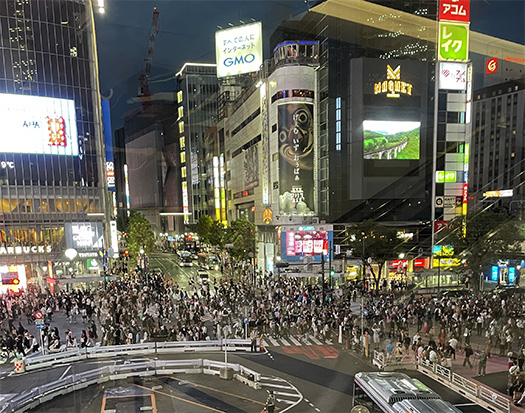
 一方で、わたしは昨日東京に来ておりました。所用で日曜日までこちらにいるのですが、昨日は渋谷周辺に用事があって、ちょうど夕刻、ラッシュアワーの時間に渋谷駅頭に遭遇した。
 渋谷は東京在住時代、学生時代から社会人として就職した時代の間、東横線沿線で暮らしていたのでそのターミナル駅としていちばん利用していた。昨日は渋谷と恵比寿の中間点くらいから徒歩で、渋谷の街区ゾーンに「降りて」いっておりました。渋谷の中心街区・駅のゾーンは東京でも有数の「再開発」が行われてきていて、ここ数年の変貌ぶりはまことにハンパない。
 よく見知っていた街区が跡形もなく消え去って、まったく見たこともないようなビル街が出現してきている。いまから40-50年前ころの土地空間記憶・自分のウチ側と対話しながら「あれれ、ハチ公はどこ?」と彷徨わされる事態に突入していた。着いたら外国旅行者たちが順番に写真撮影スポット活用。ぜひ良い旅路を楽しんでくださいね(笑)。
 ターミナル駅なので「銀座線」に乗るのが目的だったのですが、恵比寿方向からはちょうど「対角」的な位置にあたるのですね。まぁ昨日はハチ公像に久しぶりに対面したく、遠回りもしたワケですが、あやうく老人迷子になってしまう寸前(笑)。写真は道玄坂方向へのスクランブル交差点に蝟集した「人の群」。
 ふと、サケの遡上光景とこの人の波がアタマのなかで反応していました。
 どちらも輪廻転生のひとつの断面なのでしょう。

●お知らせ
拙書「作家と住空間」幻冬舎から電子書籍で発刊
お求めはAmazonで。
https://amzn.asia/d/eUiv9yO

English version⬇

【From Salmon Runs in Sapporo to Tokyo’s Shibuya in Turmoil】
Living things obediently follow the great cycle of life. The salmon runs in Hokkaido and the human tide in Tokyo’s Shibuya. I felt something shared between them. …

 The photo shows salmon (possibly cherry salmon) viewed from the bridge over the Kotoni Hassamu River near my home the afternoon before yesterday. Just a few dozen meters downstream, there’s a concrete dam with varying heights installed by humans for river management. While a fish ladder has been provided for migrating fish species, it must be an extremely harsh migration point for them. They seem to linger for a while in this grassy area just before it, gathering their strength before attempting the fish ladder.
 Earlier, I had only spotted one fish, but at this point, I visually confirmed seven or eight. Even around my home, witnessing nature’s eternal cycle and the relentless flow of life unfolding within the timeless axis brings me profound joy. A truly grateful opportunity.
Meanwhile, I arrived in Tokyo yesterday. I’ll be here until Sunday for business, and yesterday I had errands around Shibuya. I happened to be near Shibuya Station during the evening rush hour.
 During my time living in Tokyo, from my student days through my early career, I lived along the Toyoko Line, so Shibuya was the terminal station I used most frequently. Yesterday, I walked from somewhere between Shibuya and Ebisu, “descending” into Shibuya’s district zone. The central district and station area of Shibuya has undergone some of Tokyo’s most extensive redevelopment, and the transformation over the past few years is truly staggering.
 Familiar blocks vanished without a trace, replaced by entirely unfamiliar skyscraper districts. I found myself wandering, talking to my inner self about the spatial memories from 40-50 years ago, thinking, “Huh? Where’s Hachiko?” Once I arrived, foreign tourists were lined up taking photos at the spot. I hope you all enjoy your travels (laugh).
 Since it’s a terminal station, my goal was to board the Ginza Line, but coming from the Ebisu direction, it’s positioned almost diagonally opposite. Well, yesterday I wanted to see the Hachiko statue again after so long, so I took the detour, but I nearly ended up as an elderly lost soul (lol). The photo shows the “human swarm” gathered at the scramble crossing heading toward Dogenzaka.
Suddenly, the sight of salmon swimming upstream and this human tide reacted in my mind.
Both are probably just one cross-section of the cycle of life.

●Notice
My book “Writers and Living Spaces” published as an e-book by Gentosha
Available on Amazon.

【北海道移住者が入居した一般的な住宅】


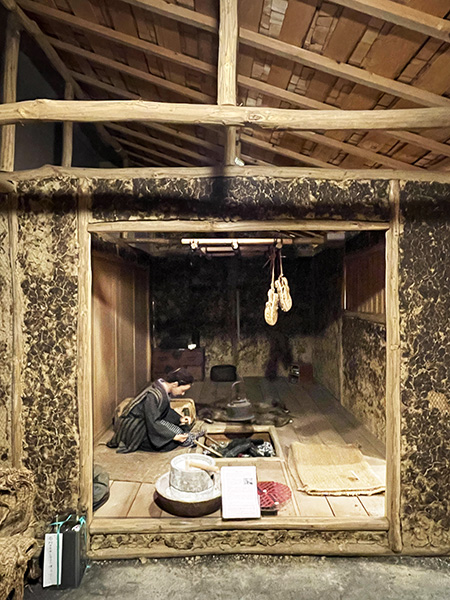
わたしの家系、祖父が北海道に渡って来たのが1905年当時。その当時の様子をリアリティのある展示として伝えてくれているのが、入植した栗沢町上幌から50数キロ北西方向の新十津川開拓記念館。
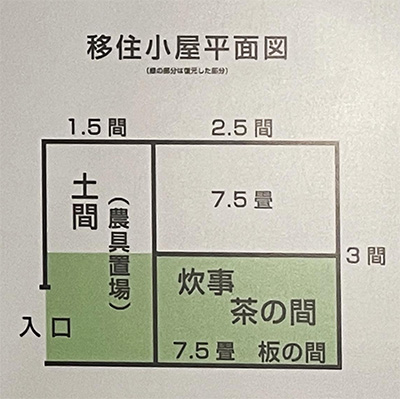
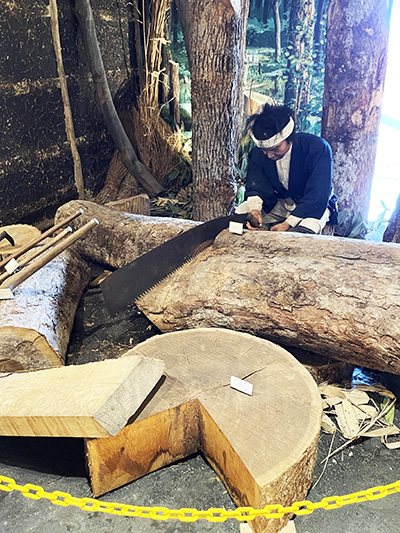
 新十津川は祖父が入植した時代から15-6年前に、奈良県十津川での大水害を受けて集団移住した。明治の後半時期に当たる。いま現代のわたしたちが「高気密高断熱」という住宅性能革命時代に生き、住宅というものが「商品化」されて流通する時代ではなく、まさに「外界とウチを仕分けてその土地に暮らす」という住宅の根源的な機能性にだけ特化した家づくりが行われていた。もちろんハンドメイドの手づくり。
 このような家づくりについて公的なガイダンスというものもあったことが想像できる。とくに地域自治体である北海道庁が今日に至っても「建築指導課」という部署を持って「住宅施策」を独自に展開していることの歴史的機縁になっていることからもうなずける。やや西部開拓期のアメリカに学んでいるとも思える。実際に北海道にはアメリカから「御雇い外国人」が多数、寒冷地開拓の「文化」を移植した。
 新十津川の場合には未曾有の大災害であり、江戸末期には「勤皇」の地域として知られていたことから災害から集団移住に際して、天皇からの「下賜」も受けるなど、手厚く段取りが取られていたことが伺える。入植から2年間は北海道庁から食糧給与があったという。入植地の選定にあたって、わたしの母の実家の三笠地域・市来知も候補に挙がっていた事実も確認された。

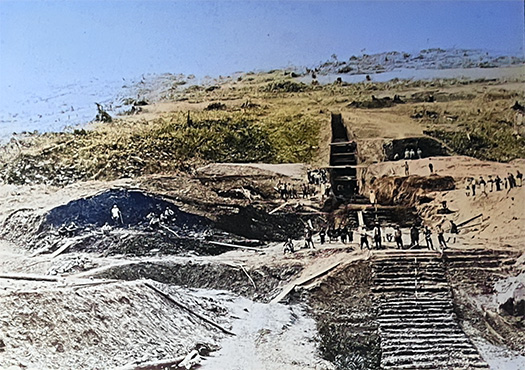
 そういう経緯からさまざまな「写真記録」も現存していて明治中〜末期の北海道開拓の実相が伝わってくる。こちらは農業用水の確保のための土地改良の土木作業の様子。
 わたしの祖父の場合にはこの写真の時期からは15-6年経過して、また、近隣には多くの入植者がいて、公的な学校などもすでに整備されていたようだ。しかし入植当時は裏の山にはヒグマが棲息していて、夜に家に帰ってくるときは「ガンガン」を叩いて音を発生させ「クマ除け」としたという。・・・先人たちと同様に現代人も対ヒグマということでは追体験させられつつあるのか?
 このような住宅では、室内気候の維持にはとにかく囲炉裏の火が生命線。その必死さが、展示からヒシヒシと伝わってくるようだった。祖父と祖母、家系のひとびとの心象に思いが募る。

●お知らせ
拙書「作家と住空間」幻冬舎から電子書籍で発刊
お求めはAmazonで。
https://amzn.asia/d/eUiv9yO

English version⬇

【Typical Housing for Hokkaido Settlers】
A situation similar to American “settlement” during the western expansion unfolded in Hokkaido. Housing, however, generally involved traditional handmade construction, clinging to a life centered around the hearth. …

My family lineage traces back to my grandfather, who came to Hokkaido around 1905. The Shin-Totsukawa Pioneering Memorial Museum, located about 50 kilometers northwest of Kurisawa Town’s Kamihoro settlement, vividly conveys what life was like back then through realistic exhibits.
Shin-Totsukawa was settled about 15-16 years before my grandfather’s arrival, following a mass migration from Totsukawa in Nara Prefecture after severe flooding there. This occurred during the latter half of the Meiji period. Unlike today, where we live in an era of housing performance revolution characterized by “high airtightness and high insulation,” and where housing is commoditized and distributed, homebuilding back then focused solely on the fundamental functionality of housing: “separating the outside world from the inside and living on that land.” Naturally, it was handmade.
 One can imagine that public guidance existed for such homebuilding. This makes sense given the historical connection to the Hokkaido Government, a regional authority, which even today maintains a “Building Guidance Division” to independently develop “housing policies.” It seems somewhat inspired by the American frontier era. Indeed, many “foreign experts” were hired from America to transplant the “culture” of cold-region development to Hokkaido.
 In the case of Shintotsukawa, it was an unprecedented disaster. Given the area’s reputation as a “loyalist” region during the late Edo period, the collective migration following the disaster was meticulously arranged, including receiving “gifts” from the Emperor. It is said that for the first two years after settlement, food rations were provided by the Hokkaido Government. It has also been confirmed that the Mikasa region and Ichikichi, where my mother’s family home was located, were among the candidate sites considered for the settlement.

 As a result of these circumstances, various “photographic records” still exist today, conveying the reality of Hokkaido’s development from the mid- to late Meiji period. This one shows civil engineering work for land improvement to secure agricultural water.
 In my grandfather’s case, about 15-16 years had passed since the time of this photo. Many settlers were already living nearby, and public schools and such facilities seemed to be established. However, back when they first settled, brown bears lived in the mountains behind their homes. When returning home at night, they would bang on a “gan-gan” (a type of wooden clapper) to make noise and scare off the bears. …Are modern people, like our predecessors, being forced to relive this experience with bears?
In dwellings like these, the hearth fire was absolutely vital for maintaining indoor warmth. The sheer desperation behind it seemed palpable from the exhibit. My thoughts turned to my grandfather, grandmother, and the people of my family line.