本文へジャンプ

【400年前の故地・広島県「入野」から北海道へ資料が・・・】


 「四百年間のいのちの履歴書」シリーズ。資料収集に朗報。
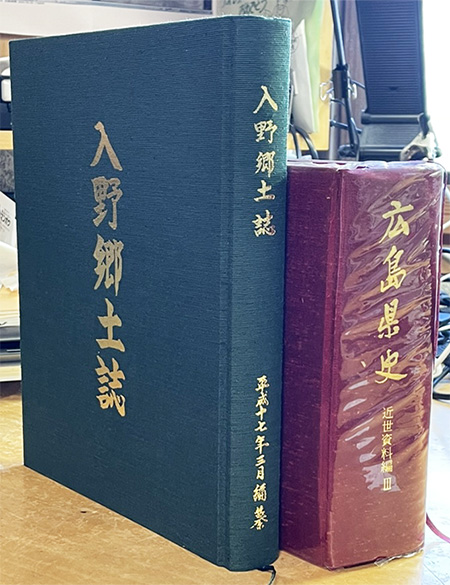
 先日3/16、まるで涅槃を旅した気分だったわたしの家系の「故地」広島県河内町入野。その社会福祉協議会から昨日、2005年に発刊の「入野郷土誌」を郵送で寄贈いただいた。
 この故地は行政区画として変遷を重ねてきていて現在は東広島市河内町の「字〜あざ」として残っている。現地には行政区画の変遷をあらわす石碑がある。以前は独立した村だったが、現在までの経緯記述。そういうなかでこの「社会福祉協議会」さんが、地域機能窓口になっていただけた次第。
 送られてきた資料書籍は広島県史と比べても冊子サイズが大きく,装丁は重厚で広島県史とまったく見劣りしない。いち「字」として異例の重厚な記録資料。想像すれば自治体消滅に際して、県史並みの重厚さと予算で資料を収集保存させた事実が伝わってくる。
 この資料の存在を知って入手し研究したいと思って調べたが、国立国会図書館や東広島市中央図書館には保存されていたが、外部に貸出は不可の保存資料扱い。参照するには東京や現地に行って借りてその場で参照するしかない。非常に貴重な極秘資料扱いなのです。
 そこで著者法人の「入野地区社会福祉協議会」に連絡し、販売をお願いした。
 ところが上述の経緯なので「非売品」扱いで現物は保持されていなかった。入野が自治体から「地区」になったとき、住民だけに配布された旧自治体としての痕跡記録だったのです。であるのに当方の事情を勘案してくださり篤志として事務局長さん個人の分を寄贈いただいた(!)。「この事務所に保存があるので、大丈夫です」というありがたい厚意。たぶんはるばる北海道に流離した地縁者への厚情であると理解。深く感謝。先祖の「導き」かも知れない。故地の一族の墓域痕跡のことをお話ししたところ「ああ、あそこですね」との即座のお答え。まことに「染み入り」ます。
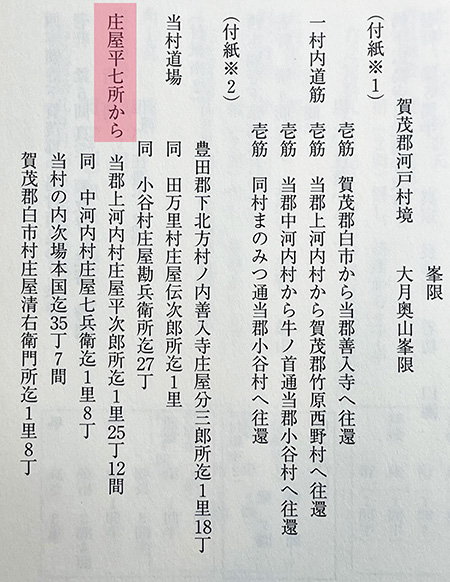
 さっそく調べたら上のような記録箇所を発見。1718年段階の広島藩による入野村の「土地境界」調査記録部分ですが「庄屋平七所から・・・」という記述。これは現代文訳すると「庄屋の(原)平七の屋敷地(所)から〜」という意味。この記録年代当時、原平七が「庄屋」だった確かな記録と理解出来る記載。
 わたしの家系地縁の証拠・・・。

●お知らせ
拙書「作家と住空間」幻冬舎から電子書籍で発刊
お求めはAmazonで。
https://amzn.asia/d/eUiv9yO
English version⬇

[Documents from “Iri no,” my ancestral home in Hiroshima Prefecture 400 years ago, have arrived in Hokkaido…]
Judging by the circumstances of its publication, this appears to be a record of the municipality’s dissolution that was distributed exclusively to residents. I have respectfully read the “Iri no Local History” from my ancestral home. Immediately, …

 The “400-Year History of Life” series. Good news for my research.
On March 16, I visited Iri no in Kawachi Town, Hiroshima Prefecture—the “ancestral home” of my family—and felt as though I had journeyed to Nirvana. Yesterday, the local Social Welfare Council sent me a copy of the *Iri no Local History*, published in 2005.
 This ancestral home has undergone numerous changes in administrative boundaries and currently remains as the “Aza” (subdistrict) of Kawachi-cho, Higashi-Hiroshima City. There is a stone monument on site marking these administrative changes. It describes the history from when it was an independent village up to the present day. It is within this context that the “Social Welfare Council” has served as a local information hub.
 The book sent to me is larger in size than the *History of Hiroshima Prefecture*, and its binding is substantial, standing up well to the prefectural history. It is an exceptionally comprehensive record for a single “aza.” One can imagine that, upon the dissolution of the local government, the materials were collected and preserved with a budget and level of detail comparable to that of the prefectural history.
 Upon learning of this material’s existence and wishing to obtain and study it, I investigated. While it was preserved at the National Diet Library and the Higashi-Hiroshima City Central Library, it was classified as a reference-only archive and could not be loaned out. To consult it, one must travel to Tokyo or the local site to borrow it and view it on-site. It is treated as an extremely valuable, top-secret document.
Therefore, I contacted the authoring organization, the “Iri no District Social Welfare Council,” and requested that they sell it to me.
However, due to the circumstances described above, it was treated as “not for sale,” and no physical copies were retained. It was a record of the former municipality’s history, distributed exclusively to residents when Irino was designated a “district” by the local government. Despite this, the secretary-general took our circumstances into consideration and generously donated a personal copy to us as a gesture of goodwill (!). “We have a copy preserved here at the office, so it’s fine,” he said with gracious kindness. I understand this as a deep act of compassion toward a fellow local who had drifted all the way to Hokkaido. I am deeply grateful. It might even be the “guidance” of my ancestors. When I mentioned the traces of our clan’s burial grounds in our hometown, the immediate reply was, “Ah, that place, right?” It truly “touches my heart.”

 I looked into it right away and found the record mentioned above. It’s a section from a 1718 survey of “land boundaries” in Irino Village conducted by the Hiroshima Domain, containing the phrase “from the village headman Heishichi’s residence…” Translated into modern Japanese, this means “from the residence of the village headman (Hara) Heishichi…” This entry can be understood as definitive proof that Hara Heishichi was the “village headman” at the time the record was made.
 Evidence of my family’s local roots…

● Announcement
My book, “Writers and Living Spaces,” has been published as an e-book by Gentosha.
Available on Amazon.

【札幌市西区山の手から遠望の山並み/君の名は?】


「四百年間のいのちの履歴書」と題して、いかにもライフワークとも言える自分と自分の血のルーツのたどった事跡をふりかえって、さまざまな「経験知」を読み取りたいという企図。ようやく準備作業を整えつつあります。さまざまな情報取材、現地「臨場感・空気感」の追体験は深層的インパクト。
 いまも、さまざまな新規取材対象が現れてきて、活発に揺れている。リアリティの実相かと。
 一方で季節はどんどん進んで、首都圏などでは本格的なお花見シーズンかと。わたしたち夫婦も昨年同様、北東北〜道南と花見旅の予定をたのしく立案中。しかし家の周辺の散歩道での季節のゆらぎ観察も非常に興味深く感じられております。
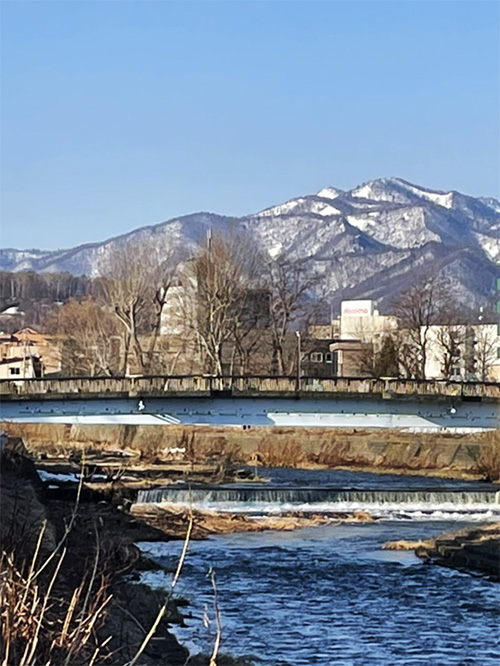
 写真はわが家周辺の発寒川緑地などから遠望される山並み。いつも見ているのですが山の名前は素人にはなかなかわからない。札幌周辺の山名を探してみても、そこそこの高さの山としては「札幌岳」だと思えるのですが、知人からは「百松沢山」ではないかと言われる。確かにそれらしいのですが、地学的知見が乏しいので、当面札幌南方の「山並み」と逃げることにします(笑)。
 Googleの画像検索でこの写真をアップして撮影地を特定しても以下の回答。
〜この山の名前は比叡山(ひえいざん)の可能性が高いです。
場所の特定: この画像に写っている川は、京都を流れる鴨川と考えられます。
山の特徴: 鴨川から北東の方角に見える雪をかぶった大きな山は、京都市左京区と滋賀県大津市にまたがる比叡山である可能性が高いです。〜〜
 おいおい、であります。まぁ、AI特有のフェイクと笑うしかない。

 しかし見慣れるに従って、山名が不明ということからむしろ印象が深くなってくる(笑)。古すぎて恐縮なんですが、戦後すぐの頃に「君の名は」という映画がヒットしていたそうです。いまのわたしは、徐々にこの山並みに焦がれてきてしまっている(笑)。謎がこころのなかであわく融けて「好き」に変化する・・・。自分的に動態観察するとそういう状態になっている。まことに「君の名は?」。
 はじめは「なんか、段々状でみったくないっしょや」と思っていたものが、とくに雪融け時期のグラデーションをより強調するかのような山並みぶりに陶然とさせられている。ヤバい(笑)。

●お知らせ
拙書「作家と住空間」幻冬舎から電子書籍で発刊
お求めはAmazonで。
https://amzn.asia/d/eUiv9yO

English version⬇

[A distant view of the mountain range from Yamanote, Nishi Ward, Sapporo / What’s your name?]
A nearby mountain range whose name I don’t even know. It’s strange how my initial impression—“It looks kind of terraced and unattractive, doesn’t it?”—gradually shifts to “It’s quite charming.” …

Titled “A 400-Year Resume of Life,” this project aims to reflect on the journey I’ve taken to trace my own roots and those of my bloodline—a true life’s work—and to extract various forms of “experiential knowledge” from it. I’m finally getting the groundwork in place. Gathering diverse information and reliving the “sense of presence and atmosphere” of the locations has had a profound impact.
Even now, various new subjects for research are emerging, keeping things lively. Is this the true nature of reality?
Meanwhile, the seasons are rapidly advancing, and in the Tokyo metropolitan area, it seems the full-fledged cherry blossom viewing season has arrived. My wife and I, just like last year, are happily planning a cherry blossom viewing trip through northern Tohoku to southern Hokkaido. However, observing the subtle seasonal shifts along the walking paths near our home is also proving to be quite fascinating.
The photo shows the mountain range viewed from the Hatsukari River Greenbelt near our home. I see it every day, but as a layperson, I find it quite difficult to identify the names of the mountains. When I look up mountain names around Sapporo, the one that seems to fit for a mountain of that height is “Mt. Sapporo,” but an acquaintance suggested it might be “Mt. Hyakumatsu.” It certainly looks like it could be, but since I lack geological knowledge, I’ll just call it the “mountain range” south of Sapporo for now (laughs).
When I uploaded this photo to Google Image Search to identify the location, I received the following response:
~The name of this mountain is most likely Mt. Hiei.
Location identification: The river shown in this image is believed to be the Kamo River, which flows through Kyoto.
Mountain characteristics: The large, snow-capped mountain visible northeast of the Kamo River is highly likely to be Mt. Hiei, which straddles Sakyo Ward in Kyoto City and Otsu City in Shiga Prefecture.
 Come on, really. Well, I guess I just have to laugh it off as typical AI nonsense.

However, the more I look at it, the more the fact that the mountain’s name is unknown actually makes it leave a deeper impression (lol). I’m a bit embarrassed to admit how old-fashioned this is, but apparently there was a hit movie called “Your Name” right after the war. Right now, I’m gradually finding myself captivated by this mountain range (lol). The mystery is slowly melting away in my heart and transforming into “love”… When I observe it in real time, that’s the state I find myself in. Truly, “What is your name?”
At first, I thought, “Hmm, it looks kind of like terraces and isn’t very pretty,” but now I’m entranced by the way the mountain range seems to emphasize the gradation of colors, especially during the snowmelt season. This is bad (lol).

● Announcement
My book, “Writers and Living Spaces,” has been published as an e-book by Gentosha.
Available on Amazon.


【日本発の世界標準文化/マンガの国家戦略化は?】


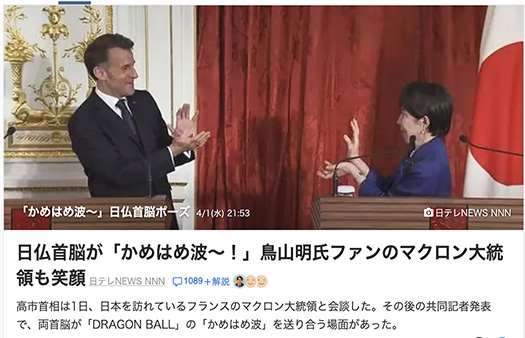
 写真は、Yahooニュース記事のトップにあった記事から(日テレNEWS)。
 「かめはめ波」日本人なら誰でも知っている仮想世界の必殺技が、世界の外交の場で「共通言語化」されてコミュニケーションされることがユニークだと思えた。マクロンさん日本文化へのシンパシー、ありがとうとニッコリ応えたくなる。人間の内心はみんな単純なんですよね。
 こういうギャグ感覚が伝達され友好的雰囲気で会談になれば、きわめて有益。
 わたしたち70代くらいの年代は月刊誌から週刊誌にマンガが文化領域として急発達していった時期に少年少女期を過ごして、毎月・毎週ハラハラドキドキしながらマンガ誌の発売を待っていた。おっかないオトナの一部からは「あんな下らないもの!」みたいな白眼視を送ってきたひともいたけれど、いまこの時代になると日仏首脳会談での共有文化資産にまで上り詰めてきている。ドヤ、でありますね(笑)。
 はるかな少年期・中学生の頃は友人たちとマンガサークルのようにして過ごしていた。はじめて描いてみた作品は残念ながら父に「こんなものは燃やしてやる!」とボイラーの灰にされてしまった(泣)。その悲しみの余りプチ家出してしまっていた。おなかが空いて2時間後くらいに帰って来たけれど(笑)。仕方なく母に付き添われてプチ家出については謝らされた。しかしさすがに父も「マンガ」そのものについてはその時、口には出さなかった記憶がある。父との根底的対話の始原かと。
 そのマンガは「オマエ最期まで描けたんだ」と友人たちから驚かれ羨望の目線も受けていた。
 おっと、余談が過ぎる(笑)。しかしはるかな人生航路の終盤でビジネス的なマンガ制作として10数年前に5冊ほどのマンガ作品を創っていた。創造者としてのある達成感は持つことが出来た。ドヤ(笑)と。

 しかし鳥獣戯画以来の日本のマンガ文化はいま、世界から強い共感を獲得してきている。これを日本は世界への平和文化貢献策としてノーベル賞並みの賞を創造するなど、国家戦略化すべきではないだろうか?とくに分断化してきている世界のなかで、マンガパワーには計り知れない未来性がある。悪意ある国の「世論工作(認知戦)」が人々の心を蝕む「毒」だとしたら、日本のマンガ文化こそは世界を癒やす「薬」になるのではないだろうか。マンガには理屈ではなく感性で共鳴させる力がある。これこそ今の殺伐とした国際社会が必要としている「平和の必殺技」かもしれない。
 日本はこの共鳴力を娯楽で留めず国家としての「和の戦略」にまで高めていくべきだと感じる。

●お知らせ
拙書「作家と住空間」幻冬舎から電子書籍で発刊
お求めはAmazonで。
https://amzn.asia/d/eUiv9yO

English version⬇

[A Global Cultural Standard Originating in Japan: Should Manga Be Made a National Strategy?]
“Is that it?!” (laughs). As the birthplace of this globally recognized cultural phenomenon, shouldn’t we be devising a national strategy to leverage it and foster further growth? …

 The photo is from the top of a Yahoo News article (Nippon TV News).
It struck me as unique that the “Kamehameha Wave”—a fictional special move known to every Japanese person—has become a “common language” used for communication on the global diplomatic stage. I felt like smiling and saying, “Thank you,” to Mr. Macron for his appreciation of Japanese culture. Deep down, we’re all pretty simple, aren’t we?
 If this kind of sense of humor can be conveyed and lead to a friendly atmosphere during the summit, it would be extremely beneficial.
We, the generation in our 70s, spent our childhood and teenage years during a time when manga rapidly evolved from a cultural niche in monthly magazines to one in weekly magazines, and we used to wait with bated breath every month and every week for the release of manga magazines. Some of the scary adults looked down on them, saying things like, “Such nonsense!” But now, in this day and age, they’ve risen to become a shared cultural asset at a Japan-France summit. We’ve got something to be proud of, haven’t we? (laughs)
Back in my distant childhood and junior high school days, I used to hang out with friends like we were in a manga club. Unfortunately, the first piece I ever drew was turned into boiler ash by my father, who declared, “I’ll burn this thing!” (sob). I was so heartbroken that I ran away from home for a bit. I came back about two hours later because I was hungry, though (laugh). Reluctantly, I was made to apologize for my little runaway by my mother. However, I recall that my father, surprisingly, didn’t say a word about “manga” itself at that time. Perhaps that was the origin of our fundamental dialogue.
 That manga drew looks of surprise and envy from my friends, who told me, “You actually managed to finish it!”
Oops, I’m getting too sidetracked (lol). But toward the end of my long life’s journey, I created about five manga volumes over a decade ago as part of a commercial manga project. I was able to feel a sense of accomplishment as a creator. I’m so proud of myself (lol).

 However, Japanese manga culture—which traces its roots back to the *Chōjū-giga*—is now gaining strong resonance around the world. Shouldn’t Japan make this a national strategy, perhaps by creating an award on par with the Nobel Prize as a way to contribute a culture of peace to the world? Especially in a world that is becoming increasingly divided, the power of manga holds immeasurable potential for the future. If the “public opinion manipulation (cognitive warfare)” carried out by malicious nations is a “poison” that corrodes people’s hearts, then surely Japanese manga culture could serve as the “medicine” to heal the world. Manga possesses the power to resonate with people not through logic, but through emotion. This may well be the “ultimate peace move” that today’s turbulent international society desperately needs. I strongly feel that Japan should not limit this power of resonance to mere entertainment, but rather elevate it to a national “strategy of harmony” by establishing an international recognition system on par with the Nobel Prize.

● Announcement
My book, “Writers and Living Spaces,” has been published as an e-book by Gentosha.
Available on Amazon.


【歩きすぎへ筋肉アラート&怪しい「工作」注意報】


 本日起床時、寝床にて節々からのアラート実感。局所的に筋肉疲労痕跡。
 札幌は好天が続いていて、どうしても元気いっぱいに歩きまわりたくなる。クルマもあんまり利用せずに、ちょっとした買い物もついつい元気よく「歩いて」買って来てしまう。高齢者性「健康増進」症候群、とでも名付けられそうな状況になっていたかも知れません。ほどほどを心がけたいけれど、ついついトップギアにしてしまう。
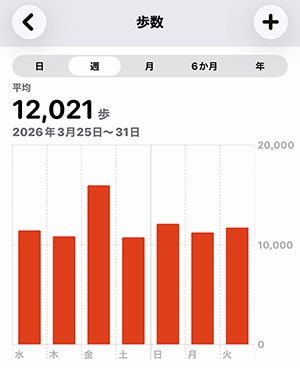
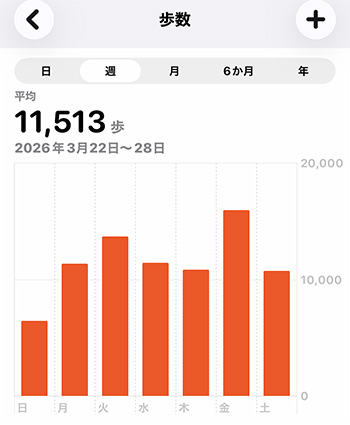
 1日の「歩数」目標設定でも、よく言われる8,000歩に対して「う〜む、あんまりキリがよくないなぁ。やっぱり10,000だろう」と考えてしまうのですね。でも、その目標値に対しても「ゆとりを持って達成したい」と考えて1割2割と「多め」目標になってしまう。貧乏性(笑)。
 ということですが、しかし散歩は気持ちがアップしてきますね。
 自宅周辺をおおむね7-8kmほどはあちこちと歩きまわるワケで、先日の知人のワンちゃんなみに、その日の気分で方角を変えて、「あ、あの辺はあんまり歩いていないなぁ」という方角を見つけてはどんどん向かってしまいます。そういう場所から、見慣れた「快適コース」に復活してくると楽しさも深まってくる感じがあるのですね。腹八分目、っていうのがいいかもですね。
 先日中国大使館に「侵入」して身柄拘束された自衛官について、ようやく機微な情報が伝わって来始めました。警察当局からは「侵入」についての容疑だけが発表されている。一方で中国側からは「刃物を持って危害を加えようとしていた」という発表。アメリカ・中国・ロシアの各大使館については日本の警察側は常時、厳重な警戒を行っているのに、今回は「侵入」であるとされているのに、アラートも発出されていなかった、など不審な状況、などなどという情報です。
 つい先日も読売新聞のスクープで中国による日本社会への世論工作が、詳細に暴露されていましたが、われわれも注意深く、事象をチェックしていく必要がありますね。一般人であってもメールやSNSなどでも不審なものが多い。冷静な対応が求められますね。

●お知らせ
拙書「作家と住空間」幻冬舎から電子書籍で発刊
お求めはAmazonで。
https://amzn.asia/d/eUiv9yO

English version⬇

[Muscle Alert for Overwalking & Warning About Suspicious “Manipulation”]
The “I-Want-It-Now Syndrome” is in full swing. Remember: moderation is key in everything. Meanwhile, warnings have also been issued regarding manipulative activities. Be cautious with information as well…

 When I woke up this morning, I felt a tingling sensation in my joints while still in bed. There were signs of localized muscle fatigue.
The fine weather has been continuing in Sapporo, and I just can’t help but want to walk around full of energy. I’ve been using the car very little, and even for small errands, I end up cheerfully “walking” to get them done. It might have been a situation that could be called “senior citizen health promotion syndrome.” I try to keep it moderate, but I end up shifting into high gear before I know it.
 Even when setting a daily “step count” goal, instead of the commonly cited 8,000 steps, I find myself thinking, “Hmm, that doesn’t feel like a nice round number. It’s gotta be 10,000, right?” But even with that target, I want to “achieve it with some room to spare,” so I end up setting a goal that’s 10–20% higher. I guess I’m just a penny-pincher (laughs).
That said, taking a walk really does lift my spirits.
 I usually end up walking around 7–8 km in various directions around my neighborhood. Just like my friend’s dog the other day, I change direction depending on my mood that day, and whenever I spot a direction where I think, “Oh, I haven’t walked much in that area,” I just keep heading that way. There’s a sense that the enjoyment deepens as I return from those places back to my familiar “comfortable route.” Maybe “eating until you’re eighty percent full” is the way to go.
 Regarding the Self-Defense Forces officer who “trespassed” into the Chinese Embassy the other day and was detained, sensitive details are finally starting to emerge. Police authorities have only announced charges related to “trespassing.” Meanwhile, the Chinese side has stated that he “was carrying a knife and attempting to cause harm.” The information points to suspicious circumstances, such as the fact that while Japanese police maintain constant, strict vigilance around the embassies of the United States, China, and Russia, no alert was issued in this case even though it is being treated as a “trespass.”
 Just the other day, a Yomiuri Shimbun exclusive exposed in detail China’s efforts to manipulate public opinion in Japanese society. We, too, need to carefully monitor these developments. Even among the general public, there are many suspicious messages circulating via email and social media. A calm and measured response is required.

● Announcement
My book, “Writers and Living Spaces,” has been published as an e-book by Gentosha.
Available on Amazon.


【現代「個人主義」と伝統的な「家」価値の相克】


「四百年間のいのちの履歴書」シリーズについて再度、書き進めてみたい。
 現代、明治以降から日本は西欧的価値観を受容して社会的な「価値観」を世界標準に限りなく準拠させて社会を改造してきた。そうしなければ欧米列強から植民地支配される恐怖心から、脱亜入欧というスローガンも叫ばれ、日本は世界の中で特異な地位を築いていった。西洋人から見ても非常に奇異な国家・民族として認識されたことだろう。
 そして第2次世界大戦・原爆投下を経て、今日の戦後世界がある。
 この期間はもうすぐ「江戸時代」の長さに近づきつつある。江戸期はほぼ250年間。それに対して明治以降の時間は158年になろうとしている。戦後社会もすでに80年超。
 この時間経過の中でいちばん大きな社会変化が、それまでの社会意識としての「家の存続」という基底的価値概念から、個人個人が法人組織に雇われる人生に変化してきたことが大きい。資本主義社会が生成発展していく中で、それまでの人間意識の根幹の「家の存続発展」という無上の価値観が、個人が直接社会との契約する社会に変容していった。家と個人の大きな価値観逆転だろうか。
 一方で戦国時代、多くの日本人は家系の存続と繁栄のために自分一個のいのちを捨てることすら厭わなかった。武士道とは死ぬこととみつけたり・・・。
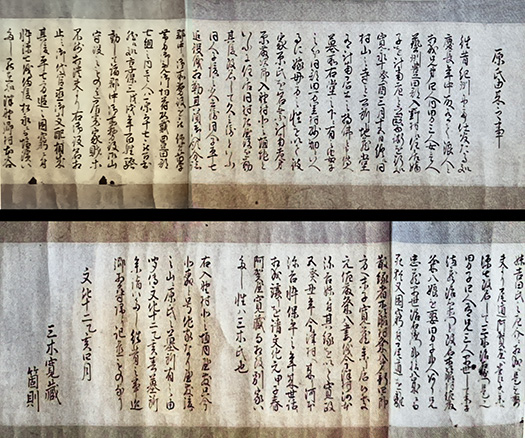
 写真はわが家系に伝承されている六世の祖、1770-1836年の世を生きた三木寛蔵が書き残した「原氏由来の事」の巻物。この祖先は生まれて1歳で父親を亡くし母と祖母の愛情に支えられ、尾道周辺での商家だった父の跡を追って、やがて家を再興させた。しかしそういう人生経緯からか、激しく自分というもの、その生かされた血脈に心が向き合って、家名も変化した経緯までたどって、かれからみて曾祖父、さらにその先の先祖のことまで調査した。
 その軌跡を表現したのがこの巻物一巻。血脈のDNAを必死に探求しただろう事が想像できる。
 こういう「家」というもの、自分のDNAというものへの帰依のこころ。
 現代のわたしは、個人主義の時代に生きているのだけれど、この祖先からの「叫び声」のようなものに深く、鷲づかみにされる。そして孫が生まれ、血脈のあたたかさに満たされている・・・。
 家と個人主義。はたしてこの社会の行く先は?

●お知らせ
拙書「作家と住空間」幻冬舎から電子書籍で発刊
お求めはAmazonで。
https://amzn.asia/d/eUiv9yO

English version⬇

[The Conflict Between Modern “Individualism” and Traditional “Family” Values]
Is exploring one’s family history driven by a desire to feel the “warmth” of one’s bloodline? A longing for values that modern individualism cannot provide. …

I would like to resume writing about the “Four Hundred Years of Life’s Resume” series.
In modern times, since the Meiji era, Japan has embraced Western values and transformed its society by aligning its social “values” as closely as possible with global standards. Driven by the fear of colonial domination by Western powers, the slogan “Leave Asia, Join the West” was championed, and Japan established a unique position in the world. From a Western perspective, Japan must have been perceived as a highly peculiar nation and people.
Then, following World War II and the atomic bombings, we arrived at the postwar world of today.
This period is now approaching the length of the Edo period. The Edo period lasted nearly 250 years, whereas the time since the Meiji era is about to reach 158 years. Postwar society has already lasted over 80 years.
The most significant social change during this time has been the shift from the fundamental value of “the survival of the family”—which had been the basis of social consciousness—to a life in which individuals are employed by corporate organizations. As capitalist society emerged and developed, the supreme value of “the survival and prosperity of the family,” which had been the foundation of human consciousness, transformed into a society where individuals enter into direct contracts with society. Is this a major reversal of values between the family and the individual?
On the other hand, during the Warring States period, many Japanese people did not even hesitate to sacrifice their own lives for the survival and prosperity of their family line. “Bushido is to die…”
The photograph shows a scroll titled “The Origin of the Hara Clan,” written by Miki Kanzo (1770–1836), the sixth-generation ancestor passed down in my family lineage. This ancestor lost his father at the age of one and was raised by the love of his mother and grandmother. He followed in the footsteps of his father, who had been a merchant in the Onomichi area, and eventually revived the family business. Perhaps because of these life experiences, he became intensely focused on his own identity and the bloodline that sustained him. He traced the history of how the family name had changed and investigated his great-grandfather and even earlier ancestors.
This scroll captures that journey. One can imagine how desperately he must have sought out the DNA of his bloodline.
This devotion to the concept of “family” and to one’s own DNA.
Although I live in an age of individualism, I am deeply gripped by what feels like a “cry” from these ancestors. And now that I have a grandchild, I am filled with the warmth of this bloodline…
Family versus individualism. Where is this society headed?

● Announcement
My book, “Writers and Living Spaces,” has been published as an e-book by Gentosha.
Available on Amazon.

【SNS情報発信は現代のメディア「民主化」】


 雪融けがどんどん進む札幌ですが、ほどほどを心がけと書いた散歩歩数は、きのうも12,000超え(笑)。北国人としてダウンジャケットもおよそ3−4種類持っていますが、どんどん薄手になって防寒というよりも時折の寒風から身を守る「防風」用に目的変化。つい2週間前に温暖な広島県福山市周辺を歩きまわっていたときは最強から2番目のダウンジャケットだったのに、いまは札幌で最薄・4番目のものに変化。よろこばしい輪廻。
 さて、本日は政治系メディア論。
 「高市首相、取材対応は少なく歴代と比べ、Xでは連日発信」という共同通信発の記事がYahooニュースで取り上げられていた。昨年の「流行語大賞」で「オールドメディア」というコトバが選出されましたが、現在の状況をある意味、端的に表現していると感じられた次第。
 「オールドメディア」の賞を受けたのは自由民主党の青山繁晴氏で、自身が情報発信している動画投稿の視聴回数が累計で5億回を超えたとのこと。氏は元・共同通信記者であり安倍晋三総理との強い信頼関係で知られた存在ですが「自由民主党を内部から変える」という基本スタンスから政治行動してきている。実際に「部会」という自由民主党の国政全般の政策議論機会を丹念に紹介するなど、民の目線にもわかりやすく伝わる。直近の朝日新聞政治部記者との質問応答など非常に興味深かった。
 自由民主党議員の情報発信など一顧だにされないのが一般的だったのに、かれは独自のスタンスから動画投稿を継続してきて、旧来の「メディア報道」だけではないルートでその主張を発信してきた。こうした政治家の出現は政治情報の世界に「構造変化」を呼びつつある。
 高市首相もこうしたスタイルで直接国民にメッセージすることを続けてきているワケだ。高市政権のなかで自由民主党の広報本部長には若い感覚の鈴木貴子氏が就いているが、こういったコミュニケーション戦略では他党を完全に圧倒しているのが現状だろう。
 これに対して共同通信の記事からは言外に「どうして報道メディアの取材をもっと受けないのか」というニュアンスが強く感じられる報道になっていた。
 政治情報「伝達」の局面変容ぶりが流れとして顕著になってきた。このことをどうこう言うのは自由だけれど、現実の政治状況推移として、国民の受け止め「民意」は明確なのではないかと思う。

●お知らせ
拙書「作家と住空間」幻冬舎から電子書籍で発刊
お求めはAmazonで。
https://amzn.asia/d/eUiv9yO

English version⬇

[Social Media Posting: The “Democratization” of Modern Media]
A Kyodo News article titled “Prime Minister Takaichi Rarely Speaks to the Press, but Posts Daily on X.” The transformation of political information “dissemination,” symbolized by the “Old Media” buzzword of the year. So, what does the public think? …

 The snow is melting rapidly here in Sapporo, but despite my resolution to take it easy, I still walked over 12,000 steps yesterday (lol). As a northerner, I own about three or four different down jackets, but they’re getting thinner and thinner—their purpose has shifted from keeping me warm to simply protecting me from the occasional cold wind. Just two weeks ago, when I was walking around the warm area near Fukuyama City in Hiroshima Prefecture, I was wearing my second-thickest down jacket—the second-strongest—but now, here in Sapporo, I’ve switched to my thinnest one, the fourth-thinnest. A delightful cycle of life.
Now, today’s topic is political media commentary.
An article from Kyodo News titled “Prime Minister Takaichi Gives Few Interviews Compared to Her Predecessors, but Posts Daily on X” was featured on Yahoo News. Last year, the term “Old Media” was selected as the “Word of the Year,” and I felt it succinctly captures the current situation in a way.
The recipient of the “Old Media” award was Shigeharu Aoyama of the Liberal Democratic Party (LDP), whose videos have reportedly surpassed 500 million cumulative views. Aoyama is a former Kyodo News reporter known for his strong relationship of trust with Prime Minister Shinzo Abe, but he has been engaging in political activities based on his fundamental stance of “changing the Liberal Democratic Party from within.” In practice, he meticulously introduces the LDP’s “subcommittee” meetings—opportunities for discussing general national policies—in a way that is easy for the public to understand. His recent Q&A session with a political reporter from the Asahi Shimbun was particularly fascinating.
 While it was generally the case that information disseminated by LDP lawmakers was largely ignored, he has continued to post videos based on his unique stance, conveying his arguments through channels beyond traditional “media coverage.” The emergence of such politicians is bringing about a “structural shift” in the world of political information.
 Prime Minister Takaichi has also been consistently using this style to deliver messages directly to the public. Within the Takaichi administration, Takako Suzuki, who possesses a youthful sensibility, serves as the LDP’s Public Relations Director, and the reality is that this communication strategy is completely overwhelming other parties.
In contrast, the Kyodo News article carried a strong, implicit undertone asking, “Why doesn’t he accept more interviews from the news media?”
 The transformation in the dynamics of political information “transmission” has become a prominent trend. While one is free to have opinions on this, I believe the public’s perception—the “will of the people”—is clear when viewed as a progression of the actual political situation.

● Announcement
My book, “Writers and Living Spaces,” has been published as an e-book by Gentosha.
Available on Amazon.


【歩きやすくなって散歩歩数10,000超え〜】


 わが家周辺からも道路面からは雪が消えてきて、道路脇の雪山、最盛期には「エベレスト」のように高々と見下してきていたものが、すっかりタンポポ程度の高さにまで収まってくれています。
 そういうことで野外の動きやすさが加速してきて、高齢者の健康維持の基本と思っている散歩の歩数がほぼ常態になって参りました。っていうか、春の最初期なのでウレシイからか、ついつい距離歩数がレベルアップしてしまっております。
 これはすこし「歩きすぎ」かも知れないとやや慎重な心理も出てきますね。
 しかし、ある程度の運動負荷からか、睡眠の質が向上するように思われる。昨日はやや疲れが来て、夕方7時には就寝していましたが、途中の「夜間頻尿」は収まってくれて午後11時過ぎの1度だけでその後、午前4時前にはスッキリした目覚め。たぶん合計で8時間以上の熟睡か。
 眠りの「質」についても、ときどき見てしまう「悪夢」症候もありませんでした。個人的な見解ですが、夢見というのは健康状態をはかるバロメーターかと思えます。昨晩の眠りでは、目覚めたら夢の内容はすっかり忘れて、でも気持ちの落ち着く夢だった残影だけは残っていた。
 たぶん、前向きに考える力のようなものと健康って、パラレルのように思っています。
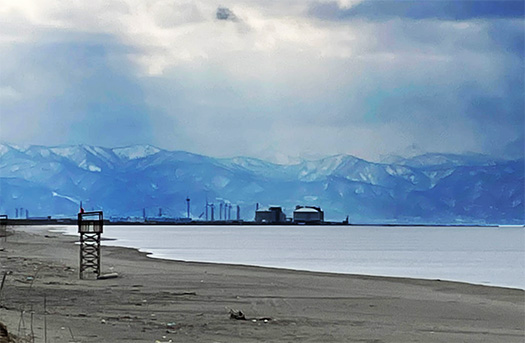
 写真は夫婦でのドライブでの近郊・石狩の砂浜から札幌の南側の山並み方向をみたアングル。
 どうも最近は「山並み」の美観に惹き付けられている。雪融け時期なので山並みの遠景にその様子が反映してゆたかなグレデーションを見せてくれる。北海道の春の空は、地上に残る雪原の白さが反射するのと、気温の上昇での「雪融け」による湿度上昇のバランスが生む空気感を映してくれる。
 中空の「あわさ」が独特の感じ、わたし的には「涅槃」感って伝わってくる(笑)。
 まぁ脳内の「高齢化」がそのような「あわさ」の実態なのでしょう・・・。
 ということですが、しかしそれもこれも健康な肉体があってこそ。体力維持のために、1日8,000歩程度を目標に、日々ほどほどに邁進したいと思います。

●お知らせ
拙書「作家と住空間」幻冬舎から電子書籍で発刊
お求めはAmazonで。
https://amzn.asia/d/eUiv9yO

English version⬇

[Walking has become easier, and I’ve surpassed 10,000 steps on my daily walks~]
I want to continue embracing the ever-changing beauty of nature with an open heart. To do that, maintaining and improving my health lays the foundation. No pushing myself—just simple daily habits…

 The snow has started to melt from the roads around my house, and the snowdrifts along the roadside—which at their peak towered over us like “Mount Everest”—have now shrunk down to about the height of a dandelion.
 As a result, it’s become much easier to get around outdoors, and I’ve almost returned to my usual walking routine—something I consider essential for maintaining health in old age. Or rather, perhaps because it’s the very beginning of spring and I’m just so happy, I’ve inadvertently increased both the distance and the number of steps I take.
I’m starting to feel a bit cautious, thinking I might be “overdoing it” a little.
However, perhaps due to the moderate exercise, the quality of my sleep seems to have improved. Yesterday, I was feeling a bit tired and went to bed at 7:00 p.m. My “nocturia” has subsided, and I only had to get up once after 11:00 p.m. After that, I woke up feeling refreshed just before 4:00 a.m. I probably got a total of more than eight hours of deep sleep.
As for the “quality” of my sleep, I didn’t have any of those “nightmare” episodes that I sometimes experience. In my personal opinion, dreaming seems to be a barometer of one’s health. When I woke up from last night’s sleep, I had completely forgotten the details of my dream, but a lingering sense of calm remained—a faint echo of a soothing dream.
I tend to think that the ability to think positively and one’s health run parallel to each other.
The photo shows the view from a sandy beach in Ishikari, near where my wife and I went for a drive, looking toward the mountain range south of Sapporo.
Lately, I’ve been particularly drawn to the beauty of mountain ranges. Since it’s the snowmelt season, the distant mountain range reflects this process, displaying a rich gradation of colors. Hokkaido’s spring sky captures an atmosphere born from the balance between the white snowfields still on the ground reflecting light and the rising humidity caused by the “snowmelt” as temperatures rise.
The “blend” in the sky creates a unique feeling; to me, it conveys a sense of “nirvana” (laughs).
 Well, I suppose the “aging” of my brain is the reality behind that “fuzziness”…
That said, all of this is only possible because I have a healthy body. To maintain my physical strength, I aim to walk about 8,000 steps a day and will continue to strive moderately each day.

● Announcement
My book, “Writers and Living Spaces,” has been published as an e-book by Gentosha.
Available on Amazon.

【温暖と冷風交叉の札幌の3月・ヒグマも胎動(恐)】


 昨日はオホーツク海側の春の「流氷接岸」の様子をお知らせしましたが、札幌では陽射しは完全に春に移行してきたけれど、風は寒さも厳しいままでいわば「複合する季節」で推移しています。
 そういう中ですが、散歩による運動量は徐々に増やしてきていて、昨日などは合計で15,000歩超レベル。
 真冬装備ではなく「軽い」冬装備程度の、先日3月13-18日までの本州各地での冬のいでたち軽量ダウンジャケットを着た状態では、内側で少し汗ばむ程度までの運動量になって来ています。散歩は朝・昼・夕方の3回も出撃を繰り返しておりました。本格的な春に向けて体動を活発化させられています。ウレシイ。
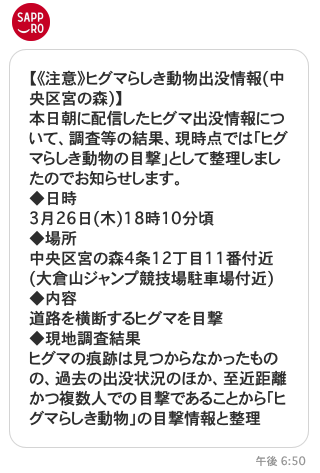
 さて、そういう人間の行動活発化と「寄り添う」ようにヒグマの胎動情報も、徐々に知らされるようになって来ています。北海道の場合には春のシン季語として、ヒグマが有力候補になってくるでしょう。けっしてうれしくない季語として・・・。
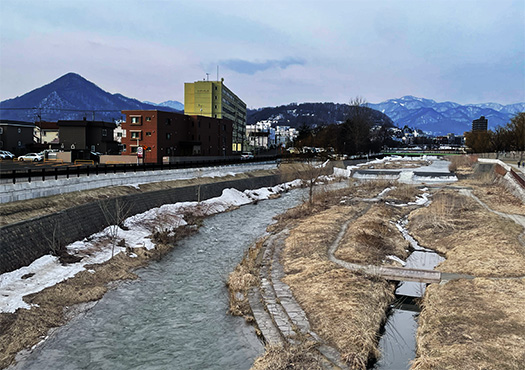
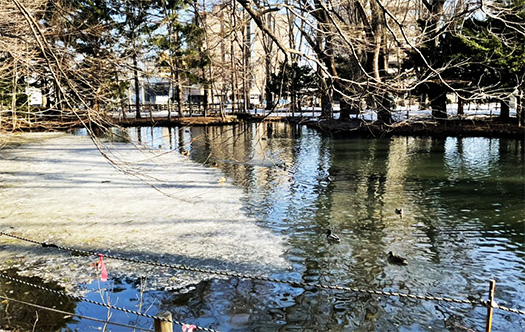
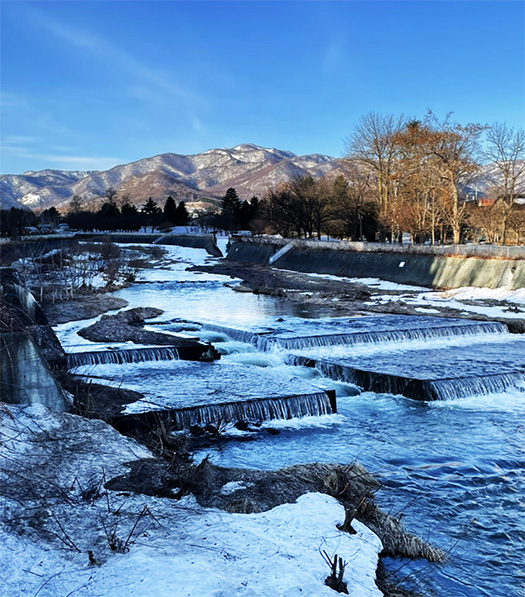
 上の情報はLINEで発出されていた札幌市からの広報記事であります。写真はわたしの散歩コースの「西野緑道」周辺の琴似発寒川から、札幌南方の山並み方向をみた様子。雪融けの河川増水ぶりと、冬景色から徐々に土の面が大きくなって来た山並みが強い陽射しにあたって強い反射光を照り返している。こういうコントラストが好きなのですが、同時にヒグマたちも大好きなのでしょうね。自然の摂理。
 昨年は野生動物の人間界への猖獗ぶりから、さまざまなアラートが繰り返されていましたが、さて今年の春以降、どんな推移を見せてくるか、散歩を最大の健康増進機会と考えている人間には、そのコース選択でいろいろ悩ましくなってくることが予想されます。
 そういえば先般の道庁建設局の諮問会議で同席の知人も琴似発寒川周辺にお住まいですが、かれはペットの柴犬くんと毎朝散歩されているのにときどき出会うのですが、そのコース選択は飼い犬にすべてお任せにしているとのこと。先日見かけたときも柴犬くんがグイグイ引っ張っていた。聞いたら、コースはその日の飼い犬の選択だそうで、同じ動物同士だと、カンも働いて危険回避型になってくれるのかも知れませんね。
 散歩の安全確保策、いろいろ考えて行きたい。

●お知らせ
拙書「作家と住空間」幻冬舎から電子書籍で発刊
お求めはAmazonで。
https://amzn.asia/d/eUiv9yO

English version⬇

[March in Sapporo: A Mix of Warmth and Cold Winds—Even the Brown Bears Are Stirring (Scary)]
It’s the way of nature. In spring, having awakened from hibernation, they begin to roam their usual territories from previous years, ravenous for food. Ensuring safety is an absolute priority. …

 Yesterday, I reported on the spring “drift ice reaching shore” along the Sea of Okhotsk coast, but here in Sapporo, while the sunshine has fully shifted to spring, the wind and cold remain harsh, so we’re essentially in a “mixed season.”
 Even so, I’ve been gradually increasing the amount of exercise I get from walking; yesterday, for example, I exceeded 15,000 steps in total.
 Wearing “light” winter gear—rather than full-on winter gear—specifically the lightweight down jacket I wore during my recent trip to various parts of Honshu from March 13–18, I’ve reached a level of activity where I break a light sweat underneath. I’ve been going out for walks three times a day—morning, noon, and evening. I’m getting my body moving more actively in preparation for the full-fledged arrival of spring. It makes me happy.
Now, just as human activity picks up, reports of brown bear activity are also gradually emerging, as if to “accompany” us. In Hokkaido, the brown bear is likely to become a strong candidate for a spring seasonal keyword. Though certainly not a keyword to be happy about…
 The information above comes from a public announcement by the City of Sapporo shared via LINE. The photo shows the view from the Kotoni-Hassamu River near the “Nishino Greenway”—my walking route—looking toward the mountain range south of Sapporo. The swollen river from melting snow and the mountain range, where the bare earth is gradually becoming more visible after the winter scenery, reflect the strong sunlight. I love this kind of contrast, and I imagine the brown bears love it too. It’s the way of nature.
 Last year, various alerts were repeatedly issued due to the rampant incursions of wild animals into human habitats. Now, as we head into this spring and beyond, it remains to be seen how the situation will unfold. For those of us who view walking as the best opportunity for health promotion, choosing a walking route is likely to become a source of increasing concern.
 Come to think of it, an acquaintance of mine who was present at the recent advisory meeting of the Hokkaido Government’s Construction Bureau lives near the Kotoni-Hassamu River. I occasionally run into him as he takes his pet Shiba Inu for a walk every morning, and he told me he leaves the choice of route entirely up to his dog. The other day when I saw them, the Shiba Inu was pulling him along with great determination. When I asked, he said the route is entirely up to the dog that day. Perhaps, since they’re animals, their instincts kick in and they naturally choose a route that avoids danger.
I’d like to continue exploring various ways to ensure safety during walks.

● Announcement
My book, “Writers and Living Spaces,” has been published as an e-book by Gentosha.
Available on Amazon.


【揺らぐ季節感・3月の流氷接岸 inオホーツク】


IMG_7193

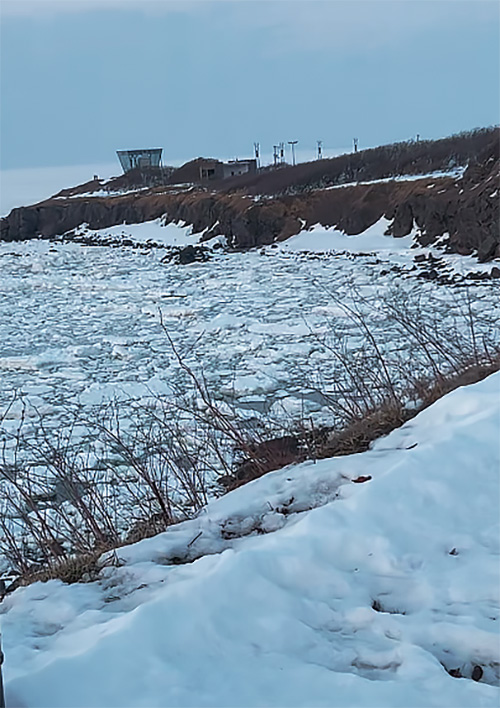
 北海道の北東部、オホーツク海側の雄武出身の友人から、動画情報が寄せられた。画像の下のリンクをクリックしていただくと動画が再生されると思います。(やや不安)
 かれからの通信は以下。「18〜19日で雄武に行ってきたが3月中旬にしては近年非常に珍しい流氷接岸に遭遇。少年時代は1月中旬にが接岸、3月中旬に去っていったな〜。」
 写真の遠景に写っている「ガラスドーム」は日の出岬展望台「ラ・ルーナ」。
 陸地と海の配置関係から見ると、これは朝方の散歩で見ていた光景のようだ。画面からも冷涼さが伝わってきて、同じ北海道でも自分はいかに「温暖」な土地でのどかに育ったのかと、思わさる。
 この「思わさる」は北海道のシン方言。「らさる(~さる)」というのは、他動的な意味合いを持った表現で、キビシイ自然環境との北海道人の生活対話のなかで生まれた表現かと。特徴的な表現では「食べらさる」という表現があって、自分の行動であるのにどこか自責とは言えないという雰囲気があり、自然の運行に従わされる北海道の人間心理を諧謔的に表している感じがある。だいたいはついついやってしまう行動を他責的に責任回避する心象かと。
 というのは余談だけれど、3月になって流氷接岸とは・・・。
 サクラ前線のことがふつうの日本社会の話題の時に、こういう光景と向き合わされる心境はいかばかりかと、思いが至る。わたしの朝の散歩路でもまだ山に近い自然公園などでは雪道のなごりがあって、スパイク靴でなかったことを悔やまらさる。(どうもこの他責表現、いいなぁ〜笑〜)
 ことしの北海道の季節推移はどうなっていくのか、まだまだ予断は許さないところかと。
 きのうのブログ記事的には、北海道は札幌以外の「地方の衰退」が急速度で進展している。公営住宅などでも空き家率が最高を更新し続けてきている。住宅施策としてはそういった問題も噴出してきて、これまでの住性能開発型への推し一択では不整合をもたらしてくる。そうすると地域住宅政策には、より「社会性」が必然になってくるのでしょう。そしてそれは、日本全体についても同様の「地方の生き残り」方策とも連動してくるテーマかと思えます。さて。

●お知らせ
拙書「作家と住空間」幻冬舎から電子書籍で発刊
お求めはAmazonで。
https://amzn.asia/d/eUiv9yO

English version⬇

[A Shifting Sense of the Seasons: March Drift Ice Reaching the Shore in the Okhotsk Sea]
It’s March—the start of spring. Or so I thought, until I received a video message from a friend showing winter’s counterattack. Hokkaido’s version of “the beauty of nature” is still in a state of flux. …

 A friend from Omu, located in northeastern Hokkaido on the Sea of Okhotsk coast, sent me some video footage. If you click the link below the image, the video should play. (I’m a little unsure.)
Here is the message he sent: “I went to Omu on the 18th and 19th and encountered drift ice washing ashore—something extremely rare in recent years for mid-March. When I was a kid, it used to wash ashore in mid-January and leave by mid-March.”
 The “glass dome” visible in the background of the photo is the La Luna observation deck at Cape Hinode.
Judging by the relative positions of the land and sea, this appears to be the view he saw during his morning walk. The chill comes through even on the screen, making me realize just how “warm” and peaceful the region was where I grew up, even within Hokkaido.
 This “sasareru” is a dialect from the Shin region of Hokkaido. “Rasareru” is an expression with a passive connotation; I suspect it emerged from the daily struggle of Hokkaido residents living in a harsh natural environment. A characteristic example is the phrase “taberareru” (to be made to eat), which carries an atmosphere where, even though it’s one’s own action, it doesn’t quite feel like self-blame—it seems to humorously express the psychology of Hokkaido people who feel compelled to follow the course of nature. I suppose it generally reflects a mindset of shifting blame onto others to avoid taking responsibility for actions one ends up doing without thinking.
That said, it’s a bit of a tangent, but drift ice washing ashore in March…
When the “cherry blossom front” is the usual topic of conversation in Japanese society, I can’t help but wonder what it must feel like to be confronted with a scene like this. Even along my morning walking route, in nature parks near the mountains, there are still traces of snowy paths, and I can’t help but regret not wearing spiked shoes. (I really like this way of shifting blame onto others, haha.)
It’s still too early to tell how the seasons will unfold in Hokkaido this year.
As mentioned in yesterday’s blog post, the “decline of rural areas” outside Sapporo in Hokkaido is progressing at a rapid pace. Even in public housing, vacancy rates continue to hit new highs. As housing policies are implemented, these issues are coming to the surface, and the previous one-track focus on developing housing performance alone is creating inconsistencies. Consequently, a greater emphasis on “social responsibility” will inevitably become necessary in regional housing policy. I believe this is a theme that is also linked to strategies for the “survival of regional areas” across Japan as a whole. Well then.

● Announcement
My book, “Writers and Living Spaces,” has been published as an e-book by Gentosha.


【北海道の住宅施策「諮問」会議に参加】


 昨日は北海道建設局住宅局の「民間住宅施策推進会議」に参加。
 日本の基本的な住宅政策は当然、国土交通省担当ですが、亜熱帯から亜寒帯まで南北に長い国土では、北海道は気候的に他地域と大きく環境が異なる。気候だけではなく国土利用史で見ても他地域が数千年レベルなのに北海道島はたかだか150年前後。勢い他地域とは違う「住宅史」を経てきた。
 高断熱高気密という住宅「性能」への希求が特異進化した地域性。そもそも北海道の国土利用が遅れたのはその気候風土が在来日本社会とは異質だったことが大きい。移住してきた人びとは、列島社会で建てられていた「在来工法」の家では寒冷気候には耐えられず、より暖かい家を求めたが、本州以南社会からは無回答だった。やむなく知見を北欧北米の住宅から学んできた歴史が積層している。
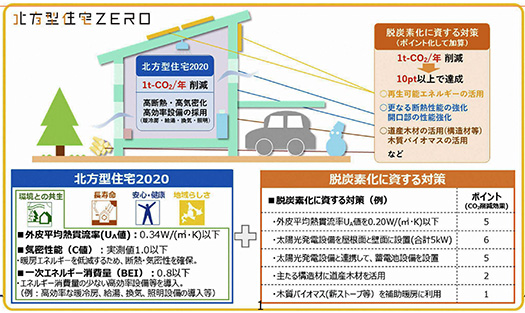
 今日になって本州社会でも住宅「性能」は受容されてきているけれど、北海道は「住宅施策」で独自に全国を先導し続けている。北方型住宅という住性能基準を指し示し続け、またそういう高性能基準に適合した建物をごく当たり前に建てられる工務店・技術者のレベルが担保されている。
 こういった総体は間違いなく巨大な「地域資産」。
 そういう基底の流れの中で、いまリアルタイムな課題が生起して来ている。それは地域を覆う「人口減少」と住宅着工数の減少傾向。戦後以降続いてきた、働いて持ち家を建てるのが当然という人生価値観が、大きく様変わりを見せ始めていること。
 このことがコロナ禍以降の世界的な原材料価格の高騰を受けての住宅コストの爆上りを招き、一般的な世帯には住宅建築は「高嶺の花」化してきたこと。
 さらにそういう趨勢の中で「性能基準」を上げるだけの施策にはコスト上昇要因として市場に影響を与えてしまうこと。行政側の基準上昇は民の生活苦に直結してしまう矛盾までが一部で出てきている。住宅ではないが、子育ての施策として赤ちゃん用のチャイルドシート基準義務化が定められたので、民の出費を強制してしまっている現実。住宅施策はそのような方向になってはならない。住宅基準は「民の暮らしやすさ」が目的であるべきであり、そういうコスト上昇を招くだけになる施策には意味があるのか?と思える。
 わたしとしては、今後の施策方向としてそのような意見具申をさせていただきました。

●お知らせ
拙書「作家と住空間」幻冬舎から電子書籍で発刊
お求めはAmazonで。
https://amzn.asia/d/eUiv9yO

English version⬇

[Participated in a “Consultative” Meeting on Hokkaido’s Housing Policies]
The reality of rising costs for raising children due to stricter standards and legal requirements for child safety seats. Isn’t a focus on stabilizing and improving people’s lives essential for the direction of housing policies? …

 Yesterday, I attended the “Private Housing Policy Promotion Conference” hosted by the Housing Bureau of the Hokkaido Construction Bureau.
While Japan’s basic housing policy is naturally the responsibility of the Ministry of Land, Infrastructure, Transport and Tourism, Hokkaido’s climate and environment differ significantly from other regions due to the country’s elongated north-south geography, which spans from subtropical to subarctic zones. This difference extends beyond the climate; while other regions have a history of land use spanning thousands of years, Hokkaido’s history dates back only about 150 years. Consequently, it has undergone a “housing history” distinct from that of other regions.
 This has led to a unique regional development and evolution in the pursuit of high-performance housing characterized by superior insulation and airtightness. The primary reason for the delayed land development in Hokkaido was that its climate and natural environment were fundamentally different from those of traditional Japanese society. Settlers found that the “traditional construction methods” used in the archipelago were insufficient to withstand the cold climate, so they sought warmer homes—yet received no solutions from the societies south of Honshu. Consequently, a history of learning from housing in Northern Europe and North America has accumulated over time.
While housing “performance” has now been accepted in Honshu as well, Hokkaido continues to lead the way with its own unique housing policies. It continues to set forth its own housing performance standards known as “Northern-style housing,” and the skill level of contractors and technicians capable of building structures that meet these high-performance standards as a matter of course is well-established.
 This overall framework is undoubtedly a massive “regional asset.”
Amid this underlying trend, real-time challenges are now emerging. These include the “population decline” affecting the region and the downward trend in housing starts. The postwar value system—where it was taken for granted that one would work to build a home—is beginning to undergo a significant transformation.
 This, combined with the global surge in raw material prices following the COVID-19 pandemic, has led to a skyrocketing rise in housing costs, making home construction an “unattainable luxury” for the average household.
Furthermore, within this trend, policies aimed solely at raising “performance standards” are impacting the market by driving up costs. In some cases, a contradiction has even emerged where the government’s raising of standards directly contributes to the financial hardship of the people. While this does not pertain to housing, the reality is that mandatory standards for infant car seats—intended as a child-rearing measure—have effectively forced additional expenses upon the public. Housing policies must not follow this path. Housing standards should aim to “improve the ease of living for the public”; one must question whether policies that merely drive up costs serve any meaningful purpose.
I have submitted these opinions as recommendations for the future direction of policy.

● Announcement
My book, “Writers and Living Spaces,” has been published as an e-book by Gentosha.
Available on Amazon.