本文へジャンプ

【人間探訪は環境と血の把握から 「水木しげる」に会いに行く-2】


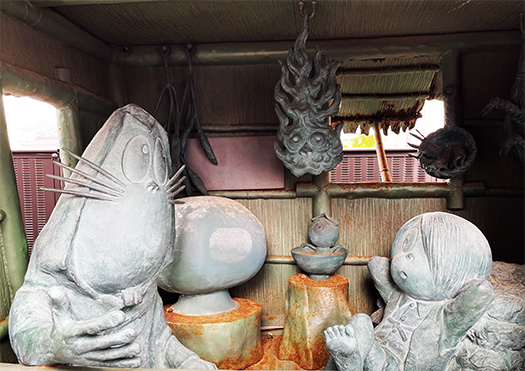
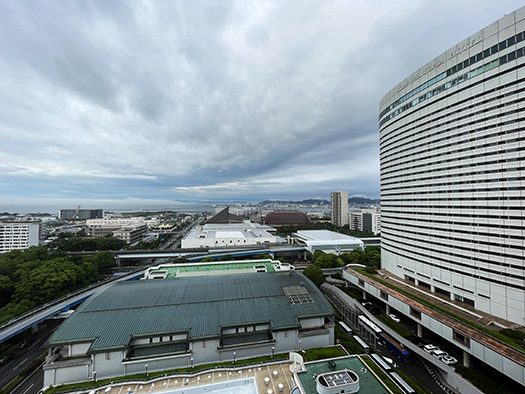
 山陰・島根〜鳥取から岡山・神戸と旅したのですが、やはりカミさんの「足立美術館訪問希望」がきっかけでしたので、今回は松江を拠点にあちこちと日本海側を巡った旅でした。わたし自身の家系的には広島県福山が縁のある地域なので訪れることが多い。山陰海岸側は出雲大社参詣機会は多いけれど、それ以外はほとんど見たこともなかった。そもそも島根県の県庁所在地が松江だと今回初めて知ったし、また鳥取県の県庁所在地としてまんまの「鳥取市」がある事実さえ、あいまいだったのだ。
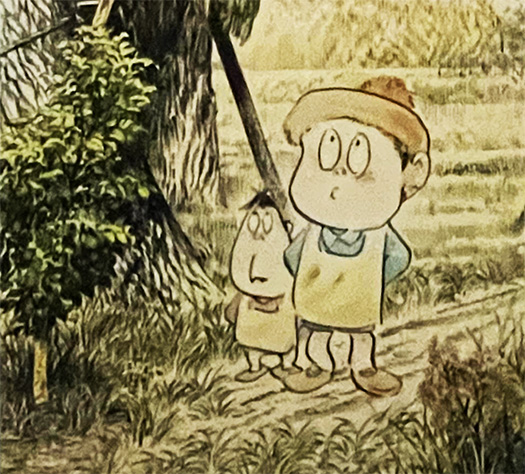
 一方、小中学生当時に手塚治虫から始まった戦後マンガ文化革命の空気感に包まれて育った人間なので、そういったマンガ作家群のなかでゲゲゲの鬼太郎の作者として水木しげるへの多少の知識を持っていた程度。今回の旅で「そういえば」と人生記憶復元してきたのがホントのところ。
 しかし出雲や白ウサギ伝説、国譲りなどなど神話の豊穣な世界が現代にまで息づいている地域柄から、このマンガ作家のことを再探索してみるとこの地域の「文化的」環境性が大きく迫ってくる。水木の「妖怪譚」のルーツにこの地域全体が色濃く関わっていることが浮かび上がってくる。
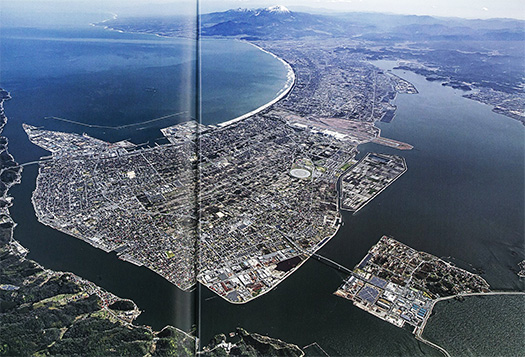
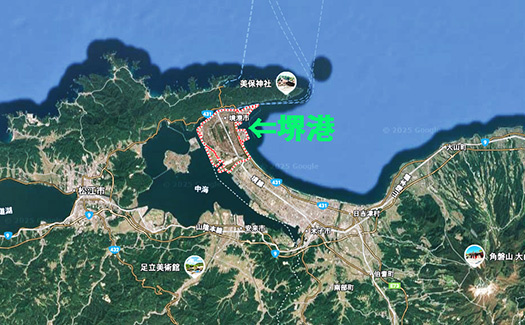
 一方でこの地域・境港は日本海交易の重要な拠点地域だとその最終目的地に当たる北海道人として認識している。事実として水木しげる〜本姓「武良」家〜は戦国期以来の武家の有力勢力であり、日本海交易が盛んになった時代には「廻船問屋」を営んでいた家系なのだという。日本の地域の歴史を通してこういった血脈の動態「変遷」は普遍的であり、そういう背景環境から水木しげるという人間は成立したことがわかる。マンガ作家として未曾有の成功を収めたかれは、晩年期、建て替えた生家で日本海と「中海」をつないでいる「境水道」に面してその海の船の往来を眺めて暮らしていたと言われる。その生家は水木しげるのマンガ作品を集団制作する「水木プロダクション」の所有として現在に至っているのだという。
 旅していろいろな体験をするけれど、最後は人間への強い興味が、そこに投影されて記憶が深まっていくものだと思う。しばし、そういう世界に浸ってみたい。

●お知らせ
拙書「作家と住空間」幻冬舎から電子書籍で発刊
お求めはAmazonで。
https://amzn.asia/d/eUiv9yO
English version⬇

The human exploration starts from the understanding of the environment and blood. The family lineage that ran a shipping wholesaler in the Sea of Japan trade. The search for “human” from the geopolitical environment and bloodline traditions. The family’s history and history of the people.

 I traveled from San’in/Shimane/Tottori to Okayama/Kobe, and since my wife wanted to visit the Adachi Museum of Art, this trip was based in Matsue, and we toured around the Sea of Japan side. My family has a connection with Fukuyama in Hiroshima Prefecture, so I often visit there. On the San’in Coast side, there are many opportunities to visit Izumo-taisha Shrine, but other than that, I had never seen much of the area. This was the first time I learned that the capital of Shimane Prefecture is Matsue, and even the fact that Tottori City is the capital of Tottori Prefecture was vague to me.
 As someone who grew up surrounded by the atmosphere of the postwar manga cultural revolution that began with Osamu Tezuka when I was in elementary and junior high school, I had some knowledge of Shigeru Mizuki as the author of Gegege no Kitaro among such manga artists. In fact, this trip has restored my life memory of Shigeru Mizuki.
 However, the area is rich in mythology, including Izumo, the legend of the White Rabbit, and the handing over of the country to the Japanese, and when I re-explored this manga artist, the “cultural” environment of the region came to the fore. The roots of Mizuki’s “yokai tales” are strongly connected to the region as a whole.
 On the other hand, as a Hokkaido resident, I recognize Sakaiminato as an important hub for trade on the Sea of Japan, the final destination of which is the port of Sakaiminato. As a matter of fact, Shigeru Mizuki, whose family name is Takara, has been a powerful warrior family since the Warring States period, and his family was a “shipping agent” when trade on the Sea of Japan was flourishing. This dynamic “transition” of the bloodline is universal throughout the history of Japan’s regions, and it is clear that Shigeru Mizuki was established in such a background environment. In his later years, Mizuki, who achieved unprecedented success as a manga artist, is said to have lived in his newly rebuilt house facing the Sakai Waterway, which connects the Sea of Japan and the Naka Sea, and watched the ships come and go. The house is now owned by Mizuki Productions, the company that produces Shigeru Mizuki’s manga works.
 When you travel, you experience many things, but in the end, your strong interest in people is projected onto them and deepens your memories. I would like to immerse myself in such a world for a while.

●Notice
My book “Writers and Living Space” is published as an e-book by Gentosha.
Please visit Amazon for more information.

【島根県境港の記念館へ 「水木しげる」に会いに行く-1】


 今回の山陰を中心にしたツアーは、カミさんの「足立美術館に行きたい」という強いリクエストから動機がスタートした計画。わたしとしては婦唱夫随的に、喜ばしく従わせていただいた経緯。ということだったのですが、いろいろな訪問スケジュールを計画していって大きな候補地になっていったのが、島根県の松江市街からクルマで1時間ほど離れた境港市にある「水木しげる記念館」。
 下の「お知らせ」にあるようにまとめた「作家と住空間」というライフテーマをジミジミとたどっていると、次第に「作家」のなかで自分自身にとっては「マンガ家」の存在が非常に大きく、石ノ森章太郎以降に知った描き手たちに強いシンパシーを感じていることが浮き彫りになってきていました。
 水木しげるは、そういうマンガ家たちのひとりではあるのですが、わたしがマンガにのめり込むようになったのは石ノ森章太郎、藤子不二雄、赤塚不二夫の年代・漫画少年という雑誌が掘り起こした作家たちであって、東京豊島区の「トキワ荘」を聖地とする年代層が中心だった。自分もヘタなマンガを描いて投稿したりしたのは、こうしたマンガ作家年代に後続したい、という気分を持っていた。
 一方で戦前から戦後すぐの頃には「貸本屋」マンガ文化という存在があって、白土三平やこの水木しげるなどの作家たちの流れもあった。年代的には戦中期を生きてきた親世代に近い存在だった。そうした年代のマンガ家たちもやがて少年週刊誌の世界で作品を発表するようになっていった。
 水木しげるは出征経験がありその結果、片手を喪失しつつマンガ作品を書き続ける作家として独特の存在感を占めていた。そのかれの「記念館」が生地の堺港にあると知ったのだ。
 わたし自身はそういった年代で、またマンガ家夢見から挫折した少年期以降はマンガとは縁遠い人生を歩き続けていたので、水木しげるのさまざまな活動については深く知る機会はなかった。しかし、猛烈に「なつかしい」気分で少年期にフィードバックさせられるメルクマールとして浮かび上がってきていた。・・・
<この項、あした以降に続く>

●お知らせ
拙書「作家と住空間」幻冬舎から電子書籍で発刊
お求めはAmazonで。
https://amzn.asia/d/eUiv9yO

English version⬇

To the memorial museum in Sakai Port, Shimane Prefecture, to meet “Shigeru Mizuki” -1]
Manga culture has thrived since my boyhood. A rare presence who also shared his war experiences. A manga artist with a glow like the setting sun on Lake Shinji. I was a young boy when I was a child.

 This tour around the San-in region was motivated by my wife’s strong request to visit the Adachi Museum of Art. I, for my part, was happy to comply with her request. However, as we planned our visit schedule, one of the major candidates was the Shigeru Mizuki Memorial Museum in Sakaiminato City, about an hour’s drive from Matsue City in Shimane Prefecture.
 As I was deeply exploring my life theme of “Artists and Living Space,” which I have summarized in the ‘Notice’ below, it gradually became clear that among “artists,” “manga artists” were very important to me, and that I felt strong sympathy for the artists I had come to know after Shotaro Ishinomori. Mizuki Shigeru is one such manga artist.
 Shigeru Mizuki is one of these manga artists, but it was around the time of Shotaro Ishinomori, Fujiko Fujio, and Fujio Akatsuka that I became absorbed in manga. These were the artists that Manga Shonen magazine had uncovered, and the pioneering “Tokiwaso” in Toshima-ku, Tokyo, was a major part of that generation. They were in the mood to draw and submit bad manga, following in the footsteps of these manga artists’ generation.
 On the other hand, there was a “rental bookstore” manga culture from the prewar period to the immediate postwar period, which included such trends as Sanpei Shirado and this Shigeru Mizuki. In terms of age, they were close to the generation of their parents who lived through the middle of the war. Manga artists of that generation eventually began to publish their works in weekly boys’ magazines.
 Shigeru Mizuki, who had been in the war and lost one hand as a result, occupied a unique presence as an artist who continued to write manga works. I learned that there is a “memorial museum” for him in Sakai Port, where he was born.
 I myself was of that age, and since I had been living my life far away from manga since I was a young boy who had failed in his dream of becoming a manga artist, I had no opportunity to learn much about Shigeru Mizuki’s various activities. However, I had never had a chance to know about Mizuki Shigeru’s various activities in depth, but they emerged as a merkmal that made me feel intensely “nostalgic” and fed back to my boyhood. .

My book “Writers and Living Space” is published by Gentosha as an e-book.
Please visit Amazon for more information.

【白ウサギ神話世界から現代世界に帰還・・・】


 昨日、1週間の旅程から自宅に帰還いたしました。
 そういえば、ということで夫婦で話していたのですが、ずっと職住一体の環境で過ごしてきていたので、これくらいの時間、夫婦とも家を空けていたというのははじめての経験でした。感謝。
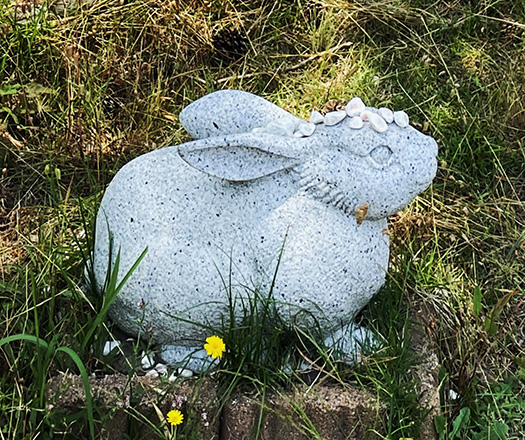
 写真は今回のツアーでひときわ心に残った「因幡の白ウサギ」神社に置かれていた白ウサギ像。出雲大社にはなんども訪れていたのですが、因幡国〜鳥取県はまったくはじめての旅。砂丘は有名だけれど実際に来て見たら「白兎神社」というお社も実際にあることを確認できた(笑)。なんでもこの神社は古事記・日本書紀にもその名が記されている由緒のあきらかな神社とのこと。おお、であります。
 因幡の白ウサギというお話しは童話の類いのことと思い続けていた人生。それがこういう神話には、象徴的に古代の政争の痕跡、地域間の関係性・地政学が反映されているという「学び」実体験であります。たいへん奥行きの深い世界なので、じっくりと楽しみながら想像の世界にリアリティをもって探ってみたいと思わされた。
 山陰地域にはそういった世界観が眠っているように感じられた次第。
 一方、神戸〜関西圏に「帰って」くると、まさに躍動的な現代世界の象徴性が復元してくる。さまざまな時空を巡り歩いたような感覚でしょうか。一期一会の興味深い旅でした。で、関西から北海道札幌まで復帰。さすがに道中の旅の疲れが積層して、飛行機ではただただ爆睡。こんな「あっという間」フライトは初体験(笑)。
 ブログでは徐々にこの旅での訪問先などの深掘り型の探究をしてみたいと思っています。そういった中から、また新たな気付きが掘り起こされていくことに期待していきたいです。まぁ、浦島太郎の心境で、また現実世界に復帰していきたいと思っている次第。よろしく。

●お知らせ
拙書「作家と住空間」幻冬舎から電子書籍で発刊
お求めはAmazonで。
https://amzn.asia/d/eUiv9yO

English version⬇

The White Rabbit Shrine is mentioned in the Kojiki (Records of Ancient Matters). A trip to a world where one can actually feel the myths is truly stimulating for the imagination. I would like to imagine and explore various things from now on. I am looking forward to exploring them in the future.

 Yesterday, I returned home from a week-long trip.
 As we were talking about it, it was the first time for us to be away from home for such a long time, since we have been living in an environment where we work and live together all the time. I am grateful for that.
 The photo is of the white rabbit statue at the “White Rabbit of Inaba” shrine, which left a particularly strong impression on me during this tour. I had visited Izumo-taisha Shrine many times, but this was my first trip to Inaba and Tottori Prefectures. The dunes are famous, but when I actually came here, I was able to confirm that there is in fact a shrine called “White Rabbit Shrine” (laugh). The name of this shrine is mentioned in the Kojiki (Records of Ancient Matters) and Nihonshoki (Chronicles of Japan), and is said to have a clear history. Oh, yes.
 I had always thought that the story of the White Hare of Inaba was a fairy tale. However, I have “learned” that such myths symbolically reflect traces of ancient political conflicts, relationships among regions, and geopolitics. It is a world of great depth, and it made me want to take the time to enjoy and explore the world of imagination with reality.
 I felt that such a world view is sleeping in the San’in region.
 On the other hand, when I “returned” to Kobe and the Kansai region, the symbolism of the dynamic modern world was restored. It was an interesting trip of a lifetime. It was an interesting trip of a lifetime. So, I returned from Kansai to Sapporo, Hokkaido. As expected, the fatigue of the road trip had built up, and I simply fell asleep on the plane. It was my first experience of such a “fleeting” flight (laugh).
 I would like to gradually start writing an in-depth exploration of the places I visited on this trip in my blog. I hope that new insights will be unearthed from such explorations. Well, I would like to return to the real world with the mind of Urashima Taro. Best regards.

●Notice
My book “The Writer and the Living Space” is published in e-book form by Gentosha
For more information, please visit Amazon.


【関西〜中国地方旅路を楽しませてくれるツバメたち】


 1週間の旅程での関西〜中国路の旅、昨日は神戸に入りました。本日は関西を発って札幌に帰還予定。
 全国あちこち飛び回る人生行脚ですが、そのなかでも最近は神戸の訪問回数は多い。たぶん東京での滞在に次いで多いかも。親しくしている知人が神戸出身で縁が深いこともあるけれど、札幌人には「明治以降に急速に世界に開かれた」都市としての親近感があるかもしれない。少し「帰ってきた」感がある。ただ最近神戸は人口減少が進んでいて、全国規模の「投資」活動では高層ビルなど、現在は関西では大阪一極集中なのだそう。ややさみしい話題。
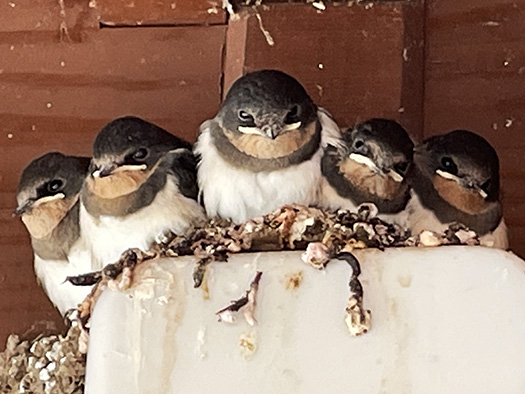
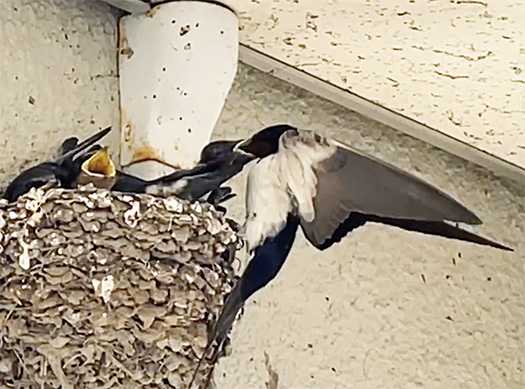
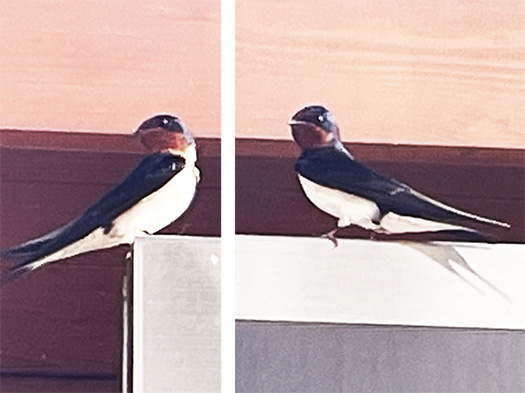
 さて一方、旅の間、写真のようなツバメたちの群舞に各地で遭遇していた。初夏のツバメさんたちの「子育て」時期に遭遇していたということでしょうが、札幌ではほとんど見かけない光景に癒され続け。山陰〜中国路の観光地の木造建築などでかれらの巣作りに出くわし、巣のなかの子ツバメに親鳥が活発に餌やりする乱舞を観察。わたしが遭遇した範囲では人間との衝突は起こらず、ただ微笑ましく観察させていただいていた。2枚目の写真では決定的に「餌やり」の一瞬の光景もウォッチさせていただけた。
 そんな様子が読売新聞のWEB版で報道されていた。〜解体工事中の富山県砺波市内の家屋で、ヒナがかえったばかりのツバメの巣が見つかった。業者は工事を延期、その成長ぶりを温かく見守っている。<6/14(土) 17:37配信>〜という記事。親ツバメの餌やりの決定的瞬間の写真がありましたが、わたしの上の写真とほぼ同様。わたしのiPhone写真でも負けていないと勝手に自己満足(笑)。
 この時期、札幌市のLINE広報などもっぱら「ヒグマ情報」ばかり流れてくる昨今ですが、こちらではおだやかな人間側の対応といい、平和な地域性を実感させられますね。

●お知らせ
拙書「作家と住空間」幻冬舎から電子書籍で発刊
お求めはAmazonで。
https://amzn.asia/d/eUiv9yO

English version⬇

Swallows entertain us on our journey from Kansai to the Chugoku region.
In the Honshu region, we encountered the gentle scene of swallows raising their young. The cute swallows kept us entertained. On the other hand, brown bear warnings were frequently issued in Sapporo. Now, let’s go home. ……..

 I entered Kobe yesterday on my one-week itinerary Kansai-Chugoku route trip. Today I will leave Kansai and return to Sapporo.
 I have been traveling all over the country, but recently I have been visiting Kobe more often than anywhere else. Perhaps second only to my stay in Tokyo. This is partly because one of my close acquaintances is from Kobe and I have a close relationship with the city, but it may also be because Sapporo people feel a sense of familiarity with the city that was “rapidly opened to the world after the Meiji period. There is a sense of “coming home. However, Kobe’s population has been declining recently, and nationwide “investment” activities, such as high-rise buildings, are now concentrated in Osaka in the Kansai region. A somewhat sad topic.
 On the other hand, during my trip, I encountered swallows dancing in groups, as shown in the photo, in various places. I guessed that I was encountering swallows in early summer when they were raising their young, but I was continually soothed by the sight that I rarely see in Sapporo. I came across them nesting in wooden buildings in sightseeing spots along the San’in and Chugoku routes, and observed their wild dance as the parents actively fed their young in the nests. In the second photo, I was able to watch a decisive moment of “feeding.
 The Yomiuri Shimbun reported the scene in its web edition. 〜A swallow nest with newly hatched chicks was found in a house in Tonami City, Toyama Prefecture, which was under demolition. The contractor has postponed the construction and is warmly watching its growth. <The article was published on Saturday, June 14 at 17:37. There was a photo of the decisive moment of the feeding of the parent swallows, which is almost the same as my photo above. I was pleased with myself that my iPhone photo was not inferior to it (laugh).
 I am very proud of myself that my iPhone photos are as good as the ones above (laugh).

Notice
My book “Writers and Living Space” is published by Gentosha as an e-book.
You can buy it on Amazon.


【最後の訪問県「鳥取」で全県踏破達成!】


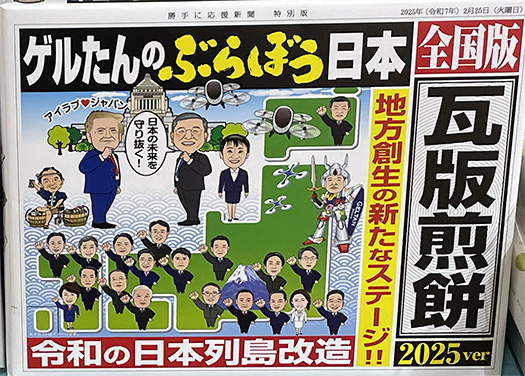
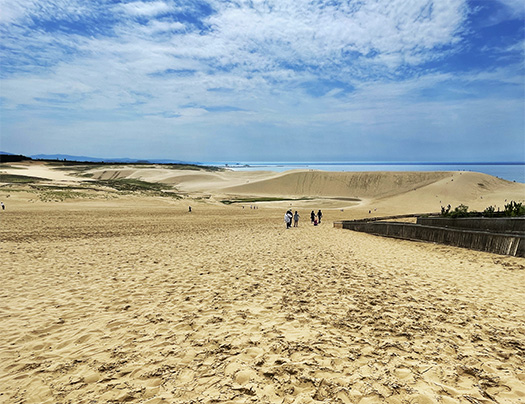
 写真は鳥取の大スター「石破」さんを顕彰(笑)する地元のお菓子と、ご存知「鳥取砂丘」。
 政治家で総理大臣になると地元ではそのお祝いの菓子が売り出されるのが日本地方文化のひとつの「定番」。ついに鳥取県からも総理が輩出したという歓喜が伝わってくるかのようでした。・・・残念ながらこういうのを見かけたのはごく一部の観光スポットでだけでしたが。
 さて、わたしの人生は北海道から始まって、この鳥取まででついに「全国踏破」を達成できました。お隣の島根県までは出雲大社があるので5-6回は来ているけれど鳥取県はまったく、ようやくはじめての訪問。元気なウチに達成できたことがなんとなくしみじみとうれしく感じられていた。
 わたしの人生行脚はほぼ同時並行でクルマ「移動革命」と同時進行してきたことが島根・松江からの移動中、アタマのなかで想起されていた。4-5歳の頃に自転車の練習中、当時のわが家は札幌市内有数の交通要衝地だったことで、あやうくクルマに轢かれそうになった。なので怖れた父親から自転車の練習を禁じられた。幼心にそのことがトラウマで以来、18歳になったらすぐに自動車の運転免許を取りたいと念願してきた。
 そういう「移動の自由」のありがたさを感じ続けてきた人生行脚だった。それが一応、今回の鳥取訪問で無事「全県踏破」が完了した次第。自分でハンドルを握って走行路を体感しながら移動する歓び、実感。
 なんですが、鳥取県は現在でも「高速道路」網が未成熟のようですね。またいつか来られたら、もっと便利に移動できるように願っております。いろいろ批判はあるでしょうが石破さんの総理就任がそういう契機になることも、わたしとしては許して上げたい(笑)。
 鳥取砂丘ではなんとか、裸足で踏破も完了しました。石破の地元には「砂場」もあるとのこと。

●お知らせ
拙書「作家と住空間」幻冬舎から電子書籍で発刊
お求めはAmazonで。
https://amzn.asia/d/eUiv9yO

English version⬇

[The last prefecture I visited, “Tottori,” I completed the entire prefecture!
The survival of the human race in the 20th and 21st centuries began and ended with almost being hit by a car while practicing bicycle riding. I achieved payback by traveling by car and crossing all prefectures in Tottori (laugh). …….

 The photo shows local sweets honoring (lol) Tottori’s great star “Ishiba” and the well-known “Tottori Sand Dunes.
 It is one of the “staples” of Japanese regional culture that when a politician becomes prime minister, local people sell sweets in celebration. It was as if one could feel the joy of finally producing a prime minister from Tottori Prefecture. Unfortunately, I only saw this kind of thing in a few tourist spots.
 Well, my life started in Hokkaido, and now I have finally completed my “journey across the whole country” to Tottori. I have been to the neighboring Shimane Prefecture 5-6 times since Izumo-taisha Shrine is located there, but this was my first visit to Tottori Prefecture. I was feeling happy that I could accomplish this while I was still in good health.
 When I was 4 or 5 years old, I was almost run over by a car while practicing bicycle riding, as our house was located in one of the most important transportation hubs in Sapporo. My father, who was afraid of me, forbade me to practice riding my bicycle. I was so traumatized by this incident in my childhood that I have longed to obtain a driver’s license for a car as soon as I turned 18 years old.
 I have always felt grateful for such “freedom of movement” in my life journey. This visit to Tottori, then, was the first time for me to have successfully “completed the entire prefecture” of Japan. I felt the joy of traveling by myself, holding the steering wheel and experiencing the road.
 However, it seems that the “expressway” network in Tottori Prefecture is still in its infancy. I hope that when I visit Tottori again, I will be able to move around more conveniently. I know there will be a lot of criticism, but I would like to allow Mr. Ishiba’s inauguration as prime minister to be an opportunity for this kind of thing (laugh).
 I managed to complete a barefoot tramping tour of the Tottori Sand Dunes. I heard that there is also a “sandbox” in Ishiba’s hometown.

Notice
My book “The Writer and the Living Space” is published in e-book form by Gentosha
Please visit Amazon for more information.
 

【旅路でめぐり会う「友」との対話】


 どうも最近、目に触れる動物たちにこころが「惹かれ」やすい。
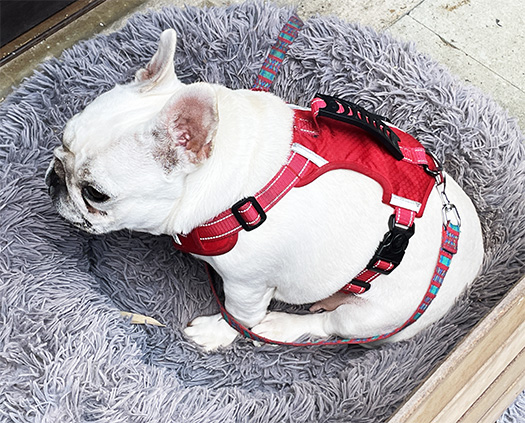
 写真は昨日ふとめぐり会ったワンちゃん。ある古民家街区の家の窓外に「ひなたぼっこ」するように敷物に端座。その上方に飼い主の「紹介文」が張られて「このイヌはふだんは大人しい性格ですが、不意にアタマに刺激が加わると怒り出します」みたいな「警告文」が添えられていた。
 飼い主の一種の愛情表現で「そっとして上げてね。この子はこの日光浴が無上の楽しみなんです。その自由を束縛しないでください」という意味だろうと受け取りながら、道を歩いていてふと立ち止まらされたわたしは、そういう「ふたり」の愛情生活にもこころが吸い寄せられた。そうしたら女性の飼い主さんが、この挙動不審な男はワンちゃんにひょっとして危害を加えるのではと不安になったか、笑顔で声を掛けてきていただいた。これもまた、愛情の深さからなのか。
 飼い主の方は「お向かいにはステキな眺めの見える店舗の建物がありますよ、ぜひご覧ください」と積極的に推奨されていた。ことここに至って体よく「立ち去れ」と言われていると理解し、感謝を申し述べてからオススメに従った。お店ではなぜか呼吸を合わせたように入ってすぐに非常に細やかにご案内いただいていた。なんでも、古い布きれの味わいを活かして再生利用したファッション製品のお店らしく、店舗自体も古民家としての味わいへの深い「愛」を感じられるような佇まい。そのディテールから伝わってくる店舗建築だった。
 親切な案内をしていただいた方は、お向かいのイヌの飼い主さんのお孫さんの女性であるとあとでお知らせいただいた。たいへん「呼吸」が合っていて素晴らしかった。店舗はここが発祥で全国30箇所以上にに広がっていて札幌にも店舗展開されているのだと伺った。あとで確認したいと思った次第。
 わたしには、この写真のワンちゃんがすべてを「仕切っている」ように感じられた。

 帰り道、ある木造公共建築にて、今度はツバメたちの大歓迎。
 どうも、動物たちによわくなってきている。メロメロ高齢者の放浪日記(笑)。

●お知らせ
拙書「作家と住空間」幻冬舎から電子書籍で発刊
お求めはAmazonで。
https://amzn.asia/d/eUiv9yO

English version⬇

A Dialogue with a “Friend” You Meet on a Journey]
The canine you meet has an annoyed look on his face. The dog I met looked annoyed, and I wanted to talk to him, but his owner gently told me to go away. Haikai” A journey for the elderly. The journey of an elderly person.

 Lately, I have been easily “attracted” to animals that I come in contact with.
 The photo is of a dog I came across yesterday. It was sitting on a rug outside the window of a house in an old neighborhood, as if it was “basking” in the sun. Above it, the owner’s “introduction” was posted, along with a warning message saying something like, “This dog is usually quiet, but if its head is suddenly stimulated, it will become angry.
 It was an expression of affection by the owner, saying, “Please leave him alone. This child enjoys sunbathing. I was drawn to the affectionate life of the “two” as I walked along the street and stopped to take in the message. Then, the female owner approached me with a smile, as if she was worried that this suspicious man might harm her dog. Was this also out of love?
 The owner actively recommended, “There is a store building across the street with a lovely view, please take a look. I understood that I was being asked to “leave” in a very physical manner at this point, and after expressing my gratitude, I followed the recommendation. Somehow, as if breathing in unison, we were given a very detailed tour of the store as soon as we entered. It seems to be a store of fashion products made from recycled old fabrics, and the store itself is designed in such a way that one can feel a deep “love” for the taste of the old house. The store itself was designed in such a way that one could feel the deep “love” for the taste of the old house from the details of the architecture.
 We were later informed that the person who kindly guided us around was the granddaughter of the owner of the dog across the street. It was wonderful to see how well they “breathed” together. I was told that the store originated here and has spread to more than 30 locations throughout Japan, including a store in Sapporo. I wanted to check it out later.
 To me, the dog in the photo seems to be “in charge” of everything.

 On my way home, I was welcomed by swallows at a wooden public building.
 I’m getting more and more scared of animals. A wandering diary of a melodramatic elderly person (laugh).

Notice
My book “Writers and Residential Space” is published by Gentosha as an e-book.
You can buy it on Amazon.

【しずかにみつめる時間。 宍道湖の落日】


 住宅の取材ということに人生時間をながく過ごしてきていました。
 そういうなかでいろいろな「住空間とひとの言葉」を聞いてきているのですが、釧路湿原地域で「終の住み処」として水辺を見晴らす西向きのやや高台に家を建てられた方がいて、その方の「暮らし方」につよく印象づけられたことがあった。
 その方はながく首都圏に暮らしてきて、その地での家は処分されて釧路湿原地域に移転新築された。その方の「終の暮らしのたのしみ方」として、ただただ1日の終わりの時間、夕陽をじっとながめられていた。
 夕方、それぞれの季節で時間はすこしづつ変化していくけれど、陽が落ちていく自然な光景に「この地球で生きてきた」という実感を味わい続けられていた。西に面している大きな窓辺で、室内は過ごしやすい室内気候を維持しながら、無念無想の時間を過ごされる幸せを語っていたのです。
 そういうたのしみ方では、当然室内光は極力控えられ、晴れた日にはまったく落日の夕陽だけがそのご夫婦を包み込むのだそうです。毎日、ほぼ1時間以上、そういう時間を過ごされていた。
 そういう年代に自分自身もめぐり会うことになってきて、旅路を過ごしています。
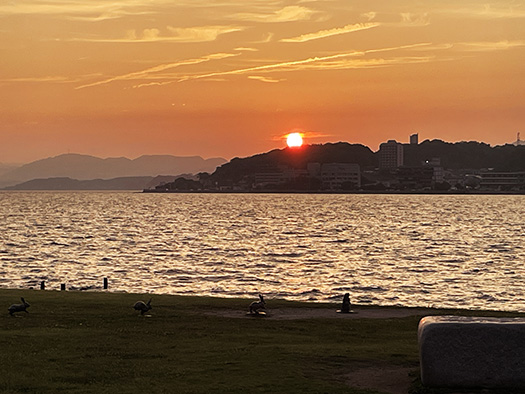
 カミさんの決めた旅程で、昨夕、宍道湖の夕陽をじっと2時間以上、見つめ続けておりました。おかげさまで梅雨時とは思えないほどの一瞬の晴れ間が巡ってきてくれた。ハンバーガーとポテトの夕食をつましく味わいながらのうれしい時間でした。

●お知らせ
拙書「作家と住空間」幻冬舎から電子書籍で発刊
お求めはAmazonで。
https://amzn.asia/d/eUiv9yO

English version⬇

A time to gaze in silence. The sunset of Lake Shinji]
There is nothing to say when facing the mountains of my hometown… but the setting sun has the vastness and boundlessness of “living on the earth”. The sheer joy of the time when the setting sun sends the sun without a thought. I am so happy to be here.

 I have spent much of my life covering housing.
 In the Kushiro Marshland area, there was a person who built a house on a slightly elevated hill facing west with a view of the waterfront as his “final home,” and his “way of life” made a strong impression on me.
 The person had lived in the Tokyo metropolitan area for a long time, and had disposed of his house there and built a new house in the Kushiro Marshland area. As her “way of enjoying life at the end of life,” she simply gazed at the setting sun at the end of the day.
 Although the time of day changes slightly with each season, the natural sight of the setting sun made her feel as if she had lived on this earth. He spoke of the happiness of spending time in a state of uncontemplated contemplation while maintaining a comfortable indoor climate in the large window facing the west.
 In this way of enjoying themselves, they naturally kept indoor light to a minimum, and on a clear day, only the setting sun enveloped the couple. They spent more than an hour every day in that kind of environment.
 I am spending my journey, having come to encounter such an age myself.
 Last evening, I spent more than two hours staring at the sunset over Lake Shinji on an itinerary decided by my wife. Thanks to her, we had a brief moment of sunshine, which is hard to believe during the rainy season. It was a happy time as we enjoyed a dinner of hamburgers and fries.

Notice:
My book “The Writer and the Living Space” is published in e-book format by Gentosha
Available at Amazon.com.

【梅雨時の日本列島 旅行けば・・・】


 月曜日9日から関西〜中国地方に移動してきています。
 かつては「梅雨のない北海道」と言われてきましたが、最近はだんだん「蝦夷梅雨」か、と思えるような季節に変化してきていると感じますが、それでも空気の乾燥感はあって、晴れ間が出れば爽快感のある天気に恵まれる。そういう土地に起居していると梅雨時の関東以西の世界は遠い感覚。
 わたしも前後10年間くらいは東京・神奈川で暮らしていたので、梅雨時のアジサイの美感・質感は記憶の底にあるのだけれど、やはり北海道の爽快な6月に慣れ親しんで生きてきたので、すっかり雨続きの水分過剰ぶりに驚かされるまで、北海道人としての感覚に先祖帰りしていることを実感。
 たまたま所用もあってこちらに来ているのですが、久しぶりの梅雨の体感。クルマで移動していても時折強烈なスコール状の降雨。なにより外を歩いていると足先が湿っぽく感じられてくる。高齢期になってくると靴もすっかり底厚なスポーツ系のシューズ選択になってくるので、この梅雨時は困ります。
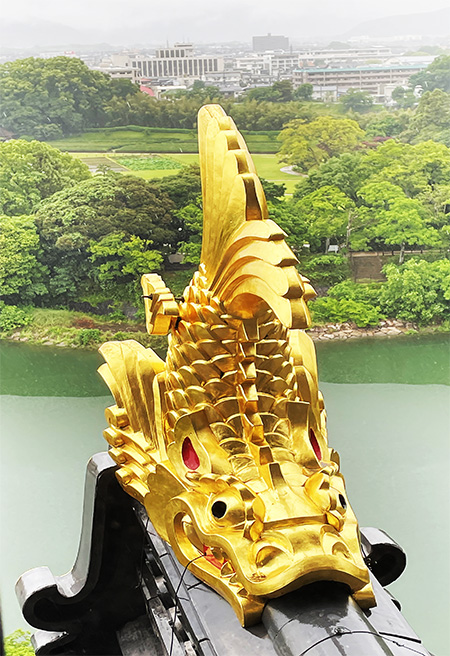
 写真は最近、歴史家の磯田道史氏が監修していることで人気が盛り上がりつつある「岡山城」天守の装飾瓦。氏はわたしも大好きな歴史家で、NHK「英雄たちの選択」でメインのキャスターとたぶん企画構成にも参画されているのではないかと思っていますが、その独自の視点でかれのふるさとのお城を「演出」してくれている。岡山県はこれまで神戸・姫路までの関西圏からやや距離感があって、代表的な「通過」県だったのですが(笑)今回、こういった導きで参観していると非常に興味深い。
 全国の観光にとって歴史の視点は非常に重要な要素だと思いますが、その着眼点について、磯田先生のような比較的に若い意見、見方は今後たいへん重要になると実感できました。こうした着眼点が全国に普及していけばいいと感じました。

●お知らせ
拙書「作家と住空間」幻冬舎から電子書籍で発刊
お求めはAmazonで。
https://amzn.asia/d/eUiv9yO

English version⬇

Japanese Islands in the Rainy Season: Traveling in the Rainy Season…
Guidance to historical sites supervised by Mr. Michifumi Isoda, a well-known NHK history programmer. The focus of the program will make you feel familiar. …

 I have been moving to the Kansai – Chugoku region since Monday 9th.
 It used to be called “Hokkaido without a rainy season,” but recently I feel that the season is gradually changing into what might be called the “Ezo rainy season,” but the air still feels dry and we are blessed with refreshing weather when there are sunny intervals. When you live in such a place, the world west of the Kanto region during the rainy season seems distant.
 I lived in Tokyo and Kanagawa for about 10 years before and after the rainy season, so the beauty and texture of hydrangeas during the rainy season is at the bottom of my memory, but I was used to the refreshing June in Hokkaido, and I was surprised by the excessive moisture of the continuous rain. I was surprised by the excess of moisture in the continuous rain.
 I happen to be here on business, but this is the first time in a long time that I have felt the rainy season. Even when I am traveling by car, I sometimes feel intense squalls of rain. Above all, my toes feel damp when I walk outside. In my old age, I have to wear thick-soled sports shoes, which is a problem during the rainy season.
 The photo shows the decorative roof tiles of the keep of Okayama Castle, which has recently become popular due to the supervision of historian Mr. Michifumi Isoda. Mr. Isoda is one of my favorite historians, and I believe that he is the main anchor of NHK’s “Choice of Heroes,” as well as being involved in the planning of the show. Okayama Prefecture has been a typical “transit” prefecture because of its distance from the Kansai region, including Kobe and Himeji (laugh), but it is very interesting to see it from such a guiding point of view.
 I think the historical perspective is a very important element for tourism throughout Japan, and I realized that relatively young opinions and perspectives such as those of Mr. Isoda will become very important in the future. I hope that this point of view will spread throughout Japan.

Notice
My book “Writers and Residential Space” was published in e-book format by Gentosha.
Please visit Amazon.com to purchase the e-book.
 

【一族から輩出の「一遍上人」 伊予河野氏探訪-5】


 わたしは「般若心経」を暗誦できます。なぜか学生時代に学生運動から離脱した当時、このお経の経文を研究して見たいと思って、まったく宗教とは無縁に勝手に書物を読んで学んでいた次第。どうも○○主義というのには、他者否定、強い他者攻撃の思想が強くて、それは結局人間を「悲しくさせる」のではないかという心理を持っていた。そのことから、多くの仏教の宗派を超えて「真言」とされている「般若心経」の明快さに惹かれていったのだと思っています。とくに最後のくだりは強く勇気づけられると思った。
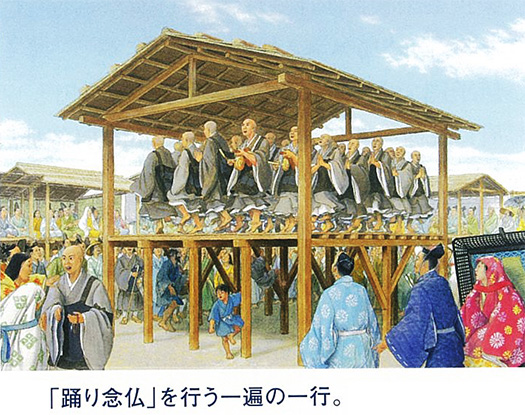
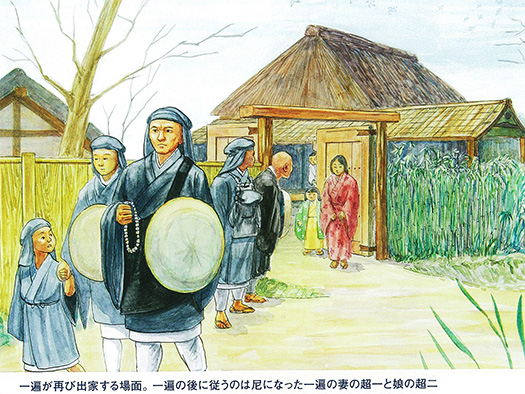
 で、この河野氏からは1239年に「踊り念仏」で有名になった行動的宗教者である一遍上人が出生している。承久の乱(1221年)に際しての河野氏の没落時、一族で仏門に入っていた流れがその後、家門の再生を祈念して「還俗」した一統があって、一遍はこの一統に生まれていた。10歳で一度仏門に入ったけれど、その後還俗して武士になっていた。
以下Wiki記述。 〜一遍は、1221年承久の乱により没落した伊予国の豪族の河野家の次男として1239年に生まれる。1248年に仏門に入り、1251年からは太宰府の聖達上人の元で浄土教を学んだ。1262年に父の訃報を受けると、一度故郷に帰り半僧半俗の生活を続けていたが、1271年に33歳で再出家し、1274年より全ての財産を捨て一族とも別れ 16年間の遊行の旅に出る。〜
 時系列で見ると、この一遍の行動は微妙に「元寇」の歴史進行と重なる。第1回の元寇・文永の役が1274年であり、そして1281年が第2回の弘安の役。この時期に河野氏一族は、弘安の役で大きな勲功をあげた人物もあらわれるなか、一方の一遍は「踊り念仏」という社会運動を行っていることになる。そして一遍は全国への遊行のなかで、承久の乱で没落し奥州・平泉に流されそこで客死した河野氏一族の宗家の立場の祖父・河野通信の墓参も果たしている。
 この時代の世相の中でこのような行動に駆られた人物の内面はどうだったのだろうと妄想が膨らんでくる。非業に倒れた祖父への尊愛は表しながら、一族が家運再興を賭けた元寇での軍事行動には背を向けている。なにやら歴史ドラマと人間ドラマが輻輳していて、NHK大河ドラマにでもなりそうだ。般若心経につづいてライフテーマとして一遍研究もしておく必要があるだろうか?(笑)。
 
●お知らせ
拙書「作家と住空間」幻冬舎から電子書籍で発刊
お求めはAmazonで。
https://amzn.asia/d/eUiv9yO

English version⬇

Ippen Shonin, a member of the Iyo Kono clan, was born in the Kamakura and Genko periods.
The religious movement known as the “Dancing Religion” developed as a social movement during the Kamakura and Genko periods. The religious movement called “Dancing Religion” developed as a social movement during the Kamakura and Gemko periods. …

 I can recite the Heart Sutra. For some reason, when I was a student and left the student movement, I wanted to study the text of this sutra, so I took the liberty of reading and studying it without any religious affiliation at all. Apparently, XX-ism has a strong idea of denying others and strongly attacking others, and I had the psychological impression that this would eventually “make” people sad. I believe this is why I was attracted to the clarity of the “Heart Sutra,” which is considered a “true word” that transcends many Buddhist sects. In particular, I found the last passage to be strongly encouraging.
 So, from this Kono clan was born Ippen Shonin, an action-oriented religious leader who became famous for his “Dancing Nembutsu” in 1239. Ippen was born into a lineage in which a member of the Kono clan who had entered Buddhism at the time of the fall of the Kono clan during the Jokyu Rebellion (1221) was later “returned to secularity” in order to pray for the rebirth of the family.
The following is a Wiki description. 〜Ippen was born in 1239 as the second son of the Kono family, a powerful family in Iyo Province that fell during the Jokyu Rebellion in 1221. 1248 he entered Buddhism, and from 1251 studied Pure Land Buddhism under Seidatsu Shonin in Dazaifu. 1262, after his father died, he returned home and lived a half-monk, half-folk life. 1271 In 1271, at the age of 33, he re-entered the priesthood, and from 1274, he left all his possessions and family to embark on a 16-year pilgrimage. ~…
 In chronological order, Ippen’s actions subtly coincide with the progression of the history of the “Genko” invasion. The first “Genko” (Genko) was in 1274, and the second “Kouan” (Kouan) in 1281. During this period, some members of the Kono clan were highly decorated for their deeds during the Koan War, while Ippen was engaged in a social movement called “Odori Nembutsu” (dancing Buddhist chanting). During his travels throughout Japan, Ippen also visited the grave of his grandfather, Kono Tsushin, a member of the Kono clan who had fallen in the Jokyu War and was exiled to Hiraizumi, Oshu, where he died as a guest.
 One can only wonder what was going on inside the mind of a person who was driven to such an action in the midst of the world of this era. While expressing respect and love for his grandfather who had fallen tragically, he turned his back on the military action during the Genko Incursion, in which his family staked its claim to revive the family fortunes. The story is a convergence of historical drama and human drama, and could easily be made into an NHK historical drama. I wonder if I should follow the Hannya Shingyo and study Ippen as a life theme? (Laughs).
 
News
My book, “The Writer and the Living Space,” is published in e-book format by Gentosha.
You can purchase it at Amazon.


【元寇・弘安の役での船戦活躍 伊予河野氏探訪-4】


 1185年当時の源平合戦期で四国の勢力、海軍勢力として源氏軍に大いに寄与したことで河野氏は全国的にも評価されることになったけれど、その後の承久の乱(1221年段階)という30数年後の動乱期には、政治判断を誤って、後鳥羽上皇に味方して敗北することになる。たしかに源平合戦期の結果としての政治体制としては武権は鎌倉幕府にもたらされたけれど、頼朝という対朝廷側との「政治工作窓口」を失った関東武士団には、当時の政治・社会情勢下では勝ち目は少ないと判断したことにうなずける部分もある。
 なんといってもこの時期、政治統治の正統性は京都王権側にあって鎌倉幕府というのは国家体制としてはその軍事の一部門的な存在認識が強かったのだと思われる。そういう情勢のなかでさまざまな多数派工作は容易に想像でき、京都政権側からの「恩賞」の提示も魅力的だっただろうことが想像できる。なんといっても王権側の全国統治感覚からは「伊予国」は枢要的に重要な政治軍事の要衝。名分もあり利益供与の約定もあって、いわば常識的な判断だったのだろう。場合によっては鎌倉幕府的な位置まで朝廷側は河野氏に約束していた可能性もある。
 しかしそうした期待は、鎌倉幕府の京都の一気加勢な攻撃にもろくも陥落し夢と潰えさった。尼将軍とされた北条政子の檄に関東武士が大団結を見せるということが想像すらできなかったのだろう。このあたり、日本史の大きな流れである関東の政治軍事的重要性の拡大についての西国武士たちの鈍感さが感じられる。そういう敗北過程で河野氏は唯一北条氏の女性を迎え入れていた一統が辛うじて血脈を維持した。その後、領地も一部回復・確保できていた。
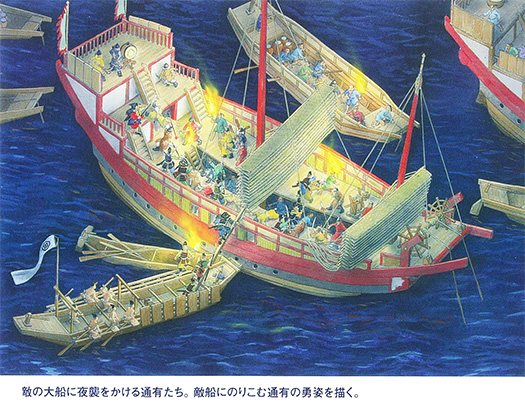
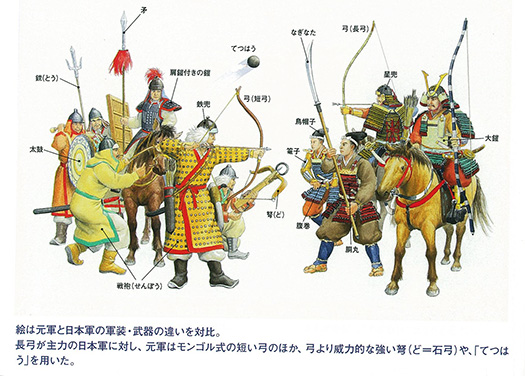
 そういった政治情勢の中で「元寇」が勃発する。この動乱を奇貨として勢力の回復を意図し、幕命に応えて第2次元寇の弘安の役(1281年)に河野氏は出陣する。源平期から約100年後、家運の上昇をふたたび賭ける海軍戦。
 このブログシリーズでは、元寇についても約1ヶ月前くらいに記載したけれど、第2回の元寇である弘安の役では主戦場は、源平の壇ノ浦と似た「海戦」だったことで、伊予の武家勢力である河野氏には好適な条件だったとも思える。元寇記念館での展示でも、この河野氏が活躍した船戦の様子は、大きく評価されている。
 防衛土塁の長大な構築が、弘安の役の最大の効果を発揮したことはあきらかだけれど、河野氏はむしろその土塁壁の前に陣を張って不退転の決意を表していた。河野の「後ろ築地」として名をはせた。

●お知らせ
拙書「作家と住空間」幻冬舎から電子書籍で発刊
お求めはAmazonで。
https://amzn.asia/d/eUiv9yO

English version⬇

The Iyo Kono Clan in Action in the Genko and Kouan War
About 100 years after the Gempei period, the Kono Clan had ups and downs in their position, but they took another chance of “naval battles” and risked the rise of their family fortune to take the challenge. …

 In 1185, during the Genpei War, the Kono clan was recognized nationwide for its great contribution to the Minamoto clan’s forces as a power and naval force in Shikoku, but during the subsequent Jokyu Rebellion (1221), a period of upheaval more than 30 years later, they made a political misjudgment and sided with Emperor Go-Toba, losing. It is true that the political system during the Genpei War brought military power to the Kamakura Shogunate, but the Kanto Samurai, who had lost their “window of political maneuvering” with the Imperial Court in the form of Yoritomo, had little chance of winning under the political and social conditions of the time, which is understandable.
 In any case, the legitimacy of political governance at that time rested on the side of the Kyoto royal power, and the Kamakura Shogunate was strongly considered to be a military arm of the state system. Under such circumstances, it is easy to imagine that various majority maneuvers could be easily imagined, and the offer of a “bounty” from the Kyoto regime side must have been attractive. After all, from the sense of ruling the whole country on the royalist side, “Iyo Province” was a pivotal political and military point of importance. It was a common-sense decision, so to speak, because of its prestige and the promise to provide benefits. In some cases, the Imperial Court may have promised the Kono clan a position similar to that of the Kamakura Shogunate.
 However, such expectations were crushed as a dream when the Kamakura Shogunate fell to a single-minded attack on Kyoto. It is likely that they could not even imagine that the Kanto warriors would show great solidarity in response to the proclamation of Hojo Masako, who was considered a nun shogun. In this regard, one can sense the insensitivity of the western samurai to the growing political and military importance of the Kanto region, which is a major trend in Japanese history. In such a process of defeat, the Kono clan was the only lineage to have welcomed a Hojo clan woman, and it barely maintained its lineage. After that, they were able to recover and secure some of their territory.
 In the midst of this political situation, the “Genko” invasion broke out. Intending to use this upheaval as a chance to regain power, the Kono clan responded to the shogunate’s order and went to battle in the second invasion, the Kouan-no-Yakuwari (1281). About 100 years after the Genpei period, the Kono clan once again staked its claim on the rise of its family fortunes in this naval battle.
 In this blog series, I wrote about the Genko about a month ago, but the main battlefield in the second Genko, Koan no Yaku, was a “naval battle” similar to the Dannoura battle in the Genpei period, which seemed to be a suitable condition for the Kono clan, a warrior clan in Iyo. The Kono clan’s success in the naval battle is greatly appreciated in the exhibition at the Genko Kinenkan (Genko Memorial Museum).
 It is clear that the construction of the long defensive earthen mound had the greatest effect during the Kouan-no-Yakuwari, but the Kono clan showed their determination not to retreat by setting up camp in front of the mound wall. It became famous as Kono’s “back-building area.

Notice
My book “Writers and Residential Space” is published by Gentosha as an e-book.
You can purchase it at Amazon.