
とくに温泉施設の場所と名称は記しませんが、北海道で大量のインバウンドがある地域の公衆向け施設にて。
わたしは健康増進のため1日の歩数確保で10,000歩以上を心がけています。クルマで遠距離移動でも、先日の北東北〜道南ドライブ観桜旅などでも毎日ほぼ12,000歩程度の歩数を早歩き散歩しています。
で、この日もある程度短時間に歩数を確保する運動量で、肉体的にはそこそこの疲労感。汗ばんだ衣類を脱ぎ捨てて温浴施設に入浴した。
わたしは温浴を8−10分程度たっぷりと済ませてカラダを温めてから洗面などをして、サウナや野天風呂を楽しむというのが定番コース。そのように過ごした後サウナに入っていった。久しぶりにこの温浴施設に来たので、サウナ内での敷物は持ち込まずにタオルを持って入った。っていうか、肉体的疲労感から気が回っていなかったことはある。
でもそのサウナ内には敷き布が内部に敷かれていて定期的に施設側でそれが交換されてもいる様子だった。別に敷物シートを敷いて、というアナウンスはとくに書かれていない。
中に入ったら7−8人程度の広さの中に先客が5−6人。わたしが入ろうとしたら1人が席を空けるように移動してくれた。それに感謝する目線挨拶をしたが、そのとき、その空けていただいた隣席に「刺青」を入れた人物がいることに気付かされた。とっさにどうしようかと思ったが、流れに沿ってその席に座った。
その数秒後、刺青男が小声で「どうして敷物シートを持ってこないのだ」というコトバを口走ってきた。
わたしは20代の頃、1度クルマ運転の際に反社人物に急ハンドル操作されて危険に陥って、なおその後因縁をつけられた経験がある。結局その男の家に付き合わされ、目線で「日本刀」を見せつけられ脅された経験がある。そういう経験から、かれらの「静かな口調」というのには、むしろ危険アラート反応が働いてくる。
そこで一切会話をせずにその場から立ち去ることにした。まぁ座席下敷き敷物シートについてのクレーム自体はわからないではないけれど、かれらの作戦である危険度は高いと判断したのだ。ことを荒立てずに推移させるには、わたしが外に出ていくことがもっとも「穏便」と思われたのだ。
その後、体力の回復まで15分程度外の椅子・ベンチなどで日光浴して時間を空けてその人物との無用な接触を避けた。その後は関わることなく、無事にある程度の休息を得て浴場を退出した。
しかし納得はできなかったので施設の従業員の方に「刺青の人物から絡まれたのだけれどここは刺青いいの?」と申告したが「あ、こちらでは刺青OKですので」と明るい言い方。 「・・・」。
最近は海外客は面白がってボディペインティングしている方が多いので、インバウンド対応としてこういう施設が増えているのかと思い至った。それが「多文化共生」という掛け声で正当化されてもいるようだ。
しかし、裸で無防備な浴場で、日本人的には暴力性の象徴である刺青の人間がいれば、これまでの日本人の安全概念が大きく揺らいでいく。多文化共生という名目の元で、日本の生活文化が壊されていくのではないか。わたし自身、はじめて気づかされることになった次第。みなさん、どうお考えだろうか?
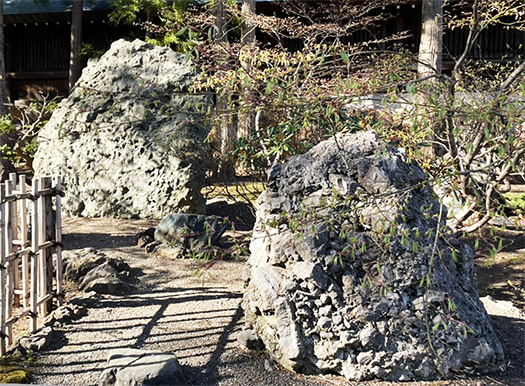
<写真は日本の文化の象徴「さざれ石」。大小の小石が凝集して岩石になっている>
●お知らせ
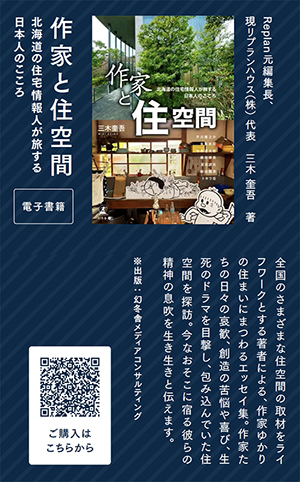
拙書「作家と住空間」幻冬舎から電子書籍で発刊
お求めはAmazonで。
https://amzn.asia/d/eUiv9yO
English version⬇
[Harassed by a Tattooed Man in a Sauna—Is This What Multicultural Coexistence Looks Like?]
Western tourists often have a tradition of body art-style tattoos. Is that what multicultural coexistence is supposed to be? Can the safety of Japanese society be guaranteed? …
I won’t mention the specific location or name of the hot spring facility, but it was a public facility in a region of Hokkaido that attracts a large number of international visitors.
I aim to walk at least 10,000 steps a day to improve my health. Even when traveling long distances by car, such as on my recent cherry blossom-viewing road trip through northern Tohoku and southern Hokkaido, I walk briskly for about 12,000 steps every day.
So, on this day as well, I had walked enough to reach my step goal in a relatively short time, leaving me feeling moderately tired. I shed my sweaty clothes and entered the hot spring facility.
My usual routine is to soak in the hot bath for a good 8–10 minutes to warm up my body, then wash up before enjoying the sauna and open-air bath. After doing that, I headed into the sauna. Since it had been a while since I’d visited this facility, I didn’t bring a mat into the sauna; I just took a towel. Or rather, I suppose I simply hadn’t thought of it due to my physical exhaustion.
However, there were mats laid out inside the sauna, and it seemed the facility staff replaced them regularly. There wasn’t any specific announcement or sign asking people to bring their own mats.
When I went inside, there were about 5 or 6 people already in the room, which could hold 7 or 8. As I was about to enter, one person moved over to make room for me. I gave him a grateful look, but at that moment, I noticed that the seat he had vacated was occupied by a man with a tattoo. I wondered for a split second what to do, but I went with the flow and sat down in that seat.
A few seconds later, the tattooed man muttered under his breath, “Why didn’t you bring a seat cover?”
When I was in my twenties, I once had a dangerous experience while driving when an anti-social element made a sudden, sharp turn, and I was later harassed by him. In the end, I was forced to go to his house, where he threatened me by flashing a “Japanese sword” at me with his eyes. Because of that experience, their “calm tone” actually triggered a danger alert in me.
So I decided to leave the area without saying a word. Well, I wasn’t entirely unaware of the complaint regarding the seat mat, but I judged that their tactics posed a high level of danger. To avoid making a scene, I thought the most “peaceful” course of action was for me to simply walk out.
Afterward, I spent about 15 minutes sunbathing on chairs and benches outside to recover my energy, giving myself some time to avoid unnecessary contact with that person. After that, I managed to get some rest without any further involvement and left the bathhouse safely.
However, I couldn’t accept it, so I reported the incident to a staff member, asking, “I was harassed by a man with a tattoo—are tattoos allowed here?” but they replied cheerfully, “Oh, tattoos are fine here.” “…”
It occurred to me that since many foreign visitors these days enjoy body painting for fun, perhaps the number of facilities like this is increasing as a way to cater to inbound tourism. It also seems to be justified under the slogan of “multicultural coexistence.”
However, in a bathhouse where people are naked and defenseless, the presence of someone with a tattoo—which is seen as a symbol of violence in Japanese culture—greatly undermines the traditional Japanese concept of safety. I’ve come to realize for the first time that Japanese lifestyle and culture might be being destroyed under the guise of “multicultural coexistence.” What do you all think?
● Announcement
My book, “Writers and Living Spaces,” has been published as an e-book by Gentosha.
Available on Amazon.
共有:

Posted on 5月 5th, 2026 by 三木 奎吾
Filed under: 未分類


コメントを投稿
「※誹謗中傷や、悪意のある書き込み、営利目的などのコメントを防ぐために、投稿された全てのコメントは一時的に保留されますのでご了承ください。」
You must be logged in to post a comment.