
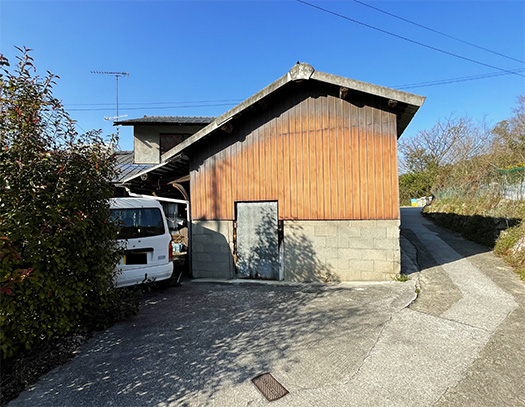
写真は今回の取材での「生活文化」取材のワンシーン。
ある瀬戸内海の島での家と「前面道路」との関係。このような「伝統的な暮らし方」から、北海道人は少し日本の常識レベルが乖離する部分なのですね。
写真で見えるようにこのお宅は家の玄関前に軽自動車を駐車させて、生活の「足」として活用されていることがよくわかる。前面道路幅は3mに満たないような目測。こういう「道」ではそもそも基本的な基準を満たしているのかどうかわからない。検索で確認すると、
〜道路幅員に関する主な基準は、道路法(道路構造令)では道路の種類や交通量に応じた「車線幅員(一般国道で3.0〜3.5m)」や「歩道(2.0m以上)」の合計、建築基準法では接道義務として原則「4m以上」と定められています。〜とのこと。
しかし日本のいかにも「ふつうの伝統的な暮らし」を取材すると、このような道路幅はごく一般的に遭遇する。わたしのような寅さん的旅人はこういう場所にこそ行きたいのですね。東京都内や近郊地域でもこういうレベルの道路幅はごくふつう。そういう中で日本の庶民の暮らしは存在している。
瀬戸内の温暖で風光明媚な暮らしの「豊かさ」は旅人目線からも実感できる。
それはこのような環境で満喫できる「おだやかさ」。旅人としては羨むほど。そのことは「生活利便性と交通環境」を超える、質的な満足感でしょう。
しかし暮らしの利便性ということでは「軽自動車」一択にならざるを得ない。また、そういう実感を共有したい当方としては「寄り添う」一択になる。
そんなことからわたしはレンタカーでは「軽」を選ぶことが常態化しています。
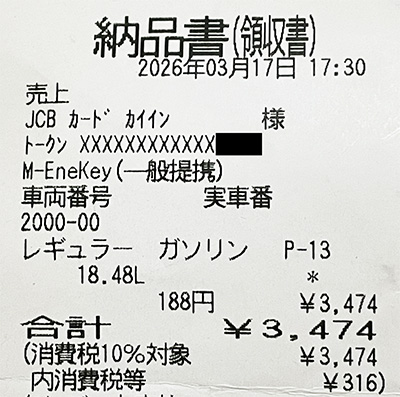
これが今回の取材で掛かった「ガソリン代」で3,474円。2日間トータルで走行距離は356kmとレンタカー屋さんから告げられましたので燃費効率はリッターあたり19.26km。メーカーや車種によって当然前後はするでしょうが、日本の軽自動車の燃費性能の良さには、あらためて驚かされる。
おかげで折からの価格高騰での心配も、わたし的にはほぼ杞憂に終わった。
日本の軽自動車の利便性と性能のバランスって、やはり世界の中での超優位性を実感。ヨーロッパでもアメリカでもこのポイントが注目されてきているそうで、中国の電気自動車メーカーまで「軽」市場に殴り込みを掛けてくるという情報。
軽自動車をめぐる住環境と道路事情、さらに燃費性能。大きく頷かされました。
●お知らせ
拙書「作家と住空間」幻冬舎から電子書籍で発刊
お求めはAmazonで。
https://amzn.asia/d/eUiv9yO
English version⬇
[Japanese Kei Cars: Living Environments, Road Conditions, and Fuel Efficiency]
Enjoying the mild climate of the Seto Inland Sea, these are days of a “high-quality” and peaceful lifestyle. The Japanese “Kei car” culture, perfectly adapted to the local road conditions and convenience. …
This photo captures a scene from our recent “Lifestyle and Culture” feature.
It shows the relationship between a house and the “road in front” on an island in the Seto Inland Sea. It’s clear that in terms of this “traditional way of life,” Hokkaido residents’ norms diverge somewhat from the rest of Japan.
As you can see in the photo, this household parks a compact car right in front of the entrance, clearly using it as their primary means of transportation. At a glance, the width of the road in front appears to be less than 3 meters. With a “road” like this, it’s unclear whether it even meets basic standards. A quick search confirms that:
~The main standards regarding road width are stipulated in the Road Act (Road Structure Ordinance) as the total of “lane width (3.0–3.5 m for general national highways)” and “sidewalk (2.0 m or more),” depending on the type of road and traffic volume. The Building Standards Act, meanwhile, mandates a minimum road frontage of “4 m or more” as a general rule.~
However, when reporting on what is typically considered “ordinary, traditional Japanese life,” road widths like this are encountered quite commonly. Travelers like me—who are a bit like the character Torasan—are the ones who want to visit places like this. Even within Tokyo and its surrounding areas, road widths of this level are quite common. It is within this context that the lives of ordinary Japanese people exist.
The “richness” of life in the warm and scenic Seto Inland Sea region can be truly felt even from a traveler’s perspective.
It is the “tranquility” that can be fully enjoyed in such an environment. As a traveler, I find it enviable. This represents a qualitative sense of satisfaction that transcends mere “convenience and transportation infrastructure.”
However, when it comes to the practicalities of daily life, a “kei car” is the only viable option. Furthermore, as someone who wishes to share this experience, “joining them” is the only choice.
For these reasons, choosing a “kei car” has become the norm for me when renting a vehicle.
This is the “gasoline cost” for this trip: 3,474 yen. The rental car company told me that the total distance driven over the two days was 356 km, so the fuel efficiency was 19.26 km per liter. Of course, this will vary depending on the manufacturer and model, but I’m once again amazed by the excellent fuel efficiency of Japanese kei cars.
Thanks to this, my worries about the recent surge in prices turned out to be almost entirely unfounded.
I truly felt the overwhelming global advantage of the balance between convenience and performance in Japanese kei cars. Apparently, this aspect is gaining attention in both Europe and the U.S., and there are reports that even Chinese electric vehicle manufacturers are making a push into the “kei” market.
The living environment, road conditions, and fuel efficiency surrounding kei cars—it all made perfect sense to me.
● Announcement
My book, “Writers and Living Spaces,” has been published as an e-book by Gentosha.
Available on Amazon.
共有:

Posted on 3月 18th, 2026 by 三木 奎吾
Filed under: 未分類




コメントを投稿
「※誹謗中傷や、悪意のある書き込み、営利目的などのコメントを防ぐために、投稿された全てのコメントは一時的に保留されますのでご了承ください。」
You must be logged in to post a comment.