
「四百年間のいのちの履歴書」シリーズ。いまは1718年の百姓一揆遭難からの生き残りを賭けた決断の内容を考えています。一族で丹念に「家系史」を調査すると遭遇した困難でリアルな現実に突き当たる。
しかし、現代にわたし・子孫というカタチで連綿と「いのち・DNA」は繋がってきている。
たぶんこれまでの家系史探究は「系譜」をたどるというのが基本でしょう。その線からよく系図づくりのようなことが行われる。ドヤ顔で家系を誇るような。
わたしもそういうことの「継承」がきっかけだったのですが、血肉の繋がる祖先の「生き様」に否応なく深入りしてくると、DNA的な生き方の足跡・考え方が明瞭に浮かんでくる。
最大の困難、この1718年時点で祖先が突き当たった現実から、どう次世代を解放したか、と思念する。
竹原塩田とわが家系の接点を見て、さらに家系的な強烈体験「打ち毀し」受難の歴史に踏まえ、ようやくわが家系の江戸期での「流れ」のキーポイントが腑に落ちた、というところ。
江戸期の環境条件での生き方の最適解と思われた「武家・藩」の経済面での実務掌握者、というポジションを浅野藩の「所務役」として実現した先祖。竹原塩田地域を「管掌」していた社会観察眼から、次代はより自由な生き方の出来る市場経済社会だと深く認識した。そして地域における産業基盤領域として、全国の塩生産の8割以上をやがて占めるに至る「塩産業(瀬戸内海地域の十州塩田)」に一族の転身を図っていった。
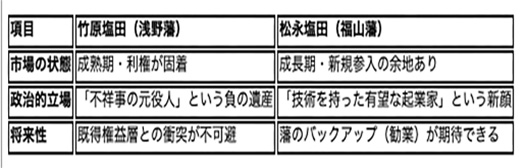
しかし竹原塩田はすでに利権構造が既得権益化していたので、この当時、新規塩田として福山藩が注力していた「松永塩田」に注目し、その産業構造の中に自らの「家系生き残り戦略」を掛けていったのだ。整理すると以下のような対比になるだろうか。
江戸期の商業は封建体制下なので参入障壁「株仲間」制度を設けていて、それへの加入・生存条件獲得手段として福山藩の郡奉行との間で強い「縁戚関係」を構築したのだ。
この基本方向で家系の生き方戦略がしっかりと定まったのだと思う。そしてそのために、冷徹に「家名・原氏」も潔く捨て「商家・阿賀屋三木」として生き延びる選択をしたのだ。
このときの家系当主・原平七の生存戦略の決断に深く敬意を抱かされます。
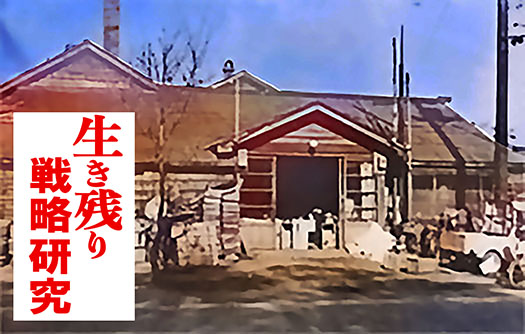
<写真ははるかな後世1955年当時の札幌移転時のわが家・外観>
●お知らせ
拙書「作家と住空間」幻冬舎から電子書籍で発刊
お求めはAmazonで。
https://amzn.asia/d/eUiv9yO
English version⬇
【A Study on “Survival Strategies” from the Edo Period to Modern Times?】
There must be decisive turning points in the “flow” of family lineage DNA. Strategic judgment at those moments. Exhausting all wisdom while awaiting the heavenly fortune of future generations. …
The “Four Hundred Years of Life’s Resume” series. I’m now contemplating the life-or-death decisions made by survivors of the 1718 peasant uprising disaster. When a family meticulously investigates its “family history,” it inevitably confronts the harsh, real difficulties encountered.
Yet, life and DNA have been continuously passed down to the present day in the form of me—a descendant.
Probably, most family history research has focused on tracing the “genealogy.” From that line, people often create family trees. They boast about their lineage with a smug look.
My own journey began as a continuation of that tradition. But as I inevitably delved deeper into the “lives” of my flesh-and-blood ancestors, the footprints and mindset of their DNA-driven existence became strikingly clear.
The greatest challenge: pondering how my ancestors liberated the next generation from the harsh reality they faced in 1718.
By examining the connection between the Takehara salt fields and my family lineage, and further grounding it in the intense, suffering-filled history of the “Uchikudashi” persecution, I finally grasped the key turning point in my family’s trajectory during the Edo period.
My ancestors achieved the position of “administrative officer” for the Asano domain, becoming the practical economic managers within the “samurai/domain” system—a role seen as the optimal solution for survival under Edo-period conditions. Through their social observation gained from “managing” the Takehara salt fields, they deeply recognized that the next generation would live in a market economy offering greater freedom. They then sought to transform their clan’s focus toward the salt industry (the Ten Provinces Salt Fields of the Seto Inland Sea), which would eventually come to dominate over 80% of Japan’s salt production, positioning it as the regional industrial foundation.
However, since the Takahara salt fields were already entrenched within a vested interest structure, they instead focused on the “Matsunaga Salt Fields,” which the Fukuyama domain was actively developing as new salt fields at that time. They staked their family’s survival strategy on integrating into this new industrial structure. To summarize, the contrast might be as follows:
Edo-period commerce operated under feudal systems with entry barriers like the guild system. To gain membership and survival conditions within this system, they forged strong kinship ties with the Fukuyama domain’s district magistrate.
This fundamental direction firmly established the family’s survival strategy. To achieve this, they made the ruthless choice to abandon their family name, “Hara,” and survive purely as the merchant house, “Aga-ya Miki.”
I feel deep respect for the survival strategy decision made by the family head at that time, Hara Heishichi.
●Notice
My book “Writers and Living Spaces” published as an e-book by Gentosha
Available on Amazon.
共有:

Posted on 2月 13th, 2026 by 三木 奎吾
Filed under: 未分類



コメントを投稿
「※誹謗中傷や、悪意のある書き込み、営利目的などのコメントを防ぐために、投稿された全てのコメントは一時的に保留されますのでご了承ください。」
You must be logged in to post a comment.