
「四百年間のいのちの履歴書」シリーズ、1718年百姓一揆で打ち毀されたわが家系のその後探究。
この当時の当主、原平七については伝承されてきた記録や親族による調査でもその後の形跡が残されていない。ただその息子の「源七」が備後福山藩領の松永で塩田事業を行ったとの記載。
いわばミッシングリンクですが、この親子間のつながりに「塩田」が介在すると思われます。浅野藩領・入野に居を構えながら抜擢されて藩の役人「所務役」として1万石相当地域の徴税担当者として活動した。藩から財政再建・税収増を期待されたのですが、その管掌地域に浅野藩塩業の中核・竹原塩田があったのです。
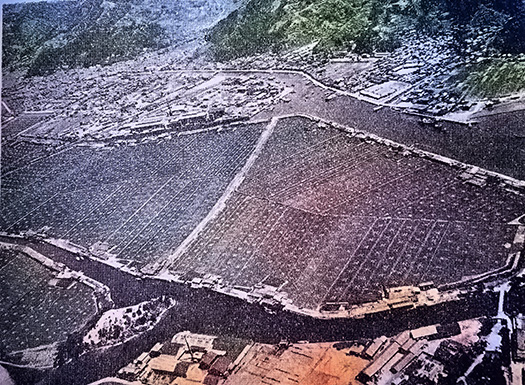
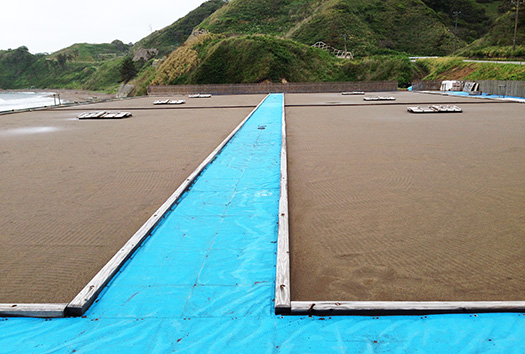
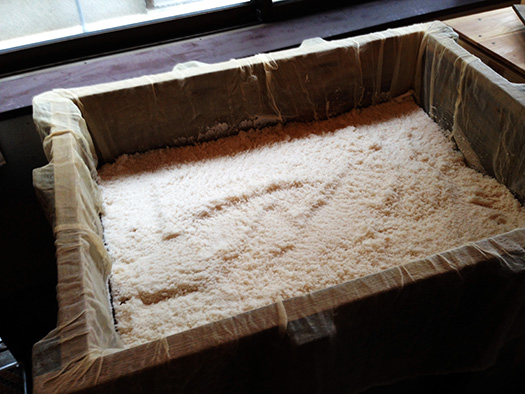
写真上は竹原塩田の1953年の航空写真。その下の塩田風景は能登を旅していたころ探訪した「輪島塩」のもの。昔ながらの塩づくり工房。
徳川家康に創始された幕藩体制社会は家康期の大量金保有が5代綱吉ころにはほぼ枯渇し、財政危機が慢性化してくる。その時期に「亨保の改革」に吉宗が取り組み始めるが、基本的にはコメ経済社会での増税であり。百姓への過酷な収奪強化が行われそれへの反発から百姓一揆が続発する。
そういう時代背景の中で塩田事業は、かろうじて「未来投企」的な産業領域だった。
塩田造営には土木・灌漑の経験知が不可欠。紀州から入野への入植経緯からはわが家系一統にはそういう知見の積層が垣間見られる。
この竹原塩田は1650年に赤穂(兵庫県)から最新の入浜式塩田技術を導入し賀茂川河口の干拓地に築造された。当初は米の新田開発で藩による公共事業として取り組まれた。開発に当たっては近隣の藩領である豊田郡などから人夫が動員された記録。豊田郡は家系所縁の入野が含まれる地域。
土地改良開発当初から庄屋である家系に対しても「人夫動員」夫役〜ぶやく〜が課されたことが想像される。庄屋として人夫を引率し現地で立ち働いていたことだろう。
その新田開発地域の海岸側では潮水が浸入して米作には不適で放置されていた。その様子を当時「薪」を購入しに来ていた播州・赤穂の「薪船」の人びとが「このような土地は塩浜にするのが良策」と勧めたのだと。想像すれば、船は塩づくりで不可欠な加熱燃料として薪を買い付けに来ていたのだろう。
その献策が採用されたのが竹原塩田創始の経緯なのだという。 <この稿、あしたにつづく>
●お知らせ
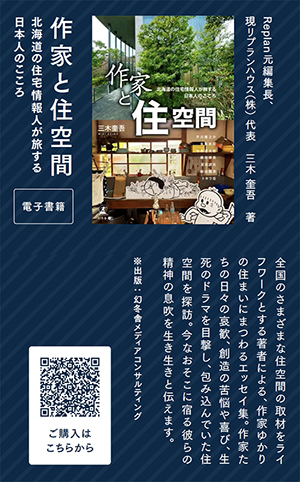
拙書「作家と住空間」幻冬舎から電子書籍で発刊
お求めはAmazonで。
https://amzn.asia/d/eUiv9yO
English version⬇
【The “Takehara Salt Fields” Project Managed as an Administrative Duty of the Asano Domain】
The Takehara Salt Fields, established around 1650 as a public works project. Laborers were mobilized from the region, including the ancestral lands, for the civil engineering development. The purpose shifted from the original rice cultivation to salt production. …
The “Four Hundred Years of Life’s Resume” Series: Investigating the Fate of My Family Line After Its Destruction in the 1718 Peasant Uprising.
Regarding Hara Heishichi, the head of the family at that time, no traces of his subsequent life remain, even in records passed down through tradition or investigations by relatives. Only a record states that his son, “Genshichi,” operated a salt field business in Matsunaga within the Bingo Fukuyama domain.
This is essentially a missing link, but it is believed that “salt fields” served as the connecting element between father and son. While residing in Irino within the Asano domain, he was promoted to serve as a domain official, a “Domain Administrator,” responsible for tax collection in a region equivalent to 10,000 koku. The domain expected him to rebuild its finances and increase tax revenue. Crucially, within his jurisdiction lay the Takihara Salt Fields, the core of the Asano domain’s salt industry.
The top photo shows an aerial view of the Takehara Salt Fields from 1953. The salt field scene below is of “Wajima Salt,” which I visited while traveling in Noto. It depicts a traditional salt-making workshop.
The feudal system established by Tokugawa Ieyasu saw the massive gold reserves accumulated during his era nearly depleted by the time of the fifth shogun, Tsunayoshi, leading to chronic fiscal crises. During this period, Yoshimune initiated the “Kyōhō Reforms,” but these were fundamentally tax increases within a rice-based economy. The intensified, harsh exploitation of peasants led to widespread peasant uprisings in protest.
Against this backdrop, the salt field enterprise was, barely, a “future-oriented investment” type of industry.
Building salt fields required essential expertise in civil engineering and irrigation. The history of settlement from Kishu to Irino reveals glimpses of such accumulated knowledge within our family lineage.
This Takehara Salt Field was constructed in 1650 on reclaimed land at the mouth of the Kamo River, utilizing the latest inlet-type salt field technology introduced from Ako (Hyogo Prefecture). Initially, it was undertaken as a public works project by the domain for developing new rice fields. Records indicate laborers were mobilized from neighboring domains like Toyoda District for the development. Toyoda District included Irino, a place connected to our family lineage.
It’s reasonable to assume that from the start of the land improvement project, the family lineage, being village headmen, was also assigned the duty of “laborer mobilization”—grumbling about it. As village headmen, they likely led the laborers and worked alongside them on-site.
The coastal part of this newly developed rice field area was unsuitable for rice cultivation due to tidal water intrusion and had been left unused. People from Banshu’s Akō, who came to purchase firewood (“薪”), observed this situation and advised, “Making this land into salt fields would be a good strategy.” One can imagine these ships came to buy firewood as essential fuel for heating in salt production.
This advice was adopted, marking the founding of the Takehara Salt Fields.
●Notice
My book “Writers and Living Spaces” published as an e-book by Gentosha
Available on Amazon.
共有:

Posted on 2月 11th, 2026 by 三木 奎吾
Filed under: 未分類



コメントを投稿
「※誹謗中傷や、悪意のある書き込み、営利目的などのコメントを防ぐために、投稿された全てのコメントは一時的に保留されますのでご了承ください。」
You must be logged in to post a comment.