
「四百年間のいのちの履歴書」シリーズ。
先般、広島藩の重臣としての武家・原氏について掘り下げて見ましたが、浅野氏との関わりは浅野氏の甲斐国支配時期に相当しているという記録の発掘へ至った。そうすると自然と武田氏の有力軍団長としての「原氏」が当然のように浮かび上がってくる。武田の遺臣があらたな仕官先として浅野氏を選択したという筋立て。
そして調べている内に、この家系の甲州・原氏(原昌胤)は「戦場の地形観察把握」に優れた武家として知られていたという記述があったのです。武田二十四将の有力武将として名が挙げられてもいる。
そしてさらに今回、戦国末期の戦争革命であった「土木工事戦争」の実相を探ってみたら、肥前国を中心に活躍した「原宗伯」という原姓の「土木専門家」の情報が浮かんできた。
この人物は江戸時代初期長崎の都市計画・土木技術で決定的な役割を果たした、長崎都市計画の先駆者。彼のオリジナリティは「原流(宗伯流)」という独自の測量・土木術を持っていた点。築城や新田開発(新開)に欠かせない高低差測定や面積算出で、高度な数学的・技術的知見を持っていた。岬の先端に作られた長崎の町の埋め立てや護岸工事に知見が投影されている。
・・・どうも「原姓」にはこうした才覚要素が強く感じられるのです。わたしの家系の紀州から広島移転当時の河川管理・土木改良の痕跡、さらに竹原塩田との関わり・・・。もちろん原姓一般と捉えられないことは明らかだけれど、どうもこの辺に「縁」が強く感じられる。
しかし内心「オレは雑誌を創刊してイメージ表現の世界に生きてきたのに、そんな土木なんて・・・」という、同意しにくいなぁという内語が木霊してくる(笑)。まぁしかし、こういう家系史を「掘り起こして、その時代の中での意味合いを突き詰める」という作業も、ある意味「同質性」はあるのかも知れない。
自分自身のことはともかくとして、このような原氏のDNA的共通性が場合によっては血脈的つながりにも立ち至るのかも知れない。
「線路は続くよ、どこまでも」であります。 迷宮かなぁ・・・。
●お知らせ
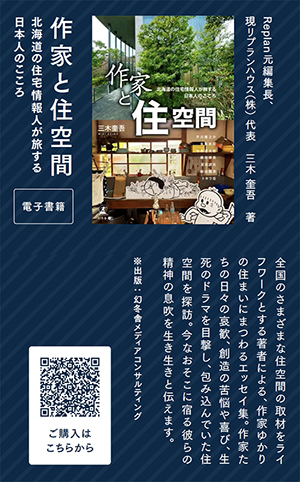
拙書「作家と住空間」幻冬舎から電子書籍で発刊
お求めはAmazonで。
https://amzn.asia/d/eUiv9yO
English version⬇
【The Link Between Civil Engineering Warfare in the Late Sengoku Period and the Hara Clan】
I myself have lived in the world of expression, founding magazines and such. Yet in my family history, I somehow end up closely related to the “civil engineering improvement” bloodline. I’m speechless (lol)…
The “Four Hundred Years of Life’s Resume” Series.
Recently, we delved into the samurai clan, the Hara family, who served as senior retainers of the Hiroshima domain. This research led to the discovery of records indicating their association with the Asano clan coincided with the Asano’s period of control over Kai Province. This naturally brings to light the Hara family’s role as a powerful military commander under the Takeda clan. The narrative suggests that retainers of the Takeda chose the Asano clan as their new patron.
During my research, I also found descriptions stating that this branch of the Kōshū Hara clan (Hara Masatane) was known as a samurai family excelling in “observing and understanding battlefield terrain.” He is also named among the prominent generals of the Takeda Twenty-Four Generals.
Furthermore, while exploring the reality of the “civil engineering warfare” revolution in late Sengoku warfare, information surfaced about a civil engineering specialist named “Hara Munehira” (Hara clan) who was active primarily in Hizen Province.
This figure played a decisive role in Nagasaki’s urban planning and civil engineering technology during the early Edo period, becoming a pioneer of Nagasaki’s city planning. His originality lay in possessing a unique surveying and civil engineering technique known as the “Hara School (Sōhaku-ryū)”. He possessed advanced mathematical and technical expertise in measuring elevation differences and calculating areas, essential for castle construction and new land development (reclamation). His expertise is reflected in the reclamation and revetment works for the town of Nagasaki built on the tip of a cape.
…Indeed, the “Hara” surname strongly suggests such elements of talent. Traces of river management and civil engineering improvements from when my family relocated from Kishu to Hiroshima, plus connections to the Takehara salt fields… Of course, this clearly can’t be generalized to the Hara surname as a whole, but somehow I feel a strong “connection” in these areas.
But deep down, a voice echoes: “I’ve spent my life creating magazines and living in the world of visual expression… why civil engineering of all things?” It’s hard to agree with that inner voice (laughs). Well, perhaps the work of “unearthing this family history and delving into its meaning within that era” shares a certain “homogeneity” in its own way.
Setting aside my own case, this kind of shared DNA among the Haras might, in some instances, even lead to bloodline connections.
“The tracks go on and on, forever.” Is this a labyrinth…?
●Notice
My book “Writers and Living Spaces” published as an e-book by Gentosha
Available on Amazon.
共有:

Posted on 1月 31st, 2026 by 三木 奎吾
Filed under: 未分類




コメントを投稿
「※誹謗中傷や、悪意のある書き込み、営利目的などのコメントを防ぐために、投稿された全てのコメントは一時的に保留されますのでご了承ください。」
You must be logged in to post a comment.