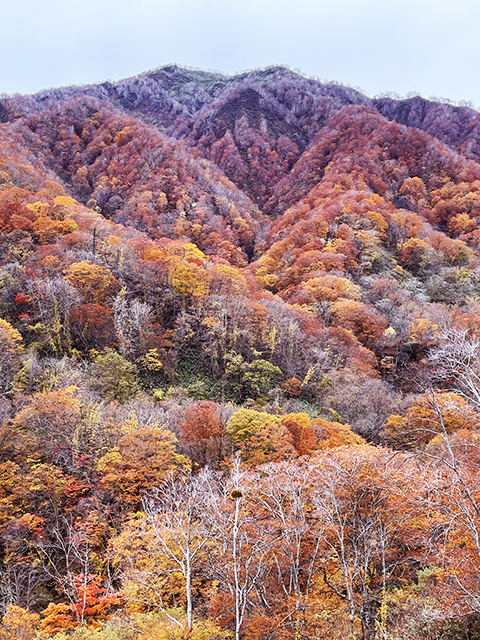
今回の道南旅を巡っていて、気付いていたのが日本人的な四季変化への感受性。
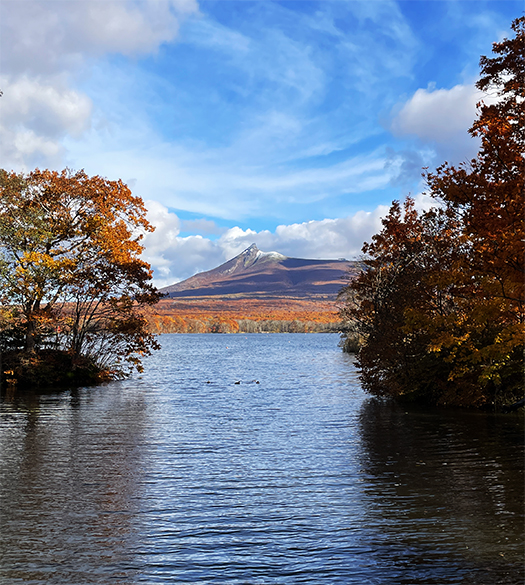
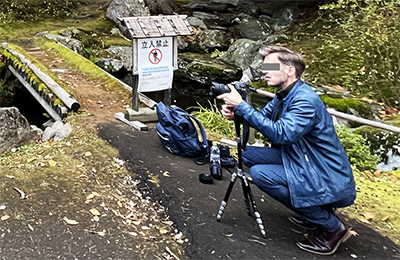
しかし函館の香雪園で出会っていた欧米人や、某国とおぼしきアジアンもこの日本列島の四季変化、とくに秋の紅葉については、有無を言わせない数寄を感じているようでした。変化に富んだ列島地形と明瞭な四季変化が織りなす景観の圧倒的な魅力には、だれもがヨワいのだと思わされる。
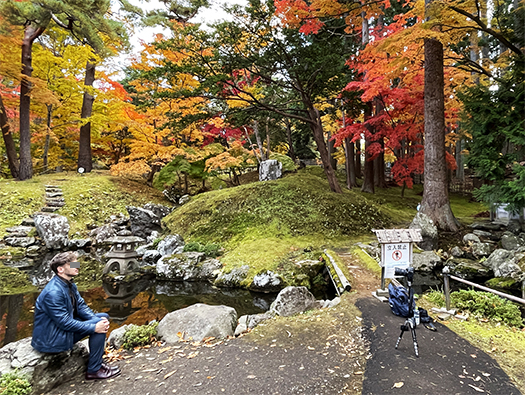
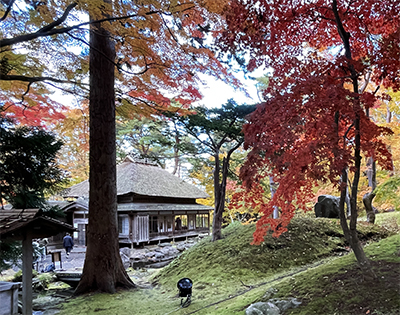
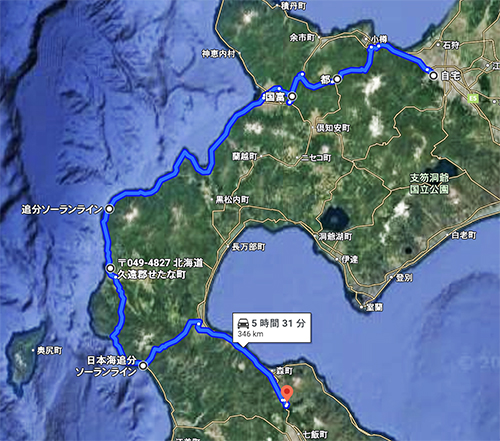
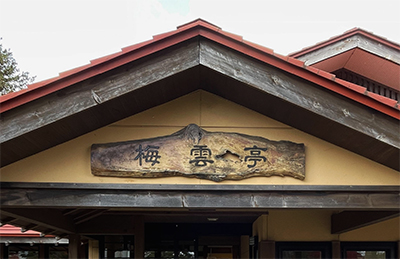
で、最後に近く訪れていた北海道八雲町の個人住宅、旧梅村邸「梅雲亭」。こちらは個人住宅サイズの面積の中に「池泉廻遊式庭園」が本格的に造営されていた。北海道は積雪寒冷の条件から、いわゆる「日本庭園」へのこだわりは希少な存在。函館の香雪園は稀有な存在だと思っていましたが、それよりははるかにコンパクトだけれど、季節感へのこだわりを深く見せられた。
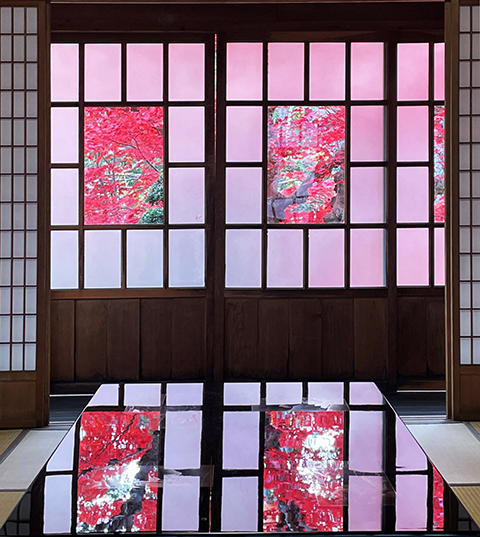
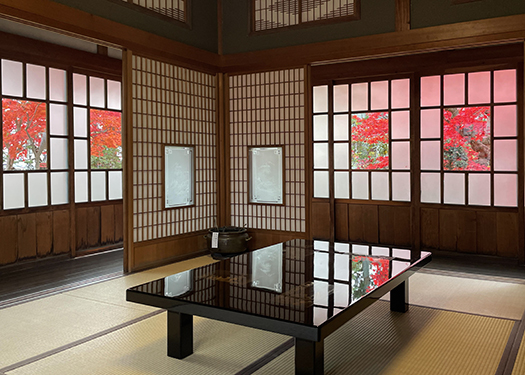
上の写真は「離れ」室内から奥の庭を硝子窓越しに見たアングル。
この住宅は大正12年頃から着手され昭和5年に完成したという。この当時の建築素材としてガラスは大きさが小割だったので、それを補なって、かつ桟組みによってデザイン性も考慮された開口部になっている。その窓を通して周囲の紅葉が室内に映り込む様子を「デザイン」している。
和の座卓表面には漆塗りが施されているけれど、その意味合いについてここまで「わかりやすい」のは初めて。
曇ガラス窓からの紅葉が、まるで幻視のように卓表面に映り込んでいる。「そうか、そういう趣向か」
こういう光景の中、賓客を応接する、もてなされる、という意味合いが明確に視覚化。
映像芸術や娯楽がない時代に、こうした視覚刺激を受け取る手段として、このような建築的な仕掛けが一般的に行われていたことが、新鮮な驚き。こういう「歓待」を受けて、「それで例の案件のことですが・・・」と切り出されれば「まぁよしなに(笑)」というビジネス上の展開も、わかりやすくあり得る・・・。
そういう目的のための雰囲気作りと考えれば、日本的建築文化にコストを掛ける心理も明確化する。
ただ、北海道地域の大部分ではこういった「しつらい」は無力だったことだろう。その結果、まずは人間の体温の安定性確保というもっとも基盤的な部分に家づくりの主たる興味が移行していった。
その狭隘な部分を垣間見た思いであります。
●お知らせ
拙書「作家と住空間」幻冬舎から電子書籍で発刊
お求めはAmazonで。
https://amzn.asia/d/eUiv9yO
English version⬇
【Yakumo’s “Baikuntei”: A Rare Private Residence & Japanese Garden in Hokkaido】
A beautiful visual display of the changing seasons unfolds on the black lacquered tabletop. “Oh, ◎◎-ya, you’re quite the rascal, aren’t you? Heh heh…”
During this trip through southern Hokkaido, I noticed the Japanese sensibility for seasonal change.
Yet, the Westerners I met at Hakodate’s Kosetsuen Garden, and the Asians who seemed to be from a certain country, also appeared to feel an undeniable appreciation for the seasonal shifts across the Japanese archipelago—especially autumn’s foliage. It seems everyone is captivated by the overwhelming charm of landscapes woven from the archipelago’s varied terrain and distinct seasonal changes.
Finally, I visited the private residence “Baikuntei” (formerly the Uemura residence) in Yakumo Town, Hokkaido. Within the compact footprint of a private home, a full-scale strolling pond garden had been meticulously constructed. Given Hokkaido’s snowy, frigid climate, such dedication to creating a traditional Japanese garden is rare. I had considered Hakodate’s Kosetsuen Garden exceptional, but this garden, though far more compact, demonstrated an even deeper commitment to capturing the essence of the seasons.
The photo above shows the view of the inner garden through a glass window from the detached building.
Construction on this residence began around 1923 and was completed in 1930. Glass panes were small for the time, so the openings were designed with mullions to compensate and add aesthetic appeal. The view of autumn leaves reflected through these windows into the room was “designed” as part of the composition.
The surface of the Japanese-style low table is lacquered, but the meaning behind this has never been so “obvious” to me before.
The autumn leaves seen through the frosted glass window are reflected onto the table surface like a phantom vision. “Ah, so that’s the idea.”
Within this scene, the meaning of receiving guests, of being entertained, is clearly visualized.
It’s a fresh surprise to learn that in an era without visual arts or entertainment, such architectural devices were commonly employed as a means to provide this kind of visual stimulation. Receiving such “hospitality,” then being prompted with “Now, about that matter we discussed…” would likely lead to a business exchange along the lines of “Well, let’s see what we can do (laughs)”… quite a plausible scenario.
Considering it as atmosphere-building for that specific purpose clarifies the psychology behind investing in Japanese architectural culture.
However, in most of Hokkaido, such “decorative arrangements” were likely ineffective. Consequently, primary interest shifted to the most fundamental aspect: ensuring stable human body temperature.
I felt I glimpsed that narrow focus.
●Notice
My book “Writers and Living Spaces” published as an e-book by Gentosha
Available on Amazon.
共有:

Posted on 11月 6th, 2025 by 三木 奎吾
Filed under: 未分類 | No Comments »