本文へジャンプ

【「社長食堂にぎり寿司」リモート忘年会2020】


昨日は年末繁忙期の最中、スタッフとの個別面談1日目。
一年を振り返っての各人の表情からいろいろ教えられることが多い。
ことしはとにかく未曾有の中国発祥ウィルスに翻弄され
しかもなお、出口が見えにくい厳しい状況。
そういうなかでなんとか年末繁忙期を迎えて、事業が活発に動いている。
テレワーク体制下なので忘年会や新年会、新しいスタッフの歓迎会など
「集まって意気を高める」という機会は残念ながらすべて回避のやむなきに。
しかしせめてもの代替ということで、「社長食堂」番外篇。
集まって食事するのではなく、容器に各自が手握り寿司を持ち帰って
各自自宅で忘年会してもらおうという「リモート忘年会」企画(笑)。
これ自体も半数毎のスタッフの出社で、2日間の分離開催であります。

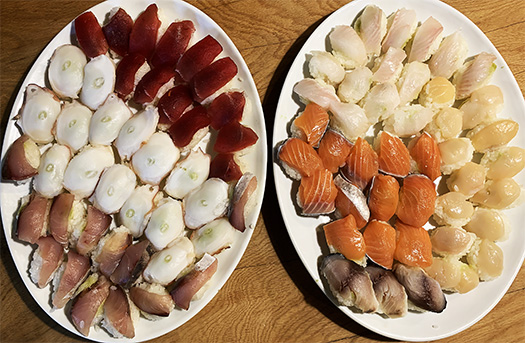
なんですが、昨日握ったお米は1升。
出社スタッフ数は10名前後。握り寿司個数にして130個超。
全員参加で開催の「社長食堂」のときの握り個数とそう変わらない。
新人スタッフ若年男子2名は研修の必要もあるのでリモート体制は取らず、
若い男性たちは豊富な食欲を持っているので、多めに握ることに。
で、スタッフとの面談は仙台とのZoom面談も含めて2時過ぎまで。
そこから仕込み準備していたにぎり寿司突貫作業に突入。
しばらくぶりだったので、ネタの見積もりが甘く途中から追加など、
さらにスタッフ数も急遽出社するスタッフもいて、にぎり作業は千変万化。
まことに常在戦場的な台所風景が展開しておりました。
買ってあったと思った食材がなかったりのてんやわんやぶり。
人数がなかなか確定できないのでお米の追加炊飯にも追い込まれた。
ようやく終了のメドが立ったのが午後⒌時半すぎでしょうか。
言ってみれば、台所の忘年会騒動だったともいえるかも(笑)。

それでも、持ち帰ったお母さんスタッフから
元気な息子さんたちがおいしそうに頬張ってくれている写メが送られてきたり
疲れがホッコリと癒やされる反応も返ってくる(笑)。
見ると、にぎり寿司を「おかず」にしてご飯を食べている(笑)。オイオイ。
元気な食欲ぶりをみるとこちらもウレシクなってきます。
くたばれ、炭水化物ダイエット(笑)。
ということで、本日はスタッフ面談2日目。
食べる人数は昨日とほぼ同様のようなので、またまた1日フル回転予想。
日本も札幌もきびしい感染症状況ですが、意気軒昂に年末年始を乗り切りたいと思います。

English version⬇

[“President’s cafeteria nigiri sushi” remote year-end party 2020]

It is a severe infectious disease situation where it is difficult to see the exit due to the unprecedented virus, but I want to survive the year-end and New Year holidays.

Yesterday was the first day of an individual interview with the staff during the busy season at the end of the year.
There are many things that can be taught from each person’s facial expressions looking back on the year.
This year, I was at the mercy of an unprecedented virus originating in China.
Moreover, it is difficult to see the exit.
Under such circumstances, the business is actively moving in the busy season at the end of the year.
Since it is under the telework system, year-end party, new year party, welcome party for new staff, etc.
Unfortunately, all the opportunities to “gather and motivate” are unavoidable.
However, at least it is an alternative to the “President’s Cafeteria” extra edition.
Instead of gathering and eating, each person brings home nigiri sushi in a container
A “remote year-end party” project (laughs) to have each person have a year-end party at home.
This itself is also held every half of the staff, and is held separately for two days.

However, the rice I grabbed yesterday was 1 sho.
The number of staff at the office is 10 people later. Over 130 nigiri sushi.
It is not so different from the number of grips at the “President’s Cafeteria” held with all participants.
Two young boys who are new staff need training, so we do not take a remote system,
Young men have a lot of appetite, so I decided to hold more.
So, the interview with the staff is until after 2 o’clock including the Zoom interview with Sendai.
From there, I rushed into the nigiri sushi rush work that I had been preparing.
It was the first time in a while, so the estimate of the material was not good and I added it from the middle, etc.
In addition, there are staff members who come to the office in a hurry, and the work of nigiri is changing.
The kitchen scenery was truly a permanent battlefield.
I didn’t have the ingredients I thought I had bought.
Since it was difficult to determine the number of people, I was forced to cook additional rice.
Is it past ⒌:30 pm that the end of the meditation finally came up?
In other words, it could be said that it was a year-end party turmoil in the kitchen (laughs).

Still, from the mother staff who brought it home
A photo of cheerful sons cheering deliciously was sent
The reaction that heals tiredness is also returned (laughs).
When I look at it, I eat nigiri sushi as a side dish (laughs). Oioi.
If you look at your energetic appetite, you will also feel irresistible.
Slapstick, carbohydrate diet (laughs).
So, today is the second day of the staff interview.
The number of people to eat is almost the same as yesterday, so I expect a full turn again a day.
Both Japan and Sapporo are in a severe infectious disease situation, but I would like to survive the year-end and New Year holidays.

【達谷窟・続篇 自然と融合する日本建築】


先日紹介した「達谷の窟」続篇であります。
日本の仏教美術のひとつの傾向として、岩をくり抜いたなかに仏が出現するという
そういったいわば自然由来系が多いように思う。
あらゆる場所に神宿るというような心性が日本人好みなのだろうか。
ふとした場所に神性が示現するという精神性が強い。
こういう好みが、円空の「一木彫り」のような極限的感性を生んだ。
たぶん、八百万の神々という在地宗教心が基盤ではないか。

東アジア世界で律令国家が成立していくなかで日本ではヤマト政権、
天皇を中心とした支配体制が自己の権力を正当化するのに、
仏教による「鎮護国家」思想を民の救済として広範に広めた。
大陸的国家の場合、暴力的独裁制が優先する権力構造になりやすいが、
島嶼国家で、他民族からの侵略経験が少ないことが関係しているのか。
全国に「国分寺」「国分尼寺」をあまねく建設するという途方もない政策が
実際に行われ、中国でも朝鮮でも仏教はやがて衰退したのに
ひとり日本だけは仏教が民に根付いていくことになった。
結果として民衆の救済として仏教思想が根付いていったのだと思う。
中国国家は易姓革命による絶対王権であり、独裁が基本権力性格。
そういう権力の場合、宗教に対して中立性がなく、常に過剰な傾斜と
過剰な弾圧という振り子の激しさから逃れられない。いわば独裁の恣意。
現に文革時代にも寺院が破却され続け、再建には日本の支援が与っている。
仏教はそうした振り子に翻弄されてきたのがかの国での現実。
鑑真が失明の苦難を冒しても日本に伝道のためにやって来たのは、
そのような中国国家の危うさを見抜き、まだしも東方海上の青年国家に
仏教の涅槃を夢見た部分もあったのだと思う。
そして実際に日本は独裁ではなく、天皇神聖権力と施政権力とが分離し、
宗教にとって非常にいごこちのいい国家社会環境が熟成していったのだと思う。
島嶼国家であることが、そのような平和な環境を醸成したのか、
あるいは日本人の民族性、DNA自体に独裁を嫌う心性が強いのか。

そういった仏教思想の発露として、東北地域は独特だとも思える。
この坂上田村麻呂による征夷以降、奥州藤原氏の覇権が成立したときにも
独特の仏教思想による救済が強く念願され、そのための宗教施設が
京の都を凌駕するようなカタチで仏国土として建築されていった。
石器時代〜縄文時代由来の自然崇拝系の民の末裔として
アテルイというヤマト王権への反逆者の「怨霊」沈静化の意図で
こうした窟への寺院宗教建築の「継ぎ足し」という建築思想を当てたのは、
まことに日本的・融和的考え方だと思う。
窟に込められた古代的呪術性に理性的な仏教的加護を加えて鎮魂する。
鬼とされたアテルイにしても、こうまで鎮魂されれば矛を納めざるを得なかったか。
残念ながら毘沙門堂内部撮影は不許可ということ。
創建時の怨霊鎮魂意図からすればやむを得ないと思うのですが、
なんと、堂内では自然の窟が荒々しい表情そのまま岩面を表している。
それがみごとな寺院建築で被覆され、一種神々しい自然融合建築を垣間見せる。
建築としては自然との繋ぎの部分がどう処理されたのか、
その匠の技に強く惹かれるけれど、詳細はまだ調査できておりません。
ただ、古来の建築技法に「懸造」という技法がありその実践例とされている。

先日この建築について書いたとき、ある方から
ぜひこの窟建築をもっとアピールして欲しいというリクエストもありました。
もしこの建築が京都や大阪、あるいは東京などに存在していたら、
清水寺などを遙かに凌駕する世界建築と認定されたことは疑いがありません。

English version⬇

[Takkoku Saikoji, the divinity of architecture that unites with nature]

This is the sequel to “Takkoku Saikoji” introduced the other day.
One of the trends in Japanese Buddhist art is that Buddha appears in the hollowed out rocks.
I think there are many naturally derived systems.
I wonder if Japanese people like the spirit of staying in God everywhere.
There is a strong spirituality that divinity manifests in a casual place.
This kind of taste gave birth to an extreme sensibility like Enku’s “one-wood carving.”
Perhaps it is based on the local religious spirit of eight million gods.

While the Ritsuryo nation was established in the East Asian world, the Yamato administration in Japan,
Even though the rule system centered on the emperor justifies his power
The Buddhist idea of ​​a “guardian state” was widely disseminated as a salvation for the people.
In the case of continental nations, violent dictatorship tends to be a priority power structure,
Is it related to the fact that the island nation has little experience of invasion by other ethnic groups?
There is a tremendous policy to build “Kokubunji” and “Kokubunnanji” all over the country.
It was actually done, and Buddhism eventually declined in both China and Korea.
Only in Japan, Buddhism has taken root in the people.
As a result, I think that Buddhist thought has taken root as a relief for the people.
The Chinese state is an absolute monarchy due to the easy surname revolution, and dictatorship is the basic power character.
In the case of such power, there is no religion neutrality, and there is always an excessive inclination.
I cannot escape from the intensity of the pendulum, which is excessive repression. So to speak, dictatorship.
In fact, the temple continued to be destroyed during the Cultural Revolution, and Japan’s support is provided for its reconstruction.
The reality of Buddhism in that country has been tossed by such a pendulum.
Even though Jianzhen suffered from blindness, he came to Japan for evangelism.
Seeing the danger of such a Chinese nation, it is still a youth nation on the eastern sea
I think there was a part where I dreamed of Buddhist nirvana.
And in fact, Japan is not a dictatorship, but the sacred power of the emperor and the administration power are separated.
I think that the national social environment, which is very comfortable for religion, has matured.
Did the island nation foster such a peaceful environment?
Or is the Japanese ethnicity and DNA itself strongly disliked dictatorship?

The Tohoku region seems to be unique as a manifestation of such Buddhist ideas.
Even when Mr. Fujiwara Oshu’s hegemony was established after the conquest by Sakanoue Tamura Maro
A strong desire for relief based on a unique Buddhist idea, and a religious facility for that purpose
It was built as a French land with a shape that surpasses the capital of Kyoto.
As a descendant of nature worshipers from the Stone Age to the Jomon period
With the intention of calming the “grudge” of the rebels against the Yamato kingdom called Aterui
It was the architectural idea of ​​”addition” of temple religious architecture to these caves.
I think it’s a Japanese and harmonious way of thinking.
Requiescats by adding rational Buddhist blessing to the ancient magical nature of the cave.
Even Aterui, who was regarded as a demon, had to pay a halberd if he was requiescated so far.
Unfortunately, photography inside Bishamon-do is not permitted.
I think it is unavoidable from the intention of requiescats the ghost at the time of its foundation.
In the hall, the natural cave shows the rock surface as it is with a rough expression.
It is covered with a magnificent temple architecture, giving a glimpse of a kind of divine natural fusion architecture.
How was the connection with nature treated as an architecture?
I am strongly attracted to the craftsmanship, but I have not yet investigated the details.
However, there is a technique called “Kakezukuri” in the ancient building technique, which is regarded as a practical example.

When I wrote about this architecture the other day, from one person
There was also a request to make this cave architecture more appealing.
If this architecture exists in Kyoto, Osaka, Tokyo, etc.
There is no doubt that it has been certified as a world architecture that far surpasses Kiyomizu-dera and other places.

【コロナ下で激変するBtoBビジネス環境】


これまでの歴史を見れば感染症自体は何度となく人間界を襲ったけれど、
社会のメインカレントにはそう大きく影響はなく、
政治にも経済にもそれが致命的に影響を及ぼすことはあまりなかった。
もしくはその影響が強くは認識されてこなかったのでしょう。
流行病と政治経済社会は次元の違うこととして併存していた。
ペストによって政治的な動乱が起こったとか、経済活動が制約されたという
明示的状況証拠は存在しなかったと思うし、第1次世界大戦は
流行病と併存したが、それとは関係なく勃発し無関係に終戦した。
今回は高度情報化社会になって、はじめて遭遇する全地球的パンデミック。
破壊力ははるかに増幅されてしまっているのがいまの現実なのでしょう。

グラフは最近のWEBセミナーでのビジネス環境激変状況。
上は9月までの上場企業売上げマイナス予測合計が10兆円とあらわしている。
これまで日本では「営業は聖域」として現場の経験値が最優先され
そのリアリティが各企業で蓄積され、アンタッチャブルな企業活動コアを形成した。
そこには詳細な「市場環境変化」についての人感センサーでの情報交流が含まれ
どの企業にとっても「生きたお客様の声」として最優先されたのだ。
人間の対面での情報交流には、その人の「ホンネ」が表現されるモノであり、
それは単にコトバの意味内容だけではなく、それを伝える表情とか、
ニュアンスなどの総体で、人間的に解析されて判断根拠が構成されていくと思う。
単純に書き言葉に置き換えられない部分にこそ、市場のホンネが存在する。
そうしたかけがえのない「情報」が複数積層することで
「常識的な状況」が見えてきて、各企業の方向付けを大きく決定していたといえる。
顧客の動向に即応して商品やサービスの内容に工夫を盛り込んでいく。
こうしたごく当たり前の企業努力が営業接触に集約的に蓄積されていたと。
その営業活動が、大きく制約を受けてビジネス環境が一変している。

いろいろな業種のみなさんから情報収集しているけれど、
とにかく一様に既成の営業戦略がまったく機能しなくなっている様子がみえる。
図で見るととくにBtoBビジネスにおいて、
これまでの貴重な商談機会であった展示会や業界団体での「意見交換」機会が
まったく開催されなくなって、どの企業も「売り込み」の機会喪失状況が顕著。
当然、買う側の企業もそういった「常識的選別根拠」情報が限られるか、
非常にバイアスがかかった情報にしか準拠できなくなっている。
これまでは自社の営業領域についてそれを前進させる設備機器などの情報が
複眼的に得ることができた。A社とB社の製品について比較検討し、
社会ニーズの行方を判断して、企業としての選択を下すことができた。
そこには性能的情報がまずはあり、周辺的な「雰囲気」情報なども営業担当者との
交流の中で「察知」することができたものが、いま大きく減衰している。
いきおい、既成の取引関係の枠内での「安全運転」を余儀なくされる。

こういったたぶん人類的に未経験である状況を、いまわれわれは実体験している。
その状況にはなかなか変化が見られず、むしろ深化して、
この状況がしばらくは継続するなかで生き延びる努力を迫っていると思う。
たしかに「ルール」が激変したのかも知れませんね。
ただ、これまでのやり方の肯定的側面、存在意義のコア部分は
あらたなやり方で活かしていく必要があると思う。試行錯誤ですね。

English version⬇

[BtoB business environment that changes drastically under the COVID-19]


Looking at the history so far, the infectious disease itself has hit the human world many times,
It does not have a big impact on the main current of society,
It had little fatal effect on politics or the economy.
Or perhaps the effect has not been strongly recognized.
Epidemics and political, economic and social coexisted as different dimensions.
The plague caused political upheaval and constrained economic activity.
I don’t think there was any explicit circumstantial evidence, and World War I
It coexisted with an epidemic, but it broke out regardless of it and ended the war regardless.
This is a global pandemic that we will encounter for the first time in a highly information-oriented society.
The reality is that the destructive power has been greatly amplified.

The graph shows the situation of drastic changes in the business environment at the recent webinar.
The above shows that the total negative forecast of sales of listed companies up to September is 10 trillion yen.
Until now, in Japan, the experience value of the site has been given top priority as “sales is a sanctuary”.
The reality was accumulated in each company and formed the core part of untouchable corporate activities.
It includes information exchange with motion sensors about detailed “changes in the market environment”.
For every company, it was given top priority as a “living customer’s voice.”
In face-to-face information exchange between humans, that person’s “honne” is expressed.
It’s not just the meaning of Kotoba, but the facial expressions that convey it.
I think that the nuances and other factors will be analyzed humanly to form the basis for judgment.
The real market lies in the part that cannot be simply replaced with written language.
By stacking multiple pieces of such irreplaceable “information”
It can be said that the “common sense situation” became apparent, and the direction of each company was largely decided.
We will incorporate ingenuity into the content of products and services in response to customer trends.
It is said that such ordinary corporate efforts were concentrated in sales contact.
The business environment has changed completely due to severe restrictions on its sales activities.

I’m collecting information from people in various industries,
Anyway, it seems that the established sales strategy is not working at all.
Looking at the figure, especially in the BtoB business
Opinions for “exchange of opinions” at exhibitions and industry groups, which have been valuable business negotiation opportunities so far
It is no longer held at all, and the situation of losing opportunities for “selling” is remarkable for all companies.
Naturally, does the buying company also have limited information on such “common sense selection grounds”?
It can only comply with highly biased information.
So far, information such as equipment that advances the business area of ​​the company
I was able to obtain it with compound eyes. Weigh the products of company A and company B and compare them.
I was able to judge the whereabouts of social needs and make a choice as a company.
First of all, there is performance information there, and peripheral “atmosphere” information etc. with the sales staff
What could be “detected” in the exchange is now greatly diminished.
I’m forced to “safe driving” within the framework of established business relationships.

We are now experiencing this kind of situation, which is probably inexperienced by humankind.
The situation hasn’t changed much, but rather deepened.
I think that as this situation continues for a while, we are pressing for efforts to survive.
Certainly, the “rules” may have changed drastically.
However, the positive aspect of the conventional method, the core part of the significance of existence
I think it is necessary to utilize it in a new way. It’s trial and error.

【抵抗の日本史アテルイ本拠地「達谷窟・毘沙門堂」】


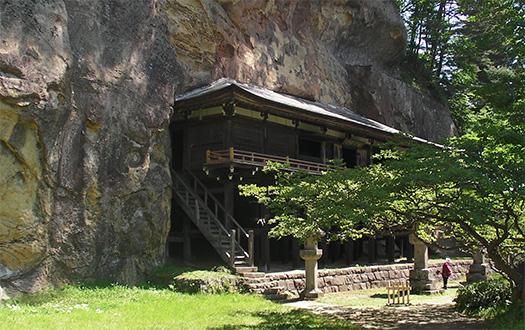
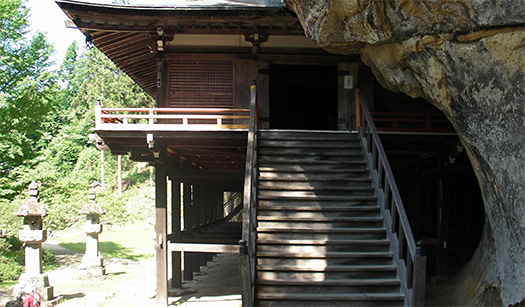
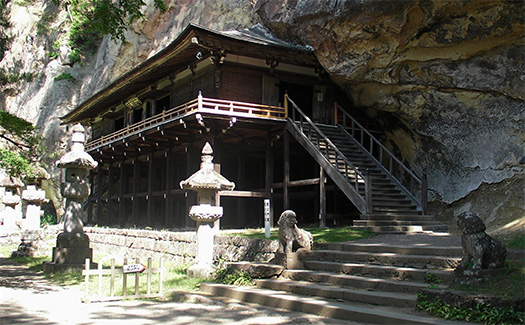
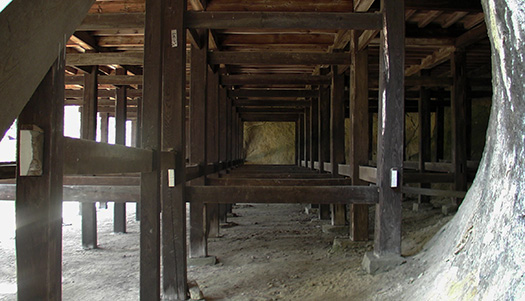
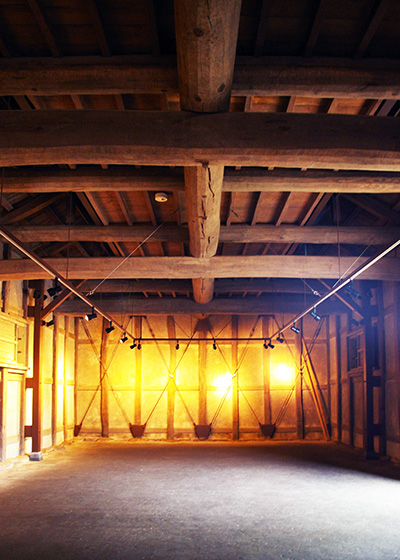
こういう建て方を「懸造」というのだそうです。
あ、英語圏のみなさんにはたぶん翻訳不可能ですね、たぶん。
〜きのう、アメリカで読者が増えています、という記事を書いたら
またアメリカからのアクセスが増えていて、対日本比率で17.8%に上昇。
ということで、せっかくなので当面・文末にはEnglish versionも載せます。
大いに日本の伝統的建築と現代住宅の情報をお楽しみください(笑)。〜

日本人は自然崇拝の気分が非常に強い国民だと思います。
仏教伝来以前から、ネイティブな宗教心として神道があり、
それは自然崇拝、山岳とか岬とかの象徴性を持った自然造形に対して
率直にそれを崇めるという民族的心理構造を持っている。
たぶん、これが日本人の非常に大きな精神性構造を形成している。
そういった精神性を建築的に表現するとき、
わたしとしては、この「達谷窟毘沙門堂」がいつも思い浮かんできます。
この特異な「建築」は自然の洞窟に対して
懸造(かけづくり)という手法で融合的な建築を造作するもの。
崖や岩場などで高低差が大きい土地に長い柱や貫で床下を固定し
その上に建物を建てる。主に寺社建築に用いられ崖造、舞台造などとも呼ばれる。
このように造営することで独特な象徴性をもたせることができる。
京都清水寺ではこのような「足場」を高々と組み上げて「清水の舞台」を作った。
ちょうど清水寺とワンセットのようにこの達谷窟毘沙門堂は建てられた。

日本の東北地方はながく日本のヤマト政権にはまつろわなかった。
ヤマト政権側でも、関東までは支配圏認識を持っていたけれど、
東北地域については一種「他国」認識も持っていた。
しかし、キラキラとした仏像を象徴的アイコンとした仏教が伝来し、
それを中央集権国家統一の大きな「政策」として推進してきたヤマト政権・日本は
ながく仏像に鍍金する黄金を求め続けていたけれど、
皮肉にもそれまで王権が及びきっていなかった東北地域で黄金が産出した。
その結果、中央政権側で領土拡張の欲求が燃えさかり、
「討ちて獲るべし」という暴力的拡張政策が歴年、推進されていった。
結果として東北への侵攻として戦争が仕掛けられていった。
対して東北地域では繰り返し反乱・抵抗運動が盛り上がっていくことになる。
この建築は反乱者・アテルイ一統がその拠点とした地域の中心だった。
その反乱を鎮圧した征夷大将軍・坂上田村麻呂が反乱封印のシルシとして
このように自然の洞窟に対して仏教建築的伽藍を継ぎ足した。

こういった建築経緯が、ひと目で伝わってくる。
悪路王と漢字表記された反乱者アテルイの本拠地がこの洞窟であり
まさに石器時代、縄文時代と連綿と継続してきた自然信仰そのままの
生き方がそこに表現されているように直感できる。
そういった勢力に対して暴力鎮圧した権力側としては、
文化であるとか、正義を表現するのに仏教的精神性をもってあたった。
そういう様子が非常に明確な建築として、わたしの大好きな空間であります。

〜写真は2008年に撮影したもの。現在は木造部分は朱塗りされています。〜

English version⬇

Japanese history of resistance Aterui’s hometown “Takkoku Saikoji”

It is said that this kind of construction is called “Kakezukuri”.
Oh, it’s probably quite difficult for English-speaking people to translate.
~ Yesterday, when I wrote an article that the number of readers is increasing in the United States
In addition, access from the United States is increasing, and the ratio to Japan has risen to 17.8%.
So, for the time being, I will post the English version at the end of the sentence.
Please enjoy the information on traditional Japanese architecture and modern houses (laughs). ~

I think the Japanese are people who have a strong feeling of worshiping nature.
Even before the introduction of Buddhism, Shinto was a native religious spirit,
It is against nature worship, natural modeling with symbols such as mountains and capes.
It has an ethnic psychological structure that frankly worships it.
Perhaps this forms the very large spiritual structure of the Japanese.
When expressing such spirituality architecturally
For me, this “Takkoku Saikoji” always comes to mind.
This peculiar “architecture” is against natural caves
A technique called kakezukuri that creates an integrated architecture.
Fix the underfloor with long pillars or piers on land with large height differences such as cliffs and rocks
Build a building on it. It is mainly used for temple and shrine construction, and is also called cliff structure or stage structure.
By constructing in this way, it is possible to give it a unique symbolism.
At Kyoto Kiyomizu Temple, such “scaffolding” was assembled at the highest to create the “Kiyomizu Stage”.
This Takkoku Saikoji was built just like Kiyomizu-dera and one set.

The Tohoku region of Japan has long been unsettled by the Yamato administration of Japan.
Even on the Yamato administration side, even though they were aware of the territory up to the Kanto region,
He also had a kind of “other country” recognition for the Tohoku region.
However, Buddhism with a glittering Buddha image as a symbolic icon was introduced, and
The Yamato administration, Japan, which has promoted it as a big “policy” for centralized national unification
I’ve been looking for gold to plate the Buddha statue for a long time,
Ironically, gold was produced in the Tohoku region, where the kingship had not been reached until then.
As a result, the central government’s desire to expand its territory ignited.
The violent expansion policy of “defeat and catch” has been promoted in history.
As a result, a war was set up as an invasion of Tohoku.
On the other hand, in the Tohoku region, rebellion and resistance movements will continue to rise.
This architecture was the center of the area where the rebel Aterui was based.
Shogun Sakanoue Tamura Maro who suppressed the rebellion as Shirushi of the rebellion seal
In this way, Buddhist architectural cathedrals were added to the natural caves.

This kind of architectural process can be seen at a glance.
This cave is the home of the rebel Aterui, who is written in Chinese characters as the King of Bad Roads.
It is exactly the same as the natural belief that has continued from the Stone Age and the Jomon period.
You can instinctively think that your way of life is expressed there.
As a power side that has suppressed violence against such forces,
He had a Buddhist spirituality in expressing justice and culture.
It is my favorite space as an architecture with such a clear appearance.

~Increased access from the United States. The ratio to Japan increased to 17.8%. Please enjoy the information on traditional Japanese architecture and modern houses (laughs). The photo was taken in 2008. Currently, the wooden part is painted in vermilion. ~

【わたしのブログ読者、アメリカで増えてきた(笑)】


なんと、日本の読者に対して5.4%ほどの割合のアメリカ読者がいるとのこと。
最近だいたいこんな割合なのですが、夜中には2−3割を占める。時差の関係。
おいおい、であります。日本語でしか書いていないので
たぶんアメリカ在住の日本人の方が見てくれているのでしょうか?
それともGoogle翻訳で英語変換して見てくれているのでしょうか。
なんとも、うれしいようなキツネにつままれているというか。
書き込み内容は基本的には日本住宅のことで、どっちかというと
古民家、伝統住宅のことが多いのでエキゾチズムが刺激されるのか。
アメリカ人って中国人と日本人の違いに無頓着とも言われるから
さてどんなふうに受け取られているのか、興味もある。

最近いろいろ痛感するのですが、
これからの若い人たちは積極的に英語はチャレンジした方がいいですね。
とくに仕事の関係で見聞きするWEBやITの技術的な内容において
そのほとんどが英語圏での発展技術なので、英語把握のほうが直感的。
ネイティブレベルまでは必要ないまでも、世界中の人間が
英語でのコミュニケーションに前向きに取り組み情報交流しているのが世界の現実。
その挑戦心を、たとえばFacebookアジアのスタッフとの会話で実感できる。
場合によっては日本語にもかれらは積極的にチャレンジする。
同じようには日本の若者からは熱情が伝わってこないうらみがある。
わたし自身はそういう時代環境には迫られないまま、いわばドメスティックな
価値感世界で生きてきて、そこから大きくは広げられなかった。
で、いま仕事の半分近くがWEB世界になってきて、今後とも
7−8割以上まで進展していくのは、ほんの指呼の間であることは間違いない。
その進化の背景理解とか、最新の動向を把握するには
環境刺激を自ら積極的に受容していくことがキーポイント。

そんなことを考えながら、でもせっかくこういうように読んでくれている人がいるのなら
そういった人々に向けた情報発信も今後考えてみたい。
まだまだ挑戦する中高年として、現場感覚を磨いていきたいと思います。

English version⬇

It is said that there are about 5.4% of American readers compared to Japanese readers.
These days, it’s about this ratio, but it accounts for 20-30% in the middle of the night. Time difference relationship.
Hey, that’s it. Because it is written only in Japanese
Maybe a Japanese person living in the United States is watching it?
Or is it trying to translate it into English with Google Translate?
It’s like being pinched by a happy fox.
The written content is basically Japanese housing, which is more
Is exoticism stimulated because there are many old folk houses and traditional houses?
It is said that Americans are indifferent to the difference between Chinese and Japanese.
Well, I’m also interested in how it is received.

I’ve been keenly aware of this recently
Young people in the future should actively challenge English.
Especially in the technical content of WEB and IT due to work
Most of them are technological developments in English-speaking countries, so understanding English is faster and more intuitive.
People all over the world, if not at the native level
We are positively engaged in communication in English and exchanging information.
You can feel the challenge in conversations with Facebook staff, for example.
In some cases, they also actively challenge Japanese.
In the same way, there is a feeling that passion is transmitted from young Japanese people.
I myself am domestic, so to speak, without being pressed by such an environment
I lived in a world of values ​​and couldn’t expand from there.
Now, nearly half of my work is in the WEB world, and I will continue to do so in the future.
It is only during the finger call that it progresses to 70-80% or more.
To understand the background of its evolution and to grasp the latest trends
It is inevitable to actively accept such environmental stimuli.

If there is a person who reads like this while thinking about such things
I would like to consider disseminating information to such people in the future.
As a middle-aged and older person who is still taking on challenges, I would like to improve my sense of the field.

【土蔵開口部に見る職人魂/日本人のいい家⑫-4】


福島県福島市・上飯坂という地域に建っている堀切邸記事なんと4日目。
いろいろとオモシロいテーマが次々と湧いてくる古民家であります。
蔵がいくつもある広大な敷地の地方有力者の住宅。
この福島市地域に根付いて440年以上で最古の建築・米蔵は築245年。
江戸時代中期「土蔵建築」の開口部のクローズアップ篇。

開口部の仕様というのが、建築でもっともデリケートに進化する部分。
建築としての主役は「土」であります。
真壁構造で柱梁がオモテに表れているけれど、その柱間には下地の木舞が
組み上げられて、そこに重厚な「土塗り壁」が作られている。
こういった土壁は、戦国期くらいから建築に使われるようになったとされます。
相次ぐ戦乱火災で木材が枯渇して材料不足をまねき、
それまで木材で壁を作っていたのが難しくなって土壁が増えたとされる。
木材不足はハンパでなくて、京都北山では対策として大規模植林も行われ、
それが「北山杉」のブランドの発祥起源になったとされている。
京都での戦乱復興として住宅再建が活発化していったとき、
同時に大工職人が圧倒的に不足していたことも、
よりDIY的に施工可能な「土塗り壁」が隆盛したきっかけとも言われる。
当時の社会では建築木材は不足していたけれど、人手はたくさんあった。
戦乱で焼け出された大量の労働力が市中にあふれていたので、
大工に比べて深い技術を必要としない建築職・土塗り左官職人は豊富だった。
このように建てられた都市住宅・京町家は薄い土塗り壁だったけれど、
その土塗り壁技術のマザーになったのが、土倉建築。
なんといっても、火災に強く中の重要物資を保護するのに適していた。
ということから、米蔵などに工法採用されるケースが多かったのでしょう。


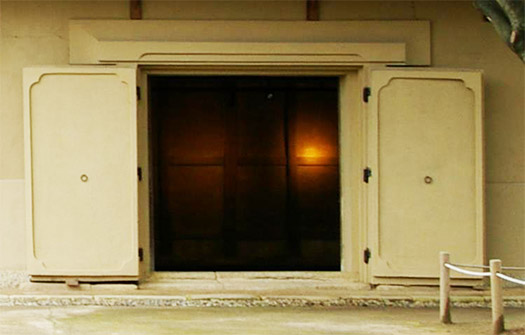
この写真をご覧いただければ、その壁厚の重厚さは一目瞭然。
見た感じ、30cmオーバーは確実そうであります。
通常であれば4寸角構造材でも12cmが上限の壁厚に対して倍以上。
入口の観音開きの扉も同程度の厚みがあると見える。
木骨構造で重厚に土塗り仕上げが施されている。
防犯性からも重みのあるもので、開閉には相当の重量感。
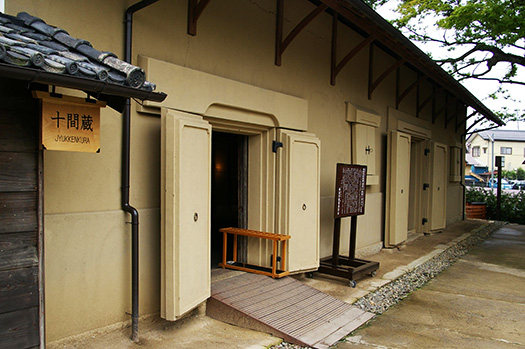
扉は開閉の利便性を考えてか、壁面に対して「外付け」仕様になっている。
なので、窓の外観写真でも錠前は扉の外側でかけるようになっている。
蝶番も手前の扉は上下2箇所ですが、奥の扉は3箇所になっている。
土倉なので、保存性能として「断熱性」が高いものになっている。
土は自然に存在し入手しやすい素材として比類のない性能を建物にもたらす。
日本の蒸暑の夏にも、寒冷な冬にもなかの食品をしっかり保存し続けられる。
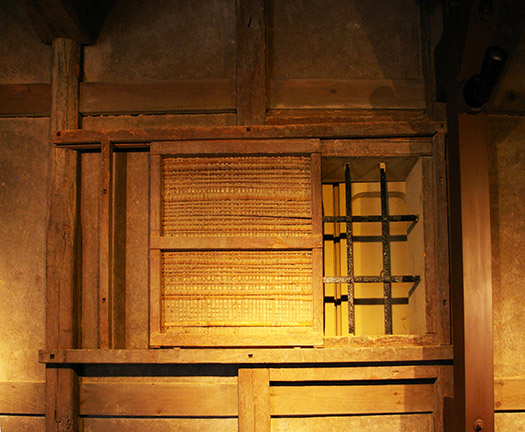
一方、下の写真は窓の様子であります。
入口の内側には、扉を開けた状態での出入りに引き戸の建具がありますが、
壁に開けられた「窓」は現代住宅と類似した開口部仕様。
入口と同時解放して基本的には「通気」として機能させたモノでしょう。
外側では土塗りの観音開き扉があり内側の開口部仕様は写真の通りです。
木舞の木組みの代わりに金属とおぼしき格子組が目に付く。
これが構造の柱に緊結されていると思われます。
そして、外付けの扉と同じように、ウチ側に張り出す形で窓建具が付いている。
その引き戸建具には繊維製の面材が張られている。
外側の土塗り扉の開閉・内側の室内建具の開閉という4段階の通気調整機能。
とくに繊維面材による微妙な温湿度コントロールなど、工夫が細かい。
こういう建具面材はあんまりお目に掛かったことがない。

入口扉もそうだけれど、これらの造作は地元建具職人が腕をふるったのでしょう。
福島地域で土蔵建築が年に何棟も建てられたとは思われないし、
このような建具仕事は、一世一代ではないまでもかなり稀有な技術仕事。
みごとに納まり、245年の風雪にビクともしなかった職人仕事が
凜とした風合いとしてつたわってくるモノがある。
こういう仕事ぶりを見ているのは、なかなか気持ちが良いですね。


[Craftsmanship seen in the opening of the storehouse / A good Japanese house ⑫-4]


Horikiri House article in the area of ​​Kamiizaka, Fukushima City, Fukushima Prefecture.
It is an old folk house where various interesting themes spring up one after another.
A house of a local influential person on a vast site with many warehouses.
The oldest building, Yonezo, which has been rooted in the Fukushima city area for more than 440 years, is 245 years old.
A close-up version of the opening of “Dozo Architecture” in the middle of the Edo period.

The specifications of the opening are the most delicate parts of architecture.
The leading role in architecture is “earth”.
The pillars and beams appear on the front in the Makabe structure, but there is a wooden dance underneath between the pillars.
It is assembled and a heavy “earth-painted wall” is made there.
It is said that these clay walls have been used for construction since the Warring States period.
A series of war fires depleted wood, leading to a shortage of materials.
It is said that it became difficult to make walls from wood until then, and the number of earthen walls increased.
The lack of timber is not a hamper, and large-scale tree planting is being carried out as a countermeasure in Kitayama, Kyoto.
It is said that this was the origin of the “Kitayama Sugi” brand.
When housing reconstruction became active as a reconstruction of the war in Kyoto,
At the same time, there was an overwhelming shortage of carpenters.
It is also said that the “earth-painted wall” that can be constructed more DIY-like became prosperous.
In the society at that time, there was a shortage of building timber, but there was a lot of manpower.
The city was flooded with a large amount of labor burned out by the war, so
There were abundant architects and plasterers who did not require deep skills compared to carpenters.
The urban house Kyomachiya built in this way had thin earthen walls,
Tsuchikura Architecture was the mother of the earth-painted wall technology.
After all, it was resistant to fire and suitable for protecting important supplies inside.
Therefore, it seems that there were many cases where the construction method was adopted for rice breweries.


If you look at this picture, you can see the weight of the wall at a glance.
As you can see, over 30 cm seems certain.
Normally, even with a 4-inch square structural material, 12 cm is more than double the upper limit wall thickness.
The double door at the entrance seems to be about the same thickness.
It has a half-timbered structure and is heavily soil-coated.
It is also heavy in terms of crime prevention, and it feels quite heavy when opening and closing.
The door is “external” to the wall, probably because of the convenience of opening and closing.
Therefore, even in the exterior photo of the window, the lock is hung on the outside of the door.
There are two upper and lower doors on the front of the hinge, but there are three on the back.
Since it is Tsuchikura, it has high “insulation” as a storage performance.
Soil gives buildings unparalleled performance as a naturally occurring and readily available material.
You can continue to preserve the food in Japan in the hot and humid summers and cold winters.
On the other hand, the photo below shows the window.
Inside the entrance, there are sliding door fittings for entering and exiting with the door open.
The “window” opened in the wall has an opening specification similar to that of modern houses.
It will be a thing that was released at the same time as the entrance and basically functioned as “ventilation”.
There is a clay-painted double door on the outside, and the opening specifications on the inside are as shown in the photo.
Instead of the wooden frame of the wooden dance, you can see the metal and the lattice structure.
This seems to be tied to the pillars of the structure.
And, like the external door, the window fittings are attached so as to project to the side of the house.
The sliding door fitting is covered with a fiber face material.
A four-stage ventilation adjustment function that opens and closes the outer earthen door and opens and closes the inner interior fittings.
In particular, the ingenuity is fine, such as delicate temperature and humidity control using fiber surface materials.
I haven’t seen many such fittings.

As with the entrance door, these features may have been done by local joinery craftsmen.
I don’t think many storehouses were built in the Fukushima area each year,
This kind of joinery work is a very rare technical work, if not a generation.
The craftsmanship that fits nicely and didn’t make a big difference in the wind and snow of 245
There is something that comes in as a dignified texture.
It feels good to see this kind of work.

【戦国期からの豪農家系 in福島/日本人のいい家⑫-2】


1578年戦国期に若狭(現福井県)から現在の福島市上飯坂に進出してきた家系。
今から442年前ということになりますね。であれば、
モノとしての住宅以上に家系としての歴史が人として優越する領域。
住宅建築は「客観性」の表現であって主体分析の基本はやはり人文系テーマ。
歴史事実としてはこの年には織田家の播磨侵攻があった。
徐々に織田家は畿内を押さえ中国地方に領土を拡張しつつあった。
戦国期が終息に向かい織田政権を母体とする統一国家権力が伸張しつつあった。
明智光秀の丹波攻略は完了し、福井・若狭国も織田家の版図に組み込まれた。
そういう年に若狭からはるばる奥州・福島まで「移住」するというのは、
どう考えても反織田の勢力家が、その圧迫から逃れたという推測が自然か。
京都北方で、丹波・明智か越前・柴田勝家ら織田勢に追い詰められた地侍層、
地域に根を張っていた豪族層が危険を察知し、大移転したのだろうか。
日本海海路を移動したのだろうが、しかしそれにしても
現在距離で見ても570km近い。ものすごい遠距離を引っ越した。
もし歩いての移動ならば、荷駄も同道では1日20km程度。とすれば1ヶ月。
カネも掛かるだろうし道中の危険も想像を絶する。
普通に考えればいまの新潟あたりまで海路を船で行って、そこから磐越道。
会津を抜けて福島県中通りに至るという行程になるけれど
たぶん猪苗代湖経由での日本海海運+河川水運は利用できる。
経緯から想像すると平家の落ち武者、能登の時国家とも重なるイメージ。
日本人社会は「一所懸命」であり農地を確保することが生命線。
ある程度の「地縁」はあったと想像される。当時は会津が地域中心だろうが
そこでは一族を支えるほどの大規模土地を確保できず、
のちの東北道幹線地域とはいえ鄙であったこの地を選んだのか。
遠隔地に移住し広大な農地を入手できるほど経済力はあったと推定できる。
政治軍事亡命で移住した福島で徐々に農地を広げ、開拓などもしたのだろう。
河川流域で水害時期には周辺河川の氾濫に悩まされ、
一度は濁流に対して「堀を切って」水没被害からのがれたとされる。
それが「堀切」の名前に繋がったのだという。
このあたり、農業土木技術で若狭と福島では進歩格差があったと想像できる。
先進的な若狭地域の農業土木技術眼からすれば水害危険地も
堤防技術で十分に美田運営が可能と判断し、有利な条件で土地取得できたか。
そういう消息を、この言い伝え情報から推察できると思う。
・・・北海道開拓に先行すること300年。移住と農業技術の消息も興味深い。

戦国期といっても日本の農地開拓は常時進展し、そういった経済的努力は
ごく一般的に追究されていたことはあきらか。
一昨日紹介した「十間蔵」以外にも、広大な敷地には多数「蔵」が点在する。
在地の武家支配勢力と関係を持ちつつも経済主体で生き延びてきたと思える。
現存する住宅は明治10年代に火災での焼失後の建て替え建築。
それ以前、江戸期から建っていた建築の様子はよくわからない。
しかし明治10年代建築でも現在時点では140年近い古建築。

基本的な建築思想としては前段で見たような「家」の存続が基本であり、
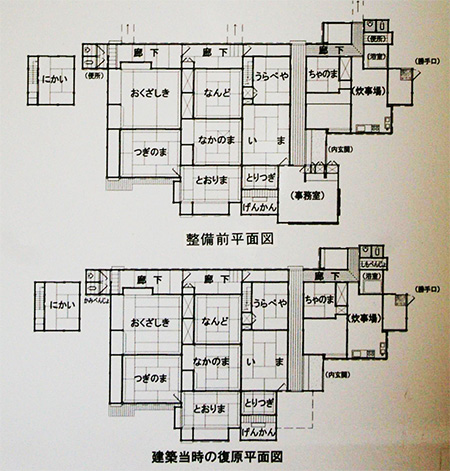
個人主義的な「個室」は見当たらず、格式意識に基づいた間取り構成。
明治期以降この住宅建築から中央政界で活躍する政治家が多数輩出した。
日本人の「奉公」意識の根源には個人主義の要素は少ないのだと思う。
個人主義とは「身を立て名を上げる」立身出世範疇のことで、
床の間仏間など家系存続意識の空間的規範性文化を持ってはいなかった。
たぶん茶室は個人主義の萌芽なのだろうけれど、この家にはない。
空間性としては家系共同体型というのが日本人意識の原風景。
その延長にムラ社会があり、個人主義も「故郷に錦を飾る」というものだった。
幾人かの「衆議院議員」を輩出した住宅だが、あくまで家系意識優先装置。
生活装置としては後背の蔵との関係が面白い。これについてはきのうふれた。
個人主義的住空間というのは、戦後日本で出現した特異な建築なのかも。
そういった特異性に気付き可能性を探究しつつあるのがReplanかなぁ(笑)・・・。

アップを1日間違えました(笑)。
この記事の方が2で、きのう先に3をアップしてしまいました。・・・
長編を書くには注意が必要ですね(ポリポリ)。

【蔵と中庭のある暮らし/日本人のいい家⑫-3】


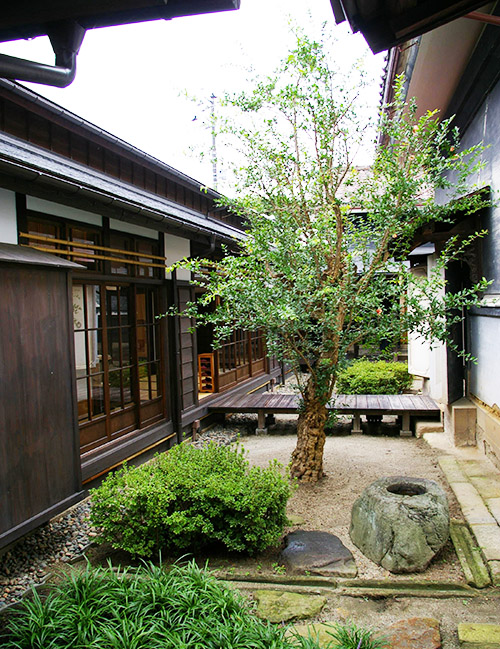
ことしの大河ドラマでは「中庭」に隠れたスポットが当たっています。
将軍の住まいでは中庭に面した「縁」が繰り返し画面に映るし、
そのセットを活かしたのか、信長の居館シーンでも繰り返し出てくる。
光秀が尊崇した義輝の最期は、この中庭で討たれるというものだった。
大河ドラマ「麒麟がくる」建築考証担当、広島大学名誉教授 三浦正幸先生の情報は
この時代にはまだ民家では土間が主流だったなど、
非常に興味深いのですが、この中庭のシーンについての解説はまだ聞いていません。
ただ、様式などの研究成果は当然反映されているでしょうから、
この時代の幕府施設では中庭・縁空間は重要な緩衝空間だったと目せる。
多数人物キャラやストーリー説明ドラマシーンとしていい背景設定としたようです。
基本的に平屋主体の建築であれば、その空間相互を機能的に
活かすためには、縁とか廊下の役割が高くなると思いますが、
そのなかでも四周が縁で囲い込まれた中庭が繰り返し映し出されるのです。
ドラマとしても重要な「場面転換」シーンとしても欠かせない背景。

こういった「中庭」空間って、いわゆる農家住宅などにはあまり見られない。
逆に「にわ」という名詞は農作業のための室内土間空間に名付けられる。
都市住宅としての京町家では当時の固定資産税基準が間口の広さだったとされ、
必然的に極少の間口に対し長い奥行きという間取りが採用され
坪庭的中庭を取り込んでもいるけれど、貴族や武家の高級住宅では、
生活機能的な間取りではなく、様式的・格式的な間取りとして
中庭という発想があったように思われます。
空間の初源的には中国の高級住宅である「四合院」が思い起こされる。
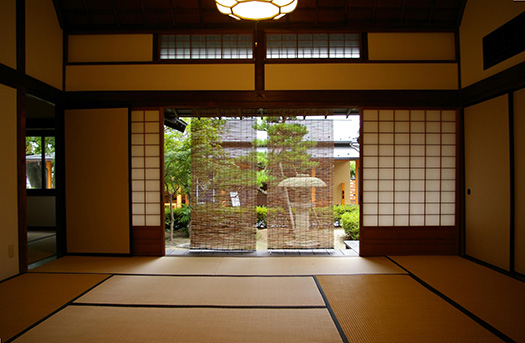
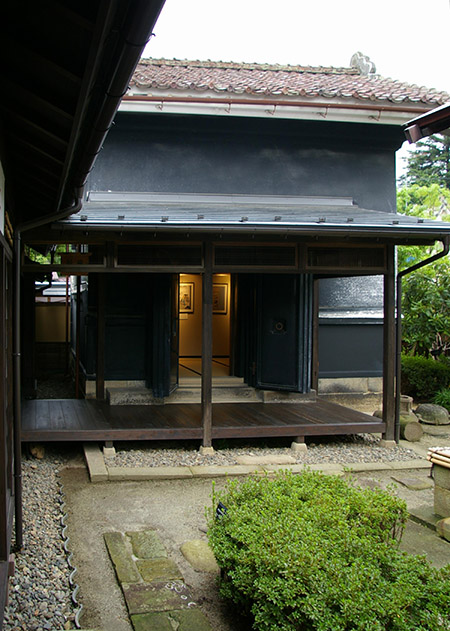
写真は本日で3日目の福島・堀切邸であります。


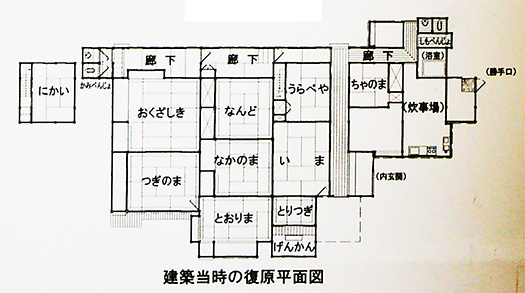
こちらでは玄関と反対側、奥座敷が縁に面しており、その縁を介して
蔵が3つ対面側に建てられている。
渡り廊下でこの間が繋げられていて、すばらしい空間の句読点になっている。
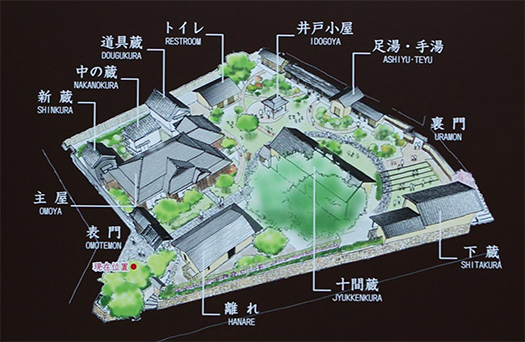
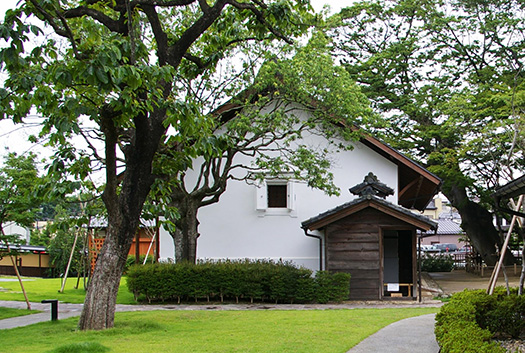
その蔵も、奥座敷側には「中蔵」と「新蔵」が面しているのだけれど、
ふだんの居住空間である炊事場、茶の間、勝手口などに相対しているのは
「道具蔵」というように仕分けられている。
きっと、生活上の細々とした生活具などはこっちに収納され頻繁に出し入れされ
一方の「中蔵」と「新蔵」の方にはいわゆる「お宝」的なものが納められたように思える。
そのどちらへも渡り廊下がアクセスになっていて、
いろいろな生活シーンが思い起こされていました。
奥座敷で賓客と対面するときには、渡り廊下を渡って
「実はご覧に入れたいものがありまして、どうぞこちらへ・・・」
というような密談的シーンが浮かんでくる。
「おお、堀切、おぬしもワルよのう、ぐふふ」だったのか(笑)。
一方の普段使いの道具蔵とは家事の女性たちが
「お正月の飾り物、たしか蔵の奥の方にあったわねぇ・・・」というように
忙しく立ち回って往復するようなシーンが浮かんでくる。
ただどちらも中庭というクッション装置があることで、心理的結界効果があった。
こういう外ではない外部空間、いわゆる「中間領域」というのが
暮らし方に奥行きをもたらせていたように思います。

【築245年米蔵・福島「十間蔵」/日本人のいい家⑫-1】


過去探訪の「日本人のいい家」シリーズ。本日は福島市の堀切家住宅。
このシリーズを続けていると、いまに残っている重厚な古民家建築の家系には
ある共通項的な「経緯」があると思います。
北海道にいると気付きにくいけれど、日本の現在に連なっている「有力家」って
江戸期に淵源を持つ大規模土地所有者であるということ。
それが明治初年の「日本資本主義」勃興期において、それまで幕藩体制下では
国持「大名」たちの専制支配で、大規模な土地所有が難しかったものが、
明治維新の結果、かれらを中心に大規模土地所有層が全国で出現した。
江戸期にも大庄屋などの経済主体は確かにいたけれど、
支配層の武家の都合で自由な経済活動はできにくかった。
そういった権力制約が維新で解放され、土地所有の自由が拡大した。
そして「担保価値」のある土地所有者が日本資本主義の基礎になった
あらゆる「殖産興業」の主体資本家として登場した。先見の明があったというよりも
経済勃興の自然な推移として特権的階級が形成されたという事情。
こうした社会階層の大変化が起こったことが見て取れる。
その体制が基本的には第2次世界大戦まで続くことになる。
現代で各地域に残る「立派な家」には、おおむねそのような歴史経緯が見て取れる。

住宅は、兵庫県の箱木千年家のように実際に1,000年続く家もあるけれど、
おおむね2-300年程度が建築と社会支配層の「耐久性限界」のように思う。
日本は比較的に社会階層の流動性、循環性は高い社会だと思います。
「おごる平家は久しからず」「家は三代」という格言はそういう民族性をあらわしている。
あ、除く北海道でありますが(笑)・・・。

この福島市の「堀切家」という存在は、今から440年ほど前、1578年に
梅山太郎左衛門菅原治善が若狭国(現在の福井県)から当時の上飯坂村に移住し、
名を「若狭」と改め、「川跡田畑4町歩(約39,700平方メートル)あまりを開作」し、
農業・養蚕に力を入れていきました。〜という戦国期由来の家系起源。
若狭という先進地帯から福島に来て、「川跡」という河川管理の困難な未開削地を
豊かな田園に変えて行ったのではないか。
江戸期には在地の「大庄屋」として年貢の納税主体を務めてきた。
そういった階層にとっての最重要建築が「米蔵」だったのでしょう。
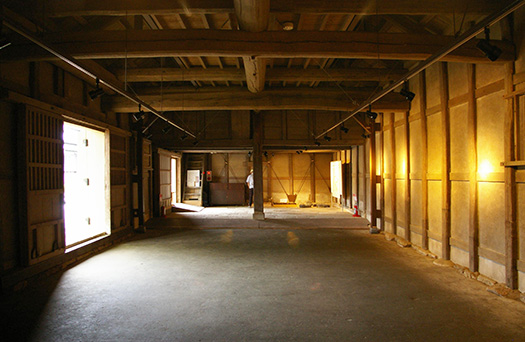
これは1775年に建立された蔵で、桁行が10間(約18メートル)梁間3.5間。
構造材は野太く、200年を超える歳月、コメを守り続けてきた建築。独特の風格。
1部2階があるけれど、平屋35坪の大型倉庫建築。おもに米蔵として使われた。
建立年代が判明するものとして、福島県内最大最古の土蔵であり、
平成19年に福島市の有形文化財に指定されています。
明治期になって、この家系からは有力政治家が多数輩出する。
東京市長なども出ている。推測だけれど、福島県は本来会津が中心だが、
幕末明治の政治情勢のなかで会津は冷遇されて他地域、中通り地域が優遇された。
そういう薩長閥の思惑が感じられる気がする。
明治政権としては相対的に会津を下げ、福島を上げる意図があったのでは。
会津攻城戦では、官軍の本営は福島に置かれたという故実もある。
あるいは明治初年の政戦両面で、この堀切家は重用されたのかも知れない。

家の盛衰には、こういった生々しい部分もきっとあったに違いない。
ただ単に住宅としての「耐久性」を越えた要因も複雑にからむ。
「いい家」というフレーズには、どうも人文的な側面も見いだせますね。

【ただただ拍手 はやぶさ2カプセル無事地球着陸】


こういう感動を共有できるシアワセを深く実感しています。
やはり人類の最先端技術での未知への挑戦はすがすがしい。
人類は世界の全大陸に進出した未曾有の生物種といわれ、
種のDNAの根深い部分にフロンティアの血が仕組まれているに違いない。
その生物種としての普遍的共感の部分が激しく刺激されるのだろうか。

わたしのような昭和中期生まれ世代はアメリカの月面着陸計画、
アポロ計画のロマンと同心していた世代なのだと思う。
手塚治虫の鉄腕アトムや一連のSF的マンガに魅せられて、
人類進歩は無限に広がっていくと固く信じられた世代なのだと思う。
そのアポロ計画が一段落して、どんどんと宇宙開拓が進むのだろうかと
そんな夢を見てきたのだと思う。
現実は、そのようには進展せず、さすがのアメリカの経済力を持ってしても
コストパフォーマンスを考えれば、主に軍事での技術進展という
確実な「果実」を結実させることに主目的が優先されてきたのだと思う。
アポロ13号でのクライシスも、頓挫の大きなきっかけにもなったのだろう。
冷静になってみれば、宇宙空間でしかできないことを確実に研究するという
大きな方向性は決して間違いだとは思われない。
次の大きなテーマは有人火星往復とは言われるけれど、
そのためにはそのメリットがどこにあるのか、ターゲットの確定が不可欠。
一方ではるかに予算の小さい日本の「はやぶさ」計画は
太陽系起源に関わるナゾの解明という目的において合理的・理性的と思われる。
そして小惑星からその物質を持ち帰るという技術進化に特化して
コンパクトな駆体とシステムでアメリカや中国とはレベルの違う低予算で
しかしその特定分野の技術では、実用レベルまで到達していることが証明された。
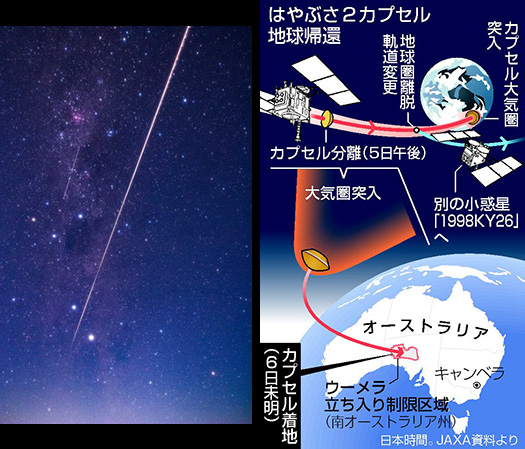
オーストラリアの砂漠地帯に着陸し、丸1日も掛からずに回収されるってすごい。
ちょっと前までの人類の宇宙計画とは隔世の感がした。
たしかに実際にその惑星や天体に人間が行くよりも、
研究を進化させるには、その天体の物質を採取して分析研究に活かす方が
はるかにコストパフォーマンスがいいと思う。
日本の戦後の技術進化はよりコンパクトに、より精密にという方向で
発展してきたことを思えば、はやぶさの方向は日本らしいと思える。

しかしはやぶさ2というプロジェクト全般は、擬人化されていて、
まるで一個の生命体のように認識されてくることが面白い。
最後の、カプセルが地球に帰還してくる火球になって天空を翔る様子など、
いかにも「はやぶさ」というネーミング通り、かわいくけなげな印象を持つ。
ひょっとして、ロボットが人格を持つ人工生命体の嚆矢に、
このプロジェクトがやがて記憶されていくようになるかも知れない。
人類が関与した、生命概念それ自体の進化であるのかも知れないなぁと・・・。