
本文へジャンプ

【初夏の散歩道 in さわやか北海道】


本日は住宅取材ネタ、古民家シリーズは小休止。
最近は札幌もすっかり夏の陽気でして、朝の散歩路は百花繚乱。
その年で目に付く花の印象にはバラツキがあるように思います。
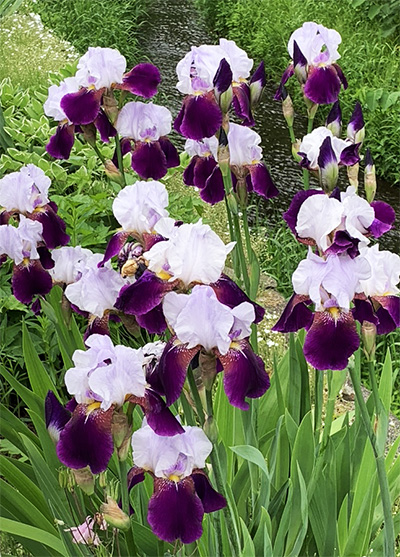
このところは定番のルピナスとあやめ・アイリス?に癒されています。
ルピナスはヨーロッパから明治期に土地を肥沃にする植物として
北海道にもたらされて広がりその後、本州地域にも拡散していったと言われています。
そういう事実を知ってからは、本州地域の路傍で見かける度に
北海道が徐々に日本列島社会と交わっていくシンボルに思える。
はじめに欧米型の開発があってその後、日本に根付き始めるという
日本と北海道の相互浸透を象徴しているという意味では
高断熱高気密の住宅技術もまた、そのようなモノであり、
なにやら、相似的な存在のように思えて独特の思いを抱かせられる。
一方のあやめ科の花々は、まったくわかりにくいですね(笑)
いずれがあやめかかきつばた、というのは美人を讃える言葉ですが、
甲乙付けがたいというような意味なのでしょう。
実際、あやめ、かきつばた、花菖蒲、アイリスなど違いがわからない典型か。
最近の散歩道では写真の花があちこちで見かけるので
北海道では優勢の花なのでしょうか?
「君の名は」状態ですが、それでも美しいモノは癒やされる。


もう一枚の写真は十年前くらいの台風被害で
風倒木となった大木。散歩道でも数十本確認できます。
初めの頃は痛々しいなぁと思っていたのですが、
徐々にその風倒のまま、苔むしてきて徐々に土に還ろうとするさまが
それはそれでいのちの尊厳を訴求し続けている。
生物的には「死んだ」状態なのでしょうが、
しかしその朽ち落ちていく様子にも、自然の摂理があって、
森の中の死者だけれど、死にゆく様もみごとに回りに見せているように思える。
生きているものもその死と「共生」しているかのよう。
死んでいるのだけれど、見ることで会話が成立するような
そんな不思議な存在感が伝わってくるもの。
たしか札幌都心の北大植物園でも台風の風倒木があっても
それをそのまま、自然のあるがままで保全し続けていると聞いた。

毎日の散歩、まことに佳境になってきている札幌です。
これから、例年ウォッチしているオオウバユリがそろそろ芽吹く。
いのちの輪廻、物言わぬメッセージがまことに楽しい。

English version⬇

[Early summer walking path in refreshing Hokkaido]
Today, we have a short break for housing coverage and the old folk house series.
Recently, Sapporo has been very cheerful in summer, and the walking path in the morning is full of flowers.
I think there are variations in the impression of flowers that stand out in that year.
Is this the classic lupine and iris / iris? Healed by.
Lupine is a plant that fertilizes the land from Europe to the Meiji era
It is said that it was brought to Hokkaido and spread, and then spread to the Honshu region.
When I confirm it, it is supposed to be like that,
After knowing such a fact, every time I see it on the roadside in the Honshu area
It seems to be a symbol of Hokkaido gradually interacting with Japanese archipelago society.
It is said that there will be Western-style development at the beginning, and then it will begin to take root in Japan.
In the sense that it symbolizes the mutual penetration of Japan and Hokkaido
Highly insulated and airtight housing technology is also such a thing,
Somehow, it seems to be a similar existence and gives me a unique feeling.
On the other hand, the flowers of the Iridaceae are completely difficult to understand (laughs).
Which one is iris or iris is a word that praises a beautiful woman,
It may mean that it is difficult to attach to the instep,
In fact, are they typical of irises, iris, irises, and iris that you can’t tell the difference?
You can see the flowers in the photo here and there on the recent walking paths.
Is it the predominant flower in Hokkaido?
“Your name” is in a state, but beautiful things are still healed.


The other photo was damaged by a typhoon about 10 years ago.
You can see dozens of large trees that have become windthrows on the promenade.
At the beginning I thought it was painful, but
Gradually, with the wind down, the moss is peeling off and gradually returning to the soil.
It continues to promote the dignity of life with it.
It ’s biologically “dead,” but
However, there is a natural providence in the way it decays,
It’s a dead person in the forest, but it seems that he’s dying.
Living things seem to “coexist” with their death.
I’m dead, but it seems like a conversation can be established by looking at it
It conveys such a mysterious presence.
Even if there is a typhoon windthrow at the Botanic Garden Hokkaido in central Sapporo
I heard that it continues to be preserved as it is in nature.

Sapporo is becoming a beautiful place for daily walks.
From now on, the cardiocrinum that I watch every year is about to sprout.
The reincarnation of life and the silent message are really fun.

【宇都宮126年前の暖房器具/日本人のいい家㉝-10】


さて宇都宮の商家建築・旧篠原邸、最終回です。
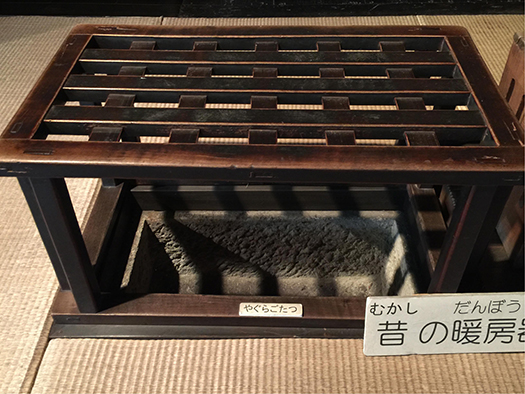
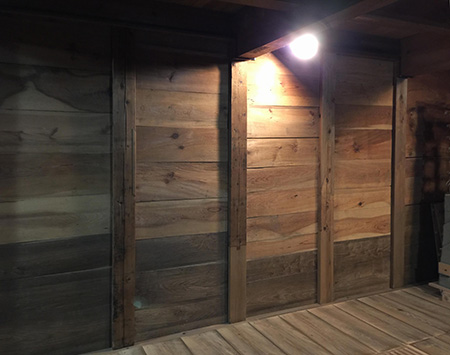
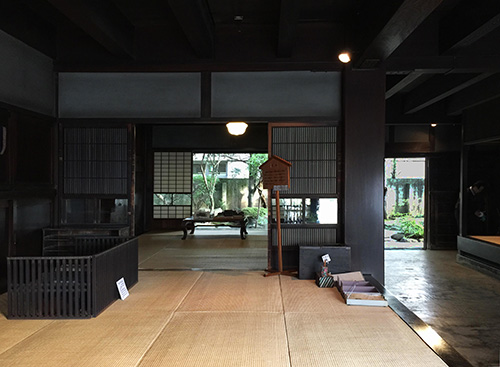
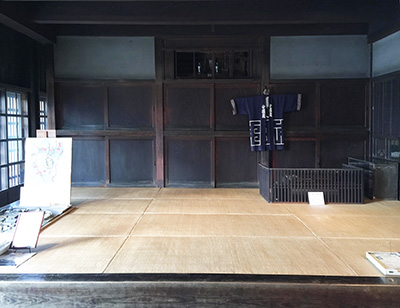
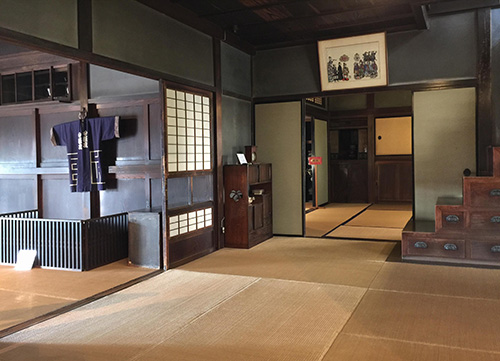
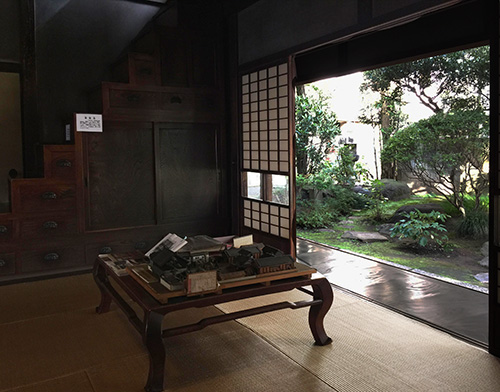
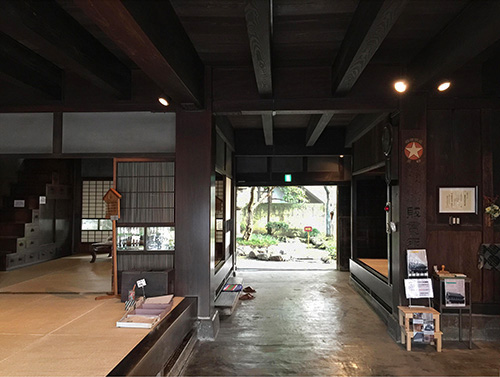
写真は宇都宮の豪商家の「暖房設備」。
明治28年と言えば、すでに北海道ではストーブが普及していたけれど、
北関東での最先端住宅でも炬燵が主たる「採暖」装置。
北海道ではとても炬燵では寒冷対策は用をなさなかったので、
炬燵というのは生まれてから一度もわたしは体感がありません。
一度くらいは入ったかも知れないけれど記憶がない(笑)。
ただ、この家では大谷石の外壁被覆もあり、その下地としての
塗り壁の重厚さもあったので、一定の「気密性」が感じられる。
こういう住宅で果たしてどんな室内気候であったか、
興味は尽きない部分がありますね。今後、関東での活動が再開できたら
もう一度、再訪してみたいと思っております。

ずいぶん写真を撮影していたようで、全部で50-60枚ほどあった。
取材体験と写真を元に再調査をしていくとどんどん事実が出てくる。
まことに「深掘り型」のコロナ禍逆利用古民家再発掘。
こういうのはこれでまた新しい「住宅取材」構成のあり方かも知れません。
ブログという表現手段での住宅テーマの掘り下げ方法。
住宅性能という切り口での視角も持って見返してみるとリアリティが高まる。
たぶんありがちな「浪漫的」ノスタルジック側面からだけの見方とは
やや違う視点での見返しが可能なのだと気付かされますね。
今回の宇都宮商家も、防火性能とその実際例としての空襲での現実を
掘り起こして考えて行くと、先人の工夫の重さが見え息づかいが伝わる。
防火「性能」要件についてはいろいろ掘り起こせるけれど、
「あたたかさ」の追究についてはやはり対応工法開発以前の状況そのまま。
しかし現実の暮らしでは「少しでも」という知恵の痕跡も見えるので興味深い。

家の作り方で冬の寒さに対して打開策があり得るという考え方が
そもそも作り手の側になかったのがごく最近まで。
この列島での四季変化のなかで日本人は連綿と生き続けてきた。
冬の寒さというものが克服される方法の開発自体が、ここ数十年に過ぎない。
それまでは明治・北海道開拓の必要性から一部で手法開発が
行われてきたに過ぎない。世界的にも冬の寒さを住宅の断熱で克服しようという
考え方そのものがそのツールであるグラスウール出現以降ともいえる。
しかし一方、たとえば高価な輸入ガラス建材の普及は北海道から始まった。
開拓者で厳しい経済状況の中でもそこはケチらなかった。
紙と木だけでは気密という概念は達成できないと本能的にわかったのでしょうね。
日本で生産がされない段階から特異的に北海道が先鞭を切った事実。
断熱工法が開発される以前から人々のごく自然な「建材選択」が先行した。
やはりこの面の「住宅革命」を揺籃した地域であると自覚できます。

English version⬇

[Utsunomiya 126-year-old heater / Japanese good house ㉝-10]
By the way, this is the final episode of the former Shinohara residence, a commercial building in Utsunomiya.
The photo is the “heating equipment” of a wealthy merchant house in Utsunomiya.
Speaking of Meiji 28, stoves were already widespread in Hokkaido,
Kotatsu is the main “warming” device even in the most advanced houses in the northern Kanto region.
In Hokkaido, Kotatsu didn’t use any measures against cold, so
I have never experienced Kotatsu since I was born.
I may have entered it once, but I don’t remember (laughs).
However, in this house, there is also an outer wall covering of Oya stone, and as a base for it
There was also a heavy plastered wall, so a certain degree of “airtightness” can be felt.
What kind of indoor climate was it in such a house?
There is a part that I’m not completely interested in. If we can resume activities in Kanto in the future
I would like to visit again.

It seems that he was taking a lot of pictures, and there were about 50-60 in total.
Facts will come out more and more as we re-examine based on the interview experience and photos.
Indeed, “deep digging type” corona reversal use old folk house re-excavation.
This may be a new way of “housing coverage” composition.
How to delve into the housing theme with the expression means of blog.
If you look back at the perspective of housing performance, the reality will increase.
Perhaps the usual “romantic” nostalgic side-only view
You realize that it is possible to look back from a slightly different perspective.
The Utsunomiya merchant house this time also has fire protection performance and the reality of air raids as a practical example.
When you dig up and think about it, you can see the weight of the ingenuity of the ancestors and feel the breath.
We can dig up a lot about fire protection “performance” requirements,
Regarding the pursuit of “warmth”, the situation before the development of the corresponding construction method remains the same.
However, in real life, it is interesting because you can see traces of wisdom that “even a little”.

The idea that there can be a breakthrough against the cold of winter in how to make a house
Until very recently, it wasn’t on the side of the creator in the first place.
The Japanese have continued to live in the four seasons of this archipelago.
The development of ways to overcome the cold of winter has only been in the last few decades.
Until then, some methods were developed due to the need to develop the Meiji and Hokkaido regions.
It has only been done. Globally trying to overcome the cold of winter with heat insulation of houses
It can be said that the idea itself is after the advent of glass wool, which is the tool.
However, on the other hand, for example, the spread of glass building materials used expensive imported materials from Hokkaido.
It was a pioneer and was not stingy even in a difficult economic situation.
You must have instinctively realized that the concept of airtightness cannot be achieved with paper and wood alone.
The fact that Hokkaido took the lead specifically from the stage when it was not produced in Japan.
Even before the development of the heat insulation method, people’s natural “selection of building materials” preceded.
After all, you can realize that it is an area that has shaken the “housing revolution” in this aspect.

【豪壮な蔵。構造と外装/日本人のいい家㉝-9】


蔵という建築様式は相当昔からあるように思います。
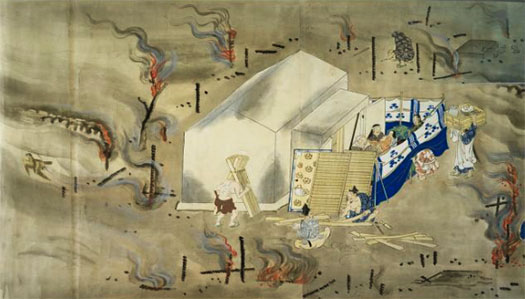
中世の都市の様子を描く絵画で土蔵が描かれる。
挿入写真は成立が1309年とされる「春日権現験記. 第14軸」(国立国会図書館)。

周囲が火災にあって焼け野原となるなかで一軒の土蔵が残って
周辺で応急的な小屋がけが始められていく様子がわかる。
国内の戦乱で京都は繰り返し大火に見舞われてきたけれど、
そういう中で土蔵建築は都市再生の起点になってきたことがわかる。
権力は自分たちの都合で都市を作ったけれど、また同時に
自分たちの統治の混乱で都市を破壊してきた。
人々は権力の周辺での経済運営主体として都市に流入したけれど、
そういった破壊によって都度、生活基盤をまるごと喪失した。
しかし土蔵建築はそういう破壊からもひとの生き様を守ってくれた。
日本人の暮らしを保守してきた基盤だったということがこの絵でわかる。

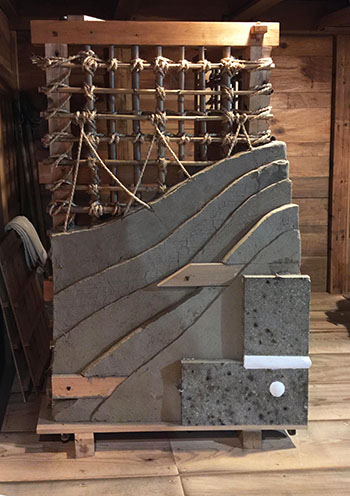
この篠原家では竹で木舞下地を造作して、その上から土塗りを⒌回行っている。
その上に大谷石8cm厚を上張りしていっている。
現代の建築基準での「防火」認定基準と比較してもまことに重厚。
っていうか、現代の防火基準は一定の時間火に耐えることを
建築の「性能要件」としているのであって、ここまでの耐火性は求めていない。
しかもここでは土塗り外壁の内側に「板倉」造りが内蔵されている。
板倉はそれ自体防火的な建築として、日本各地の集落では
営みの中心からはやや外れた場所に建てられている。
奈良の春日大社には本殿建築とは少し離れて倉が建っている。
そういう工夫をすることで万が一の火災から最重要資産を守り、
社会を復元していくタネを保存させていたのだ。
そういう板倉構造が内包された上に重厚な土塗りと大谷石被覆。

そうした重厚な壁構造を支えるべく、渡されている
構造の梁の豪放さにも思わず刮目させられる。
先日、この構造梁に墨書された大工棟梁、鳶頭のことに触れた。
大旦那の篠原家の本拠建築として、末永くあり続けるようにとの願いが
空間のありようにまざまざと刻印されている。

English version⬇

[Magnificent warehouse. Structure and exterior / Japanese good house ㉝-9]
I think the architectural style of brewery has been around for quite some time.
Dozo is depicted in a painting depicting the state of a medieval city.
The inserted photo is “Kasuga Gongen Jikkenki. Axis 14” (National Diet Library), which was established in 1309.

A storehouse remains as the surrounding area becomes a burnt field due to a fire
You can see how emergency huts are starting to be injured in the surrounding area.
Kyoto has been hit by big fires repeatedly due to the domestic war,
Under such circumstances, it can be seen that dozo architecture has become the starting point for urban regeneration.
Power created a city for their own convenience, but at the same time
The turmoil of their governance has destroyed the city.
People have flowed into the city as economic operators around power,
Each time such destruction caused the entire living base to be lost.
However, Dozo architecture protected people’s way of life from such destruction.
This picture shows that it was the foundation that maintained the lives of Japanese people.

In this Shinohara family, a wooden dance base is made from bamboo, and soil is applied ⒌ times on top of it.
Oya stone 8 cm thick is overlaid on it.
It is really heavy compared to the “fire prevention” certification standard in modern building standards.
I mean, modern fire protection standards are to withstand fire for a certain period of time.
It is a “performance requirement” for architecture, and does not require fire resistance up to this point.
Moreover, here, the “Itakura” structure is built inside the earth-painted outer wall.
Itakura is a fireproof building in itself, and in villages all over Japan
It is built in a place slightly off the center of business.
At Kasuga Taisha Shrine in Nara, a storehouse is built a little away from the main shrine.
By devising such a method, we can protect the most important assets from a fire in the unlikely event.
It was saving the seeds that would restore society.
On top of that such Itakura structure is included, heavy soil coating and Oya stone coating.

It is handed over to support such a heavy wall structure
The extravagance of the structural beams also makes me wonder.
The other day, I touched on the carpenter’s ridge, Totou, which was inscribed on this structural beam.
A wish to continue to exist for a long time as the home building of the Shinohara family of the great husband
It is engraved as if it were a space.

【大谷石張り防火外壁/日本人のいい家㉝-8】


米軍の宇都宮空襲の火災で市域の6割が焼失したとされています。
そのときに市中心部のこの建物は堅牢な「防火性能」で生き残り、
空襲翌日以降、日本軍が戦災罹災した市民のために炊き出しを行ったとき
その会場として宇都宮市民のいのちを繋ぐ建物だったという。
戦争での空襲というような事態はもちろん避けたいけれど、
相手もあることだから、自衛的な体制は考えておく必要がある。
防火建築というのは、まさにそういう基本的な生活安全保障だということが、
この事実によってあきらかなのだと思います。
まさかに備えるのが安全保障なのだと気付かされる。

その防火の役割を果たしたのが大谷石の重厚な外壁構造。
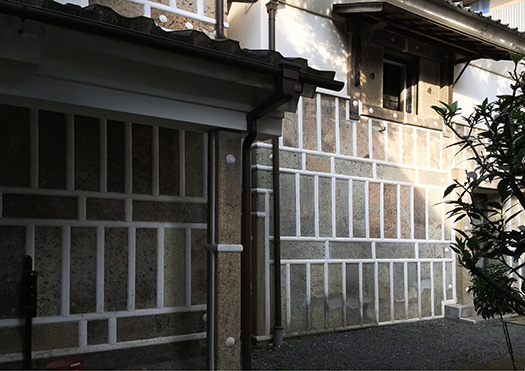
張り方はタテとヨコに変化を付けて、豊かな表情を感じさせてくれる。
独特のリズム感が伝わってきて、なにか訴求してくるものがある。
一枚一枚の大谷石の微妙な色合い、風合いの違いも惹き付けられる。
それらが白い漆喰の充填接着で緊結されている。
1階相当部分がこの大谷石で仕上げられ、その上は漆喰壁仕上げ。
宇都宮空襲前までも、この独特の外観は市民の印象に刷り込まれていただろう。
いのちを繋ぐ配給食の会場・場所として目印になったことでしょう。
戦災で住む家を失った多くの人に、この外壁はうるおいを与えた。
大谷石はまさに地域を象徴する地場産材であり
それが多くの人の危機を救い、支えてくれたことに思いを感じる。
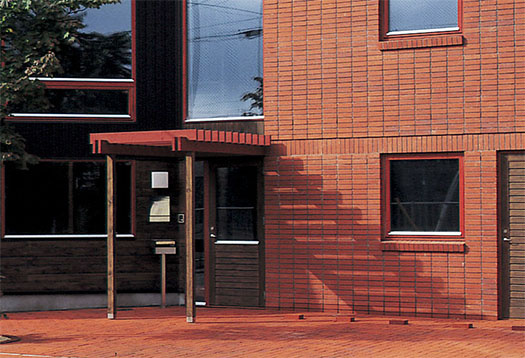
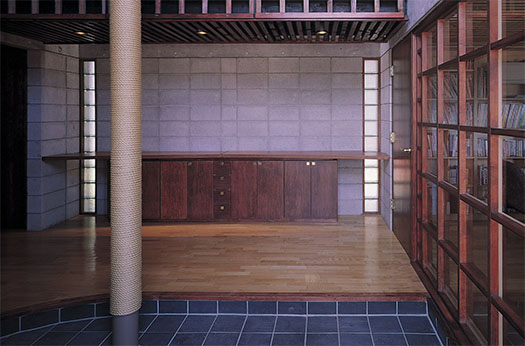
一方下の写真はわが家の30年前の新築時点のもの。


この宇都宮の篠原さん家に惹かれるのはどうもわが家との近似性。
大谷石の外装の張り方ははるか後の世のブロックの積み方と通じるものがある。
北海道の火山灰成形のブロックに対して大谷石は自然積層。
北海道の「石山軟石」も自然に火山灰が積層して石化したもの。
その火山噴火物質の違いがあるのでしょうが、たぶん生成成分は同様。
形成されるプロセスはごく似通っているし、
またブロックの原料は自然に堆積した噴火堆積物なのですね。
はるかな後世のブロックは目地も薄くモルタルが使われているけれど、
この大谷石外壁では白い素肌の漆喰が使われている。
わが家ではブロックは構造材として使われ、さらに外側には
断熱材を外断熱サンドイッチしたあとに煉瓦を積み上げています。
石材は加工が面倒なので木造のように簡便性はないけれど、
しかしもっと長い時間を耐える耐久性要素は高い。

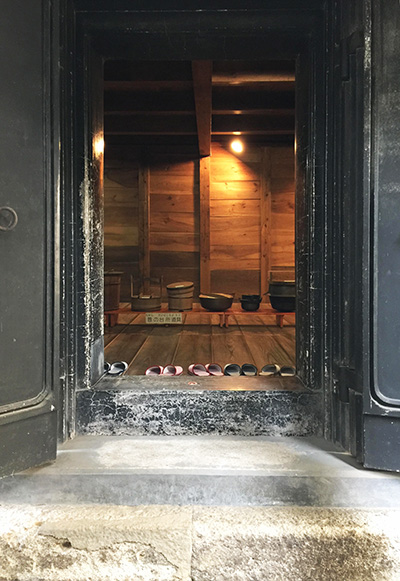
重厚な蔵の扉でいかにも安全を強く感じさせてくれる。
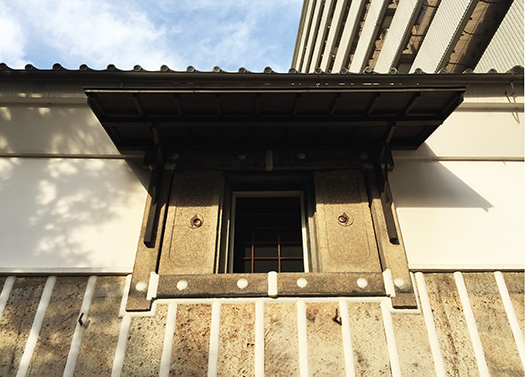
この篠原さん家では劣化しやすい開口部を保護するのに
庇が差し掛けられている。わが家では煉瓦外壁と窓回りの「みず道」を
ずいぶん考えたつもりけれど、やはりより長期安全性では
庇に敵う装置はないでしょうね、完敗だと思っています。

English version⬇

[Oya stone fire protection outer wall / Japanese good house ㉝ -8]
It is said that 60% of the city area was destroyed by the fire of the Utsunomiya air raid by the US military.
At that time, this building in the city center survived with robust “fire protection”,
The day after the air raid, when the Japanese army prepared meals for the victims of the war
It is said that it was a building that connects the lives of Utsunomiya citizens as the venue.
I want to avoid a situation like an air raid in a war, but
Since there are also partners, it is necessary to consider a self-defense system.
Fireproofing is just such a basic life security.
I think this fact makes it clear.
It is realized that it is security to prepare for it.

The heavy outer wall structure of Oya stone played the role of fire prevention.
The tensioning method changes the vertical and horizontal directions to give a feeling of texture.
There is something that appeals to you with a unique sense of rhythm.
The subtle shades and textures of each Oya stone are also attractive.
They are tied together with white plaster filling.
The part equivalent to the first floor is finished with this Oya stone, and the plaster wall finish is on top.
Even before the Utsunomiya air raid, this unique appearance would have been imprinted on the impression of the citizens.
It must have become a landmark as a venue and place for school lunches that connect life.
This outer wall moisturized many who lost their homes in the war.
Oya stone is a locally produced material that truly symbolizes the region.
I feel that it has saved and supported the crisis of many people.
On the other hand, the photo below is from the time of new construction of my house 30 years ago.

What attracts me to this Utsunomiya Shinohara-san’s house is its closeness to my home.
The method of laying the exterior of Oya stone is similar to the method of stacking blocks in the future.
Oya stone is naturally laminated to the block of volcanic ash molding in Hokkaido.
“Ishiyama soft stone” in Hokkaido is also petrified by naturally stacking volcanic ash.
There may be differences in the volcanic eruption material, but the production components are probably the same.
The processes formed are very similar and
Also, the raw material for blocks is naturally deposited eruption deposits, isn’t it?
The blocks of the far posterity have thin joints and mortar is used,
White bare-skinned plaster is used on the outer wall of this Oya stone.
In my house, blocks are used as structural materials, and on the outside
Brick is piled up after sandwiching the heat insulating material.
Stone is not as convenient as wooden because it is troublesome to process,
However, the durability factor that can withstand a longer time is high.

The solid door of the warehouse makes you feel very safe.
In this Shinohara-san’s house, to protect the openings that are prone to deterioration
The eaves are hung. In my house, the brick outer wall and the “water supply” around the window
I thought I’d thought about it a lot, but it’s still more long-term safety
I don’t think there is a device that can match the eaves, I think it’s a complete defeat.

【豪商家の目を奪う奥座敷空間へ/日本人のいい家㉝-7】


きのうの続きですが、ハイレベルなビジネス情報を得るために
江戸期から奥州街道・日光街道の分岐点で商売していた篠原家では
情報を運んでくる「人流」をチェックすることが重要なポイント。
1階奥の個室的応接室で「特別客」的な扱いを受けて喜んだ客人に対して
さらにケヤキ造りの階段収納を踏み登らせて
2階の「大広間」に招き入れていく展開が建築的に仕組まれている。
階段収納という装置はなかなか手の込んだ家具造作。
建具でもないし、大工仕事とも言えない、家具職人仕事。
たぶん大黒柱45cm角材の残余部分を使って、丹念に仕上げたものでしょう。
で、2階の床組みに掛かる頃からは大工造作にバトン。
2階に上がると正面視界に大広間が広がってくる。
1階で見た大黒柱が、その太さを減ずることなくすっくと床柱になっている。

16畳の広間に床の間付き、奥には収納が装置されて、
左手側は庭に面している。庭越しには篠原家の建築群がみえていた。
近在の有力者たちが集う集会場のような空間設備。
訪問者はこの家の有力者ぶりが一目瞭然に理解出来る。


庭に対して広大なガラス窓が装置されていた。
明治中期にテラスのようなワイドビューをガラス入りで仕上げるのは
たぶん多くの来訪者の度肝を抜くような仕掛け。
ふつうであれば雨戸を閉め切るような天候のときにも
開放的な眺望を提供されていたに違いない。
このあたり、ほぼ同時期の北海道開拓でも作られていた「洋造建築」では
ガラス窓を多用する建築が建てられ続けていた。
この明治期にガラス建材の草分けのような商社さんの話を聞く機会があったが、
日本では大型の建材用ガラスの生産は遅れていた。
明治42 (1909) 年、旭硝子が国内初となる板ガラスの量産を開始とあるので、
明治28年のこの住宅創建時はほぼ輸入に限定されていた。
北海道では一般庶民の奥地での住宅でもこの「輸入建材」が使われたが、
大消費地の本州以南では普及が遅れていたのだという。
この篠原邸、建材の使い方でも非常に北海道に近い感覚だと思える。

・・・というような舞台装置を見せられて
ビジネス客はこの家のふところの深さを知らされて
そのまま、この大広間で「契約」という流れになったものだろうか。
商家建築の北関東でのひとつの典型だろうかと思う。

English version⬇

[To the Okuzashiki space that catches the eye of a wealthy merchant / A good Japanese house ㉝-7]
Continuing from yesterday, to get high-level business information
At the Shinohara family, which had been doing business at the junction of Oshu Kaido and Nikko Kaido since the Edo period
It is important to check the “people flow” that brings information.
For guests who are pleased to be treated as “special guests” in the private reception room at the back of the 1st floor
In addition, let’s step on the zelkova staircase storage
The development of inviting them to the “hall” on the second floor is architecturally designed.
The device called staircase storage is quite elaborate furniture construction.
A furniture craftsman who is neither a joinery nor a carpenter.
Probably, it was carefully finished using the remaining part of the 45 cm square lumber of the large black pillar.
So, from the time I hung on the floor on the second floor, I started to work as a carpenter.
When you go up to the second floor, you will see a large hall in front of you.
The large black pillar seen on the first floor has become a floor pillar without reducing its thickness.

There is a tokonoma in the 16 tatami room, and a storage device is installed in the back.
The left hand side faces the garden. The Shinohara family’s buildings could be seen through the garden.
Spatial equipment like a meeting place where influential people in the vicinity gather.
Visitors can easily understand the influential people in this house.

A large glass window was installed in the garden.
In the middle of the Meiji era, finishing a wide view like a terrace with glass
Perhaps a gimmick that will surprise many visitors.
Even in the weather that normally closes the shutters
It must have been provided with an open view.
Around this time, in the “Western architecture” that was also made in the development of Hokkaido at about the same time
Architectures that make heavy use of glass windows continued to be built.
During this Meiji era, I had the opportunity to hear from a trading company like a pioneer of glass building materials.
Production of large glass for building materials was delayed in Japan.
In 1909, Asahi Glass started mass production of the first flat glass in Japan.
When this house was built in 1887, it was mostly limited to imports.
In Hokkaido, this “imported building material” was also used in houses in the hinterland of ordinary people,
It is said that the spread was delayed in the areas south of Honshu, which is a large consumption area.
This Shinohara residence and how to use building materials seems to be very close to Hokkaido.

I was shown a stage set like …
Business guests are informed of the depth of the house
Is it the flow of “contract” in this hall as it is?
I think it is a typical example of commercial architecture in the northern Kanto region.

【商家支配人の差配目線/日本人のいい家㉝-6】


商家というのは来客応接という側面が欠かせない要素。
先日触れたように人の往来の多い奥州街道・日光街道の分岐点で
なお、宇都宮城にもほど近いという立地選択の商家では
日中、さまざまな来客がこの店棚を訪問し商談を重ねたことでしょう。
とくに明治中期には肥料販売業という食料生産に直結した業種。
その動向というのは各地域の生産動向に直結する情報が行き交った。
「ことしはこっちのムラの注文が多くなってきたなぁ・・・」
「そうか、じゃあ、◎◎の収穫は秋には増えるということ」
「だったら、◎◎が売れていくことになるなぁ」
「先に手を打って必要な◎◎を多く仕入れることにしようかなぁ」
「篠原さんも、お利口なことで(笑)・・・」
こういった経済が生きて流通するにはその情報センター機能が不可欠。
とくにそういった情報について聞き耳を立てている必要がある。

上の写真は店棚のほぼ中央に位置する「主人」または「番頭」の
帳場の位置に注目してみた動線配置であります。
帳場は一般訪問客に開かれた店先の奥側に位置が取られている。
そこで交わされる種々雑多な「情報」を経理仕事しながら聞き入っている。
「ふむふむ・・・」と興味深い話題が展開している場合、
番頭は、その情報主を上座の奥の間に招じ入れることになる。


こんな庭の景色の見晴らせる「応接室」で女中さんに茶など入れさせる。
「おお、これは結構なお庭、それにきれいどころの娘さんで・・・」
「毎度ありがとうございます。先ほど話されていた件ですが、
もう少し詳しくお聞かせいただけませんか?」
というような展開で、客から情報を仕入れることになる。
通信やメディアなどの情報手段が未整備の時代にはこういう「街道筋」の
人流での会話情報というのが、非常に貴重だったことは間違いがない。
毎日のルーティンワークの中から、重要と目される情報を取捨選別するのが
主人なり番頭のもっとも重要な資質であっただろうと思える。

このような「情報機能性」を建築的にも引き出すのに、
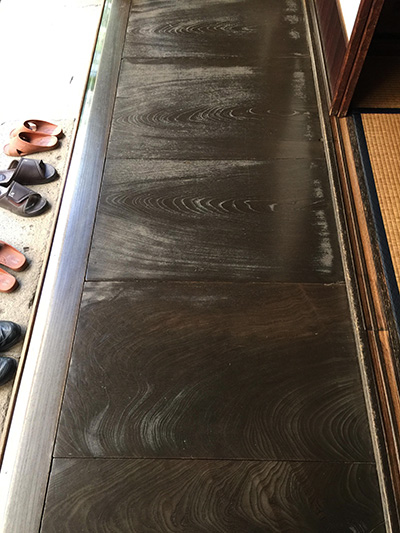
写真のような磨き込まれた「ケヤキの床板」という見事な建築装置。
例の45cmの大黒柱にも目を奪われた客は、この家の商家としての
「目利き」能力への信頼感をどんどんと高めていくことになる。
「篠原さんに聞かれたんじゃ、正直にお話ししますね、実は・・・」
客人も、腹の中で算盤をはじきながらこの大店と取引すれば
より大きな販路が開けるのではと期待して、
「ここだけの話ですが」という展開になっていくことが予測できる。
豪放な素材使いといい、見事な商家建築とはそういった
「信用の増幅装置」という側面が大きかったのだろうと想像できる。
こうした応接空間は、さらにレベルアップが用意されていく・・・。

English version⬇

[The difference between the managers of merchants / Good Japanese houses ㉝-6]
A merchant house is an indispensable element in terms of customer service.
As I mentioned the other day, at the junction of Oshu Kaido and Nikko Kaido, where there is a lot of traffic.
In addition, in the merchant house of location selection that is close to Utsunomiya Castle
During the day, various visitors would have visited this store shelf and had business talks.
Especially in the middle of the Meiji era, the fertilizer sales business was directly linked to food production.
As for the trends, information directly related to the production trends in each region was exchanged.
“This is an increasing number of orders for unevenness …”
“Well, then, the harvest of ◎◎ will increase in the fall.”
“If so, ◎◎ will sell.”
“I wonder if I should take steps first and purchase a lot of necessary ◎◎”
“Mr. Shinohara is also clever (laughs) …”
The information center function is indispensable for such an economy to live and circulate.
In particular, it is necessary to listen to such information.

The photo above is of the “master” or “keeper” located almost in the center of the store shelf.
It is a flow line arrangement that pays attention to the position of the counter.
The counter is located behind the storefront, which is open to general visitors.
I listen to various miscellaneous “information” exchanged there while doing accounting work.
If there is an interesting topic such as “Hmmmm …”
The clerk will invite the information owner to the back of the upper seat.

Let the maid make tea etc. in the “reception room” where you can see the view of the garden like this.
“Oh, this is a pretty garden, and a beautiful daughter …”
“Thank you every time. As I mentioned earlier,
Could you tell us a little more about it? ”
With such a development, information will be procured from customers.
In an era when information means such as communication and media were not yet developed, this kind of “road route”
There is no doubt that human-style conversation information was extremely valuable.
It is important to sort out important information from daily routine work.
It seems that it was probably the most important quality of the master and the leader.

To bring out such “information functionality” architecturally,
A stunning building device called “zelkova floorboard” that has been polished as shown in the photo.
The customer who was fascinated by the 45 cm pillar of the house is a merchant of this house.
The sense of trust in the “connoisseur” ability will be steadily increased.
“If Mr. Shinohara asked me, I’ll be honest, actually …”
If the guest also deals with this big store while flipping the abacus in his stomach
Hoping to open a bigger sales channel,
It can be predicted that the development will be “only here.”
It’s called a generous use of materials, and that’s what a wonderful commercial building is like.
It can be imagined that the aspect of “credit amplification device” was large.
Such a reception space will be further upgraded …

【商家のビジネス中枢・帳場/日本人のいい家㉝-5】


昔も今も、経営のキモは勘定であります。
江戸期には醬油醸造業、明治以降は肥料の販売と業態が変化した篠原家、
どちらにせよ、計数管理の様子を象徴するのがお金回りの設備。
日本の商家には必ずこのような帳場が定番で存在する。
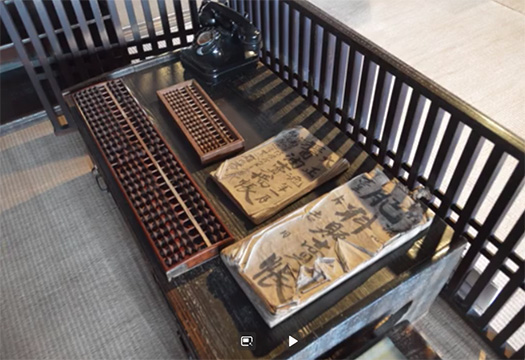
こういう「計算機と帳面」というのがお決まりで
現代で言えばレジスターと経理ソフト入力ということになるのでしょう。
で、3方向にタテ格子の囲い、結界で仕切るというのがこれも定番。
結界は無言のお約束で「覗いたりしないでね」というシルシか。
帳場は通りにいちばん近いビジネス応接対応の隅角に端座する。
商家の主人、もしくは番頭さんが取引全体に目を配っている配置。
広間では手代たちが客と営業行為していたでしょうね、
そういった光景が目に浮かんでくるようなビジネス空間。
正面上部には神棚が祀られて「正直・公明正大」を無言で誓う空間。
宇都宮なので二荒山神社の神さまが祀られていたものでしょうか?
こういう「帳場」に向かうときに3方が仕切られて、1面だけが開かれている
仕掛け空間に座ることを考えたら、自ずと正座になる。
時代劇なんかでも姿勢正しく真正面から向かって正座がお約束シーン。
そういえば「几帳面」という言葉の印象にも近しいだろうか。


そして勘定したものはお金になって収納されている。
この建築は明治期の建設なので当然銀行はあったでしょうが、
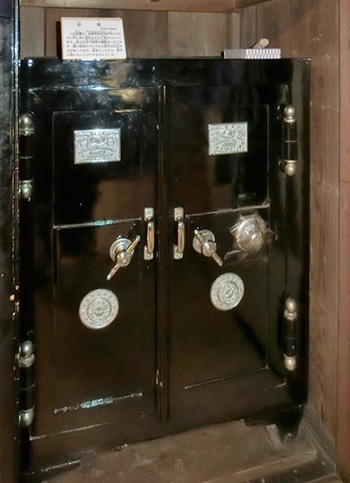
日常の決済用の現金や各種証書類などは、金庫に厳重保管されたのでしょう。
この家の場合には1階の帳場で勘定された後、2階の1室の押し入れ収納に
ひっそりと仕舞い込まれていた。
明治中期という年代を考えるとこの金庫は相当の厳重機能型。
宇都宮城にも近接し、奥州街道起点の街道に面してもいる。
セキュリティという点でも立地としても申し分はない。

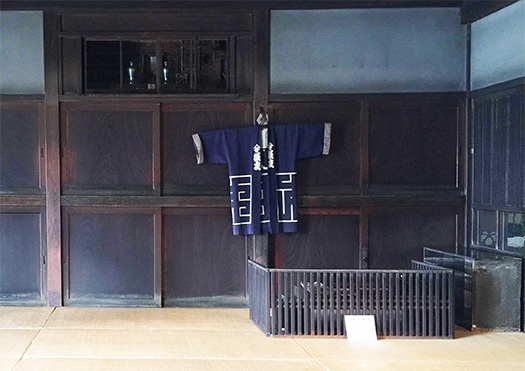
3番目の写真は入口から入って広がる土間空間。
正面には庭の植栽が目に入ってくるような光景。
土間の左右幅も開放的な広がりを演出してくれています。
やはりビジネス・商業というのは基本的に開放的で自由なもの。
多くの人を惹き付け、役に立とうとする姿勢が、
商家という建築からは伝わってくるように思われます。

English version⬇

[Business center of merchants / counters / good Japanese houses ㉝ -5]
In the past and now, the key to management is the account.
The salty soy sauce brewing industry during the Edo period, and the Shinohara family, whose business conditions changed after the Meiji era.
In any case, the equipment around money symbolizes the state of counting management.
Such a counter is always a staple of Japanese merchants.
This kind of “computer and notebook” is the rule
In modern times, it would be a cash register and accounting software input.
So, it is also standard to enclose a vertical grid in three directions and partition it with a barrier.
Is the barrier Shirushi saying “Don’t look into it” with a silent promise?
The counter sits in the corner of the street closest to the business reception.
Arrangement in which the owner of the merchant or the clerk pays attention to the entire transaction.
In the hall, the hands would have been doing business with customers, right?
A business space where you can see such a scene.
A space where a Kamidana is enshrined in the upper part of the front and silently swearing “honesty and fairness”.
Since it is Utsunomiya, was the god of Utsunomiya Shrine enshrined?
When heading to such a “bookstore”, three sides are partitioned and only one side is open.
If you think about sitting in the gimmick space, you will naturally be sitting upright.
Even in historical drama, the promised scene is to sit straight from the front with the correct posture.
Speaking of which, is it close to the impression of the word “genuine”?


And what is counted is stored as money.
This building was built in the Meiji era, so of course there would have been a bank,
Cash and various certificates for daily payments may have been kept in a safe.
In the case of this house, after being counted in the counter on the 1st floor, it will be stored in the closet of 1 room on the 2nd floor.
It was quietly stowed away.
Considering the age of the middle of the Meiji era, this safe is a fairly strict functional type.
It is close to Utsunomiya Castle and faces the highway starting from the Oshu Highway.
The location is perfect in terms of security.

The third photo is the dirt floor space that opens from the entrance.
In front of you, you can see the garden planting.
The left and right width of the dirt floor also creates an open expanse.
After all, business and commerce are basically open and free.
The attitude of attracting many people and trying to be useful,
It seems to come from the architecture of a merchant house.

【ケヤキ材階段収納にぞっこん/日本人のいい家㉝-4】


宇都宮駅前旧・篠原家ぞくぞく続篇であります。
この住宅には確か仙台から土日の休日を利用して取材した
「市貝の平安期豪族館遺跡発掘報告会」のついでのヒッチハイクでした。
ところが遺跡の方は当然生々しい建築物はないので、
ある空洞感は持って、でも情報としてはアタマ一杯に魅力的な想像力状態。
で、新幹線の時間までの朝方の空き時間に見学した。
なかに入って、すっかり忘我の心境に陥ったのは
外観の大谷石・黒漆喰もさることながら、室内でこの階段収納を見たこと。
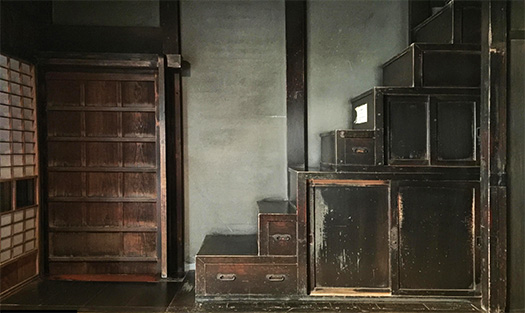
上の写真がもちろん篠原家のもので、重厚な質感も漂うケヤキ製。
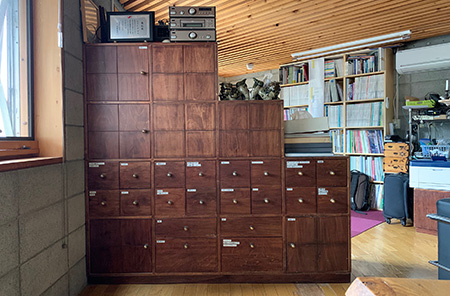
・・・で、下の写真はわが家の「至宝」の階段収納なのです。
わが家の方はもちろんチープな流通材木による造作家具。
でも、塗装は「いきなり古くさく」という好みで渋くやってもらった。
で、新築以来すでに30年の歳月を共にしてきていますが、
ますます日常生活を彩ってくれている。好きな家具はフェッチを刺激する。

そのはるかな「同好の士」を明治の豪商家で発見したのです。
階段としての機能用途は十分に満たしながら、インテリアマインドにうれしい。
毎日この収納から薬を取り出したり爪切りを出したり、
日常生活の相当部分を依存してきているのですが、
この篠原家でもたぶん、さまざまの暮らしの調度が収められていたに違いない。
きれいに整理整頓して仕舞う、というケジメにこの収納は実にいい。
・・・という発見をして急にこの家のことが超気になることになったのです。
そこから大谷石へのフェッチを知りましたが、
わが家もコンクリートブロック主体構造や煉瓦一丁積み外壁、石山軟石敷きなど
石材へのこだわりを持ってきている。共感の嵐・・・。
住宅というのは「空気感」というものが最大のポイント。
この階段収納は機能とデザインのどっちでもすごい存在感。
きのう紹介した45cm大黒柱と相対する位置に鎮座していますが、
圧倒的に「場を支配する存在感」、それも控えめにというゆかしさがある。

どうなんでしょうか。こういうインテリア家具に惹かれる心理って
なにか共通するような部分というものがあるのでしょうか?
わたしの例で言うと、この家具を見て以来、
この住宅の暮らし方の好み、趣味嗜好のようなものに深く共感が起こった。
自分だったらこういう部分はこうしたいな、というディテールが
さまざまな部分で重複するものが確認できた。
でもさすがに126年:30年では風合いで敵うわけがない。
はるかな先達に敬意を表しつつ、わが家でも時間を重ねたいと思います。

English version⬇

[Zelkova staircase storage / Japanese good house ㉝-4]
This is a sequel to the former Shinohara family in front of Utsunomiya station.
I’m sure I interviewed this house from Sendai on Saturdays, Sundays, and holidays.
It was a hitchhiking after the “Ichikai Heian Period Gozokukan Ruins Excavation Report Meeting”.
However, the ruins naturally do not have a vivid building, so
It has a certain sense of hollowness, but as information, it is a state of imagination that is full of charm.
So, I visited in the morning free time until the time of the Shinkansen.
It was inside that I fell into a feeling of forgetfulness
I saw this staircase storage indoors as well as the appearance of Oya stone and black plaster.
The photo above is of course from the Shinohara family, and is made of zelkova with a profound texture.
… and the photo below is the staircase storage of our “treasure”.
Of course, our home is made of cheap distribution timber.
However, the painting was astringent because of the preference of “suddenly old-fashioned”.
So, we have been together for 30 years since the new construction,
It is becoming more and more colorful in everyday life. Favorite furniture stimulates fetching.

I found that far-reaching “accompanying person” at a wealthy merchant in the Meiji era.
I am happy with the interior mind while fully satisfying the functional use as a staircase.
Take medicine out of this storage and nail clippers every day,
I’ve been relying on a significant part of my daily life,
The Shinohara family must have contained various living furnishings.
This storage is really good for the sake of keeping things neat and tidy.
After discovering that …, I suddenly became very concerned about this house.
I learned about fetching from there to Oya stone,
Our house also has a concrete block main structure, a brick one-chome outer wall, Ishiyama soft stone paving, etc.
I am bringing a commitment to stone materials. A storm of empathy …
The biggest point of a house is the “feeling of air”.
This staircase storage has a great presence in both function and design.
It sits in a position facing the 45cm large black pillar that I introduced yesterday,
Overwhelmingly, there is a “presence that dominates the place”, which is also modest.

How is it? The psychology of being attracted to such interior furniture
Is there something in common?
In my example, since I saw this furniture
I deeply sympathized with the lifestyle and hobbies of this house.
The detail that I would like to do this kind of part
I was able to confirm the duplication in various parts.
But in 126:30, there is no way to compete with the texture.
I would like to spend more time at home while paying homage to my distant predecessors.

【黒漆喰・大谷石の外観と立地/日本人のいい家㉝-3】


こういった建て方を「土蔵造り」と呼ぶのだそうです。
江戸時代18世紀末頃からこの篠原家はJR宇都宮駅近くのこの場所で
醬油醸造業を営み、明治期になると「肥料業」を幅広く営んでいた。
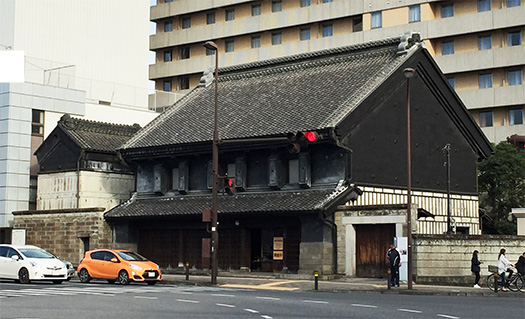
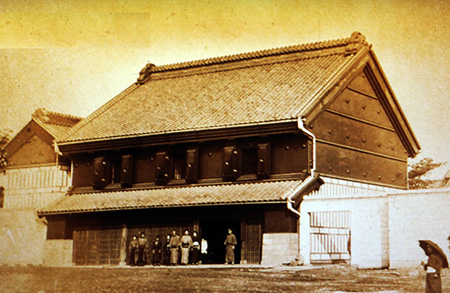
一番上の写真は2016年の現地取材時の外観写真で、
2番目は明治30年1897年の時点のもの。時代差約120年ということですが、
この建物は創建時の姿をできるだけ忠実に保存している様子がわかります。
1995年に市に寄贈されたわけですが、所有者の姿勢に誇りを見ることができる。
昨日、創建に携わった職人さんたちの心意気の墨書も紹介しましたが、
プライドを持って建てられた建築には力があると思わされる。
今日、住宅建築のメディアを作っている者として思いを感じます。
この建物の外装には大谷石と黒漆喰が使われている。
黒漆喰は漆喰に墨を混ぜ込んだ素材。一方の大谷石ですが、
この明治28年と言えば、北海道開拓で盛んに地元石材・石山軟石も切り出された。
札幌の洋造建築にたくさん利用された時期とも一致する。

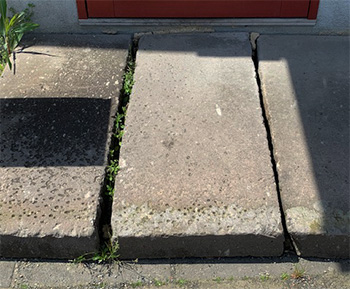
写真はわが社玄関前の敷き放しの石山軟石ですが、親近感を感じる。
大谷石外観はコンクリート並みの頑丈さの印象を与えたでしょうね。
この外観、この時期最高水準の防火建築がはるか後世の米軍大空襲でも
地域の救命センターとして機能した。まさに先人の思いがいのちを守った。


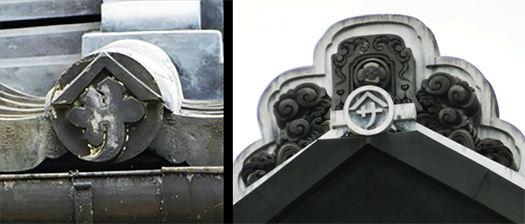
で、上の写真は「屋号ヤマサ」の軒先と屋根頂部の瓦の様子です。
醬油屋さんでヤマサと言えば、と類推させられましたが、
どうもあまり直接的な関係は浮かんでこないようです。
ヤマサ醬油さんは千葉県銚子市なのでだいぶ距離も離れている。
しかし宇都宮は鬼怒川などの水運で奥州への物流拠点でもあったとされる。
関東平野は利根川水系の水運で物流ネットワークが整備されていたともされる。

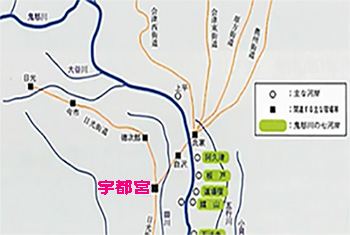
図は宇都宮周辺の陸路と鬼怒川の水運・河岸の所在地。
日光街道と奥州街道の交差点に位置している。
水運主体であればもっと鬼怒川寄りに立地すべきかとも思えるが
江戸期は当然、日光は聖地とされて人流は多かったに違いない。
またこの地は政治統治の中心、宇都宮城の近接地でもあり
その関係での「御用」承りという意味合いも大きかったに違いない。
商業立地としては常識的な立地判断だったのだと思える。
で、鬼怒川水運を下っていけば、利根川水運と合流して銚子が
海運との合流点に位置するので、銚子のヤマサ醬油との関係も想像が湧く。
利根川水系の江戸川に転じていけば江戸とも繋がっている。
地域密着と外部ネットワークとの接続両方の意味で
立地というのは、やはりビジネスの要諦であることがわかりますね。

English version⬇

[Appearance and location of black plaster and Oya stone / Good Japanese house ㉝-3]
It is said that this way of building is called “Dozo-zukuri”.
Since the end of the 18th century in the Edo period, this Shinohara family has been at this place near JR Utsunomiya Station.
He ran the salty soy sauce brewing industry, and in the Meiji era he ran a wide range of “fertilizer industries”.
The top photo is the appearance photo at the time of the on-site interview in 2016.
The second is as of 1897, 1897. The time difference is about 120 years,
You can see that this building preserves its original appearance as faithfully as possible.
It was donated to the city in 1995, and we can take pride in the attitude of the owner.
Yesterday, I also introduced the spiritual ink of the craftsmen who were involved in the construction.
Architecture built with pride seems to have power.
Today, I feel like a person who makes media for residential construction.
Oya stone and black plaster are used for the exterior of this building.
Black plaster is a material in which ink is mixed with plaster. On the other hand, Oya stone
Speaking of the 28th year of the Meiji era, the local stone material, Ishiyama soft stone, was actively cut out during the development of Hokkaido.
It coincides with the time when it was used a lot for Western-style architecture in Sapporo.

The photo shows Ishiyama soft stone in front of the entrance of our company, but I feel a sense of familiarity.
The appearance of Oya stone would have impressed you with the toughness of concrete.
This appearance, the highest level of fireproof architecture at this time, even in the U.S. military air raids far later
It functioned as a local life-saving center. It just protected the thoughts of our predecessors.

The photo above shows the roof tiles on the eaves and roof of “Yamasa”.
It was analogized that Yamasa was spoken at a salty sauce shop, but
Apparently there isn’t a very direct relationship.
Yamasa Salty Sauce is located in Choshi City, Chiba Prefecture, so it is a long distance away.
However, Utsunomiya is said to have been a distribution base for Oshu by water transportation such as the Kinugawa River.
It is said that the Kanto Plain had a logistics network developed by water transportation in the Tone River system.

The figure shows the location of the land route around Utsunomiya and the water transportation and riverbanks of the Kinugawa River.
It is located at the intersection of Nikko Kaido and Oshu Kaido.
If it is mainly water transportation, it seems that it should be located closer to the Kinugawa River.
Naturally, during the Edo period, Nikko must have been a sacred place and there must have been a lot of people.
This place is also the center of political governance, close to Utsunomiya Castle.
It must have had a great meaning of accepting “use” in that relationship.
It seems that it was a common sense location judgment as a commercial location.
Then, if you go down the Kinugawa water transport, you will join the Tone river water transport and Choshi will join you.
Since it is located at the confluence with shipping, you can imagine the relationship with Choshi’s Yamasa salty sauce.
If you switch to the Edo River in the Tone River system, you will be connected to Edo.
In terms of both community-based and connection with external networks
You can see that location is the key to business.

【豪放な構造材・明治豪商の家/日本人のいい家㉝-2】


写真上は明治28年、今から126年前建築の宇都宮豪商・篠原家大黒柱。
1〜2階の通し柱でケヤキの無垢材。太さは45cm角。
現代で通常使われる構造材は12cmもしくは10.5cm角という材なので4倍か以上。
そしてその材が小屋最上部まで11mにもなっているという。
製材してこの太さになっているということは、長さも太さも
さてどれくらいの「原木」であったのか、想像を絶する。
関東ではよく「総ケヤキ造り」というような建材自慢がある。
その上、太ければ太いほど豪放な素材選択として気風が讃えられる。

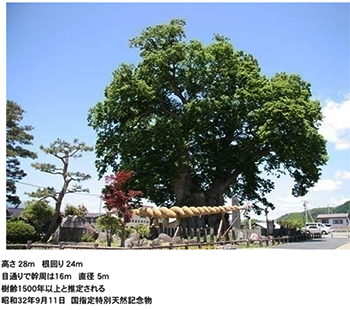
写真は「日本一の大ケヤキ」とされる山形東根市のHPからスクショ。
太さはともかく、高さが28mとなっているけれど、
11mの樹高までまっすぐな構造柱として利用するには、
ほぼこの程度もしくは以上の高さが必要のように思われる。
この東根の大ケヤキが特別天然記念物に指定されたのは昭和39年。
一方でこの篠原家主屋の建設は明治28年。その年代差は62年になる。
間に戦争も挟んでいるけれど、この程度の大ケヤキが
宇都宮まで移送可能な範囲で存在したということになる。
たぶん、伐採地周辺で天日乾燥作業もされ製材もされたのだろうけれど、
それにしても長さ11m、太さ45cmの角材は現代の大型トラックでも
道路移送にあたって相当の人力と輸送コストが掛かったに違いない。
複数の馬が引く馬車が仕立てられたのだろうけれど、
まことに豪放な建築風景が想起されてくる。
この篠原家は「奥州街道」の起点地に建てられたということなので、
その当時の「交通事情」にまで物証を提供してくれている。

そういったたくましい構造材の使用ぶりの建築なので、
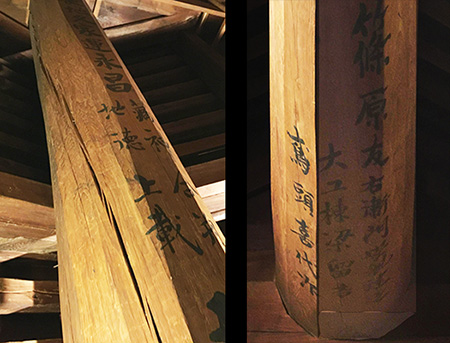
職人たちの心意気も大いにふるったに違いなく、隣接の蔵の方の構造材には
写真のような墨書書き込みが見られていた。
・施主:篠原友右衛門
・大工棟梁:留吉(?)
・鳶頭:喜代次(?)という人名がわかる。
かれらにとって、この建築は一世一代の大事業であっただろうことが
はるかに伝わってくる。まさに職人のプライド。
鳶頭という人名が棟梁と並んで記されているのは、
大型木造架構工事での作業重要度をあらわしてもいるのでしょうね。
高所での力業のリアリティも伝わってくる。
現場で多くの鳶職人たちが声を掛け合って集団作業で架構が行われた。
現代では「建築確認許可証」のような文書が残されるけれど、
やはり時代を超えて伝わってくる迫力はこうした墨書にはとても敵わない。
また構造材に書き込まれた家運永昌という「願文」も胸に響いてくる。

English version⬇

[A luxurious structural material, a wealthy merchant’s house in the Meiji era / a good Japanese house ㉝-2]
The photo above shows the Utsunomiya Gosho Shinohara family’s main pillar, which was built 126 years ago in 1887.
Solid zelkova with through pillars on the 1st and 2nd floors. The thickness is 45 cm square.
The structural material normally used in modern times is 12 cm or 10.5 cm square, so it is four times or more.
And it is said that the material is 11m to the top of the hut.
The fact that the lumber has this thickness means that both the length and the thickness
Well, I can’t imagine how much “raw wood” it was.
In the Kanto region, we often boast of building materials such as “total zelkova construction”.
In addition, the thicker it is, the more praised it is as a material selection.

The photo is a screenshot from the website of Higashine City, Yamagata, which is said to be “the biggest zelkova in Japan”.
Regardless of the thickness, the height is 28m,
To use as a straight structural pillar up to a tree height of 11m
It seems that a height of about this level or higher is required.
This large zelkova of Higashine was designated as a special natural monument in 1964.
On the other hand, the construction of this Shinohara landlord was in 1887. The age difference is 62 years.
There is a war in between, but this big zelkova
It means that it existed within the range that can be transferred to Utsunomiya.
Perhaps the lumber was done around the logging area and sun-dried, but
Even so, the 11m long and 45cm thick square lumber can be used on modern heavy-duty trucks.
In the first place, it must have taken considerable manpower and transportation costs to transport the road.
A carriage drawn by multiple horses may have been tailored,
It reminds me of a truly lavish architectural landscape.
This Shinohara family was built at the starting point of the “Oshu Kaido”, so
He even provided evidence to the “traffic conditions” at that time.

Because it is the first time to use such structural materials
The spirit of the worker must have been greatly shaken, and the structural material of the adjacent warehouse must have been
Ink writing like a photograph was seen.
・ Owner: Yuemon Shinohara
・ Carpenter builder: Tomekichi (?)
・ Tobitou: You can see the name of Kiyoji (?).
For them, this architecture would have been a big business of the generation.
It is transmitted far. It’s a craftsman’s pride.
The name of Tobitou is written alongside the ridge.
It may also indicate the importance of work in large wooden frame construction.
The reality of power work at high places is also transmitted.
At the site, many Tobi craftsmen talked to each other and the frame was constructed in a group work.
In modern times, documents such as “building confirmation permit” are left, but
After all, the power that is transmitted over time is not very competitive with such ink books.
In addition, the “request” written on the structural material, called Ieun Nagamasa, also resonates in my heart.