本文へジャンプ

【人の意識の「分断」とテレワークの生産性向上】


感染症の危機が声高に叫ばれて仕事環境は激変してきている。
死者数や重症化率は低い状況で推移してきているけれど、
企業活動にしてみると、テレビなどの大騒ぎには巻き込まれたくないという
防衛意識が強くなって行動抑制・安全側で最大限努力することになる。
この環境の中で「できること」をやる、ということになる。
たぶんみなさんほぼそうなっているだろうと思います。
企業活動としては情報を集め、可能な限りこの条件下での最適活動を探る。
テレワークの活性化というのも大きなテーマになるので
社内情報共有の進化のためにいろいろなツールを利活用することになる。
常時携帯しているスマホにはひっきりなしに社内情報連絡が入り
そのチェックだけでもかなり頻繁な活動になる。
直接的な営業接触などは限定化されるけれど、
その準備としての情報交換手段はむしろ非常に活発化しているので、
仕事の「密度」はむしろ相当にレベルアップしてきているのではないか。
年明け以降、徐々に諸案件が活発に動き始めて
昨日など各種打ち合わせで忙殺され社内連絡も詳細確認できていないものもある。

一方で昨日「私はコロナ怖くて一歩も外に出ていません」という
ある後期高齢者の単身生活の方のことばを聞いた。
取得する情報源がテレビに限定された多くの人々はこうなっているのかと
大きな意識の分断を感じさせられた。
マスクでしっかり危険を防御しつつ帰宅後は手洗いうがい励行しつつも
必要に応じて1日3−4件のリアルビジネス面談を行う仕事現場との認識ギャップ。
どうも日本人同士でも現実認識に大きな壁ができているように思う。
こういうことが本当はいちばん問題なのではないかと思う次第。
仕方なく広がっているこうした認識のズレ、ギャップをどう埋めるべきか、
経済活動は止めるわけにはいかないワケで
そうするとこのような認識ギャップに十分に配慮しながら、
より防衛的な対応を心がけていくのがやはり正解なのでしょう。

しかしテレワーク環境での「活性化」というテーマもまた奥深く興味深い。
これは図らずも「働き方改革」にもつながってくること。
ただ、こういった気付きもリアル面談会話でのコアな部分でこそ情報交換できる。
二律背反的な現実の中で、遅滞なく企業活動を進めるということは、
ある意味、非常にクリエイティブなことだとも思える。
暗中模索しながらですが、もがき続けていくことは大切なことと思います。
もう少しの我慢だと期待しています。

English version⬇

[“Division” of human consciousness and improvement of telework productivity]
The work environment is changing drastically as the crisis of infectious diseases is shouted out loud.
Although the number of deaths and the rate of aggravation have been low,
For those who are doing business, they don’t want to get caught up in the fuss about TV.
The defensive consciousness will become stronger, and the direction will be to make maximum efforts on the safety side of behavioral restraint.
Then, you will do “what you can do” in that environment.
I think everyone is probably like that.
As a corporate economic activity, we desperately collect information and search for the optimum activity under these conditions as much as possible.
Since activation of telework is also a big theme
Various tools will be utilized for the evolution of internal information sharing.
In-house information is constantly contacted on smartphones that are always carried
The check alone is a fairly frequent activity.
Although direct sales contact is limited,
The means of exchanging information in preparation for this is rather very active, so
It seems that the “density” has risen considerably.
Since the beginning of the year, various projects have gradually begun to move actively.
Some of them were busy with various meetings yesterday and could not confirm the details of internal communication.

On the other hand, yesterday, he said, “I’m scared of Corona and I haven’t gone out.”
I heard the words of a single elderly person living alone.
I wonder if this is the case for many people whose sources of information are limited to television.
It made me feel a big division of consciousness.
While firmly protecting against danger with a mask, while gargle and gargle after returning home
A recognition gap with the workplace where 3-4 real business interviews are held daily as needed.
I think that even Japanese people have a big wall in reality recognition.
I think this is really the biggest problem.
How to fill these gaps and gaps in perception that are unavoidably widening
I can’t stop economic activity
Then, while paying sufficient attention to such a recognition gap,
The correct answer would be to try to be more defensive.

However, the theme of “activation” in the telework environment is also interesting.
This unexpectedly leads to “work style reform”.
However, such awareness can be exchanged only in the core part of the real interview conversation.
In the antinomy reality, advancing corporate activities without delay means
In a way, it seems to be very creative.
I’m searching in the dark, but I think it’s important to keep struggling.
I expect it to be a little more patience.

【見栄優先建築 meets寒冷地 江戸期「本陣」研究4】


江戸期の賑々しい大名行列・参勤交代の大名宿駅としての本陣建築ですが、
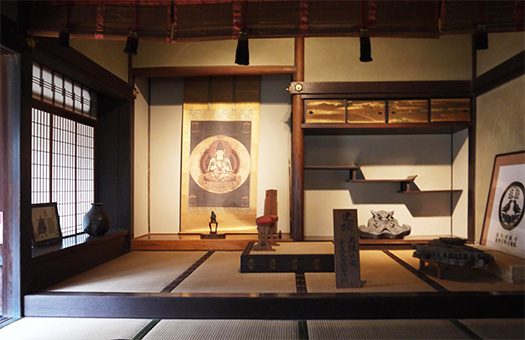
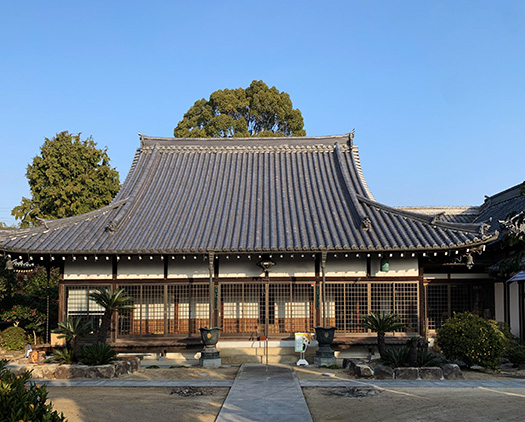
写真上はわが家が関係していた西国街道・今津の「脇本陣」蓮華寺の「上段の間」。
武家の世というのは鎌倉以来、江戸期まで700年ほど継続した。
建築文化は日本でさまざまに発展してきたのだと思いたいけれど、
いつも疑問に感じさせられるのが、それが居住性を基本に置いていたのか、
たいへん疑わしいと思うことなのです。
すごいなぁ、立派だなぁ、とは素直に思えない・・・。

旅宿建築なのでその時代の共有の価値感が表現される。
最大公約数としての「建築基準」が適用されると言い換えてもいい。
支配階級としての武家の価値感がそこに反映されることになるけれど、
なにより重視されるのがこの「上段の間」なのですね。
建築デザイン要件としては基本、下から見上げた「見た感じ」が基準になる。
背景に床の間、床柱、違い棚などが配されて、
下の段の広間空間に対しては床面が1段高くなっている。
空間の仕切りとしてさらに天井からすだれが装置されていて、
場合によってはそれを上下させて殿様の威厳性を装飾した。
旅行中で簡易ではあるけれど「身分」認識を強く迫るという空間仕様。
当の殿様たちはこの上段の間で豊かな居住性を楽しんでいたとも思われない。
床の間などの背景装置は「いごこち」に関係するものではない。
書院は書見などの用を満たす装置でやや実用性ではあるけれど、
さりとて明治以降の文化人たちの書斎空間の実用性にはほど遠い。
空間の面積としては6畳で床の間・違い棚に2畳相当。
したがって主君の専有面積は4畳ということになる。
居住性に多少とも関係するのは畳ということになるけれど、
広間の床面とそれについては差のつけようがない。
まぁ、縁の意匠性表現で「違いがわかる」人間にはわかる、というようなことか。
総じてやはり「見栄」最優先というのが建築趣旨となっている。

明治以降北海道の開拓で、こういった「建築基準」の社会が
寒冷地に進出していくけれど、建築技術としては要諦ポイントがまず合わない。
江戸時代でも市街地建築では茅葺きを禁止するなどの「防火」基準はあった。
しかし実用に役立つ環境性能要件ということはまったく気付かずにやってきた。
見栄が最高の規範では寒冷気候に打ちのめされるのはわかりきったこと。
北海道という新国土がまったく異質の気候条件地域だったことで
日本建築は大激変に見舞われたということなのでしょうね。
こういったインテリア空間、建築外皮表現などでも、
ミエ基準からより合理性基準に置き換わっていったのでしょう。
ちょうど現在時点で国の建築性能基準モノサシ変更が焦点になっているけれど、
建築の実質がより「いごこち」重視の方向に変化するきっかけとして
日本社会は北海道という地域との遭遇があったのだと思います。
江戸期の停滞から一気に明治以降の社会発展があったのは、
建築に求められる基本要素が大転換したことが大きかったのでしょう。
幕末の動乱大波以降、わが家系は最終的に北海道移住を選択するのですが
そうか、こういうしがらみ社会で呻吟していたかと、
この空間を見ているといろいろな想念が沸いてきております。

English version⬇

[Appearance priority architecture meets cold region Edo period “Honjin” research 4]
Although it is the main building as a Daimyo-juku station with a lively Daimyo procession and change of attendance during the Edo period,
On the photo is the “Wakihonjin” on the Saigokukaido, Imazu, where my house was related, and the “Upper section” at Rengeji Temple.
The world of samurai has continued for about 700 years since Kamakura until the Edo period.
I want to think that architectural culture has developed in various ways in Japan,
What always makes me wonder if it was based on habitability.
It’s very suspicious.
I don’t think it’s amazing, it’s fine …

Since it is a lodging architecture, it expresses the shared value of that era.
In other words, the “building standard” as the greatest common divisor is applied.
The value of the samurai as a ruling class will be reflected there,
The most important thing is this “upper room”, isn’t it?
Architectural design requirements are basically based on the “feeling of seeing” seen from below.
In the background, there are alcove, alcove, different shelves, etc.
The floor is one step higher than the lower hall space.
A blind is installed from the ceiling as a partition of the space.
In some cases, it was moved up and down to decorate the dignity of the lord.
Although it is simple while traveling, it is a space specification that strongly presses for “identity” recognition.
It is unlikely that our lords enjoyed a rich habitability among the upper tiers.
Background devices such as alcove are not related to “comfort”.
The Shoin is a device that fulfills the needs of reading books, and although it is a little practical,
It is far from the practicality of the study space of cultural people after the Meiji era.
The area of ​​the space is 6 tatami mats, which is equivalent to 2 tatami mats between the alcove and the different shelves.
Therefore, the area occupied by the master is 4 tatami mats.
It is tatami that has something to do with livability,
There is no difference between the floor of the hall and it.
Well, it seems that human beings who “understand the difference” can understand by the design expression of the edge.
As a whole, the purpose of architecture is to give top priority to “appearance”.

With the development of Hokkaido after the Meiji era, a society with such “building standards” has been established.
Although we are expanding into cold regions, the key points of construction technology are not suitable.
Even in the Edo period, there were “fire prevention” standards such as prohibiting thatched roofs in urban buildings.
However, I came unaware that it was a practical environmental performance requirement.
It’s clear that the best-looking norms are overwhelmed by cold climates.
Because the new land of Hokkaido was a completely different climatic region
Perhaps Japanese architecture was hit by a cataclysm.
Even in this kind of interior space, architectural skin expression, etc.
Perhaps it has replaced the Mie standard with a more rational standard.
At the moment, the focus is on changing the national building performance standards.
As an opportunity to change the substance of architecture in the direction of emphasizing “comfort”
I think that Japanese society had an encounter with the area of ​​Hokkaido.
The reason why there was social development after the Meiji era at a stretch from the stagnation in the Edo period
Perhaps it was a major shift in the basic elements required for architecture.
After the turbulent waves at the end of the Edo period, my family eventually chose to move to Hokkaido.
Well, I wondered if I was groaning in this kind of straitjacket society.
Looking at this space, various thoughts are coming up.

【尊王思想家・頼山陽と接触痕跡 江戸期「本陣」研究3】


参勤交代で各藩の大名たちは1年交替で地元と江戸を往復した。
77万石の薩摩・島津藩でその1回の費用が17,000両、大工手間賃とのレート換算で
現代の貨幣価値として51億円と推計してみた。
全国は幕末時期でおおむね3000万石といわれた。
参勤交代義務のない徳川宗家や皇室寺社など800万石を除くとその他2200万石。
単純比較はできないけれど、島津藩をモノサシにすると
全国で参勤交代の経済規模は500,000両と計算できるけれど
薩摩は飛び抜けて移動距離が長かっただろうから、
全国総計はおおむねその半額程度、現代貨幣換算では600億円規模となる。
江戸や大坂といった貨幣経済先進地域以外での商業としては
本陣というビジネスは重要な貨幣経済機会であったことは間違いない。
江戸幕府開設以来、この経済活動誘因は変わることなく存在した。
当然その「市場」を狙って多くの参加者が活動したことだろう。
わが家系は江戸後期にこの「本陣」市場に積極的に関わっていた。
本陣家・河本氏に奉公勤めしたあと独立自営者へと変化して
220-230年前頃から160年前ころまでは家業は順調に推移している。
英賀屋という屋号で隣の宿場町・尾道の本家英賀屋と繋がりながら独立自営し
こちらの河本本陣家との強い関係性で生き残ってきていた。
たぶん本陣ビジネスそのものは英賀屋の商い全体では小額だったが
その「暖簾」に強い信用力を生み出す事業分野だったのだろうか。

「当家は今津宿本陣の用向きを務めさせていただいています」という口上。
「ほう、そういうことならばいろいろ機微な情報も・・・」
「いえいえそんな大それた事は(笑)」
実際に甲子夜話を書いた大名・松浦静山と言葉を交わした一節も紹介した。
大名本人や有力家臣たちとの接遇の折に会話は普通にあっただろう。
わが家には幕末の知識人、頼山陽の書があったと伝わっている。
かれは幕末期の尊王倒幕イデオローグとして反幕府勢力に影響力があった。
頼山陽は尾道の有力商家・福岡屋の娘で有名画家の平田玉蘊とは愛人関係。
尾道には頼山陽が長期間寄宿していた時期があり、隣町8kmほどの今津の
わが家の先祖のひとりもかなり濃厚な接触をしていた形跡がある。
頼山陽の尾道での「サロン」に深く係わっていたようなのです。
尾道の商家とはいくつかの婚姻関係の記録もある。
西国大名家にとってやがて明治維新に連なっていく政治動乱要因の情報は
さまざまに情報価値を持っていたに違いない。
あるいは頼山陽を今津の宿泊大名に引き合わせるというようなことも
あった可能性はあると推測しています。
長州の反幕府勢力などはもっとも可能性が高いのではないか。
ひとつの状況証拠として、反幕府活動で刑死した頼山陽の子「三樹三郎」に対し
ほぼ同時代のわが家の先祖名に「美之三郎」という特異な名付けがある。
相当濃厚な頼山陽グループとの接触があった痕跡。
ただし本陣での密議として幕府に目をつけられ詮議されていた可能性も高い。
やがて長州征伐などの政治動乱に時代は突入していく。
・・・本陣での武家との接触機会は諸刃の刃の側面が強かったに違いない。
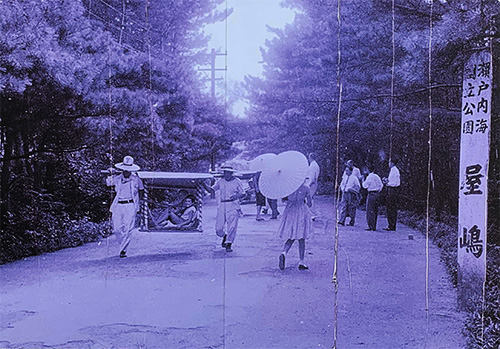
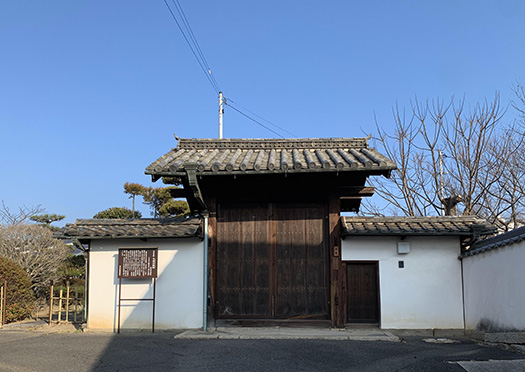
<写真は脇本陣「蓮華寺」門と交通手段「駕籠」資料写真in屋島>

English version⬇

[Traces of contact with Sonno thinker Rai Sanyo Edo period “Honjin” study 3]
The daimyo of each clan took turns for one year to go back and forth between the local area and Edo.
At 770,000 stones of Satsuma and Shimazu clan, the cost of one time is 17,000 cars, converted to the rate of carpenter’s labor fee.
I estimated it to be 5.1 billion yen as a modern monetary value.
It was said that the whole country was about 30 million stones at the end of the Edo period.
Excluding 8 million stones such as the Tokugawa sect and the imperial temple, which are not obliged to change attendance, there are 22 million stones.
I can’t make a simple comparison, but if I make the Shimazu clan a monosashi
The economic scale of the change of attendance can be calculated as 500,000 cars nationwide.
Satsuma would have traveled a long distance by far,
The national total is about half the price, which is about 60 billion yen in modern monetary terms.
As a commerce outside the advanced monetary economy areas such as Edo and Osaka
There is no doubt that the business of the headquarters was an important monetary economic opportunity.
Since the establishment of the Edo Shogunate, this incentive for economic activity has remained unchanged.
Naturally, many participants would have worked toward that “market”.
Our family was actively involved in this “main camp” market in the late Edo period.
After working as an indentured servant for the head family, Mr. Kawamoto, he changed to an independent self-employed person.
From 220-230 years ago to 160 years ago, the family business has been doing well.
Under the name of Eigaya, he is self-employed while being connected to the head family Eigaya in Onomichi, the neighboring post town.
He has survived because of his strong relationship with the Kawamoto Jin family.
Perhaps the main business itself was a small amount for the entire business of Eigaya
Was it a business field that created strong creditworthiness for the “goodwill”?

“Our family is serving as the main camp of Imazu-juku,” he said.
“Well, if that’s the case, there’s a lot of sensitive information …”
“No, that was such a big deal (laughs)”
I also introduced a passage that exchanged words with the daimyo Matsuura Seizan who actually wrote the Kasshi Yawa story.
Conversations would have been normal when dealing with the daimyo himself and influential vassals.
It is said that there was a book by Rai Sanyo, an intellectual at the end of the Edo period, in my house.
He had an influence on the anti-Bakufu forces as the ideologue of the defeat of the King of the late Tokugawa period.
Rai Sanyo is a mistress of Onomichi’s leading merchant, Fukuokaya’s daughter and famous painter, Skandha Hirata.
There was a time when Rai Sanyo was boarding in Onomichi for a long time, and in Imazu, about 8km from the neighboring town.
There is evidence that one of our ancestors also had a fairly strong contact.
It seems that he was deeply involved in the “salon” in Onomichi, Rai Sanyo.
There are also some records of marriage with Onomichi merchants.
For the Western Daimyo family, information on the factors of political upheaval that will eventually lead to the Meiji Restoration
It must have had various information values.
Or you could bring Rai Sanyo to the lodging daimyo of Imazu.
I’m guessing it might have happened.
The anti-Bakufu forces in Choshu are most likely.
As one circumstantial proof, for Rai Sanyo’s child “Mikisaburo” who was sentenced to death in anti-Bakufu activities.
There is a peculiar name “Minosaburo” in the ancestor name of my family at almost the same time.
Traces of contact with the Rai Sanyo group, which is quite rich.
However, it is highly possible that the shogunate was noticed and debated as a secret discussion at the headquarters.
Eventually, the times will enter into political turmoil such as the conquest of Choshu.
… The chance of contact with the samurai in the main team must have been strong on the side of the double-edged blade.

【大名参勤交代の経済 江戸期「本陣」研究2】


きのう、つい江戸期のわが家系のビジネス実態を書いてしまったのですが、
ブログで研究し始めるといろいろ探索もできるので少し深掘りしてみます。
なるべく「公知」が深まる方向にと思いますのでご容赦を。
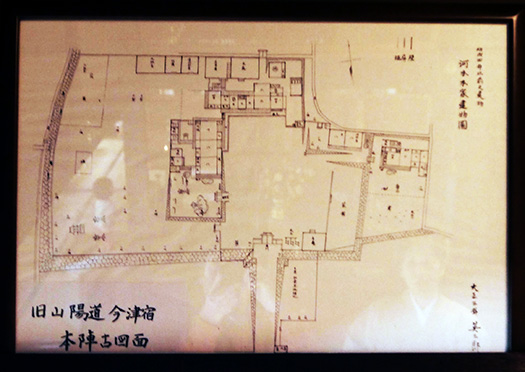
上の図は西国街道の尾道と神辺の中間にあった「今津宿」本陣図面。
図面は平面図ですが、平屋で広大なグランド平面が確保されている様子がわかる。
江戸期の参勤交代は各藩にとってはたいへんな出費を強いられる制度。
たぶんすべての人員を旅宿に収容することは困難で歩兵クラスは野営だっただろう。
日本の各地に神社仏閣が広大な敷地で残っているのは
こういう「軍隊移動」の利便性という事情が反映しているのではないか。
今津でも「脇本陣」は蓮華寺が指定されている。

きのうに引き続き、九州の平戸藩主松浦静山が書いた「甲子夜話」引用。
〜安芸国をも出て、備後国三原の城をもあとになし、糸崎なる八幡の宮をふし拝み、
(中略)尾道の塩焼く浜の冬景色、煙もたえだえ心も慰まで、坂こえ行けば一里あまり、
今津村にいたりここにとまる。家は小高きところにて河本保平という庄屋なり。〜
尾道の塩焼きする浜辺を過ぎて1里あまりで今津に到着したと記載。
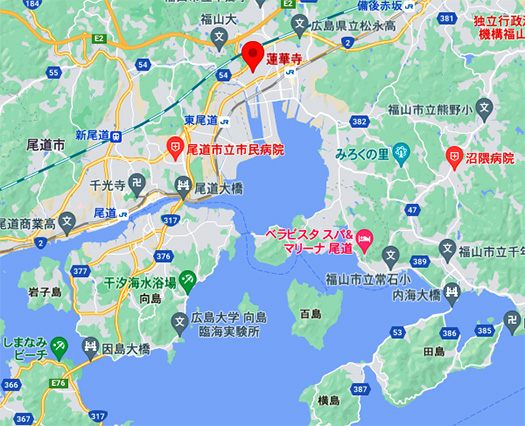
この「尾道−今津ー神辺」は現在の地図に即してGoogle Map「歩き」で見てみると
おおむね「国道2号線」沿線とわかる。国道は西国街道が初源なのでしょう。
行程は25.8kmだけれど尾道からは上り道がけっこう急激であることがわかる。
ただ尾道ー今津間は距離にして8-10km程度なので、参勤交代旅宿として
両方に泊まるか疑問で、たぶん計画段階で取捨選択したに違いない。

九州の島津家・薩摩藩77万石の場合、総移動距離は440里(1,700km)で
所要日程は40-60日とされ随員は1,880人という記録がある。
随員は多少は前後はしただろうけれど、格式・見栄重視の江戸社会では
大枠としての規模は維持していたと思える。
総費用は17,000両、両と円換算は公式研究はなく時代によっても違いがあるが、
「試算として1両を米価、賃金(大工手間賃)と比較すると米価は1両=約4万円、
賃金で1両=30~40万円。米価換算の1両価値は江戸初期で10万円、
中~後期で3-5万円、幕末頃は3-4千円になる」というWEB上の参考記述がある。
コメ生産基準経済が幕末では現実社会とミスマッチしていたことがうかがえる。
石高だけで各藩の経済運営をしていたのでは社会とのひずみは拡大する一方。
薩摩藩の総費用は大工手間換算では51億円と少しまともだが、
幕末米価換算では最小では5,100万円、これはありえないほど安いので、
実勢は大工手間換算が近いように思える。石高経済の破綻に襲われた各藩は
相当に懐具合が切迫していたことが明白。きのう書いたように、
本陣側としてはビジネスのコスパはよくなかったのではないか。
今津では幕末期に本陣・河本家とわが家系を含めた類縁が「打ち毀し」に遭遇する。
これはそれまでの社会制度維持が破綻したことを表現している。
武家の「見栄」重視に依拠した経済は初期はよかっただろうけれど、
徐々に儲からないビジネスになっていたのだろう。

English version⬇

[Economy of Daimyo Sankin-kotai Study of “Honjin” in the Edo period 2]
Yesterday, I wrote about the actual business situation of my family in the Edo period.
If you start researching on the blog, you can explore various things, so I will dig a little deeper.
Please forgive me because I think that “publicity” will deepen as much as possible.
The figure above is a drawing of the Honjin of “Imazujuku” located between Onomichi and Kannabe on the Saigoku Kaido.
The drawing is a plan view, but you can see how a vast ground plane is secured in a one-story building.
The change of attendance during the Edo period is a system that forces each clan to spend a lot of money.
Perhaps it was difficult to accommodate all personnel in the inn and the infantry class was camp.
The fact that shrines and temples remain on vast sites in various parts of Japan
It may reflect the convenience of such “army movement”.
Even in Imazu, “Wakihonjin” is designated as Renge-ji Temple.

Continuing from yesterday, a quote from “Kasshi Yawa” written by Seizan Matsuura, the lord of the Hirado feudal lord in Kyushu.
~ Leaving Aki Province, leaving the castle of Mihara, Bingo Province, and worshiping the shrine of Hatiman, Itosaki.
(Omitted) The winter scenery of the salt-grilled beach in Onomichi, the smoke, the heart and the comfort, if you go over the slope, it’s about a ri.
I went to Imazu village and stayed here. The house is a shoya called Hohei Kawamoto in a small high place. ~
It is stated that he arrived at Imazu in about a ri after passing the salt-grilled beach in Onomichi.
If you look at this “Onomichi-Imazu-Kannabe” on Google Map “Walk” according to the current map
It can be understood that it is generally along “National Highway No. 2”. The Saigoku Kaido is probably the first national highway.
The journey is 25.8km, but you can see that the uphill road is quite steep from Onomichi.
However, the distance between Onomichi and Imazu is about 8-10km, so as a substitute lodging for attendance.
I was wondering if I would stay in both, and I must have made a choice at the planning stage.

In the case of the Shimazu family and Satsuma domain of 770,000 stones in Kyushu, the total travel distance is 440 ri (1,700 km).
The required schedule is 40-60 days, and there is a record of 1,880 attendees.
The number of attendees may have changed a little, but in the Edo society where the emphasis is on formality and appearance.
It seems that the scale as a general framework was maintained.
The total cost is 17,000 cars, and there is no official research on both and yen conversion, but there are differences depending on the times,
“As a trial calculation, one car is the rice price, and when compared with the wage (carpenter’s labor wage), the rice price is one car = about 40,000 yen,
The wage is 1 car = 300,000-400,000 yen. The value of one car in terms of rice price is 100,000 yen in the early Edo period.
There is a reference description on the WEB that says, “It will be 30,000 to 50,000 yen in the middle to late period, and 3,000 to 4,000 yen by the end of the Edo period.”
It can be seen that the rice production standard economy was mismatched with the real world at the end of the Edo period.
If Kokudaka alone managed the economy of each clan, the distortion with society would only increase.
The total cost of the Satsuma domain is 5.1 billion yen in terms of carpenter’s labor, which is a little decent.
The minimum rice price conversion at the end of the Edo period is 51 million yen, which is unbelievably cheap.
The actual situation seems to be close to the carpenter’s labor conversion. Each clan that was hit by the collapse of the Kokudaka economy
It is clear that the condition of the pocket was very imminent. As I wrote yesterday
I think the cost performance of the business was not good for the main team.
In Imazu, at the end of the Tokugawa shogunate, the Honjin / Kawamoto family and their relatives, including my family, encounter a “destruction”.
This expresses that the maintenance of the social system up to that point has collapsed.
The economy that relied on the samurai’s emphasis on “appearance” would have been good at the beginning,
It would have gradually become a non-profitable business.

【江戸期230年前頃の西国街道宿「本陣」の経済実態】


広島県福山市今津という地域はわが家に直接繋がる先祖が
商家として活動していたと家系伝承されています。
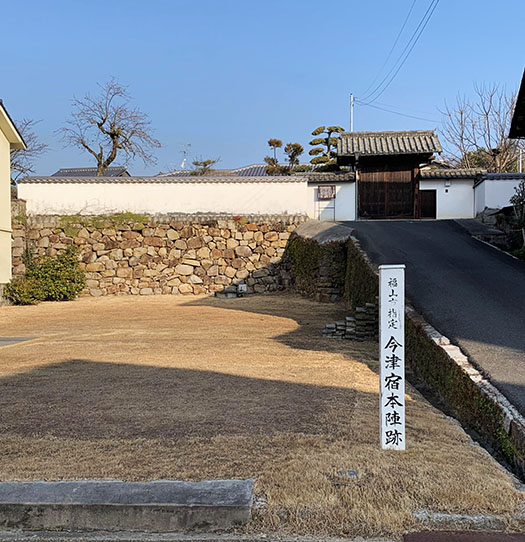
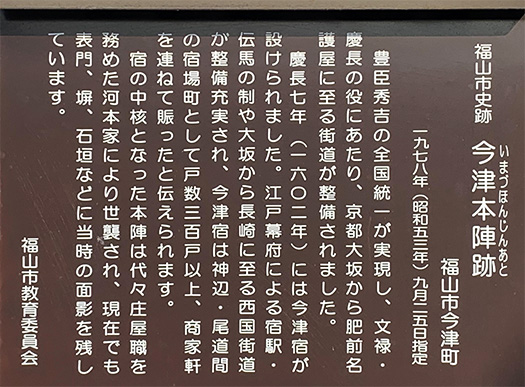
写真はその今津の中核的な施設としての「本陣跡」の最近の様子。
わが家はこの今津本陣の用向きを承っていたとされているのですね。
本陣とは江戸期の宿場で身分が高い者が泊まった建物。大名や旗本、幕府役人、
勅使、宮門跡らが利用した。原則として一般の者を泊めることは許されず、
営業的な意味での「宿屋」とはいえない。宿役人の問屋や名主などの居宅が
指定されることが多かった。また本陣に次ぐ格式の宿としては脇本陣があった。
ちなみに今津では古代の国造の時代からの有力豪族・河本家が本陣で
脇本陣にはわが家の菩提寺の蓮華寺が指定されていた。
今津は、西国街道で尾道と神辺の中間の宿だけれど、記録では
薩摩家などの有力大名の宿泊記録も残っているとされている。
松浦静山という江戸時代中・後期の肥前国平戸藩の第9代藩主が
退隠後書き残した「甲子夜話」の一節に「手代・勘蔵三十余」と字が間違って
書き記されているのがわたしの5代前の先祖。
正しくは「寛蔵」ですが大名・貴人に修正を申し入れるワケにはいかなかった(笑)。
かれ寛蔵は西暦1800年で満30才なのでその時期の消息。
世間知らずの殿様なので本陣一室に群居している様子を「和睦友愛」と書いている。
本陣というのはその地域有力者の居宅建築が指定され使用されるので、
平戸藩主という大名貴人一行の御用を承るために控えていたのでしょう。
茶を出すとか、食事の用意、寝所を調えるとかを大名、その家臣ごとに
それぞれの格式をわきまえながら接遇するのは気骨が折れたことでしょう。
ヘタを打てば「手討ちに致す」とされかねない。
それぞれの事柄について問われればその解説も申し上げねばならず、
「この茶はどこの産地のものか?」とか、「茶碗の由縁はどのようか?」
などと大名・貴人から問われれば答えなければならなかった。
それなりの知識習得などの対応も迫られたことでしょう。
わが家は河本さんから信頼されこの一室に一緒に同居してかしこまっていたので
頼りに足るとみなされていたと思われます。
経済面で見ると、本陣には宿泊者から謝礼が支払われたがそれは対価ではなく
あくまでも「謝礼」で対価としては十分なものとは言えなかったとされる。
そこで本陣指定に伴い主人には苗字帯刀、門や玄関、上段の間を設けることができるなど
特権が認められた。それらを名誉なこととして受け止め歓迎する向きもあったものの、
出費がかさんだことで没落する家もあった。特に江戸時代後期になると藩財政の悪化に伴う
謝礼の減額や家業(商業や農業など)の不振による経営難で、
元の本陣家が破綻して指定変えされたケースも少なくないとされている。
幸いにしてこの今津では一時期を除いてなんとか存続しているが
幕末には近在住民からの本陣「打ち毀し」にも遭遇している。
参勤交代の多大な出費問題は幕末情勢のひとつの大きな要因でもあった。
どんな経済的経緯があったか、ひもといていくカギはいろいろあるところです。

English version⬇

[Economic reality of Saigokukaido inn “Honjin” around 230 years ago in the Edo period]
In the area of ​​Imazu, Fukuyama City, Hiroshima Prefecture, there are ancestors who are directly connected to my home.
It is said that he was active as a merchant.
The photo shows the recent state of “Honjin Ruins” as the core facility of Imazu.
It is said that my family was in charge of this Imazu Honjin.
Honjin is a post station in the Edo period where high-ranking people stayed. Daimyo, Hatamoto, Shogunate officials,
It was used by the envoy, the ruins of Miyamon. As a general rule, it is not allowed to stay in the general public,
It cannot be said to be an “inn” in the business sense. The homes of wholesalers and masters of inn officials
It was often specified. In addition, there was Wakihonjin as a formal inn next to Honjin.
By the way, in Imazu, the Kawamoto family, a powerful tribe from the ancient national era, is the main team.
Rengeji Temple, the family temple of my family, was designated as the Wakihonjin.
Imazu is an inn between Onomichi and Kannabe on the Saigoku Kaido, but in the record
It is said that there are also lodging records of leading daimyo such as the Satsuma family.
The 9th feudal lord of the Hirado Domain in Hizen Province, called Matsuura Seizan, in the middle and late Edo period
In the passage of “Kasshi Yawa” that I left behind after his retreat, the word “Teyo / Kanzo 30” is wrong.
What is written is my ancestors five generations ago.
The correct name is “Kanzo”, but I couldn’t make a request for correction to the feudal lord / nobleman (laughs).
Kanzo was 30 years old in 1800 AD, so he was informed at that time.
Since he is a naive lord, he writes that he is living in a group in the main room as “Wamu fraternity”.
Since the main camp is designated and used as the home building of the influential person in the area,
It must have been gathered to accept the request of a group of daimyo nobles named Hirado feudal lord.
Daimyo, such as serving tea, preparing meals, and preparing a sleeping place, for each of his vassals
It would have been a pain to treat each other while understanding each form.
If you hit the calyx, it could be said that you’re going to kill yourself.
If you are asked about each matter, I have to explain it,
“Where does this tea come from?” Or “What is the reason for the bowl?”
I had to answer when asked by a daimyo / nobleman.
It would have been necessary to take measures such as acquiring some knowledge.
My house was trusted by Mr. Kawamoto and I lived together in this room, so I was clever.
It seems that it was considered reliable.
From an economic point of view, the main team was paid a reward from the guest, but it was not the price.
It is said that the “reward” was not sufficient as a consideration.
Therefore, according to the designation of the Honjin, the master can be provided with a sword with a surname, a gate, a front door, and an upper section.
Privilege was granted. Although some people accepted them as an honor and welcomed them,
Some homes collapsed due to expensive expenses. Especially in the latter half of the Edo period, due to the deterioration of the clan’s finances
Due to management difficulties due to reduced rewards and sluggish family business (commerce, agriculture, etc.)
It is said that there are many cases in which the original Honjin family went bankrupt and the designation was changed.
Fortunately, this Imazu has managed to survive except for a period of time.
At the end of the Tokugawa shogunate, he also encountered the “defeat” of the main team from nearby residents.
The large expense problem of the change of attendance was one of the major factors in the situation at the end of the Edo period.
There are various keys to what kind of economic background there was.

【あれま(笑) 3.5ヶ月➡10日で照明部品到着】


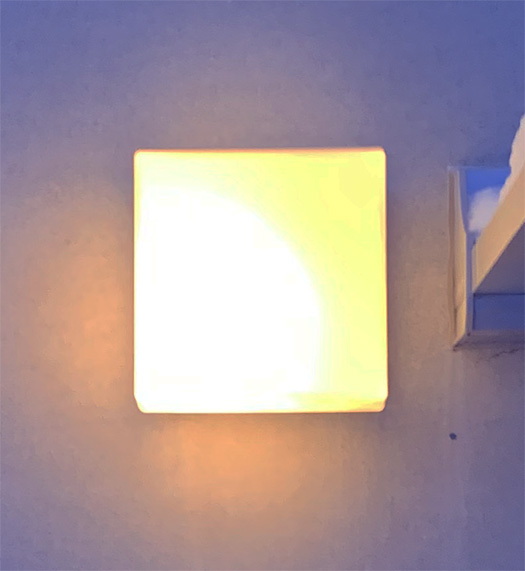
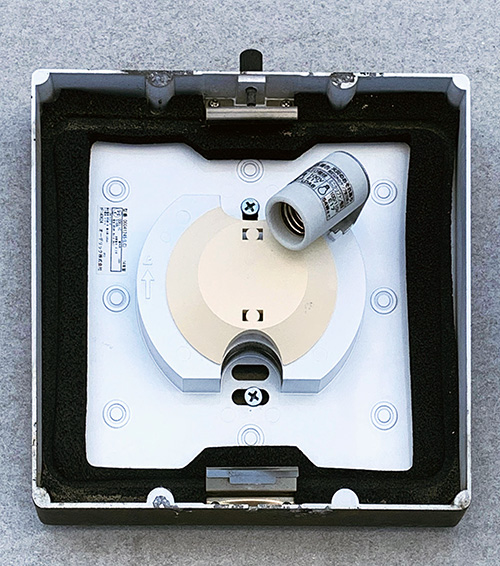
金曜日28日に、先日大雪の時に破損させた外部照明ガラスグローブが到着。
その旨の連絡を部品発注したショップから受けました。
・・・という流れはごく一般的にある推移展開でありますが、
イマイチ「あれま」と思うのは、店舗からもメーカーからも発注時、
「納期には3カ月半掛かりますが、よろしいですか?」と
念押しされて「え?」と思っていた経緯があったからです。

最初、店舗から流通仲買業者さんに確認を求めたところ
「モノは取り寄せ可能だけれど、納期は3カ月半かかります」
というおいおいの、木で鼻をくくったような対応だった。
ユーザーであるわたしたちもあやまって部品を破損させた後処理として
その部品を取り寄せるというのが普通一般的にあり得る選択。
商品の多品種化状況の中でメーカーと「商品型番」を調べて流通業者さんに
部品取り寄せが可能か、お願いしたというのが今回の流れ。
そんなに特殊な製品を「こだわって」選んだ記憶もなかったので、
まさか3カ月半という長期の納期は予想していなかったけれど、
メーカーにも再度確認の上でやむを得ないと発注していた。
経緯は1/19-20のブログにも書きました。
ということで、多品種生産流通の日本のものづくりの将来はどうなるのか、
きちんと維持されていくのか、人手不足が深刻化する未来に向かって
日本の製造業がどう対応できていくのか、
ひとつの断面局面として興味を抱かされた次第だったのです。

それがあっけないほどに早く部品が到着した。
この納期であれば、地理的条件などを考えれば素晴らしい対応力。
メーカーも流通も、十分に市場存続可能性が高い。
結果としてはそう言えるのではないかと思います。
で「3カ月半」が「10日」になってハッピーエンド・・・となるかどうかは疑問。
今回はメーカーの「製造計画」説明を「しょうがない」と諦めて受け入れた経緯。
キツネにつままれた感がどうしてもぬぐえない(笑)
経緯を推測すれば、メーカーには部品在庫はたしかにゼロだった。
で、ユーザー対応として安全側で「3カ月半」と製造計画を告知しておいた。
その了解が取れたので本格発注となって、流通業者が在庫を点検したところ
数点、在庫が確認できた。で、納品が早くなるのは喜ばしいだろうということで
大幅な期間短縮で納品されることになった、というところでしょう。
部品を取りに行ったショップの方は自分で「3カ月半」と言った手前があり
表情にスッキリしない感が見られていました。
ということで「安全側対応」というのが今回の経緯なのかなと気付かされる。
クレーム事案にならないようにユーザーに対しては慎重に対応し
現実的には迅速な対応を行う。結果オーライになれば三方よしという考え。
ただこの「安全側対応」というのは価値判断がわかれるところかも。
まぁユーザー側としては無用に引きずらず結果オーライと納得するのが
心理的にも無難ではないかと思っています。
しかし3カ月半って言われたときの脱力感は少し心に残っています(笑)。

English version⬇

[Arema (laughs) 3.5 months ➡ Lighting parts arrive in 10 days]
On Friday 28th, the external lighting glass gloves that were damaged during the heavy snow the other day arrived.
I received a notification to that effect from the shop that ordered the parts.
The flow of … is a very general transitional development,
I don’t think “Arema” is when ordering from both the store and the manufacturer.
“It takes three and a half months for delivery, is that okay?”
It was because I was reminded and thought “What?”

At first, the store asked the distribution broker for confirmation.
“We can order things, but it takes three and a half months to deliver.”
It was like having a nose with an oioi tree.
As a response that we, as users, accidentally damaged
Ordering the part is usually a generally possible choice.
In the situation of diversification of products, check the manufacturer and “product model number” and ask the distributor
The flow of this time was to ask if it was possible to order parts.
I didn’t even remember asking for such a special product.
I didn’t expect a long delivery time of three and a half months, but
After confirming with the manufacturer again, it was unavoidable to place an order.
I also wrote the details on the 1 / 19-20 blog.
So, what will happen to the future of Japanese manufacturing in high-mix production and distribution?
Whether it will be maintained properly, toward the future where labor shortages will become more serious
How the Japanese manufacturing industry can respond
I was interested in it as a cross-sectional aspect.

The parts arrived so quickly that it was unbelievable.
With this delivery date, it is a wonderful responsiveness considering the geographical conditions.
It seems that both manufacturers and distributors have a high possibility of market survival.
As a result, I think that can be said.
It is doubtful whether “3 and a half months” will become “10 days” and a happy ending.
This time, he gave up and accepted the explanation of the manufacturer’s “manufacturing plan” as “nothing”.
I just can’t wipe the feeling of being pinched by a fox (laughs)
Guessing the circumstances, the manufacturer had no parts inventory.
So, as a user response, the safety side announced the manufacturing plan as “3 and a half months”.
Since I got that understanding, I made a full-scale order and the distributor checked the inventory.
I was able to confirm the inventory of several items. So, I’m glad that the delivery is quick.
It seems that it will be delivered in a significantly shortened period.
The shop who went to pick up the parts had to say “3 and a half months” by himself.
There was a feeling that the expression was not refreshing.
Therefore, it is noticed that “safety side response” is the background of this time.
Carefully respond to users so that they do not become complaint cases
In reality, we will respond promptly. The idea is that if the result is all right, it will be good for Mikata.
However, this “safety side response” may be a place where value judgment can be understood.
Well, on the user side, it is convincing that the result is okay without dragging unnecessarily.
I think it’s psychologically safe.
However, the feeling of weakness when I was told that it was three and a half months was a little memorable (laughs).

【屋島寺本堂にみる歴史の積層 四国・屋島-9】


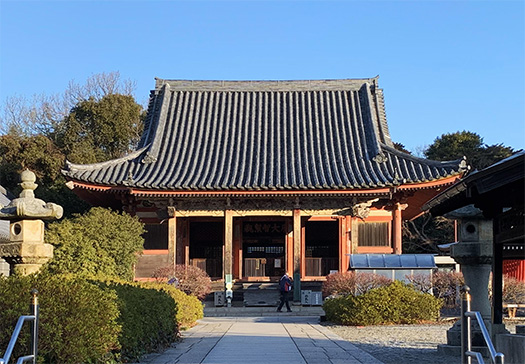
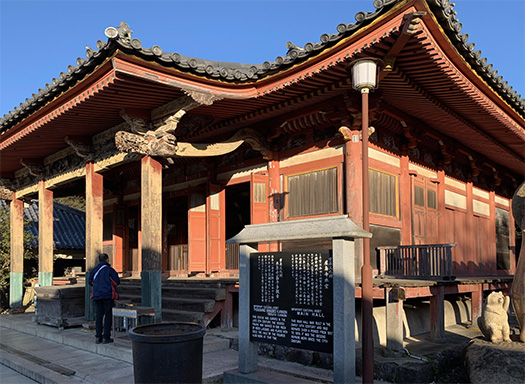
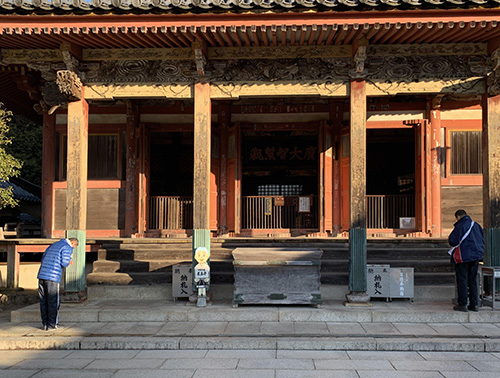
さて、屋島寺の本堂建築であります。
屋島寺自体は鑑真の来朝時までさかのぼる。
753年12月に鹿児島に到着し12月26日に太宰府に到着して、
翌年2月4日に奈良の都に入城している。
この間の上洛途上のいずれか時点で屋島に来て、開山痕跡を残したとされる。
唐・新羅連合軍との白村江海戦は663年だから鑑真の時代でも90年前のこと。
鑑真自身は唐の国家からは来日を許可されないままだったので、
国家間の関係についてはあまり関係がなかっただろうけれど、
それでも奈良の都への途次で印象的な景観の屋島を見てか、
随行者などから屋嶋城の来歴を聞いて事前段階でアタリを付けていたに違いない。
鑑真というのは国家が認定する「僧」の資格付与、学問的宗教的権威の招来。
鎮護国家の政策から四国の要衝として屋島に国家寺院を開く方針は
事前段階で決まっていたように思われる。
現在地から1kmほどの屋島北嶺山上に前身とされる千間堂(遺跡)を造作した。
そして直後に弟子を遣わし正式に屋島に寺を開かせている。
その62年後・815年に嵯峨天皇の勅願を受けた空海は古代山城屋嶋城の閉鎖に伴い
南嶺の屋嶋城本部跡地に堂を北嶺から移設した。
その堂社が存在したのだろうけれど、初源の現存本堂堂社は650年あまり前の
鎌倉末期創建とされる。ということは源平合戦の150年くらい後の時代で、
創建時に於いてすでに大きな歴史事象の舞台という認識があったでしょう。
本堂:入母屋造、本瓦葺き。鎌倉時代の前身堂の部材を用いて1618年建立。
その後、江戸期、昭和期と大修理・解体修理を繰り返して現代に至っている。

こちらは四天門で増長天・持国天、多聞天・広目天の四天王像が安置。
これらは950年頃、現在の本尊となる十一面千手観音坐像とともに造作されたという。

時代背景なども整理整頓してみると、まことに歴史の宝庫。
西の九州の地は太宰府が置かれ、対外交流、戦争の拠点という歴史が積層し、
一方東の畿内地域はそれこそ日本史の主要舞台。
そういうなかで四国と瀬戸内地域はそれらと連関しながら歴史模様と人間模様が
さまざまなモザイク画を構成してくれている。
北海道人としてはこれほど人間痕跡が発掘できるということに深く驚かされる。
ここまでわかってくれば、現代もまたそういう通史のなかでの思考が可能になる。
冷静な時代認識がはるかに優勢になるのだろうなと思わされる。
それこそ「国の成り立ち」がいまに息づいていると羨望の思いが募る。

English version⬇

[History stacking in “Yashimaji Main Hall” Shikoku / Yashima-9]
By the way, it is the main hall architecture of Yajima Temple.
Yajimaji itself dates back to the time of Jianzhen’s arrival in the morning.
Arrived in Kagoshima in December 753, arrived in Dazaifu on December 26, and arrived in Dazaifu.
He entered the city of Nara on February 4, the following year.
It is said that he came to Yashima at some point on the way to Joraku during this time and left a trace of Kaisan.
The battle with the Tang-Shinra Allied Forces on the Shiramura River was in 663, so it was 90 years ago even in the Jianzhen era.
Jianzhen himself was not allowed to come to Japan by the Tang dynasty, so
He wouldn’t have much to do with the relationship between nations,
Still, do you see Yashima, which has an impressive landscape on the way to the capital of Nara?
He must have heard the history of Yashima Castle from his companions and others, and made an atari in advance.
Jianzhen is the qualification of a “monk” recognized by the state and the invitation of academic and religious authority.
From the policy of the guardian state, the policy of opening a national temple in Yajima as a key point of Shikoku is
It seems that it was decided in advance.
The predecessor Sengen-do (ruins) was built on Mt. Kitamine, Yashima, about 1km from the current location.
Immediately after that, he sent a disciple to formally open a temple in Yashima.
62 years later, Kukai received the request of Emperor Saga in 815 due to the closure of the ancient Yamashiro Yashima Castle.
He relocated the temple from Hokurei to Nanmenzan on the site of the former Yashima Castle headquarters in Nanmenzan.
The shrine may have existed, but the existing main shrine of the first source was about 650 years ago.
It is said to have been built in the late Kamakura period. That means about 150 years after the Genpei War,
At the time of its foundation, it would have been recognized that it was already the stage of a major historical event.
Main hall: Irimoya-zukuri, tiled roof. Built in 1618 using the materials of the predecessor hall of the Kamakura period.
After that, major repairs and dismantling repairs were repeated in the Edo period and the Showa period, and it has reached the present age.

This is the four heavenly gates where the statues of Zhouchoten / Mochikokuten and Tamonten / Hirometen are enshrined.
It is said that these were created around 950 together with the eleven-faced Senju Kannon sitting statue, which is the current principal image.

If you try to organize the historical background, it is truly a treasure trove of history.
Dazaifu is located in the western part of Kyushu, and the history of foreign exchange and the base of war is piled up.
On the other hand, the Kinai region in the east is the main stage of Japanese history.
Under such circumstances, Shikoku and the Setouchi region have historical patterns and human patterns while linking with them.
They compose various mosaic pictures.
As a Hokkaido person, I am deeply surprised that human traces can be excavated so much.
If you understand so far, you will be able to think in such a history in the present age as well.
It seems that calm awareness of the times will be far more predominant.
Envy is raised that it is the “establishment of the country” that is still alive.

【八十四番札所「屋島寺」 四国・屋島-8】


昨日ブログではあまりの除雪疲労から積雪深にイヤミを書きましたが、
やはりきのうの朝までの降雪で積雪深100cm突破しておりました。
そろそろ災害レベルに近づいていくのか、微妙な段階。
市域全体で2車線道路が1車線に減少しかつグシャグシャな足下。
歩行者も滑りやすい路面なのでクルマは各所で「埋まってしまう=スタック」。
わたしは今年の冬で3回ほど、ほかのクルマのレスキューに向かいましたが、
この時期になると4WDのガソリン車、というありがたさを痛感させられる。
雪に埋まって身動きできないクルマを牽引ロープで繋いで引っ張り出す。
もしくは状況に応じて数人がかりで「押して」脱出させる。
いかにも北海道らしい風物といえますができれば回避したい(笑)。
しかしこの冬のこの積雪深を考えると(例年の1.5倍)これから
市内各所でクルマのスタック発生は避けられそうもない。
そういうときに4WD車は救援車として非常に役立ってきてくれている。
大体がスタック時には脱出したい一心でアクセルをふかしてしまう。
結果タイヤはドンドン深みにハマっていくのですね。
回避するためには「アクセルをゆっくり慎重に踏み込む」のが基本なんですが、
ついつい焦ってしまうのですね。レスキューに行って必ず声掛けするのはこの点。
一度など、その声掛けだけで自力脱出させられたことがあります。
ただ、4WDのパワーでのゆったり発進という最終兵器の安心感は大きい。
電気自動車にもそのような馬力は期待できるのか、情報が不明。
・・・おっと、きょうもこれでは積雪深ネタになってしまう(笑)。

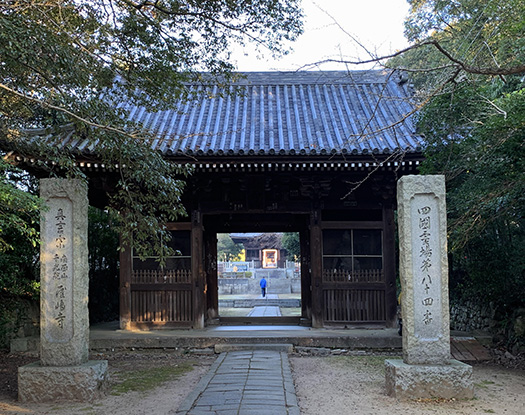
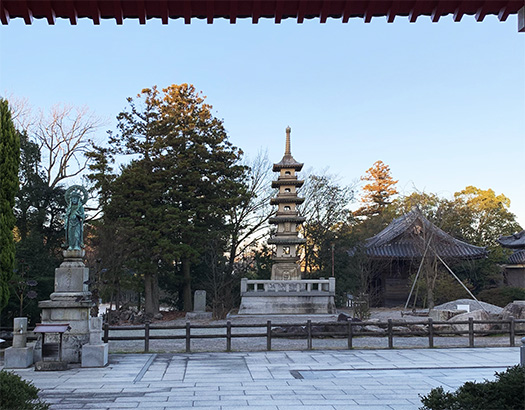
上の写真は四国讃岐の屋島寺の仁王門と仏塔群の様子。
八十八箇所の第84番札所。唐の国から波頭を越えて日本にきた
唐僧・鑑真さんが鹿児島に来着してから瀬戸内海を通って畿内に向かう途次、
この屋島に滞留して開山したとされる寺院です。
仏教の伝来とは、日本中に鎮護国家という思想を根付かせるのが
大きな意味だったので、日本中にこうした宗教空間が置かれていく。
本堂があり、結界を仕切る門の建築が各所に建築されて
その結界内部が浄土に近い空間として尊崇を集める空間となる。
日本社会の中でこういう空間がたくさん造営され続けてきた。
鑑真さんの時代から今度は空海の時代になって、宗旨が真言宗に代わった。
で、四国全域に八十八箇所の寺めぐりが修行の手法として確立した。
この寺には朝、来て見たのですがすでに白たすきを掛けたお遍路さんの姿。

わたしのご先祖さまにもお遍路さんの履歴があるので、
こういう姿を見かけるとこころが動く部分があります。
わたしのように罰当たりにもクルマ行脚でしかもつまみ食い的参詣では
罰にはなっても功徳にはならないでしょう・・・。まぁせめて心の中で合掌。
南無大師遍照金剛、南無大師遍照金剛。

English version⬇

[84th Fudasho “Yashimaji” Shikoku / Yajima-8]
In my blog yesterday, I wrote a dislike in the depth of snow because of too much snow removal fatigue.
After all, the snowfall until yesterday morning had exceeded the snow depth of 100 cm.
It is a delicate stage whether it is about to approach the disaster level.
The two-lane road has been reduced to one lane in the entire city area, and the feet are messy.
Since the road surface is slippery even for pedestrians, the car is “filled up” in various places.
I went to rescue other cars about three times this winter,
At this time of year, I am keenly aware of the gratitude of being a 4WD gasoline car.
Pull out a car that is buried in the snow and cannot move by connecting it with a tow rope.
Or, depending on the situation, a few people “push” to escape.
It can be said that it is a Hokkaido-like feature, but I would like to avoid it if possible (laughs).
However, considering this snow depth this winter (1.5 times the usual year), from now on
Car stacks are unlikely to be avoided in various parts of the city.
At such times, 4WD vehicles have been extremely useful as rescue vehicles.
Most of the time, when I’m stuck, I just want to escape and push the accelerator.
As a result, the tires are addicted to the depths.
In order to avoid it, it is basic to “depress the accelerator slowly and carefully”,
You just get impatient. This is the point that I always go to the rescue and talk to.
I have been able to escape by myself just by calling out, such as once.
However, there is a great sense of security in the final weapon of a relaxed start with 4WD power.
Information is unknown as to whether such horsepower can be expected for electric vehicles.
… Oops, this would be a deep snow story today (laughs).

The photo above shows the Niomon and the stupas at Yajimaji Temple in Sanuki, Shikoku.
The 84th bill place of 88 places. I came to Japan from the country of Tang across the wave front
On the way to Kinai through the Seto Inland Sea after the Tang priest Jianzhen arrived in Kagoshima,
He is a temple that is said to have stayed in this Yajima and opened.
The introduction of Buddhism is to root the idea of ​​a guardian nation throughout Japan.
Since it was a big meaning, such religious spaces will be placed all over Japan.
There is a main hall, and the architecture of the gate that divides the barrier is built in various places.
The inside of the barrier becomes a space that is revered as a space close to the Pure Land.
Many such spaces have been built in Japanese society.
From the time of Jianzhen to the time of Kukai, the sect was replaced by the Shingon sect.
So, 88 temple tours were established as a training method throughout Shikoku.
I came to this temple in the morning and saw the figure of Mr. Ohenro who had already hung a white sash.

My ancestors also have a history of Pilgrimage, so
When you see this kind of figure, there is a part where your heart moves.
Even if it’s a punishment like me, it’s a car pilgrimage and it’s a pinch-eating worship
Even if it becomes a punishment, it will not be a merit … Well at least in my heart.
Nanmu Daishi Hensho Kongo, Nanmu Daishi Hensho Kongo.

【さっぽろ積雪深95cm 雪かき禅修行の日々】


本日は「四国・屋島シリーズ」ブログ小休止であります。
年末年始はそこそこの降雪でおだやかに推移していた札幌地方ですが、
12日以降、ほぼ連日の降雪が引き続き、なかなか落ち着いてくれない。
降雪量自体はほぼ平年並みから少し多い程度なのですが、
12月での降雪は少なく、1月以降の降雪が極端にすごい。
結果として、ほぼ毎日苦役のように除雪作業に追いまくられています。
それでもここ数日はようやく早朝散歩に行けるほどには
除雪は軽いものになっていましたが、
本日もまたまたそこそこ本格的な降りようであります。
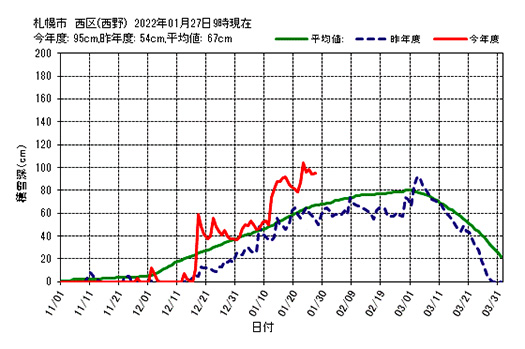
ご覧の図のように札幌は平年としては積雪深80cm程度が最大値なのですが、
今週前半にはなんと100cmを越えていた。現在発表が95cmですが、
昨夜から今朝に掛けてそこそこ降雪が加わってたぶん100cm超に復帰でしょう。

積雪深という概念はあまり一般性がないだろうと思いますが、
降雪量というのは降った雪の総量であって、体感する「積雪の深さ」とは
概念が違うのですね。暮らしに直接関わる雪の総量とは、
この積雪の深さ、総量ということになるのです。
雪かきとして対峙しなければならない雪のかたまり量、とでもいえる。
ことしの95cmとは平年値の65cmと比較すれば1.5倍程度になる。
まさに「雪かきの実感」そのものであります。
それも12日以降に集中してきているので、ここ2週間集中という状況。
ことしはさっぽろ雪まつりのリアル開催は見送られて、
市の「除雪」スケジュールは大きく変動し、やや前倒し気味。
わが家前は中学校通学路なのでそこそこ頻繁に除雪されますが、
クルマの通行も多く、また気温上昇があると雪が一部融けて
路面はハンドルも取られ気味のグチャグチャになりやすい。
そういう結果の雪質は重くて、それとたたかう除雪具に適当なものがない・・・。
同じ雪といってもまことに千変万化する状況に翻弄されています。

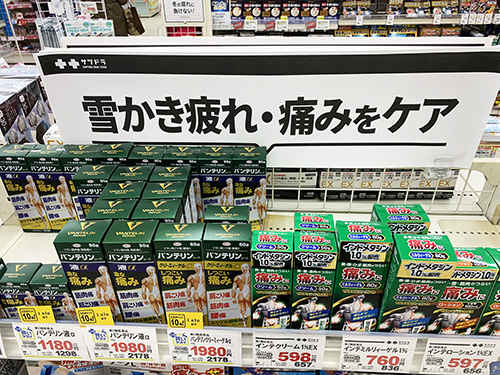
下の写真は近隣の薬品店で見かけた心憎いPOP。
筋肉痛の対症療法類がこれでもかと展示されている(笑)。
商魂たくましい、ではありますが、シンパシーも刺激される。
まことに琴線がはげしく共鳴させられる次第。
さて、本日も朝一番で往来の自由を確保すべく
北国のさだめに従順に、黙々と取り組みたいと思います。・・・禅修行か。
肉体鍛錬と忍耐力・克己心強化、まことに道元さんを思う日々。

English version⬇

[Sapporo snow depth 95 cm, days of coexistence with heavy snowfall]
Today is a short break for the “Shikoku / Yajima Series” blog.
During the year-end and New Year holidays, the Sapporo region had been mild due to moderate snowfall, but
Since the 12th, the snowfall has continued almost every day, and it has been difficult to calm down.
The amount of snowfall itself is about the same as normal to a little more, but
There is little snowfall in December, and the snowfall after January is extremely great.
As a result, I’ve been forced to remove snow almost every day.
Still, for the past few days, I can finally go for a walk early in the morning
Snow removal was light, but
It seems that we will get off in earnest again today.
As you can see, Sapporo has a maximum snow depth of about 80 cm for a normal year.
It was over 100 cm in the first half of this week. Currently the announcement is 95 cm,
From last night to this morning, it will probably return to over 100 cm with some snowfall.

I don’t think the concept of snow depth is very common,
The amount of snowfall is the total amount of snowfall, and what is the “depth of snowfall” that you can experience?
The concept is different. What is the total amount of snow that is directly related to daily life?
It is the depth and total amount of this snow cover.
It can be said that it is the amount of snow that must be confronted as snow shoveling.
This year’s 95 cm is about 1.5 times the normal value of 65 cm.
It is exactly the “real feeling of shoveling snow”.
It has been concentrated since the 12th, so it has been concentrated for the past two weeks.
The real holding of the Sapporo Snow Festival has been postponed,
The city’s “snow removal” schedule has fluctuated significantly, and it seems to be a little ahead of schedule.
Since my house is a junior high school school road, snow is removed quite often, but
There are many cars passing by, and when the temperature rises, some of the snow melts.
The steering wheel is also taken off the road surface, and it tends to be a little messy.
The snow quality as a result is heavy, and there is no suitable snow removal device to fight against it.
Even though it is the same snow, it is at the mercy of the ever-changing situation.

The picture below is a hateful POP I saw at a nearby drug store.
Symptomatic treatments for muscle pain are still on display (laughs).
It has a strong commercial spirit, but it also stimulates sympathy.
As soon as the koto line resonates violently.
By the way, to secure the freedom of traffic at the beginning of the morning today
I would like to work silently and obediently to the northern country. … Zen training?
Physical training, patience and self-reliance, every day I really think of Mr. Dogen.

【蓑山大明神「太三郎狸」と豊かな自然 四国・屋島-7】


どうも屋島の源平合戦に強く引き込まれてしまった感。
建築と歴史という相関性から人間の暮らし方、生き方を考えるブログ趣旨。
まぁときどき歴史事情に深く拘泥するのはお許しください。
屋島の南嶺側の台地上平面域を大きく占めているのは屋島寺。
こちらは四国八十八箇所84番札所で著名な大寺であります。
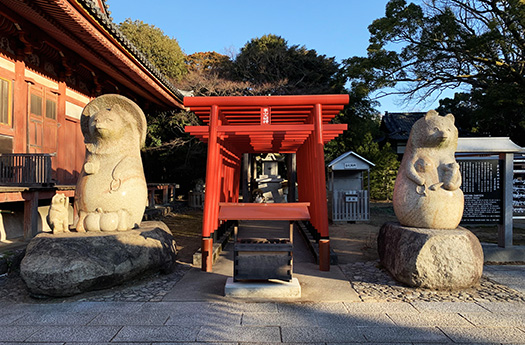
なんですが、その本堂の隣にはなにやらおかしな「狛犬」が建っている。
石像で風雨などで風化もしているので輪廓明瞭ではないけれど、
これはどうもイヌではなく、ほかの野生動物っぽい。
で、由緒書きを確認すると「蓑山大明神」という神社のお姿なんだとか。
由緒書きを記載してみます。
「その昔、弘法大師さんが四国八十八箇所開創のみぎり、霧深い屋島で
道に迷われ蓑笠を着た老人に山上まで案内されたという。のちにその老人こそ
太三郎狸の変化術の姿であったと信じられております。屋島の太三郎狸は
佐渡の団三郎狸、淡路の芝右衛門狸とともに日本三名狸に称されています。
太三郎狸は屋島寺本尊・十一面千手観音の御申狸〜おんもうしたぬき〜。
また数多くの善行を積んだため、土地の地主の神として本堂の横に
大切に祭られ、四国狸の総大将とあがめられ、その化け方の高尚さと
変化妙技は日本一であった。
なお屋島太三郎狸は一夫一婦の契りも固く家庭円満、縁結び、水商売の神。
とくに子宝に恵まれない方に子宝を授け福運をもたらす狸として
全国よりの信者が多い」という記載がされていました。

おお、であります。
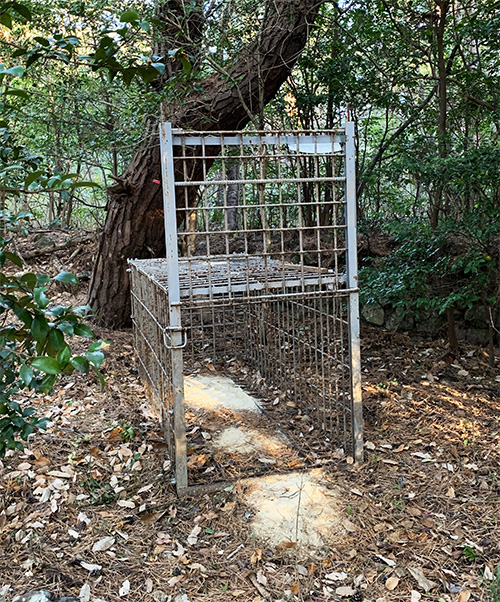
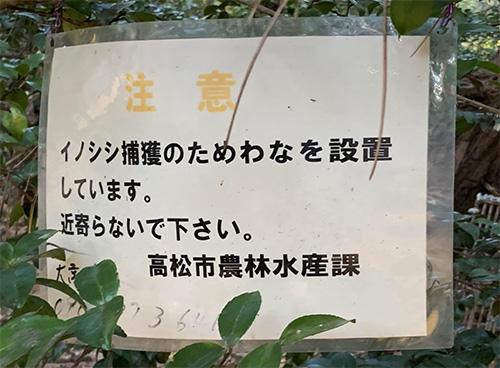
というのはこのお寺に参詣する途次で以下のような仕掛けを発見していた。


こういった仕掛けは困った有害野生動物向けで、
北海道からやってきた人間からするとまさかと思った「イノシシ」捕獲用。
北海道のヒグマとは違ってイノシシならちょっと会ってみたい(笑)
と思っていた次第だったのです。
動物種は違っているけれど屋島には「名人」級の狸が伝承されているのに
そうか、さもありなん自然豊か!と深く了解できた。
ということでこの石像をあらためて見てみよう、であります。
弘法大師空海さんをみごと欺したが、それは善行のために為したということで、
その心底のやさしさ、善人(?)ぶりを賞されてきたのでしょう。
夫婦一対で建造されているけれど、さてどっちがオスかメスか。
どうも左側の方の足下に寄進の痕跡があるのでこっちが屋島太三郎狸かと。
普通、狛犬は阿吽像として飾られるけれど、この狸さんたちの口元は
特段の表情はみられない。狸の「阿吽」の表情って確かに想像しにくい。

屋島の温暖地らしい自然環境の豊かさがほのぼのと伝わってくる。
北海道でここまでユーモラスな動物との共生文化ぶりは見られない。
どうもそのやさしい魅力にますますゾッコンにさせられる。

English version⬇

[Minoyama Daimyozin “Tasaburo Tanuki” and rich nature Shikoku, Yashima-7]
I feel like I was strongly drawn into the Genpei War in Yajima.
The purpose of the blog is to think about the way of life and the way of life of human beings from the correlation between architecture and history.
Well, please forgive me for being deeply obsessed with historical circumstances from time to time.
Yajima Temple occupies a large part of the plateau plane on the south ridge side of Yajima.
This is a famous large temple at 84th Fudasho in 88 places in Shikoku.
However, there is a strange “Komainu” next to the main hall.
The stone statue is weathered by wind and rain, so it’s not clear, but
This isn’t a dog, it’s like another wild animal.
Then, when I checked the historical writing, it was the appearance of a shrine called “Minoyama Daimyozin”.
I will write a historical note.
“A long time ago, Kobo Daishi founded 88 places in Shikoku, and in the misty Yajima.
It is said that an old man who got lost and wore a Mino hat guided him to the top of the mountain. Later that old man
It is believed that it was the appearance of Tasaburo Tanuki’s transformation technique. Yashima’s Tasaburo raccoon
Together with Sado’s Dansaburo raccoon and Awaji’s Shibaemon raccoon, it is known as one of Japan’s three famous raccoon dogs.
Tasaburo Tanuki is Yashima Teramoto Takashi, Eleven-faced Senju Kannon’s request-Onmata Nuki-.
Also, because he has done many good deeds, he is next to the main hall as the god of the landowner.
He was cherished and praised as the general general of Shikoku raccoon dogs.
His change feat was the best in Japan.
Yashima Tasaburo Tanuki is a god of monogamy, marriage, and water business.
As a raccoon that brings child treasure to those who are not particularly blessed with child treasure
There are many believers from all over the country. ”

Oh, it is.
Because, on the way to visit this temple, I discovered the following mechanism.

These gimmicks are for troubled toxic wildlife,
For capturing “wild boar” that humans from Hokkaido thought it was impossible.
Unlike brown bears in Hokkaido, I would like to meet a wild boar for a while (laughs)
I was thinking.
Although the animal species are different, Yajima has a tradition of “master” class raccoon dogs.
Well, there is also abundant nature! I was able to understand deeply.
So let’s take a look at this stone statue again.
Kobo Daishi Kukai was deceived, but he did it for good deeds.
It must have been praised for the kindness of the heart and the first time as a good person (?).
It is built by a couple, but which is male or female?
There are traces of donations on the left side of my feet, so I wonder if this is Yashima Tasaburo Tanuki.
Normally, guardian dogs are displayed as Aun statues, but the mouths of these guardian dogs are
No particular expression is seen. The expression of the raccoon dog “Aun” is certainly hard to imagine.

You can feel the richness of the natural environment that is typical of Yajima’s warm regions.
I can’t see the symbiotic culture with animals so humorous in Hokkaido.
It seems that its gentle charm makes me more and more chilled.