本文へジャンプ

【冬の北海道、建築と自然の造形アート?】


さてブログは「四国シリーズ」ということで展開中ですがちょっと息抜き。
ことしも2月に入ってもう半ば。大雪の影響でJRが運行できなかったのですが、
昨日、ようやく札幌発着のダイヤが正常化されたというアナウンス。
で、さっそく国交省からJR北海道への業務点検命令が下ったようです。
これはやむを得ないでしょうね。
災害での共存共苦は感受しなければと思いますが、
今回の事態を教訓として対応力を高めるように業務改善を期待します。

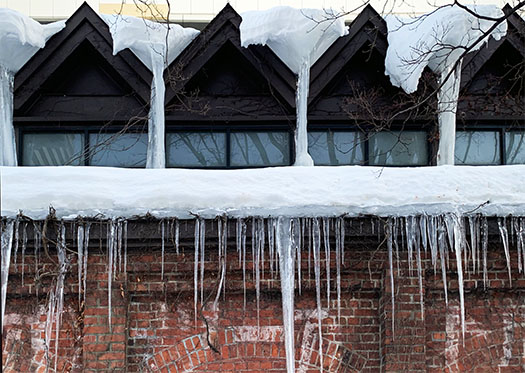
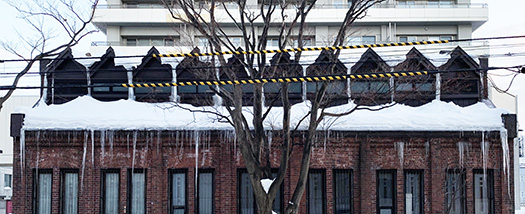
さて本日はわたしの散歩道でJR琴似駅に隣接する建物の「季節の表情」。
氷柱というのはいろいろな発生種類があります。
多くは建築の「断熱欠損」から熱が奪われていく過程で
屋根に堆雪した雪を融かしてその融雪水が冷気に当たって結氷するモノ。
それとは別に屋根から雪庇が張り出して、その部位で
自然の太陽熱で徐々に融雪して結氷するモノもある。
前者はいわば建築がその性能面の欠落を表現したものなので
好ましくないものですが、後者はいかにも自然の造形とはいえる。
わたしが子どもの頃は街中が巨大氷柱の展示会場に一変していて
げに怖ろしげな風景に満たされていた。
そういった光景は断熱気密技術の発展で少なくなってきています。
たまに古い建築で面白い造形を見ると、ちょっと懐かしさがこみ上げてくる。
で、こちらの建物は古い建築が保存されている建物で
外壁からの後退距離も確保されている安全範囲での氷柱。
通常、多目的ホール・公民館的な使われ方をしていて、
三角山放送局という地域FM放送局もここに入っている。
ノコギリ型の連続する三角屋根の表情が特徴的なのですが、
この時期、そこからの融雪水が正直な表情を見せてくれる。
最厳寒期が今時期ですから、そう考えると昔の街並みの氷柱とは違って
まぁ仕方ないか、と言えるような景観であります。

しかし屋根からの氷柱は激減してきた北海道の住宅ですが、
無落雪屋根からの「雪庇」はなかなか対応が難しい。
堆雪した雪がそのときの季節風の気まぐれのままに屋根から張り出してくるのです。
ことしは札幌市内では南側から北側方向に向かっての季節風があきらか。
そちら方向で建物から雪庇が一様に見られています。
現在程度であれば徐々に融雪が進んで小さくなっていくのですが、
これからの降雪状況によって状況は千変万化していく。
市内では幹線道路を中心に除排雪も順調に進んでいるようなのでひと安心。
ただ、住宅地域ではまだまだ通行に不便を強いられています。
なんもさ、お互い様、ということで譲り合ってのクルマ通行。
2月に入って日の長さはどんどん伸びてきていて
ときおり「光の春」を感じさせるような光景も出現してきています。
感染症によるマヒ状況も、そろそろ社会的に克服していきたいですね。

English version⬇

[Winter Hokkaido, architectural and natural modeling art? ]
By the way, the blog is being developed as “Shikoku series”, but I’m taking a break.
It’s already mid-February. JR couldn’t operate due to heavy snow, but
Yesterday, it was announced that the diamonds departing from and arriving at Sapporo were finally normalized.
So, it seems that the Ministry of Land, Infrastructure, Transport and Tourism has issued a business inspection order to JR Hokkaido.
This will be unavoidable.
I think you have to feel the coexistence and suffering in a disaster,
I hope that you will improve your business so that you can improve your responsiveness based on the lessons learned from this situation.

By the way, today is the “seasonal expression” of the building adjacent to JR Kotoni Station on my walking path.
There are various types of icicles.
Many are in the process of removing heat from the “insulation defects” of architecture.
A thing that melts the snow that has accumulated on the roof and the snowmelt water hits the cold air and freezes.
Apart from that, a cornice overhangs from the roof, and at that part
Some things gradually melt and freeze due to the heat of the natural sun.
The former is, so to speak, because architecture expresses the lack of performance.
Although unfavorable, the latter is a natural form.
When I was a kid, the city was transformed into an exhibition hall with huge icicles.
It was filled with a scary landscape.
Such scenes are decreasing due to the development of heat insulation and airtight technology.
Occasionally, when I see an interesting model in an old building, I feel a little nostalgic.
And this building is a building where old architecture is preserved
An icicle within a safe range where the retreat distance from the outer wall is secured.
Usually, it is used like a multipurpose hall / public hall.
A regional FM broadcasting station called Triangle Mountain Broadcasting Station is also included here.
The expression of the saw-shaped continuous triangular roof is characteristic,
At this time, the snowmelt water from there shows an honest look.
The coldest season is this time, so when you think about it, it’s different from the icicles in the old streets.
It is a landscape that can be said to be unavoidable.

However, although the number of icicles from the roof has decreased sharply in Hokkaido houses,
“Snow cornice” from a snowless roof is difficult to deal with.
The snow that has accumulated snow overhangs from the roof as the monsoon at that time is whimsical.
In Sapporo city, the monsoon is clear from the south side to the north side.
The cornice can be seen uniformly from the building in that direction.
If it is about the present level, the snow will gradually melt and become smaller.
The situation will change depending on the snowfall situation in the future.
In the city, it seems that snow removal is proceeding smoothly, mainly on the main roads, so it’s a relief.
However, in residential areas, traffic is still inconvenient.
No matter what, we are passing cars by giving up because we are like each other.
In February, the length of the day is growing steadily.
Occasionally, scenes that make you feel “spring of light” are appearing.
I would like to overcome the situation of paralysis caused by infectious diseases socially.

【平家落人の住まい③「隠居屋」 四国住空間探訪-6】


この祖谷の平家落人集落の住宅を見ていて生業感が見えないと書いた。
われわれが一般的に残る「古民家」では圧倒的に農家や商家が多く、
そういう職種の家屋では生業の屋内作業空間・土間が必須とされる。
それに対してこの平家落人住宅では土間がない。
山間住宅として歴史年代を過ごし田畑という生産手段がないとすれば
狩猟採集が主たる生存戦略であったか。鎌倉初期ライフスタイルと考えると、
林業という生業も果たしてあり得たかどうか疑問。
四国の山奥・秘境から木を切り出すとしても長大な輸送を考え、
消費地「都市」の存在を考えたときに経済構造として成立したかどうか。
江戸の大火という条件から紀伊国屋文左衛門が紀州の木材を運んで
一攫千金をつかんだというのははるかな後世、江戸時代まで待つ必要がある。
祖谷での木材出荷経済行為が市場の成熟にまで至るのは時間がかかっただろう。
鎌倉初期でそこまで長大な交易範囲がありえたとも思えない。
せいぜいが谷川を伝った先の河口の徳島周辺での需要だろうが、
落人としての政治的秘密を保持しながらどうやって社会と経済交流してきたか、
どうも想像力を持てない。とすればあくまでも落人としての自給自足生存か。

そういうなかにあってこの集落では「隠居屋」という主屋とは別棟の住空間が
一般的に多く見られてきたのだという。コトバンクで見ると、
〜隠居はかならずしも過去の家族制度ではなく現在も行われている家族制度。
滋賀県のある地域では隠居屋の建築が近年の流行となったり,
また都市周辺に見られる新婚者の屋敷内別棟居住形態も一種の隠居の再生産。
日本各地で行われている隠居は親別居型と嗣子別居型に分けることができる。〜
しかし現代では核家族化が進行して家とは1世代1軒という流れが一般的で
これが旺盛な住宅需要を支えてきたといえる。
現代の会社勤めライフスタイル基本の社会では家族単位は世代別に分かれる。
過去の社会の「地域集落密着型」ライフスタイルとは異なっている。
地域社会としての生業自体は共有しつつ、世代別に分住するという隠居。
この祖谷では「息子に家督を譲る」という意識が基底にあったという。
建築としては床高が低く抑えてあってバリアフリーの嚆矢ともされる。
次男三男層は家を出て里に下りていくという一般的生存プロセスだったのか。
商家の場合にはそういう層は「手代」「奉公人」のような存在になった。
京大阪などの大都市の労働力として生き延びていったのか。
おおむねそのような世代更新が800年以上にわたって維持されてきたのか。
時間軸で見る家族のありようの変遷という視点も考えさせられる。
ここでは主屋の18坪に対して13.5坪とそこそこに広い面積。
老夫婦2人を基本と考えるとなかなかの充足感がある。
平家落人たちの生き様、暮らしよう、人間の息づかいまで迫ってくる気分。

English version⬇

[Heike deceased’s residence ③ “Retirement house” Shikoku living space exploration-6]
I wrote that I couldn’t see a sense of livelihood when I was looking at the houses in the Heike village of Iya.
There are overwhelmingly many farmers and merchants in the “old folk houses” that we generally remain.
In a house of such a type of occupation, an indoor work space for livelihood and a dirt floor are indispensable.
On the other hand, there is no dirt floor in this Heike deceased house.
If you have spent the historical age as a mountain house and there is no means of production called fields
Was hunter-gatherer the main survival strategy? Considering the lifestyle from the early days of Kamakura,
I wonder if it was possible to have a livelihood called forestry.
Considering a long transportation even if a tree is cut out from the mountains and unexplored regions of Shikoku,
Whether it was established as an economic structure when considering the existence of a “city” as a consumption area.
Kinokuniya Bunzaemon carried Kishu wood from the condition of a big fire in Edo.
It is necessary to wait until the Edo period, a long time ago, to grab a lot of money.
It would have taken some time for the timber shipping economic activity in Iya to reach maturity in the market.
I don’t think there could have been such a long trading range in the early days of Kamakura.
At best, the demand will be around Tokushima at the mouth of the river, which runs down the Tanigawa River.
How did you interact with society while maintaining political secrets as a deceased person?
I have no imagination. If so, is it self-sufficient survival as a fallen person?

Under such circumstances, in this village, there is a living space in a separate building from the main building called “Retirement House”.
It is said that it has been widely seen in general. Looking at Kotobank,
~ Retirement is not always a family system in the past, but a family system that is still in place today.
In some areas of Shiga prefecture, the construction of retired houses has become popular in recent years.
In addition, the form of living in a separate building in the newlyweds’ mansion seen around the city can be said to be a kind of reproduction of the retreat. It was
Retirement practiced in various parts of Japan can be divided into parent-separated type and Tsuguko-separated type. ~
However, in modern times, nuclear families are becoming more common, and it is common for a house to be one generation per house.
It can be said that this has supported strong housing demand.
In today’s corporate lifestyle-based society, family units are divided by generation.
It is different from the “community-based” lifestyle of the past society.
A retreat where people live separately for each generation while sharing their livelihood as a community.
It is said that this Iya was based on the consciousness of “giving the family to his son.”
As for architecture, the floor height is kept low and it is said to be a barrier-free building.
Was the second son and third son a general survival process of leaving the house and going down to the village?
In the case of merchants, such a layer has become something like a “hands” and a “servant.”
Did they survive as a labor force in big cities such as Kyoto and Osaka?
Has such a generational renewal been maintained for more than 800 years?
It also makes me think about the transition of the family as seen on the time axis.
Here, the area is 13.5 tsubo, which is rather large compared to the 18 tsubo of the main building.
Considering two elderly couples as the basis, there is a sense of satisfaction.
The way of life and life of the Heike deceased people, the feeling of approaching the breath of human beings.

【土間がない平家落人家② 四国住空間探訪-5】


四国の秘境と言われる祖谷のかずら橋近くの家。
古民家を見て来て、大体室内作業空間として土間は普遍的と思っていたけれど
この家ではなんと土間がないのですね。
説明書きでも「四国には珍しく囲炉裏が各室にある」みたいな記述なのですが、
それは煮炊きを考えればそれこそ沖縄でも囲炉裏はある。
それよりも土間がないという方が解明が必要だと考えるけれど、
そういった説明、腑に落ちる解釈はWEB上をチェックする範囲では見られなかった。
以下は見学してのわたしの実感です。
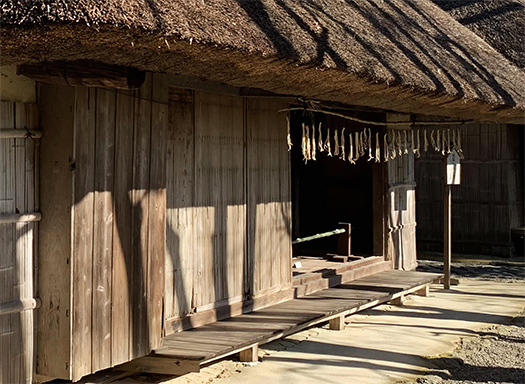
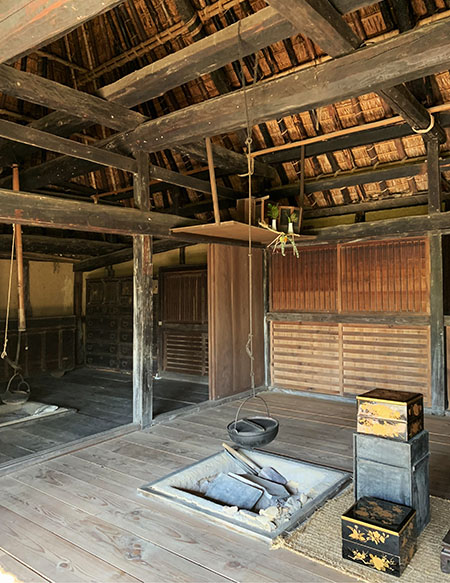
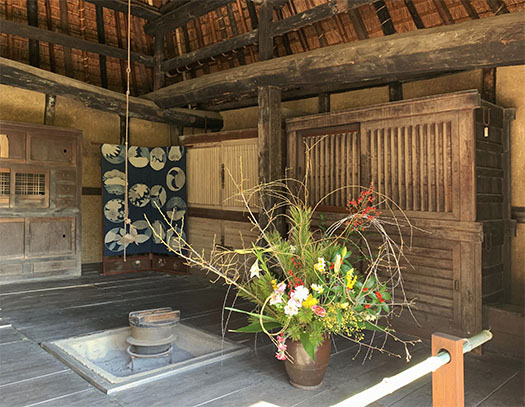
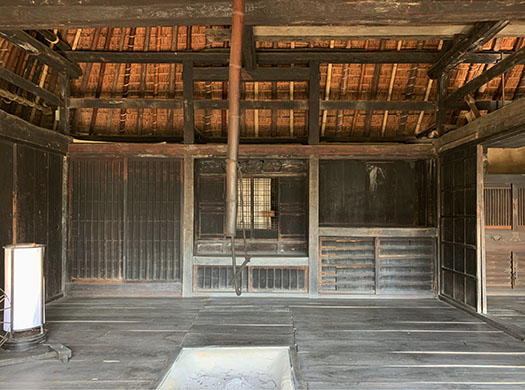
写真は13.5坪の主屋の様子です。
方位的にはたぶん南面する開口部方向から出入りしている様子がわかる。
山間住宅なので、生活利便性を考えて通常生活装置としては
等高線に沿って「斜面にしがみつく」ように諸機能が配置されるものと思える。
間取り図も説明にはないのですが、単純に2間が取られている。
上の写真が主室の「オモテ」のようで下の写真は「ウチ」と思われます。
山間なのでなんといっても平面積の確保が最大の困難。
この13.5坪の主要生活面積を除いて、土間を確保するまでには至らなかったのか。
暮らし方として広い平野部の住宅では農作業が基本と考えられるけれど、
そういった広い農地は確保できないので広大な土間は必要でもなかったのか。
土間は雨天時、また薄暮時、夜間などに農事の準備整理作業が第一の要素。
その延長で炊事作業などのスペースともなった。
この山間の祖谷ではこういった農家古民家の生活要素が欠落していたのか。
たしかに余剰農産品を出荷して生計を営むという基本ライフスタイルとは異なる。
しかしそうであれば、どのような「生計」であったか、が不明。
残念ながら、現状の公開された住宅の情報からはその点がない。
平家の落人の末裔たちはどのように現代に至るまでの暮らしを営んで来れたのか?

想像では土間の代わりは建物の前面室外空間だったのではと思う。

作業平面として一定の広さを確保することが困難なので
この前面の空間が露天のままで作業空間になっていた可能性が高い。
四国は年間の降雨量が少なく、中国で最新土木技術を学んだ空海が
人造の貯水槽・満濃池の土木を指揮したという歴史事実もある。
また四国では「義倉」という日照りからの食糧不足への対応の社会的工夫も見られる。
雨量不足という気候要素を考え合わせると想像は湧いてくる。

しかしやはりこの山間の落人という政治社会的素因による集落、
その集団がどのように歴史年代を生き抜いてこられたのか、
生業についての情報がなかなか見えてこない。
自給自足生活は可能だったとしても、やはり生産手段は人間生活には不可欠。
ひとつの想像としてはもと武人の集団として野生動物の狩猟であったか。
江戸期商家の家系伝承を持つ人間としては自らの想像力不足を思わされます。

English version⬇

[Heike deceased house without dirt floor ② Shikoku living space exploration-5]
A house near the Kazura Bridge in Iyanokazura, which is said to be the unexplored region of Shikoku.
When I saw an old folk house, I thought that the dirt floor was universal as an indoor work space.
There is no dirt floor in this house.
Even in the explanation, it is a description like “There is a hearth in each room, which is rare in Shikoku”.
Considering boiling, there is a hearth even in Okinawa.
I think that it is necessary to clarify that there is no dirt floor than that,
I couldn’t find such an explanation or an unspeakable interpretation within the scope of checking on the WEB.
The following is my feeling of visiting.
The photo shows the main building of 13.5 tsubo.
In terms of direction, you can see that it is coming in and out from the direction of the opening facing south.
As it is a mountainous house, it is a normal living device considering the convenience of living.
It seems that the functions are arranged so as to “cling to the slope” along the contour lines.
The floor plan is not in the explanation, but it is simply two floor plans.
The upper photo is like the “front” in the main room, and the lower photo is probably “Uchi”.
Since it is a mountain, it is the most difficult to secure a flat area.
Except for this 13.5 tsubo main living area, wasn’t it enough to secure a dirt floor?
Agricultural work is considered to be the basic way of living in a large plain house,
Wasn’t it necessary to have a vast soil floor because such a large agricultural land could not be secured?
The first factor in the soil is the preparation and arrangement of farming in the rain, at dusk, and at night.
As an extension of that, it also became a space for cooking work.
Was the living element of such an old farmhouse missing in this mountainous Iya?
Certainly, it is different from the basic lifestyle of shipping surplus agricultural products to earn a living.
However, if so, it is unclear what kind of “livelihood” it was.
Unfortunately, there is no such point from the current publicly available housing information.
How did the descendants of the Heike deceased live up to the present day?

I imagine that instead of the dirt floor, it was the front outdoor space of the building.

Because it is difficult to secure a certain area as a work plane
It is highly possible that the space in front of this was an open-air work space.
Shikoku has less annual rainfall, and Kukai, who learned the latest civil engineering technology in China,
There is also a historical fact that he commanded the civil engineering of Manno Pond, an artificial water tank.
In Shikoku, there is also a social device called “Yoshikura” to deal with the food shortage caused by the drought.
Imagination comes to mind when considering the climatic factor of insufficient rainfall.

However, after all, this village due to the political and social predisposition of a mountain deceased,
How the group survived the historical age
It’s hard to see information about my livelihood.
Even if a self-sufficient life is possible, the means of production is still indispensable for human life.
One imagination was the hunting of wild animals as a group of warriors.
As a person with a family tradition of Edo period merchants, it seems that he lacks his imagination.

【平家落人末裔の暮らし① 四国住空間探訪-4】


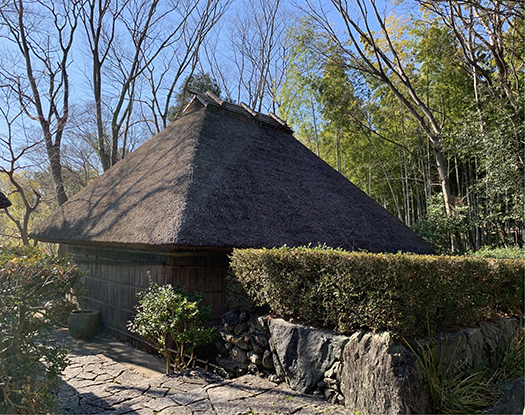
徳島県祖谷地方の「平家落人」伝承の家です。
2回にわたって紹介したかずらで織り上げた吊り橋のある秘境の山村。
平家館と名付けられ落人集団を率いていた平国盛の子孫と伝わる「阿佐家」に
ほど近い場所に建っていた家「旧中石家」の移築建築。
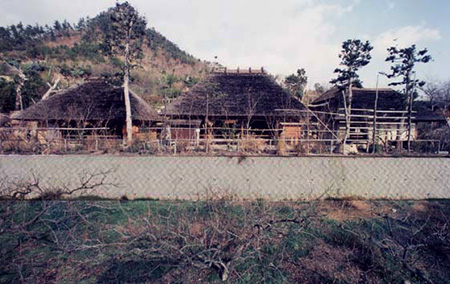
下の写真は祖谷現地に建っていたころの資料写真(高松市資料より)。
たしかに家のすぐ下には石垣補強の様子があり、
傾斜地形に対して平面確保の長い時間の戦いがあったことを窺わせる。

現代的価値感、生活規範に則して生きているわれわれには、
このような「落人」集落に縛られて生きていくという考え方は理解しがたい部分がある。
しかし多少なりとも先祖の暮らし方に思いをはせる知見を持つと、
いわゆる「村落共同体」として生きてきた歴史時間の重みもまた
深く迫ってくるところがあって、むべなるかなと思えてくる。
近現代に至って実現された教育の広範な普及と機会均等の原則、
都市居住、無名性の保証された社会は、ひとつの人類の進化であり、
それ以前の社会では適うはずのない坂の上の雲のような生き方なのだと思う。
人間個人という存在は地域社会、共同体の一部であり
その共同体での「制約」はこれを無条件に受け入れるしかなかった。
上方の京大阪、そして江戸などの大都市では個人主義的な生きようも
たしかに存在はしたけれど、それこそ移動にも自由がなかった時代、
幕藩体制下では貨幣の流通もそれによる経済も、多くの地域社会では
遠い世界のことだったのだと思います。

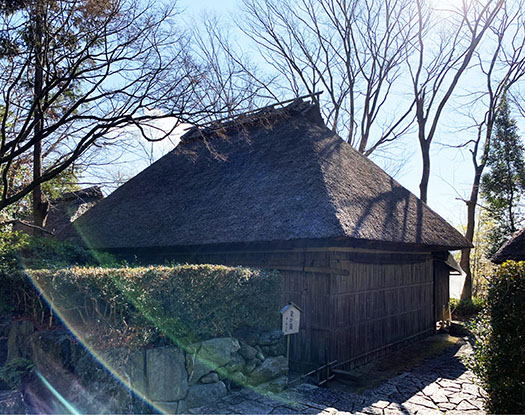
この旧中石家住宅は主屋18坪、隠居屋13.5坪、納屋8坪、合計39.5坪。
いずれも茅葺きで18世紀後半の建築という。
主屋、隠居屋、納屋が一列に並んで建つという祖谷民家の特徴を表していると。
想像としては地盤面の傾斜敷地という特徴から生活上の段差解消を
考えて行くとごく自然な配置計画だったのではと思われます。
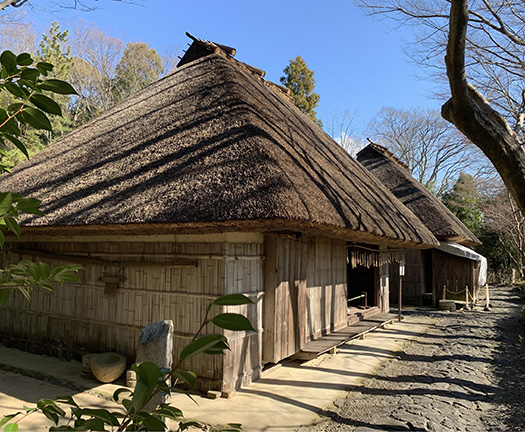
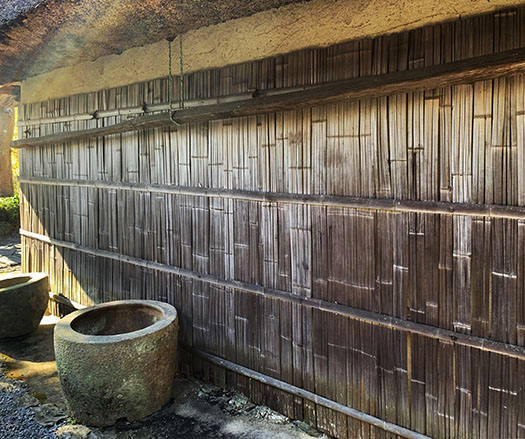
面白い外見と見えるのは土塗り壁のその上に竹の外皮が回されていること。


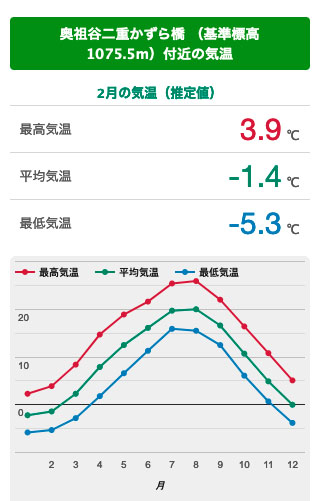
四国とは言え、この祖谷地方の気温分布は上の図のようになっている。
2月の気温としては平均で零下1.4度ということなので、札幌と変わらない。
基準標高が1000mを越すのでこうした寒冷気候が常態の地域性。
そういったなかで半割の竹で建物外周をくるむ工夫は
自然素材だけで居住環境を構成しなければならない時代、
せめてもの「断熱外皮」の工夫を巡らせたといえるのではないか。
2重外皮への自然素材での挑戦とも思われた。
竹の外皮であれば、風を遮断させる効果もあったに違いない。
半割風の仕上げで土壁側に内側湾曲面をもっているのは、
室内発生の「湿気」を逃がす効果も無意識に期待したのではないか。
四国村の説明ではこういった居住性能面についての考察はみられなかったけれど、
面白い可能性を持った外壁構成だなと気付かされた次第。

English version⬇

[Living of the descendants of the Heike deceased Shikoku living space exploration-4]
It is a traditional house of “Heike Ochijin” in the Iya region of Tokushima prefecture.
An unexplored mountain village with a suspension bridge woven with Kazura, which was introduced twice.
Named Heikekan, the “Asa family” is said to be a descendant of the Taira clan who led the deceased group.
A relocated building of the “former Nakaishi family”, which was built in a nearby location.
The photo below is a photo of the material when it was built in Iya (from Takamatsu City material).
Certainly, there is a stone wall reinforcement just below the house,
It can be seen that there was a long battle to secure a plane against sloped terrain.

For those of us who live in accordance with modern values ​​and norms of life,
The idea of ​​living tied up in such a “fallen” village is difficult to understand.
However, if you have some knowledge that makes you think about the way of life of your ancestors,
The weight of historical time that has lived as a so-called “village community” is also
There is a place that is approaching deeply, and I think it will be irrelevant.
The principle of widespread dissemination of education and equal opportunity realized in modern times,
Urban residence, a society where anonymity is guaranteed, is the evolution of one human being.
I think it’s a way of life like a cloud on a slope that wouldn’t be suitable in the society before that.
The existence of an individual human being is a part of the community and community.
The “constraints” in the community had to accept this unconditionally.
Even if you live in an individualistic way in the upper Kyoto and Osaka, and in big cities such as Edo
It certainly existed, but it was an era when there was no freedom to move.
Under the Bakuhan system, the circulation of money and the resulting economy in many communities
I think it was a distant world.

This former Nakaishi family house has a main building of 18 tsubo, a retired house of 13.5 tsubo, and a barn of 8 tsubo, for a total of 39.5 tsubo.
Both are thatched and are said to have been built in the latter half of the 18th century.
It represents the characteristic of Iya private house that the main house, retired house, and barn are built side by side.
As an imagination, it is possible to eliminate steps in daily life due to the characteristic of a sloping site on the ground surface.
When I think about it, it seems that it was a very natural layout plan.
What looks interesting is that the bamboo hull is rolled over the plastered wall.

Although it is Shikoku, the temperature distribution in this Iya region is as shown in the figure above.
The average temperature in February is 1.4 degrees below zero, so it is the same as Sapporo.
Since the standard altitude exceeds 1000m, such a cold climate is a normal regional characteristic.
Under such circumstances, the idea of ​​wrapping the outer circumference of the building with half-split bamboo
In an era when the living environment must be composed only of natural materials
At the very least, it can be said that the ingenuity of the “insulated outer skin” was taken into consideration.
It seemed to be a challenge with natural materials for the double outer skin.
The outer skin of bamboo must have had the effect of blocking the wind.
It is a half-split style finish that has an inner curved surface on the earthen wall side.
You might have unknowingly expected the effect of letting out the “moisture” generated in the room.
In the explanation of Shikoku Village, there was no consideration of such living performance aspects, but
As soon as I realized that it was an exterior wall structure with interesting possibilities.

【かずらを使った山間架橋工事技術 四国住空間探訪-3】


きのうの続篇ですが、平家の落人たちが集団で四国の「秘境」に退隠したという
落人伝承はほかの事例を考えてもたぶん事実だろうと思います。
このブログでも以前、能登半島の「時国家住宅」上下両家を取材していて
鄙にあっても「大納言様式」という格式を維持し続けた具体的事例をみた。
始祖を平時忠(平清盛義弟で大納言)とする800年続く旧家。
現代に至っても田中角栄のロッキード事件の裁判長を末裔の時国家は輩出した。
もちろん一族すべてが繁栄し続けることはムリがあっただろうから
そのなかの一家でも残そうという意思があったのだと思う。
ただ、時国家住宅の場合は能登という海上交通の要衝であったことで、
存続し続ける経済的根拠があったと思えるのですね。
時国家の事例は平家落人伝説の残る日本各地の中でやはり特異なのでしょう。
能登という海上交通的には利便性のある地域だけれど陸上交通的には
越前から富山のルートからは隔絶して結果幕府との妥協が成立したのだろうし、
また、江戸期になっては活発な北前交易という事業機会を生かすこともできた。
しかし、こちら祖谷の屋島合戦敗残勢力の場合、
とにかく一族の安全最優先でとんでもない山奥に隠れ住んだ。
源平合戦は高松市近郊の屋島での戦いがたぶんクライマックスであって
壇ノ浦時点では平家に勝利の目算、京都への復帰戦略も失っていたに違いない。
屋島はそれだけの重心を込めた拠点だったのだと思える。
その拠点が失われたことで事実上平家は滅亡し残存勢力は散り散りになった。
地理的に考えるとこの秘境に逃げ込む心理は追い詰められた究極の選択かと。
時国家の場合にはその後の生き延び方策を練った上での立地戦略性があるが、
この祖谷退却には戦略性は見通しにくく当面の危機回避だけだったのではないか。
この点、時国家の始祖の経済人・平時忠と祖谷の始祖の武人・平教経(国盛)の
戦略眼の違いを感じさせられる。退却戦でも戦い方はあるのだと思う。

平氏軍団には当然、陣地の構築とか移動の兵站作戦家もいただろう。
軍隊移動はそれこそ軍事の要諦。神出鬼没な作戦計画が合戦の雌雄を決した。
このかずら利用の架け橋技術はそういった軍事のプロが係わっていた痕跡が強い。
通常では考えられないような部隊移動を可能にすることは
敵の作戦計画を凌駕することに直接繋がる軍事の最大眼目。
やはりこの山奥での架橋にはそういう技術痕跡を感じさせられる。
源氏の討手が祖谷の地に迫ってきたとき、敵の侵入を防ぐために、
いつでも切り落とせるように蔓を束ねて橋を造ったのが「かずら橋」といわれる。
両岸側の起点の木組み、かずらの編み上げ手法、そして踏み木材の保持方法など
それぞれにいかにも軍事起源のテックを感じる。
とくに足下の簡略性などはいかにも武人たちに合わせた機能性の絞り方と思える。
普通人、女人などを基準に考えればもうちょっと安全優先になるのではないか。
悲鳴を上げる怖い体験は身体能力を活性化させるのだという。
体技能力が生死をわける武人たちにとってこういう架橋は鍛錬にもなっていたか。

English version⬇

[Mountain bridge construction technology using Kazura Shikoku living space exploration-3]
It is a sequel to yesterday, but it is said that the Heike deceased people collectively retired to the “unexplored region” of Shikoku.
I think that the folklore is probably true even if you consider other cases.
In this blog as well, I used to cover both the upper and lower houses of “Tokikuni Housing” on the Noto Peninsula.
I saw a concrete example of maintaining the form of “Dainagon style” even in the countryside.
An old family that has been around for 800 years and whose founder is Taira no Tokitada (Taira no Kiyomori’s brother-in-law and Dainagon).
Even in modern times, the nation produced the presiding judge of the Lockheed scandal of Kakuei Tanaka when he was a descendant.
Of course, it would have been unreasonable for the whole clan to continue to prosper.
I think there was an intention to leave even one of them.
However, in the case of Tokikuni Housing, it was a key point of maritime transportation called Noto.
It seems that there was an economic basis for survival.
The case of Tokikuni is probably peculiar in various parts of Japan where the legend of Heike Ochijin remains.
Noto is a convenient area for maritime transportation, but it is convenient for land transportation.
It seems that a compromise with the Shogunate was reached as a result of being isolated from the route from Echizen to Toyama.
Also, in the Edo period, we were able to take advantage of the business opportunity of active Kitamae trade.
However, in the case of the remnants of the Yashima battle in Iya,
Anyway, the safety of the clan was the highest priority, and I lived in a ridiculous mountain.
The Genpei War was probably the climax of the battle at Yashima near Takamatsu City.
At the time of Dannoura, he must have lost the prospect of victory and the strategy of returning to Kyoto.
It seems that Yashima was a base with that much center of gravity.
The loss of that base effectively destroyed the Heike and scattered the remaining forces.
Geographically, the psychology of escaping into this unexplored region is the ultimate choice.
In the case of Kami Tokikuni, there is a location strategy after devising a survival plan after that,
It seems that the strategic nature of this retreat from Iya was difficult to see, and it was only the immediate crisis avoidance.
In this regard, Taira no Tokitada, the founder of Tokikuni, and Taira no Noritsune, the founder of Iya,
You can feel the difference in strategic eyes. I think there is a way to fight even in the retreat battle.

Of course, the Taira clan corps would also have logistical operators to build positions or move.
Army movement is the essence of the military. The devilish strategy plan decided the sex of the battle.
There is a strong trace that such military professionals were involved in this bridge technology using Kazura.
To enable troop movements that would not normally be possible
The greatest military eye that directly leads to surpassing the enemy’s operational plans.
After all, the bridge in the mountains makes us feel such a trace of technology.
When Genji’s debater approaches the land of Iya, in order to prevent the invasion of the enemy,
It is called “Kazura Bridge” that the bridge was built by bundling vines so that it could be cut off at any time.
The starting point of the timber on both banks, the method of knitting chasuble, and the method of holding the tread wood, etc.
I really feel the tech of military origin in each.
In particular, the simplicity of the feet seems to be a way to narrow down the functionality to suit the warriors.
Considering the criteria of ordinary people and women, it may be a little more safety priority.
The scary experience of screaming activates physical fitness.
Was this kind of bridge a discipline for the warriors whose physical skills are the difference between life and death?

【平家落人伝承の地「祖谷のかずら橋」 四国住空間探訪-2】


「祖谷のかずら橋 ゆらゆら揺れど、
主(ぬし)と手を引きゃ コワくない」
という「民謡」があるそうなのですが、手を引き合うほど若くないので(笑)
実際に体験するとなかなか大変。
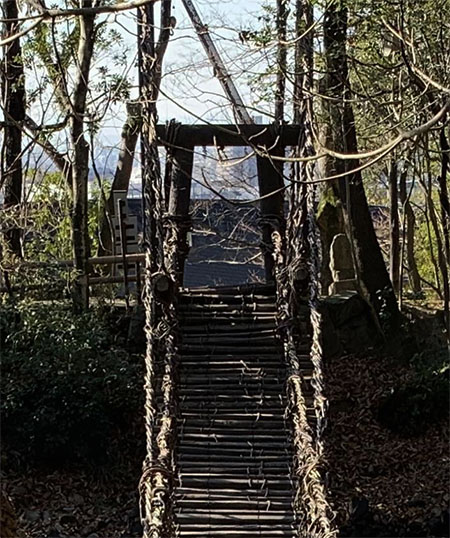
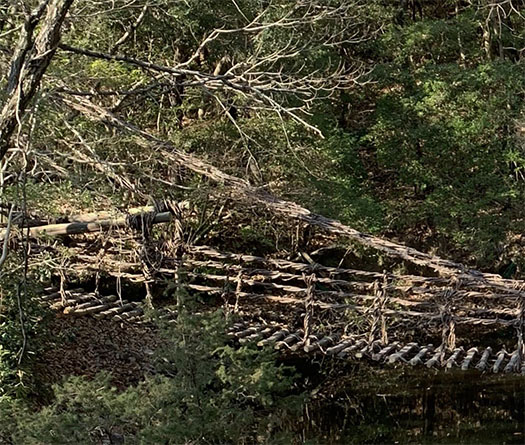
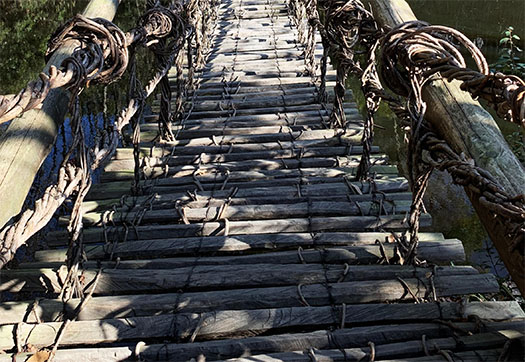
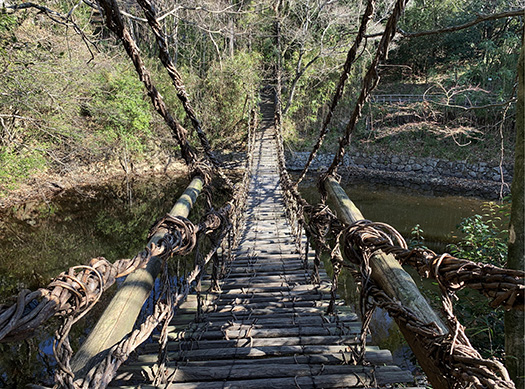
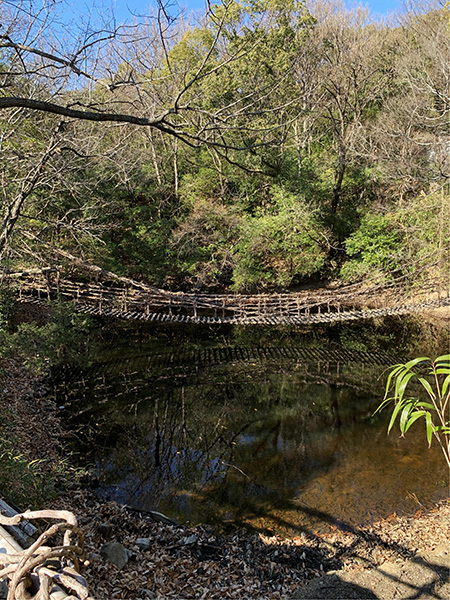
これは屋島の「四国村」に再現された「かずら橋」。
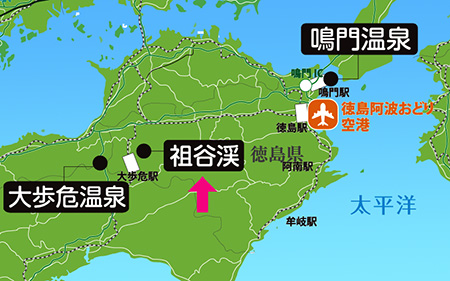
実物は徳島県祖谷という四国の秘境として知られる険しい山地にある。
深い谷間を流れる急流が、隣接する地域同士の交通を分断させていた。
いつの頃からか村人が山に自生の「白口かずら」というつる状植物を編み上げ
この吊り橋を作ることに成功し、対岸同士の往来が容易になった。
自然素材を活かした造作なので3年ごとに掛け替えられるのだという。
この再現に当たっては祖谷地方の技術保持者を招聘し材料も
現地の白口かずらを使って完成させたのだという。
渡ってみると、揺れることはそう大きな問題ではないが、足下の丸木の間隔が
そこそこ空隙があるので一歩一歩確認が必要でした。オモシロかった。
でもまぁ後ろでカミさんはときどき悲鳴を上げていた(笑)。

この祖谷地域というのは平家の落人伝承で知られた山里。
〜徳島県三好市祖谷は幼い安徳天皇と平教経(変名して国盛)一行がこの地に逃れ
平家再興の望みをつないだという『もうひとつの平家物語』が語り伝えられる。
1184年の壇ノ浦の戦いに敗れ、平氏一門の武将たちは覚悟を決め、海に入水し、
幼い安徳天皇も祖母である二位尼に抱かれて、西の海に身を投げたといいます。
また祖谷平家伝説の主人公、平教経(以下、平国盛)も源氏の武者二人を道連れに
海に沈んだといわれているが、安徳天皇も平国盛も実は影武者だった・・・。
「屋島の戦い」で敗れた後、平国盛(教経)一行は幼い安徳天皇をお守りしながら、
この祖谷の地にやって来て山深い地で平氏再興の望みをつないでいたという。〜
実際にこの地域にはこの平家落人伝承にまつわる地名が数多く残っている。
全国各地にこうした伝承はあるのでなにごとかの実態はあったのでしょう。
このかずら橋自体も平家のひとびとが掛けた伝承があるという。
もし追っ手が迫ったときにこの橋を切り落とせば追撃を遮断できる。
そういった軍事技術の痕跡がみえてもくる。

しかし鎌倉期の公共事業の一種として考えるとこれも興味深い。
現代でも秘境と言われるような山深い地域で、このような公共利用に供する橋が
ずっと技術伝承されてきた事実は当時の最先端技術がここに確かに存在したことを
雄弁に物語っているのではないか。
またそれが民謡にまで歌われてきたというのはもっと興味を惹く。
民俗・民族としての深い愛着をそこに感じさせられる。
自分でも体験することでそうした印象に陰影が強くなるとも思う。
四国に花開いた人間居住空間の奥行きが伝わってきます。

English version⬇

[Iyanokazura Bridge, the land of Heike folklore, Shikoku living space exploration-2]
“Iyanokazura Bridge, swaying, but
If you withdraw from the Lord (Nushi), he won’t be afraid. ”
There seems to be a “folk song”, but it’s not young enough to hold hands (laughs).
It is quite difficult to actually experience it.
This is the “Kazura Bridge” reproduced in “Shikoku Village” on Yashima.
The real thing is in the steep mountainous area of ​​Iya, Tokushima Prefecture, which is known as the unexplored region of Shikoku.
Rapids flowing through deep valleys disrupted traffic between adjacent areas.
From some time ago, villagers knit a vine-shaped plant called “Shiraguchi Kazura” that grows naturally in the mountains.
We succeeded in making this suspension bridge, and it became easier to come and go between the opposite banks.
It is said that it is a structure that makes use of natural materials, so it can be replaced every three years.
In recreating this, we invited technology holders from the Iya region to use materials.
It is said that it was completed using the local Shiraguchi Kazura.
When I crossed it, shaking was not a big problem, but the distance between the logs under my feet was
Since there are some gaps, it was necessary to check step by step. It was funny.
But behind me, Kami was screaming from time to time (laughs).

This Iya area is a mountain village known for the folklore of Heike’s deceased people.
~ In Iya, Miyoshi City, Tokushima Prefecture, a young Emperor Antoku and Taira no Noritsune (renamed Kunimori) fled to this area.
“Another Heike Monogatari” that connects the hopes of the Heike revival is told.
After losing the Battle of Dannoura in 1184, the Taira clan warlords decided to enter the sea and entered the sea.
It is said that the young Emperor Antoku was also embraced by his grandmother, the second-ranked nun, and threw himself into the west sea.
In addition, Taira no Noritsune (hereinafter referred to as Taira no Noritsune), the main character of the legend of the Iya Heike, also takes two warriors of Genji with him.
It is said that it sank in the sea, but both Emperor Antoku and Taira Kunimori were actually shadow warriors …
After being defeated in the “Battle of Yashima”, Taira no Noritsune and his group protected the young Emperor Antoku while protecting the young Emperor Antoku.
It is said that he came to this land of Iya and connected his hopes for the revival of the Taira clan in the deep mountains. ~
In fact, many place names related to this Heike folklore remain in this area.
Since there are such folklore all over the country, there must have been something in reality.
It is said that this Kazura Bridge itself has a tradition of being hung by the Heike people.
If the chase is approaching, you can cut off this bridge to block the chase.
Traces of such military technology can be seen.

However, this is also interesting when considered as a type of public works project during the Kamakura period.
In a mountainous area that is said to be an unexplored region even today, there are bridges for public use like this.
The fact that technology has been handed down for a long time is that the state-of-the-art technology at that time certainly existed here.
Isn’t it eloquently speaking?
It is even more interesting that it has been sung in folk songs.
You can feel the deep attachment as a folk and ethnic group there.
I think that by experiencing it myself, the shadows will become stronger in that impression.
You can feel the depth of the human living space that has blossomed in Shikoku.

【小豆島の農村歌舞伎舞台 四国住空間探訪-1】


さて札幌の大雪ドカ雪での都市機能クライシスでありますが、
昨日は朝からマヒ状態の都市機能ぶりを散歩で確認した後、
昼間には久しぶりに友人と会食で外出。
「JRなにやっているんだ」という意見が飛び交っているのですが、
一昨年の地震からの大停電の記憶でもなかなかにしたたかだった地元民。
停電で冷蔵庫がダメになったら庭先や海辺などに繰り出して
冷蔵庫の冷凍食品群を平らげるためにバーベキューを楽しんで乗りきった。
困難を癒してくれる大自然があるというのはありがたかった。
JRの不通も「どもこもならん」と怒りつつ、また道路の大渋滞にも
案外、良い面を見出してしのごうとするメンタルがある。
JRからも詳細な説明資料が公開され、情報開示されている。
いちいちの情報についてはそちらをチェックしていただきたいのですが、
「なんもさ」という他者肯定力こそは北海道人の貴重で強力な心性。
気候条件のきびしさがおおらかな心性を育てているともいえる。
そういう部分が日本人のなかでいちばん発達しているとも思われるのですね。
社会の復元力に期待したいところだと思っています。

ということで緊急事態対応的なブログ記事でしたが、
本日からふたたび「日本人と住空間」という本来趣旨で続けたいと思います。
先日来、屋島の掘り起こし型ブログ記事でしたが、
この四国屋島の麓には「四国村」という民俗建築保存エリアがある。
わたしの傾向を踏まえて事前にカミさんが情報を丹念に集めてくれていたので、
たっぷり半日以上、全部の古民家・建築群を堪能させていただきました。
その様子をご覧いただきながら、四国という地域の民俗に迫って見たい。
建築痕跡、古民家群には暮らしの証言が明瞭に残っていて
北海道人の「なんもさ」心理にも通ずる普遍的な楽観主義が匂い立つ。
生き延びてきた人々のいとなみが立ち上ってくるのですね。
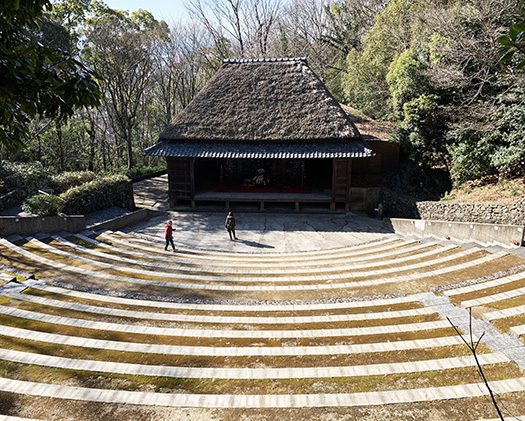
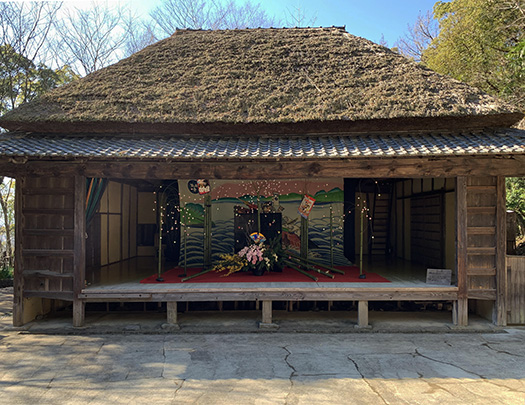
最初は全国各地に1000箇所以上あるという「農村歌舞伎舞台」であります。


〜この舞台は小豆島の土庄町小部(こべ)地区が所有、島の村々の氏神の秋祭りには
「地芝居」という農村歌舞伎が奉納されていた。江戸末期に構築された舞台であり、
島内でも20余りあったが現在は数少ない。屋根は寄棟造りのカヤ葺。
裏に1間半(約2.73m)の桟瓦(さんがわら)葺の下屋が4間半にわたってある。
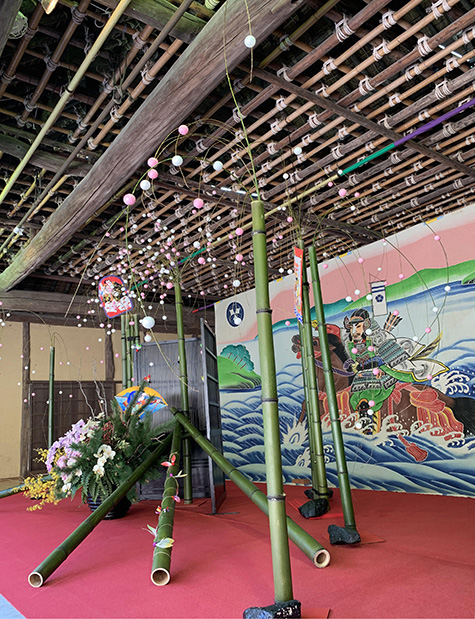
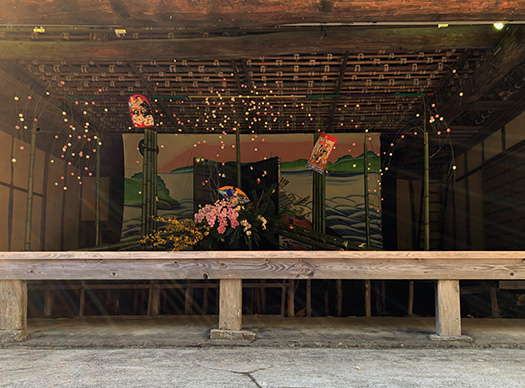
前面はカヤ屋根を切り上げて桟瓦葺の庇としている。建物は間口6間、奥行4間半で
天井がなく木組がむき出し。廻り舞台は床下の地面を掘り中央に台石をすえ、
これに心棒がついて人力によって舞台を廻していた。舞台中央の廻り舞台は直径4.72m。
上手にチョボのユカ、お囃座(はやしざ)があり、裏の下屋は楽屋となっている。
この舞台は昭和52年(1977年)に現在の位置に移築。江戸時代の建物と証明される
「文久三亥(西暦1863年)八月御祭礼」と記した墨書がある。〜
<高松市歴史民俗協会・高松市文化財保護協会1992年『高松の文化財』より抜粋>

地域社会という結びつきを強めてくれる空間として
多くの人々の息づかいが伝わってくる。
日々の労働から離れてのいっときの「解放空間」が広がっている。
演者と客席との相互の心の交流が残響のように響き渡っているように感じる。

English version⬇

[Shodoshima Rural Kabuki Stage Shikoku Living Space Exploration-1]
By the way, it is an urban function crisis due to heavy snowfall in Sapporo.
Yesterday, after confirming the urban function of the paralyzed state from the morning on a walk,
In the daytime, I went out for dinner with my friends for the first time in a while.
There are many opinions about what JR is doing, but
The locals were quite happy with the memory of the big blackout from the earthquake two years ago.
If the refrigerator fails due to a power outage, go out to the garden or the beach
I enjoyed the barbecue to flatten the frozen foods in the refrigerator.
I was grateful that there was nature that healed the difficulties.
While getting angry at the JR outage, “I’m not a kid,” and also in heavy traffic on the road.
Unexpectedly, there is a mentality that tries to find a good side and overcome it.
Detailed explanatory materials have also been released by JR, and information has been disclosed.
I would like you to check that for each piece of information.
The affirmative power of others, “Namosa,” is the precious and powerful spirit of the Hokkaido people.
It can be said that the harshness of the climatic conditions fosters a laid back spirit.
It seems that such a part is the most developed among Japanese people.
I would like to expect the restoring force of society.

So it was an emergency response blog article,
From today, I would like to continue with the original purpose of “Japanese and living space”.
The other day, it was a blog post about Yashima’s digging up.
At the foot of this Shikoku Yashima, there is a folk building preservation area called “Shikoku Village”.
Mr. Kami carefully gathered information in advance based on my tendency, so
I thoroughly enjoyed all the old folk houses and buildings for more than half a day.
While watching the situation, I would like to take a closer look at the folklore of the region of Shikoku.
The testimony of living is clearly left in the traces of architecture and the old folk houses.
A universal optimism that is similar to the “nothing” psychology of Hokkaido people is scented.
The friends of those who have survived will rise up.
The first is the “Rural Kabuki Stage,” which has more than 1,000 locations throughout Japan.
~ This stage is owned by the Kobe district of Tonosho Town on Shodoshima, and is used for the autumn festival of Ujigami in the villages of the island.
A rural Kabuki called “Ji-drama” was dedicated. It is a stage built in the late Edo period,
There were more than 20 on the island, but there are few now. The roof is a hipped roof.
There is a one-and-a-half (about 2.73 meters) thatched-roof house on the back for four and a half ken.
The front is rounded up from the Kaya roof to form a tiled roof. The building has a frontage of 6 ken and a depth of 4 and a half.
There is no ceiling and the wooden structure is exposed. For the revolving stage, dig the ground under the floor and set a pedestal in the center.
A mandrel was attached to this, and he was turning the stage manually. The revolving stage in the center of the stage is 4.72m in diameter.
There is Chobo Yuka and Hayashiza well, and the back cottage is a dressing room.
This stage was relocated to its current position in 1977. Proved to be a building from the Edo period
There is an ink book that says “Bunkyu Sanyo (1863 AD) August Festival”. ~

As a space that strengthens the ties of the local community
The breath of many people is transmitted.
A momentary “liberation space” away from daily labor is expanding.
I feel that the mutual emotional exchange between the performer and the audience reverberates like reverberation.

【世界最高積雪200万大都市のインフラ危機】


札幌は年間積雪が6m近いという稀有な地域にある大都市。
モスクワは寒いけれど、積雪はそれほどでもないと言う。
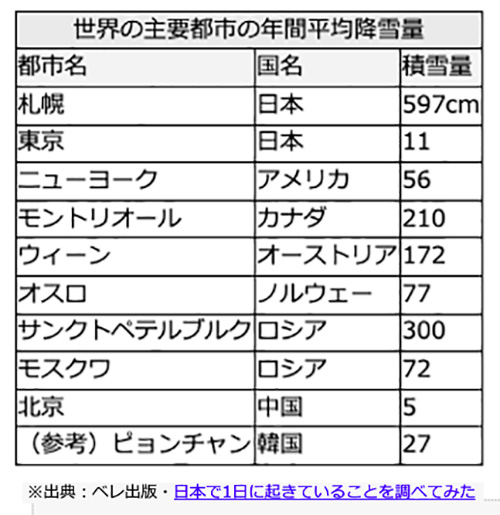
世界で最も積雪量の多い都市は札幌。人口が100万人以上いる大都市で、
年間の積雪量が500cmを超えているのは世界中で札幌だけ。
世界の主要都市の年間平均降雪量を比較しているのが上の表。
札幌のように200万人人口の地域でこれだけ積雪量が多いのは極めて異例。
豪雪地帯・札幌に200万人近い人が住める理由は公共の除雪システムのため。
札幌の雪対策の年間予算はおよそ200億円。
除雪作業で一日に活動する作業員は約3000人除雪車は1000台という規模。
翌朝の通勤通学に支障がないよう夜間に主要道路の雪かき作業を完了させる。
一晩で行われる除雪総延長は5100kmにも上る。このような世界最高レベルの
除雪システムによって豪雪地域でも200万人が活動できる大都市が機能できる。
〜以上データは、日本と世界の統計データより、要旨抜粋。

まぁ世界的にほぼ自然発生的に「条件のいい土地に人が集まる」という
与条件からまずは大都市の環境基盤があり、その上でその国ごとで
権力の複雑な争闘経緯が重なっていわゆる「大都市」が形成されていく。
そして経済発展に即して人口の集積が進んでいくということになる。
日本の場合、与条件としての国土面積が小さいということがまずある。
歴史的には北海道の開拓は明治の開国とワンセットで主に「国防」の観点から
ロシアの極東における南下侵略への強い防衛意識が高まって
積雪寒冷という厳しい条件の土地だけれど、国家の存亡を掛けて開拓してきた。
札幌がその首府として選択されたのは、北海道の中心的機能を果たすのに
地理的、気象的条件で総合的に選択された経緯がある。
江戸末期の「北辺防備」の論議でほぼ衆目の一致した開発特区だったといえる。
近代国家としてもっとも最近取り組んできた「計画都市」。
奈良、京都、江戸・東京と並んで国家の全体力を掛けた国策都市なのですね。
開拓して人間を居住させること自体が国防の最高目標だった。
札幌が日本人の意識の中である特異な部分を占めているのはこうした経緯による。
年間除雪費用が200億円規模で、人口割りすれば一人あたり10,000円。
もちろんその他にも経費は掛かるわけで市の予算は8,723億円。
除雪費用は2.3%を占める割合となります。
国策で国家経営から民間経営に移譲したJRの予算でも除雪費用は必要。
ただでさえもっとも経営売上げが小さい地域でかつ人口もまばらで
面積が広いという条件の中で経営していくのは厳しい条件だと思う。
自分だったら、その経営条件のきびしさに怖れを成すに違いない。

さて、こういう条件下ではあるけれど、
今後とも日本にとって北海道経営は不可欠なモノには違いない。
こういう与条件だから伝統的な軸組木造住宅の高断熱高気密技術も発展できた。
今後の日本全体の省エネ技術の基盤を創造できた貴重な地域。
誇りを持って、地域の危機を乗り越えていきたい。

English version⬇

[Infrastructure crisis in the world’s largest snowfall 2 million cities]
Sapporo is a large city in a rare area with an annual snowfall of nearly 6m.
Moscow is cold, but not so much snow.
Sapporo is the city with the most snow in the world. In a big city with a population of over 1 million
Sapporo is the only place in the world where the annual snowfall exceeds 500 cm.
The table above compares the average annual snowfall in major cities around the world.
In an area like Sapporo with a population of nearly 2 million, it is extremely unusual to have such a large amount of snow.
The reason why nearly 2 million people can live in Sapporo, which is a heavy snowfall area, is because of the public snow removal system.
The annual budget for snow measures in Sapporo is about 20 billion yen.
There are about 3,000 workers working on road snow removal work a day, and 1,000 snowplows.
Complete the snow shoveling work on the main road at night so as not to interfere with commuting to work or school the next morning.
The total length of snow removal that takes place overnight is said to be as high as 5100km. World’s highest level like this
The snow removal system can function in a large city where 2 million people can work even in heavy snowfall areas.
~ The above data is an excerpt from Statistical data of Japan and the world .

Well, it is said that “people gather in a land with good conditions” almost spontaneously worldwide.
From the given conditions, first of all, there is an environmental infrastructure of a big city, and then each country
The so-called “big city” is formed by overlapping the complicated struggle of power.
And the population will be concentrated in line with economic development.
In the case of Japan, the first thing is that the land area is small as a given condition.
Historically, the development of Hokkaido was a set with the opening of the Meiji era, mainly from the perspective of “national defense.”
A growing awareness of defense against the invasion of the South in Russia’s Far East
Although it is a land with severe snow and cold conditions, it has been cultivated for the survival of the nation.
Sapporo was selected as the capital city to fulfill the central function of Hokkaido.
There is a history of comprehensive selection based on geographical and meteorological conditions.
It can be said that it was a special development zone that was almost in agreement with the public in the discussion of “Northern Defense” in the late Edo period.
The “planned city” that we have been working on most recently as a modern nation.
Along with Nara, Kyoto, and Edo / Tokyo, it is a national policy city that puts the whole power of the nation.
Pioneering and inhabiting humans was the highest goal of national defense.
It is for this reason that Sapporo occupies a peculiar part of Japanese consciousness.
The annual snow removal cost is about 20 billion yen, which is 10,000 yen per person when divided by the population.
Of course, there are other expenses, so the city budget is 872.3 billion yen.
Snow removal costs account for 2.3%.
Snow removal costs are required even with the JR budget, which was transferred from national management to private management under national policy.
It is an area with the lowest management sales and a sparse population.
I think it is a strict condition to manage under the condition that the area is large.
I must be afraid of the strictness of the business conditions.

Well, under these conditions,
Hokkaido management must be an indispensable item for Japan in the future.
Because of these conditions, the highly insulated and airtight technology of traditional wooden houses with frameworks could be developed.
A valuable area that was able to create the foundation of energy-saving technology for Japan as a whole in the future.
I want to take pride in overcoming the crisis in the region.

【大雪直撃の札幌、都市機能交通マヒ 週明け混乱か?】


本日2月7日終日除雪作業のため、札幌発着のJR全線が運休との発表。
一方札幌市からのLINEでの広報では非常事態対応的な除雪体制運用のため
クルマの市内乗り入れ通行を極力避けて、というアナウンス。
JR発表では「代替バス輸送」も車両確保のメドが立たず運行しないとのこと。
・・・いま7日月曜日早朝にこのブログを記述していますが、
週末2日間の大雪、ドカ雪で週明けの本日7日市民生活に大きく影響が出そうです。

ブログで5日の状況も記載しましたがきのう6日もドカ雪はさらに加速。
そういうなか、取材スタッフクルーは苫小牧に出動。
朝10時出発で撮影開始は13時ということで余裕を持っていたので
取材撮影自体は無事完了でき午後4時すぎ帰還に出発できたたけれど、
苫小牧からの帰路、高速道路の閉鎖、国道の大渋滞で弊社帰還は夜の7時半ころ。
一方その間、建物周囲の除雪作業はほぼ連続して実施。
除雪し終わったと思ったらすぐに始めの地点の積雪が除雪レベルになる。
まさに大雪の直撃状況で2日間推移しておりました。
この2日間での除雪作業はほぼ休みなく行っていた実感。
さすがに疲労も蓄積するので筋肉疲労緩和で市内近隣の温泉施設へ。
しかしこちらも200-300台の駐車スペースが大幅間引き状況。
降り続く大雪で営業時間中ずっと除雪できずにほぼ半分の場所が使えない。
メイン駐車場はロードヒーティング敷設ですが、各所に雪だまり発生。
降雪にロードヒーティングが間に合わないのですね。
現代的なライフスタイルになってきてから初めてと言っていいほどの大雪。
いまのところの発表では5−6日の24時間で60cmの大雪とのこと。
しかし、この発表はまだ全貌をあきらかにしているとは思えない。
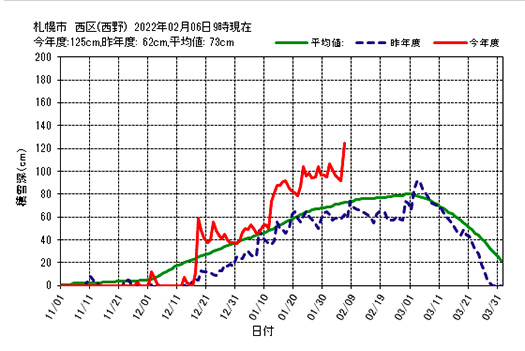
上の「札幌市西区」の積雪深は2月6日午前9時の状況で125cmとなっていますが、
これ以降の降り方もハンパないレベルなので次回の本日午前9時発表で
どこまで増えているのか、予断を許しません。
おかげさまで6日午後2時頃には降雪はほぼ小康状態で本日早朝時点では
数cm程度の降雪に収まっているところですが、さてどうなるか。

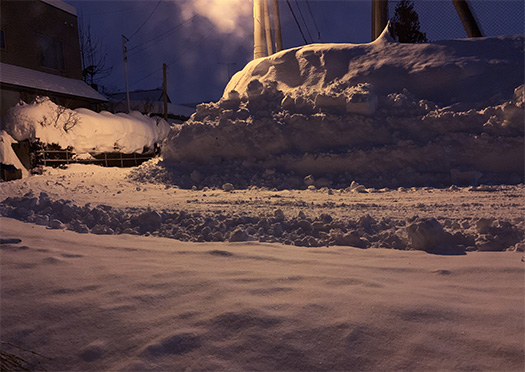
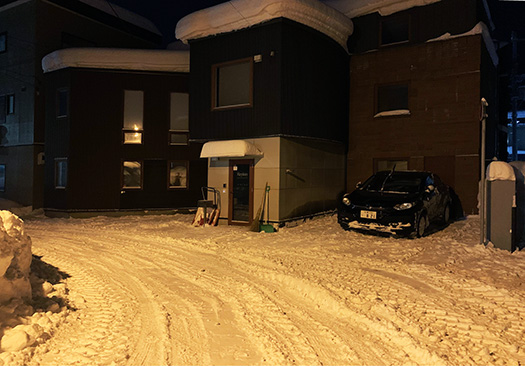
写真は本日午前4時時点でのわが社前の雪山状況。
車道の半分を占有するこの雪山の高さはすでに3m近くに成長している。
通常の2車線が1車線に。手前側の除雪はなんとかしているので
前面道路の車両通行には問題ありませんが、そろそろ高さ方向での堆雪は限界か?
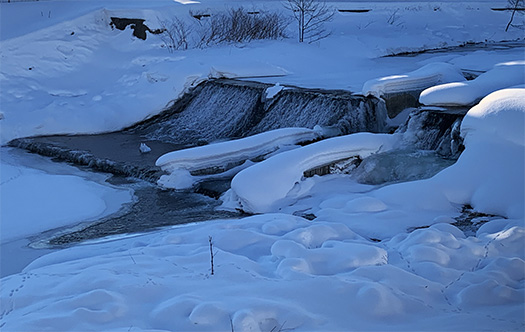
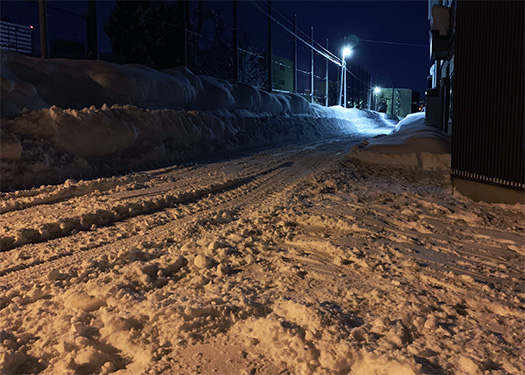
下の写真は2日前の周辺発寒川の水路段差付近の雪氷の様子。
そして6日午前9時時点の札幌市西区の積雪深発表図(気象台発表)。
本日午前9時時点の発表に怖いもの見たさ的な興味もあります(笑)。
まん延防止期間でもあるので引き続きテレワーク体制を継続していますが、
スタッフの行動の中心として駐車スペース確保も必須要件でもある。
まことに綱渡りのような日々がしばらくは続くことになります。
こういう厳しいなかですが、くらしと経済活動、頑張りたいところです。

English version⬇

[Sapporo, hit by heavy snow, urban function traffic paralysis Is it confusing at the beginning of the week? ]
Announced that all JR lines departing from and arriving in Sapporo will be suspended due to snow removal work all day on February 7th.
On the other hand, in the public relations on LINE from Sapporo City, it is for the operation of the snow removal system in response to an emergency.
Announcing that cars should be avoided from entering the city as much as possible.
According to the JR announcement, “alternative bus transportation” will not operate because there is no way to secure a vehicle.
… I’m writing this blog early on Monday, 7th,
Heavy snowfall and heavy snowfall for two days on the weekend are likely to have a major impact on the lives of citizens on the 7th of the week.

I mentioned the situation on the 5th in my blog, but yesterday the snow was accelerating on the 6th.
Under such circumstances, the interview staff crew was dispatched to Tomakomai.
Since I left at 10 am and started shooting at 13:00, I had plenty of time to spare.
The interview shooting itself was completed safely and I was able to leave for returning after 4 pm,
Our return was around 7:30 pm due to the return trip from Tomakomai, the closure of the highway, and the heavy traffic on the national highway.
Meanwhile, snow removal work around the building was carried out almost continuously.
As soon as you think that you have finished removing snow, the amount of snow at the beginning will reach the snow removal level.
It was exactly the situation of the direct hit of heavy snow for two days.
I felt that the snow removal work in these two days was done almost without a break.
As expected, fatigue accumulates, so go to a hot spring facility near the city to relieve muscle fatigue.
However, the parking space for 200-300 cars is also being thinned out.
Due to heavy snowfall, it was not possible to remove snow during business hours and almost half of the space could not be used.
The main parking lot is laid with road heating, but snow pools occur in various places.
Road heating is not in time for snowfall, isn’t it?
Heavy snowfall, almost the first time since it became a modern lifestyle.
According to the announcement so far, it will be a heavy snowfall of 60 cm in 24 hours on 5-6 days.
However, this announcement does not seem to reveal the whole picture yet.
The snow depth in the above “Nishi-ku, Sapporo” is 125 cm at 9:00 am on February 6,
Since the way of getting off after this is also a level that is not hampered, it will be announced at 9 am today
I can’t predict how much it has increased.
Thanks to you, the snowfall was almost in a lull around 2:00 pm on the 6th, and as of early morning today
It’s just a few centimeters of snowfall, but what happens?

The photo shows the snowy mountain situation in front of our company as of 4 am today.
The height of this snowy mountain, which occupies half of the road, has already grown to nearly 3m.
The usual two lanes become one lane. I’ve managed to remove the snow on the front side
There is no problem with vehicle traffic on the front road, but is it time to limit the amount of snow in the height direction?
The photo below shows the snow and ice near the waterway step of the surrounding Kankan River two days ago.
And the snow depth announcement map (meteorological observatory announcement) in Nishi-ku, Sapporo as of 9 am on the 6th.
I’m also interested in seeing something scary about the announcement as of 9 am today (laughs).
Since it is also a spread prevention period, we are continuing the telework system, but
Securing parking space is also an essential requirement as the center of staff action.
The days like walking a tightrope will continue for a while.
It’s a tough situation like this, but I want to do my best in living and economic activities.

【札幌ドカ雪ふたたび 自力除雪「甲斐」あり!】


札幌は1月中の大雪到来から2月に入って小康で、
徐々に市内の除雪も進み市民生活に欠かせないクルマ交通が回復していました。
ほぼ1週間ほどの降雪小康はまことに天の恵みだった。
毎朝の除雪作業でそれどころではなかった早朝散歩もおかげさまで復活。
昨日も1時間半で1万歩越えと日常生活復元していた。

ところが昨日は昼過ぎから一転してのドカ雪到来。
「みるみる」という表現がピッタリするような旺盛な大雪であります。
ちょうど朝からの散歩・集中的買い物で疲れての長めの昼寝から
目覚めたら、カミさんの泣きっ面に遭遇。
「・・・降ってるの。大雪だわ(泣)」
で、外を見たら記録的短時間降雪量っぷりであります。
まだ気象台からは発表がないのですが降雪量発表の速報記録を確認すると
この間の降雪量は30cmは越えているようです。体感的には50cmクラス。
(札幌「西区」の積雪深発表は毎日午前9時)
降りっぷりを見ているととても止む気配がなく、そういう状況では
除雪作業に取り組んでも甲斐がないのですね。
それこそ「やってもやっても」作業がムダになるほどに降ってくる。
ここは状況を見て降雪レベルの低下を見定めた方が得策。
そういった状況で降雪はじめから数時間、たぶん5−6時間経って
ようやく小降り、ときどき止むという状況に推移してきた。
時間的には午後9時過ぎころであります。
そこでようやく生活維持防衛のために、夫婦で除雪出動。
覚悟を決めて除雪作業を始めてみてその降雪量の巨大さに改めて体感的に驚く。
わが家ではママさんダンプと、より軽量の除雪具を使いますが、
大量運搬型のママさんダンプでなければ適わない大雪ぶり。
前面道路を含めるとおおむね100坪ほどの除雪範囲ですが、
たっぷりと1時間半かけて粗々の除雪、中程度の除雪作業までなんとかできた。
しかしそれから先の作業は公共の除雪ブルドーザーの出動を待つしかない。
巨大な雪山の解体除雪には機械力が不可欠なのですね。
わが家(兼用住宅)前の道路は中学校の周囲にあたり
土地購入時点、少なくとも35年前から通学路指定道路なので
大雪が降れば機械除雪は出動してくれるのであります。
というか、そういう条件があったので土地を選定したとも言える。
ただ、除雪ブルの出動時間は一定していないので期待して待つしかない。

そんな期待を抱きつつ、バラバラ感に満ちた体を休め汗を静めていた午後11時。
家の前が突然明るくなるではありませんか。
・・・除雪ブルがやってきてくれたのであります。
「甲斐があった!」と夫婦でよろこびの交歓。思わず拍手であります。
地獄のように厳しい状況になってもコツコツ努力すれば報われる。
まさにそんな至福の一瞬であります(笑)。
ということで平安な就寝後、けさ目覚めて撮影したのが上の写真。
おかげさまでその後、降雪はなかったようであります。
きょうは取材撮影のクルーも出動するし、来客も予定されている。
このまま、大きな降雪がないことを祈りたいところであります。
北国暮らしのささやかな「戦い」を実況させていただきました(笑)。

English version⬇

[Sapporo Doka(Big) Snow Again, there is “Kai” for self-removal snow removal! ]
Sapporo has been in a lull since the arrival of heavy snow in January and in February.
Snow removal in the city gradually progressed, and car traffic, which is indispensable for citizens’ lives, was recovering.
Snowfall Koyasu for almost a week was truly a godsend.
Thanks to the snow removal work every morning, the early morning walk, which was not so much, has been revived.
Yesterday, I was able to recover my daily life by over 10,000 steps in an hour and a half.

However, yesterday, it was snowing after noon.
It is a heavy snowfall that is perfect for the expression “Mirumiru”.
From a long nap tired from walking and intensive shopping from the morning
When I woke up, I encountered Kami-san’s crying face.
“… It’s raining. It’s heavy snow.”
So, if you look outside, you will see a record short amount of snowfall.
There is no announcement from the meteorological observatory yet, but if you check the breaking news record of the snowfall announcement
The amount of snowfall during this period seems to exceed 30 cm. Feeling 50 cm class.
(Announcement of snow depth in Sapporo “Nishi-ku” is 9 am every day)
There is no sign of stopping when I look at the rain, and in such a situation
It’s not worth the effort to remove snow, isn’t it?
That’s what makes the work “even if you do it” wasteful.
Here, it is better to look at the situation and determine the decrease in snowfall level.
In such a situation, a few hours after the beginning of the snowfall, maybe 5-6 hours later.
It has finally changed to a situation where it gets off a little and sometimes stops.
It is around 9 pm in terms of time.
There, the couple finally dispatched snow removal to maintain and defend their lives.
When I made up my mind and started snow removal work, I was surprised again by the huge amount of snowfall.
At my house, I use a mama dump truck and a lighter snow remover,
It’s been a heavy snowfall that is not suitable unless it is a mass-carrying mama-san dump truck.
Including the front road, the snow removal range is about 100 tsubo,
It took an hour and a half to remove rough snow and moderate snow removal.
However, the only work after that is to wait for the public snow removal bulldozer to be dispatched.
Mechanical power is indispensable for dismantling and removing snow from huge snowy mountains.
The road in front of my house (combined house) is around the junior high school
At the time of land purchase, it has been designated as a school road for at least 35 years.
If it snows heavily, mechanical snow removal will be dispatched.
In fact, it can be said that the land was selected because of such conditions.
However, since the dispatch time of the snow removal bull is not constant, there is no choice but to expect and wait.

With such expectations, I was resting my body full of disjointed feelings and calming my sweat at 11:00 pm.
Isn’t the front of the house suddenly brightening?
… The snow removal bull has arrived.
“It was worth it!” I applaud involuntarily.
Even in a difficult situation like hell, if you work hard, you will be rewarded.
It’s just such a blissful moment (laughs).
So, after going to bed peacefully, I woke up and took the above picture.
Thanks to you, it seems that there was no snowfall after that.
Today, the crew for the interview shooting will be dispatched, and visitors are scheduled.
I would like to pray that there will be no heavy snowfall as it is.
I played a small “battle” of living in the north (laughs).