本文へジャンプ

【山中湖畔に「三島由紀夫文学館」を訪ねる】


 わたしは「作家と住空間」という電子出版をこの4月初めに出版します。住宅にかかわって生きてきたことのNEXT領域感。徐々にご案内をしていきたいと考えております、ぜひよろしくお願いします。
 作家はその生きた時代が終わったあと、住んでいた住宅空間が「祈念碑」のように保存されたりする。きのうも友人たちとの終末期の交友心情について触れたけれど、人間各個の生死の領域のことまでを大きく深く含めた全存在として、作家という存在はわたしたちといわばこころの交友を重ねていくものだろう。
 わたしが生きてきたなかで、大きな影響力を持った作家の一人として三島由紀夫がいる。
 かれのあの最期の自決事件があって、現代世界での一種の「アンタッチャブル」としてあり続けている。
 その住空間はいまも東京に残され保存されているけれど公開はされていない。ただし、写真家・篠山紀信の発表した住宅写真集がいまも残されていてわたしも事後に購入してきている。
 そしてもう1ヵ所、その名を冠した文学館が山中湖畔にあるという情報を知っていた。
 わたし自身は政治的スタンスにおいてあの当時はむしろ、真逆の新左翼運動に近しかったので、事件の衝撃は十分に受けていたけれど心情においては距離感を持っていた。けれど加齢してきて、柳田國男的「民俗」という濾過を通り過ぎて来て、徐々に三島的な心情の基底旋律にも思いが至るようになってきた。
 今回、東京への移動出張機会があり少し時間にゆとりをもたせ、この山中湖畔にまで足を伸ばす機会を持てた。
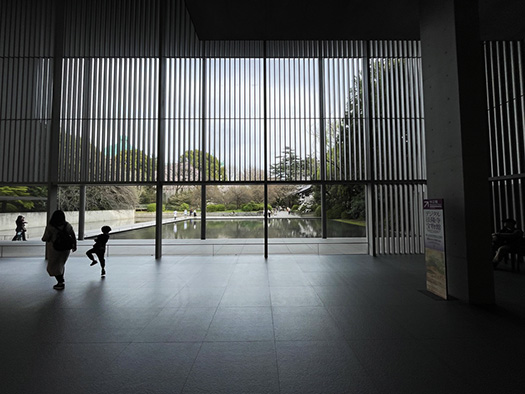
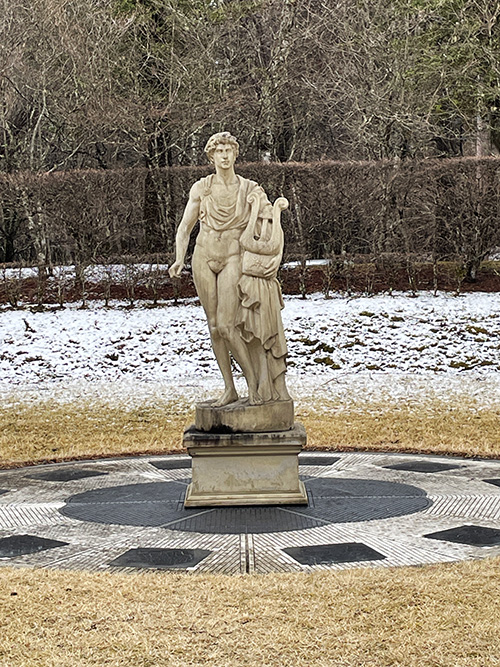
 三島というセンシティブな人物の文学館は全国の自治体としては取り組みにくいことが容易に想像できるなかで、この山中湖では縁があったので果敢に手を上げた経緯のようだった。もちろん一般的文学館なので「住空間」についての臨場感はあり得ないだろうと考えていた。しかし、現地に来て見て、篠山紀信の写真集で見ていた「庭の彫像」レプリカが置かれている様子に接して強く臨場感が感じられた。
 正直、三島のこうした「庭への彫像設置」という感覚は写真集を見ていて違和感が強かったのだけれど、この写真のように置かれている様に接して、背景の自然の空気感もあってか三島個人の心象世界への「扉〜とびら」のように感じられた。三島由紀夫という人間と向かい合うひとつの空間的機縁。北海道人の「庭」の受け止め方、その本州人との相違を書いてきたけれど、こういう庭・彫像と「住み手」の関係性もあるのだという発見。
 こうした彫像と毎日向かい合い対話しながらかれ三島由紀夫は生きていたということに、ある蓋然性を感じさせられていた。本来はノーベル文学賞を受けるべき作家であった三島由紀夫の世界。いろいろなプロセスを過ぎて、やっぱりこの人物と対話してみたいという気分が沸いてきていた。空間のパワーだろうか。

English version⬇

[Visit the Yukio Mishima Literature Museum on the shores of Lake Yamanaka.
The sense of placing a statue in the garden, which is also of Mediterranean world sensitivity. Apparently, I felt a strong persuasive force as a boundary to the literary world of the writer Mishima. …

 I am publishing an e-publication early this April called ‘Writers and Housing Spaces’. The NEXT area of my life involved in housing. I will gradually be making announcements and would be grateful for your support.
 After the artist’s time is over, the residential space in which he or she lived is sometimes preserved like a ‘monument of remembrance’. Yesterday I mentioned the feelings of friendship with friends at the end of life, but as a whole being that includes the realm of life and death of each individual human being, the existence of a writer is a kind of spiritual companionship with us all.
 One of the most influential writers in my lifetime is Yukio Mishima.
 His final suicide has remained a kind of ‘untouchability’ in the modern world.
 His living space is still preserved in Tokyo, but is not open to the public. However, a collection of photographs of the house published by the photographer Kishin Shinoyama still remains, and I have purchased a copy after the fact.
 I also knew that there was another museum of literature named after him on the shores of Lake Yamanaka.
 In terms of my own political stance at the time, I was rather close to the New Left Movement, which was the complete opposite of the New Left Movement, so although I was fully shocked by the incident, I was emotionally distant from it. However, as I have grown older, I have passed through the filter of Yanagida Kunio’s ‘folklore’ and have gradually come to think about the underlying melody of Mishima’s sentiments.
 This time, I had the opportunity to travel to Tokyo for a business trip, which gave me a little more time to spare, and I had the chance to extend my visit to the shores of Lake Yamanaka.
 It was easy to imagine that it would be difficult for local authorities throughout Japan to build a museum of the sensitive figure of Mishima, but Lake Yamanakako had a connection with Mishima, so it seemed to be a bold step to take. Of course, as a general literature museum, we thought it would be impossible to have a realistic sense of ‘living space’. However, when I visited the site and saw a replica of the ‘garden statue’ that I had seen in Kishin Shinoyama’s photo collection, I felt a strong sense of realism.
 To be honest, I had a strong sense of discomfort when I saw Mishima’s ‘statues in the garden’ in his photo books, but when I saw them placed as in this photo, I felt as if they were ‘doors’ to Mishima’s personal world of imagination, partly because of the natural atmosphere in the background. A spatial opportunity to confront the human being Yukio Mishima. I have written about the differences in the way I perceive the garden as a Hokkaido resident compared to people from Honshu, but I discovered that there is also this kind of relationship between the garden/statue and its ‘inhabitants’.
 The fact that Yukio Mishima lived in daily dialogue with these statues made me feel a certain probability. The world of Yukio Mishima, a writer who should have won the Nobel Prize for Literature. After passing through various processes, the feeling of wanting to dialogue with this person had been aroused. Is it the power of space?


【知友からの「病状」告白の静かな衝撃】


 人間には寿命がある。どんなに深い交流をしてきた人間同士も、黄泉を境するときは必ず訪れる。そういう事前の報告・告白を受ける、その人間の体力の状況をつぶさに直接その人から耳にすることが増えてきた。
 ちょっと不思議な静けさの時間。
 だんだんそういった時間・出会いが増える。やがてこいつと、不可逆な別離がやってくると深く知らされる機会。これは避けがたい。自分自身すらそういった状況と正対せざるを得ない時間も幾度か経験している。逃れがたい諸行無常。
 そういう人間同士の時間・体験が積層してくると、みなさんはどう感じられるだろうか。
 わたしの場合は、ある「諦念」に似た心理が沸き起こり、覚悟というようなものを自覚するようになる。そしてやがて、今現在の状況に立ち返って、今この時間への深い愛着の心理に満たされるようになる。一期一会。
 そんな気分が積層するようになってくると、昔人でありながら交友しうる、作家たちの文章であったり表現であったりとの「対話」の意味合いが深く感じられるようになる。その人物・作家とのディープな「対話」。
 表現者というのは、その人間の深い部分を自ら表側にえぐり出してくれている。病気や死というものは誰にでも普遍的にやってくるけれど、それについてまでかれら表現者とは対話できる。「わたしはこう生きたよ」というコミュニケーション。ある意味、知友たちと同一の心理での「つきあい」が可能なのだと思う。
 人それぞれの命との対話に実質が伝わってきて、むしろだんだん心はシンプルになれる。
 結局人間は、その最期の瞬間まで「どう生きるか」をコミュニケートし続けるのだと。自分同様に同世代の友人知己も、このことからは逃れられない。そしてそれまでの時間の過ごし方、すなわち「その人間の生き方、死に様」に正面から向き合うようになってくる。それが「交友」ということなのだろう。
 自分自身も含め友人知己たちと、いくつかそのような対話時間を持つようになってきた。
 昔人の武士たちの生き方事跡を見ると、そういう黄泉を境する「水杯」についての描写にも接する。
 だんだんとそういう「リアリティ」が理解できるようになって来て、ふしぎと静かさの感情が優先するようになって来た。悲観はもちろんあるのだけれど、むしろいまこの時間の味わいが深まるとも思っている。「わかった、お互いしっかり見届けような」というような内心の対話。

English version⬇

[The quiet shock of an acquaintance’s confession of a ‘medical condition’
It is an inevitability of life to border Hades with people who lived in the same time and under the same circumstances. Time to face such inevitability. The dialogue ‘So, how do you live? …

 Human beings have a life span. No matter how deeply people have interacted with each other, there will always come a time when they will cross the Hades. I receive such advance reports and confessions, and increasingly hear directly from the person in question about the state of his or her physical fitness.
 It is a time of a slightly mysterious silence.
 Gradually, such times and encounters increase. An opportunity to be deeply informed that, in time, an irreversible separation from this person is coming. This is inevitable. Even I myself have had to face such situations on several occasions. It is an inescapable impermanence.
 How do you feel when these human times and experiences are layered on top of each other?
 In my case, a kind of ‘resignation’ arises in my mind, and I become aware of a kind of preparedness. Eventually, I return to the present moment and am filled with a deep attachment to the present time. One lifetime.
 As such a feeling of ‘dialogue’ with the writings and expressions of writers, with whom you can be friends with in the past, becomes more and more deeply felt. A deep ‘dialogue’ with that person or writer.
 The expressive person is the one who reveals the deepest part of the human being to the public. Illness and death come to everyone universally, but even these can be discussed in dialogue with them. Communication that says: ‘This is how I lived. In a sense, I think it is possible to have the same psychological ‘relationship’ with them as with friends you know.
 The substance of the dialogue with each person’s life is conveyed, and the mind can gradually become simpler and simpler.
 In the end, human beings continue to communicate ‘how to live’ until the last moment of their lives. Like myself, friends and acquaintances of the same generation cannot escape this. And they come to face squarely the way they spent their time up to that point, that is, ‘how that person lived and died’. This is what ‘companionship’ means.
 I have come to have several such conversations with friends and acquaintances, including myself.
 When I look at the traces of the way of life of the warriors of old, I also come into contact with descriptions of the ‘water cup’ that borders the Hades.
 Gradually, I have come to understand such ‘reality’ and feelings of mystery and tranquillity have taken precedence. Of course there is pessimism, but I also think that it deepens the flavour of the present moment. An inner dialogue like, ‘Okay, let’s see each other through.’


【庶民を苦しめる野菜高騰に変化? in 東京街角】


 昨日は東京であちこち打合せ。で、無関係ながら街角を歩いているとふとスーパーではない野菜屋さんの店頭風景に目が泳いでしまった。なんとわが家ではしばらく買っていない(泣)キャベツが1玉200円を切って販売されていた。「おお」であります。東京なのに! わたしは、カミさんと週末必ず買い物に一緒に行くライフスタイルを続けております。自分で料理するのが好きなので、オモシロそうな季節感を反映した魚を品定めするのが日課なのですね。最近ではニシンのありがたい豊漁ぶりをこのブログでも書いていますが、わが家ではここ2ヶ月くらい豊漁を反映しての安値のニシンの焼き魚が朝の定番化していることはご報告済み。
 一方で、ご多分に漏れず最近の憂うべき「キャベツ」を初めとする野菜類の価格高騰ぶりには苦悩。最高の価格時期には日頃通うスーパーで1玉400円を上回っていた。連動して白菜までもが超値上がりして、しばらくわが家の食卓からはこれらの野菜類が消滅しております。まぁ野菜なので、ごく普通の価格で流通している種類のもので代用させて工夫してつつましやかな食生活を、という庶民の生活防衛で戦ってきております。
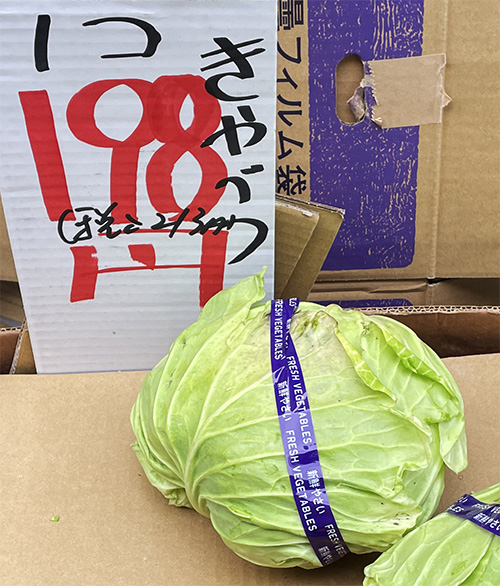
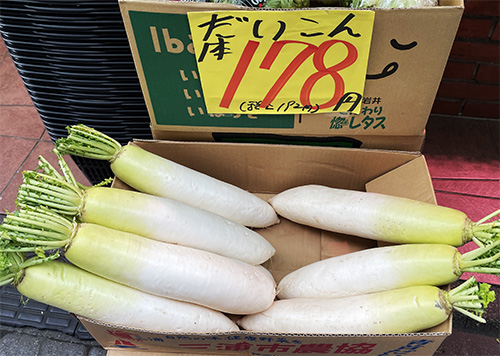
 そのキャベツの価格で198円という、まぁ手を伸ばしても良いかなぁという価格が、なんと街角の野菜店で目に飛び込んできたのであります。しかしいまは旅の空なのでまさか、旅行バッグに詰め込んで札幌に持って帰るワケにもいかず、これが春先を迎えての価格低下のさきがけかと胸を膨らませていました。同じ店では大根もごらんのように200円を大きく切ってきていた。
 キャベツは「週刊女性PRIME」というサイトで1/28記事で「農林水産省が1月21日に食品価格動向調査の結果を発表しまして、キャベツの1キロあたりの小売価格が全国平均で553円になりました。これは平年の3・37倍です」という記事。
 この記事の情報に即すると、1キロ当たり158円程度が普通の価格となる計算。さて、この写真のキャベツ、そこまで「大玉」ではないので、まだ割り引く必要があるけれど、今後の価格の正常化方向性を表しているのかもと期待しております。それにしてもコメの価格高騰など庶民生活への打撃は昂進してきている。経済こそがすべてに優先する大問題。なんとか、庶民の生活苦が解消されて欲しい。

English version⬇

[Change in the soaring vegetable prices that afflict the general public? in Tokyo Street Corner]
The price of cabbage has an impact in terms of daily food shopping prices. Will shredded cabbage be restored to our dining table this spring? …

 Yesterday, I had meetings here and there in Tokyo. And as I was walking along a street corner, my eyes suddenly swept over a vegetable shop that was not a supermarket. To my surprise, cabbage, which we haven’t bought for a while (I cried), was on sale for less than 200 yen per ball. I was surprised. Even though we live in Tokyo! My wife and I continue to live a lifestyle where we always go shopping together on weekends. I like to cook for myself, so it’s a daily routine for me to pick out fish that reflect the season and look interesting. Recently, I’ve written about the thankful abundance of herring in this blog, and I’ve already reported that in my family, grilled herring has been a morning staple for the past two months or so, at a price that reflects the abundant catch.
 On the other hand, as is usual, we have been distressed by the recent alarming price hikes of cabbage and other vegetables. At its best, the price was over 400 yen per ball at the supermarket I go to every day. In conjunction with this, even the price of Chinese cabbage has risen so much that these vegetables have disappeared from our dining table for a while. We have been fighting in defence of our daily life as a commoner, trying to substitute them with the kinds of vegetables that are distributed at a very normal price, and to eat modestly and ingeniously.
 The price of cabbage was 198 yen, a price that I could reach out for, and I saw it at a vegetable shop on a street corner. However, as I was currently travelling, I couldn’t possibly pack it in my travel bag and take it back to Sapporo, so I was excited to see if this was the first of many price drops to come in the early spring. At the same shop, daikon radishes were also coming in well under 200 yen, as you can see.
 As for cabbage, a 28 January article on the Shukan Josei PRIME website reported that ‘The Ministry of Agriculture, Forestry and Fisheries announced the results of a food price trend survey on 21 January, and the national average retail price per kilogram of cabbage was 553 yen. This is 3.37 times the normal year’.
 The information in this article immediately leads to the calculation that the normal price is around 158 yen per kilometre. Now, the cabbage in this photo is not that ‘big’, so it still needs to be discounted, but I am hoping that it may indicate the direction of price normalisation in the future. Nevertheless, the impact on the lives of ordinary people, such as the soaring price of rice, has been escalating. The economy is the major problem that takes precedence over everything else. I hope that somehow the difficulties of the common people’s lives will be resolved.

【さかな系・和定食と自作料理のコスパ】


 さてここのところの雪割り作業で、筋肉痛がジワジワと感じられてきました。10坪超の結氷層、約20cm超を雪割りし続けるのは「良い運動」ではあるのですが、やや年寄りの冷や水か(笑)。出張移動で6kg弱ほどのリュックを背負って歩きまわっていると、筋肉痛に目覚めてしまった。まぁ、そう重症でないのが救い。本日から東京都内での移動ですが、重たい荷物は回避して、基本的には地点間はレンタカー移動で体を労りたいと思います。
 で、新千歳空港を経由。ここのところいろいろな機会があり3日に1回くらいは空港施設に来ています。活発な海外旅行客の北海道流入があり、また年度末での国内移動の集中ということで、札幌都心以上の混雑ぶり。昨日はとくに国内線エリアでは家族揃っての北海道転勤移動の姿が目立っておりました。やはり子どもさん連れの様子には深く癒される。日本人の国内移動の活発化、普遍化というのは戦後以降の社会変化の中でも特筆すべきことでしょうね。
 子どもさんたちが国内の各地を小さいときから経験することで、あたらしい日本人としての「民俗」を体感してやがて新文化を生み出してくれそうな気がする。そういう時代に北海道という地域はどのような位置付けになっていくのか、今後の「関係人口」概念の普遍化のなかでの地域価値、要注目ですね。
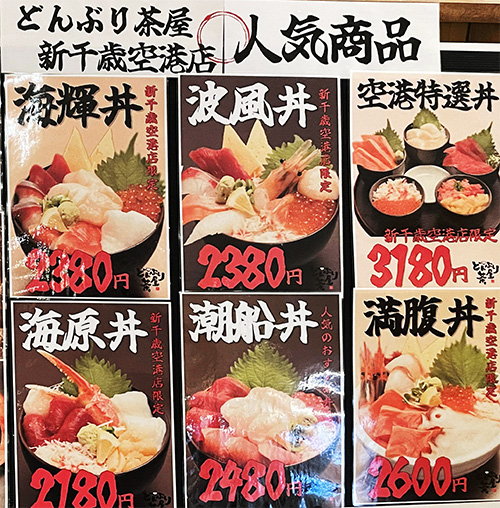
 なんですが、空港に来る度に「来道者」の目線としての食慣習比較・ウォッチするのがわたしのクセ。自分で魚を捌いて寿司を握ったりが大好き人間にしてみると、北海道以外から来られる人たちのさかな系・和定食目線に合わせた客引きメニューが気に掛かる(笑)。
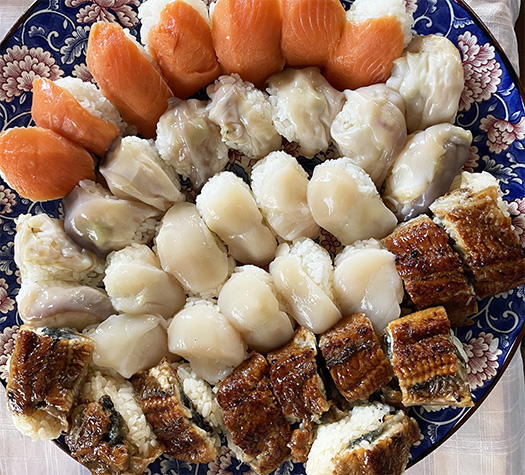
 上が新千歳空港での和食の値付け。下はわたしがよく握る寿司。たまたま生ホッキ、ホタテ、シャケに本州産のウナギなどのメニュー構成の皿ですがこのほかに3皿ほど7−8種のネタを握る。合計で10種以上。ネタ買い出しはあちこちと行脚している。で、このお店のコスパと比較対照してみると、わが手握り寿司は1人前3,000円ははるかに突破しそう(笑)。っていうか、1回にひとり2−3人前は食べているし、手土産で2食分くらいは持ち帰らせていることも考え合わせると、1人につき10,000円以上に相当するのかなぁと、食事店舗経営目線を学習させてもらっていました(笑)。すごいドヤドヤ。あ、でも最近はシャリの値段の急上昇が嘆かわしいですね、悲しい。
 ごった返す出会いと別れの空港で、こういう楽しい家庭の味を普段から味わえる北海道のよさを多くの人が暮らして楽しんで欲しいなぁと、思っておりました。シン「民俗」。

English version⬇

[Fish-based, Japanese set menus and homemade food costa…
The frontline of domestic and international population flow. Seafood is Hokkaido’s strongest food culture. The imposing leading role in the inter-regional fusion sin ‘folklore’. …

 Now, with all the recent snow-clearing work, I’m starting to feel muscle aches and pains, and although it’s ‘good exercise’ to keep clearing snow from a layer of ice over 10 pyeong, or about 20 cm, it’s somewhat old cold water (laughs). After walking around with a backpack weighing just under 6 kg on my back on a business trip, I woke up with muscle aches. Well, it is a relief that it is not so serious. I’ll be travelling in Tokyo from today, but I’d like to avoid heavy luggage and basically work on my body by renting a car to travel between points.
 So, via New Chitose Airport. I’ve been coming to the airport facilities about once every three days recently due to various opportunities. With the influx of active overseas travellers to Hokkaido and the concentration of domestic travel at the end of the financial year, the airport is even more crowded than Sapporo city centre. Yesterday, especially in the domestic flight area, the sight of families relocating to Hokkaido together was conspicuous. I am still deeply comforted by the sight of people with their children. The increasing activity and universalisation of domestic migration among Japanese people is probably one of the most notable social changes since the end of World War II.
 I feel that if children experience different parts of the country from a young age, they will experience a new Japanese ‘folklore’ and eventually create a new culture. In such an era, it will be interesting to see how Hokkaido will be positioned in terms of its regional value in the universalisation of the concept of ‘related populations’.
 Whenever I visit an airport, I have a habit of comparing and watching food customs from the perspective of a ‘visitor to Hokkaido’. As someone who loves to process fish and make sushi myself, I am concerned about the menus that cater to the fishy and Japanese set menus of people from outside Hokkaido (laughs).
 Above: Japanese food prices at New Chitose Airport. Below is the sushi I often make. It happens to be a plate of raw hokki, scallops, salmon and eel from Honshu, but I also make about three other plates with 7-8 different kinds of ingredients. In total, there are more than 10 kinds of sushi. The neta purchases are made by going from place to place. So, when I compare and contrast the cost performance of this restaurant, my hand-rolled sushi is going to be far more than 3,000 yen per person (laughs). I mean, if you consider that each person eats 2-3 servings at a time, and that I let them take home at least 2 servings as souvenirs, it would be equivalent to more than 10,000 yen per person, and I was learning the meal shop management perspective (laughs). Great do-ya-do. Ah, but it’s lamentable that the price of rice has skyrocketed recently, sadly.
 I was thinking that I wish many people would live and enjoy the goodness of Hokkaido, where you can usually taste this kind of enjoyable home-taste in the crowded meet-and-greet airports. Sin ‘folk’.

【最高気温7度さっぽろ・固雪の1日融雪状況】


 本日は昨日のブログテーマの続き。この時期のさっぽろ市民の興味は家の周りの融雪状況。わが家はほぼ正面は北面していてなお角地なので公的除排雪でも前面道路の堆雪が除去されにくい。固い結氷雪が積層せざるを得ない。春の融雪も黙っていては融けにくい悪条件立地。で、出張前に雪割りしそれを建物側に積み上げて時間を掛けて融雪させようという作戦です。
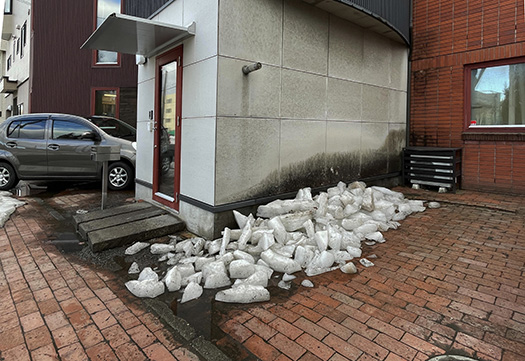
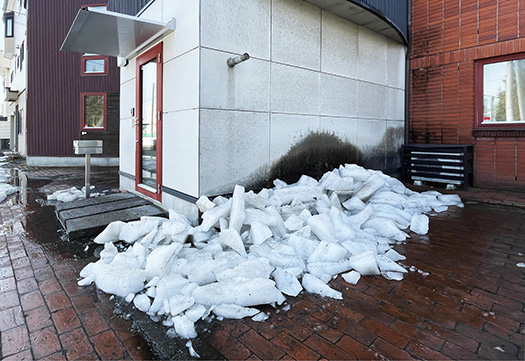
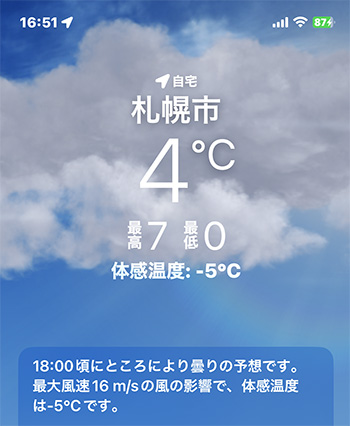
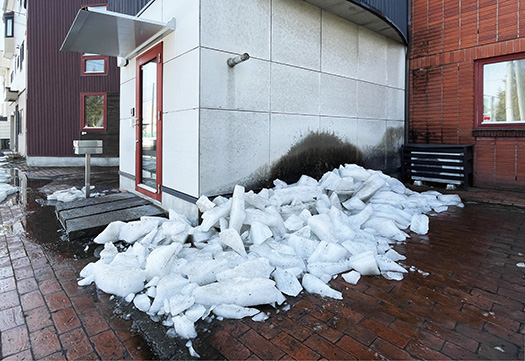
 昨日の札幌は午前中は雨がかなり強く降って、気温は一昨日と比べて2−3度ほど低下。写真の一番下がその気温状況。午後からはおおむね晴れ間も覗く天気でした。こうした天候条件での1日の融雪状況についてきわめて対比的に写真撮影できたので比較してみました。
 目視的には総量は3割以上減ったように思われます。とくに写真手前側では明確に凍結雪氷が融けて、そのラインが後退していることがわかる。また雪山の高さも低くなっている。三寒四温というコトバがありますが、いまの時期の札幌は「二寒五温」くらいの感じなので、この調子でいけば来週月曜までの東京移動中におおむね消雪しそうであります。ほっとひと安心。
 わが家は本当はこの写真のレンガ床面にはロードヒーティングを敷設してあって34年前の新築当時には、降雪があったらすぐにセンサーが働いて融雪のため加温させるように装置してある。しかしその後の灯油燃料の価格高騰もあり、稼動させることに徐々に気分が重たくなってきて、いつしかスイッチを切ってきていました。そういう心理の一方、前向きな冬場の健康維持行為として除雪作業の意義が自分の中で高まっていった。案外除排雪って、無心に取り組める体動営為なのです。
 ただそうすると堆雪ぶりはその年その年の降雪具合に振り回されて千変万化する。そういう戸建て住宅の外部への対応がいつか、北国人として独特の感性を涵養する機会だと思えるようになってきた。たぶん温暖地域で庭の草木といろいろに語りかけ対話するのと、まったく違うけれどある意味通じているように思えてくる。わたしの場合、庭づくりはレンガの敷込み床面造作・その美感で建築的に完結しているのかも知れません。
 写真のような光景もその対話の最終形として、得がたい印象的なエンディングだと思えるのです。単なる高齢生活者の詠嘆かなぁ(笑)。
 

English version⬇

The highest temperature is 7 degrees Celsius in Sapporo, and the snow melts in one day.
The last thing to do in winter is to watch the quiet conversation between the frozen snow and the rising temperature. The last thing you want to do in winter is to watch the quiet conversation between the freezing snow and the rising temperatures. …

 Today we continue with yesterday’s blog theme. At this time of year, the interest of the citizens of Sapporo is the state of snow melting around their houses. Our house faces north and is on a corner plot, so it is difficult to remove the snow from the front road even with official snow removal. The hard icy snow has to be piled up. The location is in a bad condition, which makes it difficult to melt the spring snow if we don’t do anything. So the strategy was to break up the snow before the business trip, pile it up on the side of the building and let it melt over time.
 Yesterday in Sapporo, it rained very hard in the morning and the temperature was 2-3°C lower than the day before yesterday. The bottom of the photo shows the temperature situation. The weather was generally sunny in the afternoon. We were able to take very contrasting photos of the daily snowmelt under these weather conditions and compared them.
 Visually, the total amount of snow seems to have decreased by more than 30%. Especially in the foreground of the photo, it can be seen that the frozen snow and ice has clearly melted and the line has receded. Also, the height of the snow mountains is getting lower. There is a saying that there are three cold and four warm days, but at this time of year Sapporo feels like it is two cold and five warm days, so at this rate it is likely that the snow will generally disappear during the trip to Tokyo until next Monday. It’s a relief.
 Our house is actually equipped with a road heating system on the brick floor shown in this photograph, which was installed 34 years ago when the house was newly built, so that when snow falls, a sensor is immediately activated to heat the floor to melt the snow. However, due to the subsequent rise in the price of paraffin fuel, the feeling of having to operate the system gradually became heavy, and the system was switched off at some point. On the other hand of this mentality, the significance of snow removal work as a positive winter health maintenance activity grew in my mind. Surprisingly, snow clearing is a physical activity that can be done mindlessly.
 However, the snow composting process is subject to change depending on the snowfall conditions from year to year. I have come to think that this kind of response to the outside of a detached house is an opportunity to cultivate a unique sensitivity as a northerner. It is probably quite different from, but in a way similar to, talking and communicating with the plants and trees in the garden in warmer regions. In my case, the creation of a garden may be completed architecturally with the laying of bricks and the construction of the floor surface and its aesthetics.
 The scene shown in the photo is the final form of this dialogue, and I think it is an impressive ending that is hard to obtain. Is this just the lamentation of an elderly person (laughs)?
 

【さっぽろ今シーズンの固雪処理、最終の風景】


 ここ数日、札幌もようやくにして「雪割り」好適の天候が続いております。12月からの冬の間に積層していたわが家駐車場の雪は放って置いても融雪はするのですが、厚さ20cm超ほどの頑固に固い積雪面がそれでも10-15坪ほどは残っていました。春の陽射しとやわらかな雨にノンビリと任せるのが普通でしょうが、自分の健康チェックも含めてこういった残雪に対して、それを自力で処理する努力で立ち向かっておりました。雪割りって結構な「力仕事」なのです。
 先日来書き続けていますが、こういう「雪との対話」には、北国としての独特の「季節感」の感性が象徴的に込められているように思われる。一種の「庭仕事」的な思いがそこにあるのですね。そのように自覚的に取り組んでみると、季節感とシンクロする「努力目標」みたいなものが盛り上がってきて、いわば「最期を見届ける」みたいな感覚から、ことしの冬との別離を彩りたくなってくる。北国の春、の演歌が脳内に響いてくる(笑)。
 そういう気分と自分の体力との話し合いの結果、処分方法が固まっていく。今年の冬の一期一会。
 結果としてことしは家の周りの特定ヵ所に割り雪を集合させてみた次第。この場所は雨だれが落下してくる場所とその周辺なので、屋根雪の融雪水がさらに固雪解消の促進剤としても働いてくれるという判断。
 こんなふうに雪との対話を続けていると、通勤しているスタッフの多くから「固雪、すごいですね」と感動の声掛けしてくれる。やはり雪国人らしい「自然との対話」の共感。雪と人間との「対話記録」が心象に刷り込まれるのでしょう。
 さて、こうして今年の雪との対話を片付けたのは、週末に向けて東京出張を控えているから。カミさんからは冬の間、家の雪のことを考えて出張は控えて欲しい、という宣告を受け続けていた。少なくとも天候と相談して、大雪が予測されないときにだけ外出出張の許可が与えられていた(笑)。まぁそのキモチはよくわかるので従順に従っておりましたが、この写真のような段階になれば、そういう宣告期間は終了と考えられる。占領状態から自由への復帰。
 写真のような光景を見つつ、北国・雪国の「家守」管理からの戦後的解放をしみじみ感じております。やった!

English version⬇

The final scene of this season’s solid snow treatment in Sapporo.
The song ‘Spring in the North Country’ is hauntingly played in my brain. The scene of the commemoration of the end of the war with the winter of this year. Liberation from the oppression of occupation. …

 The past few days have finally brought good weather for breaking up the snow in Sapporo, and although the snow in our parking lot that had accumulated during the winter since December melted even if we left it alone, there was still a stubbornly hard snow surface of more than 20 cm thick, covering an area of about 10-15 pyeong (1.5-2.5 m2). It would be normal to leave it to the spring sunshine and soft rain, but I was making an effort to deal with this kind of remaining snow by myself, including checking my own health. Snow clearing is quite ‘hard work’.
 As I have been writing about since the other day, this kind of ‘dialogue with the snow’ seems to symbolise the unique ‘sense of the seasons’ that we have as a northern country. You have a kind of ‘garden work’ feeling there. When you try to work consciously in this way, something like an ‘effort target’ synchronised with the sense of the season rises, and you want to colour your separation from the winter of this year from a sense of ‘seeing the end of the season’, so to speak. The song ‘Spring in the North’ echoes in my brain (laughs).
 As a result of these moods and discussions with my own physical strength, the method of disposal becomes fixed. This winter was a once-in-a-lifetime experience.
 As a result, this year I gathered the snow in specific places around the house. This is in and around the area where the raindrops fall, so I decided that the melting water from the roof snow would also act as a catalyst for further solidification of the snow.
 As I continue to interact with the snow in this way, many of the staff who commute to the office say to me, ‘The solid snow is amazing’, and I am very impressed. This is the kind of empathy in ‘dialogue with nature’ that is typical of people from snow country. The record of the dialogue between snow and people must be imprinted on their mental image.
 Now, the reason I have put away this year’s dialogue with snow is because I have a business trip to Tokyo coming up over the weekend. My wife kept pronouncing that I should refrain from business trips during the winter in view of the snow at home. At least she consulted with the weather and only gave me permission to go out on business trips when heavy snow was not forecast (laughs). Well, I understand that sentiment, so I obediently followed it, but once we reached the stage shown in this photo, such a period of pronouncement was considered to be over. Return from occupation to freedom.
 While looking at scenes like the one in the photo, I am deeply feeling the post-war liberation from the ‘house-keeping’ management of the northern and snowy country. Yay!
 

【東大・前真之先生講演で突如わたしの画像が再登場(笑)】


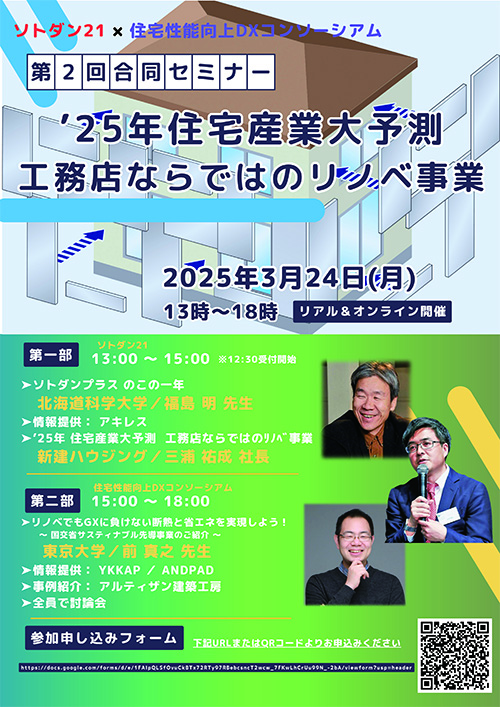
 昨日は「ソトダン21」という住宅団体と「住宅性能向上DXコンソーシアム」という団体の共催での合同セミナーをWEBで参観していました。わたしは住宅雑誌Replanの事業を譲渡した後、引き続き関連企業「リプランハウス株式会社」としての立場で個人的に住宅業界の情報世界に関わり続けています。譲渡してから1年半経過していますので、ようやくリアルタイム感からはすこし開放されてきたと思っております。
 が、ときどきリアルタイム感に引き戻される瞬間もある(笑)。
 昨日のセミナーでは東京大学の前真之先生の講演もあって、聞いておりました。先生の講演は3/13のReplanのセミナー札幌会場でもナマで聞いていましたので、ほぼ連続的に聴講できた次第。なんですが、会場にわたしの姿が見えなかった安心感からなのか、昨日の講演ではスライドのなかになんと、わたしの元気そうな姿が登場させられていたのであります。驚くとともに、なんともなつかしく感じられて先生に感謝しておりました。講演の流れの中ではしかし、いつものように「悪役」的な扱われ方で、電気ナマ炊き暖房についてディスられる「証言者」的な登場の仕方であります(笑)。
 悪名は無名に優るというコトバがあるので、先生の講演でのこうした「引き合い」の仕方は一種の諧謔表現と受け取らせていただいています。先生の講演で取り上げていただくことは光栄なこととこれまでも楽しく聞いていたのですが、久しぶりの講演でのナマの現場遭遇体験。先生にして見ると、3/13しばらくぶりにわたしの顔を確認したことで安心されて講演スライドのなかで再登場させられたのでしょうか。
 ということで急遽参加のZoomだったので、講演後の懇親会などでご挨拶ができなかったことが残念でありました。まぁしかし、前真之先生は現在でもReplan誌で連載記事を執筆いただいていますし、また、イベントなどでも講演を引き受けていただいてもいます。やや身を引いている立場とは言え、まだまだお役に立てるのであれば厭うものではありません。
 それともうすぐ電子出版「作家と住空間」も発売されるので、そのご案内なども時期を見てさせていただければと考えております。今後とも何卒よろしくお願い申し上げます。

English version⬇

[My image suddenly reappeared in a lecture by Professor Masayuki Mae of the University of Tokyo.
My image appeared on a slide in a lecture after a change in my position. I was surprised, but grateful that he took up the issue as before. …

 Yesterday, I attended a joint seminar on the web, jointly organised by a housing organisation called Sotodan 21 and the Housing Performance Improvement DX Consortium. After the transfer of the Replan housing magazine business, I have continued to be personally involved in the information world of the housing industry in my capacity as an associated company of Replan House Ltd. A year and a half has passed since the transfer, so I think I am finally free from the real-time feeling.
 But sometimes there are moments when I am drawn back to the real-time feeling (laughs).
 At yesterday’s seminar, there was a lecture by Dr Masayuki Mae of the University of Tokyo, which I listened to. I had heard his lecture in person at the Replan seminar in Sapporo on 13 March, so I was able to listen to it almost continuously. I was surprised, and also felt nostalgic, as if I had been there for a long time. I was surprised and felt nostalgic at the same time, and was grateful to him. In the course of the lecture, however, I was treated as a ‘villain’, as usual, and appeared as a ‘witness’ to the dissing of the electric heating system (laughs).
 (Laughter) There is a saying that notoriety is better than obscurity, so I take this kind of ‘quoting’ in his lectures as a kind of humorous expression. I have always felt honoured to be featured in his lectures and have enjoyed listening to them, but this is the first time in a long time that I have had the experience of encountering the real scene in a lecture. I wonder if he was relieved to see my face for the first time in a while and made me reappear in his lecture slides.
 I was sorry that I could not greet him at the reception after the lecture because I had to attend Zoom on short notice. However, Dr Masayuki Mae still writes a series of articles in Replan magazine and has also given lectures at events. Even though he has stepped back somewhat, I would not mind if I could still be of service to him.
 Also, the e-publication ‘Writers and Living Space’ will be released soon, and I would like to give you information about it when the time is right. We look forward to working with you in the future.


【群来が続くニシン「3尾399円」捌くよろこび】


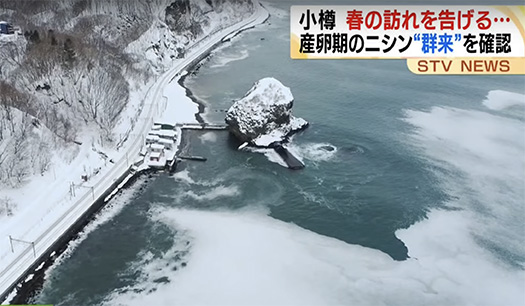
 ことしはニシンの「群来」の様子が北海道西岸に見られているほど豊漁のようです。北海道民として喜ばしい限り。ながく不漁が続いてきていたので、わが家でもニシンを食べる食習慣、それも自分で捌いて焼き魚として食べるということはほとんど絶滅していました。人生を遡って考えても母の手料理でもニシンの焼き魚の食事記憶はほとんどない。
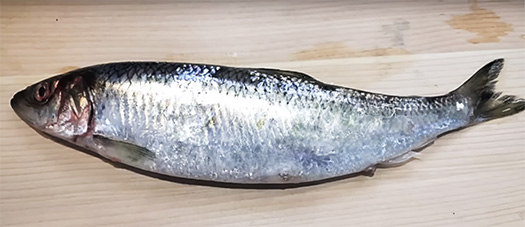
 それが、この冬には馴染みのスーパー鮮魚コーナーでゴロンと生さかなとして販売されている。さすがにアニサキスが怖いので刺身や寿司ネタとして挑戦しようとは考えませんが、毎朝の焼き魚としてすっかり馴染んできています。それも店頭価格が「3尾399円」というお値頃価格。1尾あたり133円ということになるのでコスパ最強。
 味わいは淡白でしかも青さかななのに独特のコクがあって適度な油分も感じさせてくれる。なにより飽きのこない風合いであります。朝食についてはわが家の健康維持作戦のキモと位置づけていて、多品種少量のおかず類としているのですが、その要の位置にニシンがどっしりと坐ってくれている。北海道民であるよろこびを毎朝、堪能させてもらっているのですね。3尾も捌いておくと、たっぷり10日分ほどにもなっている。
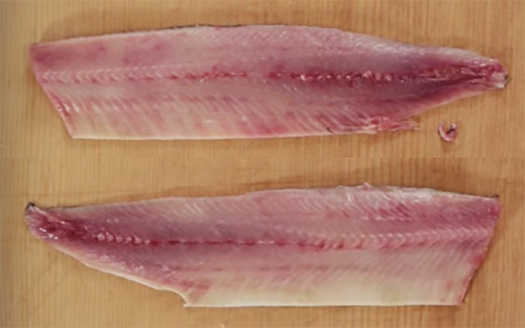
 捌いているとニシンは小骨が多いと実感しますが、適時包丁で小骨を処理すれば味わいには影響しない、というか、むしろその小骨丸ごと味わうことで、カルシウム分まで摂取できるとも思えてくる。白子については冷凍保存はさせているけれど、まだ調理の挑戦はしておりません。包丁仕事でいちばん難しいのはおなかの部分の「小骨」の除去なのですが、この部分と背骨部位はアラ汁としても楽しめる。骨回りのさわやかな煮込みも野趣満点であります。
 わが家では捌くのはわたしの専属業務ですが、カミさんもここのところの食習慣化で、その味わいにすっかり魅了されています。
 ニシン漁は4/5までというようなアナウンスがありましたので、もうあと2週間ほどの「期間限定」で、そのあとは加工食品として味わうことになるのでしょうが、地元への深い愛情を込めて、たのしく「春の味覚」を味わい続けたいと思います。ありがとうね。

English version⬇

The joy of handling herring, ‘3 fish for 399 yen’, which continue to arrive in large numbers.
Herring have played a major role in Hokkaido’s unique place in Japanese history, but as residents of Hokkaido, the custom of eating grilled fish has been far from common. Thanks to the herring. …

 This year, the catch seems to be so plentiful that a ‘shoal’ of herring has been seen along the western coast of Hokkaido. As a resident of Hokkaido, I am delighted. Because the fishing had been poor for so long, the custom of eating herring in my family, and even of processing it and eating it as grilled fish, had almost died out. Even when I think back over my life, I have almost no memory of eating grilled herring, even in my mother’s home-cooked meals.
 This winter, however, it is sold as raw fish in the fresh fish section of the supermarket I am familiar with. As expected, I am afraid of anisakis, so I don’t think of trying it as sashimi or sushi material, but I have become completely familiar with it as a grilled fish every morning. The price in the shops is a reasonable 399 yen for three fish, which is 133 yen per fish, making it the most cost-effective.
 The taste is light and blue, but it has a unique richness and just the right amount of oil. Above all, it has a texture that you will never get tired of. Breakfast is the cornerstone of our family’s health maintenance strategy, and we have a wide variety of side dishes in small quantities, but herring sits solidly at the heart of it all. When I process three herring, I have enough for about ten days.
 When you process them, you realise that herring have many small bones, but if you deal with the small bones with a knife in a timely manner, they do not affect the taste, or rather, you can even consume the calcium content by tasting the whole of those small bones. As for the milt, I keep it frozen, but I have not tried cooking it yet. The most difficult part of the knife work is removing the ‘small bones’ from the belly, but this part and the backbone part can be enjoyed as ara soup. The fresh stew around the bones is also full of wild flavor.
 In our house, it is my exclusive job to handle the fish, but my wife has recently become a habitual eater and is completely fascinated by the taste.
 There was an announcement that the herring fishing season ends on 5 April, so it will only be available for about two more weeks, after which it will probably be enjoyed as processed food, but I would like to continue enjoying the ‘taste of spring’ with deep affection for the local area. Thank you.

【さっぽろ住宅街、春の「雪割り」サンデー】


 北海道札幌の戸建て住宅地では冬の間、12月から3月いっぱいまで4カ月間は雪の問題と向き合わざるを得ない。時々刻々と千変万化する気象状況と会話しながら、日常生活の重要な一部として、家の周りの戸外環境を整理整頓する作業が日常の大きな要素として居座っているのですね。
 ことしの冬との対話では新しい「気付き」として、こういう家の回りの環境コントロールは温暖地域の日本人がながく慣れ親しんできた「庭の整備整頓」と近似した営為なのではないかと思い始めています。もちろん庭仕事は余裕・ゆとりそのもののようであるのに対して、雪との対話・整理整頓には切羽詰まった必需性がある点がまったく違うのですが、日常的営為としては同質性を持っているように感じ始めている。
 温暖地では山水・自然への美的感受性が刺激されるのに対して、雪への対応はなによりも利便性確保という必要欠くべからざる営為ではあるのですが、自然との対話としては似つかわしいと思っているのです。逆に言うと、北海道の戸建て住宅で庭への美観的興味がそれほど盛り上がらないのは、この4カ月間ほどの役務が巨大すぎて、そこからさらに4月以降、家周辺の自然環境への興味がそがれ「やっと開放された」安堵感の方が強烈なのだと思う次第。ですが一方で、この雪との対話それ自体が、北国らしい「庭仕事」とも考えられると思えてきたのですね。
 そんな冬との対話からの「安堵感」までもうひと息、というメルクマールになるのが、春先の「雪割り」作業。冬の間の除雪については公共の除雪排雪が手助けしてくれるけれど、最後の雪割りではそういった補助はまったくない。孤立無援の中で春の陽射しを浴びながら、せっせことツルハシやスコップなどを使って戦い続けることになる。
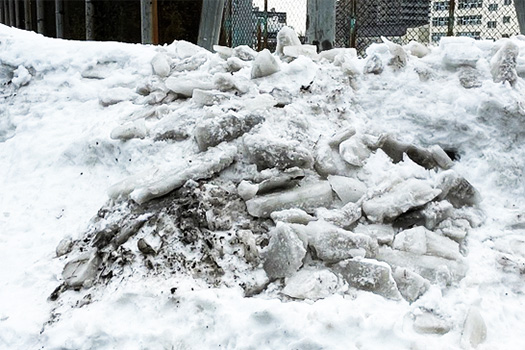
 写真はわが家の向かいの堆雪場所の雪山に運んだ「割り雪」の様子です。お日様の暖気が最大の力であるなかで自力更生のか弱い努力を傾け続けることになる。その家ごとに日照条件に違いがあるので、戸別で作業量は大きく違いがある。わが家は北向きでしかも3階建てなので、日射条件は悪い。雪割り作業総量はこの割り雪の十数倍くらいある。お日様の様子を見ながら、春の開放感めざして淡々と頑張りたいと思います。さて、きょうも頑張るぞ。

English version⬇

Spring ‘snow-cracking’ Sunday in the Sapporo residential area.
In snowy cold-weather housing, the main area of interest is the dialogue with the snow that ensures the functionality of the house rather than the beauty of the garden. In the end, an epic battle with the stubbornly hard snow is waged (laughs). …

 In detached residential areas in Sapporo, Hokkaido, people have to face the problem of snow for four months during the winter months, from December to the end of March. So the task of organising the outdoor environment around the house sits as a major element of daily life, as an important part of everyday life, while conversing with weather conditions that change from time to time in a thousand different ways.
 As a new ‘realisation’ in this winter’s dialogue, I am beginning to think that this kind of environmental control around the house is an activity similar to the ‘tidying up of the garden’ that Japanese people in warmer regions have been accustomed to for a long time. Of course, the difference is that working in the garden seems to be a leisurely and relaxing activity, whereas interacting with the snow and tidying up is an urgent necessity, but as an everyday activity I am beginning to feel that they have the same qualities.
 In warmer climates, aesthetic sensitivity to mountains, water and nature is stimulated, whereas dealing with snow is an indispensable activity to ensure convenience above all else, but I think it is a similar way of interacting with nature. Conversely, the reason why aesthetic interest in the garden is not so high in detached houses in Hokkaido is that the service for the past four months or so has been so huge that, from April onwards, interest in the natural environment around the house has waned and the sense of relief at ‘finally being liberated’ is more intense. On the other hand, I have come to think that this dialogue with the snow itself can be considered as a kind of ‘garden work’ typical of northern countries.
 The snow-clearing work in early spring is the merkmal for the relief from such a dialogue with winter. Although the public snow removal service helps with snow removal during the winter, there is no such assistance at all for the final snow clearing. We have to fight on with pickaxes and shovels in the spring sunshine.
 The photo shows the ‘split snow’ carried to the snowbank at the composting site opposite our house. While the sun’s warmth is the greatest force, we have to keep putting in feeble efforts to rehabilitate ourselves. The amount of work varies greatly from door to door, as each house has its own unique sunlight conditions. Our house faces north and is a three-storey building, so the solar radiation conditions are poor. The total amount of snow-clearing work is about ten times more than this snow-clearing work. We will keep an eye on the sun and work hard to achieve a feeling of openness in spring. Now, let’s work hard again today.

【忙中閑・さっぽろ琴似の空中回廊壁画】


 昨日は久しぶりの「住宅取材」で午前中いっぱい興味津々。すっかりあれこれのポイント満載でツッコミどころのあまりの多さに驚かされておりました。「作家と住空間」の取材も自分的には非常に刺激的なのですが、イマドキの住宅建築最前線事情もまた、いまの経済社会をすべて投影しているので分析しがいがある。
 で、帰ってきたら今度は電話連絡で東京の「中央省庁」とのやり取り。最近強く思っているのですが、政策についての申請〜やり取りが電子化してきてからどんどん「複雑化」してきていて、非常にナーバスな対応力を必要とされるようになってきた。むしろ書面と対面での作業の方がはるかに簡便なのではないかと思います。
 こういう困難はたぶん、電子化という情報交換手段の進化に対して人間社会の側の「常識化」がまだ追いついていないということのように思えます。官僚システム世界の言語感覚の厳密さををそのまま一般人に強制していると思える。それ自体は間違っているとは言えないのだけれど、一般社会常識では「え、そこまで厳密にやんなきゃいけないの?」という反応を持たざるを得ない。電子化によって官僚システムそのままが投影されてきていると思うのです。
 もう少し、行政の電子化も一般言語化される必要があると思うのですが、そういう進化プロセスというのは直接に政治判断の領域でもないので、選挙で止揚発展させていくものでもなさそう。できれば有識者による情報システム「民主化」というようなテーマで論議されて欲しいと思います。孫子の世代の日本のために。(おお!)
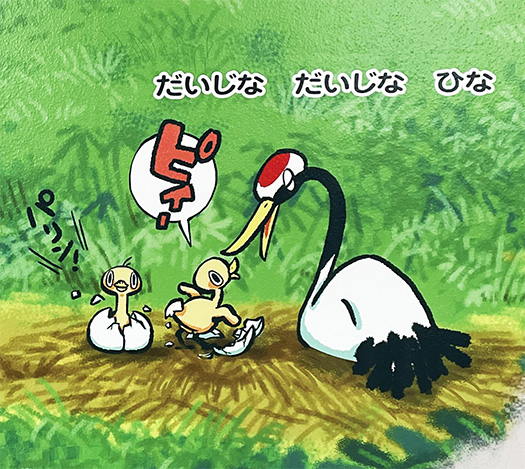
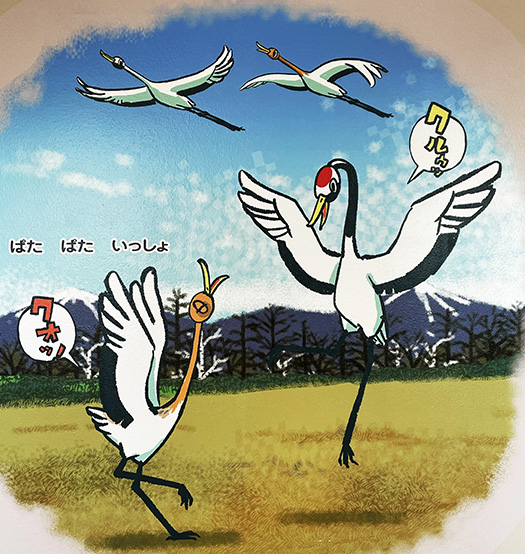
 ・・・そんななか、夫婦での冬の散歩道探究の結果、さっぽろ琴似の空中回廊〜ビルとビルの連絡通路空間が2階のレベルで散歩歩数距離にして5000歩くらいになる通路散歩〜にたどりついています。北国の人間の知恵とも言える。で、そこにいくつかの「壁画」が展示されていて、毎日癒されております。
 どうも最近、こういう「やさしさ」にまったく参っておりまして(笑)、小さい子とか、各所で見かける動物たち、空を飛んでいる鳥たちなどに深く癒される。さっぽろの場合、多雪都市らしく地下歩行空間などたくさん人工通路があるので、こういった壁画という公共文化も大いに発展させて欲しい。いかがでしょうか?

English version⬇

The mural on the aerial corridor in Sapporo Kotoni.
I’m getting melancholy about this kind of gentle expression (laughs). Artificial building corridor space is a new ‘public space’. It is a stage for a culture of gentleness. …

 Yesterday, after a long time, I spent the whole morning in a ‘housing interview’ and was very interested. I was surprised at how many points of interest there were. The coverage of ‘Writers and Living Space’ is very stimulating for me, but the situation at the forefront of current housing construction is also worth analysing, as it projects everything that is happening in today’s economy and society.
 And when I came back, this time I had a phone call with the ‘central ministries’ in Tokyo. Recently, I have strongly felt that the application and exchange of information on policies has become more and more ‘complicated’ since they have been computerised, requiring a very nervous response. Instead, it is much easier to work in writing and face-to-face.
 It seems to me that these difficulties probably mean that ‘common sense’ on the part of human society has not yet caught up with the evolution of the information exchange means of computerisation. It seems to me that the rigour of the language sense of the bureaucratic system world is being forced on the general public as it is. That in itself is not wrong, but the general public’s common sense is to respond, ‘Oh, do we have to be that strict?’ The electronic system has allowed the bureaucratic system to remain as it is. I think that the electronic system is projecting the bureaucratic system as it is.
 I think that the digitisation of public administration needs to be more generalised, but this kind of evolutionary process is not directly in the realm of political decision-making, so it is not something that can be stopped and developed through elections. If possible, I would like to see a discussion on such a theme as information system ‘democratisation’ by experts. For the sake of Japan’s grandchildren’s generation. (Oh!)
 In such a situation, as a result of the exploration of winter walking paths by a couple, we have arrived at the aerial corridor in Sapporo Kotoni – a corridor walk where the connecting passage space between buildings is at the level of the second floor and the walking distance is about 5000 steps. It can be said to be the wisdom of the people of the North. So, some ‘murals’ are exhibited there, and I am healed every day.
 I have recently been completely overwhelmed by this kind of ‘gentleness’ (laughs), and am deeply healed by small children, animals seen in various places, birds flying in the sky, etc. In the case of Sapporo, as a city with a lot of snow, there are many man-made pathways, such as underground walking spaces, so I would like to see the public culture of murals like this develop. What do you think?