本文へジャンプ

【雪まつりが終わると春へ・・・かなぁ?】


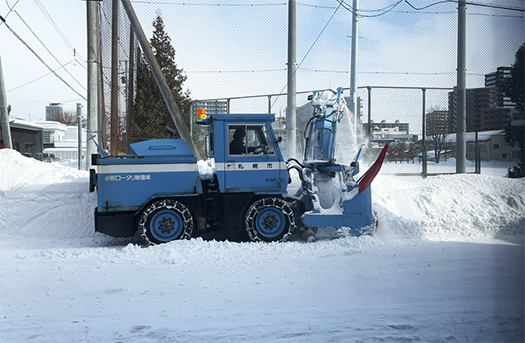
 昨日は週の半ばの祝日休日。どうも中間の月曜日が変調させる日程で、どうも休日気分が盛り上がらないままで過ごしておりました。そんな浮かない気分でいたら、元気いっぱいの除排雪車両群がわが家前の道路に出動してくれていました。
 「中学校通学路」になっているので、わが家前の道路は除排雪作業では優先度が高いし、当然頻度も高い。土地選びのときにそういうメリットを勘案していましたが、人生時間でもっとも長い時間を経過してきて、こういうメリットはやはり大きかったと再認識しています。わが家前の中学校はかなりの人口密集地域の中学校として生徒数も高い水準で推移しているようだし、今後の人口減少局面でも、こういうメリットの存続可能性は高いのではないかと、カンを働かせています。
 こういう集中除排雪が継続的に行われることから、自ずとそのことを前提にした自宅敷地&自宅前道路「雪かき」行為の計画性が担保されるように思う。
 札幌暮らしがながい人間からすると、このやむを得ない雪との「対話」、それも11月くらいから4月くらいまでの半年に及ぶ期間の雪かき計画期間というのは、もっとも主要な外部環境との関わり。関東以南地域での「庭仕事」以上に、自然との「対話」機会だと思うようになってきました。いわゆる伝統的日本美意識の花鳥風月とは乖離した独自の自然対話感覚。
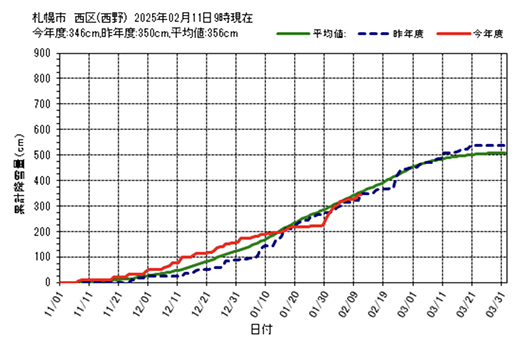
 わが家では、狭めの敷地の平面部分にはロードヒーティングを敷設して表面にはレンガを敷いて、造園ではない庭としてきました。職住一体型住宅としては、わかりやすいコンセプト。最初はロードヒーティングをよく使っていたのですが、しかし札幌は年間積雪が5mを超える多雪都市。<図は2/11AM9:00現在のことしの年間降雪量データですでに70%程度で推移> このような世界でも奇跡的な多雪大都市なので、融雪地面と非融雪地面の「高低差」がハンパなく発生する。厳冬期3ヶ月程度は、その高低差に悩むことになる。そこで敷設したロードヒーティングは数年で中止。まぁ、こういう用途に化石燃料を使うことにためらいが感じられるようになってもいた。
 以降、ほぼ30年以上は前面道路を含めての雪かきを自分自身に課してきた。比較的健康体で人生を過ごしてきたのには、こういう条件設定も大きかったかも知れません。今後の高齢期については、健康面との兼ね合いで考えて行くことになりますね。オモシロい課題。

English version⬇

[After the Snow Festival, it’s spring… or is it?
For the people of Hokkaido, the dialogue with snow is an earnest feeling of the flower, bird and wind seasons. A huge divergence from the traditional Nippon ‘mono no aware’ warm-weather sensibility. Shin Kacho Fugetsu? …

 Yesterday was a mid-week public holiday. The mid-week Monday schedule was a bit of a challenge, and I was not feeling very happy about the holiday. When I was in this mood, a group of snow clearing vehicles were out on the road in front of our house.
 The road in front of our house has a high priority in snow removal work because it is a ‘junior high school route’, and of course the frequency is high. We took these advantages into account when we chose the land, and now that we have lived here for the longest time in our lives, we realise that these advantages were still significant. The junior high school in front of our house seems to have a high number of students as a junior high school in a densely populated area, and I have a hunch that these advantages have a high chance of surviving even in the future when the population is declining.
 The fact that this kind of intensive snow removal is carried out on a continuous basis seems to naturally guarantee the planning of the act of ‘snow shoveling’ the home site & the road in front of the home on that basis.
 For those of us who have lived in Sapporo for a long time, this unavoidable ‘dialogue’ with the snow, and the planning period for snow shoveling, which extends over a period of six months from November to April, is the most important relationship with the external environment. I have come to think that this is an opportunity to ‘dialogue’ with nature even more than ‘garden work’ in the Kanto region and southwards. A unique sense of dialogue with nature that diverges from the so-called traditional Japanese aesthetic of Kacho Fugetsu.
 In our house, we have laid road heating and bricks on the surface of the flat part of the narrow plot, making it a non-landscaped garden. This is a straightforward concept for a house with an integrated work/residential area. At first, road heating was often used, however, Sapporo is a city with heavy snowfall, with an annual snowfall of more than 5m. As this is such a miraculously snowy metropolis in the world, the ‘height difference’ between the snow-melting ground and the non-snow-melting ground occurs without a hump. For about three months during the severe winter season, the difference in height is a problem. The road heating system installed there was discontinued after a few years. Well, we also began to feel hesitant about using fossil fuels for this kind of application.
 Since then, I have been obliged to shovel snow myself, including on the front road, for almost 30 years or more. This kind of conditioning may have been a big part of the reason why I have spent my life in relatively good health. I will have to think about my future old age in combination with my health. An interesting challenge.

【SNSの政治活動利用でも「広告収入」への疑問】


 大手新聞の凋落は止まることはないけれど、テレビメディアも今回のフジテレビ問題を契機に、見直しが進んで行く趨勢でしょう。そこに今回トランプ政権から「USAID」への大ナタが振るわれて、アメリカのいわゆる「DS」がどのように世界のメディアをコントロールしてきたのか、その「金の流れ」が解明されようとしてきている。いまのところ情報不足で断片的ではあるけれど、どのような「支配構造」がこれまでにあったのか、世界の言論についての情報操作の実態の開示はぜひ求めたい。
 わたし自身、戦後教育を受けてきてその脳内支配構造の中で生きてきた人間なので、その教育のベースに「戦勝国家」アメリカとくに、戦争指導でアメリカを勝利に導いた「民主党」=ルーズベルト(ローズベルトという方がより正確な発音表記とも言われるけれど)の方針によって戦後日本国家は大枠を嵌められてきたことはあきらか。今回の共和党トランプ政権の動きは、こういう基幹部分についても本当にどこまで情報開示することになるのか、非常に興味深い。自分自身がどう影響されてきたのか、ひとりの人間として棺桶に入るまでに確認できる機会だと思っています。
 さて、一方で最近の日本では政治動向にSNSが顕著に影響を拡大してきている。兵庫県知事選挙などに典型的でそれ自体は自然なことですが、国政段階でもいろいろな動きが出てきている。
 そういうなかで、一般人として疑問に思っていることが、表題のようなことです。youtube動画などでは再生時に広告表示されて、その再生回数に応じて広告収入が得られている。そのこと自体はシステム上、当然のことだろうとは思うけれど、しかし政党活動・政治活動での利用でも、広告収入が得られるというのは、政治を大きくゆがめてしまうのではないか。まさに政治と金問題そのもの。
 通常のメディア的な情報活動について広告が付くのはいいけれど、政治活動・言論にこういうバイアス要因があり得るというのは、危険性を感じさせられる。非常に偏った言説、それもヒステリーを煽る傾向に「金儲け・ビジネス的な動機」を与えてしまう危険性があり、拍車を掛けることになるのではないだろうか。実際、一部でそのような「煽られた集団」とおぼしき傾向も見られている。
 より良識的な民意の判断力を維持するために、考えて行かなければならないのではないか?

English version⬇

[Questions about ‘ad revenue’ even in the use of social networking sites for political activities].
The reality of USAID’s activities has been brought to the surface by the Trump administration. The question of whether our brains have been warped in the form of post-war education? …

 The decline of the major newspapers will not stop, but the TV media is also likely to undergo a review following the Fuji TV issue. Then, the Trump administration has taken a major swipe at USAID, and the so-called ‘DS’ in the US is about to reveal how it has controlled the world’s media and the ‘flow of money’. Although information is currently lacking and fragmentary, we would like to know what kind of ‘control structure’ has existed so far, and we would like to see the disclosure of the actual state of information manipulation in the world’s speech.
 I myself was educated in the post-war education system and have been living in its brain-controlling structure, so my education was based on the policy of the ‘victorious nation’ of the US, especially the ‘Democrat’ Roosevelt (although it is said that Rosevelt is a more accurate pronunciation), who led the US to victory in the war and who, in the post-war period, was responsible for the establishment of the Japanese state. It is clear that the Japanese state has been largely framed by the policies of the ‘Democrats’, who led the US to victory in the war. It will be very interesting to see how far the Republican Trump administration will really go in disclosing information about these core elements. I think it is an opportunity for me, as a human being, to check how I myself have been affected by the situation before I go into the coffin.
 Now, on the other hand, social networking has been remarkably expanding its influence on political trends in Japan recently. Typical examples include the Hyogo Prefecture gubernatorial election, which in itself is a natural phenomenon, but there have also been various developments at the national political level.
 In this context, as a member of the general public, I have a question about the above-mentioned matter: on Youtube videos, advertisements are displayed during playback, and advertising income is earned according to the number of times the video is played. This in itself is a natural part of the system, but the fact that advertising income can be earned even when used for party and political activities distorts politics greatly, doesn’t it? This is the very problem of politics and money itself.
 It is fine that advertising is attached to normal media-like information activities, but the fact that this kind of bias factor is possible in political activities and discourse is a danger. There is a danger of giving a ‘money-making/business motive’ to a very biased discourse, a tendency that could also fuel hysteria, and spur it on. In fact, there is a tendency in some quarters to dread such ‘agitated groups’.
 We have to think about this in order to maintain a more sensible judgment of public opinion, don’t we?

【危険化するオーバーツーリズムに遭遇 in 小樽】


 昨日、高齢夫婦の休日の過ごし方として、札幌市近郊の小樽市の温泉施設に向かっておりました。こちらはその泉質がカミさんの好みに合っているので、ここのところの雪かき作業でお疲れモードの彼女の肉体疲労回復に最適と判断しての温泉行脚。
 小樽は明治14(1881)年 明治天皇の北海道行幸の上陸地。8月30日明治天皇は当時の参議・大隈重信らとともに軍艦「扶桑」で青森から小樽に上陸、札幌・手宮間の幌内鉄道の「義経号」で札幌に入られた。北海道の歴史にとってもきわめて重要な土地。そういう故地であるのでわたしのような年代の人間には、どこか、小樽は遠雷のように北海道で「日本が始まった」地域というような記憶心象がある。
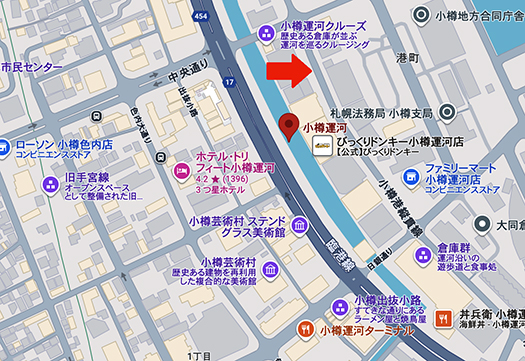
 すっかり国際的な観光地になってしまっている運河通りのメインストリート「臨港線」を避けて、上の地図にある裏道「小樽港縦貫道」を通って手宮方面に抜ける車道を往来するのが、日頃からのわたしたちのドライブルート選択であります。冬の道路脇に堆雪した大きな雪山のある小樽市街の様子も、青春期以来のいろいろな記憶残像があるので、高齢期の人間には人生ノスタルジックな脳内回想を刺激される。わたしの数寄。
 そんな記憶回廊のなかを走行していたら、交差点でも信号があるワケでもないその道路脇の雪山の陰から突然、車道にアイスクリームを食べながら異様な毛糸帽子をかぶった男性が飛び出してくるではありませんか(!)。
 咄嗟ではありましたが、脳内回想もあってクルマのスピードは控えめにしていたので、急減速して事なきを得ました。すでに日が高くなっていた晴天で道路面が表れていたので、スリップせず減速が効いたことも良かった。当方の必死の様子に別に悪びれる風もなく、その人物は自分だけの世界に閉じこもられて、なにごともなげに立ち去られていった。
 まぁ確かめる術はありませんでしたが、風体からして海外観光客、それも全体状況からして某国の方であろうことも推認できた。運河街のレンガ造の倉庫古建築にさかんにカメラを向けているひとが異常に多かったことも状況を証立てている。
 今朝のYahooニュースをチェックしたら、CNN発出の記事が見られていた。「映画「Love Letter」ロケ地の小樽市、観光客殺到でオーバーツーリズム深刻化CNN.co.jp」〜
 わたしたちにできることとして、ぜひみなさん、くれぐれも普段の日常生活にお気を付けてください。

English version⬇

Dangerous overtourism encounters in Otaru
The daily lives of citizens in Kyoto and other cities are becoming increasingly difficult, but Hokkaido, a scenic beauty with snow, is now also facing a growing danger of overtourism. …

 Yesterday, as a way of spending a holiday for an elderly couple, we headed to a hot spring facility in Otaru City, a suburb of Sapporo. The quality of the hot springs here is to Kami’s liking, so we decided it would be the best place for her to recover from the physical fatigue of shoveling the snow recently.
 Otaru was the landing place of the Meiji Emperor’s Hokkaido excursion in 1881, when he and his councilor at the time, Shigenobu Okuma, landed in Otaru from Aomori on the warship Fuso on 30 August and entered Sapporo on the Horonai Railway’s ‘Yoshitsune-go’ between Sapporo and Temiya. This is an extremely important land in the history of Hokkaido. As such a place of origin, people of my age have a memory of Otaru as the place where ‘Japan began’ in Hokkaido, as if it were a distant thunderbolt.
 Our daily driving route of choice is to avoid the main Canal Street ‘Rinko Line’, which has become an international tourist attraction, and take the back road shown in the map above, the ‘Otaru Port Traverse Road’, which leads to the Temiya area. The view of Otaru city with large snow piles composted on the side of the road in winter also stimulates nostalgic brain recollections of life for people in their old age, as there are various memory afterimages since their youth. My Sukiyoko.
 As I was driving through such a memory corridor, a man in a strange woollen hat suddenly jumped out from behind a snowy mountain on the side of the road, where there was neither an intersection nor a traffic light, eating an ice-cream on the roadway (!).
 
I had to slow down quickly, but I had a recollection in my brain that the speed of the car was moderate, so I was able to slow down quickly and save the day. It was a good thing that the road surface was already sunny and the sun was already high in the sky, so the deceleration worked without slipping. The person who had been driving the car was not offended by our desperation, but kept to himself and walked away without a care in the world.
 Well, there was no way to be sure, but I could guess that he was a foreign tourist from his appearance, and from the whole situation, I could also guess that he was from a certain country. The fact that there were an unusually large number of people pointing their cameras at the old brick warehouse buildings in the canal district also attests to the situation.
 I checked Yahoo News this morning and found an article from CNN. The city of Otaru, where the film Love Letter was shot, is facing serious overtourism problems due to the influx of tourists.CNN.co.jp」〜
 As for what we can do, we urge everyone to take care in their daily lives.
 

【列島雪景色 金閣とSapporoスヌーピー雪像】


やっぱり毎日更新のブログでは、時事ネタに自分の興味が向かってしまいますね。いまは、たくさんの校正ゲラや、企画書まとめ作業に追われているのですが、仕事関係でそのようにギリギリの瀬戸際感が迫ってくるほどに、息抜きではないけれど別次元の場所に憩いたくなる。
 きのう、ご近所のお宅の身近な芸術造形をご紹介したら、むしろ建築の専門家の方からよろこびの声が寄せられていました。大雪という自然の摂理に対しての人間社会の反応として、それに立ち向かうとか、克服するというような向き合い方ばかりではない反応として、好感を持ったというお知らせ。言われてみてはじめて、そうか、そういうとらえ方も出来るかと得心した。
 一方、関東以南地域で雪が降ったら象徴的によく紹介されるのが、金閣。建築美との相乗作用でその光景に多くの人が魅了される。わたしもこの時期になると、そういう便りに期待してしまう。写真は日テレNEWS-NNNのyahoo記事から引用ですが、この美感を狙ってニュースメディアに限らず多くの人が、写真映えを意図して早朝から金閣を訪れるのだそうです。三島由紀夫の作品でもわかるように日本人的美意識のひとつの典型としてこの景観美があるのでしょう。その背景の水と緑環境のコントラストは、深く日本人を捉え続けている。
 しかし一方の下の写真ですが、北の地の民は、こんな雪像を自分の家の前に造形して道行く子どもたちに、なにかの心情を伝えようとしている。スヌーピーに目が入って、耳にも着色されてどうやら完成のようですが、金閣の美感とはまことに対比的な人間的な感覚。
 伝統文化の京都では、究極的な美が求められ、一方の北国ではまことに「身近」な雪に対して、一種の愛情を持って儚くも心温まる造形で訴求してくる。そのどちらにも心をわしづかみされてしまう。折から、さっぽろも雪まつりで世界からのオーバーツーリズムの洗礼を受けていますが、街の住宅街の片隅でも、こんな「雪まつり」もあるんだよ、と語っているようです。

English version⬇

Snowy Landscape of the Archipelago – Golden Pavilion and Sapporo Snoopy Snow Statue
The ultimate snow-covered Golden Pavilion, a symbol of the Japanese sense of beauty in landscape, and the snow sculptures of the people of the north, which convey warmth. The contrast between the two is striking. …

In a blog that is updated every day, my interest tends to be on current affairs. At the moment, I am busy with a lot of proofreading and proposal compilation work, but the more I feel on the edge of my work, the more I want to take a break in another dimension, not to relax.
 Yesterday, when I introduced the familiar art forms of my neighbour’s house, I was rather pleased to hear from an architectural expert. They said they liked it because it was a reaction of human society to the natural order of heavy snowfall, and not just a reaction of confronting or overcoming it. I was surprised to learn that this is one way of looking at it.
 On the other hand, when it snows in the Kanto region and southwards, the Golden Pavilion is often introduced as a symbolic site. Many people are attracted by the synergy between the beauty of the architecture and the sight of the Golden Pavilion. I, too, look forward to such news at this time of year. The photo is taken from a yahoo article by Nittere NEWS-NNN, but many people, not only from the news media, visit the Golden Pavilion early in the morning with the intention of being photographed, aiming for this sense of beauty. As can be seen in the works of Yukio Mishima, this scenic beauty is typical of the Japanese sense of beauty. The contrast between the water in the background and the green environment continues to deeply capture the Japanese.
 But on the other hand, in the picture below, the people of the northern part of the country are trying to convey some kind of sentiment to the children on the street by sculpting such a snow sculpture in front of their house. Snoopy’s eyes and ears have been coloured to complete the picture, but it is a very human sensation that contrasts sharply with the beauty of the Golden Pavilion.
 In the traditional culture of Kyoto, ultimate beauty is sought after, while in the northern countries, snow, which is so ‘close’ to us, is appealed to with a kind of affection in a fleeting but heart-warming form. Both of these appeal to the heart. Since then, Sapporo has also been baptised by overtourism from around the world with the Snow Festival, but even in a residential corner of the city, it seems to be saying that there is also such a ‘Snow Festival’.

【わが家近隣「スヌーピー雪像」に感動】


 いやぁ、まことに感動してしまっております。
 ちょっと以前から近隣のお宅のアプローチ前、道路側に雪を貯めてボックス状になっていたのは確認していたのですが、どうも昨日日中にその雪塊に対して雪像作りをチャレンジされている様子が見られるではありませんか(!)
 道行く人びとも、なんとなく気になるようで注目を集めていたようでした。で、さらに時間が経過して見てみたら、写真のような光景に変貌していたではありませんか。いや、お見事! 素晴らしい。
 周辺道路は中学生の通学路になっているし、さらに近くの保育園児たちもときどき保母さんたちに連れられて、通行することがある。たしか毎年のようにこうした雪像作りを趣味にされているようで、こどもたちが大喜びしている様子に、強いリスペクトを感じさせられていましたが、それを今年も実行されている。
 先日、北海道民・札幌市民の雪かき営為について、単なる「自分だけがよければ」という枠を超える「公共奉仕」的な営為ではないかという心意で、本州以南地域での「庭仕事」への思い以上のものかも知れないと書いたのですが、この雪像作りには、そういった公共への気配りとか配慮、子どもたちへの地域のこころのようなものが表出している。こどもたちに笑顔を届けるというサンタクロース的な心情とも言えましょうか。まことに感動。
 こういう「街の市井のこころ」に触れられる子どもたちが、どんな受け止め方をしてくれるだろうかと想像すれば、同じ市街地空間を共有するものとして、まことに頭が下がる思い。感謝の念でいっぱいです。

English version⬇

The ‘Snoopy snow sculpture’ in our neighbourhood is a moving sight.
Residents of the north have a common love of snow, and there is something about the snowman that touches their heartstrings. An expression of love for the children growing up in the area. …

 Well, I am really impressed.
 We had seen that the snow had been stored in a box on the road side in front of the approach to a neighbour’s house, but yesterday during the day, we saw them trying to make a snow sculpture out of this snow mass (!).
 People on the road seemed to be somewhat curious about it, and it seemed to be attracting a lot of attention. And when I looked at it after some more time had passed, it had transformed into a scene like the one in the photo. No, it’s brilliant! It’s wonderful.
 The surrounding roads are used as a route for junior high school students to go to school, and nursery school children sometimes pass by, accompanied by their mothers. I remember that you seem to make snow sculptures as a hobby every year, and the children’s delight in this activity made me feel a strong respect for you, which you are doing again this year.
 The other day, I wrote about the snow shoveling activities of Hokkaido and Sapporo citizens as a kind of ‘public service’ that goes beyond the mere ‘as long as it’s good for me’, and that it may be more than the kind of ‘garden work’ that people in the south of Honshu do, This snow sculpture shows a kind of community spirit towards children. Could it be said to be a Santa Claus-like sentiment to bring smiles to the children? It is truly moving.
 Imagining how children who are exposed to this kind of ‘heart of the city’ would perceive it, as people who share the same urban space, I feel truly bowed down. I am filled with gratitude.


【地元・札幌 Kotoni JR駅周辺「空中散歩」コース】


おっと、仕事に集中しすぎていたらあっという間にブログ更新のタイムリミット。って、年中無休で更新を心がけているため勝手な「自分だけ」のルール設定で、基本朝6時台にはその日の記事アップを済ませると決めているのです。こうでも決めないと自己管理できないのがホンネ。
 昨日の宣言でなるべく本業周辺の「住宅」テーマでと思っていたのですが、さっそく腰砕け(泣)。ということで、本日は日課の早朝散歩コースについてであります。
 札幌市西区山の手のわが家周辺であちこち、おおむね1時間程度での散歩コース設定ですが、カミさんといっしょの散歩に変容してきたので、冬場にはコース選定にいろいろ注文が付くようになってしまった。自分だけの時はどんな厳しい道路状況でも、スパイク靴底の運動靴を履けば、オールマイティなのですが、カミさん同伴の場合、氷状の滑る道では転倒の危険もある。
 ということで、冬場には札幌市中心部の「地下街」が絶好と考えてときどき出没しているのですが、やはり難点は往復にどうしてもクルマ移動+JRや地下鉄などの公共交通を利用せざるを得ないこと。それもまたいいのですが、普段着感覚とはどうもなりにくい。気分的にはウキウキ感が出てきて面白いのですが、どうも気分的に「散歩」という枠を踏み出すように思ってしまうのです。ちょっとした「遠出」。
 で、結局「中庸」として、いまはわが家周辺の街区「JR琴似駅」周辺の「SkyWalk Kotoni」という散歩ルートに収まってきております。24時間営業のスーパー店舗でちょっとした買い物をして、そのの駐車場制限時間範囲内(1時間)で、速歩気味に歩きまわるというコース選択。札幌市中心街区の「チカホコ」からススキノ、テレビ塔周辺までの広大な地下空間と比較すればコンパクトではあるけれど、圧倒的にコスパが良く、往復の散歩歩数もおおむね4,000歩超〜5,000歩は確保可能。スーパー店舗以外は全部SkyWalkとして、2階空間の同一平面を歩きまわることが出来るのがメリット。カミさんは「歩きやすくてサイコー」と高評価。途中には当然ながら琴似駅もあるので、ひとびとのその日の様子もわかって、社会性もわかりやすく伝わってくる。どっちかというと「自然愛好派」であるわたしですが、まぁ冬場の妥協策としてそれなりに好感も持って歩いております。

English version⬇

Local Sapporo Kotoni JR station area ‘aerial walk’ course.
The basic health strategy for elderly couples living in cold regions is the habit of walking. A fast walk is the best way to live a positive life. The course was chosen with priority given to foot safety in winter. Sapporo, Hokkaido

Oops, I was too focused on work and in no time at all I reached the time limit for updating the blog. I try to update the blog 24/7, so I set my own rule that I have to finish uploading the day’s articles by 6am. The truth is that I can’t manage myself unless I make a decision like this.
 Yesterday, I had declared that I would try to write as much as possible on ‘housing’ themes around my core business, but I was shattered immediately (tears). So today, I’m going to talk about my daily early morning walk.
 I have set up a walking course around my house in Yamanote, Nishi-ku, Sapporo, which takes about one hour, but as it has changed to a walk with my wife, I have to make various orders for course selection in the winter. When I am on my own, I can walk in all kinds of tough road conditions if I wear athletic shoes with spiked soles, but when I am accompanied by my wife, there is a risk of falling on icy, slippery roads.
 In winter, I sometimes go to the underground shopping centre in central Sapporo as I think it is the best place to go, but the drawback is that I have to use public transport such as JR or the underground to get there and back, in addition to my car. That’s also fine, but it’s hard to feel like you’re wearing normal clothes. It’s interesting because it gives you a feeling of excitement, but it makes you feel like you’re stepping out of the ‘strolling’ frame of mind. A bit of ‘going away’.
 I have chosen the ‘SkyWalk Kotoni’ walking route around the JR Kotoni station area, which is a 24-hour supermarket, and then walk around at a brisk pace within the parking time limit (one hour). Course selection. The route is compact compared to the vast underground space from Chikahoko to Susukino and the TV Tower area in the central area of Sapporo, but it is by far the most cost-effective and the number of steps for a round trip is generally more than 4,000 to 5,000 steps. The advantage is that you can walk around the same plane of the two-storey space as SkyWalk, except for the supermarket shop, which is all SkyWalk. My wife highly recommends the SkyWalk, saying that it is easy to walk around. Naturally, Kotoni Station is on the way, so you can see how people are doing on a given day and get a clear picture of their social life. I am more of a ‘nature lover’, but I also like it as a compromise in the winter.


【イマドキ日本・Hokkaidoの家づくり、作り手のホンネは?】


 さてきのうは「関連会社」札促社のメンバーが帯広でイベント開催のちょうど当日2月4日に歴史的短時間大豪雪に見舞われての翌日で、ハラハラしながら心配していたのですが、なんとか全員無事で帰還してきてくれました!
 なにが出来るわけでもなく、メンバーが乗ってきてそのまま会社事務所に置いていった各人の車両の雪かきなどをして、無事の帰りを祈念していたのですが、元気な顔を見てひと安心。現地で合流の東京から前日乗り込みの社長の様子も確認できて、その無事も確かめられた。そして、未曾有の豪雪の様子を「目をいっぱいに開きながら」話してくれていました。
 スタッフは北海道生まれと東京世田谷、京都宇治生まれと出身地が別れているので、かえって北海道以外のスタッフからの反応で「北海道ってこれくらいのドカ雪、よくあるのだろうなぁ」と思っていた、という声も聞けて、驚きの新発見。イヤイヤそんなことないから(笑)、といった会話ぶりも臨場感があってドカ雪体験を共有しておりました。
 札促社は事業承継したわたしですが、事務所建物と敷地の管理は「大家」的に承っているし、顧問的な立場の期間でもあるので「身内」感覚が継続中ということであります。
 しかし事業承継から1年と4ヶ月経過して、一方では徐々に新設会社「リプランハウス(株)」の独自活動も牛歩ながら、できることを進めてきています。比較的自由な立場の個人企業とは言え、やはり大きなテーマは「住宅という領域が今後どのように推移発展していけるか」ということ。
 そんなことから写真のような新住協札幌支部の2/3支部総会に初参加。新住協の鎌田紀彦先生には昨年ご挨拶に伺った際に「市民会員」という比較的に自由な立場での参加を決定いただいた経緯があります。そういう次第ですが、札幌支部のみなさんから支部メンバーの一員としてご案内いただいたのです。とくに札幌支部はメンバーが大きく若返りしていて、まことに新時代の家づくりの現場の感覚があふれかえっているように感じられます。
 「新住協の会合だから、ひたすら技術研修・学習」ではなく、むしろ若い会員企業スタッフが常日頃体感しているリアルな北海道の家づくりの現場の空気感が伝わってくる。
 会合では「では、市民会員の三木さんから発言を(笑)」みたいに振ってもいただいて、楽しく本音トーク報告を炸裂させていました(笑)。貴重な機会と認識して、今後の活動に反映させていこうと考えております。4月に予定の著作電子出版の発売を機に、対外的な活動もと思いますので、このブログ読者のみなさんとも、今後とも情報交換をよろしくお願いします。

English version⬇

‘Imadoki-Japan/Hokkaido house-building, what do the makers really think?’
 On the information intake base of housing journalism in the capacity of a free citizen member. It explores how housing can be developed in the future. …

 Yesterday was the day after the members of our affiliate company, Fusoshusha, were hit by a historic short-time heavy snowfall on 4 February, the very day of the event in Obihiro, and we were worried about them, but they all managed to come back safely!
 There was nothing we could do, so we were praying for their safe return by shoveling snow from their vehicles, which they had left at the company office, but it was a relief to see their cheerful faces. We were also able to check on the president of the company, who had ridden in from Tokyo the day before to join us on site, and we were able to confirm his safety as well. And he was telling us about the unprecedented heavy snowfall ‘with his eyes wide open’.
 The staff were born in Hokkaido, Setagaya, Tokyo, and Uji, Kyoto, so it was a surprising new discovery to hear the reaction from the non-Hokkaido staff that they had thought, ‘I wonder how often it snows this much in Hokkaido’. The conversation was very realistic and we were able to share the experience of the snowfall.
 Although I have taken over the management of the business, I still manage the office building and grounds as a ‘landlord’, and I have been in an advisory capacity for a period of time, so I still feel like a ‘relative’.
 However, one year and four months have passed since I took over the business, and I am gradually doing what I can to promote the independent activities of the newly established company, Replan House Co. Although we are a private company in a relatively free position, the main theme is still ‘how the field of housing can develop in the future’.
 This is why we participated for the first time in the 2/3 branch general meeting of the Sapporo branch of the New Housing Association, as shown in the photo. When I visited Mr Norihiko Kamata of the Shinjyukyo last year, he decided to join as a ‘citizen member’, which is a relatively free position. That is how it happened, but I was invited by the Sapporo Branch as a member of the Branch. The Sapporo branch in particular has seen a significant rejuvenation of its members, and it seems to be overflowing with a sense of the new age of house building.
 The meeting was not a technical training and learning session because it was a Shinjyukyo meeting, but rather it conveyed a realistic sense of the Hokkaido house-building scene that the staff of young member companies experience on a daily basis.
 At the meeting, I was even asked to make a statement by a citizen member, Mr Miki (laughs), and I happily burst out with an honest talk report (laughs). I am aware that this is a valuable opportunity, and I intend to reflect this in my future activities, including external activities on the occasion of the launch of the electronic publication of my book scheduled for April, so please continue to exchange information with the readers of this blog as well.

【旬の海の幸を楽しく ♬ 捌いて対話】


きのうは歴史的大豪雪と大ニュースになっていた北海道・帯広で、スタッフが集合しての住宅工務店企業向けイベント日程。早朝から飛び込んでくるドカ雪の話題を見聞きしながら、ハラハラ心配しながら過ごしておりました。参加工務店さんたちから朝から緊急で「参加ムリ」の連絡が相次いで、急遽リモート開催に切り替えたそうです。関係のみなさんのご理解とご協力に関連会社としても、深く感謝申し上げます。
 まことに冬将軍の逆襲、恐るべし。道東は降雪があると言ってもうっすら程度が毎年なので不意打ちの一気降雪。24時間で120cmではまず人命第一。札幌もそこそこの降雪がみられましたが早朝1回の除雪作業で環境確保はできておりました。高速の道東道は無事に除雪完了して本日未明からは全線通行止め解除ということ。本日無事にスタッフが札幌あるいは東京まで、無事帰還を祈っています。
 ということですが、後方支援的なスタンスのわたしとしては本日は旬のさかなの話題。緊張するばかりでは誰のためにもなりません。平常心こそが大切、明日の活力。先週土曜日に買い付けていたさかなたちを日曜日に捌いていた話題に場面転換であります。
 買い付けてきていたのは余市の魚店など。赤カレイ、ホッキ貝、ニシンの3種。旬と言うことではカレイでしょうが、最近ニシンもよく出回っている。ホッキは通常営業。


 赤カレイは1尾700円。ホッキは5コ入りで780円、ニシンは3尾入りで500円程度。全部で2000円に届かないほどの庶民派のおさかなさんたち。値段も合わせて考えると、ありがたさ、いかにも海の幸と思わされますね。謹んで感謝の気持ちを持ちながら、一物全体食的に捌かせていただきました。魚は、きれいに捌いたら骨などの「アラ」まで汁として食することが出来ます。ニシンは小骨が多くて、アラ汁でも大変でしたが、うま味は堪えられませんね。どんなさかなもそれぞれの個性が味覚を提供してくれる。北海道らしい魅力。
 捌いた後は、このように冷凍保存することでより安全に味わうことも出来る。アニサキスに対しては冷凍保存がもっとも効果的。
 カミさんからは冷凍庫がどんどん膨れ上がっていくので、叱られることもあるのですが、この楽しみには「郷土愛」気分もあるので、じっと耐え忍んでおります(笑)。

English version⬇

Seafood in season ♬♬ Handle it and talk about it
Even in times of heavy snowfall, the source of vitality is seafood from the sea and the mountains. The most important thing is to eat them. The food is a source of vitality for tomorrow.

Yesterday, our staff gathered in Obihiro, Hokkaido, where a historic snowstorm was in the news, for an event for housing construction companies. We spent the day watching and listening to the news of the heavy snowfall from early in the morning, feeling anxious and worried. The participating construction companies urgently contacted us in the morning to say they could not attend the event, so we had to switch to holding the event remotely at short notice. As an affiliate, we are deeply grateful for the understanding and cooperation of everyone involved.
 The winter army has really struck back, and we should be afraid of it. The snowfall in the east of Hokkaido is usually only a light dusting, so the level of snowfall was unexpected. 120 cm in 24 hours is a big concern for people’s lives. Sapporo also saw a fair amount of snowfall, but even so, the environment was secured with one early morning snow removal operation. The highway, the East Hokkaido Expressway, has been cleared of snow without incident and all lanes have been closed since early this morning. We are praying for the safe return of our staff to Sapporo or Tokyo today.
 As a logistical support person, I am talking about seasonal fish today. It is not good for anyone to be nervous all the time. Normalcy is the key, the energy for tomorrow. I’d like to change the subject to the fish we bought last Saturday and processed on Sunday.
 The fish we had bought were from fish shops in Yoichi. Three kinds of fish: red flounder, hokki-gai and herring. Flatfish is probably the most popular when it comes to the season, but herring has also been on the market a lot recently. Hokki are usually open for business.

 Red flounder is 700 yen per fish. Hoki (hokki) are 780 yen for a pack of five, and herring are around 500 yen for a pack of three. All in all, these common fish are less than 2,000 yen. When you consider the prices together, it makes you think how grateful we are, how much seafood we have. With a sense of gratitude, I was allowed to process the fish in a whole food manner. Fish can be eaten as soup, even the bones and other ‘ara’ if they are processed clean. Herring has many small bones, so it was difficult to make ara-jiru, but the umami is unbearable. Every kind of fish has its own character and offers its own taste sensation. Hokkaido’s typical charm.
 After processing, the fish can be frozen and preserved in this way for safer tasting. Freezing is the most effective way to protect against anisakis.
 My wife sometimes scolds me because my freezer is getting bigger and bigger, but I endure it patiently because there is a sense of ‘hometown love’ in this enjoyment (laughs).
 

【さっぽろ冬の散歩道 in 円山&北海道神宮】


今朝はこの冬最強寒波が広く日本海沿岸地域に大きく張り出してきて、しばらくの間、激しい降雪の予報も出ていますね。いま午前5時前の時で激しい降雪ぶり。どうもこの冬の最盛期に突入の感じです。が、きのうの札幌はドカ雪の一服でおだやかな晴天が朝から見られていましたので、久しぶりに早朝散歩コースを歩いておりました。しばしの小休止時間でしょうか。
 こちらの円山の里山部分に沿った小河川に隣接する散歩道、そこそこ多くのみなさんが散歩しているので、けもの道のようなわずかな幅の踏み固められた雪道が続いている。こういう風情は自然と人間の対話を感じさせられて好きな光景。その床面には微妙な凹凸もあるので注意深く足を運んでいく必要がある。例によって夫婦での早朝散歩。男の冬靴の底は幅に作られているけれど、女性はファッション性優先の場合、どうしても「ほっそり」しているので、こういう床面には気をつける必要がある。でも基本的にやわらかい新雪なので、スケートリンクのようだった数日前までと比較して歩きやすく快適な冬の散歩を楽しめます。
 円山の里山部分にはごらんのように「カツラ」の巨木。いかにもな表情が惹き付けられていますが、こうして新雪をかぶった姿もなかなかにいい表情を伝えてくれますね。
 さすがにふだんは見られるカモやリスたちの姿を確認することはできません。しかしドカ雪の合間の晴天に、野鳥たちはさまざまにさえずっていてくれて、その姿をカメラに収めたいと、じっと観察されている方もいました。円山公園でも「シマエナガ」が観察されるということ。こうした自然の中で辛抱していたら、お目にかかれるのかも知れませんね。

 本日から「さっぽろ雪まつり」開催。ことしは例年以上に世界中からの観光のみなさんが目に付きます。というか、一部ではオーバーツーリズム状況もあるようです。数日前までは札幌市内中心部にはそれほど積雪がなかったので、近郊の定山渓方面へ「雪見」に観光客が集中し、その往復は路線バス一択なので生活の足として利用する地元民が、路線バスに乗れないということ。京都のような状況が札幌に押し寄せている。雪のある大都会は世界でも珍しい、アジアの人びとにはとくにということで、こういった現象になっているようです。
 夕方には市内中心部で会合があって地下街を往来していましたが、道行く人の半数程度が観光客風のみなさんでした。秩序が維持されて観光を楽しんでいただきたいと祈ります。

English version⬇

[Sapporo Winter Walk in Maruyama & Hokkaido Shrine].
The beasts’ paths in the snow teach us about nature’s reincarnation. The subtle unevenness tells us about the ‘mood’ of the heavens. Introspective exercise time. The beauty of the big city with snow. …

This morning, the strongest cold wave of the winter is widely spreading over the coastal areas of the Sea of Japan, and heavy snowfall is forecast for some time to come. It’s now just before 5am and it’s snowing heavily. It looks like we are entering the peak season of this winter. However, yesterday Sapporo had a lull in the heavy snowfall, and it was mild and sunny from the morning, so I went for an early morning walk for the first time in a while. It was time for a short break.
 The walking path next to the small river along the satoyama part of Maruyama here, where many people take a walk, has a slightly wide, well-trodden snow-covered path like a monster trail. I like this kind of atmosphere because it gives a sense of dialogue between nature and humans. The floor of the path has subtle unevenness, so you have to tread carefully. As usual, a couple take an early morning walk. The soles of men’s winter shoes are made to be wide, but women, when fashion is their priority, are inevitably ‘slender’, so they need to be careful on these floor surfaces. But basically, the soft fresh snow makes for an easy and comfortable winter walk compared to a few days ago, when it was like a skating rink.
 As you can see, there are huge ‘katsura’ trees in the satoyama part of the Maruyama. The trees have a very attractive appearance, but they also look very nice with fresh snow on their faces.
 As expected, the ducks and squirrels that can normally be seen here cannot be seen. However, in the fine weather between the heavy snowfalls, wild birds were singing in a variety of sounds, and some people were watching intently, hoping to capture them on camera. The ‘striped eagles’ were also observed in Maruyama Park. If you persevere in this kind of nature, you may be able to see them.

 The Sapporo Snow Festival starts today. This year we are seeing more tourists from all over the world than ever before. In fact, there seems to be an over-tourism situation in some parts of the city. Until a few days ago, there was not so much snow in the centre of Sapporo city, so tourists are concentrating on the Jozankei area in the suburbs to ‘see the snow’, and the local people who use the local buses as a way of life are unable to ride them because they have only one choice to go there and back. A situation similar to that in Kyoto has swept over Sapporo. This phenomenon seems to have occurred because a big city with snow is rare in the world, especially for Asian people.
 In the evening, I had a meeting in the city centre and was going to and from the underground shopping centre, and about half of the people on the street looked like tourists. I hope that order will be maintained and that people will enjoy sightseeing.


【札幌・冬の降雪量、急増で平年超え水準に】


Screenshot


 わたしは人生時間で7-8年にわたった東京暮らし、そして札幌帰還後の一時期のマンション暮らし4-5年ほどの期間を除いて、ほぼずっと札幌での「戸建て住宅」暮らしを経験してきました。
 少年期は家事の雪かきなどの記憶はそれほどありません。たぶん家族一同でやっていたので自分意識を持つことなく過ごしていた。一方現住所・札幌市西区山の手での暮らし35年ほどの間、本格的に自宅と周辺の雪かき、クルマを主とした冬場の行動環境を維持させることが、論を待たない大前提の環境として過ごしてきた。
 少なくともこの35年あまりの間で、冬中でたぶん2日に1度程度は除雪作業が習慣化してきていた。上のグラフを見ていただくと、「平年値」降雪量はほぼなだらかな推移を見せていて、そのような「体験記憶」が常識だった。それに対してことしの1月の少雪ぶりはいかにも異常。ひょっとして、このまま春になるの?というほのかな期待まで抱いてしまっていた。
 しかし帳尻合わせは容赦なくやって参りました。図のような降雪量の急増ぶり。2月の声を聞いて1月中の少雪が一気・急激にドカ雪となって帳消しになって来た。50cmほどの降雪が2-3日の間に襲った。2/2段階で平年値71cmに対して今年度77cmと軽々と追い越してしまった。で、これは「午前9時」段階での計算。昨日2/2にはその時間以降も降り続いていた。なので、本日のデータチェックがちょっとコワい。
 まぁ、平年値というのは、日本列島の全地球的な位置関係、大陸からの偏西風と日本海からの蒸散水分という環境要因からは、そう大きな変化はあり得ないので、それが如実に表れたということなのでしょう。
 ことしの降雪の状況変化でちょっと気付かされたこと。それは北国人にとっては「雪かき」労作というのは、一種の「庭仕事」意識というのがあるのではないかということ。本州以南地域では家の基本的付随要素として庭仕事があるけれど。北海道人にはイマイチなワケとして、実はこの除雪作業が「強制的にやらざるを得ない」労役のような「周辺環境整備」としてあって、ようやく春になって「解放」されるという心理が大きいと思うのです。
 もっともこの「庭仕事」は自分のことだけではなく周辺へも拡張する性格がある。そういう部分が「道民性」にどのように関わっているか、興味深いテーマ設定のように思えています。ふ〜む。

English version⬇

Sapporo’s winter snowfall surged to above-normal levels.
The snowfall in Sapporo is above normal, with a sharp increase in the amount of snowfall in winter. This is the kind of forced environmental maintenance work. Is there a reason why people in Hokkaido don’t care more about their gardens? …

 I have lived in a ‘detached house’ in Sapporo for almost all my life, except for 7-8 years in Tokyo and a period of 4-5 years in a flat after returning to Sapporo.
 As a boy, I don’t remember much housework such as shoveling snow. Probably the whole family did it together, so I spent my time without self-consciousness. On the other hand, during the 35 or so years of living in my current address, Yamanote, Nishi-ku, Sapporo, I have spent my time in earnest shoveling snow in and around my home and maintaining a car-based winter activity environment, which is arguably the most important prerequisite.
 Over the past 35 years or so, at least, it has become a habit to remove snow probably every two days during the winter. The graph above shows that the ‘normal’ snowfall amount has shown a gradual transition, and such a ‘memory of experience’ was the norm. In contrast, the low snowfall in January this year was very unusual. In contrast, the low snowfall in January this year was extraordinary. I even had a faint hope that it might turn into spring.
 However, the balance of the books has been unrelenting. The snowfall of 50 cm fell in two or three days, easily overtaking the average of 71 cm on 2 February, which is 77 cm for this year. And this was calculated at the ‘9am’ stage. Yesterday, 2/2, it continued to fall after that time. So today’s data check is a bit scary.
 Well, the normal value means that the global positioning of the Japanese archipelago and environmental factors such as westerly winds from the continent and evaporating moisture from the Sea of Japan mean that there cannot be such a big change, so this is a true indication of it.
 The change in snowfall conditions this year made me realise something. It may be that for people in northern countries, the labour of shoveling snow is a kind of ‘garden work’. In the southern part of Honshu, gardening is a basic part of the house. The reason why this is not so good for Hokkaido people is, I think, largely due to the mentality that this snow removal work is a kind of ‘forced’ labour, a kind of ‘maintenance’ of the surrounding environment, which is finally ‘released’ in the spring.
 However, this ‘garden work’ is not only about oneself, but also extends to the surrounding area. It seems like an interesting thematisation to see how this aspect is related to ‘provincial character’. Hmmm.