本文へジャンプ

【雲と地形の自然造形に癒されて】


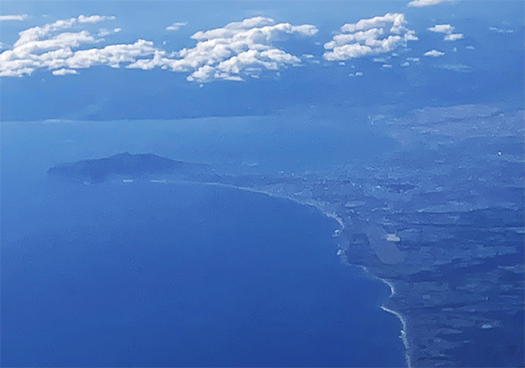
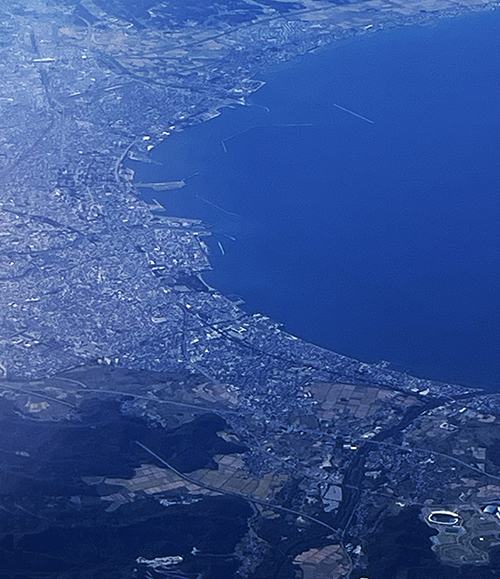
 写真は札幌ー東京便の空中写真。上は函館山の上空からの遠景と、下は青森市街の空撮図。ここのところ、40-50年ぶりくらいに「窓際席」側の指定をする習慣になっております。なぜか、仕事であちこちと飛び回っている期間には、ひたすた通路側席でトイレに行く利便性一択だったものが、意識が変わった。
 そういう風に変化して見るとはじめて飛行機で移動し始めたころ、高校3年生当時のことが新鮮に記憶再生していた。新左翼運動が華やかな時期で、ハイジャック事件なども起こる直前期だった。一度などは欧州までの旅もあって、ちょうどベトナム戦争期で、やや半島を迂回するような航路だったようで、ベトナム半島全景が映し出されて、目を瞠りながら「この下で・・・」と妄想を掻き立てていた。
 空中から地上を見下ろして、いわば巨視的に地形とか地理とかを実感で把握できるということで、実感できる地理の授業というような意味からも興味深かった。一応、歴史とか地理とかは大好きなテーマ領域だったので、生きた社会勉強ではあったのでしょう。高校生とはいえまぁ子どもなので、どうも優先的に若い世代の教育みたいなノリで、飛行機会社はそのように座席配置していたように思っています。その当時は飛行場の窓口に行ってはじめて搭乗席が決められたような記憶がある。ちょっと年上の優しいお姉さんたちが配慮してくれたのか・・・。
 人生時間という経験の濾過を経て、ふたたび窓際側に意識的に席を取るようになって、いわば天空からの視線の予行演習(笑)的に、雲と地形の織りなすパノラマにおっとりと感動している。
 ただ、こうして上空から見る視線では人生時間の経験知がそこに投影されて、たとえば青森の市街など、いろいろな情報記憶が再生されてくる。そういった人文的な情報の明滅が、現実の空中景観とシンクロして、一種のタイムトラベル感も盛り上がってきたりする。
 「そういえばあのあたりで、こんなことがあったなぁ」「あそこで会ったあの方はいま?」みたいな。忙しさにかまけていた時期には、とにかくタイムイズマネーという気分で、この移動時間はまったくのムダか、興味のない時間みたいな認識だった。乗る前までと降りてからのことばかりに意識が集中して、乗っている時間はただ「早く着かないかなぁ」と忍耐の時間だったように思う。
 「狭い日本、そんなに急いでどこへ行く」というキャッチフレーズが昔あったけれど、最近ふたたび脳内で記憶再生されてニコニコしております(笑)。

English version⬇

Healed by the Natural Formations of Clouds and Landforms
As we enter the latter half of our lives and the final stages of our lives, various experiential knowledge is regenerated and restored. Does it give you a taste of how to deal with that kind of time? …

 The photos are aerial views of the Sapporo – Tokyo flight. Above is a distant view of Mt. Hakodate and below is an aerial view of Aomori city. Recently, for the first time in 40-50 years, I have gotten into the habit of selecting the “window seat” side of the aisle. For some reason, during the period when I was flying from place to place for work, I had always chosen the convenience of going to the restroom in an aisle seat, but my awareness has changed.
 When I looked at it in this way, I had a fresh memory of the time when I first started traveling by air, when I was a senior in high school. It was a time when the new leftist movement was in full swing and just before the hijackings and other incidents occurred. The plane was on a route that bypassed the peninsula during the Vietnam War, and the entire view of the Vietnamese peninsula was projected on the screen, stirring up my fantasy of “under this…” as I gazed blindly at the view.
 Looking down on the ground from the air, we were able to grasp the topography and geography from a macroscopic point of view. History and geography were my favorite subject areas, so I guess it was a real social study. Although I was a high school student, I was still a child, so I think that the airplane company was giving priority to educating the younger generation, and that is how the seats were arranged. At that time, I remember that boarding seats were decided only after going to the counter at the airfield. The slightly older, kinder, gentler ladies took care of that….
 After the filtration of life time, I have consciously taken a seat by the window again, and I am now quietly impressed by the panorama of clouds and terrain, as if it were a rehearsal for looking from the sky (laugh).
 However, when I look at the panorama from the sky, I am able to project my life’s experiences and memories of the city of Aomori, for example, into the panorama. The flicker of such humanistic information is synchronized with the real aerial landscape, creating a kind of time travel sensation.
 It is as if one were saying, “Oh, I remember when this happened in that area,” or “Is that person I met there still there? I was too busy to think about it. When I was busy, time was money, and I thought that the travel time was either a waste of time or uninteresting. I was so focused on the ride before and after I got off the train that the time spent on the train was just a time of patience, wondering if the train would arrive any sooner.
 There was once a catchphrase, “Japan is a small country, where are you going in such a hurry?

【明治の建築「革新」 大空間構造 富岡製糸場-3】


富岡製糸場の参観ではやはり明治5年段階の大規模建築、公共投資としての大型建築のありようが興味深かった。それまでの日本建築は城郭建築が主体であり、その目的性に根ざした技術が伝承されてきた。民間建築は各地域での農家などの建築が主体で、都市では長屋などの集住建築が量的には主流という市場構造だった。
 そういう建築界の状況に対して、明治維新という革命は巨大なインパクトを与えた。産業のための建築という新領域が広大に広がっていくという予感で、のちにゼネコンと言われる企業家たちは奮い立っていた。
 明治4−5年という時期、さながら「洋造」建築の展示場のように北海道開拓の首府、札幌の街区建設が進められ、同時に寒冷気候に対応した住宅技術研究が旺盛に開始していた。たぶん明治期の国家にとって対ロシアの国防目的からの北海道移民促進と、この「ものづくりニッポン」の創始は両輪として意図され進められた。
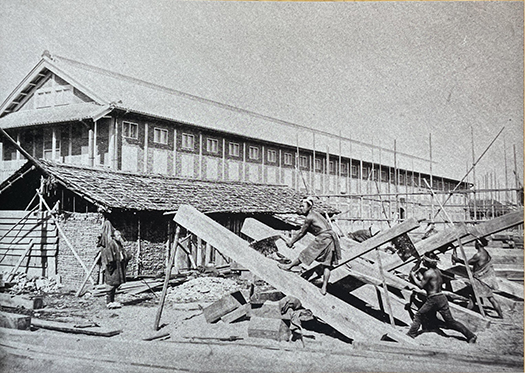
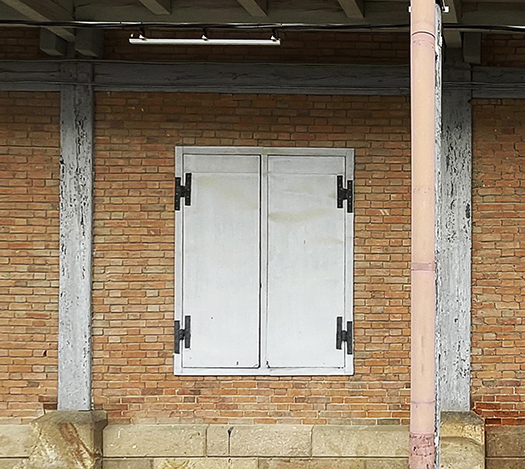
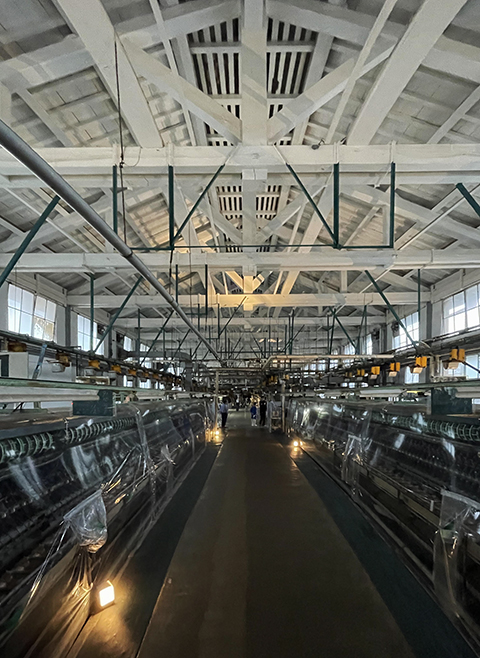
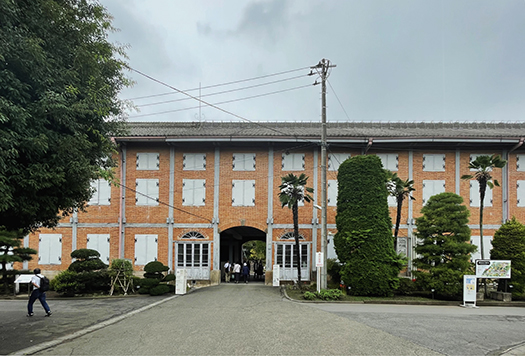
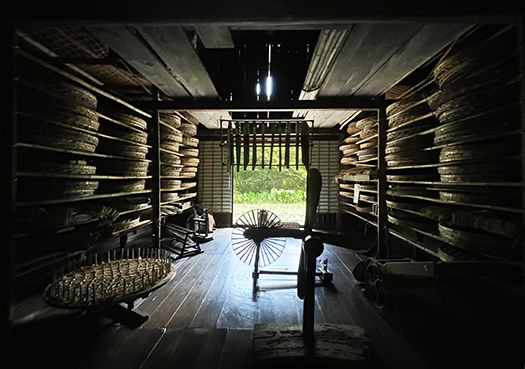
 上の写真は富岡製糸場の建築風景と、外壁に現れた「木骨レンガ造」の構造素地。そして、伝統木造工法では柱のない大作業空間ができないことから、西洋の木造技術と言える「トラス工法」が導入されて柱のない大空間が可能になった様子。事実として、こうして出来上がった大作業空間は、その後、百年を超えて官営〜民営の全期間、富岡製糸場の経営の土台を支え続けた。普通は業容の拡大に合わせて建て替えなどで対応するのが一般的と言われる中で、ここでは創建時の建築が事業を支え続けたのだ。
 フランスの建築技師たちはメートル法に基づいた図面を提示したけれど、日本の大工たちは尺貫法に翻訳させながら柔軟に対応していった。
 北海道で官民挙げて「寒冷地対応」の住宅性能を追求進化させている一方で、産業発展の機能性空間という方向に本州以南地域では発展させていった様子が伝わってくる。

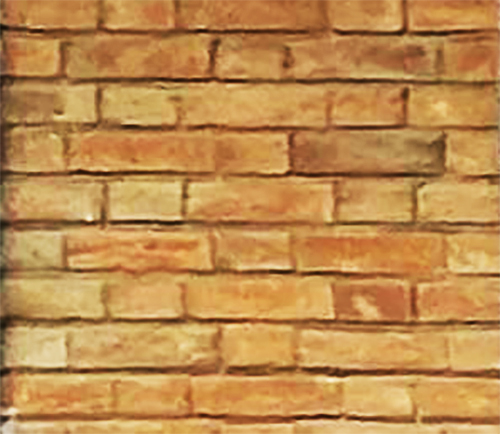
 建築として特徴的なレンガの表情。明治初年段階では、こうしたレンガは日本建築の伝統にはなかったので、旧来の「瓦製造業」たちが、フランス人技術者の指導を受けながら生産していったのだという。地元の土を焼成させた独特の風合い・色合いには、なにか癒されるものを感じる。「よく来たな、北海道から」と(笑)。
 また、つなぎのセメントは入手困難な輸入製品だったので、国内の漆喰が利用された。その構造もまた日本社会の柔軟な「対応力」を見る思い。
 木骨の骨組みを現場で木挽きしている大工職人たちの力感にもいかにも「精魂込めているぜ」みたいな心意気を感じさせられる。フランス人たちは「フランス革命と同等」と明治維新を評価していたとされるけれど、150年前ころの先人たちのはるかな叫び声が、こちらの胸奥に響き渡っていた。

English version⬇

Architectural “Innovations” of the Meiji Era: Large-Space Structure of Tomioka Silk Mill – 3
The “truss construction method,” which is not found in traditional Japanese construction methods, made possible a large space with no pillars, and at the same time, the bricks that make up the walls were researched and developed by a tile manufacturer. …

In visiting the Tomioka Silk Mill, it was interesting to see how large-scale construction in the 5th year of Meiji (1872) was carried out as a public investment. Until then, Japanese architecture was mainly castle architecture, and techniques rooted in the purpose of such architecture were handed down from generation to generation. The architecture of the private sector was primarily that of farmhouses and other buildings in each region, while in the cities, row houses and other residential buildings were the mainstream in terms of quantity.
 The Meiji Restoration revolution had a huge impact on this situation in the architectural world. Entrepreneurs, who later became known as general contractors, were excited by the prospect of the vast expansion of a new field of architecture for industry.
 In the 4th and 5th year of Meiji (1871-1912), the construction of city blocks in Sapporo, the capital of Hokkaido, was underway as if it were an exhibition hall for “Western-style” architecture, and at the same time, research on housing technology for cold climates was vigorously underway. The Meiji period was probably a time when the nation was promoting immigration to Hokkaido for the purpose of national defense against Russia, and the creation of “Monozukuri Nippon,” or “Manufacturing Nippon,” was promoted as a double-edged effort.
 The photo above shows an architectural scene of the Tomioka Silk Mill and the “wood-frame brick structure” that appeared on the exterior walls. The photo above shows the “wood-frame brick structure” of the Tomioka Silk Mill and the “truss construction method,” a Western wooden construction technique, which was introduced to create a large working space without pillars, because the traditional wooden construction method could not be used to create a large working space without pillars. As a matter of fact, the large working space thus created continued to support the foundation of the Tomioka Silk Mill’s management for more than 100 years during the entire period of government and private management. While it is said that the factory is usually rebuilt to accommodate the expansion of the business, the architecture of the factory at the time of its foundation continued to support the business.
 French architectural engineers presented drawings based on the metric system, but Japanese carpenters flexibly adapted the system by translating it into the shaku-kan system.
 While the public and private sectors in Hokkaido were pursuing and evolving “cold-weather” housing performance, the southern Honshu region was developing in the direction of functional space for industrial development.

 The look of the bricks is characteristic of the architecture. In the early Meiji period, such bricks were not part of the Japanese architectural tradition, so they were produced by the old “tile makers” under the guidance of French engineers. The unique texture and coloring of the fired local clay is soothing to the senses. I was surprised that they came all the way from Hokkaido,” he said with a laugh.
 The cement used to connect the buildings was an imported product that was difficult to obtain, so domestic plaster was used. The structure of the building also reflects the flexible “adaptability” of Japanese society.
 The carpenters who were sawing the wooden frame on site also showed a spirit of “we put our hearts and souls into it. It is said that the French regarded the Meiji Restoration as “equivalent to the French Revolution,” but the distant cries of our predecessors around 150 years ago echoed deep in my heart.

【幕末-明治、殖産興業への邁進 富岡製糸場-2】


Screenshot


今回ようやくにして世界遺産「富岡製糸場」を探訪することができたのですが、遠く北海道から、東京出張の合間時間での訪問と言うことで、事前にはほとんど準備も出来ていなかった。関東には東北の半分くらいの「馴染み」のある北海道人ですが、そのなかでもやはり茨城・栃木・群馬の3県については土地勘がなかなかない。「ま、だいたいあの辺だべ」くらいの感覚で移動し始めた。起点は成田便とのアクセスがいい青砥。カーナビ依存症が進行していますので方向的にいくつかの取材先を入れていて、館林、足利を探訪後、富岡に向かった。
 高速でいえば東北道を北上して、どこかで左側に降りて・・・くらいの適当な感覚。館林も富岡も同じ群馬だから、というところだったのですが、これが東の果てと西の涯くらいの距離感で、また高速道路がしっかりつながっているという安心感が大きすぎた(笑)。
 実際には各所の取材が面白くて「ノリ」まくりで時間超過につぐ超過。最後はレンタカーの借り上げ時間を2時間近く超過して、なんとか営業時間中に返却できたというお粗末ぶり。最後は高速道の数珠つなぎ渋滞にも遭遇させられた。関東平野、なかなかのツワモノ(笑)。


 富岡製糸場のことはその歴史性とか背景事情などはある程度知識はあったけれど、その面積規模などの空間性の想像力はまったく欠けていた。なんとか午後2時頃に現地に到着して駐車場にクルマを預けて探訪開始〜終了してクルマに戻ったのが午後5時寸前。最後は閉門時間を気にしながら、やや駆け足での探訪になってしまいました。
 工場の敷地は55,391.42㎡〜16,785坪という広大な「世界遺産」。たったの3時間では歩きまわって「ホエ〜」と嘆息しているだけに終わりそう。まぁそこは撮影した写真、全300点ほどで視覚体験を追体験しながら、学びの時間をしっかり継続させていただいております。写真整理で見やすく編集していると、その空間体験も確実に蘇ってくれる。これってたぶんデジタル画像時代の開始とともに人類が獲得した「追体験手法」であるように思っています。体験が重層化してくれる。
 そのほかに現地で購入した書籍資料などをあちらこちらと参照しながら、さまざまな観点からの体験と思考の整理整頓に取り組んできております。学生時代にはまったくこういう探究心を持たずボーっと過ごしていたのですが、そろそろ人生時間に限界点を意識するようになってあわてて始めているような体たらく。でもそういうことも含めて、こういう時間のありがたさを深く実感させられています。

English version⬇

The end of the Edo period – Meiji period, the push for industrial development – Tomioka Silk Mill – 2
We visited the 16,785 tsubo World Heritage site in three hours with our eyes black and white. The experience of seeing the site itself left me with a sense of experience, but I was impressed by the depth of the “knowing” experience that I gained from it. …

This time I was finally able to visit the World Heritage Site of Tomioka Silk Mill, but I had done very little preparation in advance, coming from as far away as Hokkaido and visiting in the time between business trips to Tokyo. I am a Hokkaido native with about half as much “familiarity” with the Kanto region as I do with the Tohoku region, but I still had little familiarity with the three prefectures of Ibaraki, Tochigi, and Gunma. I started out with a feeling of “Well, it’s roughly in that area. The starting point was Aoto, which has good access to Narita Airport. Since I am becoming dependent on the car navigation system, I had several destinations in mind, and after visiting Tatebayashi and Ashikaga, I headed for Tomioka.
 In terms of highways, we headed north on the Tohoku Expressway and got off somewhere on the left side…just like that. Tatebayashi and Tomioka were both in the same part of Gunma, but this was about as far as the end of the east and the end of the west, and the sense of security that the highways were well connected again was too great (laugh).
 In fact, the coverage of each place was so interesting and “flippant” that it took more and more time. In the end, we managed to return the rental car during business hours, almost two hours over the time limit. We also encountered a traffic jam on the expressway at the end of the trip. The Kanto Plain is quite a tough nut to crack (laughs).

 Although I had some knowledge of the historical background of the Tomioka Silk Mill, I lacked the ability to imagine the spatial scale of the area. We managed to arrive at the site around 2:00 p.m., left our car in the parking lot, and started to explore. The last part of the visit was somewhat of a rush, as we were concerned about the closing time of the gates.
 The factory site is a vast “World Heritage Site” of 55,391.42 m2 (16,785 tsubo). In only three hours, I would have ended up walking around and sighing “whew! Well, we are reliving the visual experience with the 300 or so photos we have taken, and we are continuing our learning time. When I edit the photos to make them easier to see, the spatial experience is sure to come back to me. I think this is probably a “method of reliving” that humankind acquired with the start of the digital image era. The experience becomes multilayered.
 In addition to this, I have been working on organizing my experiences and thoughts from various perspectives, referring here and there to books and other materials I purchased locally. I spent my student days in a daze, not having this kind of inquisitive mind at all, but now I am beginning to be aware of a breaking point in my life time, and I am starting to panic. However, including these things, I am deeply appreciative of the time I have.
 

【日本製造業の始原・富岡製糸場】


 江戸期の古民家を探訪することが多いわたしですが、とくに最近行った福島市民家園では、多くの古民家で「養蚕〜機織り」が家内制手工業として営まれている様子に触れていた。また、ツルの恩返しという古民俗の様子もいかにも地域密着で根付いている様子がわかる。
 そんなことから当然のこととして、幕末〜明治の日本の製造業の基盤を形成し、そして世界に日本の存在を強く訴求した生糸生産・製品輸出の根源地になった富岡製糸場について、訪問して詳細にその根幹を取材したいと思うに至っていました。仕事生活の一段落からあらたな行動の方向性として、建築と人間社会みたいな領域を掘っていきたいという願いのひとつのあらわれでしょうか。
 歴史が好きでいろいろな探究をしていましたが、ふしぎとこの富岡製糸場のことは抜けていた。富岡製糸場の建設はフランス人指導者ポール・ブリュナの計画書をもとに1871(明治4)年から始まり翌年の1872(明治5)年には主な建造物が完成し操業が開始。繭から生糸を取る繰糸所では全国から集まった伝習工女たちが働き、本格的な器械製糸が始まった。ということで、先日の出張で足を伸ばしてようやく現地取材の機会を持つことが出来た。やはり建築の仕様ひとつをとってもいろいろな発見に満ちていた。
 ポール・ブリュナの言葉として「明治維新はフランス革命と同等」という位置付けをされていることがあり、日本の明治以降の近代化・工業社会化というものは人類史の中でも特筆すべき事柄なのだと思い至った。建築という側面からも、それまでの日本建築からは大きく隔絶した歴史を刻みつけている。従来は、北海道人として開拓期の「洋造」建築からの流れという視点に偏っていたかも知れない。
 それとはまた違う日本の近代化の流れ、とくに製造業の世界最先端化ということを生み出した、富岡製糸場の経験知は、ひろく日本社会の自信を呼び起こしていったのだと思う。さすがに明治ニッポンの国を挙げた産業育成・勃興にまつわる全体像なので、まだ取材の整理途上。だけれど、気付かされたことは膨大で、すこしづつ紡ぎ出すように振り返って見たいと思う次第です。
 たしかに明治維新というのは、今日の工業化現代国家・ニッポンの礎石だと強く実感する。世界史のなかでも地球規模でモノが行き交う交易の時代の始まりであり、その変革への対応で日本は独自の地位を獲得していった。温故知新。今日の日本は一歩間違えば、大きな停滞に直面するかも知れない。そうならなかった明治の決断に迫ってみたい。

English version⬇

Tomioka Silk Mill, the origin of Japanese manufacturing
The Meiji Restoration, a direct social reform that continues to the present day. How was the Japanese manufacturing industry, which surprised the world, created? The …

 I often visit old private houses from the Edo period, and especially at the Fukushima City Minka-en, which I visited recently, I was exposed to how “sericulture – weaving” was being operated as a cottage industry in many old private houses. The ancient folk custom of repaying cranes for their kindness is also evident in the way it is rooted in the local community.
 This naturally led me to want to visit the Tomioka Silk Mill, which formed the foundation of Japan’s manufacturing industry from the end of the Edo period to the Meiji period and became the root of raw silk production and product export, which strongly appealed to the world about Japan’s existence. This may be an expression of my desire to explore areas such as architecture and human society as a new direction of action after the end of my work life.
 I love history and have done a lot of research on it, but I was surprised to find that I had not mentioned the Tomioka Silk Mill. The construction of the Tomioka Silk Mill began in 1871 based on the plans of a French leader, Paul Brunat, and the main buildings were completed and operation started in the following year, 1872. In 1872, the main buildings were completed and operations began. At the reeling factory, where raw silk was harvested from cocoons, apprentice workers from all over the country worked, and full-scale instrumental spinning began. I finally had a chance to visit the site on a recent business trip. As I expected, I was filled with various discoveries, even in terms of architectural specifications.
 In the words of Paul Brunner, “The Meiji Restoration was equivalent to the French Revolution,” and I realized that the modernization and industrialization of Japan after the Meiji period is a matter of particular note in the history of mankind. From the aspect of architecture, too, the history of architecture in Japan is marked by a sharp departure from that of the past. As a Hokkaido-native, I may have been biased to the viewpoint of the flow from “Western-style” architecture of the pioneering period.
 The experience and knowledge of the Tomioka Silk Mill, which gave birth to a different trend of Japan’s modernization, especially the world’s most advanced manufacturing industry, must have aroused the confidence of Japanese society at large. As one would expect from the overall picture of the development and rise of industry in Meiji Japan, I am still in the process of organizing my coverage. However, I would like to look back at what I have learned and see what I can learn from it.
 Indeed, I strongly feel that the Meiji Restoration was the cornerstone of today’s modern, industrialized Japan. It was the beginning of an era in world history in which goods were traded on a global scale, and Japan achieved a unique status by responding to these changes. The new age of learning from the past. One misstep and Japan today could face major stagnation. We would like to look at the decisions made by the Meiji period that prevented this from happening.

【秋のみのり・野菜食をたのしむ】


 出張の疲労回復にはやっぱり1日くらいの休養が必要で、昨日はなるべくカラダを休めておりました。今回はとくに自宅で寝て起きると、ホテルでの寝起きとはまったく違う「爽快感」を実感させられ、本日で帰宅後2晩目の就寝ー目覚めはさらに体力回復ぶり実感。やっぱり加齢とともに「身の程をわきまえる」ことが大切なのでしょう。
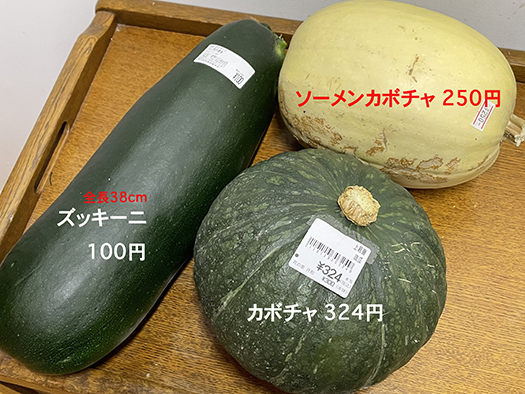
 写真は10日前に購入してきた秋の北海道新鮮野菜たち。安定のカボチャはこの値段で煮浸しとか、スープなどに利用して楽しんでおります。先日来ご紹介していた「ソーメンカボチャ」はどっさりとサラダ食材として活用中。これはとにかく調理すること自体が楽しい。加熱して流水で冷ましながら、中身がどんどんとソーメンのようにほぐれていく様子が、なんとも愉快な気持ちにさせてくれる。大根などを線切りにするのは包丁手間がたくさん掛かることを考えると、非常に有用性が高い。食味があっさりしているので「付け野菜」としてはもやし並みの使いやすさかなと思っております。案外ラーメンの付け野菜としてヒットしたもやしのように、工夫次第で大ヒットになる食べ方があるのではないかと思います。料理修業を重ねて、かれの魅力をさらに引き出すメニューを考えたくなっています。
 そして全長35cmほどのズッキーニ1本100円也は、ナスとほぼ同様の調理にてたのしく食べさせていただいております。ほんとうにナスと同じような食感でもあり、ほかの食材との相性も抜群にいい。名前がちょっとクセがありますが、食べ方では日本人にぜったいに適していると思うので、洋風から和風の名前に変えれば、もっと消費されるのではないかと思います。
 疲労感も一服してきて、またふたたび自分で調理に取り組みたい。ようやく秋風の感じられる北海道。各地の農家から直出品の新鮮野菜たちと出会えると期待しています。そういえば、先週は10kgほどの新鮮タマネギも購入してきて、ジミに食卓ににぎわいを与えてくれている。
 今週末にもまだまだ新鮮野菜たちと出会って元気回復したいと考えております。

English version⬇

Enjoying Autumn Vegetables
Fresh vegetables with various characteristics are a source of vitality. Using the right vegetables in the right places stimulates the sense of taste and is very satisfying. It is an enjoyable encounter in autumn. Autumn

 I needed a day or so of rest to recover from the fatigue of a business trip, so I rested my body as much as possible yesterday. This time, in particular, when I went to bed at home and woke up, I felt a completely different “refreshed” feeling than when I went to bed and woke up at the hotel. I guess it is important to be aware of one’s own physical condition as one ages.
 The photo shows the fresh autumn vegetables I bought 10 days ago in Hokkaido. I am enjoying the stable pumpkin at this price, using it for simmered vegetables and soups. The “somen kabocha” that I have been introducing the other day is now being used in salads. It is fun to cook. As it is heated and cooled under running water, it is a delight to watch the contents unravel like somen noodles. Considering that it takes a lot of time and effort with a knife to cut daikon and other radishes into strips, it is very useful. I think it is as easy to use as bean sprouts as a “garnish vegetable” because of its light taste. Like bean sprouts, which unexpectedly became a hit as a vegetable to add to ramen noodles, I think there are ways to eat it that could become a big hit, depending on one’s ingenuity. With more culinary training, I would like to come up with a menu that brings out even more of his charm.
 I am also enjoying a 35-centimeter-long zucchini for 100 yen per piece, which is cooked in much the same way as eggplant. It really has the same texture as an eggplant and goes well with other ingredients. The name is a bit peculiar, but I think it is definitely suitable for Japanese people in the way they eat it, and if the name is changed from Western to Japanese, I think it will be consumed more.
 Now that I have a lull in my fatigue, I want to get back to cooking on my own again. Finally, we can feel the autumn breeze in Hokkaido. I expect to see fresh vegetables directly from farmers in various regions. Speaking of which, I bought about 10 kg of fresh onions last week, and they are giving Jimi and me a lot of life at the table.
 We hope to meet more fresh vegetables this weekend to restore our energy.
 

【幕末期の福島「割烹旅館・客自軒」/福島市民家園-7】


 昨日までは会議参加などで東京に出張しておりました。昨年、環境の変化があったのですが、それ以来推移を注意深く見守るような時間が経過している次第。ちょうど1年間の期間が過ぎてきて、ひとつの節目になっておりました。今後は徐々に自分自身のテーマ領域に向かって集中していきたいと考えています。またそういう領域の「取材」もしてきていました。
 東京は不思議な「季節感への無感覚」時間。どうもほとんど暑さは感じずに、長袖でも短袖でもどっちでもいいような空気感。一方帰ってきた札幌は秋を感じる気配。今日からは新環境での本格的始動とも考えています。今後ともよろしく。
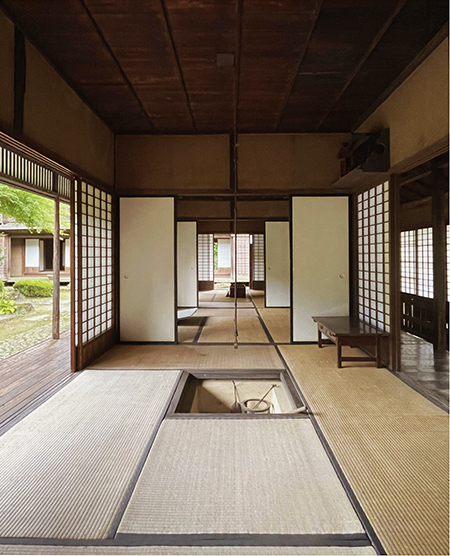
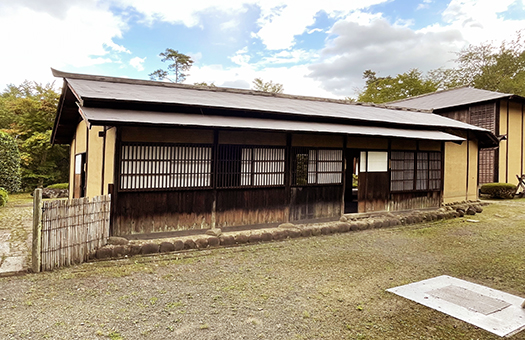
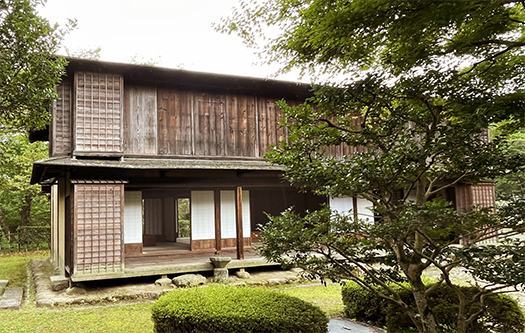
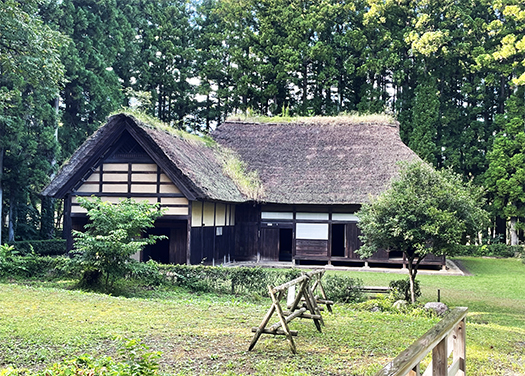
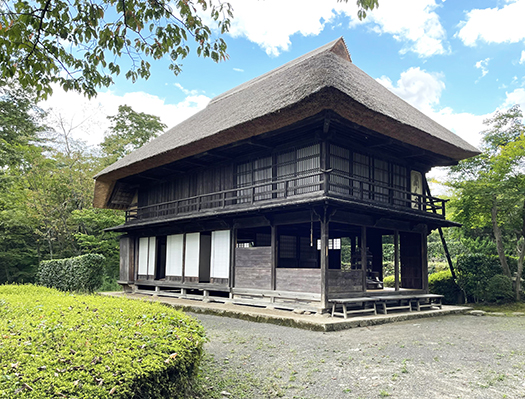
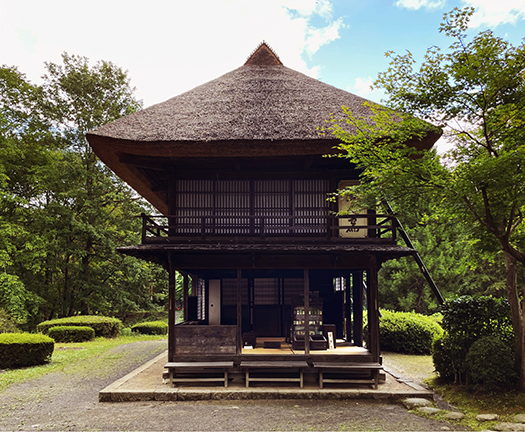
 住宅写真主体のブログは最近継続中の「福島市民家園」シリーズです。本日の建物は「元・客自軒」という福島市で有数の割烹旅館。この建物は幕末期の歴史上重要な舞台になったことで知られている。新政府軍と奥羽同盟軍との戦いは会津の攻城戦がもっとも激戦地になった。敗者になった会津は下北半島に国替えされることになって、深い恨みを新政府に対して抱くようになる。一方でこの福島市でも、新政府の「奥羽征討軍」の下参謀・世良修蔵が佐幕派の仙台藩士に襲撃され、この「客自軒」に引き立てられた後、阿武隈川河畔で惨殺されたという事件が発生した。この下参謀(しもさんぼう)というのは、明治維新・戊辰戦争の際に東北地方を従えるための奥羽鎮撫総督府に置かれた役職。総督の下に副総督・参謀と共に置かれ、このうち総督・副総督・参謀には公家が任命され、下参謀には武家の代表者が任命された。公家の総督・副総督・参謀はいわば“お飾り”に過ぎず、総督府の実権は武家である2人の下参謀(薩摩藩・長州藩出身)が握った。 この世良修蔵は長州の第二奇兵隊の軍監だった。
 この客自軒建築は、その後1878年には福島町議員選挙の「投票所」にも使われた。
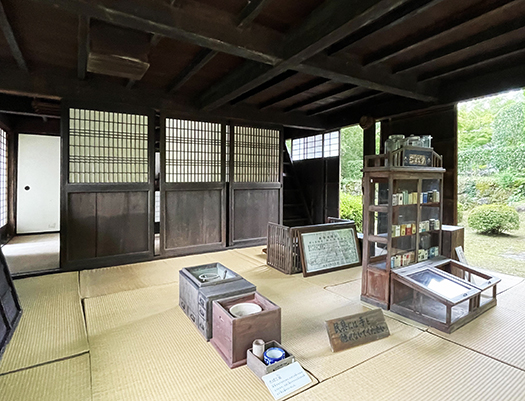
 復元には江戸後期とされる創建時に近い形に復元された。解体前には4棟があったけれど、創建時の2棟のみを復元したのだという。建築部材はほっそりとした柱梁が使われていて、当時の「町屋造り」の手法に近い、略式の「数寄屋造り」手法とされている。
 

English version⬇

Kappo Ryokan Kyakujiken” in Fukushima at the end of the Edo Period / Fukushima City Minkaen-7
Kappo Ryokan was the scene of a deadly attack during the final days of the Meiji Restoration. A substantial government military staff member was attacked here. Light sukiya-style architecture. …

 Until yesterday, I was in Tokyo on a business trip to attend a conference. Last year, there was a change in the environment, and since then, I have been watching the transition carefully. I have just passed the one-year period, which was a milestone for me. From now on, I would like to gradually concentrate on my own theme area. I have also been “covering” such areas.
 Tokyo is a strange “numb to the seasons” time. I hardly felt the heat, and the air felt as if it didn’t matter whether I wore long or short sleeves. On the other hand, Sapporo, where I came back from, feels like autumn. Today is the first day of work in the new environment. I look forward to working with you in the future.
 This is the ongoing “Fukushima City Minka-en” series, a blog mainly featuring photos of houses. Today’s building is “Kyakujiken,” one of the most famous kappo ryokan (Japanese-style restaurant) in Fukushima City. This building is known to have been an important stage in the history of the end of the Edo period. The battle between the new government forces and the Ou Alliance forces was the most fierce in the siege of Aizu. Aizu, which was the loser, was transferred to the Shimokita Peninsula, and came to harbor deep resentment toward the new government. Meanwhile, in Fukushima City, Shuzo Sera, a subordinate general staff member of the new government’s “Ou Conquest Army,” was attacked by Sendai clan fighters of the Sabaku faction and brought to Kyakujiken, where he was brutally murdered on the banks of the Abukuma River. The position of “Shimo-sambo” was assigned to the Ou Governor-General’s Office to control the Tohoku region during the Meiji Restoration and the Boshin War. The governor-general, deputy governor-general, and general staff were appointed by court nobles, while representatives of the samurai class were appointed to the position of subordinate counselors. The governor-general, vice governor-general, and general staff were merely “decorations,” so to speak, and the real power of the governor-general’s office was held by the two subordinate general staff members (from the Satsuma and Choshu clans), who were samurai. Shuzo Sera was the military commander of the Choshu’s 2nd Kibeitai.
 This Kyakujiken building was later used as a “polling station” for the Fukushima Town Council election in 1878.
 The building was restored to a form close to that of its original construction, which is believed to have been in the late Edo period. There were four buildings before the demolition, but only two were restored to their original state. The building is constructed with slender pillars and beams, and is said to have been built in the abbreviated “sukiya-zukuri” style, similar to the “machiya-zukuri” style of the time.


【福島会津の「曲り家」/福島市民家園-6】


 曲り家というと東北地方でも「南部」地域、岩手県での古民家で特徴的とされる様式ですが、同様に多雪地域である会津地域にもこうした様式が根付いていた。農耕馬の保守管理について別棟ではなく「曲り家」として本屋に対して付加的な別屋をつなげてしまうことで、とくに冬期間の積雪寒冷条件での作業を合理化させるという建築間取り。
 馬という生身の体温を持つ動物をいっしょの空間で飼い暮らすことで、独特の一体感、心情が人びとに生成された。南部では異種間のイキモノ同士の交流の細やかさが強調されて、人間と馬との同衾までの習慣があったとされる。たしかに寒冷な条件下で「身を寄せ合って」寒さをしのぐという蓋然性はある。
 奥州産馬は日本史の中で、武士の台頭時期から重要な横軸を形成もしてきた。馬産は東北地方では対日本社会への重要な「交易品」であり続けた。そして住宅でもその文化がこうした形式として地域オリジナルとして独特に形成された。
 こちらの旧馬場家は、東北指折りの豪雪地帯の南会津に建っていた上層農民住宅。母屋主屋に対してL字型に突き出た「中門棟」があり、馬屋と便所などを持っていた。名付けて馬屋中門造りと呼称した。建て方としては切妻で、寄棟に対して屋根からの落雪のない一辺ができるメリットがあったのだとされる。多雪地帯としての切実な建築的対応と言えるだろう。中門棟には藁などを保存する中2階を備えていて、そこで飼育している馬の世話が一気通貫的に考えられている。

 一方で住居棟になる本屋はかなり大型の平面を持っていて、居間である「おめい(御前)」、その奥に寝室を仕切り、上手端にはその平面積の大きさを利用して3室を並べている。建築年代は文化4−5(1807-1808)年。約200年以上前の建築。
 古民家からはいかにも先人たちの「生活合理性」がストレートに伝わってきて、住宅と生き方の相関性が「響き合っている」と感じられる。住宅探訪のいちばんの面白さというのは、実は人間を知る、知りたいということが根底にあるのだろうと思う。
 現代住宅は、暮らし方という意味では、仕事の場との距離感が大きくあって、いかにも「住むだけ」という印象が強い。そういう仕事・生き方的な部分よりもたぶん「タイパ」という概念がむしろ強まってきている。「夫婦とも働き」が一般的になって来て「家事労働」の合理性獲得の方向に向かってきているのだろう。
 しかし生活合理性という意味では先人たちもこういう住宅のようにまったく同様に考えて、規格化を進めてきたのだと思う。故きを知って生かしていきたいと思う。

English version⬇

Fukushima Aizu’s “Curved House” / Fukushima City Minka-en-6
A living space connected to a stable that gives a sense of “warmth” in a cold and snowy region. The pursuit of a sympathetic living performance. The homogeneity of wisdom in today’s typa-oriented housing. The house is a house of wisdom and homogeneity.

 The kurikuri-ya is a style that is characteristic of old private houses in the “southern” Tohoku region and Iwate Prefecture, but this style has also taken root in the Aizu region, which is similarly a region with heavy snowfall. This architectural layout was designed to rationalize work in cold and snowy conditions, especially in winter, by connecting an additional annex to the main house as a “kurikuriya” for the maintenance and management of agricultural horses, rather than a separate building.
 By keeping horses, animals that have the body heat of their own flesh and blood, in the same space, a unique sense of unity and emotion was generated among the people. In the south, it is said that there was a custom of sharing the bed with a human and a horse, as the importance of detailed interactions between different species of animals was emphasized. It is probable that horses “huddled” together in the cold to protect themselves from the cold.
 Horses from Oshu have formed an important axis in Japanese history since the rise of the samurai. In the Tohoku region, horses continued to be an important “trading commodity” to Japanese society. The culture of horsehouses was also uniquely formed in this form as a regional original.
 The former Bamba House shown here is an upper-class farmer’s residence built in Minamiaizu, one of the heaviest snowfall areas in the Tohoku region. The main house had an L-shaped “middle gate building” protruding from the main building, which housed a stable and latrine. It was called “Banya-chumon-zukuri” (horse stalls and latrines). It is said that the gabled roof had the advantage over the hipped roof that there was no snow falling from the roof. It is said to have been an architectural response to the heavy snowfalls in the area. The main gate building is equipped with a mezzanine floor for storing straw and other materials, and the care of the horses kept there is considered to be a one-stop operation.
 On the other hand, the main building, which serves as a residence, is quite large in plan, with the living room “omei” (front room), a bedroom at the rear of the living room, and three rooms at the upper end, taking advantage of its large floor space. It was built in the 4th-5th Bunka period (1807-1808). It was built more than 200 years ago.
 The old minka house conveys the “rationality of life” of its predecessors in a straightforward manner, and the correlation between the house and the way of life is felt to be “echoing” each other. I think the most interesting thing about exploring houses is the underlying desire to know and understand people.
 In terms of the way of living, modern houses have a large sense of distance from the place of work, giving the impression of “just living”. The concept of “typa” is becoming stronger than the work/life style aspect of it. As “both husband and wife working” has become more common, the concept of “housework” has been moving in the direction of rationality.
 However, in terms of the rationality of living, I believe that our predecessors thought in exactly the same way and promoted standardization, as in the case of this type of housing. I would like to learn from the past and make the most of it.

【ツルの恩返し「地域民俗」版/福島市民家園-5】


 この福島市民家園には、展示館が別に建てられていて、古民家での暮らしぶりや、その民俗のありようについてのさまざまなビジュアル説明が開示されていた。古民家と民俗は当然ながら建築と人間のくらしの関係性、その淡い領域を浮かび上がらせてくれる。わたしたちの先人は古民家での暮らしの中でどのような精神生活を送っていたのか、が見えてくる。
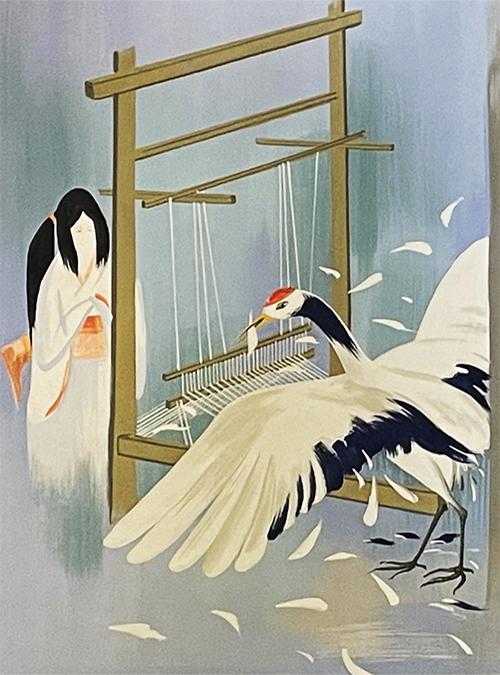
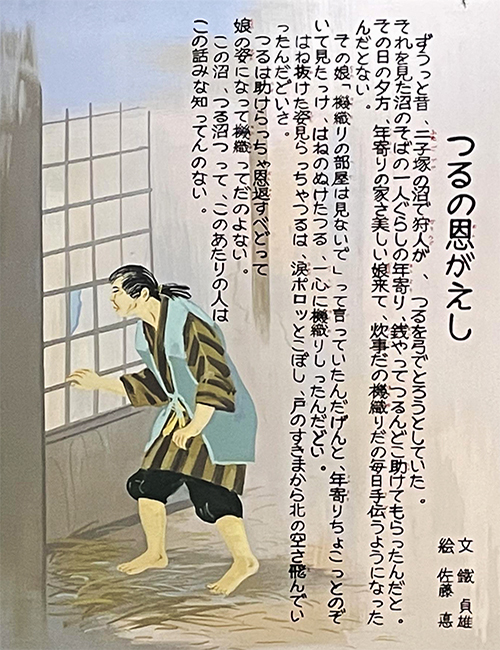
 展示で見入っていたのはこの素晴らしい民話譚。内容は方言の話し言葉で読み下していただきたいのだけれど、日本全国どこにもある。Wikiでは以下の要約。
 〜一般に「翁が罠にかかった鶴を助け、その鶴が人間の女性に姿を変えて翁とその妻に恩を返す」という筋立てが知られている。類似する話は日本全国で報告されており、文献・伝承によって細部で差違が見られる。 〜
 この福島県福島市の郊外・10kmほど離れた地域に「鶴沼」や「二子塚」という地名は具体的に存在しているので、この地域にリアリティを持って語り伝えられてきた伝承と思える。北海道人としては、こういう神代にまで遡るような説話を具体的な地名まで含めて語られると、クラクラとせざるを得ない。
 そして古民家での寝物語で、親から子へ連綿と語り継がれてきたのだと想像すると、そのひとびとがリスペクトしていたなにごとかに心を動かされる。地域がこういう説話を共有していることに深く打たれる。とくに方言がそこにメロディとして共鳴までされるとまったく圧倒されてしまう。
 この民家園では養蚕文化を伝える古民家も見た。〜【桑の木の中の養蚕民家、湧き上がる暮らしパワー】
 この養蚕文化とツルの恩返し伝承は重なるのだろうと容易に想像できる。

 個人的な妄想だけれど、養蚕によって蚕というイキモノが農村に貴重な現金収入をもたらす希少な生産手段であり、そこから生産される織物が都市の上流女性を美しく彩ったという生産−流通−消費のプロセスを考えれば、そこにツルという日本列島の自然の中でわかりやすく美を象徴する存在が、物語的に仮託されたことには平仄が合うと感じられる。
 寝物語を聞いた女の子たちは、ツルの美しさを想像しながら自分もきっとそういう存在にと、憧れの心理を持ったかも知れないし、男の子たちは「焦がれる」ということの始原をそこに見ていたのではないだろうか。その物語とともに寝に着いただろうたくさんの世代の積層を思わされる。
 柳田國男の民俗学からも、柳宗悦の民藝からも、こうした文化を認められなかった北海道人としては、足許を見つめて「あらたな気付き」を探究するしかない、と思う。

English version⬇

The Crane’s Benevolence “Local Folklore” Edition / Fukushima City Minka-en – 5
This is a bedtime story of a tale that exists throughout Japan, with the exception of Hokkaido, and gives the specific names of local places. The profundity of the culture is deeply moving. …

 The Fukushima City Minka-en has a separate exhibition hall, which provides a variety of visual explanations of how people lived in old private houses and their folk customs. Naturally, the relationship between old private houses and folklore reveals the faint realm of the relationship between architecture and human life. We can see how our ancestors lived their spiritual lives in old folk houses.
 I was fascinated by this wonderful folk tale in the exhibition. The following is a summary from Wiki.
 〜The story is generally known as “The old man rescues a crane from a trap, and the crane transforms into a human woman and repays the favor to the old man and his wife. Similar stories have been reported throughout Japan, with differences in details depending on the literature and folklore. 〜The story is told in the suburbs of Fukushima City, Fukushima Prefecture, Japan.
 The names “Tsurunuma” and “Futakozuka” exist in the suburbs of Fukushima City, Fukushima Prefecture, about 10 km away, so it seems that this story has been passed down with reality in this area. As a Hokkaido native, I cannot help but feel a little nervous when I hear such tales that date back to the divine era, including the names of specific places.
 And when I imagine that these tales were passed down from parents to children in old houses, I am moved by something that these people respected. I am deeply moved by the fact that the local community shares these tales. Especially when the dialect is used as a melody, it is overwhelming.
 In this minka garden, I also saw an old house that conveys the culture of sericulture.
It is easy to imagine that this sericultural culture and the tradition of repaying cranes for their kindness overlap.

 It is my personal fantasy, but if we consider the production-distribution-consumption process, in which silkworms were a rare means of production that brought valuable cash income to rural villages through sericulture, and the textiles produced from these silkworms beautified urban upper-class women, then it makes sense that the cranes which symbolizes beauty in the natural environment of the Japanese archipelago, was narratively entrusted to the cranes.
 The girls who heard the bedtime story may have imagined the beauty of cranes and longed to be one of them, while the boys may have seen the origin of their “longing” in the story. The story reminds us of the layering of many generations who would have arrived at bedtime with the story.
 As a Hokkaider who could not recognize this culture from the folklore of Kunio Yanagida or the folk art of Muneyoshi Yanagi, I have no choice but to look at my own feet and search for “new insights”.


【2階建茅葺き 江戸〜大正の「宿店」/福島市民家園-4】


昨日のブログ記事へはいろいろな反応があって興味深かった。書いている本人も気付かされることが多かったのですが、いちばん大きかったのは「古民家」として現代に移築保存されているような建築は、一般的には建築当時から「立派な」建築と見なされている建物が多く、その当時の一般のひとびとの住んでいた建物とは言えないと深く気付かされたこと。
 住宅建築もこうした見方を加味して考えて行かなければならないとキモに銘じさせられた。同時に歴史・民俗という実像への視線をあらためて考える契機になった。
 本日参観するのは内心、初見でビックリさせられた建物。古民家建築の常識的な理解として都市集住型の建築では「瓦屋根」を見る機会が多くそこで2階建ては良くあるけれど、この建物は屋根が茅葺きで2階建てでいわば現代住宅的なプロポーションを見せていたこと。
 名称は「旧筧家宿店」。福島市上烏渡字観音寺14番地に建てられていた。建築年代は江戸末期以前は確実で明治10年代に増築された事実が確認されると。ここは現在でも東北自動車道・福島西ICにほど近く、江戸期〜大正期には旧会津街道と旧米沢街道の分岐点に建っていた。
 その後、万世大路(福島と米沢を結ぶ道路)の開通や鉄道の奥羽本線や岩越鉄道(〜現在のJR磐越西線は福島県郡山から新潟県を結ぶ鉄道)の開通などで旅宿客が激減し営業を停止したのだという。要するに時代の変遷の中での人流の変化によって興亡をみせた商家建築。都市にあったそういった用途の建築はどんどんと不燃化ということで瓦屋根に変化していったのだけれど、東北福島では江戸期由来のいわば街道宿の姿が、残っていたようなのだ。
 さらに驚くほどに1階部分が開放的に作られていて、奥の座敷2室との仕切りがある以外の3方向が全開放されている。上部が重量感があってこれでは構造的にどうなのかと不安になるほど。たぶんそういった「目印」感があって、旅宿としてのランドマークだったのか。
 このあたりは江戸期の街道筋旅宿の建築のありように精通していないので不明だけれど、たしかに「目に付く」という機能性は確実にあったに違いない。
 機能性の面では、旅宿開業にあたって自宅主屋の「座敷」を使用するという発想は、この地方の宿店のありようを継承している、と説明書きにある。しかしたぶんこれは日本建築文化に於いて普遍的な発想だったのではないか。実は昨日のブログに感想を寄せていただいたTさんの示唆に富んだご意見。そもそも立派な座敷というのは、日本の住文化の中で「接遇」のために精一杯の「高級感」「おもてなし」を心がけた空間だっただろうという。
 この辺の空間創造の動機部分って、民俗としてもたいへんに興味深い。

English version⬇

2-story thatched building, Edo – Taisho period “Shukumoten” / Fukushima City Minka-en-4
Remnants of a roadside inn from the Edo period. The thatched roof visually appeals to the “sense of relaxation” and the two-story building is a landmark. Appealing to Japanese people who love to travel. The building is a landmark for Japanese people who love to travel.

It was interesting to see the various reactions to yesterday’s blog post. The most significant was the realization that many of the buildings that have been moved and preserved today as “old private houses” are generally considered “magnificent” buildings from the time of their construction, and cannot be said to have been inhabited by ordinary people in those days. Residential architecture should also take this view into account.
 It is important to remember that residential architecture must be considered in light of this viewpoint. At the same time, it was an opportunity for me to reconsider my perspective on the real image of history and folklore.
 The building I will visit today is one that surprised me at first sight. As a common understanding of old private house architecture, it is common to see “tiled roofs” in urban residential architecture, and two-story buildings are common there, but this building had a thatched roof and was two stories high, showing the proportions of a modern residence, so to speak.
 The name of the building is “Kyu Kakei Jyuten” (old Kakei family’s inn). It was built at 14 Kannonji, Kamikarasuwatari, Fukushima City. The construction date is certain to be before the end of the Edo period, and it is confirmed that the building was extended in the 10th year of Meiji era. It is still located near the Fukushima Nishi Interchange on the Tohoku Expressway, and during the Edo and Taisho periods, it stood at the junction of the old Aizu-kaido road and the old Yonezawa-kaido road.
 Later, with the opening of the Manyo Highway (a road connecting Fukushima and Yonezawa) and the opening of the Ou Main Line and the Iwakoshi Railway (the current JR Banetsu Nishi Line connecting Koriyama, Fukushima Prefecture, to Niigata Prefecture), the number of travelers declined sharply and the business was discontinued. In short, merchant house architecture rose and fell with changes in the flow of people over time. While such buildings in urban areas were gradually converted to noncombustible structures with tiled roofs, Tohoku Fukushima still retains the appearance of the highway inns that were originally built in the Edo period.
 The first floor is surprisingly open, and except for the partitions between the two tatami rooms in the back, all three sides of the building are open to the public. The upper part of the building is so heavy that one wonders if this is structurally sound. Perhaps it was a landmark as a traveling inn because of such a “landmark” feeling.
 I am not familiar with the architecture of roadside inns in the Edo period, so I am not sure, but it certainly had the functionality of being “conspicuous.
 In terms of functionality, the description says that the idea of using the “tatami room” of the main house to open a traveling inn was inherited from the innkeepers in this region. But perhaps this was a universal idea in Japanese architectural culture. This is actually a thought-provoking comment from Mr. T, who commented on yesterday’s blog. He said that a splendid tatami room would have been a space in the Japanese residential culture where people tried their best to create a sense of “luxury” and “hospitality” for the sake of “hospitality”.
 The motive behind the creation of such a space is very interesting as a folklore.


【江戸時代中期「土座」の農家住宅/福島市民家園-3】


さて先般取材してきた「福島市民家園」の家その3。やはり住宅系ブログとして実際の住宅取材とその写真を整理していると心理が落ち着く。いろいろなネタは書きますが、やっぱり住宅にテーマを戻すと「ホーム感」が静かに盛り上がって無心になれる。ありがたいなぁと思う。そろそろ仕事人生終了後という友人たちも多いけれど、人によっては満たされない心の空洞を感じていると思われる人もいる。そういったことを考えると、こうして同じテーマに向き合い続けられるのは稀有な幸福。
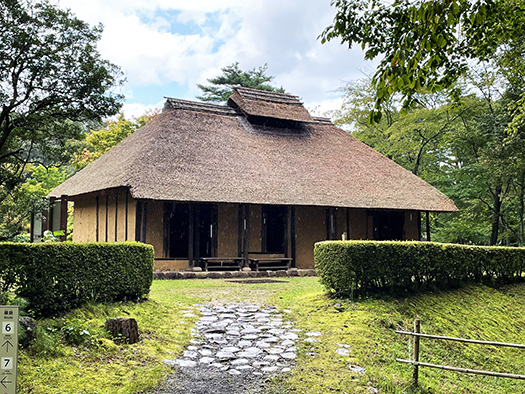
 この家は福島市大笹生安養寺に建っていた住宅で、なんと江戸時代中期18世紀後半の建築。一昨日まで掲載した北海道栗山の開拓者の家は明治30年代頃の年代なので、約130年前くらい。それと比較してもさらに100年は遡ることになる。栗山の家はこの福島県の北方の隣県、宮城県南部なので、ほど近い位置に立地していたことになる。
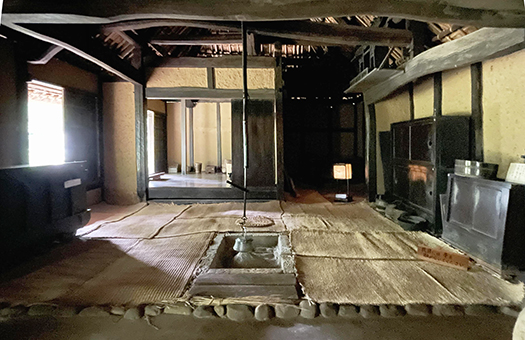
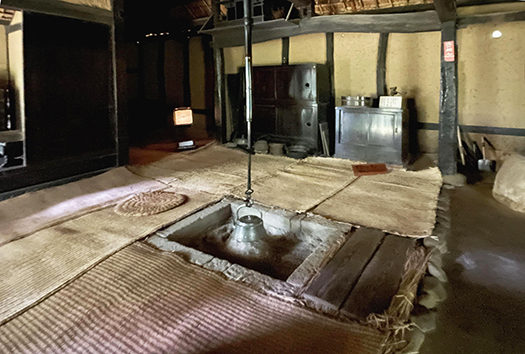
 この家で特徴的なのは床面。室内の床は「土座」と呼ばれるスタイルで、土間の上に筵を敷き並べて床が構成されている。「え?土間か」と驚かされる。寒冷地域の常識として「凍結深度」という冬期間の土壌の凍結の深さを表す数値がある。空気の寒冷が土壌に冷気を蓄積させるのだ。たとえば札幌などでは60cmが土壌凍結の深さレベルでそこまで基礎を下げなければ建物に不同沈下の危険性が高まる。そもそも床下が凍結している土壌と直接接しているということは、寒さが直接人体に伝わってくる。
 しかし同時代、蝦夷地アイヌチセもまた土座なので、囲炉裏による常時燃焼加熱があれば相対的に土壌凍結は解消されていくのかも知れない。土壌にはその地域の年平均気温相当レベルの「地熱」があるので、一定の表面加温があれば、その地熱レベルまで室温上昇させることが可能だったかもしれない。このあたり、現代の家づくりとは違いが大きすぎてあまり実証研究がされていない。
 しかし視覚的には凸凹のある床面空間からはその特異性が伝わってくる。日本語表現に「地下(じげ)人」という言葉があるけれど、この空間からはいかにも語感に直接性が感じられる。生々しい日本人意識、その「社会的格差」の蓋然性が伝わってくる思い。床に「上がる」という言語表現の視覚化。
 江戸期の建築においてすら「床を上げる」だけの資力を持たない農家が一般的だったということだろう。この家屋の中で仏壇などが置かれ座敷として使われた箇所は、床上げされていた。またほかの福島市民家園建築ではこういう床面は見られなかった。床上げできるかどうかということがひとつの貧富の差、空間格差の表現だったと認識できる。
 東北地方では南部とは言え温暖地とは言えない福島でも、一般の日本人の住空間は歴史的にながくこのレベルだったのだろう。江戸期という経済発展期・安定期においてすらこうだったのだから、室町・戦国以前の頃の住空間というものも推して知るべし。

English version⬇

Doza” farmhouse in the mid-Edo period / Fukushima City Minka-en-3
The Doza space testifies to the origin of the Japanese word for “going up” to the floor. I tried to imagine the comfort of this space, which was always heated by a sunken hearth. The house is heated constantly by the sunken hearth.

As a housing blog, I find it calming to organize photos and interviews of actual houses. I write about all sorts of things, but when I return to the theme of housing, the “sense of home” quietly rises and I can be at peace. I am grateful for that. I have many friends who are almost at the end of their working lives, but some people seem to feel a void in their hearts that they cannot fill. Considering this, it is a rare happiness to be able to continue to face the same theme in this way.
 This house was built in Oosasao Anyoji Temple in Fukushima City in the late 18th century, in the middle of the Edo period. The pioneer house in Kuriyama, Hokkaido, which we had posted until the day before yesterday, dates from the 1890s, so it is about 130 years old. Compared to that, it goes back another 100 years. The Kuriyama house is located in the southern part of Miyagi Prefecture, a neighboring prefecture to the north of Fukushima Prefecture, so it was situated in close proximity to the house.
 What is unique about this house is the floor surface. The indoor floor is a style called “doza,” in which the floor is composed of a straw mat laid on top of an earthen floor. One is surprised, “What? Doza? In cold regions, there is a common knowledge called “freezing depth,” which indicates the extent to which the soil freezes during the winter. The coldness of the air causes cold air to accumulate in the soil. In Sapporo, for example, 60 cm is the depth at which the soil freezes, and if the foundation is not lowered to this level, the risk of unequal subsidence increases. The fact that the subfloor is in direct contact with frozen soil means that the cold is directly transmitted to the human body.
 However, in the same period, the Ainu Chise in Ezo also sat on the ground, so if there is constant combustion heating by hearths, the soil freezing level may be relatively lowered. Since the soil has “geothermal heat” at a level equivalent to the annual average temperature of the area, it may have been possible to raise the room temperature to that geothermal level if there was constant surface heating. Not much empirical research has been done in this area because the differences from modern house construction are too great.
 Visually, however, the uneven floor space conveys its peculiarity. There is a Japanese expression “jige-jin” (underground), and this space conveys a directness to the word. The space conveys the raw Japanese consciousness and the probability of its “ascending orientation. The visualization of the linguistic expression of “going up” to the floor.
 It is likely that even in the architecture of the Edo period, farmers generally did not have the resources to raise the floor. In this house, the floor was raised in the area used as a tatami room where a Buddhist altar was placed. This type of floor was not seen in any other Fukushima City Minkaen buildings. The ability to raise the floor is an expression of the disparity between the rich and the poor, and the disparity in space.
 Even in Fukushima, which is located in the southern Tohoku region but not in a warm climate, the living space of the general Japanese population has historically been at this level. Since this was the case even during the Edo period (1603-1867), a period of economic development and stability, one can only imagine what the living space was like during the Muromachi and Sengoku periods.