本文へジャンプ

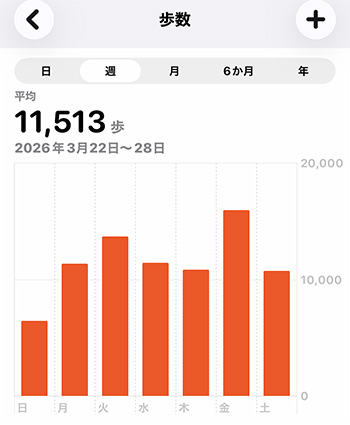
【歩きやすくなって散歩歩数10,000超え〜】


 わが家周辺からも道路面からは雪が消えてきて、道路脇の雪山、最盛期には「エベレスト」のように高々と見下してきていたものが、すっかりタンポポ程度の高さにまで収まってくれています。
 そういうことで野外の動きやすさが加速してきて、高齢者の健康維持の基本と思っている散歩の歩数がほぼ常態になって参りました。っていうか、春の最初期なのでウレシイからか、ついつい距離歩数がレベルアップしてしまっております。
 これはすこし「歩きすぎ」かも知れないとやや慎重な心理も出てきますね。
 しかし、ある程度の運動負荷からか、睡眠の質が向上するように思われる。昨日はやや疲れが来て、夕方7時には就寝していましたが、途中の「夜間頻尿」は収まってくれて午後11時過ぎの1度だけでその後、午前4時前にはスッキリした目覚め。たぶん合計で8時間以上の熟睡か。
 眠りの「質」についても、ときどき見てしまう「悪夢」症候もありませんでした。個人的な見解ですが、夢見というのは健康状態をはかるバロメーターかと思えます。昨晩の眠りでは、目覚めたら夢の内容はすっかり忘れて、でも気持ちの落ち着く夢だった残影だけは残っていた。
 たぶん、前向きに考える力のようなものと健康って、パラレルのように思っています。
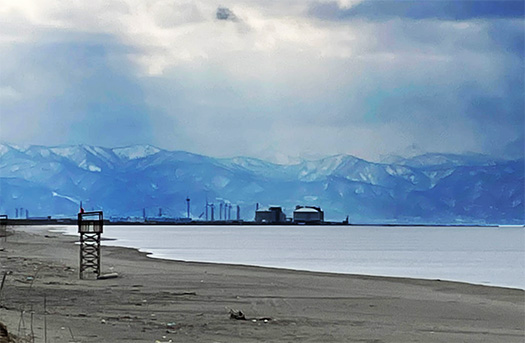
 写真は夫婦でのドライブでの近郊・石狩の砂浜から札幌の南側の山並み方向をみたアングル。
 どうも最近は「山並み」の美観に惹き付けられている。雪融け時期なので山並みの遠景にその様子が反映してゆたかなグレデーションを見せてくれる。北海道の春の空は、地上に残る雪原の白さが反射するのと、気温の上昇での「雪融け」による湿度上昇のバランスが生む空気感を映してくれる。
 中空の「あわさ」が独特の感じ、わたし的には「涅槃」感って伝わってくる(笑)。
 まぁ脳内の「高齢化」がそのような「あわさ」の実態なのでしょう・・・。
 ということですが、しかしそれもこれも健康な肉体があってこそ。体力維持のために、1日8,000歩程度を目標に、日々ほどほどに邁進したいと思います。

●お知らせ
拙書「作家と住空間」幻冬舎から電子書籍で発刊
お求めはAmazonで。
https://amzn.asia/d/eUiv9yO
English version⬇

[Walking has become easier, and I’ve surpassed 10,000 steps on my daily walks~]
I want to continue embracing the ever-changing beauty of nature with an open heart. To do that, maintaining and improving my health lays the foundation. No pushing myself—just simple daily habits…

 The snow has started to melt from the roads around my house, and the snowdrifts along the roadside—which at their peak towered over us like “Mount Everest”—have now shrunk down to about the height of a dandelion.
 As a result, it’s become much easier to get around outdoors, and I’ve almost returned to my usual walking routine—something I consider essential for maintaining health in old age. Or rather, perhaps because it’s the very beginning of spring and I’m just so happy, I’ve inadvertently increased both the distance and the number of steps I take.
I’m starting to feel a bit cautious, thinking I might be “overdoing it” a little.
However, perhaps due to the moderate exercise, the quality of my sleep seems to have improved. Yesterday, I was feeling a bit tired and went to bed at 7:00 p.m. My “nocturia” has subsided, and I only had to get up once after 11:00 p.m. After that, I woke up feeling refreshed just before 4:00 a.m. I probably got a total of more than eight hours of deep sleep.
As for the “quality” of my sleep, I didn’t have any of those “nightmare” episodes that I sometimes experience. In my personal opinion, dreaming seems to be a barometer of one’s health. When I woke up from last night’s sleep, I had completely forgotten the details of my dream, but a lingering sense of calm remained—a faint echo of a soothing dream.
I tend to think that the ability to think positively and one’s health run parallel to each other.
The photo shows the view from a sandy beach in Ishikari, near where my wife and I went for a drive, looking toward the mountain range south of Sapporo.
Lately, I’ve been particularly drawn to the beauty of mountain ranges. Since it’s the snowmelt season, the distant mountain range reflects this process, displaying a rich gradation of colors. Hokkaido’s spring sky captures an atmosphere born from the balance between the white snowfields still on the ground reflecting light and the rising humidity caused by the “snowmelt” as temperatures rise.
The “blend” in the sky creates a unique feeling; to me, it conveys a sense of “nirvana” (laughs).
 Well, I suppose the “aging” of my brain is the reality behind that “fuzziness”…
That said, all of this is only possible because I have a healthy body. To maintain my physical strength, I aim to walk about 8,000 steps a day and will continue to strive moderately each day.

● Announcement
My book, “Writers and Living Spaces,” has been published as an e-book by Gentosha.
Available on Amazon.

【温暖と冷風交叉の札幌の3月・ヒグマも胎動(恐)】


 昨日はオホーツク海側の春の「流氷接岸」の様子をお知らせしましたが、札幌では陽射しは完全に春に移行してきたけれど、風は寒さも厳しいままでいわば「複合する季節」で推移しています。
 そういう中ですが、散歩による運動量は徐々に増やしてきていて、昨日などは合計で15,000歩超レベル。
 真冬装備ではなく「軽い」冬装備程度の、先日3月13-18日までの本州各地での冬のいでたち軽量ダウンジャケットを着た状態では、内側で少し汗ばむ程度までの運動量になって来ています。散歩は朝・昼・夕方の3回も出撃を繰り返しておりました。本格的な春に向けて体動を活発化させられています。ウレシイ。
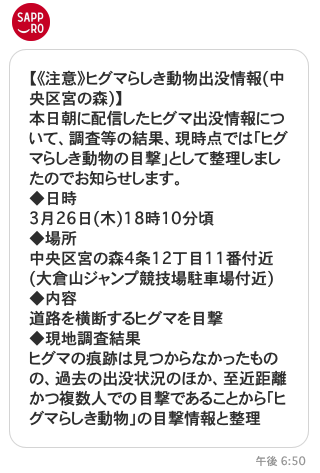
 さて、そういう人間の行動活発化と「寄り添う」ようにヒグマの胎動情報も、徐々に知らされるようになって来ています。北海道の場合には春のシン季語として、ヒグマが有力候補になってくるでしょう。けっしてうれしくない季語として・・・。
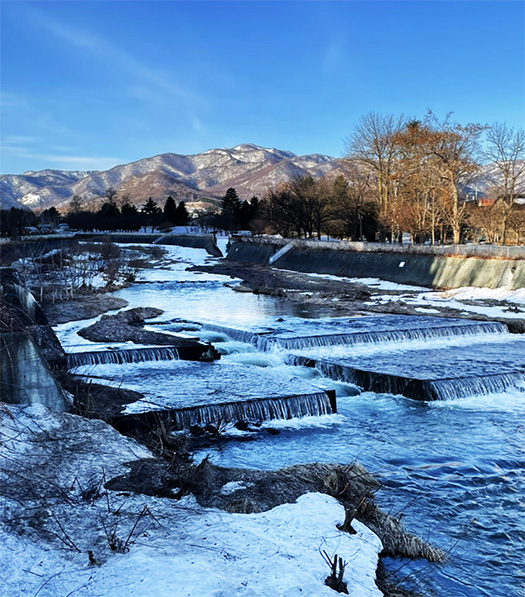
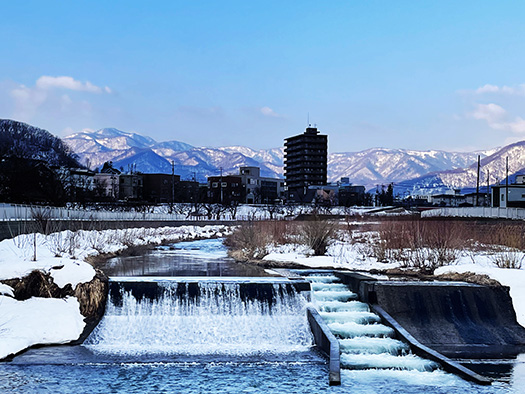
 上の情報はLINEで発出されていた札幌市からの広報記事であります。写真はわたしの散歩コースの「西野緑道」周辺の琴似発寒川から、札幌南方の山並み方向をみた様子。雪融けの河川増水ぶりと、冬景色から徐々に土の面が大きくなって来た山並みが強い陽射しにあたって強い反射光を照り返している。こういうコントラストが好きなのですが、同時にヒグマたちも大好きなのでしょうね。自然の摂理。
 昨年は野生動物の人間界への猖獗ぶりから、さまざまなアラートが繰り返されていましたが、さて今年の春以降、どんな推移を見せてくるか、散歩を最大の健康増進機会と考えている人間には、そのコース選択でいろいろ悩ましくなってくることが予想されます。
 そういえば先般の道庁建設局の諮問会議で同席の知人も琴似発寒川周辺にお住まいですが、かれはペットの柴犬くんと毎朝散歩されているのにときどき出会うのですが、そのコース選択は飼い犬にすべてお任せにしているとのこと。先日見かけたときも柴犬くんがグイグイ引っ張っていた。聞いたら、コースはその日の飼い犬の選択だそうで、同じ動物同士だと、カンも働いて危険回避型になってくれるのかも知れませんね。
 散歩の安全確保策、いろいろ考えて行きたい。

●お知らせ
拙書「作家と住空間」幻冬舎から電子書籍で発刊
お求めはAmazonで。
https://amzn.asia/d/eUiv9yO

English version⬇

[March in Sapporo: A Mix of Warmth and Cold Winds—Even the Brown Bears Are Stirring (Scary)]
It’s the way of nature. In spring, having awakened from hibernation, they begin to roam their usual territories from previous years, ravenous for food. Ensuring safety is an absolute priority. …

 Yesterday, I reported on the spring “drift ice reaching shore” along the Sea of Okhotsk coast, but here in Sapporo, while the sunshine has fully shifted to spring, the wind and cold remain harsh, so we’re essentially in a “mixed season.”
 Even so, I’ve been gradually increasing the amount of exercise I get from walking; yesterday, for example, I exceeded 15,000 steps in total.
 Wearing “light” winter gear—rather than full-on winter gear—specifically the lightweight down jacket I wore during my recent trip to various parts of Honshu from March 13–18, I’ve reached a level of activity where I break a light sweat underneath. I’ve been going out for walks three times a day—morning, noon, and evening. I’m getting my body moving more actively in preparation for the full-fledged arrival of spring. It makes me happy.
Now, just as human activity picks up, reports of brown bear activity are also gradually emerging, as if to “accompany” us. In Hokkaido, the brown bear is likely to become a strong candidate for a spring seasonal keyword. Though certainly not a keyword to be happy about…
 The information above comes from a public announcement by the City of Sapporo shared via LINE. The photo shows the view from the Kotoni-Hassamu River near the “Nishino Greenway”—my walking route—looking toward the mountain range south of Sapporo. The swollen river from melting snow and the mountain range, where the bare earth is gradually becoming more visible after the winter scenery, reflect the strong sunlight. I love this kind of contrast, and I imagine the brown bears love it too. It’s the way of nature.
 Last year, various alerts were repeatedly issued due to the rampant incursions of wild animals into human habitats. Now, as we head into this spring and beyond, it remains to be seen how the situation will unfold. For those of us who view walking as the best opportunity for health promotion, choosing a walking route is likely to become a source of increasing concern.
 Come to think of it, an acquaintance of mine who was present at the recent advisory meeting of the Hokkaido Government’s Construction Bureau lives near the Kotoni-Hassamu River. I occasionally run into him as he takes his pet Shiba Inu for a walk every morning, and he told me he leaves the choice of route entirely up to his dog. The other day when I saw them, the Shiba Inu was pulling him along with great determination. When I asked, he said the route is entirely up to the dog that day. Perhaps, since they’re animals, their instincts kick in and they naturally choose a route that avoids danger.
I’d like to continue exploring various ways to ensure safety during walks.

● Announcement
My book, “Writers and Living Spaces,” has been published as an e-book by Gentosha.
Available on Amazon.


【揺らぐ季節感・3月の流氷接岸 inオホーツク】


IMG_7193

 北海道の北東部、オホーツク海側の雄武出身の友人から、動画情報が寄せられた。画像の下のリンクをクリックしていただくと動画が再生されると思います。(やや不安)
 かれからの通信は以下。「18〜19日で雄武に行ってきたが3月中旬にしては近年非常に珍しい流氷接岸に遭遇。少年時代は1月中旬にが接岸、3月中旬に去っていったな〜。」
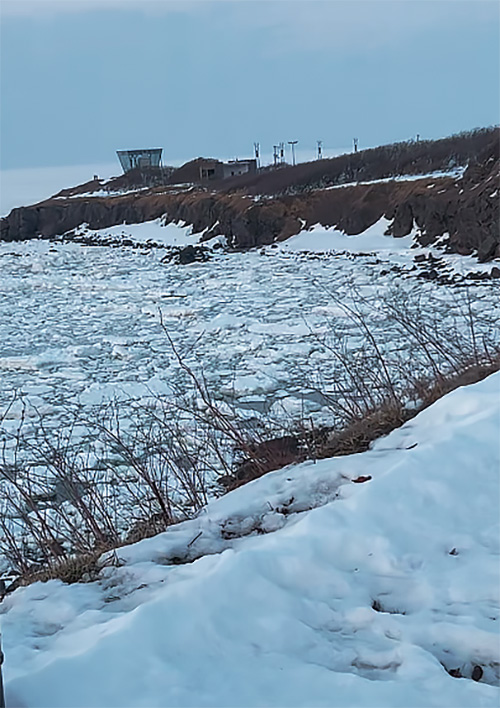
 写真の遠景に写っている「ガラスドーム」は日の出岬展望台「ラ・ルーナ」。
 陸地と海の配置関係から見ると、これは朝方の散歩で見ていた光景のようだ。画面からも冷涼さが伝わってきて、同じ北海道でも自分はいかに「温暖」な土地でのどかに育ったのかと、思わさる。
 この「思わさる」は北海道のシン方言。「らさる(~さる)」というのは、他動的な意味合いを持った表現で、キビシイ自然環境との北海道人の生活対話のなかで生まれた表現かと。特徴的な表現では「食べらさる」という表現があって、自分の行動であるのにどこか自責とは言えないという雰囲気があり、自然の運行に従わされる北海道の人間心理を諧謔的に表している感じがある。だいたいはついついやってしまう行動を他責的に責任回避する心象かと。
 というのは余談だけれど、3月になって流氷接岸とは・・・。
 サクラ前線のことがふつうの日本社会の話題の時に、こういう光景と向き合わされる心境はいかばかりかと、思いが至る。わたしの朝の散歩路でもまだ山に近い自然公園などでは雪道のなごりがあって、スパイク靴でなかったことを悔やまらさる。(どうもこの他責表現、いいなぁ〜笑〜)
 ことしの北海道の季節推移はどうなっていくのか、まだまだ予断は許さないところかと。
 きのうのブログ記事的には、北海道は札幌以外の「地方の衰退」が急速度で進展している。公営住宅などでも空き家率が最高を更新し続けてきている。住宅施策としてはそういった問題も噴出してきて、これまでの住性能開発型への推し一択では不整合をもたらしてくる。そうすると地域住宅政策には、より「社会性」が必然になってくるのでしょう。そしてそれは、日本全体についても同様の「地方の生き残り」方策とも連動してくるテーマかと思えます。さて。

●お知らせ
拙書「作家と住空間」幻冬舎から電子書籍で発刊
お求めはAmazonで。
https://amzn.asia/d/eUiv9yO

English version⬇

[A Shifting Sense of the Seasons: March Drift Ice Reaching the Shore in the Okhotsk Sea]
It’s March—the start of spring. Or so I thought, until I received a video message from a friend showing winter’s counterattack. Hokkaido’s version of “the beauty of nature” is still in a state of flux. …

 A friend from Omu, located in northeastern Hokkaido on the Sea of Okhotsk coast, sent me some video footage. If you click the link below the image, the video should play. (I’m a little unsure.)
Here is the message he sent: “I went to Omu on the 18th and 19th and encountered drift ice washing ashore—something extremely rare in recent years for mid-March. When I was a kid, it used to wash ashore in mid-January and leave by mid-March.”
 The “glass dome” visible in the background of the photo is the La Luna observation deck at Cape Hinode.
Judging by the relative positions of the land and sea, this appears to be the view he saw during his morning walk. The chill comes through even on the screen, making me realize just how “warm” and peaceful the region was where I grew up, even within Hokkaido.
 This “sasareru” is a dialect from the Shin region of Hokkaido. “Rasareru” is an expression with a passive connotation; I suspect it emerged from the daily struggle of Hokkaido residents living in a harsh natural environment. A characteristic example is the phrase “taberareru” (to be made to eat), which carries an atmosphere where, even though it’s one’s own action, it doesn’t quite feel like self-blame—it seems to humorously express the psychology of Hokkaido people who feel compelled to follow the course of nature. I suppose it generally reflects a mindset of shifting blame onto others to avoid taking responsibility for actions one ends up doing without thinking.
That said, it’s a bit of a tangent, but drift ice washing ashore in March…
When the “cherry blossom front” is the usual topic of conversation in Japanese society, I can’t help but wonder what it must feel like to be confronted with a scene like this. Even along my morning walking route, in nature parks near the mountains, there are still traces of snowy paths, and I can’t help but regret not wearing spiked shoes. (I really like this way of shifting blame onto others, haha.)
It’s still too early to tell how the seasons will unfold in Hokkaido this year.
As mentioned in yesterday’s blog post, the “decline of rural areas” outside Sapporo in Hokkaido is progressing at a rapid pace. Even in public housing, vacancy rates continue to hit new highs. As housing policies are implemented, these issues are coming to the surface, and the previous one-track focus on developing housing performance alone is creating inconsistencies. Consequently, a greater emphasis on “social responsibility” will inevitably become necessary in regional housing policy. I believe this is a theme that is also linked to strategies for the “survival of regional areas” across Japan as a whole. Well then.

● Announcement
My book, “Writers and Living Spaces,” has been published as an e-book by Gentosha.


【北海道の住宅施策「諮問」会議に参加】


 昨日は北海道建設局住宅局の「民間住宅施策推進会議」に参加。
 日本の基本的な住宅政策は当然、国土交通省担当ですが、亜熱帯から亜寒帯まで南北に長い国土では、北海道は気候的に他地域と大きく環境が異なる。気候だけではなく国土利用史で見ても他地域が数千年レベルなのに北海道島はたかだか150年前後。勢い他地域とは違う「住宅史」を経てきた。
 高断熱高気密という住宅「性能」への希求が特異進化した地域性。そもそも北海道の国土利用が遅れたのはその気候風土が在来日本社会とは異質だったことが大きい。移住してきた人びとは、列島社会で建てられていた「在来工法」の家では寒冷気候には耐えられず、より暖かい家を求めたが、本州以南社会からは無回答だった。やむなく知見を北欧北米の住宅から学んできた歴史が積層している。
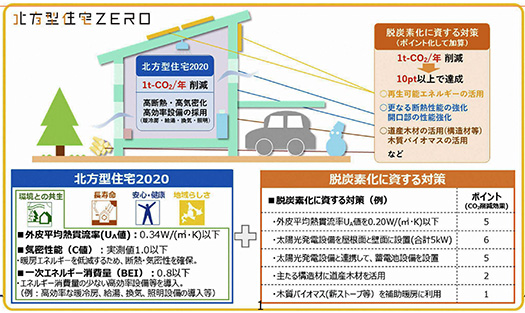
 今日になって本州社会でも住宅「性能」は受容されてきているけれど、北海道は「住宅施策」で独自に全国を先導し続けている。北方型住宅という住性能基準を指し示し続け、またそういう高性能基準に適合した建物をごく当たり前に建てられる工務店・技術者のレベルが担保されている。
 こういった総体は間違いなく巨大な「地域資産」。
 そういう基底の流れの中で、いまリアルタイムな課題が生起して来ている。それは地域を覆う「人口減少」と住宅着工数の減少傾向。戦後以降続いてきた、働いて持ち家を建てるのが当然という人生価値観が、大きく様変わりを見せ始めていること。
 このことがコロナ禍以降の世界的な原材料価格の高騰を受けての住宅コストの爆上りを招き、一般的な世帯には住宅建築は「高嶺の花」化してきたこと。
 さらにそういう趨勢の中で「性能基準」を上げるだけの施策にはコスト上昇要因として市場に影響を与えてしまうこと。行政側の基準上昇は民の生活苦に直結してしまう矛盾までが一部で出てきている。住宅ではないが、子育ての施策として赤ちゃん用のチャイルドシート基準義務化が定められたので、民の出費を強制してしまっている現実。住宅施策はそのような方向になってはならない。住宅基準は「民の暮らしやすさ」が目的であるべきであり、そういうコスト上昇を招くだけになる施策には意味があるのか?と思える。
 わたしとしては、今後の施策方向としてそのような意見具申をさせていただきました。

●お知らせ
拙書「作家と住空間」幻冬舎から電子書籍で発刊
お求めはAmazonで。
https://amzn.asia/d/eUiv9yO

English version⬇

[Participated in a “Consultative” Meeting on Hokkaido’s Housing Policies]
The reality of rising costs for raising children due to stricter standards and legal requirements for child safety seats. Isn’t a focus on stabilizing and improving people’s lives essential for the direction of housing policies? …

 Yesterday, I attended the “Private Housing Policy Promotion Conference” hosted by the Housing Bureau of the Hokkaido Construction Bureau.
While Japan’s basic housing policy is naturally the responsibility of the Ministry of Land, Infrastructure, Transport and Tourism, Hokkaido’s climate and environment differ significantly from other regions due to the country’s elongated north-south geography, which spans from subtropical to subarctic zones. This difference extends beyond the climate; while other regions have a history of land use spanning thousands of years, Hokkaido’s history dates back only about 150 years. Consequently, it has undergone a “housing history” distinct from that of other regions.
 This has led to a unique regional development and evolution in the pursuit of high-performance housing characterized by superior insulation and airtightness. The primary reason for the delayed land development in Hokkaido was that its climate and natural environment were fundamentally different from those of traditional Japanese society. Settlers found that the “traditional construction methods” used in the archipelago were insufficient to withstand the cold climate, so they sought warmer homes—yet received no solutions from the societies south of Honshu. Consequently, a history of learning from housing in Northern Europe and North America has accumulated over time.
While housing “performance” has now been accepted in Honshu as well, Hokkaido continues to lead the way with its own unique housing policies. It continues to set forth its own housing performance standards known as “Northern-style housing,” and the skill level of contractors and technicians capable of building structures that meet these high-performance standards as a matter of course is well-established.
 This overall framework is undoubtedly a massive “regional asset.”
Amid this underlying trend, real-time challenges are now emerging. These include the “population decline” affecting the region and the downward trend in housing starts. The postwar value system—where it was taken for granted that one would work to build a home—is beginning to undergo a significant transformation.
 This, combined with the global surge in raw material prices following the COVID-19 pandemic, has led to a skyrocketing rise in housing costs, making home construction an “unattainable luxury” for the average household.
Furthermore, within this trend, policies aimed solely at raising “performance standards” are impacting the market by driving up costs. In some cases, a contradiction has even emerged where the government’s raising of standards directly contributes to the financial hardship of the people. While this does not pertain to housing, the reality is that mandatory standards for infant car seats—intended as a child-rearing measure—have effectively forced additional expenses upon the public. Housing policies must not follow this path. Housing standards should aim to “improve the ease of living for the public”; one must question whether policies that merely drive up costs serve any meaningful purpose.
I have submitted these opinions as recommendations for the future direction of policy.

● Announcement
My book, “Writers and Living Spaces,” has been published as an e-book by Gentosha.
Available on Amazon.

【春らんまんの山地水明。なれど世界は混沌・・・】


 アメリカとイスラエルによるイランへの急襲から混沌とする世界情勢。われわれの暮らしにも石油価格の高騰が襲ってきたが、政権としてはかなり機動的に、税の見直し・備蓄石油の放出などが決定され即座に実施されたことで、いまのところ、市中のガソリン価格は沈静化の推移を見せている。
 また外交的には「G7首脳ら相次ぐ高市詣で〜米中との距離腐心、日本と協調模索〜」(日経新聞)の動きが報道されてきている。記事本文では「主要国首脳の来日が相次いでいる。フランスのマクロン大統領が31日から日本を訪れる。高市早苗首相が2025年10月に就任して以降の5カ月あまりのうちに主要7カ国(G7)はドイツ以外の首脳が来日。同盟国との協調路線を軽視のトランプ米大統領を前に各国は横の連携を模索している。中国とバランスをとるうえでも日本を重視する。」という報道。
 従来の世界政治が根底的に変化を見せてきている中でどのように自国の立ち位置を確立していくのか、非常に「きわどい」状況が世界を覆っている。とくに対米関係・トランプ政権の動向が予測不可能な中で、今回の高市訪米が大成功を収めたことで世界から注目が集中しているのだろう。やはり世界最強の軍事国家との「向き合い方」は永遠不滅の安全保障の「要諦」。一方でトランプ政権は1ヶ月前という直前時期に中国訪問を一方的に「延期」した。しかし中国自身は一切このことに反応を示していない。あの、大国としての面子をなによりも重視する独裁国家にしてみれば、驚愕を通り越している様子がこの対外的な無反応に凝縮している。茫然自失か。
 いかにも「戦後体制」という世界のバランス構図破壊が進行してきている。
 一方国内でも従来の社会の「ゆらぎ」が垣間見えてきている。昨日は自衛隊所属の人物が中国大使館に「侵入」した容疑で逮捕されている。さっそく中国は抗議声明を発出している。一方で先日来の辺野古反対派の抗議船転覆による女子高生溺死事故は司直によって「事件」立件化されようとしている。高校では保護者への説明会が開かれたが、保護者から「平和教育」の暴走・過激ぶりに驚きの声が挙がったという。
 昨日は医師から「100歳になるとほぼ脳の活性は失われるよ(笑)」との面談雑談でしたが、まだまだ強い「刺激」にふるえる心境。四百年間のいのちの履歴書の「道中」道すがらではあるけれど、明鏡止水にはほど遠い・・・

●お知らせ
拙書「作家と住空間」幻冬舎から電子書籍で発刊
お求めはAmazonで。
https://amzn.asia/d/eUiv9yO

English version⬇

[Spring is in full bloom, and the mountains and waters are clear and bright. Yet the world is in chaos…]
A world reeling from the uncertain outcome of the situation in Iran. Amid the unpredictability of the Trump administration, the world’s attention is focused on Japan’s diplomacy. Meanwhile, there are also sources of domestic turmoil…

 The global situation has descended into chaos following the U.S.- and Israeli-led strikes on Iran. While soaring oil prices have hit our daily lives, the government has acted with considerable agility, promptly deciding on and implementing measures such as tax revisions and the release of strategic oil reserves. As a result, gasoline prices in the market have stabilized for the time being.
 On the diplomatic front, reports have emerged such as “G7 Leaders Pay Successive Visits to Takaichi—Striving to Bridge the Gap with the U.S. and China, Seeking Coordination with Japan” (Nikkei). The article continues, “Leaders of major nations are visiting Japan one after another. French President Macron will visit Japan starting on the 31st. In the five months since Prime Minister Sanae Takaichi took office in October 2025, leaders from all G7 nations except Germany have visited Japan. Faced with U.S. President Trump, who downplays the importance of coordination with allies, these nations are seeking horizontal cooperation. They also view Japan as crucial for balancing relations with China.”
 As the traditional landscape of world politics undergoes fundamental changes, a highly “precarious” situation is enveloping the globe regarding how nations will establish their own positions. Particularly given the unpredictability of U.S.-Japan relations and the Trump administration’s moves, the fact that Prime Minister Takaichi’s recent visit to the U.S. was a resounding success has likely drawn intense global attention. After all, how to “engage” with the world’s most powerful military nation remains the eternal “essence” of security. On the other hand, the Trump administration unilaterally “postponed” a visit to China just one month ago, at the very last minute. However, China itself has shown absolutely no reaction to this. For an authoritarian state that values its prestige as a major power above all else, this lack of external reaction seems to encapsulate a state of shock that goes beyond mere surprise. Are they at a loss?
The destruction of the global balance of power—the very “postwar order”—is clearly underway.
 Meanwhile, domestically, signs of a “shaking” in traditional society are beginning to emerge. Yesterday, a member of the Self-Defense Forces was arrested on suspicion of “trespassing” onto the grounds of the Chinese Embassy. China immediately issued a statement of protest. On the other hand, the drowning death of a high school girl following the capsizing of a protest boat by anti-Henoko activists a few days ago is about to be formally classified as a “criminal case” by law enforcement. A meeting was held for parents at the high school, and it is reported that parents expressed shock at the excessive and radical nature of the “peace education” being taught.
Yesterday, during a casual conversation with a doctor, he remarked, “By the time you turn 100, your brain activity will be almost completely gone (laughs).” Yet, my mind still trembles at the thought of strong “stimuli.” Although I am on the “journey” of my 400-year-long life’s resume, I am far from being as clear and still as a mirror…

● Announcement
My book, “Writers and Living Spaces,” has been published as an e-book by Gentosha.
Available on Amazon.


【竹原の内陸故地「入野」の山上に墓域発見】


 「四百年間のいのちの履歴書」シリーズ。記録が残されているもっとも古い「故地」は、広島県竹原から10数キロ内陸側で、現在東広島市河内町の「入野」地域であります。わたしは住宅雑誌をやってきた人間なので、やはりその「現場空間」というものから惹起される認識に強いこだわりがあります。
 住宅は人間を包み込んで、その雰囲気全体で社会の荒波から人間を保護する目的。
 その一族が守護されつづけてきた土地空間にも、同様のパワーがあると思っているのです。もちろん古記録や伝承などの認識系情報も、他者との対話を成立させるには不可欠で決定的ですが、いわば「内発する同意力」はいわば出発点なのだと思う次第。そんな思いから数回、この故地を訪れている。
 いまから約300年ほど前の時代を生きたわたしの家系の六世の祖が、かれの時代から百数十年前の祖先の足跡を探索して、古文書として書き記してくれているのです。そこに「山上に」一族の墓地の記述があり、参詣したと記されていた。この記録に基づいてわたしの次兄は河内町教育委員会に委託して、所在確認をしていただいていたのですが、1998-1999年当時の調査では発見されず、どうやらふもとに移設されたようだと返答を受けていたのです。
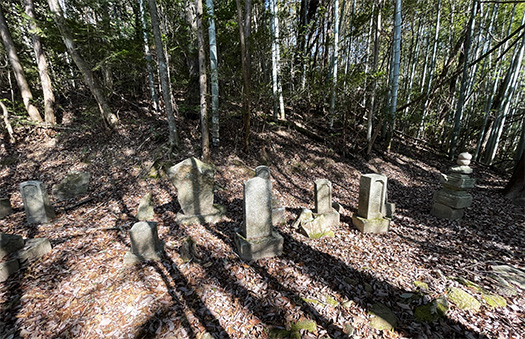
 今回3月16日に当地を再訪して、かろうじて確認できた山道を踏破していたら、ふもとからは百数十メートルで山頂からはやや下の平坦な場所に大きな塊としては3つの墓域があったのです。
 そしてその中に墓名がハッキリ確認できるものがあって、わたしの家系の元姓である「原」家名の人物で昭和22年に亡くなられた方の墓碑を確認することができた。一応個人と家系の情報なので公開は差し控えますが、しっかり確認することができた。ミッシングリンクの適合とも考えられる次第。「よくぞ」。
 そういう発見に基づいてさらに確証を求めて、入野の歴史についての資料を探し始めている。現代の利器AI探索などを繰り返した結果「入野郷土誌」という出版物が確認できた。20年ほど前の出版だそうなのだけれど、国立国会図書館では存在が確認できた。また東広島市の図書館でもあった。しかし貸出は不可という資料扱い。
 やむなく出版人である地域団体に問合せしているところ。どうしても手間はかかる(笑)。
 しかしいろいろな記録類は残されていることを実感させられますね。人類の痕跡。

●お知らせ
拙書「作家と住空間」幻冬舎から電子書籍で発刊
お求めはAmazonで。
https://amzn.asia/d/eUiv9yO

English version⬇

[Graveyard Discovered on a Mountain in “Iri,” the Ancestral Homeland of the Takehara Clan]
This graveyard, discovered during our exploration on March 16, remains on a mountain in the clan’s ancestral homeland. I wonder if this is the “remnant of life” emanating from this place…

 The “Four Hundred Years of Life’s History” series. The oldest recorded “ancestral land” is located about 10 kilometers inland from Takehara, in the “Iri no” area of Kawachi-cho, Higashi-Hiroshima City. As someone who has worked in the home design magazine industry, I am particularly drawn to the insights evoked by the “spatial context” of a site.
 Homes are meant to envelop people and protect them from the rough waves of society through their overall atmosphere.
I believe that the land and space that a family has continued to safeguard possess a similar power. Of course, cognitive information such as ancient records and oral traditions is indispensable and decisive for establishing dialogue with others, but I believe that what might be called “internal consensus” is, so to speak, the starting point. With these thoughts in mind, I have visited this ancestral land several times.
 The sixth-generation ancestor of my family, who lived about 300 years ago, traced the footsteps of ancestors from over a century before his own time and recorded them in ancient documents. In these records, there is a description of a family cemetery “on the mountain,” and it was noted that he had paid a visit there. Based on this record, my second older brother commissioned the Kawachi Town Board of Education to confirm its location, but the survey conducted in 1998–1999 failed to locate it, and we were informed that it had apparently been relocated to the foothills.
 When I revisited the area on March 16th and managed to make my way up the barely discernible mountain path, I found three distinct clusters of graves on a flat area slightly below the summit, about a hundred and some meters from the base.
Among them, I was able to clearly identify a gravestone bearing the name of a person from the “Hara” family—the original surname of my lineage—who passed away in 1947. Since this involves personal and family information, I will refrain from making it public, but I was able to confirm it thoroughly. I believe this may fill a missing link. “Well done.”
Based on this discovery, I began searching for materials on the history of Irino to seek further confirmation. After repeatedly using modern tools like AI search, I found a publication titled “Irino Local History.” It seems to have been published about 20 years ago, but I was able to confirm its existence at the National Diet Library. It was also available at the Higashi-Hiroshima City Library. However, it is classified as a reference-only document and cannot be checked out.
I have no choice but to contact the local organization that published it. It’s definitely a lot of work (laughs).
Still, it really makes me realize that various records have been preserved. Traces of humanity.

● Announcement
My book, “Writers and Living Spaces,” has been published as an e-book by Gentosha.
Available on Amazon.

【重要文化財「竹原絵屏風」に魅了される・・・】


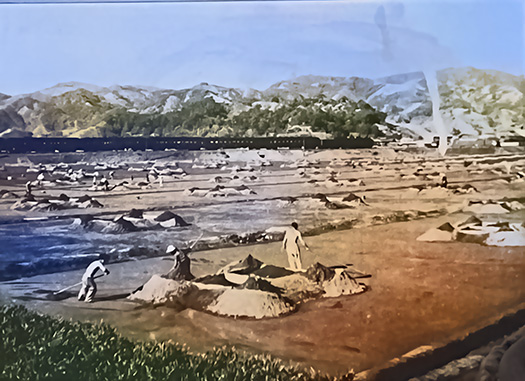
 竹原塩田は1650年頃の開発創始だけれど、その起源では広島浅野藩の「新田開発」公共事業がきっかけになっている。1640年頃から1670年代頃まで、米作のための新田開発が竹原で活発に造営されたという記録。このなかで一部が「塩田」に切り替えられた経緯。
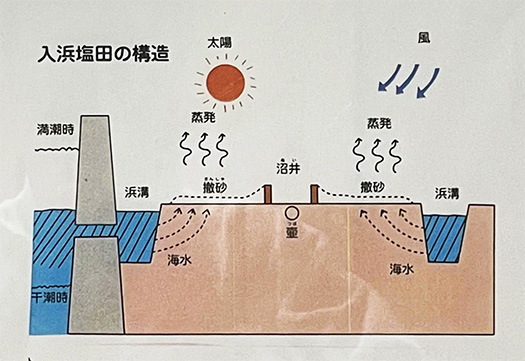
 入り浜塩田には莫大な土木工事費が必要で、また成功したとしてもその後の「販売」の市場問題も不安定要因になるきわめてリスキーな事業だった。それに対して竹原では、賀茂郡代官・鈴木四郎右衛門からの官営工事として行われたのだという。かれは入り浜塩田の先進地域・赤穂から太郎右衛門・七兵衛という2人の技術者を招いて工事させたところ、これがうまくいって良質の塩を得ることができたので、一気に1650年に「慶安の古浜」を開発した。この塩浜も予想外の高収益を挙げたために、当地や、領海各地の港町や首府・広島の広範な「商人層」が争うように塩浜経営を希望するようになったとされる。
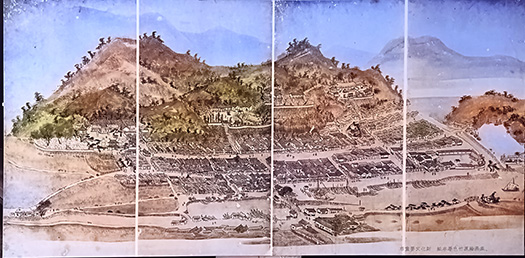
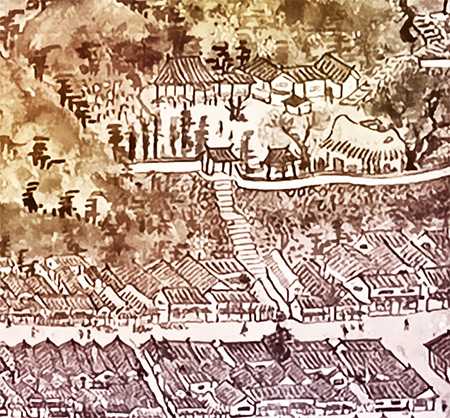
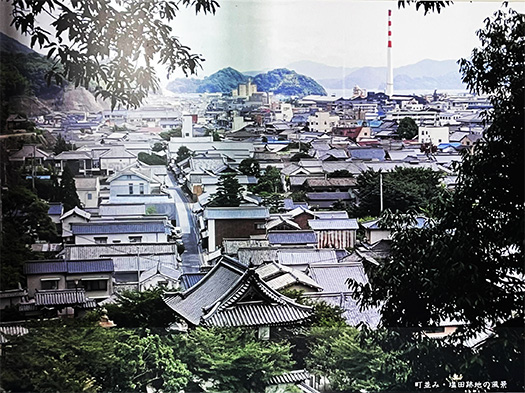
 上の「竹原市重要文化財 紙本著色竹原絵屏風」は、こうした活況を呈した様子を表現したもの。当時の商家層が、より大きな利益の拡大を狙っての宣伝目的で絵師を招いて描かせたものだろう。日本の絵画の伝統を踏まえて、斜め上空からの目線で詳細に竹原の「繁盛ぶり」を描いている。

 これが現代の街並み写真とされていたけれど、江戸期を通して栄え続けた「竹原の塩業」がこの地域を支えてきた実相がつたわってくる。
 わたしは絵が大好きな人間なので、こういった表現にはついつい「魅入られ」てしまう。
 人類の、とくに日本民族の「視点」の基底にはこういう客観的で、公明な見方があるのだろう。中空からの目線にはそういう「ものの見方」を伝えてくる強さを感じさせられる。この目線は現実には存在しない対面側の山上からフラットに全体を把握する意思を持った視線。この方角にそのような山とか岬とかは存在しない。
 ただ絵師としては竹原の街並みを詳細に歩きまわってメモは取り続けた上で、平面的にも間違いがないようにチェックした上で、こういう目線角度で表現していったのだろう。はるかな後世のわれわれも、ひと目でこの頃の竹原の町の様子が活写されて伝わってくるのだ。
 探訪者としても、深く納得できる表現かと。・・・

●お知らせ
拙書「作家と住空間」幻冬舎から電子書籍で発刊
お求めはAmazonで。
https://amzn.asia/d/eUiv9yO

English version⬇

[Captivated by the Important Cultural Property “Takahara Picture Screens”…]
This flat, bird’s-eye view that captures the entire scene from a slightly diagonal angle above. It must be one of the traditional “conventions” of Japanese painting. I suddenly realized the artistry behind it. …

 Although the development of the Takehara Salt Fields began around 1650, their origins can be traced back to a public works project for “new field development” undertaken by the Asano Domain of Hiroshima. Records indicate that from around 1640 to the 1670s, new fields for rice cultivation were actively developed in Takehara. It was during this period that some of these fields were converted into “salt fields.”
 Inner-bay salt fields required enormous civil engineering costs, and even if successful, the subsequent market for “sales” remained an unstable factor, making it an extremely risky venture. In contrast, the project in Takehara was reportedly carried out as a government-sponsored construction project under the direction of Suzuki Shiroemon, the magistrate of Kamo District. He invited two engineers, Tarōemon and Shichibē, from Akō—a leading region for inlet salt fields—to oversee the work. When this proved successful and yielded high-quality salt, he proceeded to develop “Keian no Furuhama” in 1650. Because this salt field also generated unexpectedly high profits, it is said that a wide range of “merchants” from the local area, port towns throughout the domain, and the capital of Hiroshima began vying to manage salt fields.
 The “Takehara City Important Cultural Property: Colored Ink on Paper Takehara Picture Screen” shown above depicts this bustling scene. It was likely commissioned by merchants of the time to promote their businesses and maximize profits. Drawing on the traditions of Japanese painting, it depicts the “prosperity” of Takehara in detail from a diagonal bird’s-eye view.

 Although this was considered a modern street scene photograph, it conveys the reality that the “Takahara Salt Industry,” which flourished throughout the Edo period, has sustained this region.
I am someone who loves art, so I can’t help but be “captivated” by expressions like this.
I suppose this kind of objective and impartial perspective lies at the foundation of the “worldview” of humanity, and particularly of the Japanese people. I sense a power in this aerial perspective that conveys such a “way of seeing things.” This viewpoint represents an intentional effort to grasp the entire scene from a flat, bird’s-eye view—a perspective that does not actually exist on the opposite side of the mountains. There are no mountains or capes in this direction.
As an artist, however, he likely walked the streets of Takehara in detail, taking notes all the while, and after double-checking to ensure the composition was accurate, he chose to depict it from this specific angle. Even for us, living in a distant future, the scene of Takehara at that time is vividly brought to life and conveyed at a single glance.
As a visitor to the town, I find this depiction deeply convincing. …

● Announcement
My book, “Writers and Living Spaces,” has been published as an e-book by Gentosha.
Available on Amazon.

【初訪問なのに記憶再生の「竹原塩田」逍遥】


 「四百年間のいのちの履歴書」シリーズに復帰であります。
 今回の旅路でついに310年以上前に家系の人間が深く関与していた「塩業」の始原の地・竹原を訪れることが出来ました。瀬戸内海に面した風光明媚な海岸線の様子と、そこで生き抜いてきた祖先の
「息づかい」の痕跡が脳内に「ひたひた」と残照してくれていた。
 伝承ではこの当時のわが家系は、広島藩から「所務役」という地域経済管理者という立場に任じられていて、広域的にはこの竹原塩田を含む一帯を管理していた。ただし、中核的な「市域」については藩の直轄地域として、担当は外れていたけれど、周辺地域・吉名浜ほかの塩田については直接管理もしていたという記録が残っている。家系の本拠地は入野という、ここから12-3km離れた農村なのだけれど、その農業については家族や家人が労役にあたって、当主はこの管理地域を常時巡視しつつ、年貢の状況を把握することに鋭意務めていた。藩にとっては、もっとも現場的で不可欠な経済根拠を担保するような役割を果たしていたことになる。
 そして当然ながら、塩田という、この当時の画期的ニュービジネスについて、その発展可能性から事業実態について把握しコントロールしていたことが見える。
 竹原塩田には同じ「浅野藩」で著名な分家藩である播州赤穂藩がある。赤穂浪士の中心人物・大石内蔵助はそもそも塩業の「総元締め」的な家主であったという。全国に先駆けて「入浜式塩田」という江戸期の最先端技術を開発運用して、経済的利益を赤穂藩にもたらしていた。その最先端技術がこの芸州浅野藩領・竹原に移入された。経緯は、赤穂からこの竹原地方まで塩田で不可欠な加熱燃料として、材木を入手するのにこの地を訪れていた船が、当時この地域で米作用の新田土木開発を行っていたところ、「この浜辺では塩気が強すぎて米作には適さないよ。塩田ならば好適だよ」という情報をもたらせたという「事始め」。
 わが家系は、そういった江戸期の経済発展のリアルタイムを体感していた。
 そして江戸期社会の必然的な政治・経済的破綻の現場に身をさらすことになってそこからの「転身」をこの塩業への転換で果たしていくことになる。江戸期の庶民の「生存戦略」が興味深く発動されていくことになるのだ。

●お知らせ
拙書「作家と住空間」幻冬舎から電子書籍で発刊
お求めはAmazonで。
https://amzn.asia/d/eUiv9yO

English version⬇

[A Stroll Through “Takahara Salt Fields”: Recalling Memories on My First Visit]
The greatest “turning point” in my family’s history—gaining an understanding of the structure of the salt industry and its advanced nature, and taking on the role of managing and contributing to it. Takahara is the “birthplace” of that journey. …

 I am returning to the “400-Year History of Life” series.
On this journey, I was finally able to visit Takehara—the birthplace of the salt industry, in which members of my family were deeply involved over 310 years ago. The scenery of the picturesque coastline facing the Seto Inland Sea and the traces of the “breath” of my ancestors who survived there
lingered in my mind, slowly and deeply.
 According to tradition, at that time, our family was appointed by the Hiroshima Domain to the position of “Somu-yaku” (local economic administrator), and on a broader scale, we managed the entire area including these Takehara salt fields. However, while records indicate that we were not responsible for the core “city area”—which was under the domain’s direct control—we did directly manage the surrounding areas, including the salt fields at Yoshina-hama and elsewhere. Although the family’s main base was in Irino, a farming village some 12–13 km away, the family members and household staff handled the agricultural labor, while the head of the household was constantly patrolling this administrative area and diligently monitoring the status of tax payments. For the domain, this role served to secure the most practical and indispensable economic foundation.
 Furthermore, it is evident that they understood and controlled the operational realities of this groundbreaking new business—the salt fields—based on its development potential.
The Takehara Salt Fields were located within the same “Asano Domain” as the renowned branch domain of Banshu Akō. It is said that Ōishi Kuranosuke, the central figure of the Akō rōnin, was originally a landowner who acted as the “overall coordinator” of the salt industry. They pioneered the development and operation of “Irihama-style salt fields”—the cutting-edge technology of the Edo period—bringing economic benefits to the Ako Domain. This cutting-edge technology was then introduced to Takihara, a territory of the Asano Domain of Aki Province. The story began when a ship visiting this area from Akō to obtain timber—an essential fuel for heating the salt fields—noticed that new rice paddies were being developed in the region. The crew reportedly provided the information: “The salt content on this beach is too high for rice cultivation, but it’s ideal for salt fields.”
My family experienced this economic development of the Edo period firsthand.
 We then found ourselves exposed to the inevitable political and economic collapse of Edo-period society, and it was through this shift to the salt industry that we achieved our “transformation.” It was a fascinating example of the “survival strategies” employed by the common people of the Edo period.

● Announcement
My book, “Writers and Living Spaces,” has been published as an e-book by Gentosha.
Available on Amazon.

【樺美智子の殉死と、辺野古での少女の死】


 最近のメディア報道や教育界の沈黙に、かつて新左翼かぶれ少年だった私の内奥が激しくざわついている。私はAIという『客観性の鏡』にこの割り切れない思いをぶつけてみた。私たちの世代がかつて持っていたはずの『倫理』は一体どこへ消えたのか?と。
 わたしはふつうメディア報道は見ない。Yahooトップページを一瞥するのが関の山。一種、遁世的な心境とも言える。しかしそういうなかでも悲しい出来事として例の「辺野古抗議船沈没事故」報道には胸が痛んでいた。孫の成長を願うごくふつうの人間の感情として、犠牲になられた女子高校生のご冥福を祈りたい。合掌。ご遺族には深く哀悼の意を捧げます。
 ・・・わたし自身の人生での「68-69左翼高校生運動」の頃の心象に思いが向かわざるを得ない。あの頃の運動は60年安保闘争からの流れが基本潮流。わたしがまだ8歳の小学生ころに起こっていた「樺美智子さんの死」に内面が反応し、そこを起点として自然に68-69年の頃の新左翼運動に身を置いて行ったのだ。あまりに不条理だと。
 これは個人の内面史だけれど、同世代にはそういう共通の思いはあったと確信する。その記憶再生が今回の事件での最初の思いだった。その後、事実関係が明らかになってきて「戦後世界の終焉」という思いがより強烈になってきた。
 今回の事件は、反権力を標榜・呼号し続けるオールドメディアや戦後教育を担ってきた「同志社」を先頭とした教育界の完全破綻を示している。もちろんわたしは新左翼運動からは完全に訣別した人間ではあるけれど、今回の少女の死にあたってのオールドメディアや教育界のあいまいで不誠実な対応には、まことに驚かされている。
 朝日は当初、船の目的を「移設工事に対する抗議活動のため」と表記していたのを翌日に「抗議活動という記載は誤りで平和教育の一環だった」と訂正したとのこと。生徒たちは「抗議ではなく平和学習の一環」で乗船したという学校側説明に沿ったのだという。何をかいわんや・・・。
 AIの返答では「抗議活動ではなく平和学習であれば、運動体の政治的責任やメディアの連帯責任を薄められるという力学が働いているのではないか」と看破されてしまっている。不都合な真実。
 以前、高校生活動家だった当時、一般の学友たちを鼓舞して学内デモを組織した際に、学外デモには巻き込ませなかった経緯をブログに書いたけれど、今回の件は「平気で学外デモに少女を巻き込んで、しかも交通事故で死なせたようなもの」ではないかと、身震いしてしまったのだ・・・。
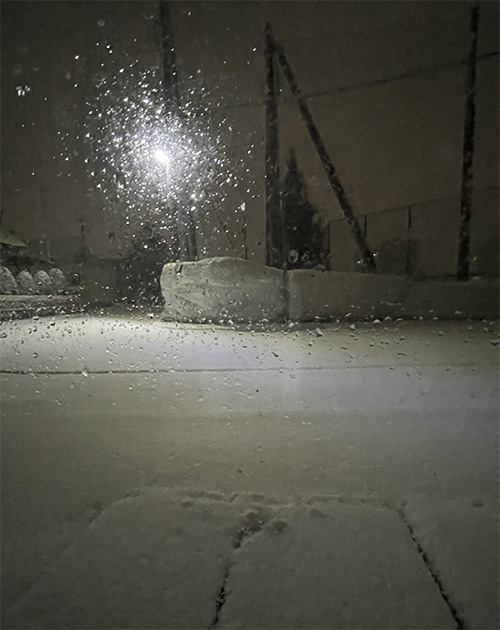
 本日の写真は、本日未明の「帰ってきた札幌の冬景色」

●お知らせ
拙書「作家と住空間」幻冬舎から電子書籍で発刊
お求めはAmazonで。
https://amzn.asia/d/eUiv9yO

English version⬇

[Michiko Kaba’s Martyrdom and the Death of a Girl in Henoko]
Has the “collapse of postwar education” finally crossed the tipping point? I shudder at the utterly insincere response of the education sector and the mainstream media to the death of this high school girl. …

 Recent media coverage and the silence of the education sector have stirred up a fierce turmoil deep within me—a former young man who once dabbled in the New Left. I decided to confront this complex, unresolved emotion with AI, that “mirror of objectivity.” Where on earth has the “ethics” that our generation once supposedly possessed vanished to?
I don’t usually watch the news. At most, I might glance at the Yahoo homepage. You could call it a kind of reclusive mindset. Yet even so, the reports of the “Henoko protest boat sinking incident” pained my heart as a tragic event. As a perfectly ordinary person hoping for my grandchild’s growth, I pray for the repose of the high school girl who lost her life. I bow my head in prayer. I offer my deepest condolences to her bereaved family.
 …I cannot help but reflect on my own impressions of the “1968–69 Leftist High School Student Movement” from my own life. The movement back then was fundamentally a continuation of the 1960 Security Treaty Struggle. My inner self reacted to the “death of Michiko Kaba,” which occurred when I was still an 8-year-old elementary school student, and from that starting point, I naturally became involved in the New Left movement of the 1968–69 era. It was simply too absurd.
While this is my personal inner history, I am convinced that my generation shared this sentiment. Recalling those memories was my first reaction to this incident. As the facts became clear, my sense that “the postwar world has come to an end” grew even stronger.
This incident demonstrates the complete collapse of the educational establishment—led by “Doshisha,” which has long been responsible for postwar education—and the old media, which continues to profess and champion anti-authoritarianism. Of course, I am someone who has completely broken ties with the New Left movement, but I am truly astonished by the vague and insincere responses from the old media and the education sector regarding this girl’s death.
 It is reported that the Asahi Shimbun initially described the ship’s purpose as “a protest activity against the relocation work,” but corrected this the following day, stating, “The description as a protest activity was incorrect; it was part of peace education.” It seems they followed the school’s explanation that the students boarded the ship “as part of peace education, not for protest.” What can I say…
An AI response has already seen through this, noting, “If it’s peace education rather than protest activities, isn’t there a dynamic at work here that dilutes the political responsibility of the movement and the media’s shared responsibility?” An inconvenient truth.
 I once wrote in my blog about how, back when I was a high school activist, I organized on-campus demonstrations to rally my fellow students but deliberately kept them from participating in off-campus protests. Yet this incident made me shudder—it feels as though they’ve “blithely dragged a young girl into an off-campus demonstration, and it’s practically as if they’d caused her death in a traffic accident”…
Today’s photo: “The Return of Sapporo’s Winter Scenery” from early this morning

● Announcement
My book, “Writers and Living Spaces,” has been published as an e-book by Gentosha.
Available on Amazon.


【北海道と耽溺の瀬戸内/「2地点故郷」か(笑)】


 わたしは1905年に祖父が福山市近郊の故地から、北海道へ渡った家系の末裔。
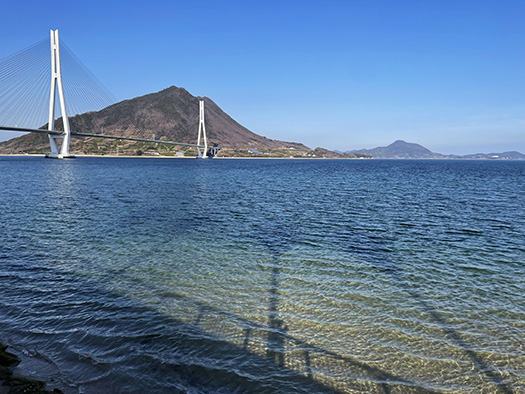
 今の時点から言えば120年ほど前にこの瀬戸内海に面した至福の気候風土の地から、過酷な寒冷地域に流離していった一族ということ。で、血脈のルーツの地について格別のこだわりを抱いて、巡り歩くことに「数寄」を感じるタイプということになる。仕事の現役を離れてきて、そういう自分の内心について向き合う時間を持てるようになって来たのだとも言える。たいへんありがたいと深く感謝。
 なんですが、北海道のきびしい自然環境の寒冷さからはこの瀬戸内のしまなみ街道など、異次元の涅槃感を感じさせられてきている。単純に天国に一番近い空気感の地だと思う。しかし、明治期にはこういう土地から多くの人びとが新天地を求めて、あるいは北海道に、あるいはアメリカハワイなどへ旅立った。
 そのような末裔には、望郷の念のままにこの瀬戸内海地域に墓地を求める人もいる。一方、そのあらたな故郷に骨を埋めるという人もいる。わたしの家系では、父は後者として北海道にやってきた祖父の遺骨といっしょに北海道の墓域に眠っている。一方父の兄の系統はこちらで縁のある寺の墓域に葬られた。
 わたしはたぶん父の定めた選択に従うように思えるが、この故地にも敬意は払っていきたいと思う。
 次兄がルーツ探索の言い出しっぺなので、末弟としては従順に従うことになる。「四百年間のいのちの履歴書」というテーマで掘り下げてくると強く愛着も起こってきますね。とくにこの半年ほどで3回も探訪していることになりその分、資料データも多くなってきて情報積層もハンパない。今回の旅では福山駅前のホテルで宿泊していましたが、そういう風に「毎日帰ってくる」経験まで重なってくると一層ですね。
 まぁ「ダブル故郷」とでも言える感じになって来ている(笑)。そういえば最近は2地点居住ということも現実化してきているので、現代人の生き方のひとつのモデルになるのかも知れませんね。
 せっせと取材の写真や情報整理に没頭しながら、妄想が膨らんでおります・・・。

●お知らせ
拙書「作家と住空間」幻冬舎から電子書籍で発刊
お求めはAmazonで。
https://amzn.asia/d/eUiv9yO

English version⬇

[Hokkaido and the Alluring Seto Inland Sea / “Two Hometowns”? (lol)]
Since modern lifestyles have become increasingly complex, perhaps defining the very concept of “hometown” has also become more complicated? …

 I am a descendant of a family whose grandfather left his ancestral home near Fukuyama City in 1905 to settle in Hokkaido.
From today’s perspective, this means that about 120 years ago, my clan left this land of blissful climate and natural beauty facing the Seto Inland Sea to settle in a harsh, frigid region. Consequently, I am the type of person who feels a special attachment to the land of my ancestral roots and finds a certain “passion” in traveling to explore it. Now that I have retired from active work, I’ve finally found the time to truly confront these inner feelings. I am deeply grateful for this.
That said, compared to the harsh, frigid natural environment of Hokkaido, places like the Shimanami Kaido in the Seto Inland Sea give me a sense of nirvana that feels like another dimension. I simply think it’s a place with an atmosphere closest to heaven. Yet, during the Meiji era, many people left this land in search of new horizons, setting off for places like Hokkaido or Hawaii in the United States.
Among their descendants, some seek burial plots in the Seto Inland Sea region, driven by a longing for their homeland. On the other hand, there are those who choose to be laid to rest in their new homelands. In my family, my father rests in a cemetery in Hokkaido alongside the remains of my grandfather, who came to Hokkaido seeking a new life. Meanwhile, my father’s older brother’s family line was buried in the cemetery of a temple with ties to this area.
I likely will follow the path my father chose, but I also wish to pay my respects to this ancestral land.
Since my second older brother was the one who first suggested exploring our roots, as the youngest son, I will obediently follow along. As I delve deeper into the theme of “A 400-Year History of Life,” I find myself developing a strong attachment to it. Especially since I’ve visited three times in the past six months or so, the amount of data and information I’ve accumulated is staggering. On this trip, I stayed at a hotel in front of Fukuyama Station, and when experiences like “coming home every day” start to pile up, it really deepens the connection.
 Well, it’s starting to feel like I have a “double hometown” (laughs). Come to think of it, living in two places has become a reality for me lately, so perhaps this could serve as a model for how modern people live.
As I diligently immerse myself in organizing the photos and information from my research, my imagination is running wild…

● Announcement
My book, “Writers and Living Spaces,” has been published as an e-book by Gentosha.
Available on Amazon.