本文へジャンプ

【冬の散歩道 in さっぽろ円山自然林】


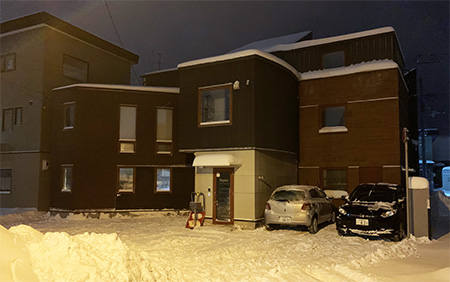
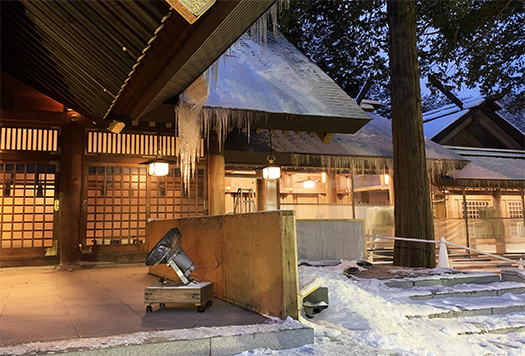
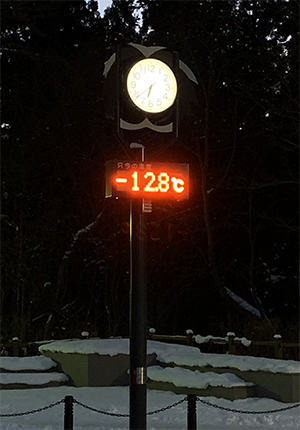
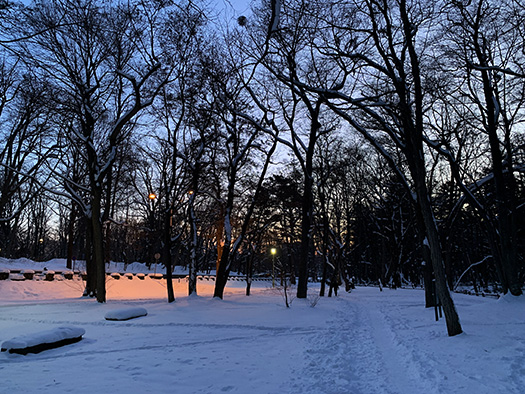
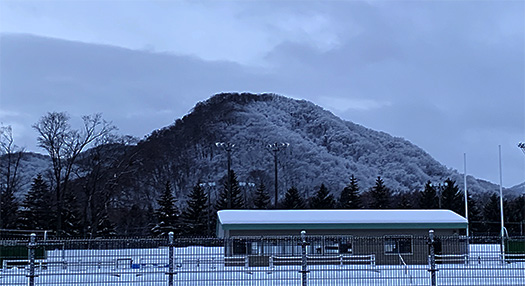
写真は最近の札幌円山、北海道神宮周辺の早朝の様子。
コロナ禍で移動制限がやむを得ない状況のなか、
せめてもの運動機会の維持と言うことで、早朝散歩、例年の
冬の休止も突破して年中無休で実践中であります。
例年だと、やれ足下が悪くなってとか、
夜明けが遅いので勤務時間にも差し支えるし、とかの
やらない理由のほうが優勢になって、自然休止になっていましたが、
ジミジミとあれこれ対策を考えながら自然観察散歩を続けている。

足下はやはり歩きにくい。
もちろんスパイクがたくさん打ち込んである冬用の運動靴ではありますが、
そうは言っても雪道なので、路盤面が圧雪もしくは新雪状態。
ひとが歩けば道になる、というコトバ通りで
だれか最初の新雪踏破者がいて、そのあとをたどるというのが一般的。
まぁたまに自分自身が最初の踏破者になっていたりもします。
ことしはまだ、膝までとかの大雪時には遭遇していませんが、
それでも足がすっぽり隠れるほどの深さにもなることがある。
それはそれで面白みもあるけれど、新雪突入はそう多くはない。
ある程度、2−3番目かなというくらいにも遭遇するという感じでしょうか。
そういう路盤面はかなり凸凹や路面不均衡がふつう状態。
一歩一歩が平坦ではない状態のところに踏み込むことになる。
なので、どうしても体動が不安定にならざるを得ないのですね。
もちろん年齢的な部分もあるのですが、
足下がおぼつかないのにはこういった理由が明確にある。
なので、運動として考えると通常の平坦面を歩く運動量以上に
バランス感覚の錬磨には適した、ハードな環境条件と言えるかも知れない。
長靴で歩いている方もいますが、やはり冬用運動靴のほうがはるかに軽快。
これは編み上げ紐タイプなので履いたり脱いだりが若干メンドイ。
それとその日の気温と内装のセーター着衣調節がなかなか予想しがたい。
基本的には外気温をWEBで確認してからを心がけることにしています。
そうでないと、7-8000歩の運動になるとビッシリと汗を掻いてしまう。
外皮側は上下ともダウンで完全防備しているので、発汗促進ハンパない。

・・・というような環境の中、歩くのですが、
やはり写真のような自然の風景が最高のご馳走であります。
まさに千変万化する気象条件と円山自然林が織りなす光景は美しい。
毎日一期一会、いつも新鮮な景観が迎えてくれるありがたさ。
北海道神宮には毎日参拝し、コロナ退散も祈願しておりますが、
なんとか大願成就まで、健康を維持していきたいと思います。さて・・・。

English version ⬇

[Winter Promenade in Sapporo Maruyama Natural Forest]
Pray for the departure of Corona every day at Hokkaido Shrine. You will be greeted by a once-in-a-lifetime fresh landscape woven by the ever-changing weather and natural forests.・ ・ ・

The photo shows the recent early morning around Sapporo Maruyama and Hokkaido Shrine.
In a situation where movement restrictions are unavoidable due to the corona wreck,
At the very least, maintaining exercise opportunities means taking a walk early in the morning, every year.
It has broken through the winter break and is being practiced 24 hours a day, 7 days a week.
In the average year, my feet are getting worse
Since the dawn is late, it will hinder working hours, etc.
The reason for not doing it became predominant, and it was a natural pause,
I continue to take a walk to observe nature while thinking about countermeasures with Jimi Jimi.

It’s still hard to walk under my feet.
Of course, it is a winter athletic shoe with a lot of spikes, but
Even so, it is a snowy road, so the roadbed is covered with snow or fresh snow.
On Kotoba Street, where people walk to become a road
It is common for someone to have the first fresh snow breaker and then follow.
Sometimes I myself am the first breaker.
I haven’t encountered this yet during heavy snowfall, such as up to my knees,
Even so, it can be deep enough to hide your feet.
That’s what makes it interesting, but there aren’t many new snow rushes.
To some extent, it feels like you’ll come across a couple of things.
Such a roadbed surface is usually in a state of considerable unevenness and road surface imbalance.
Step by step will step into a state where it is not flat.
Therefore, you have to make your body movement unstable.
Of course there is an age part, but
There is a clear reason why my feet are uncertain.
So, when you think of it as exercise, it is more than the amount of exercise you walk on a normal flat surface.
It may be said that it is a hard environmental condition suitable for refining the sense of balance.
Some people are walking in boots, but winter sports shoes are much lighter.
This is a braided string type, so it’s a little messy to put on and take off.
Also, it’s hard to predict the temperature of the day and the adjustment of the sweater clothes on the interior.
Basically, I try to check the outside temperature on the WEB.
Otherwise, when it comes to 7-8000 steps of exercise, you will sweat a lot.
The exodermis side is completely protected with down on both the top and bottom, so there is no sweating promotion hamper.

I walk in an environment like …
After all, the natural scenery like the picture is the best treat.
The spectacle of the ever-changing weather conditions and the natural forest of Maruyama is beautiful.
I am grateful that the fresh scenery always welcomes me once in a while every day.
I visit Hokkaido Shrine every day and pray for the departure of Corona.
I want to maintain my health until my big wish is fulfilled. Now···.
このソーステキストの詳細
翻訳についての詳細を確認するにはソーステキストが必要です
フィードバックを送信
サイドパネル

【コロナ禍以降の人間居住は? 伊豆集落「街割り」事例】


住宅を取材するほどより大きな環境要件「街割り」に注目することが多い。
現代の家づくりとは「個人主義」の最先端的な実現領域であることから
間取りだとか、利便性デザイン性などに目が集中するけれど、
「住みごこち」には、もうちょっと外縁的な部分の割合が大きいと思う。
それは町、街区自体の魅力のようなもの。

しかし現代生活はある画一化が前提になっていると思う。
それはクルマ社会への基本対応。公共道路アクセスの実現が基本的条件。
公共が提供するインフラ要素、交通とエネルギーは道路がすべて担っている。
現代生活ではこうした側面を支える公共の役割があって暮らしが成立する。
公共道路の基本要件はクルマ尺度での移動可能性の保証。
住宅敷地はその1面が「接道」されていないと基本欠格とされる。
結果として「街割り」の没個性化、非自然的画一化のもとではないか。
そして建てられる住宅はほぼ「生業」からはかけ離れた生存が目的。
こういう家の建てられようはどうも少し異様なのではないかと思える。
たぶんこうした住宅群では、地域社会というものが希薄化する。
身近な他者との共生という概念よりも、個人主義が優先している。
それは上辺は住みやすいようでいて、高齢化社会を考えれば不都合が多い。
他者との関係性が希薄で気楽だけれど、地域共生のマユが消えていく。

それに対して、伝統的「街割り」都市形成はあくまでも徒歩でのアクセス。
エネルギーについては、定住最初期の縄文以来、
薪を採取可能な地域範囲によっての人口上限が制約だったのだと思う。
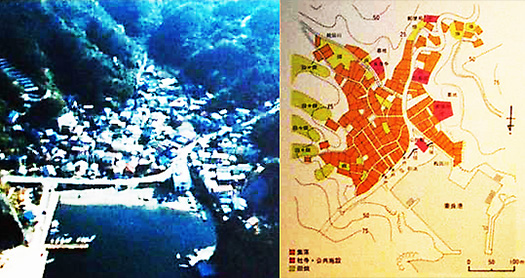
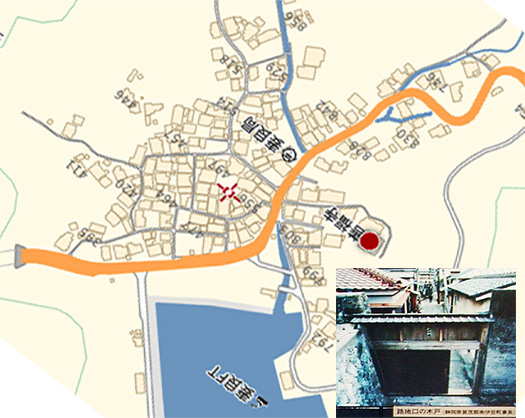
図と写真でみている伊豆半島の妻良地区の事例。
まずは交通について考えると、最大の生業としての海産漁のための舟運。
そして集落を貫く陸路がありクルマ以前の交通条件は満たされている。
バイオマスエネルギー薪の確保も後背山地から豊富に確保できる。
街割りとしては個別の敷地は不定形だけれど、ほぼ用を満たしている。
現代生活ではこのエネルギー確保問題は電気ガス石油ともほぼ解決した。
各戸間は公共道路としての現代の最低要件幅を満たしていないけれど、
人口減を見据えて一定間隔で既存住宅敷地がクルマ駐車場に転換されれば、
現代生活でも十分に活用可能なのだろうと思われます。
むしろムダに広いクルマ道路を全戸に用意する市街地域の拡大維持は
今後の人口減少社会を考えれば、地域の自滅的要素であることは確実。
市街地面積の無秩序な拡大はインフラ維持の高コスト化を強いる。
むしろ例のような街割りの方がサスティナブルな要素が高いのではないか。

コロナ禍で現代住宅の基本立地要件が変化する可能性がある。
これまでの企業立地環境要件がそのままではなくなる可能性がある。
テレワークの進展で企業・就業のスタイルが大きく変容しつつあり
この方向自体は不可逆的な変化ではないかと推定できる。
逆に言えば、テレワークに最適化した企業にこそ発展の可能性が高い。
どうもそのように社会ルールの基底が変化してきているように思えてならない。
そうであるとすれば、今後の住宅立地選択はどのように変容していくか、
非常に興味深いのではないかと、変化の芽をウォッチしています。

Click here for the English version. ⬇

[Human residence after the corona wreck? Izu village “town division” case]
Corona sickness may change the basic location requirements for modern homes. Optimization for telework. Basis change of social rules.・ ・ ・

We often pay attention to the larger environmental requirement “city allocation” as we cover houses.
Because modern home building is a cutting-edge realization area of ​​”individualism”
I concentrate on the floor plan and convenience design, but
I think that the proportion of the outer part is a little larger in “living comfort”.
It’s like the charm of the town or block itself.

However, I think that modern life is premised on a certain standardization.
That is the basic response to the automobile society. Realization of public road access is a basic condition.
Roads are responsible for all the infrastructure elements, transportation and energy provided by the public.
In modern life, there is a public role to support these aspects and life is established.
The basic requirement for public roads is the guarantee of mobility on a car scale.
A residential site is basically disqualified if one side of it is not “closed”.
As a result, it may be the source of the personalization and unnatural standardization of “town division”.
And the purpose of the house to be built is to survive far from “living business”.
I think it’s a little strange to build such a house.
Perhaps these housing groups dilute the community.
Individualism takes precedence over the concept of coexistence with others close to us.
It seems that the upper side is easy to live in, and there are many inconveniences considering the aging society.
The relationship with others is weak and easy, but the cocoon that coexists with the community disappears.

On the other hand, the traditional “city division” city formation is only accessible on foot.
Regarding energy, since the earliest settlement of Jomon,
I think that the upper limit of the population was restricted by the area where firewood can be collected.
An example of the Mera district on the Izu Peninsula as seen in the figures and photos.
First of all, considering transportation, boat transportation for marine fishing is the biggest livelihood.
And there is a land route that runs through the village, and the traffic conditions before the car are satisfied.
Biomass energy firewood can also be secured abundantly from the back mountains.
Although the individual sites are irregular as a town division, they are almost satisfied.
In modern life, this energy security problem has almost been solved with electric gas and oil.
Although each house does not meet the modern minimum requirements for public roads,
If the existing residential site is converted to a car parking lot at regular intervals in anticipation of population decline,
It seems that it can be fully utilized in modern life.
Rather, the expansion and maintenance of the urban area, which provides all the units with wide car roads to waste,
Considering the future population decline society, it is certain that it is a self-destructive factor in the region.
The disorderly expansion of the urban area forces the cost of maintaining infrastructure to increase.
Rather, the city division as in the example may have a higher sustainable element.

The corona epidemic may change the basic location requirements for modern homes.
There is a possibility that the existing corporate location environmental requirements will not remain the same.
With the progress of telework, corporate and employment styles are undergoing major changes.
It can be inferred that this direction itself is an irreversible change.
Conversely, companies that are optimized for telework have a high potential for development.
It must seem that the basis of social rules is changing like that.
If so, how will future housing location choices change?
I’m watching the buds of change, which may be very interesting.

【生業の個性が色濃い古民家/日本人のいい家⑰-4】


長野・伊那の旧三澤家住宅その4回目・最終回です。
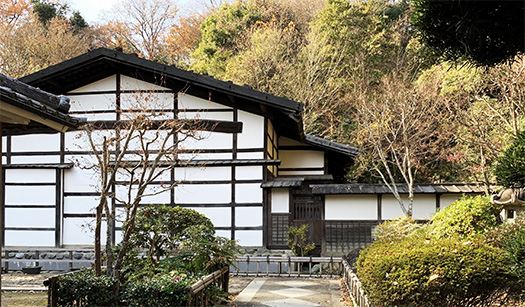
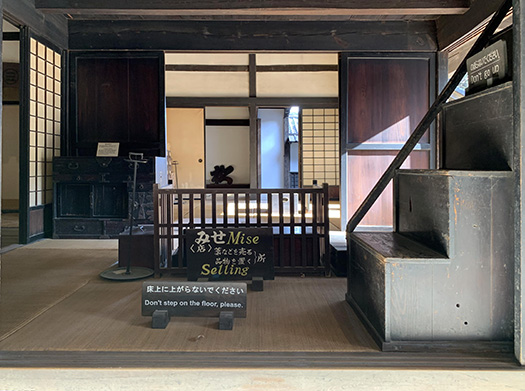
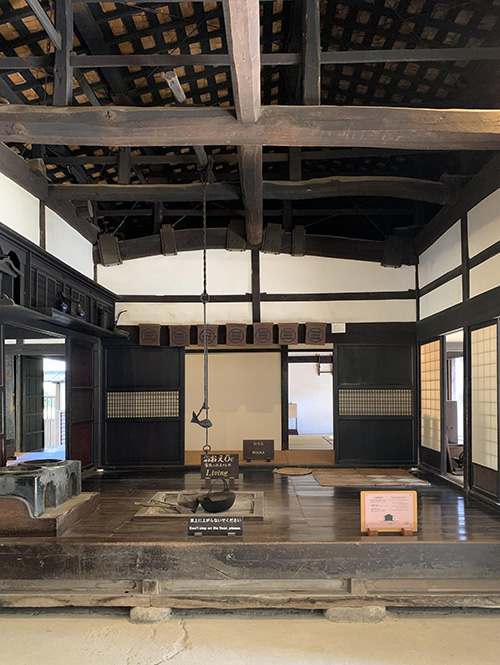
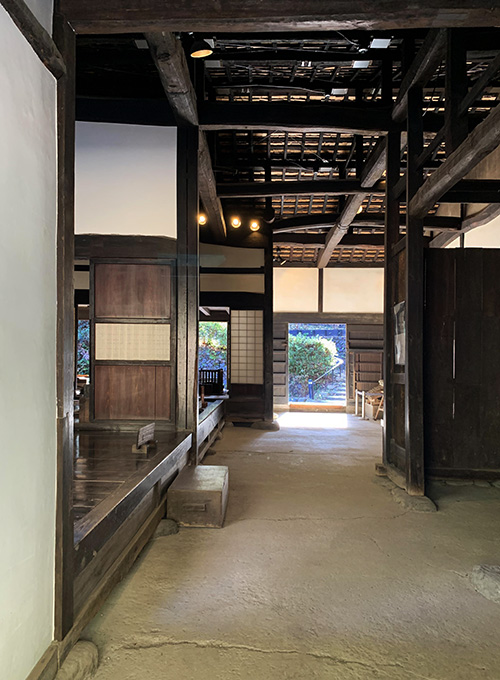
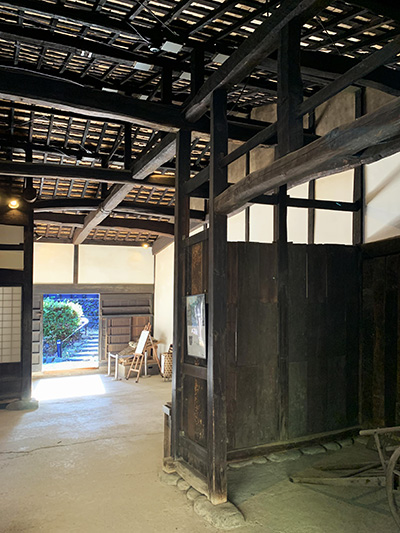
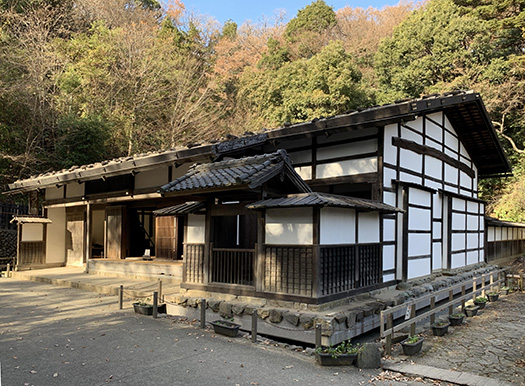
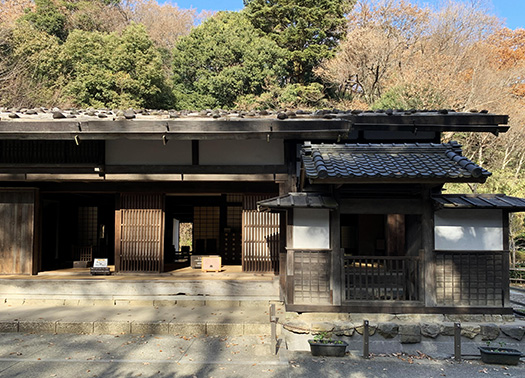
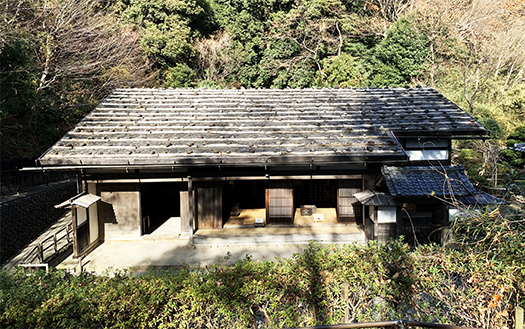
上写真3点は切妻の妻側外観と、平入り入口側の「ミセ」とオオエからダイドコロ方向。
オオエという独特の言い方ですが、主たる居室であって、
この多機能な生業が表現された家の中心にある空間。
現代のように労働と居住が分離して人間の生存装置だけになった家ではなく
いかにも暮らしと生業が一体となった空間が古民家。
空間の「濃密感」において現代とは隔絶している。
江戸期はエコロジー的に究極的な社会だったとされますが、
人間が存在する基盤としての生業が非常にコンパクトに機能実現されている。
現代の言葉で言って究極的な「エコハウス」そのものであると思う。

それぞれ生業に対して過不足なく必要な機能を満たし、
またそれぞれの機能・個性に対して完成度高く実現している。
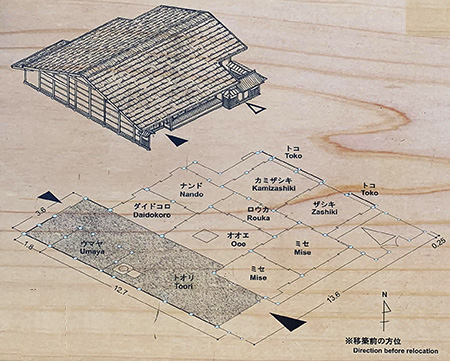
この三澤家の間取り図で言えば、上座敷・座敷とそのエントランスである
式台玄関空間は、旅籠として社会規範の格式条件を満たしている。
真ん中の「ミセ」では、薬業としての製造販売・事務の機能を満たしている。
建物裏手には製薬専門の倉も存在して江戸・東京にまで製品出荷する
独自の薬品商品を加工製造していた。このミセから全国への販売が企図され、
柳行李を担いでの薬行商組織の本社機能を果たしていた。
そしてその利潤から広大な農地を購入取得しての大農家の機能を
間取り図下段の土間通路部分が果たしていた。
多くの小作との「やりとり」が同様に「ミセ」で管理され、
この土間通路を通って奥の収納倉庫に収められていた。
高級なコメブランドについては、市場価格が高まる翌年夏場までしっかり収容され
大阪のコメ市場で価格が高まったら市場投入されたのだという。

そう考えれば、旅籠機能も人の流動とともに得られた「情報」の
有力な伝播媒体として目的的に営まれた側面もあったに違いない。
オオエからダイドコロ・納戸といった空間はそれらを
コントロールし、有機的に機能させるこの家の中核空間。
まことに多様で機能的に民の生き方・暮らしを支えている古民家。

今日、コロナ禍の猛威によって現代人の生き方も変容を迫られている。
情報通信・電波という公共財の価値が飛躍的に高まって
ステイホームでのテレワークが大きな社会変動の主要な要素に変化しつつある。
そう見返してみれば、これらの古民家群には多様な民族の知恵が
ぎっしりと詰まって生き延びてきているのだと感じられる。
空間への先人の想像力に、大いに学びたいと思っています。

English version⬇

[Old folk house with a strong personality of living / Good Japanese house ⑰-4]
A group of local livelihoods that actively functioned the economy during the Edo period. Space imagination full of vitality is a distant thunder in modern times as the wisdom of the people.・ ・ ・

This is the 4th and final episode of the former Misawa family residence in Nagano and Ina.
The above three photos are the appearance of the gable on the gable side, and the direction from Oe to Daidokoro with “Mise” on the flat entrance side.
It’s a peculiar way of saying Oe, but it’s the main room,
The space in the center of the house where this multifunctional livelihood is expressed.
Not a house where labor and residence are separated and only human survival equipment is used as in modern times
An old folk house is a space where living and living are integrated.
The “denseness” of the space is isolated from the present.
It is said that the Edo period was the ultimate ecological society,
The function of living as a foundation for human existence is realized very compactly.
I think it is the ultimate “eco-house” in modern language.
Each of them fulfills the necessary functions for their livelihood,
In addition, each function and individuality has been realized with a high degree of perfection.
Speaking of the floor plan of the Misawa family, it is the upper tatami room, the tatami room and its entrance.
The entrance space of the ceremony table meets the formal conditions of social norms as a hatago.
The “Mise” in the middle fulfills the functions of manufacturing, sales, and clerical work as a pharmaceutical industry.
There is also a store specializing in pharmaceuticals behind the building, and products are shipped to Edo and Tokyo.
It processed and manufactured its own chemical products. This Mise is planned to be sold nationwide,
It played the role of the head office of a pharmaceutical peddler organization that carried Yanagiyuki Lee.
And the function of a large farmer who purchases and acquires a vast agricultural land from the profit
The soil passage in the lower part of the floor plan was fulfilled.
“Interaction” with many tenants is also managed by “Mise”,
It was stored in the storage warehouse in the back through this dirt passage.
High-end rice brands will be well accommodated until the summer of the following year when market prices rise.
When the price rose in the rice market in Osaka, it was put on the market.
If you think so, the Hatago function is also the “information” obtained with the flow of people.
There must have been an aspect that was purposefully operated as a powerful transmission medium.
Spaces from Oe to Daidokoro and storage rooms
The core space of this house to control and function organically.
An old folk house that is truly diverse and functionally supports people’s way of life.

Today, the violence of the corona wreck is forcing a change in the way modern people live.
The value of public goods such as information communication and radio waves has increased dramatically.
Teleworking in stay homes is becoming a major component of major social change.
In retrospect, these old folk houses have the wisdom of diverse ethnic groups.
It feels like it’s packed tightly and survived.
I want to learn a lot from the imagination of my ancestors in space.

【長野・伊那旧家の土間・居間/日本人のいい家⑰-3】


前回の「日本人のいい家」シリーズ⑯では奈良の町家商家の土間を見たけれど、
江戸期から残ってきている住宅はほぼ「生業」のための土間空間を持っている。
というか、明治開拓の北海道屯田兵屋でも室内空間の1/3程度は土間。
さらに言えば「麒麟がくる」建築時代考証担当の広島大学三浦正幸先生によると
戦国期、庶民住宅で木組みで床上げされた住宅はほぼありえなく、
土座でムシロなどの敷き込みが一般的だったとされています。
庶民の住宅は基本的に土間がメインで、ようやく江戸期になって
床上げされるようになったとされていました。
土間では農家であれば農家の必須作業仕事が行われ、町家にあっては
それぞれの生業の生産行為が「工場」として利用されてきたのが庶民の暮らし。
日本人は屋根のある作業場としての土間空間でいのちを繋いできたといえる。
住宅と生業の密接な機縁は、土間でながく伝承されてきたのだ。
わたしたち庶民が木の床やタタミの間に居住できたのは4−500年程度ということ。
よく「敷居が高い」というコトバがあるけれど、
それはただ単に玄関の敷居を指すのではなく、土間面から1段上がった床が
庶民に根付いてからそれほど歴史時間が経っていないことを表している。
であればDNAレベルの体験知にはなっていない可能性が高い。
この土座からの床上げの「ミッシングリンク」発掘は手掛かりが求めにくい。
けれど地道に探究し続けたいと思っています。

この長野・伊那の旧三澤家住宅は、大農家であり、
小作たちからのコメなどの生産品を毎年秋には受領してきた。
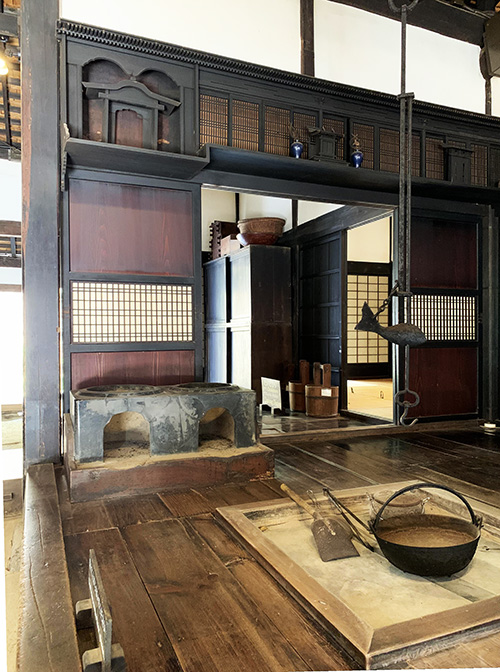
写真2番目の土間を通って、建物奥の「庭空間」に建てられた倉に収納した。
そのコメは牛車に乗せてこの土間を通り抜けたのだという家系伝承。
土間に面して「オオエ」と呼ばれる主居住室があって、三澤家当主が検分したか。
土間に対して「敷居」は高く造作され、天井は小屋組まで吹き抜けている。
大農家と小作との関係がどのようであったか、
一様に言うことはできないと思うけれど、三澤家の場合を考えてみると、
この三澤家は薬剤製造で財を成して6万坪にもなる農地を取得したと言われるので
基本的にはビジネスライクな関係ではなかったかと推測される。
小作にして見ると、銭の力で自らの支配権を獲得した経済合理性による「主人」。
奴隷労働を強いられるというような関係ではなかったのではないか。
この三澤家は大農家として、その先の権力機構に対して納税負担を行った。
納税という権力と民衆の一種の「契約関係」について、
共産党のイデオローグでもあった網野善彦氏ですら日本ではこの基本についての
民衆反抗の例は見られないと言われている。
そういう意味では、日本人は筋の明確な関係への拝跪には従順といえる。
土地所有と耕作権は別物と考えて、商的合理性への信頼は存在した。
大部分の小作農は、このように考えていただろうと推測できる。

三澤家は薬業経営が基本の「商家」であって、その利潤から大農家身分を購入した。
この江戸期末期建設の大農家住宅の土間・居宅空間から
権力と納税、小作の支配と「士農工商」身分制の実態が垣間見える思い。

The English version is here. ⬇

[Nagano / Ina Old House Doma / Living Room / Good Japanese House ⑰-3]
Missing link between the dirt floor and the floor. Establishment of large land ownership and large farmer by a pharmaceutical merchant. The actual situation of the Edo social division system.・ ・ ・

In the previous “Japanese Good House” series ⑯, I saw the dirt floor of a Machiya merchant house in Nara.
Most of the houses that have remained since the Edo period have a dirt floor space for “living”.
In fact, even in Tondenhei, Hokkaido, which was pioneered in the Meiji era, about 1/3 of the indoor space is soil.
Furthermore, according to Professor Masayuki Miura of Hiroshima University, who is in charge of architectural era examination of “Kirin ga Kuru”
During the Warring States period, it was almost impossible for a common house to have a wooden floor raised.
It is said that it was common to lay straw mats on the ground floor.
Most of the common people’s houses are basically in the dirt floor, and finally in the Edo period.
It was said that the floor was raised.
In the soil, if you are a farmer, the essential work of the farmer is done, and if you are in a townhouse
It is the lives of ordinary people that the production activities of each livelihood have been used as “factories”.
It can be said that the Japanese have connected their lives in the dirt floor space as a work place with a roof.
The close relationship between housing and livelihood has been handed down in the soil for a long time.
It is about 4-500 years that we, the common people, have been able to live between wooden floors and tatami mats.
There is often a saying that “the threshold is high”, but
It doesn’t just point to the threshold of the entrance, but the floor that rises one step from the dirt floor.
It shows that it has not been so long since it took root in the common people.
If so, it is highly possible that the experience is not at the DNA level.
It is difficult to find a clue to excavate the floor-raising “missing link” from this earthen seat.
However, I would like to continue my quest.

This former Misawa family house in Nagano and Ina is a large farmhouse,
We receive rice and other products from peasants every fall.
It was stored in a storehouse built in the “garden space” at the back of the building through the second dirt floor in the photo.
It is a family tradition that the rice was put on a cow car and passed through this dirt floor.
Did the head of the Misawa family inspect the main residence room called “Oe” facing the dirt floor?
The “sill” is built high relative to the dirt floor, and the ceiling is open to the hut.
What was the relationship between large farmers and tenants?
I don’t think it can be said uniformly, but considering the case of the Misawa family,
It is said that the Misawa family made a fortune in drug manufacturing and acquired a farmland of 60,000 tsubo.
It is presumed that it was basically a business-like relationship.
Looking at it as a peasant, it is the “master” of economic rationality who gained control of himself with the power of money.
Wasn’t it a relationship that forced slave labor?
As a large farmer, the Misawa family paid taxes to the power organization beyond that.
About the power of tax payment and a kind of “contractual relationship” of the people
Even Yoshihiko Amino, who was also the ideology of the Communist Party, is about this basic in Japan.
It is said that there are no examples of popular rebellion.
In that sense, the Japanese are obedient to worshiping a clear relationship.
There was confidence in commercial rationality, considering land ownership and cultivation rights as different things.
It can be inferred that most peasants would have thought this way.

The Misawa family is a “merchant” whose basic business is pharmaceutical business, and purchased the status of a large farmer from the profit.
From the dirt floor and living space of this large farmhouse constructed at the end of the Edo period
I think I can get a glimpse of the actual situation of power and tax payment, control of tenants, and the “Four occupations” status system.

【入口ごと生業が違う民家/日本人のいい家⑰-2】


昨日から取り上げている長野県伊那の旧三澤家住宅その2です。
日本の庶民の住宅・民家では、その「生業」が住宅のありようを
強く規定していて人々の必死な生き様が立ち上ってくる。
民家を見つめることはそのまま「民俗」の姿を具体的に捉えることに繋がる。
わたしは住宅雑誌を創刊して以来、ずっとそういう住宅の「息づかい」に触れてきた。
住宅建築とは結局、その建て主の生き方暮らし方の表現されたもの。
「いい家」とは、その人の暮らし方と似合い支えていると感じられる家なのだと思う。
そんなことから、全国各地に残る民家探訪はライフワークとも思える次第。


そういういわば「生業探究」みたいなテーマでは
この三澤家住宅はきわめて特徴的だと思います。
基本は地域を代表する大農家であり、小作200家を擁している。
しかし、その基本の生業に加えて薬製造販売業と旅籠まで営んでいる。
旅籠ではかなりの有力者も宿泊する「格式」も持っていた。
それらの複層的な生業が、それぞれの「玄関」として3つの機能に分かれている。
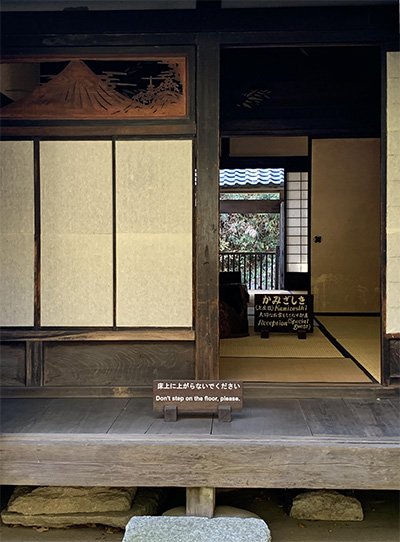
写真一番上では、高級旅宿として立派な「門構え」、なかには式台玄関も備えている。
旅客のなかの賓客については、この玄関奥の上座敷や座敷に通して接遇していた。
儒教的格式的な「身分格差」の建築的表現が端的に表される。
庭も造作されて「結構」がしつらえられている。
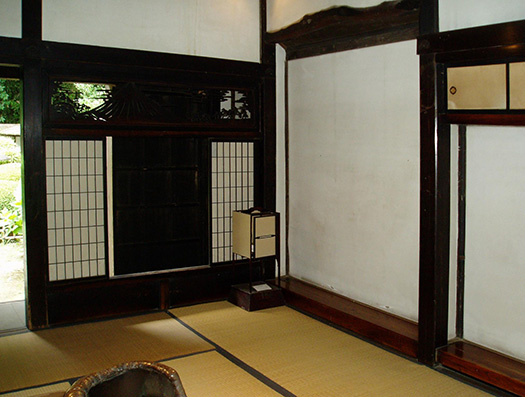
下の写真は「上座敷き」の様子。簡易ですが床の間・書院もある。

その左手は、薬の製造販売に関わる商家の「ミセ」構え。
三澤家では材料を木曽の薬種商から仕入れ、敷地内にあった「薬倉」で
薬研などを使って調合していたとされる。こちらでは製造すると同時に
小売もされていたし、さらに柳行李を背負って行商して歩く富山の薬売りの
商法まで行っていたということ。販売範囲は広く長野・名古屋・東京・栃木と広範囲。
東京銀座の有名薬店には「養血圓」というブランド薬も卸していた。
さらに下の写真では、所有土地6万坪という大農家の経済を仕切る入口が開口する。
きのう書いたように小作たちの生産米が牛車でそのまま通り土間を通って
奥の倉に収納されていたということ。
そういった収納管理のために入口付近の「ミセ」で管理事務が執り行われた。
日本の庶民がいかに「士農工商」などという身分制に縛られていなかったか、
経済活動に邁進していたかが、まざまざと活写されている。

アジアでもっとも発達した「封建制度」のなかで、
各地域が経済発展し、活発な生産流通が旺盛に繰り広げられていた。
武家権力によって「平和」が実現したことで可能になったことですが、
同時にこの発展ぶりが武家政権の限界をさらけ出していったことも事実。
まことに旺盛な江戸期の民の経済実態が見えてくる。・・・

The English version is here. ⬇

[Private house with different livelihood at each entrance / Good Japanese house ⑰-2]
Within the rule of the samurai family during the Edo period, there was active economic promotion of the people, and “repairing the world” became inevitable. Overwhelmed by the development reality of livelihood.・ ・ ・

It is the former Misawa family house 2 in Ina, Nagano prefecture.
In the housing and private houses of the common people in Japan, the “living business” is what the housing should be.
It is strongly regulated and people’s desperate way of life rises up.
Looking at a private house directly leads to a concrete picture of “folk”.
Ever since I launched the housing magazine, I have been exposed to the “breathing” of such housing.
After all, housing construction is an expression of the owner’s way of life.
I think that a “good house” is a house that suits and supports the way of life of the person.
For that reason, exploring private houses that remain all over the country seems to be a life work.

So to speak, in a theme like “inquiry for livelihood”
I think this Misawa family house is extremely distinctive.
Basically, it is a large farmer representing the area and has 200 peasants.
However, in addition to its basic livelihood, it also runs a drug manufacturing and sales business and a hatago.
Hatago also had a “formality” where quite a few influential people stayed.
These multi-layered livelihoods are divided into three functions as their “entrances”.
At the top of the photo, there is a magnificent “gate stance” as a luxury inn, including a ceremonial hall entrance.
Among the passengers, the guests were treated through the upper tatami room and tatami room at the back of the entrance.
The architectural expression of the Confucian formal “status gap” is simply expressed.
The garden is also constructed and “quite” is prepared.
The photo below shows the “Kamizashiki”. It’s simple, but there is also a tokonoma and a shoin.

On the left is the “Mise” stance of a merchant involved in the manufacture and sale of medicines.
At the Misawa family, materials are purchased from a drug dealer in Kiso, and at the “Yakukura” on the premises.
It is said that it was prepared using Yagen. At the same time as manufacturing here
It was also retailed, and Toyama’s drug dealer who peddled with Yanagi Yuki Lee on his back
It means that he went to the commercial law. The sales range is wide, including Nagano, Nagoya, Tokyo, and Tochigi.
A famous drugstore in Ginza, Tokyo, also wholesaled a branded drug called “Blood-feeding Yuan”.
Furthermore, in the photo below, the entrance that divides the economy of a large farmer with a land of 60,000 tsubo opens.
As I wrote yesterday, the rice produced by the peasants passes through the dirt floor as it is in an ox cart.
It was stored in the back storehouse.
For such storage management, administrative work was carried out at “Mise” near the entrance.
How the Japanese people were not tied to the social division system such as “Four occupations”
Whether or not he was striving for economic activity is clearly captured.

Among the most developed “feudal systems” in Asia
Each region was economically developed, and active production and distribution were actively carried out.
It was made possible by the realization of “peace” by samurai power,
At the same time, it is also true that this development has exposed the limits of the samurai government.
You can see the economic reality of the people of the Edo period, which was really vigorous.・ ・ ・

【信州・要衝地「石置き屋根」旧家/日本人のいい家⑰-1】


本日からはふたたび日本民家園に移築の旧家訪問シリーズ。
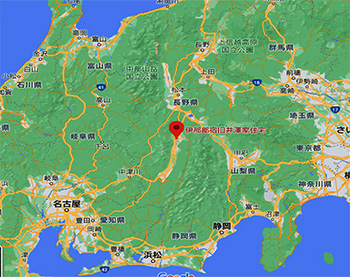
長野県伊那部宿という長野県の一番南端、すぐに岐阜県になる地域で
小作200軒を擁する地域の大農家であり、薬種問屋、旅籠も営んでいた
まさに地域の経済活動中心的な家である旧三澤家住宅。
移築された住宅の建築年代は19世紀半ばで、おおむね180年前。
ただ、この家系自体は相当古くから地域の中心を担っていたことは明らか。
現存する住宅自体はその程度の時間経過だけれど、
その倍は下らないだろう家系存続なのでしょうね。
まぁこういう「家」がゴロゴロしているのがニッポンの普通のありようですね。
古民家で残っている住宅建築は主に江戸期からが一般的。
歴史の授業では江戸期は「士農工商」の厳格な身分社会、と言われるが、
知れば知るほどそれは武士の勝手な社会把握概念であり、
民の側では、生業については当然のごとく融通無碍に生きている。
そういう消息が住宅の事例を見ていれば一目瞭然だと思います。
この三澤家もまことにいくつもの経済活動痕跡が見て取れる。
まずは小作200件を超す大農家である側面。
小作たち収穫のコメを積んだ牛車がこの家の正面左手の入口を通り
通り土間を抜け奥の蔵に貢納させた伝承からその規模が想像される。
間取り図を合わせて見ると、この土間入り口には事務所があって、
そこで「検品」していた様子までが読み取れる。
おっと、こういった生業的側面については明日以降にします。
まことに見どころの多い多機能型の生業の大型住宅ですが、
本日は屋根の葺き方での「石置き板葺き屋根」に着目してみます。

ほぼ同時代建築の北海道沿岸部漁家でもこの形式が見られるのですが、
風の強い地域で積雪はそれほどでもない地域で採用される葺き方とのこと。
北海道開拓の最初期、開拓使建設部では板葺きが一般的に採用された。
今も残る屯田兵屋ではその様子をみることができますが、
そのルーツになったのが、この板葺き石置き屋根なのだろうと思います。
ただし、開拓使建築では屋根に石を載せるようなことはしていない。
北海道では西部沿岸地域では風が強いけれど内陸部ではそれほどでもない、
そういった事情が反映しての屋根工法選択だったように思われます。
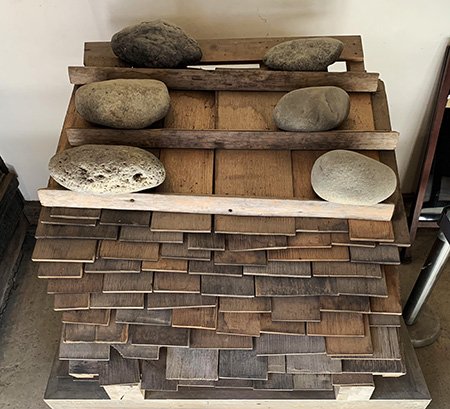
板葺(いたぶ)きの上に石を置いて、板が風で飛ばないようにした屋根。
なかには石が転げ落ちないよう縄で結わえているものもある。
瓦がまだ普及していない時期には板がもっとも信頼できる葺き材料で、
しかも釘などがそれほど豊富に使用できなかった時代の痕跡とされている。
三澤家の屋根は山間地域として豊富に生産されるクリなどの板を使っている。
一枚の板は長さ40-60cm、幅は10cm、厚さ1cmほどに割られたもの。
それを屋根に敷き並べ、押さえるためにヒノキを割ったヤワラと呼ばれる押し縁で
抑え込んだ上に平らな石を並べるという仕様。石はなるべく平らなものを利用。
丸いモノは滑落の危険性が高かったのだとされる。
石が揃っているような印象を受けるように、手前側ほど大型の石を置くとされます。
遠近法で知られる江戸期・北斎ですが、日本的な遠近法初源なのかも。
長野県伊那地方は冬でも雪が少なく、雪下ろしをすることもないとされます。
雪を下ろすとき、石があればいっしょに落ちてしまう危険が高いので理解出来る。
夏場には板が反り、雨漏りすることもあるので、2−3年でオモテ返し。
石置き屋根の欠点としては石を置く安定性の確保のために屋根勾配がゆるく、
屋根水が溜まりやすく、板が腐りやすいということ。

日本の気候風土に合わせて、古民家はさまざまな対応方法で
しなやかに工法開発してきた伝統を持っていることが知れますね。
そして日本は南北に長く、高低差も大きい国土なので
一口に古民家といっても、実に多様性に富んでいることがわかります。
戦後の「画一化工業化」住宅が、はるかに「特殊」なモノだと言うことがわかる。

【30年目の温水洗浄便座メンテ補修】


本日は札幌も暴風雪〜大雪です。ついに、であります。
朝早く起きて外の様子を窺ったら、暴風雪が渦を巻いているではありませんか(泣)。
目視的には積雪も40-50cmくらいは積もっている感じ。
すこし暴風が収まるのを待って、雪かき作業に入る予定。う〜む。
ここのところのマイナス10度超の寒さは異常のようで、
「水道管凍結」が続発している。4日には札幌で1,000件超の問い合わせとか。
コロナ禍も1都3県で「非常事態宣言」ということですが、真冬に突入日本列島ですね。

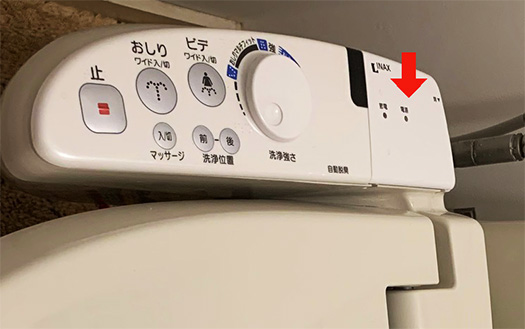
一方わが家のトイレ、ここ2−3週間ほど上写真矢印の部分ランプが点滅を始めた。
スワ、そろそろおシャカ(言い方、古っ)到来なのかと、一瞬思った。
なにしろこの建物は建ててからことしで30年になる。
一昔前までだったら、もう「建て替え」の時期になるのかも知れない。
しかしわが家は大きな工事だけでも3回は経験しているし、
なんども手を加えてきているので、まるで古家感はありません。
でも確かに家具的なものとか設備などは老朽化してきて、
気をつけている必要はあります。
なんどかの工事で設備を入れ替えたりもしているので、
「あ、こいつは30年前当時のヤツだ」と判断する必要がある。
洗浄便座って、単なる衛生陶器ではなく一種の「家電品」として
お湯を作ったり、便座を暖めたりという機能を果たしてくれている。
ほぼ日本人の生活に欠かせないアイテムになったものだろうと思います。
一時期、中国からの観光客が異常に感激する、あるいは、
商品メーカーロゴがカッコいいとヨーロッパで注目されたりした。
30年前でもほぼ普遍化していた設備なのですが、
そういえばメンテナンスは一度もこれまで必要なかったヤツであります。

問い合わせたら以下のような返答。
「点滅は、そろそろメンテナンス時期ですよというお知らせ」
点灯しているから即座に運転停止するというものではないと。
で、1ヶ月くらい掛かってメンテナンスに来てくれた次第。
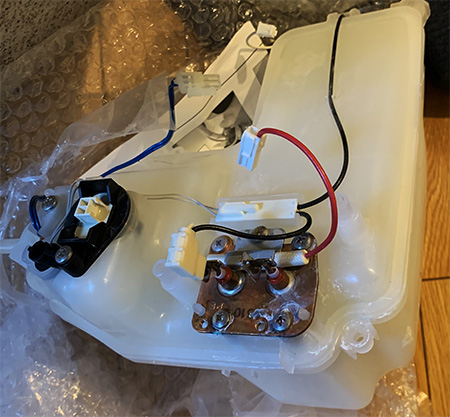
分解してチェックしていたようで、結果2枚目の写真のように
内蔵されている本体温水タンクと、電熱加熱部分を交換することになりました。
途中、いったんは水を落とす必要があるので、
他の階のトイレも水が流せなくなったりというアラートもありましたが、
無事に交換完了いたしました。
トイレ側面側から少量、水漏れ事象も認められたのですが、
それは本体のプラスチック製タンク隅角部のわずかな部分からのもの。
プラスティック製品というのもけっして寿命は長くはない。
ものというのは、やがて痛み壊れていくのが必然の定めなのだと思います。
そういうものをしっかりとコントロールし続けられるよう、
人間のアタマと体の方も、しっかりケアしてメンテを欠かさないように。
少しでも人に迷惑を掛けずにピンピンコロリ人生を心がけたいと思います。

PS
ただいま5:30に1時間半掛けた除雪作業を終えた、ふ〜。
膝までの軽い雪でした。はやくに片付けるとふわふわなので、雪かきがラク。
まずは自宅周辺をおおまかに雪処理した後、
ちょっと位置が離れて借りている駐車場からクルマも2台救出。
こちらも軽い雪質なので雪にハンドルを取られることもなく脱出。
借りている駐車場の方は、貸主側の除雪態勢に任せます。ふ〜〜。
コロナに寒波、大雪ですが、みなさん頑張りましょう! 明けない夜はない。

【北海道神宮本殿・屋根谷端部で氷柱発生(泣)】


この冬、わたしは朝散歩ずっと継続してきております。
例年は寒波厳しくなってくる、だいたい12月の声を聞くと
「もう寒いし・・・」とめげて弱音のままに散歩を休止していたのですが、
コロナ禍での健康維持作戦と考え、逆張り的なやる気が出たのか、
毎日朝早く、6時前に家を出て北海道神宮まで参拝がてら続いております。
さて、いつまでかなぁと思いつつ、距離的には毎日10,000歩程度。
で、気温は昨日朝6時過ぎでごらんの通り。

つい最近、年末ギリギリにはマイナス14度まで下がっていましたが、
このところはマイナス10度前後で推移しております。
これくらいまで低下すると、寒さというか、服装の厚みを直に感じる。
もちろん外皮側は、ダウンの上下なんですが、
輻射的に体温が奪われていく感じが強くて毛糸のセーター1枚では
やはり保温が心許ない。
アタマも毛糸の帽子では全然用を足さなくなって、ダウンのフードが必須。
コロナ禍でのマスクもこういう状況では、防寒の一種に変貌する。
ただ、10,000歩近く歩くとさすがに息でビショビショ。
こういう防寒対策と寒さの容赦無さでかえって雑念は消え失せて
ひたすら歩くことに集中できるのであります。
一種の行者の心境、無念無想に近い心理でほぼ考えることはしない。

北海道神宮社殿は日本古来の神社建築なので、
屋根なども、雪や寒さに対しては防備があまり考えられていない。
落雪が前提の三角屋根が基本でそのために落雪用スペースは考えられている。
しかし神社として「無落雪屋根」デザインというわけにはいかない。
北国住宅の歴史では三角屋根が合流する地点、
いわゆる「谷部」については、非常に悩ましい問題としてきた。
できればそういうデザインは避けるべきである、という考えが北海道住宅の常識。
三角屋根であれば、きれいな切妻が望ましいとされてきた。
雪が滑落していくときに、どうしても谷部に集中して
それが一気に全部落ちればいいけれど、どうしても滞留して
日中の気温上昇でそれが融雪し、谷部端部軒先で氷柱になりやすい。
それが通行人に危害を加えたり、どんどん成長して巨大化することもある。
そういう残念な事態が、ちょうどいま、北海道神宮の本殿で起こってしまっている。
まぁ、そのうちに巨大化する前に、参拝者の危険にならないよう、
氷柱は除去されると思いますが、建築的には神社建築のフォルムを優先すると
なかなか解決困難な事態であるのです。
まぁ、方向としては、参拝者にまっすぐ向いているのではなく、
空地も確保している場所なので、危険性は少なくはありますが、
もし一般住宅でこういった氷柱ができて、それが歩道に面していれば
万一の危険、その責任の所在追及ということも免れない。
北海道神宮ではほかにも数カ所、氷柱や屋根融雪水の処理の仕方で
考えさせられる部位も散見される箇所があります。
日本古来の伝統建築デザインを、この気候風土でどう合致させるのか、
北国的常識をいかに普遍化させるかは、まだまだ道半ばといえるでしょうね。

【「おくどさま」と土間/日本人のいい家⑯-4】


すっかり奈良の古商家にハマった年の初めであります。
間取り様式として日本民家では伝統的・普遍的だけれど、
現代住宅からはほぼ失われた「土間」という空間への想像力が湧き出す。
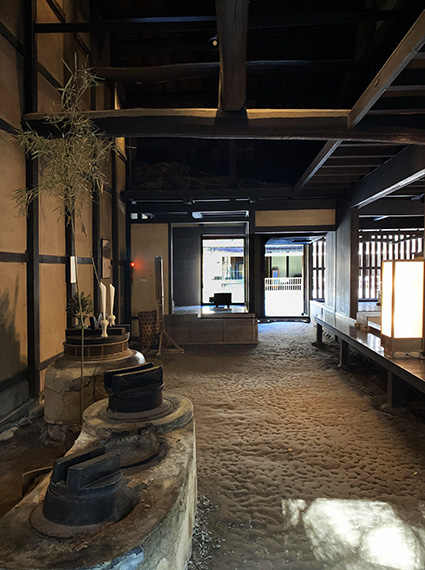
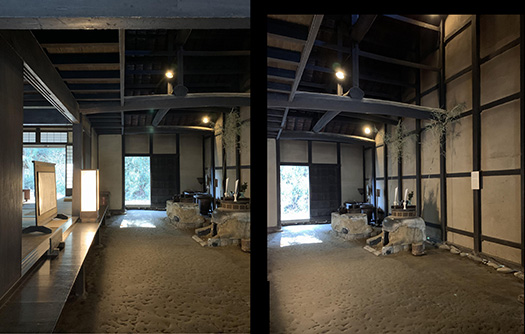
この奈良の街道筋の商家では平屋住宅28坪中20坪ほどが
広大な土間空間になっている。ここでは手工場として
生業のための生産活動が行われてきたことは昨日触れた。

土間と座敷が、相互に融通無碍に連なっている。
むしろ土間の方が生業にとってははるかに重要であり、
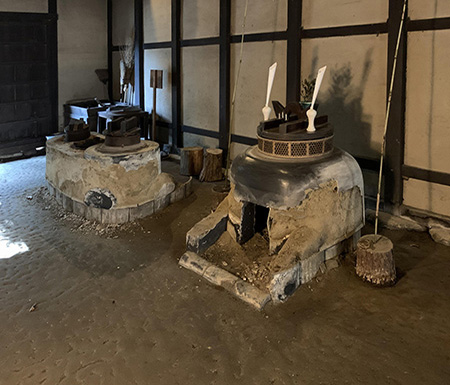
その中核的装置として加熱装置「おくどさま」が家の中心に鎮座している。
ハレの場としての主要居室「ダイドコロ」と床の間付き座敷も
この「おくどさま」に対して全開放されている。
生活と生業が一体化して、いつ何時でも「おくどさま」に奉仕する態勢が
住宅全体の空気感を引き締めているともいえる。
日本の町家はいろいろな生業でその町の経済構造を支えてきた存在。
たとえば城下町であれば、その武家たちが必要とする必需品を
そのすぐ近くで提供し、関連する情報も提供するのが社会的役割。
門前町では、さまざまな宗教的物品需要に対し役割を担ってきた。
先日わが家に流れ着いてくれた北海道の寺院を飾った軒の「頬杖」木彫刻品は
浄土真宗の盛んな富山門前町の木製品生産の町家で造られたとわかった。
ようするに町家とはそのような商業者の生業の場。
生業においては、土間空間は決定的な「その家」らしさを表す。
この奈良の家ではまさにそうした生業シンボルとして「おくどさま」がある。
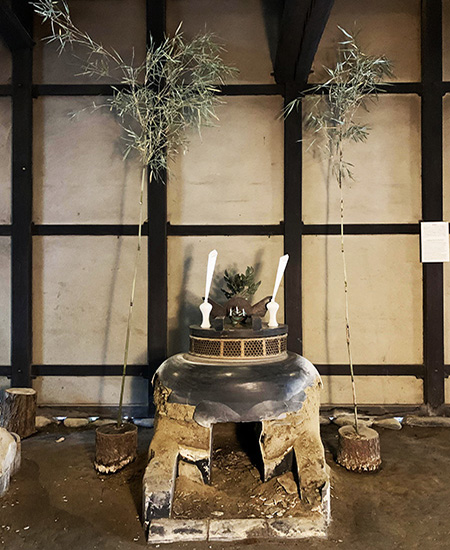
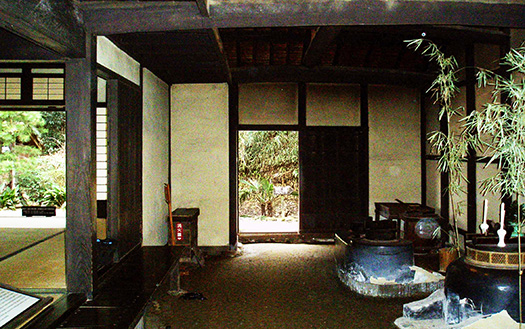
写真のように装飾されて、まことに凜とした存在感が場を支配する。

対面して、いわゆる上座的に床の間座敷・ダイドコロがあるけれど、
インテリア的な存在感ではまったく太刀打ちできないほどの凜々しさ。
現代住宅のこぎれいなファッションとは隔絶した神々しさすら感じられる。
こういう室内風景に揺籃されて育った子どもたちには、
なにか一本芯がスッキリと通るような気がする。

たしかに武家住宅では床の間に日本刀が飾られたりして、
それで武士の魂とか言われるが、こういう生業の力強さにはまったく及ばない。
社会の中でそれで身を立てる生業感には深くリスペクトさせられる。
翻って、今日のわたしたちの建てる住宅には
このような空間性はあり得るのだろうか?
たしかにこのような町家の、生きることに必死な生業というものは、
現代社会では希薄化してきていると言わざるを得ない。
その分、ひとの生き方というものもずいぶんと没個性化してきているかも知れない。
・・・ふと、この土間の「突き固め」ぶりが気になった。
日本民家園ではこうした土間空間を持つ家々が多く移築されている。
もともとは専業者が請け負った工事ではなく民同士の相互補助で
土間を突き固める作業は共同体の「結」として行われただろうけれど、
まだ、丹精な土間づくりも日本建築の手法として実現可能なようだ。
現代住宅でもこういった土間を再利用する住デザイン革命を志向する
そういった作り手が現れてこないものだろうか?
自然素材だとか、いろいろ言われるけれどその土地の土を利用するというのは
究極的な「自然志向」なのではないか。
なにより土間のぬくもりがひとの感受性を豊かに育むと思われてならない。
またなによりアクティブな生活動線を生み出す魅力、可能性が高い。
その土地の土を見つめ、肌で感じる暮らし・・・。
断熱気密という点からはたぶん問題はない。基礎断熱であればむしろ適している。
土壌という自然「素材」はまったく新たな住の可能性を広げる。
そういう現代新築住宅を見てみたい思いに駆られる。・・・

English version⬇

[“Okudo-sama” and Doma / Japanese good house ⑯-4]
It was the beginning of the year when I was completely addicted to an old merchant house in Nara.
Although it is traditional and universal in Japanese folk houses as a floor plan,
The imagination of the space called “Doma”, which has been almost lost from modern houses, springs up.
About 20 tsubo out of 28 tsubo is a one-story house in this merchant house on the Nara highway.
It is a vast earthen space. Here as a hand factory
I mentioned yesterday that production activities for livelihoods have been carried out.

The dirt floor and the tatami room are connected to each other in a flexible manner.
Rather, Doma is far more important to livelihood,
As its core device, the heating device “Okudosama” sits in the center of the house.
The main living room “Daidokoro” as a place for hare and the alcove with a tokonoma
It is fully open to this “Okudo-sama”.
Life and livelihood are integrated, and we are ready to serve “Okudo-sama” at any time.
It can be said that the atmosphere of the entire house is tightened.
Machiya in Japan have supported the economic structure of the town through various livelihoods.
For example, in a castle town, the necessities that the samurai need
It is a social role to provide relevant information in the immediate vicinity.
In Monzen-cho, it has played a role in meeting the demand for various religious goods.
The “cheek cane” wood sculpture of the eaves that decorated the temple in Hokkaido that arrived at my house the other day
It turned out that it was built in a townhouse that produces wood products in Toriimaecho, where the Jodo Shinshu sect is flourishing.
Machiya is a place of business for such a commercial person.
In the livelihood, the dirt floor space represents the decisive “house” character.
At this Nara house, there is “Okudo-sama” as a symbol of such a livelihood.
Decorated as shown in the photo, the place is dominated by its dignified presence.

Face-to-face, there is a so-called Kamiza-like alcove and Daidokoro,
The dignity is so dignified that it cannot be compared with the interior presence.
You can even feel the godliness that is isolated from the neat fashion of modern houses.
For children who grew up being shaken by such an indoor landscape,
I feel that one core passes through clearly.

Certainly, in the samurai residence, Japanese swords are displayed between the floors.
That is why it is said to be the soul of a samurai, but it is far from the strength of such a livelihood.
I am deeply respected by the sense of livelihood that makes me stand up in society.
On the contrary, in the houses we build today
Is this kind of spatiality possible?
Certainly, the desperate livelihood of such a townhouse is
It must be said that it is becoming diluted in modern society.
By that amount, the way of life of a person may have become much more individualized.
… Suddenly, I was worried about the “tampering” of this dirt floor.
Many houses with such a dirt floor space have been relocated in the Japanese folk house garden.
Originally, it was not a construction contracted by a specialist, but a mutual aid between the people.
The work of squeezing the dirt floor would have been done as a “conclusion” of the community,
Still, it seems that elaborate soil construction can be realized as a method of Japanese architecture.
Aiming for a housing design revolution that reuses such dirt floors even in modern houses
Isn’t such a creator appearing?
It is said that it is a natural material, but using the soil of the land is
Isn’t it the ultimate “nature-oriented”?
Above all, the warmth of the soil should not be considered to foster human sensitivity.
Above all, there is a high possibility that it will create an active line of activity.
Living by looking at the soil of the land and feeling it with your skin.
Probably not a problem in terms of heat insulation and airtightness. Basic insulation is rather suitable.
The natural “material” of soil opens up completely new possibilities for living.
I am motivated to see such a modern new house.・ ・ ・

【江戸期商家「工場」土間空間/日本人のいい家⑯-3】


日本の「商家」という系譜は、
1 都市住宅「町家」であること。
2 商いという生きざまは当然、販売品の生産にも関わった生業であること。
3 日本の資本主義・家内制手工業の原風景であること。
などの特徴的な住宅原型であると思います。
現代住宅の原型とはなにか、という設問があるけれど、
江戸期の中下級武家住宅にその形態的類縁性を見出すこともある。
たしかに「生業」の要素の少ない給与所得者という意味合いでは
まさにハマっているのかも知れないが、人口比で考えれば
武家というのは特殊な存在であり、また経済という
生身の生きざまという存在感はそこにはまったく感じられない。
都市集住と経済活動への関与度を考えれば、このような商家建築は
民族の生きざまをそのまま表現しているようで、DNA的即物感を持つ。
この奈良の街道筋に町家として建てられた商家は、
その時代の街割りの基本である間口が狭く、奥行きが長いという
社会的制約に沿っており、今日の街割り規制に即応した敷地条件と
通底した遵法的な「家づくり」の考え方と思える。
現代住宅とは要するに街割りなど法規に準拠した町家の変形だと思うのです。
若干条件は違いがあるけれど、今日の中小零細企業の建築的ありようと
この商家は非常に近似性が高いと思われるのであります。
街道筋という敷地条件を選ぶこと自体、経済活動自立を前提としており、
いかにも個人主義的生存選択として、現代的だと思われる。
社会の基盤としての原風景的「資本主義」的建築・生存形態。
居住と仕事環境がまったく違う大企業・公務員層以外の職住一体型現代庶民には
生きざまとして、非常に似通っていると思われる。

で、建築としては家内制手工業を支える空間として
町家であるのに、広大な土間空間が内部に広がっている。
この家では28坪の平屋のうち、20坪程度が土間で占められている。
農家住宅でも大型の庄屋階層の住宅では広大な土間がある。
そういう大農家では小作人たちがその土間で作業していたと想像できる。
大規模農業者による小作たちの使役労働スペース。
たしかに「生業」ではあるけれど、非常に階級格差を感じさせられる。
それに対して商家+家内制手工場では、少数の手代・丁稚などは
想定できるけれど、基本的には個人の生き方が垣間見える。
この奈良の商家でも350年ほど前の創建時、
「油屋」としての生産作業がこの広大な土間空間で行われた様子がわかる。
もちろん油製品化のためにどんな作業労働があったのか、
詳細は不明だけれど、「おくどさま」と呼ばれる煮炊き装置に、
まるで祈りを捧げるような飾り付けが行われている。
油生産にこのような加熱工程があって、それが決定的な構成要素だと知れる。
また、高い天井高が確保されているけれど、それはこの生業にとって
必要欠くべからざるものだったに違いない。加熱の程度がハンパなかったのか?
その成否に家運が掛かっているような必死さがあり、
神頼みする一所懸命さがヒシヒシと伝わってくる。
経済は生き物であり、こうした生業がどれほどの安定経営だったかわからない。
武家のように家禄が安定した状況ではなく、船板1枚下は大波という
そういった環境の厳しさが、この土間空間から感じられる思いがする。
この家では、350年前の創建時から約170-180年前頃には
油屋から線香屋さんに商売替えもしているとの情報。
この広大な土間で、日々営々と努力する光景が伝わってくるかのよう。

ちょっと感情移入しすぎかなぁ(笑)。
コロナ禍のなか、全国の中小零細企業は先の見えにくい環境の中、
資本主義社会の基礎・基盤として雇用を守り続けている。
その労苦と、この古い商家建築が重なり合って見えてくる。