本文へジャンプ

【宇都宮豪商「篠原家」石張り防火壁/日本人のいい家㉝-1】


日本人のいい家シリーズ今回は、過去にも取り上げた宇都宮駅前商家であります。
やはり圧倒的な撮影の写真量で再整理していても迫力がある。
ということで、再度紹介させていただきます。
ちなみに前回の掲載は2016年11月3日でした。
近接して栃木県市貝での奈良平安期の豪族館探訪があったので、
そのときに探訪したものだと思います。記憶が甦ってくる。

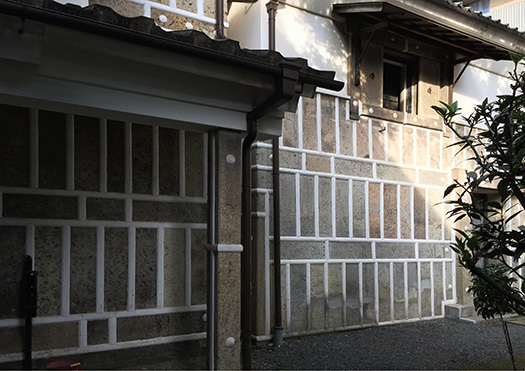
また今回も「大谷石」による外装仕上げの様子から。
この建物は1851年に石倉が建立されて、今現在残る主屋・新蔵は
明治28年、1895年建築とされています。
最初期建築からは170年、主屋などは126年の建物です。
主屋建築満100年で宇都宮市から指定文化財に指定され、翌年市に寄贈された。
篠原家は下野国河内郡宿郷村(現・宇都宮市宿郷)の篠原本家4代目の3男が、
宇都宮城下の博労町(現在地)に江戸時代末期に興した醤油醸造業を営む商家。
宗家である篠原家の方はWEB上では消息不明。
3男が「継いだ」ということではなく分家なのでしょう。
このあたりの消息は探究できていません。しかし、幕末期で100haを越える
大地主として財力を誇っていたという消息があり、
江戸期の「貧富の差」というものがまざまざと感じられる。
<ちなみに100haとは1km×1kmの土地面積>
庶民階級では「持てるもの」は富み栄え貧困層は百姓一揆に打って出た。
大名家も武家も支配層の武士はひたすら農本主義で経済認識に欠け、
北海道でも高田屋嘉兵衛のような存在が事実上の対ロシア外交まで行った。
高田屋に代表される北前交易の実質を調べたら、船の中で積み荷の袋を詰め替え
計算尺度を勝手に変更するような行為まで行われていた。・・・
経済合理性の認識が弱く、各藩、湊ごとに度量衡変動があって
流通事業者はそういったポイントを突いて巨利を得たのでしょう。
そういう全国的経済支配権力機構自体がなかったのだろう。
税の考え方でひたすらコメ換算する経済感覚が時代に取り残されていた。
だから「武士は食わねど高楊枝」みたいな無能者になり
実体経済は地主・大規模農業経営者たちが「庄屋・肝煎」層を形成し
同時に経済全般を掌握しかれらの差配で経済社会が回っていたのだと思う。
山形酒田の豪商「本間様には及びもせぬが、せめてなりたや殿様に」という
戯れ言がまったく実質をあらわしていたと言える。
ただ、そういう地主層たちも経済社会での浮沈は避けられなかったでしょう。

おっと、かなり横道書きすぎ(笑)。
テーマは大谷石外装であります。
大谷石はいま宇都宮市内になっている地域から産出されている。
1922年、フランク・ロイド・ライト設計の帝国ホテルに使用されて
一躍近代建築材として脚光を浴びたけれど、こういう活用例があった。
この外装によってこの建物は大戦末期の「空襲」からの消失を免れた。
空襲後この建物で軍による配給がおこなわれ、おにぎりが支給されたとか。
重厚な建築外装・大谷石の威力を語ってくれている。
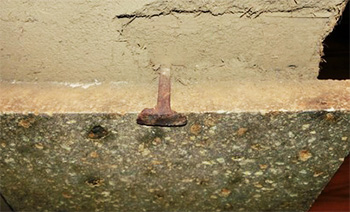
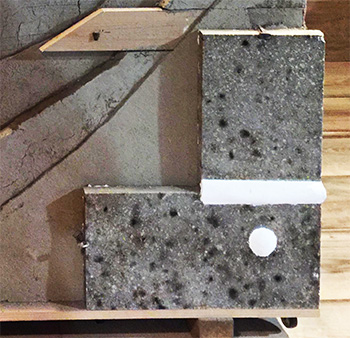
写真はその組成をあらわしたもので石の板の厚みは8cm。
下地の塗り壁+桟木を貫通して釘金物が打たれて石板を保持している。
その保持ヵ所を白漆喰で盛り上げるように被覆している。
こういった作りようで戦火にも耐えてきていたのですね。
・・・米軍による大空襲とそれから建築を守った建材もアメリカ人再発見由来。
明治以降の紆余曲折の日米関係もそこに深く刻印されているか。

English version⬇

[Utsunomiya Gosho “Shinohara Family” Stone Fire Wall / Japanese Good House ㉝-1]
Good Japanese House Series This time, we are a merchant house in front of Utsunomiya station, which we have covered in the past.
After all it is powerful even if it is rearranged with an overwhelming amount of photographs.
So, I would like to introduce it again.
By the way, the last posting was on November 3, 2016.
There was a visit to the Gozokukan during the Nara Heian period in Ichikai, Tochigi prefecture, so
I think it was something I explored at that time. The memory comes back.

Also this time, from the appearance of the exterior finish by “Oya stone”.
Ishikura was erected in this building in 1851, and the main building, Shinzo, which remains today
It is said to have been built in 1895 in 1895.
It is 170 years old from the earliest construction, and the main building is 126 years old.
It was designated as a designated cultural property by Utsunomiya City in 100 years since the main building was built, and was donated to the city the following year.
history. The Shinohara family is the third son of the 4th generation of the Shinohara head family in Shukugo Village, Kawachi District, Shimotsuke Province (currently Shukugo, Utsunomiya City).
A merchant who runs a soy sauce brewing business that started in the late Edo period in Bakuromachi (current location) under Utsunomiya Castle.
The Shinohara family, who is a Soke, is unknown on the WEB.
It’s not that the three men “successed”, but that it’s a branch house.
I haven’t been able to find out what happened around here. However, it exceeds 100ha at the end of the Edo period.
There is a news that he was proud of his financial strength as a landlord,
The “difference between rich and poor” in the Edo period can be felt in various ways.

In the common class, “what you have” was rich and prosperous, and the poor were struck by a peasant.
The samurai of the ruling class, both the daimyo and the samurai, are agrarian and lack economic awareness.
Even in Hokkaido, an existence like Takadaya Kahei went to de facto diplomacy with Russia.
After investigating the substance of Kitamae trade represented by Takadaya, refill the cargo bag on the ship.
Even the act of changing the calculation scale without permission was performed.・ ・ ・
The recognition of economic rationality is weak, and there are weights and measures fluctuations for each clan and Minato.
The distributor would have made a huge profit by taking advantage of such points.
Perhaps there was no such national economic power organization itself.
The economic sense of converting rice to rice based on the idea of ​​tax was left behind in the times.
So I became an incompetent person like “Samurai don’t eat but Takayoe”
In the real economy, landowners and large-scale agricultural managers form the “Shoya / Liver” layer.
At the same time, I think that the economy and society were turning around due to their difference in controlling the economy as a whole.
Yamagata Sakata’s wealthy merchant, “I can’t beat Honma, but at least to Narita-sama.”
It can be said that the playful words were completely real.
However, the ups and downs of such landowners would have been inevitable in the economic society.

Oops, I wrote too much sideways (laughs).
The theme is Oya stone exterior.
Oya stone is produced from the area that is now in Utsunomiya city.
Used in the Imperial Hotel designed by Frank Lloyd Wright in 1922
Although it was in the limelight as a modern building material, there was an example of such use.
This exterior saved the building from its “air raids” at the end of World War II.
After the air raid, the building was distributed by the military and rice balls were provided.
He talks about the power of Oya stone, a profound architectural exterior.
The photo shows the composition, and the thickness of the stone board is 8 cm.
Hardware is struck through the underlying plaster wall + pier, holding the lithograph.
The holding place is covered with white plaster so as to heap up.
You’ve endured the war with this kind of construction.
… The building materials that protected the building from the large air raid by the US military are also derived from the rediscovery of Americans.
Is the twists and turns of Japan-US relations after the Meiji era deeply engraved there?

【北方型住宅2021年度諮問会議 キックオフ】


昨日はZoom方式で北方型住宅の会議が開催されました。
日本の一地方で独自の住宅施策を持続的に追究する自治体である北海道。
開拓殖民の歴史的経緯から住むこと自体の研究は常に大テーマだった。
日本の生活文化がそのままでは保持できない環境の中で
欧米の寒地住宅思想と交流しながら国とは別の「基準」を追究してきた。
スタートが「中央省庁・開拓使」という淵源を持つことが大きいのだと思う。
高断熱高気密という地域の住宅性能基準を独自に定めるとともに、
施策の効果を高めるために実践的に地域の作り手、工務店・設計事務所などとの
協働の歴史を持ってきています。その実質は
こうした住宅施策についての活発な意見交換と情報交換で
行政と現場の距離がきわめて近く、リアルな制度設計が可能になっている。
実際的・現場的に制度の趣旨が浸透しているのは、
こうした「打てば響く」官民の関係性基盤が大きいのだと思います。

わたしのブログでは古民家を深掘りしながら「地域に根ざした」住宅建築を
考え続けてきていますが、現代日本ではこの「北方型住宅」という取り組みが
いちばん未来への国民資産になっていく可能性が高い。
京町家、合掌造り、南部曲り家など歴史的に日本人に刷り込まれてきた
地域的住宅デザインの系譜というものがあるけれど、北海道では
より本質的な空間品質の領域にまで到達したことで価値が高まっている。
日本人が150年ほどの居住経験の末に獲得した住宅ブランドともいえる。
会議でも「最大の地域特産品と位置づけるべきだ」という意見もあった。
「どうしたらより根付いていけるか」という論議がされているけれど、
わたしとしては、北海道民が自らの地域の持っているプライドとして
北海道の家を誇れるようになることが最大のポイントだと思う。
「北海道は冬、寒いけれど家の中はまったく違う別世界」
ということを体験し、それを実証的な証言として伝えていくことが
存在価値を高めていくことに繋がる最大ポイントだと思う。
そのようなきっかけを作ることが施策側の役割なのでしょうね。

さてそういう「北方型住宅」ですが、いま時代は脱炭素に大きくシフト。
そのためにどのように方向性を打ち出していけるのか、
今を生きている我々にとって大きな課題になって来ている。
もっとも条件の厳しい北海道で、先進的に方向性を示せれば、
北方型住宅の評価はさらに高まっていくと思います。
論議の行方に大いに期待していきたい。

English version⬇

[Northern Housing 2021 Advisory Council Kick-off]
Yesterday, a Zoom-style conference on northern housing was held.
Hokkaido is a municipality that sustainably continues its own housing measures in one region of Japan.
Research on living from the historical background of pioneer colonists has always been a major theme.
In an environment where Japanese life culture cannot be maintained as it is
While interacting with the idea of ​​housing in cold regions in Europe and the United States, he has pursued “standards” that are different from those of the national government.
I think it is important that the start has a source of “central ministries and pioneers”.
In addition to independently setting local housing performance standards of high heat insulation and high airtightness,
Practically working with local creators, contractors, design offices, etc. to enhance the effectiveness of the measures
Bringing a history of collaboration. The substance is
Through active exchange of opinions and information on these housing policies
The distance between the government and the site is extremely short, enabling realistic institutional design.
Unlike the national system design, the purpose of the system has permeated practically and in the field.
I think that the foundation of public-private relationships that “sounds when hit” is great.

In my blog, while digging deep into old folk houses, “community-based” residential construction
I’ve been thinking about it, but in modern Japan, this “northern housing” initiative is
It is likely to become the most national asset for the future.
It has been historically imprinted on Japanese people such as Kyomachiya, Gassho-zukuri, and Southern Curved House.
There is a genealogy of regional housing design, but in Hokkaido
The value is increasing by reaching the realm of more essential spatial quality.
It can be said that it is a housing brand that Japanese people acquired after about 150 years of living experience.
At the meeting, there was an opinion that “it should be positioned as the largest regional specialty”.
There is a debate about “how can we take root more?”
For me, as the pride that the people of Hokkaido have in their own area
I think the biggest point is to be able to be proud of your home in Hokkaido.
“Hokkaido is cold in winter, but the inside of the house is a completely different world”
To experience that and convey it as empirical testimony
I think this is the biggest point that leads to increasing the value of existence.
I think it is the role of the policy side to create such an opportunity.

By the way, it is such a “northern type house”, but nowadays there is a big shift to decarbonization.
How can we set the direction for that?
It has become a big issue for us living in the present.
In Hokkaido, where the conditions are the most severe, if you can show the direction in an advanced way,
I think that the evaluation of northern houses will increase further.
I have high expectations for the whereabouts of the debate.

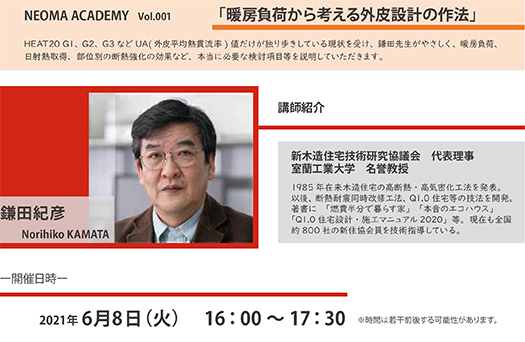
【鎌田紀彦氏 6.8 NeomaアカデミーWEB講演】


先日知人の旭化成・断熱材事業部スタッフの方から、
ブログで取り上げて欲しい、という率直な申し入れ(笑)。
聞いたら新住協・鎌田紀彦代表理事のWEB講演開催の案内とのこと。
わたしどもの事業の基軸である住宅雑誌「Replan」では
鎌田先生に「Q1.0住宅デザイン論」を連載執筆いただいております。
その過去記事もReplanWEBマガジンで好評掲載中。
そういう流れがあるので、広く情報共有としてお知らせいたします。

二人ともわたしどもでの連載記事をお願いしている
鎌田先生と東大工学部准教授の前真之先生の対論が
ちょうど先般行われ、その様子をこのブログで紹介したところ、
住宅関係のみなさんから反響がいろいろ寄せられている状況があります。
いま前真之先生は国交省関係の国の住宅政策検討プロセスに参画中で
かなりリアルな情報も発信されていた。
脱炭素が大きく叫ばれ始めた状況の中で鎌田先生の情報発信には
大きな意義があるだろうと考えられます。


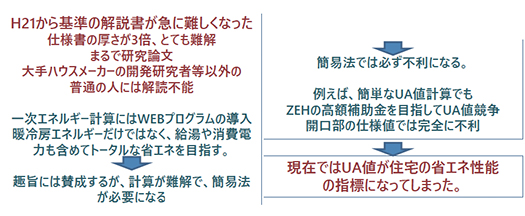
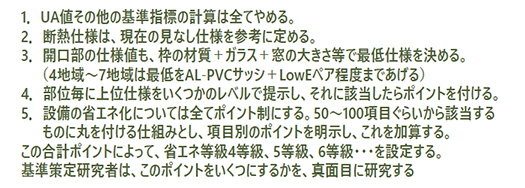
このプレゼンデータは国の脱炭素住宅施策への
「提言」ともいえる鎌田先生の情報発信。(対論時のプレゼン資料より)
いまちょうど国交省・国の施策会議の重要な局面ということなので、
それに向けて世論喚起という意味合いもあろうかと思います。

●セミナー概要
「暖房負荷から考える外皮設計の作法」
●開催スケジュール
6月8日(火) 16:00開始〜17:30終了予定
●参加方法
以下URLにアクセスして申込み。登録のメールアドレス宛てに
Zoomのオンラインセミナー用のURLを送付するとのこと。
■申込みURL
https://pages.asahikasei-kenzai.com/20210608-NEOMAACADEMY-01_input.html
●問い合わせ先
neoma-academy@om.asahi-kasei.co.jp
旭化成建材株式会社
断熱材事業部 住宅断熱営業部

このような状況の中での旬の話題が発信される可能性が高い。
すべての住宅建築事業者・関係者にとってもマストな情報でしょう。

English version⬇

[Mr. Norihiko Kamada 6.8 Neoma Academy WEB Lecture]
From the staff of my acquaintance Asahi Kasei the other day
A frank offer to be featured on the blog (laughs).
I heard that it was a guide to hold a WEB lecture by CEO Norihiko Kamada of Shinjukyo.
Needless to say, in our flagship magazine “Replan”
Professor Kamada has written a series of “Q1.0 Housing Design Theory”.
The past articles are also being published in Replan WEB magazine.
Since there is such a flow, we will inform you as information sharing.

Just both of you are asking for a serialized article with us
A dialogue between Professor Kamada and Professor Masayuki Mae, an associate professor at the Faculty of Engineering, the University of Tokyo
It was held recently, and when I introduced the situation on this blog,
There are various responses from people related to housing.
Dr. Masayuki Mae is currently participating in the housing policy review process of countries related to the Ministry of Land, Infrastructure, Transport and Tourism.
Quite realistic information was also sent.
In a situation where decarbonization has begun to be screamed, Professor Kamada’s information dissemination
I think it will be of great significance.

This presentation data is for national decarbonization housing measures
Information dissemination by Dr. Kamada, who can be said to be a “proposal”. (From the presentation material at the time of the discussion)
It’s an important phase of the Ministry of Land, Infrastructure, Transport and Tourism / National Policy Council, so
To that end, I think it may have the meaning of raising public opinion.

● Seminar outline
“How to design the outer skin from the viewpoint of heating load”
● Holding schedule
June 8th (Tuesday) 16:00 start ~ 17:30 end scheduled
● How to participate
Apply by accessing the URL below. To the registered email address
The URL for Zoom’s online seminar will be sent.
■ Application URL
https://pages.asahikasei-kenzai.com/20210608- NEOMAACADEMY-01_input.html
● Contact information
neoma-academy@om.asahi-kasei.co.jp
Asahi Kasei Construction Materials Co., Ltd.
Insulation Material Division Residential Insulation Sales Department

There is a high possibility that seasonal topics will be disseminated in such a situation.
It will be a must-have information for all homebuilders and related parties.

【北海道・北東北「縄文遺跡」世界遺産登録へ】


日本列島の北の方ではこの話題、長年の宿願でした。
わたしもその推進市民運動に賛同しておりましたが、宿願達成。
以下、NHKのWEBニュースから要旨。
〜世界文化遺産への登録を目指している北海道・北東北の縄文遺跡群について、
ユネスコの諮問機関は26日、世界遺産への登録勧告をまとめた。
これにより世界文化遺産に登録される見通しとなりました。
北海道・北東北の縄文遺跡群は北海道と青森県、岩手県、秋田県に点在する
17の縄文時代の遺跡で構成されています。
狩猟や採集、漁労を基盤に人々が定住して集落が発展し、
1万年以上続いた縄文時代の生活や精神文化を現代に伝えるもので
普遍的な価値があるとしています。
構成する17の遺跡がすべてことし7月に開かれる世界遺産委員会で
正式に世界文化遺産に登録される見通しとなりました。
農耕を伴わない定住生活や複雑な精神文化を示していると評価された。〜

まったく喜ばしい限りであります。
できれば日本史の記述でもこの歴史事実をベースにより深化を希望。
人類の世界進出、およそ7万年とも8万年とも言われるけれど
出アフリカから日本列島に至って、海に面した豊かな漁撈資源を基礎に
それまでの移動生活から大変化し16,000年前ころ定住が開始された。
広く普遍的に非農耕型の暮らし方が営まれてきた。
縄文の都と言われる三内丸山では3,000を越える
居住住居痕跡が発見され、クリなどの栽培痕跡も注目されている。
そういった暮らし方が列島では継続して営まれてきた。
やはり真正な「原日本人」といえるのではないかと思います。
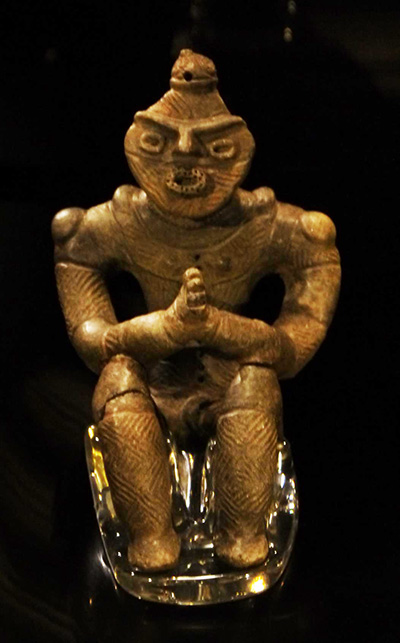
写真は八戸周辺の是川縄文館に展示されている合掌土偶ですが、
わたしたちの感受性の底深くにこのような精神性があると思う。
両手を合わせるというのは、人類本然的に「祈る」こころに通じると思う。
縄文の「思想」として採集型生活基盤から自然への感謝の心が
この列島社会の基本精神としてあり続けてきたのだと思う。

すべての基本である食においてこの列島社会では
遺跡住居でも古民家住居でも一様に「鍋食文化」がベースだと言える。
縄文という文化が独特の土器で代表されていることからもこれは明らか。
食文化の基本は海産物の「うまみ」に採集植物が掛け合わされたもの。
縄文からの人間の文化を今後も丹念に掘り起こしていって
この列島での生き方、暮らし方を「日本史」の基盤として
追体験していくべきなのだろうと思います。
遺跡や古民家探究はわたしの「ライフワーク」化してきましたが、
現代の高断熱高気密にまで至る定住の営為を今後も手掘りしていきたい。

English version⬇

[To Hokkaido&North Tohoku “Jomon Ruins” World Heritage Registration]
In the northern part of the Japanese archipelago, this topic has been a long-cherished desire.
I also agreed with the promotion civic movement, but I achieved my wish.
The following is a summary from NHK’s WEB news.
~ About the Jomon Archaeological Sites in the northeastern part of Hokkaido, which is aiming to be registered as a World Cultural Heritage
A UNESCO advisory body has put together a recommendation for registration as a World Heritage Site on the 26th.
As a result, it is expected to be registered as a World Cultural Heritage Site.
The Jomon archaeological sites in the northeastern part of Hokkaido are scattered in Hokkaido, Aomori, Iwate, and Akita prefectures.
It is composed of 17 Jomon period ruins.
People settled on the basis of hunting, gathering, and fishing, and the village developed.
It conveys the life and spiritual culture of the Jomon period, which lasted more than 10,000 years, to the present day.
It has universal value.
All 17 archaeological sites that make up this year will be held at the World Heritage Committee in July.
It is expected to be officially registered as a World Cultural Heritage Site.
It was evaluated as showing a sedentary life without farming and a complex spiritual culture. ~

As far as I am very pleased.
If possible, I would like to deepen the history of Japan based on this historical fact.
It is said that human beings have entered the world for about 70,000 or 80,000 years.
From Africa to the Japanese archipelago, based on the abundant fishing resources facing the sea
It became difficult from the mobile life until then, and the settlement started around 16,000 years ago.
A wide and universal non-agricultural way of life has been practiced.
Over 3,000 in Sannai Maruyama, which is said to be the capital of the Jomon period
Traces of residential dwellings have been discovered, and traces of cultivation such as chestnuts are also attracting attention.
Such a way of life has continued to be practiced in the archipelago.
I think it can be said that it is a genuine “original Japanese”.
The photo shows the gassho clay figurines exhibited at the Korekawa Jomonkan around Hachinohe.
I think there is such a spirituality deep in our sensitivity.
I think that putting both hands together leads to the heart of “praying” in nature.
As Jomon’s “idea”, a feeling of gratitude for nature from a collection-type living foundation
I think it has continued to be the basic spirit of this archipelago society.

In this archipelago society in all the basic foods
It can be said that the “pot food culture” is the basis for both archaeological dwellings and old folk house dwellings.
This is clear from the fact that the Jomon culture is represented by unique pottery.
The basis of food culture is the seafood “umami” multiplied by collected plants.
We will continue to carefully dig up the human culture from the Jomon period.
Using the way of life and way of life in this archipelago as the basis of “Japanese history”
I think we should relive it.
The quest for archaeological sites and old folk houses has become my “lifework”,
I would like to continue to dig up the settlement activities that lead to modern high heat insulation and high airtightness.

【曲り家・馬屋まわり/日本人のいい家㉜-5】


南部曲り家という地域型住宅を見てきました。
ちょうど来週月曜日には北海道の地域型住宅「北方型住宅」の会議。
江戸期と現代ではまったく世相条件は違いがあるけれど、
ひとびとの記憶に強く残っているという意味では
地方独自の住宅伝統を作ったというのはすごいことだったと思います。
現代ですら、明確に国とは別途住宅政策を推進しているのは北海道くらい。
馬産という産業政策が動機のようですが、
現代の北海道も脱炭素という世界的施策の要素技術「断熱」で日本先端地。
そういえば岩手県の住宅ビルダーの断熱意識は北海道並みに高い。
南部曲り家というオリジナルな地域型住宅伝統の故かも知れない。
はるかにリスペクトしつつ、後世に残すべき知恵と工夫として
現代人はいま、よき住宅資産形成に頑張らなければならない。

この南部曲り家では主要居室には天井が張られていた。
なにげないように思えるけれど、居住性ということでは
天井が張られるのと吹き抜けとでは家の暖房エネルギー量で
大きな違いがあっただろうと思います。
農村住宅で天井を張るというのはコストを考えるとなかなか。
これまで見ている江戸期の住宅では基本的には小屋まで抜けている。
囲炉裏で発生する煙が小屋を構成する柱梁や屋根材の茅を燻すことで
長期耐久性を高めたという側面はあっても
熱損失を少しでも回避するという立場からは天井は不可欠。
もちろんその上の茅葺きの重厚さも大きな保温性要素。
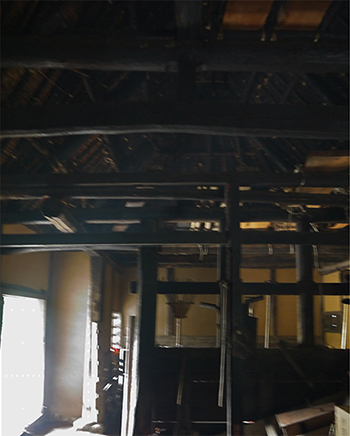
下の写真は馬屋・小屋部分の木組みの様子。
構造上の柱や横架材が非常に密で初期の増築型の南部曲り家の
重厚さをあらわしているとされていました。

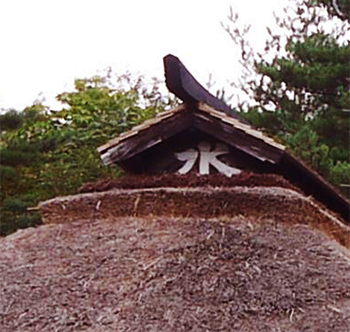
この写真は馬屋の屋根上の煙だし部分。
「水」と大書されているのは、茅葺き民家の最大の敵が火事であることを
表現していますね。

さて、この花巻の南部曲り家・小原家住宅はこれで終了。
先般既述の【国の住宅制度の「病根」整理/鎌田・前WEB対論】に
さまざまな反響が寄せられています。
「脱炭素」という号砲が鳴って、それではどう実現していくのか、
国レベルでも、また地方公共団体ながら独自の住宅施策を持つ北海道でも
論議が交わされていくことになりそうです。
月曜日からのことしの北海道の施策会議の資料も到着。
コロナ禍の不自由さを越えて論議を深めていく必要があるでしょうね。

English version⬇

[Bending house / Maya area / Good Japanese house ㉜-5]
I have seen a regional house called the Southern Curved House.
Just next Monday, we will have a meeting of “Northern Housing”, a regional housing in Hokkaido.
Although the social conditions are completely different between the Edo period and the present age,
In the sense that it remains strong in people’s memories
I think it was amazing to have created a local housing tradition.
Even today, Hokkaido is the only country that clearly promotes housing policies separately from the national government.
The industrial policy of horse production seems to be the motive,
Today’s Hokkaido is also the leading edge of Japan with the elemental technology “insulation” of the global policy of decarbonization.
Speaking of which, housing builders in Iwate Prefecture are as conscious of heat insulation as Hokkaido.
It may be because of the original regional housing tradition of the Southern Curved House.
As wisdom and ingenuity that should be left to posterity while respecting far
Modern people now have to work hard to build good housing assets.

In this southern bender, the main room had a ceiling.
It doesn’t seem like anything, but when it comes to habitability
The amount of heating energy in the house is the difference between the ceiling and the atrium.
I think there would have been a big difference.
Considering the cost, it is quite difficult to put up a ceiling in a rural house.
The houses in the Edo period that I have seen so far basically go through to the hut.
The smoke generated in the hearth smokes the pillars and beams that make up the hut and the roofing material Kaya.
Even if there is an aspect of improving long-term durability
The ceiling is indispensable from the standpoint of avoiding heat loss as much as possible.
Of course, the thatched roof on top of it is also a great heat-retaining element.
The photo below shows the half-timbered part of the stable and hut.
The structural columns and horizontal members are very dense, and the early extension type southern bender
It was said to represent profoundness.

This photo shows the smoke on the roof of the horse shop.
The word “water” means that the biggest enemy of thatched-roof houses is fire.
You are expressing it.

By the way, this is the end of Hanamaki’s southern bender / Ohara family residence.
In the above-mentioned [Arrangement of “disease roots” in the national housing system / Kamada-former WEB discussion]
Various responses have been received.
The gun called “decarbonization” sounds, and how will it be realized?
At the national level, and even in Hokkaido, which has its own housing policy despite being a local public organization
It is likely that discussions will continue.
The materials for the policy meeting from Monday in Hokkaido have arrived.
It will be necessary to deepen the debate beyond the inconvenience of Corona.

【柱梁・塗り壁・畳の感性/日本人のいい家㉜-4】


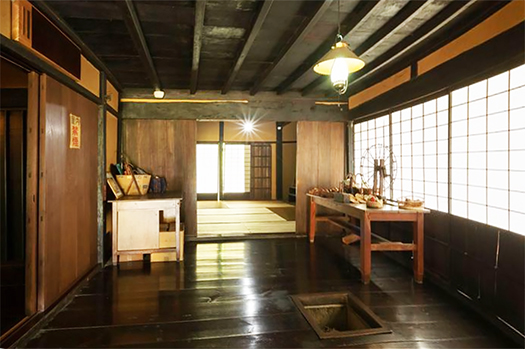
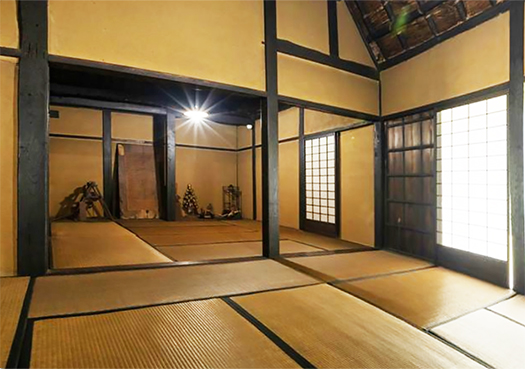
江戸期から残る古民家では格式的空間では写真のようなデザインをほぼ踏襲する。
床壁天井という3次元を構成する素材群では
構造の柱梁は無意匠であらわしであり、壁はその地域に近い場所からの
土を加工した塗り壁が覆っている。
天井は張られる場合は木質が張られる。
そしてタタミで床が敷き詰められている、という空間デザイン。
たぶんこういった空間構成に対して
江戸期の間での経済的発展過程でわたしたちの感性は慣れてきたはず。
庶民レベルではたぶん高々400-500年間程度の時間蓄積。
それ以前には板敷きの床だったかどうか、
土座から床上げした程度が普遍的なスタイルだったと思われる。
そういう庶民の暮らしようが、より高級な生活文化を謳歌していた
上流貴族たちの空間レベルに向かって上昇志向していたのでしょう。
たぶん、江戸期の庶民たちは少し余裕ができたら実現したいと
こういう空間性にある種の「憧れ」を感じ続けていたに違いない。

こういった空間での過ごし方の生活文化規範として
「茶」というスタイルが普遍性を持って浸透していったのだろうか。
今に至るも、日本人はこういう空間ではタタミの床に座って
ふるまわれる茶を喫するという応接接遇を一般化してきた。
正座という日本人オリジナルと思える座り方も
こういった空間で発展したライフスタイルだっただろうと思う。
現代人からすると、こういう空間性の文化正統性根拠ってなんだろうかと
はるかなDNA探索をするけれど、よく実感が湧かない。
古民家ではこういう室内構成の場所は「応接空間」であって、
ふだんの暮らしは板敷き+座布団の居室が主だった。
そう考えるとこうした空間は一種のホテルのようなもので、
たまに来る遠路の来客への対応空間でありその家の見栄の部分の表出かと。
心づくしと見栄の複合したような空間性だったのかも知れない。
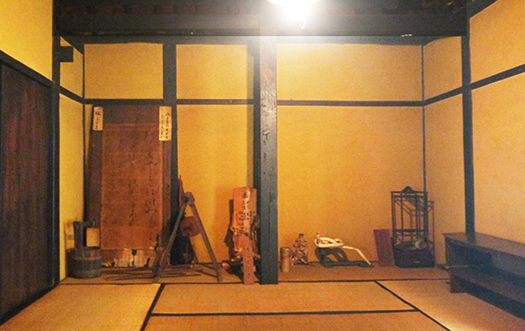
画面奥の壁面は、まだ「床の間」にはなっていないけれど、
客人との会話の契機になるような「飾り物」が置かれている。

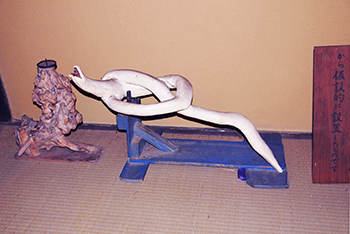
この白いヘビにはきっと宗教的まじない性があるのだろうけれど、
一種ユーモラスでもあって、接遇の展示品としての面白みも感じられる。
わたしなどは確実にその魅力にノックダウンされてしまった(笑)。

明治以降、そして顕著には戦後以降、
日本人は「洋風化」というものに帰依してきた。
日本は「ガイアツ」に弱いというか、それを利用した転換が巧みというか、
ライフスタイルがまったく変わったけれど、
結果として、このような空間性は現代住宅から姿を消しつつある。
だいたい住宅にホテル機能が不要なほどホテルが多くなった。
やはり不可逆的変化ということなのだと思うけれど、
どこかの時点でDNAレベル的「逆回転」が起こるかも知れない、まだわからない。
日本社会は外圧の後、必ず「国風化」も起こる伝統がある・・・。

English version⬇

[Sensitivity of pillars&Beams, plaster walls, tatami mats / Japanese good house ㉜-4]
In the old folk house that remains from the Edo period, the design as shown in the photograph is almost followed in the formal space.
In the material group that composes three dimensions called floor, wall, and ceiling
The pillars and beams of the structure are undesigned, and the walls are from a location close to the area.
It is covered with a plastered wall made of soil.
If the ceiling is stretched, it will be covered with wood.
And the space design that the floor is covered with tatami mats.
Maybe for this kind of spatial composition
Our sensibilities must have become accustomed to the process of economic development during the Edo period.
At the common people level, it probably accumulates time for at most 400-500 years.
Whether it was a wooden floor before that,
It seems that the degree of raising the floor from the ground seat was a universal style.
The way of life of such ordinary people enjoyed a higher-class life culture.
Perhaps they were going up towards the spatial level of the upper aristocrats.
Maybe the common people in the Edo period want to realize it if they can afford it a little.
I must have continued to feel a certain kind of “longing” for this kind of spatiality.

As a living culture norm of how to spend in such a space
Did the style of “tea” permeate with universality?
Even now, Japanese people sit on the floor of tatami mats in this kind of space.
We have generalized the reception service of enjoying the tea that is served.
There is also a sitting style that seems to be a Japanese original called Seiza
I think it was a lifestyle that developed in such a space.
From the perspective of modern people, what is the basis for such spatial legitimacy of culture?
I do a far DNA search, but I don’t really feel it.
In an old folk house, the place with such an indoor structure is a “reception space”,
Most of my daily life was a room with wooden floors and cushions.
With that in mind, these spaces are like a kind of hotel.
It’s a space for responding to the occasional long-distance visitors, and it’s an expression of the appearance of the house.
It may have been a spatiality that was a combination of mindset and appearance.
The wall at the back of the screen is not yet a “tokonoma”,
“Ornaments” are placed to trigger conversations with guests.

I’m sure this white snake has a religious spell, but
It’s also a kind of humor, and you can feel the fun as an exhibit of hospitality.
I was surely knocked down by its charm (laughs).

After the Meiji era, and notably after the war
The Japanese have been “devoted” to what is called “westernization.”
Japan is vulnerable to “gaiatsu”, or the conversion using it is skillful.
The lifestyle has changed completely,
As a proof of this, such spatiality is disappearing from modern homes.
The number of hotels has increased so much that the hotel function is not necessary for most houses.
I think it’s an irreversible change, but
At some point a DNA-level “reverse rotation” may occur, not yet known.
Japanese society has a tradition of “national weathering” after external pressure.

【大開口志向の初期南部曲り家/日本人のいい家㉜-3】


この花巻の南部曲り家・小原家は1750年頃の創建。
この時期は藩の奨励で馬産振興が図られ馬屋併設が推奨された。
どういった「推奨策」が施されたかは定かではないけれど、
建てる民の側にもなにがしかの「利得」があったのだと思われる。
今日の住宅施策でも税の軽減とか優遇とかが用意されるけれど、
そういったものをアテにしてこの家は増築として馬屋をせり出させたと思う。
「馬を飼ったら年貢が少し減るし、なにより馬を増やしたら
喉から手が出るような現金収入になるらしい・・・」
そんな想像を巡らしています。
自然発生的というよりも、馬産振興目的が優先したように思われる。
そうやって増産した奥州馬を各地の馬市で販売していた。
実際に福島県の馬市近くの古民家も取材しこのシリーズで紹介した。
岩手南部地域からはるばる旅して馬市で売りさばくツアー客のための
独特な旅籠で、大切な馬を室内で宿泊させる馬屋付き旅宿。
江戸時代は各藩ごとに競うように「地域経済」作戦が展開した。
翌日には馬市に到着できる地理位置に当たっていた。
山形では「紅花」という成功例もあったし、南部藩としての馬産という
米作以外の有力経済振興策。それが同時に地域型住宅の嚆矢にもなった。
南部曲り家の実相というのはそういうもののようだと思われる。
江戸封建体制というのは中央集権的ではなく、
地方分権での経済振興策が知恵と工夫で展開していたのだ。

一方で馬屋を除いた住宅の平面図をみると素直な長方形寄棟で
日本各地にある民家とそう大きくは変わらないと思われる。
南部地域は現在の岩手県、北海道から取材などで訪問する度に
放射冷却的寒冷の冬には驚かされる。
札幌の気温よりも盛岡の気温の方が低いというのもザラにある。
であるのに、この馬屋を除いた建物は南面に大きな開口部があって
障子での紙一枚の建具。そこに縁側も装置されているのです。
夏場の開放的な暮らし方としては理解出来るけれど、
冬場のことを考えたら、この建築思想は理解しにくい。
このような開口部仕様は関東の古民家の仕様をも思わせる。
生活文化圏認識としては太平洋側気候的対応が基本とされたのか。
きのう紹介したダイドコロのごく閉鎖的で火力を集中させた間取り思想とは
むしろ対極的だと言えるでしょう。
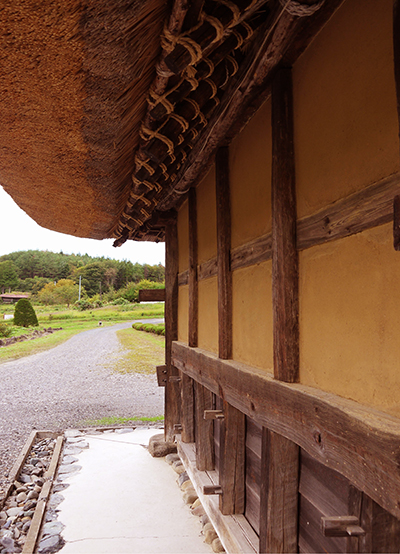
写真はその部位をクローズアップした外観と内観。
「ナカマ」から奥の「オモテザシキ」への見通し。
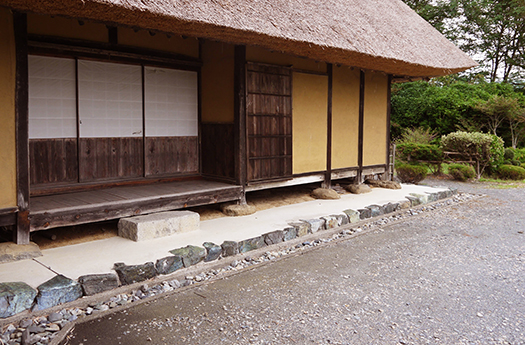
ナカマ右手が障子のみの開口部であり、オモテザシキ正面外壁にも開口部。
外観からみるとこの「縁側」はそのまま住宅側の入口として機能。
踏み石が置かれて靴脱ぎとして利用されてもいたでしょう。
通常は馬屋に開けられた出入り口を利用していたでしょうが、
いわば「ハレ」の玄関として認識していたことが想像できる。

English version⬇

[Early Nanbu Curved House with Large Opening Orientation / Good Japanese House ㉜-3]
The Ohara family, the Nanbu Curved House of Hanamaki, was built around 1750.
During this period, the clan encouraged the promotion of horse production, and it was recommended to add a horse shop.
I’m not sure what kind of “recommended measures” were taken,
It seems that there was some “gain” on the part of the people who built it.
Even today’s housing policies offer tax relief and preferential treatment,
I think that this house was made to push out a horse shop as an extension by using such things as auction.
“If you keep a horse, your annual tribute will decrease a little, and above all, if you increase the number of horses,
It seems that it will be a cash income that you can get out of your throat … ”
I have such an imagination.
It seems that the purpose of promoting horse production was prioritized rather than spontaneously.
Oshu horses, which had increased production in this way, were sold in horse markets around the world.
We actually interviewed an old folk house near Ma City in Fukushima Prefecture and introduced it in this series.
For tourists who travel all the way from the southern part of Iwate and sell in horse market
A ryokan with a horse shop where you can stay your precious horse indoors in a unique hatago.
During the Edo period, the “regional economy” strategy was developed so that each clan would compete.
The next day, I was in a geographical location where I could reach Ma City.
In Yamagata, there was a successful example of “safflower”, and it was called horse production as the southern clan.
Influential economic promotion measures other than rice cultivation. At the same time, it became the beginning of regional housing.
It seems that the reality of the Southern Curved House is like that.
The Edo feudal system is not centralized
Economic promotion measures by decentralization were being developed with wisdom and ingenuity.

On the other hand, if you look at the floor plan of the house excluding the horse shop, it is a straightforward rectangular hipped roof.
It seems that it is not so different from private houses in various parts of Japan.
Every time I visit the southern area from present-day Iwate prefecture and Hokkaido for interviews, etc.
You will be amazed at the radiatively cold winter.
It is also in Zara that the temperature in Morioka is lower than the temperature in Sapporo.
However, the buildings except this barn have a large opening on the south side.
A piece of paper fittings for shoji. The porch is also installed there.
It’s understandable as an open way of living in the summer,
Considering the winter season, this architectural idea is difficult to understand.
Such opening specifications are reminiscent of the specifications of old private houses in the Kanto region.
Was the Pacific side climatic response the basis for recognizing the living culture area?
What is the very closed and focused floor plan of Daidokoro that I introduced yesterday?
Rather, it can be said to be the opposite.
The photo shows the exterior and interior of the area in close-up.
The outlook from “Nakama” to “Omotezashiki” in the back.
Nakama’s right hand is an opening only for shoji, and there is also an opening on the front outer wall of Omotezashiki.
From the outside, this “veranda” functions as an entrance on the residential side.
A stepping stone would have been placed and used as a shoe remover.
Normally, I would have used the doorway opened in the horse shop,
It can be imagined that it was recognized as the entrance of “Hare”.

【曲り家・小原家の台所配置/日本人のいい家㉜-2】


さて昨日から紹介の南部曲り家・小原住宅その2であります。
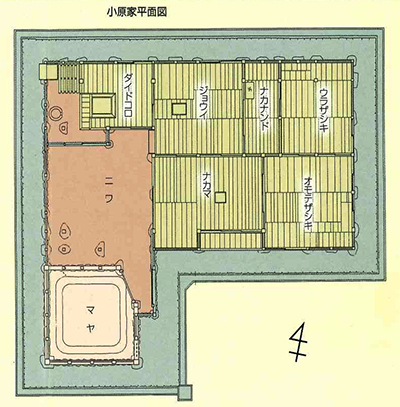
曲り家の場合、主屋の「直屋〜すごや」に対して張り出した馬屋側に
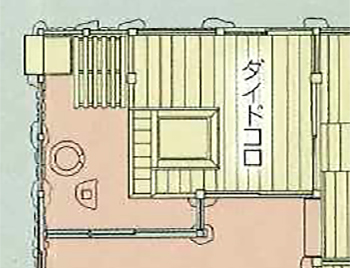
土間(ニワ)と馬屋が配置されニワに面するように日常空間の
「ダイドコロ」が配置されるケースが圧倒的。
これは間取り配置としてもっとも合理的という経験則なのでしょう。
直屋側は座敷などの安息・格式空間なので静的なたたずまい。
それに対してニワという仕事空間との連動性が高かったのはわかる。
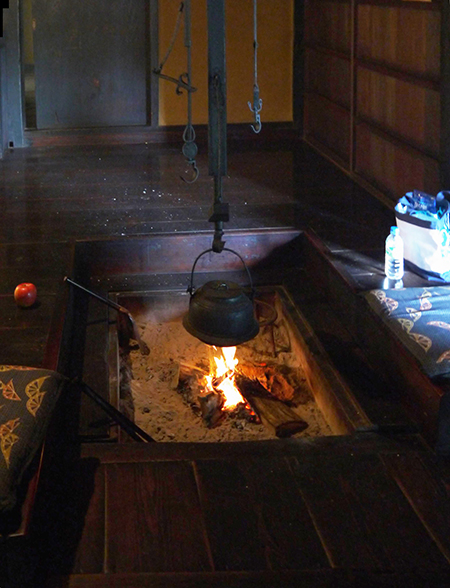
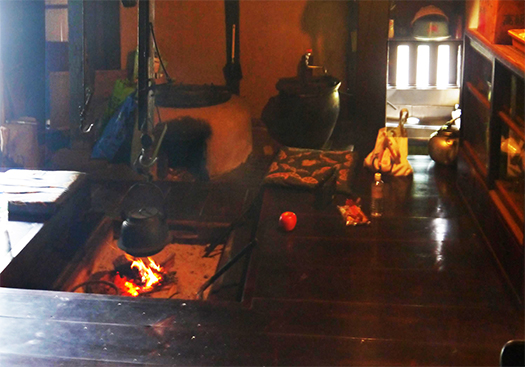
この小原家も同様で、写真はその様子であります。

土間が延長した空間と板敷きの上屋空間が
囲炉裏を介して同居している。
その囲炉裏が板敷きの場所だけれど、土間との連続性も考えた
そういった位置に切られています。
撮影時には火が入れられていて管理の方が煮炊き利用もされていた。
この囲炉裏に向かって対面位置にはかまども据えられていて、
この家のなかでもっとも火力が集中配置されていることがわかります。
外壁面はすべて土壁で重厚な作られようであり、
さらに土間のニワ側にも室内壁が造作されている。
岩手県という寒冷地住宅として防寒性重視の間取り計画。
囲炉裏端には座布団も敷かれていますが、
室内壁が開放的土間空間に対してバリアーを作っていて
「囲まれる」ような安心感と、ぬくもり感を感じさせている。
囲炉裏とかまど火力の暖気が土壁のぬくもりで保持されることを
期待するような作られようだとわかります。
熱環境的にはいちばん温熱感の感じられる空間であって、
農事作業から身体を休める空間として機能してきたことがあきらか。

この家は1976年、いまから45年前に移築保存される直前まで
生活されていたそうなので、水道も引かれていたのですが、
それでも大甕が火力調理のかまどの隣に置かれていた。
その右手には「流し」も備えられていた。
基本的には板敷きの位置で「座り作業」で調理は行われていたようです。
暮らし方が具体的に見えるようなケの空間ですね。

English version⬇

[Kitchen layout of the bender / Ohara family / Japanese good house ㉜-2]
By the way, it is the southern bent house, Ohara house 2 that was introduced from yesterday.
In the case of a curved house, on the side of the horse shop that overhangs the main house “Naoya-Sugoya”
In the everyday space, the dirt floor (niwa) and the barn are arranged so that they face the niwa.
The case where “Daidokoro” is placed is overwhelming.
This is probably the most rational rule of thumb for floor plans.
The Naoya side is a resting and formal space such as a tatami room, so it has a static appearance.
On the other hand, I understand that it was highly linked to the work space of Niwa.
The same is true for this Ohara family, and the photo shows that.

A space with an extended dirt floor and a wooden shed space
They live together through the hearth.
The hearth is a place with boards, but I also considered the continuity with the soil.
It is cut in such a position.
At the time of shooting, the fire was on and the manager was also using it for cooking.
A kamado was placed facing the hearth,
You can see that the firepower is most concentrated in this house.
The outer wall surface seems to be made entirely of earthen walls,
In addition, an interior wall is also built on the Niwa side of the dirt floor.
A floor plan that emphasizes cold weather as a house in a cold region called Iwate Prefecture.
Cushions are also laid at the back of the hearth,
The interior wall creates a barrier to the open soil space
It gives you a sense of security and warmth that makes you feel “surrounded”.
The warmth of the hearth and the firepower of the kamado is maintained by the warmth of the earthen wall.
You can see that it seems to be made as expected.
In terms of thermal environment, it is the space where you can feel the warmth.
It is clear that it has functioned as a space for resting the body from agricultural work.

This house was relocated and preserved in 1976, 45 years ago.
It seems that he was living, so the water supply was also drawn, but
Still, Omika was placed next to the fire-cooking kamado.
There was also a “sink” on its right hand.
Basically, it seems that cooking was done by “sitting work” at the position of the board.
It’s a space where you can see how you live.

【花巻の曲り家・小原家住宅/日本人のいい家㉜-1】


東京や大阪では集団でのワクチン接種も始められたとのニュース。
札幌ではまだ75歳以上の方の接種券が配布されて電話受付が始まった段階。
ワクチン接種については地域毎に違いがあるようで、
まぁ気長に待つしかないのでしょうね。
アメリカやイギリスでは顕著に混乱が収まりつつあるとされ、
先月には首脳会談で菅首相と会談したバイデンさんはマスク姿だったけれど、
今回は韓国のムン大統領とはマスクなし会談。
日本をはるかに超えるパンデミックだったアメリカも徐々に復元という状況。
先日知人と話していて、日本のワクチン開発がどうしてこんなに遅れるのかと
怒りまくっていたけれど、過去のワクチンの副反応問題で
厚労省、日本の医療界にトラウマがあることすら情報が行き届いていない。
平時に於いては日本のように慎重に慎重を期す社会の良さもあるけれど、
そうできないのは過去の集中豪雨的な社会ヒステリー反応の結果ともいえる。
日本の医療技術ってこんなものか、という非難にはため息。
他罰的な情動に駆られる気持ちはわかるけれど・・・。
ただ国政の「代議士」からこの問題での提起が活発ではないのには
ややなんだかなぁ、の感じはありますね。


さて本日からふたたび古民家探究シリーズ。
今回は岩手花巻東和の南部曲り家・旧小原家住宅であります。
「南部」という藩の名前が住宅スタイルに付されているという意味では
現代の北海道の「北方型住宅」とも少しアナロジーを憶える民家形式。
江戸期の「住宅政策」というのは都市圏での瓦屋根化が想起されますが、
南部藩では、ある程度藩の関与があって江戸中期にこのスタイルが
生起していったとされています。
基本的には産業政策としての「馬産奨励」の面が大きかったのでしょう。
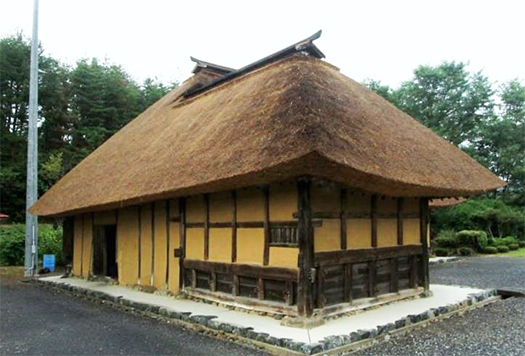
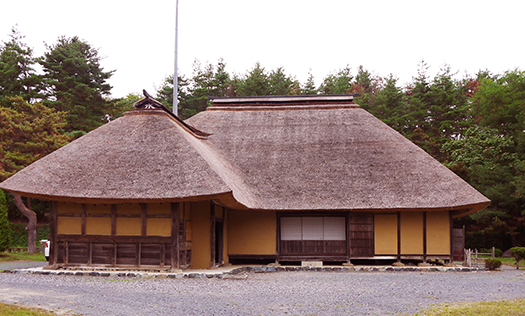
主に主屋は寄棟形状の長方形平面で、それに直角に「馬屋」が張り出す。
全体としてL字型形状を形成する。
現代の「地域型住宅」という施策とも通底する部分を感じる。
藩の政治が関与したとしても民の側に受容合理性がなければ
その住宅名称が今日に至るまで残るということはなかったことでしょう。
この建物は1750年頃に創建と伝えられていますが、
その時期がちょうど南部曲り家の発生時期に相当する初期型。
いかにも直屋に対して「継ぎ足しました」という外観ですが、
後代になっていくと突き出し部の屋根高さも主屋と同じレベルになって
いわば一体型L字住宅という形状になっていく。
そういう意味では発生過程の証人のような住宅と言えるのでしょう。

地方の農村地域にあって、ながく日本人にその外観印象を
住宅名称とともにポピュラーに刷り込ませてきた南部曲り家。
現代から見返すときに、先人の叡智を伝えてくれていると
いつもリスペクトさせられる存在であります。

English version⬇

[Hanamaki bent house / Ohara family house / Japanese good house ㉜-1]
News that mass vaccination has also begun in Tokyo and Osaka.
In Sapporo, inoculation tickets for people aged 75 and over have been distributed and telephone reception has begun.
There seems to be regional differences in vaccination,
Well, I guess I have to wait patiently.
It is said that the turmoil is remarkably subsided in the United States and the United Kingdom,
Mr. Biden, who met with Prime Minister Suga at the summit last month, was wearing a mask,
This time, we had a maskless talk with South Korean President Mun.
The situation is that the United States, which was a pandemic far beyond Japan, is gradually being restored.
I was talking to an acquaintance the other day and wondered why Japan’s vaccine development was so delayed.
He was angry, but due to past vaccine side reaction problems
The Ministry of Health, Labor and Welfare has not even received enough information that there is trauma in the Japanese medical community.
In peacetime, there is the goodness of a society that is careful and cautious like Japan,
The inability to do so may be the result of a torrential rainy social hysteria reaction.
Even Amatsu sighs when he gets angry that Japanese medical technology is like this.
I understand the feelings of other punishing emotions, but …
However, the fact that the “representative” of national affairs is not actively raising this issue
I wonder if it’s a little.

By the way, from today, the old folk house exploration series is again.
This time, it is the former Ohara family residence in the southern part of Iwate Hanamaki Towa.
In the sense that the clan’s name “Southern” is attached to the residential style
A private house style that remembers a little analogy with the “northern type house” in modern Hokkaido.
The “housing policy” of the Edo period is reminiscent of tiled roofs in metropolitan areas.
In the southern clan, this style was introduced in the middle of the Edo period with some involvement of the clan.
It is said that it happened.
Basically, the aspect of “encouragement of horse production” as an industrial policy was large.
The main building is a hipped-shaped rectangular plane, and the “horse shop” projects at right angles to it.
It forms an L-shape as a whole.
I feel that it is the same as the modern “community-based housing” policy.
Even if the politics of the domain is involved, if there is no acceptance rationality on the part of the people
The name of the house would not have remained to this day.
This building is said to have been built around 1750,
An early model whose time corresponds to the time when the Southern Curved House occurred.
It looks like “added” to Naoya, but
In later generations, the roof height of the protruding part became the same level as the main building.
So to speak, it will be shaped like an integrated L-shaped house.
In that sense, it can be said to be a house like a witness of the development process.

Impression of its appearance to Japanese people for a long time in rural areas
A southern bender that has been popularly imprinted with the name of the house.
When looking back from the present age, he conveys the wisdom of his predecessors.
He is always respected.

【世界情勢連動の「脱炭素」/対中無力化戦略】


きのう住宅業界の羅針盤・国の施策方向について書きましたが、
日本の脱炭素の動きの象徴として住宅省エネ基準に政治が
大きく関わってきていることの端的な表現だと思われます。
菅政権中枢や次期総理候補・河野大臣のリーダーシップで
住宅脱炭素化の号砲が放たれた。今の政権の意志と言える。
言うまでもなくこれは最大の同盟国アメリカの政権交代と
その新政権による方向転換のシンボルとして脱炭素が取り上げられていることが
非常に大きい要因だろうと推測できます。
アメリカ・バイデン政権の中核的な狙いは脱炭素を推進することでの
対中封じ込めだろうことが推測できる。
現代世界のCO2発生の最大排出国・中国を標的にしたものといえる。
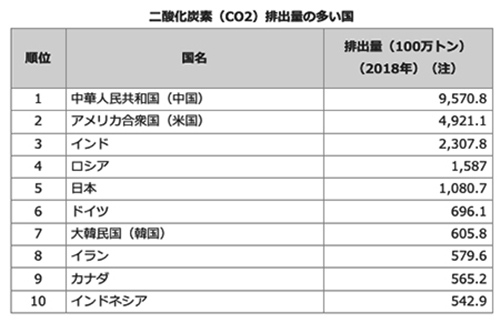
上の資料は外務省発表の「二酸化炭素(CO2)排出量の多い国」の表。
世界的なCO2排出規制論議の中で、発展途上国は責任を免除され続けてきた。
しかしCO2排出抑制には大きな社会的コストが避けられない。
そのための技術開発コストは企業にとって巨大な負担になる。
そういう企業にとってCO2排出が許される地域で製品を作ることは
市場経済での競争力獲得にとってマストの領域になる。結果、
中国は世界中の「製造業」にとってCO2コストの掛からない国として
大きな吸引力を持って世界の企業進出を受け経済利権を獲得してきた。
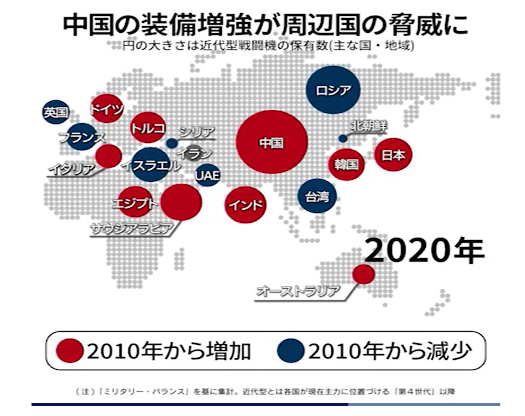
その国がいまや居丈高に軍事力を増強させ、周辺地域への拡張意図を
隠そうともしない強権国家になっている。

<ロイター発の資料より>
CO2排出削減という世界の崇高な理念がこういう鬼子を生んでいる。
こうした世界情勢の中でアメリカの政権として打ち出してきたのが
今回の「脱炭素」政策だといえるのでしょう。
表の通り中国はアメリカの2倍、日本の9倍近い排出量。
今現在の時点で中国に脱炭素を迫ることは、
アメリカを中心とする世界秩序体制にとっていわば最重要戦略。
基本的には誰にも否定しにくいテーマで対中封じ込めを図ろうとしている。
アメリカの政権としては脱炭素政策を進めても問題ない策もある。

基本的にはこういった構図のものとして理解すべきでしょう。
このことにはいろいろな考え方、見方があり得ると思いますが。
日本は「外圧」によって国の進路を大きく舵取りしてきた国であり
今回のこともそう考えれば、日本らしいとも思えます。
問題はこういう局面で、ホンモノの省エネ・CO2削減策を実現すること。
住宅に関わるすべての人にとって枢要なテーマだと思います。

English version⬇

[Movement of “decarbonization” linked to world affairs]
Yesterday I wrote about the compass of the housing industry and the direction of national policies.
Politics on housing energy saving standards as a symbol of Japan’s decarbonization movement
It seems to be an expression of something that has been greatly involved.
Under the leadership of Minister Kono, a candidate for the next Prime Minister
A house decarbonization gun was fired. It can be said that it is the will of the current administration.
Needless to say, this is the change of government of the United States, the largest ally.
The fact that decarbonization is taken up as a symbol of the change of direction by the new administration
I can guess that it is a very big factor.
The core aim of the U.S. Biden administration is to promote decarbonization
It can be inferred that it will be contained in China.
It can be said that it targeted China, the country that emits the largest amount of CO2 in the modern world.
The above material is “Carbon dioxide ( CO2) Countries with high emissions ”.
Developing countries have been exempt from liability in the global CO2 emission regulation debate.
However, large social costs are inevitable for controlling CO2 emissions.
The technology development cost for that is a huge burden for the company.
For such companies, making products in areas where CO2 emissions are allowed
It will be a must-have area for gaining competitiveness in the market economy. result,
China is a country with no CO2 costs for “manufacturing” around the world
It has acquired economic interests by entering the business with great attraction.
The country has now increased its military power to a high level and intends to expand to the surrounding area.
It has become a powerful nation that does not even try to hide it.
The world’s noble idea of ​​reducing CO2 emissions gives birth to this kind of demon.
In such a world situation, it was launched as the American administration.
It can be said that this is the “decarbonization” policy.
As shown in the table, China emits twice as much as the United States and nearly nine times as much as Japan.
Forcing China to decarbonize at this point is
So to speak, the most important strategy for the world order system centered on the United States.
Basically, we are trying to contain China with a theme that is hard for anyone to deny.
The US administration has some measures that can be taken without problems even if the decarbonization policy is promoted.

Basically, it should be understood as having such a composition.
I think there are various ways of thinking and perspectives on this.
Japan is a country that has largely steered the course of the country by “external pressure”.
If you think about this time as well, it seems to be Japanese.
The problem is to realize real energy saving and CO2 reduction measures in such a situation.
I think it’s a key theme for everyone involved in housing.