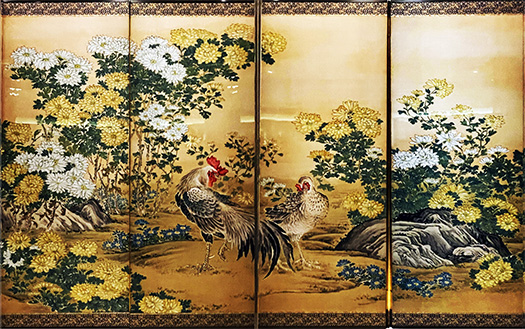
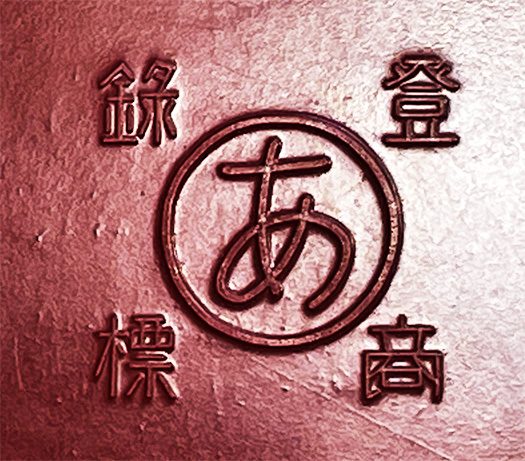
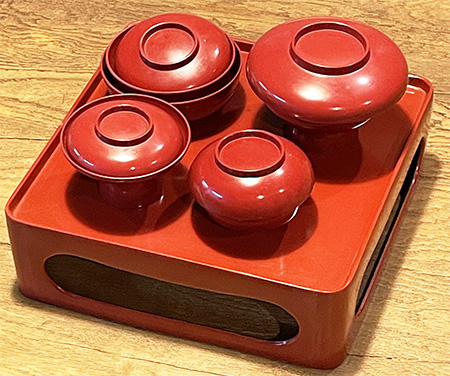
写真は10/24の拙ブログでも紹介の家系(わたしの長兄家)に伝承されていた朱塗り膳漆器とその底面に刻印されていたマーク。○に「あ」という文字が刻印され、その周囲に「登録商標」と刻印されている。阿賀屋という商家として、さまざまなマークを申請したなかでこれが認証された蓋然性・・・。
前回記事のときはわたしも見落としていた。というか、膳の底面までしっかり確認できていなかった。
家紋まで入れた漆器セットということの方に驚き「江戸期」制作なのかと推測していたのですが「登録商標」マークの確認で一気に家系探訪の物証として浮上してきた。
日本における「商標登録」制度とはどういう歴史的経緯だったか?
●商標登録制度の始まり(明治期)〜日本で法的に商標を登録する制度の初めての成立は明治17年(1884年)6月7日制定の「商標条例」による。
これは諸外国法制の影響を受け、商標保護の必要性が高まったことを背景に法制化された(特許庁)。商標制度の導入は外国製品との競合や国産品の模倣対策が背景。商標条例導入後、日本では登録制度に基づく「出願→審査→登録」制度が運用されるようになった(特許庁)。基本的な制度趣旨として、
1.早い者勝ちの登録原則(first-to-file)
2.申請には商標の図案+使用商品分類を添付
3.他の登録と類似する商標、一般的な名称・地名・人名などは登録不可
4.登録商標は後の権利侵害防止に利用可能(独占的使用の根拠)
これらはその後の商標制度にも引き継がれている(特許庁)。
このマークは以下の意味から「初期商標実物の物証」として評価できる可能性がある。
・商家が商標登録の実行(出願・認可)に対応していた可能性を示す。
・明治期の「商標条例(1884)」〜初期商標登録の実際の利用を示す物証。
・商品印・什器(漆器)に刻印して出所証明として使われた可能性。
当時、商家にとっては渇望の「権利」認証として沸き立っていたとのこと。
江戸期からの地域商家として国の動向に強い関心を持ち、即応して権利取得に動いた状況がありありと思い浮かんでくる。う〜む、であります。
きのうは六世の祖について書きましたが、どうも曾祖父・祖父が関与した物証。もちろん当事者の家系すら忘れていたくらいなので、権利としては消滅しているでしょうが、国家制度という枠組みからさまざまな「確定」情報が保存されている可能性が高い。どのようにこれを探究するか、検討開始です。
・・・家系先祖さまからの「木霊〜こだま」かなぁ?
●お知らせ
拙書「作家と住空間」幻冬舎から電子書籍で発刊
お求めはAmazonで。
https://amzn.asia/d/eUiv9yO
English version⬇
【Stunned by the “Registered Trademark” Mark / “Lacquerware Tray with Family Crest”】
Following yesterday’s discovery of my sixth-generation ancestor’s handwritten document, now comes “material evidence” from my great-grandfather and grandfather. Traces of compliance with the 1884 “Trademark Law.” Embarking on a quest for information preserved by the state. …
The photo shows the vermilion-lacquered tray passed down in my family lineage (my eldest brother’s household), featured in my blog post on October 24th, along with the mark engraved on its underside. It bears the character “あ” within a circle, surrounded by the words “registered trademark.” Given that the merchant house Aga-ya applied for various marks, it’s likely this one was certified…
I had overlooked it myself in the previous article. Or rather, I hadn’t thoroughly examined the underside of the tray.
I was more surprised by the fact that it was a lacquerware set featuring a family crest, and I had speculated it might have been made during the Edo period. However, confirming the “Registered Trademark” mark suddenly elevated it as tangible evidence for tracing my family lineage.
What was the historical background of the “trademark registration” system in Japan?
● Beginnings of the Trademark Registration System (Meiji Period) ~ The first legal system for registering trademarks in Japan was established by the “Trademark Ordinance” enacted on June 7, 1884 (Meiji 17).
This legislation was influenced by foreign legal systems and enacted against a backdrop of growing necessity for trademark protection (Japan Patent Office). The introduction of the trademark system was driven by competition with foreign products and countermeasures against imitations of domestic goods. Following the introduction of the Trademark Ordinance, Japan began operating a registration-based system involving “application → examination → registration” (Japan Patent Office). The fundamental principles of the system were:
1. A first-to-file registration principle
2. Applications required submission of the trademark design + classification of goods/services
3. Trademarks similar to existing registrations, generic terms, place names, or personal names were ineligible for registration
4. Registered trademarks can be used to prevent subsequent infringement (basis for exclusive use).
These principles have been carried forward into subsequent trademark systems (Japan Patent Office).
This mark may be evaluated as “physical evidence of an early trademark” for the following reasons:
・It indicates the merchant may have pursued trademark registration (filing and approval).
・It serves as physical evidence demonstrating the actual use of early trademark registrations under the Meiji-era “Trademark Ordinance (1884)”.
・Possibly used as proof of origin by stamping on product seals or utensils (lacquerware).
At the time, it seems merchants were fervently pursuing this coveted “rights” certification.
One can vividly imagine the situation: as a regional merchant since the Edo period, they closely followed national developments and promptly moved to secure rights. Hmm, indeed.
Yesterday I wrote about my sixth-generation ancestor, but this seems to be evidence involving my great-grandfather and grandfather. Of course, since even the family line of the parties involved has been forgotten, the rights have likely expired. However, it’s highly probable that various “confirmed” details remain preserved within the framework of the national system. How to explore this—time to start considering.
…Could this be an echo from my ancestral family line?
●Notice
My book “Writers and Living Spaces” published as an e-book by Gentosha
Available on Amazon.
共有:

Posted on 12月 17th, 2025 by 三木 奎吾
Filed under: 未分類 | No Comments »