
本文へジャンプ

【来週は NexTechWeek2025 で晴海ビッグサイトへ】


 さて、このところ著作の「作家と住空間」発刊のいろいろな作業が続いていましたが、ようやく一段落付いてきた。
 一方で「Replan住まいナビ」の開発局面で協働していたIT企業「調和技研」さんが出展される表題のAI関係イベントに関連企業として協賛参加する予定です。会期は4/15から4/17までで会場は東京晴海の「東京ビッグサイト」。
 ソフト開発局面でさまざまなAI技術が活用されたのですが、それらについて調和技研さんから技術特許にからんだ動きがありました。詳細については主たる申請者の調和技研さんのAI研究の先端部分なのでお任せするとして、わたしどもはその開発に当たって画像情報を提供した協働者の立場となった次第。
 で、この展示会に「出展者」側の立場で参加することになります。
 個人としては電子書籍出版というように、どちらかというと「文系」の指向性が高いタイプですが、今回はそういった流れで新たな可能性を探索するような意味合いで、働きかけてみようということになったのです。
 技術的なことについてはもちろん調和技研さんの領域ですが、AI技術を「どう活用するか」「タイアップ可能な部分は?」と考える多くの企業との対話接触というのがわたしどもの役割ということ。
 こういった展示会については一度出展者側として参加しましたが、よもやこの歳になってそれもAI関係のイベントに再度の参加とは、予想を超える展開になっております。まぁしかし「個人企業」なので、要請があれば可能な限りお役に立てられればと思っています。直接AIの中身というよりも、その技術を使って具体的にどういう「活用方」があるのかと考えるみなさんとお会いできて経験知の共有をさせていただければありがたいと思っています。もし、多少なりともご興味のおありの方は会場で、よろしくお願いします。
 ・・・なんですが、そういうことでこの準備作業も同時進行したので、仕事人生に一定の区切りのついた人間としては目の回るような忙しさに突入してしまった。その準備そのものが大変で心労が多い。しかし、いざ本番となってしまえば開き直って、ただ夢中になるもの。頑張りたいと思います。

English version⬇

Next week, we will be at Harumi Big Sight for NexTechWeek2025.
We will participate in the role of navigator for visiting companies in our capacity as an experienced person in creating contacts between AI and market needs. We look forward to meeting new people. …

 Various work on the publication of my book “The Writer and the Living Space” has been going on recently, but it has finally come to an end.
 On the other hand, as a related company, we are planning to take part in the AI-related event entitled ‘Replan Sumai Navi’, in which the IT company ‘Harmony Giken’, with which we collaborated in the development phase of ‘Replan Sumai Navi’, will participate as a co-sponsor. The event will be held from 15 to 17 Apr at Tokyo Big Sight in Harumi, Tokyo.
 Various AI technologies have been used in the software development phase, and Harmonisation Institute of Technology has made a move in relation to technical patents for them. We left the details to the Harmonisation Research Institute, the main applicant, as it is the leading edge of AI research, and we were in the position of a collaborator who provided image information for the development of the software.
 So, we will be participating in this exhibition as an “exhibitor”.
 As an individual, I am more of a “humanities” oriented person, as in e-book publishing, but this time I decided to work in that vein, in the sense of exploring new possibilities.
 Of course, technical matters are the domain of the Harmonisation Institute of Technology, but we also wanted to get in touch with a number of companies that are thinking about how to utilise AI technology and what areas are open for tie-ups. Our role is to establish a dialogue with many companies that are thinking about how to utilise AI technology and what are the possibilities for tie-ups.
 I have participated in such exhibitions as an exhibitor once before, but to participate in an AI-related event again at my age is a development beyond my expectations. Well, however, as a “private company”, we hope to be of as much help as possible if requested. I would be grateful if I could meet and share my experience with those who are thinking about how to use the technology in a concrete way, rather than directly about the content of AI. If you are interested in this event in any way, please come and join us at the venue.
 I’ve been working on this at the same time, so as a person who has reached a certain point in his working life, I’ve been plunged into a dizzying amount of work. The preparation itself is hard and heartbreaking. But when it comes to the actual work, you have to open up and just get into it. I’m determined to do my best.

【ハクチョウが泥濘のなかでついばんでいるものは?】


 宮島沼の探訪では今回、学芸員とおぼしき方から鳥の生態について説明を受けることが出来た。わたしたち夫婦のような「なんとなく鳥ってかわいい」くらいの人間には非常にためになった。
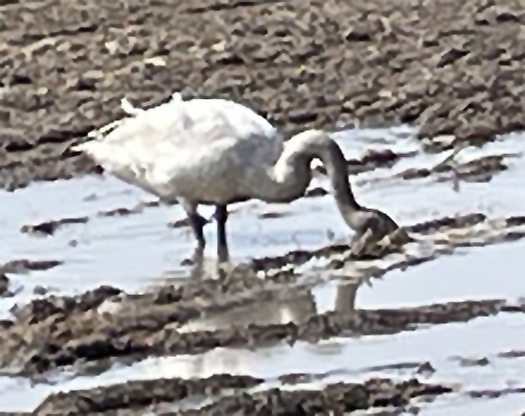
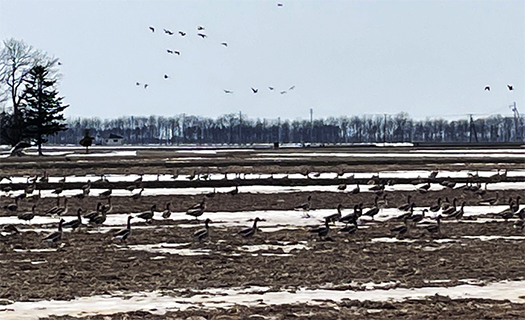
 今回宮島沼の訪問時間は真昼時間だったので、鳥たちは沼にはいなくて、周辺の田畑、それもまだ北海道らしく耕作着手前の泥濘状態に広く展開していた。そこで目敏く発見したハクチョウたちの群。あまり警戒されないようにしずかに近づいてみると、ごらんのようなポーズで一心不乱に泥濘に首を突っ込んでいる。
 足が折れてやがて化身したとされるヤマトタケルは、やはりハクチョウに変身したのではないかと勝手に想像しているけれど、そうしたハクチョウもおなかは空く。さてこのポーズでなにを食しているか。
 学芸員の方からの説明・受け売りでは、土中の昆虫類を食べているのではないかというわたしたち夫婦の素朴な決め込みは大きな間違いで、かれらハクチョウは「草食性」であるので、植物の根の残骸を探し当てているのだと。そしてそれを器用に解体処理させながら、口中に捕食していくのだというのですね。
 そういう知識を持って見返すと、すこしだけハクチョウさんたちとの距離感が狭まった気がしてくる(笑)。
 畠などで前年の耕作作物の根の部分は翌年以降の栽培のための「肥料」として残置されるのでしょうが、まぁ特段残っている必要もないのでしょう。むしろ、こうしてハクチョウたちがついばんでくれることは、整地作業のヘルプにもなるのでしょう。人間と自然動物との協働。
 そんなふうにとらえ返せると、ハクチョウたちへの視線にもある感謝の感情が湧いてくる。ありがとね、君たちのおかげで人間の手間が削減されているよ、と。
 でも、大空を飛ぶほどのあれほどの運動活性の動物が草食性というのも、すごいことかと。
 しかしそこから日本の基盤である栽培農業の田畑に対して、かれら渡り鳥たちが果たしてくれてきた協働ということに思いが向かっていくと、なにか深遠な光景もほの見えてくる。ヤバい、鳥たちへの愛が・・・。

English version⬇

What do swans peck at in the mud?
The relationship between migratory birds and human agriculture, which has continued uninterruptedly in archipelagic societies. The birds’ casual poses are endearing. …

 During our visit to Miyajima Swamp, we were given an explanation of bird ecology by a person who appeared to be a curator. This was very useful for people like us who only know that birds are kind of cute.
 The birds were not in the swamp because it was midday when we visited Miyajima Swamp this time, but in the surrounding fields, which were still in the muddy state before they were ploughed, as is typical of Hokkaido. A flock of swans was spotted there. I approached them quietly so as not to alarm them too much, and found them in the same pose as you can see, poking their necks into the mud with a single-minded devotion.
 I imagine that Yamatotakeru, whose leg is said to have been broken and eventually transformed into a swan, was also transformed into a swan, but even these swans are hungry. What are they eating in this pose?
 The curator explained to us that our naive assumption that they eat insects from the soil was a big mistake, as these swans are herbivores and search for plant root debris. They then dexterously dismantle them and feed on them in their mouths.
 When I look back at the swans with this knowledge, I feel that I have become a little closer to them (laughs).
 The roots of the previous year’s crops are probably left as “fertiliser” for the following year’s cultivation, but there is no particular need for them to remain. The swans’ pecking helps with the land preparation work. Cooperation between humans and animals.
 If you look back at it in this way, a certain feeling of gratitude comes to your gaze. Thanks to you, we are able to reduce the amount of work humans have to do.
 But I also think it’s amazing that an animal with such athletic activity that it can fly so high in the sky is also herbivorous.
 However, when I think about the cooperation that these migratory birds have provided to the fields of cultivated agriculture, which is the foundation of Japan, I begin to see a profound picture. Oh no, my love for birds…

【マガンたちの旅路 宮城県伊豆沼〜北海道宮島沼】


 渡り鳥たちと人間社会との間に、なにか響き合う関係性のようなものはあるのだろうか?
 きのう、ヤマトタケルの最期、鳥に変身して大空のかなたに飛び去っていくという古事記の一節を書いたけれど、日本という極東の島国での渡り鳥を連想させる文学的表現の嚆矢だったかと。
 日本がアジア世界における外交関係を明確に意思しはじめ当時の中華世界の国際的秩序体制に参画していく段階で、国としてのアイデンティティを問われた。古事記はそういった必要性から編纂が始められた経緯。そのことは同時に日本語という言語を、漢字という輸入文化体系をもって書きコトバとしても成立させることにつながった。
 そういう背景事情の中で言語創造・確定作業が進められた。ヤマトタケルの一節はそのときに「文学」の嚆矢として生み出された説話なのだろう。神武帝の八咫烏や民話のツルの恩返しなどと同様に、鳥に神格性・文化性を与えることには社会的なある蓋然性・共通認識があったのだと考えられる。この列島に暮らす人びとの共通的な文化常識の基盤に「渡り鳥」などの知識が共有されていたと認められるのではないか。
 当時の一般人が広く認識していたこうした事象を伏線に取り入れることで、納得や共感の思いを刺激させたと考えられる。こういう営為によってこの国・社会で文学表現が生まれ出ていった。いやそもそも、音楽や楽器のない時代、自然の中でさまざまな「歌声」を響かせている鳥たちは、音楽性や「訴求力」において圧倒的な共通精神文化の基底になっていったことが想像できると思う。


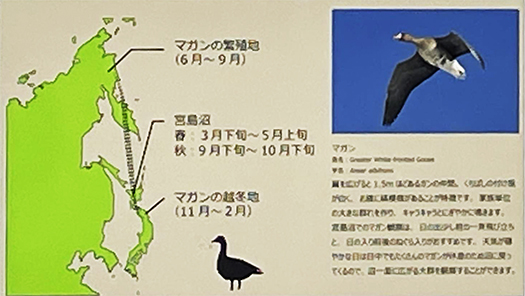
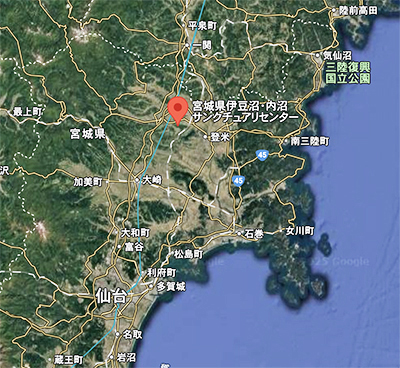
 ちょうど、わたしのことしの移動行動で2月最終週に仙台に移動して、クルマで移動しながら宮城県の「伊豆沼」周辺を通過していたけれど、そのときにはそうとは気付かなかったが、大量のマガンたちの群舞を上空に認識させられていた。かれらは、越冬地として伊豆沼をポイントとしているのだ。その後かれらと、約1ヶ月経って今度は北海道宮島沼周辺で「再会」していた可能性が高い。自然の呼び声。
 わたし個人の通常意識では不明だったけれど、その基底にある「なんとなくなつかしい」みたいな心象では「符合」を強く感じさせられていたのだ。
 古事記成立の頃の一般人は、現代のわれわれよりもはるかにこういう自然の「リズム」に敏感だったに違いない。そしてそういう認識力に訴求させながら日本語言語文化は揺籃されていったのではないか。そのような思いに深くとらわれ始めております。さていかに。

English version⬇

[The journey of the geese Izunuma, Miyagi Prefecture – Miyajima swamp, Hokkaido, Japan]
Cultural events in the sensitivity domain, such as the musicality and rhythm of nature conveyed by birds. The birds’ journey from Izunuma, Miyagi Prefecture to Miyajima Swamp, Hokkaido, Japan] Cultural events in the sensitivity domain, such as the musicality and rhythm of nature conveyed by birds. …

 Is there any kind of resonant relationship between migratory birds and human society?
 Yesterday, I wrote about the passage in the Kojiki where Yamatotakeru transforms into a bird at the end of his life and flies away into the sky, which I thought was a pioneering literary expression evoking migratory birds in the Far Eastern island nation of Japan.
 Japan’s identity as a nation was questioned as it began to clearly define its foreign relations in the Asian world and participate in the international order system of the Chinese world at the time. The compilation of the Kojiki was initiated out of this need. At the same time, this led to the establishment of the Japanese language as a written language with the imported cultural system of kanji.
 It was against this background that the work of creating and establishing the language was carried out. The Yamatotakeru passage was probably a pioneering piece of “literature” produced at that time. As with the yatagarasu of the Jinmu Emperor and the folk tale of the repayment of the crane’s favour, it is thought that there was a certain social probability and common understanding in giving the bird a divine and cultural status. It may be accepted that knowledge of ‘migratory birds’ etc. was shared as the basis of a common cultural common sense among the people living in this archipelago.
 By foreshadowing these events, which were widely recognised by the general public at the time, it is thought that they stimulated feelings of acceptance and sympathy. This kind of activity gave birth to literary expression in this country and society. In the first place, in an age when there was no music or musical instruments, it is possible to imagine that birds singing various “songs” in nature became the basis of an overwhelmingly common spiritual culture in terms of musicality and “appeal”.

 I had just moved to Sendai in the last week of February as part of my migratory activities and was passing around Izunuma in Miyagi Prefecture by car, when I was made aware of a large number of geese dancing in the sky, although I did not realise it at the time. They use Izunuma as a wintering ground. It is highly likely that they were “reunited” with them about a month later, this time around Miyajima Swamp in Hokkaido. The call of nature.
 Although it was unknown to my personal consciousness, I had a strong sense of “coincidence” in my underlying mental image of “somehow nostalgic”.
 The general public at the time of the establishment of the Kojiki must have been far more sensitive to these natural “rhythms” than we are today. The Japanese language and culture must have been cradled in appeal to this kind of awareness. I am beginning to be deeply seized by such thoughts. So, what do you think?


【北の春 渡り鳥を宮島沼に訪ねて逍遥】


 古事記のなかで、全国を遠征して各地域の豪族を平らげたヤマトタケルが、大和にむけての帰路、尾張国を去った頃、海辺の道をたどっていくと徐々に足が折れてしまって、やがてその姿が鳥になっていって、多くの人びとがその鳥の行く手を追ったけれど、やがて大空高く、見失ってしまうという有名な一節がある。
 そのテーマ性と表現において、古事記の文学としての中核を構成している。
 日本列島では古来から「渡り」をする鳥たちの「風物詩」がひとびとの心象を深くえぐっていたことがわかるし、現代人であるわれわれもまた、その心象世界にふかくとらわれているのだと思う。
 そんな心理があって、加齢とともに鳥たちの様子に愛情を感じてしまってきている。
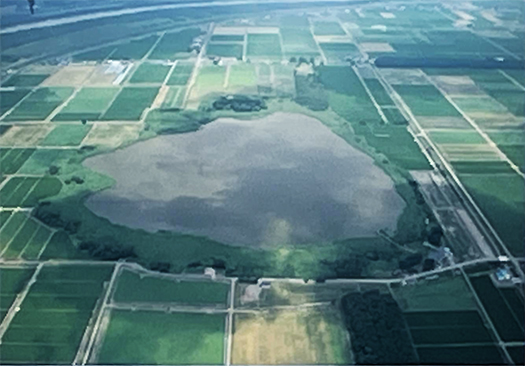
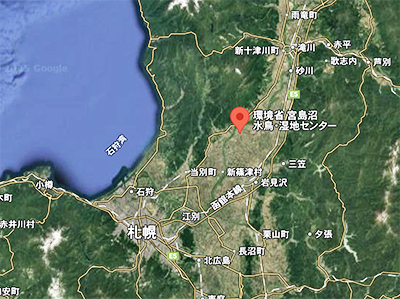
 北海道の地では、空知平野が樺戸山系と出会う湿地に「宮島沼」があって、日本列島とシベリアとを往来する渡り鳥たちの楽園として知られている。
 クルマ社会という移動手段の発展した現代に生きる人間習慣として、この宮島沼への往来が楽しい。
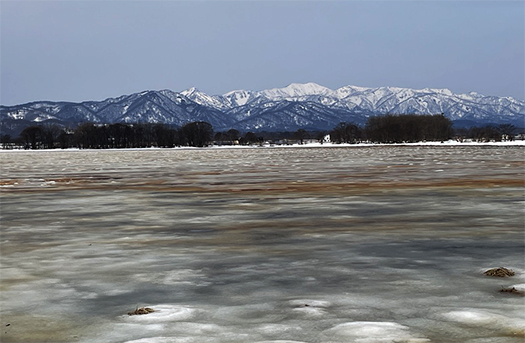
 上の写真は宮島沼の近く周辺の畑地に蝟集していた「マガン」たちの群。そして下の写真は到達した宮島沼から北方に位置する樺戸の山々の春の雪景色と、この時期の宮島沼の七色の水面。
 わたしの幼年期、母はその実家が空知平野の中央にある三笠にあって、末っ子であるわたしだけを連れて、夫婦ケンカの「停戦期間」を過ごすことが多かった(笑)。かわいい末っ子を人質に取られて父親が悲鳴をあげて詫びてくることが日常的風景だったのだろう。
 その母の実家滞在時、よく西北方に位置する「連山」としてこの樺戸山系を見ていた記憶残像がある。
 たぶん山並みというのものの形象を、人類というのは克明に記憶する動物種のように思える。地球動物種の中で稀有なグレートジャーニーという「五大陸制覇」を成し遂げたDNA内部で、そういう能力が発達したのではないか、そしてそういう能力に秀でた個体が、人類集団の指導層として導いていたのではないか。
 その心意伝承として、渡り鳥たちへの畏敬の念、感傷の感覚が人間には積層しているように思える。
 とにかく宮島沼と鳥たちの様子にどんどん気持ちがのめり込んできてしまっている。幸いに、カミさんもそういう心理に同調してきてくれている。シアワセ。

English version⬇

[Northern spring Migratory birds visit Miyajima swamp and flounder]
A famous passage in the Kojiki that respects migratory birds as a human psychological tradition of this archipelago society. It is a major part of the Japanese mental image connected with eternity. …

 In the Kojiki, when Yamatotakeru, after having conquered the powerful tribes of each region in his expedition across the country, left Owari Province on his way back to Yamato, his legs gradually broke as he followed the road by the sea, and eventually his figure became a bird, and many people followed his path, but eventually lost sight of him high in the sky. There is a famous passage in which the bird is lost in the sky.
 In its thematics and expression, it constitutes the core of the Kojiki as literature.
 It is clear that since ancient times, the “genre” of migratory birds has deeply affected people’s mental images of the Japanese archipelago, and we, as modern people, are also deeply caught up in this world of mental images.
 Because of this, as we age, we feel more and more affection for the birds.
 In Hokkaido, Miyajima Marsh, a wetland where the Sorachi Plain meets the Sakhalin Mountains, is known as a paradise for migratory birds that come and go between the Japanese archipelago and Siberia.
 As a human habit in today’s developed car-oriented society, it is a pleasure to visit the Miyajima Swamp.
 The photo above shows a flock of geese gathered in a field near Miyajima Swamp. The picture below shows the spring snowy landscape of the Kabado mountains to the north of Miyajima-swamp and the seven-coloured surface of Miyajima-swamp at this time of the year.
 During my childhood, my mother’s family home was in Mikasa, in the middle of the Sorachi Plain, and she often took only me, her youngest child, with her for “truce periods” in their fights (laughs). It must have been a daily scene for the father to scream and apologise for taking his cute youngest child hostage.
 When I was staying at my mother’s house, I often saw the Kabado mountain range as a “mountain range” located in the north-west.
 Humans seem to be an animal species that remembers the shapes of mountain ranges very well. This ability may have developed in the DNA that enabled them to conquer the five continents on their Great Journey, which is rare among the animal species of the earth, and individuals who excelled in this ability may have led the human group as its leaders.
 It seems that humans have a layered sense of awe and sentimentality towards migratory birds as part of their psychic tradition.
 In any case, I am becoming more and more absorbed in the Miyajima Swamp and the birds. Fortunately, my wife is getting in tune with this kind of psychology. She is very happy.
 

【休日はサクラ前線に気を掛けてみる】


 先週の東京出張では都内〜山中湖周辺など各所でサクラの開花をウォッチしておりました。北海道に暮らす地方人としては、しかし結局は自分の住んでいる場所でのサクラ開花が本当の意味での「春の訪れ」。
 エトランゼとして過ごしている、という意識を持ってサクラを見ているとそれはまるで絵画を鑑賞しているような気分で見ていることに気付かされるのですね。心象の底で「いいなぁ、こんな良い季節がこちらではもう始まっているのですね」という気分。見ていながら一方で、北の地での風雪にいまだにふるえている桜の木のことが気に掛かっているのです。一種の地元愛なのでしょうか。
 で、そうした思いの末に咲いてくれる地元のサクラたちに感謝の思いがより募ってくる。
 たぶん日々の様子を書き続けるブログで冬の間は、雪との否応ない「対話」が表出されるので、そういったリアルな「自然との対話」の心象が大きな残影としてベースにあって、そこにサクラの開花という開放感が心象に彩られていくのでしょう。雪という陰影が強く働いているのでしょうね。
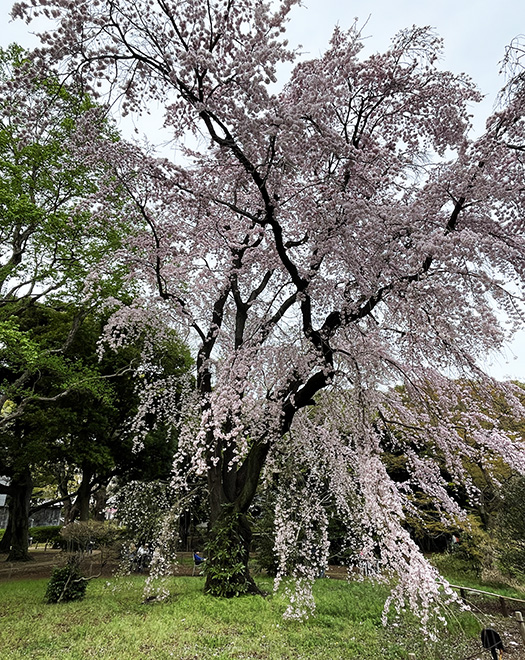
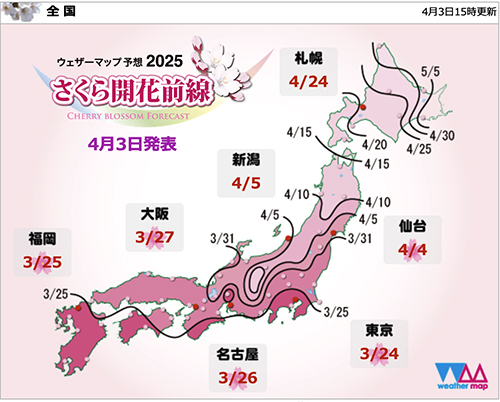
 上の写真は好天だった上野の博物館の庭桜。一方その下は、気象庁発信のサクラ前線図4/3版。
 どうやら前線はいま仙台を通過して岩手県南部地域を北上中のようです。弘前に、いつごろ到達するのかというのがリアルタイムなのでしょうか。
 スケジュール的には中旬にわたしはふたたび東京出張があり、ビッグサイトでのAIイベントに出展者側として参加予定。その対応が終わって、ようやく下旬には「地元」エリアでの観桜の予定を立てております。加齢の年数毎にサクラとの出会い、その心象にはコントラストが深まっている。そういう一期一会感がどんなものになるのか、やはり待ち遠しい。

 ブログ最後コーナーには拙著の宣伝。どうぞよろしく。作家と住空間【販売ページ】

English version⬇

The sakura front is a strong emotional attachment to the sakura front that awaits its arrival in the north, even though the sakura blooms are seen earlier in Tokyo. A unique maternal yearning as a Hokkaido-er. Hokkaido.

 During my business trip to Tokyo last week, I watched sakura blooming in various places in Tokyo and around Lake Yamanaka. As a local living in Hokkaido, however, the true ‘arrival of spring’ is the blossoming of sakura in my own place of residence.
 When you look at the sakura with the awareness that you are spending your time as an étranger, you realise that you are looking at the sakura as if you were admiring a painting. At the bottom of your mind’s eye, you feel ‘I love it, such a good season has already started here’. While watching the paintings, on the other hand, I am concerned about the cherry blossom trees that are still suffering from the wind and snow in the northern part of the country. Is it a kind of local love?
 And after such feelings, I feel more and more grateful for the local cherry trees that are blooming.
 Perhaps because the blog, in which I continue to write about my daily life, is a place where I have an undeniable “dialogue” with the snow during the winter months, the image of such a real “dialogue with nature” is at the base of the blog as a large aftershadow, which is then coloured by the openness of the blossoming sakura trees. The shadow of snow must be working strongly.
 The photo above shows the garden cherry blossoms at the museum in Ueno, where the weather was fine. Below is the 4/3 version of the cherry blossom front map from the Japan Meteorological Agency.
 It seems that the front has now passed through Sendai and is moving northwards through the southern part of Iwate Prefecture. I wonder when it will reach Hirosaki in real time.
 In terms of schedule, I will be back in Tokyo in the middle of the month and will participate in the AI event at Big Sight as an exhibitor. After that, I am finally planning to go to my “local” area to see the cherry blossoms in the end of the year. With each passing year of ageing, the contrast between encounters with sakura and the mental image of them deepens. I still can’t wait to see what that kind of once-in-a-lifetime feeling will be like.


【久しぶりに朋友と昵懇〜二日酔い(笑)】


 きのうは夕刻から朋友が訪ねてくれて、わが家で会食。かれは持病があって会食などの翌朝には相当の苦悶が訪れるので、自粛を続けているということですが、あえて来てくれた。
 手料理でおもてなしさせてもらったけれど、いちばん喜んでくれたのはシメの蕎麦のつゆ。これは楽しく作っておいたヤツで、ベースの出汁をしっかり取って、大量の本格カツオ節で仕上げてみた。すっかり気に入ってくれて、どんどんおかわりが続くのでカミさんはわんこそば給仕状態(笑)。その上、帰りにはこのつゆをフリーザーパック2枚重ねで持ち帰ってくれた。
 お酒はリクエスト通り、日本酒。それも「大吟醸」ではないものを、ということで北海道の定番の「国稀」を中心に、新規購入の「法螺吹き」〜富良野の方の酒元〜などを味わってもらいました。酒好きは、こういうネーミングにもそそられるものなので、案の定破顔一笑しておりました。
 ということで久しぶりの楽しい夕餉だったのですが、おかげさまで本日は久しぶりに二日酔い。
 朋友と語らっての深酒だったので、人生70年以上ちかくの話題のあれこれで、タイムマシンという「乗り物」に酔っていたとも言えますね(笑)。初めて聞く出生時期の話題、祖父との逸話という話題も交えて話が尽きない。かれはボクシングが好きなんだけれど、同時代のわたしとか多くの友人たちは「プロレス」がわかりやすいエンタメスポーツだったところ、なんとかれの故郷ではプロレス中継の日テレ系列の電波が届いていなかった(!)とのことでした。
 そういう人生の機微・機縁というようなものまで存分に語り合うことが出来た。深くオモシロい。
 語るまでもなく、わたしの「人生まとめ企画」電子出版を祝ってくれたのでありますが、こういうこともまた「一里塚」。棺桶の蓋が閉じられて布をかぶせられるまで、存分に試行錯誤を重ねて、お互いに一病息災で頑張っていきたいと思っておりました。ブログ記述が遅れまして失礼。
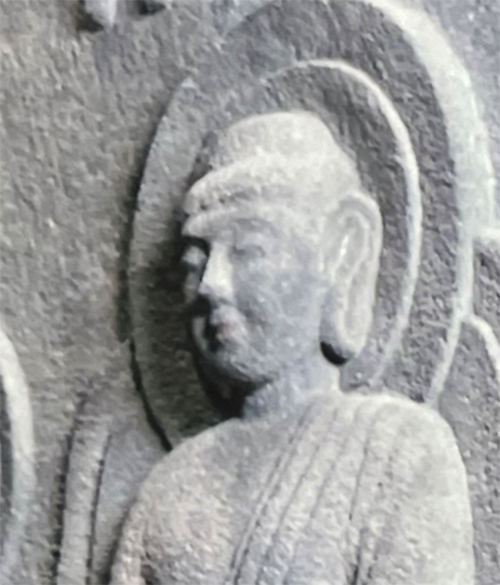
 写真画像は「伝・額田王」の石像表現。しみじみとつたわってくるものにうたれます。

English version⬇

[Close friend for the first time in a long time – hangover (laughs)]
A strange life in which I fell in love with boxing because I couldn’t watch professional wrestling on TV (laughs). The subtleties of life and honest talk exploded. He has crossed a milestone and will continue to do so. …

 Yesterday evening, a friend of mine visited me and we had dinner at my house. He has a chronic illness that causes him considerable anguish the morning after a dinner party, so he has been refraining from such events, but he dared to come.
 I entertained him with home-cooked food, but what he enjoyed most was the soba noodles I made for the end of the meal. I had prepared it with a base soup stock and a lot of bonito flakes. They liked it so much that they kept having more and more orders, so Kami was like a wanko soba waiter (laughs). She even brought home two freezer packets of the sauce on her way home.
 The sake was Japanese sake, as requested. We asked for something that wasn’t a “daiginjo”, so they tasted mainly “Kuniumare”, a standard sake from Hokkaido, and a newly purchased “Hourabuki” – a sake brewer from Furano. Sake lovers are intrigued by such names, so as expected, they were all smiling.
 So it was a pleasant dinner after a long time, but thanks to that, I was hungover today for the first time in a long time.
 I could say that I was drunk on a time machine, a ‘vehicle’, because I talked with my friends and drank deeply, and we talked about topics that had been discussed for more than 70 years of my life (laughs). (Laughs). We talked endlessly about topics such as the time of his birth, which I had never heard of before, and anecdotes about his grandfather. He liked boxing, but in his hometown there was no signal from the Nittele network for pro-wrestling broadcasts (!), whereas I and many of my friends at the same time found “pro-wrestling” an easy-to-understand entertainment sport. He told me that he could not receive the Nittele signal for pro-wrestling broadcasts in his hometown.
 We were able to talk about such subtleties of life and fate to the fullest. I am deeply grateful.
 Needless to say, they celebrated the electronic publication of my “life summary project”, which is also a “milestone”. Until the coffin lid is closed and the cloth is put over the coffin, I would like to keep on trying and trying to keep on trying and trying to keep on trying until we both get well. Sorry for the delay in writing this blog.
 The photo image is a representation of a stone statue of “Den Nukata Ou”. I am deeply moved by what is being conveyed to me.

【「作家と住空間」への反響、深く感謝します】


 発売の情報の確認とか、電子書籍の場合は書店流通の紙の書籍とは違いがあり、その出版社によってもスタイルに違いもあるので、なかなか情報公開のタイミングが難しかった。 これからはジミジミと情報を上げていきたいと考えておりますので、よろしくお願い申し上げます。
 さっそく関連しての「お申し出」をいただいたりして、そうした対応も一気に押し寄せてきて、昨日は1日中、目の回るような忙しさ。個人的な情報伝達としてメールのお知らせ送信なども始めているのですが、メールという手段も始まってから30年以上が経過しているので、そのアドレスがそのまま使われているのかどうか、なかなか確かめる術はないことに気付かされます。
 わたし自身でも、miki@mkjj/co.jpに徐々に移行させていますが、2年前まで使っていたmiki@replan.co.jpの時代も30年近い。わたしの場合は古い方でも着信出来る環境ですが、一般にはそういうのは珍しい部類。メールの名簿ソフトに格納されたアドレスをにらみながら、あいうえお順に情報拡散を続けておりますが、たぶん丸3日くらいは掛かりそう。
 わたしたちの生きてきた時代で起こった「IT革命」はまだまだ変容・流動していくでしょうから、個人としての人生サイズで完全対応させていくことは困難になっていくでしょう。深く実感。
 なんですが、みなさんからのあたたかいリターンには本当に癒されます(笑)。勝手に「人生まとめ企画」というようにネーミングしましたが、これから多くの人間がこういった局面でのツールも電子形態に移行していくのが趨勢でしょう。そんなことから紙の本ではなく電子形態一択での流通を選択してみたのですが、案の定「紙の本は・・・」という反応もチラホラ散見されます。だいたい同年代で2割くらいの比率でしょうか。業界的にも紙の形態から電子の形態に大きく移っていく過渡期。
 こういう時代感も期せずして身に降りかかってくる。なかなか得がたい体験であります。
 ブログの末尾に一応、電子書籍の販売窓口のURLを常設しておきます。どうぞよろしく。

【販売ページ】・Amazon(kindle)  https://amzn.asia/d/eUiv9yO

English version⬇

[We deeply appreciate the response to The Writer and the Living Space]
We are in the midst of an era in which everything is shifting to digital forms. Various reactions clearly indicate the way in which the imadvertising is being received. …

 It has been difficult to confirm the release of information, and the timing of information release has been difficult because e-books are different from paper books distributed in bookshops, and there are also differences in style depending on the publisher. From now on, we would like to release more information slowly, so thank you for your cooperation.
 We immediately received a number of related offers, which we had to deal with in one fell swoop, and yesterday was a dizzyingly busy day. I have also started sending email notifications as a way of communicating personal information, but as it has been more than 30 years since email was first used, I realise that there is no way of checking whether the address is still in use.
 I myself have been gradually migrating, but it has been almost 30 years since I used to use it until two years ago. In my case, I am in an environment where I can receive incoming calls even with the old one, but in general that is a rare category. I am continuing to spread the information in order of the order in which the addresses are stored in the email list software, but it will probably take at least three full days.
 The “IT revolution” that has taken place in our time will continue to change and evolve, and it will become increasingly difficult to fully cope with it in the size of an individual’s life. Deeply felt.
 But I am really healed by the warm returns from everyone (laughs). I have taken the liberty of naming it the “Life Summary Project”, but the trend will be for many people to shift their tools for these aspects to electronic formats. We have chosen to distribute the book in electronic format instead of paper format, but as expected, we have received a few responses saying that paper books are… I would say that the ratio is around 20% of the same age group. The industry is in the transitional phase of a major shift from paper to electronic formats.
 This sense of the times also comes upon me unexpectedly. It is an experience that is hard to get.
 At the end of this blog, I have put the URL of the e-book sales office. Please take a look.

Sales page
・Amazon(kindle)  https://amzn.asia/d/eUiv9yO

【人生まとめ企画 電子書籍「作家と住空間」発売開始】


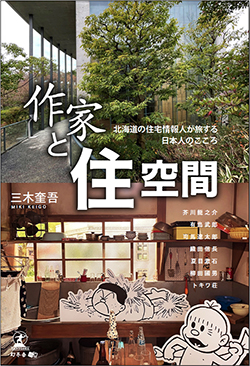
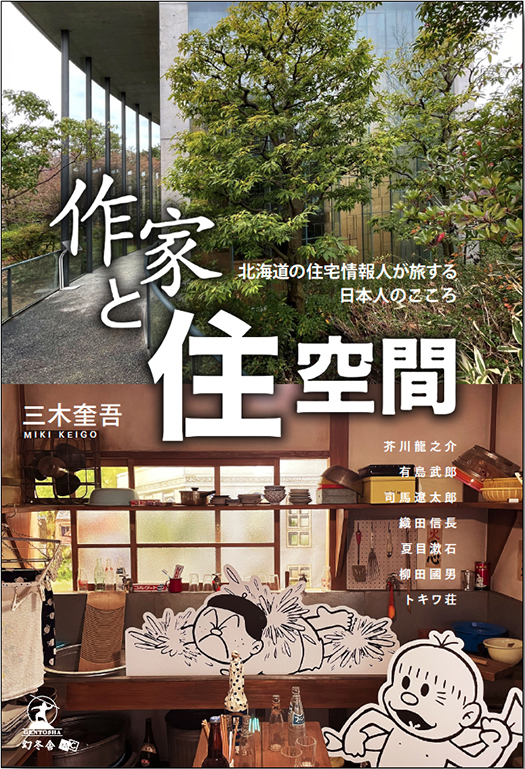
 このたび、個人的に執筆した『作家と住空間』という本を幻冬舎から発刊しました。
 内容は、私が個人的に訪れた著名人ゆかりの建物について写真を交えながら思ったことを綴る…というもの。
【販売ページ】・Amazon(kindle)  https://amzn.asia/d/eUiv9yO

・楽天kobohttps://books.rakuten.co.jp/rk/c07ba1e356c83914b07c787c35554e1a/?l-id=search-c-item-29
【価格】 1320円(税込)
【本の概要】
 彼らは確かにそこにいたーー作家たちの精神が息づく住まい、そのたたずまい
 全国の様々な住空間の取材をライフワークとする著者による、作家ゆかりの住まいにまつわるエッセイ集。
芥川龍之介が恋文を綴った九十九里の草庵、多くの弟子たちが集った夏目漱石山房から、今は記念館として生まれ変わった司馬遼太郎邸、民俗学の父・敬愛する柳田國男、さらには織田信長安土城〜手塚治虫ら漫画家たちが若き日を過ごした「トキワ荘」まで。
 作家たちの日々の哀歓、創造の苦悩や喜び、生死のドラマを目撃し包み込んでいた住空間を探訪。今なおそこに宿る彼らの精神の息吹を生き生きと伝える。現場写真多数収載。

 わたしは2023年9月を以てReplan誌発行の(株)札促社の事業から退任。1988年の創刊以来35年間にわたって住宅取材・誌面作成という事業を行ってきた人間です。
 厳しい気候条件のなかで知恵と工夫で「よりよく生きたい」という北海道人の強い願望をいっしょに考え、それを豊かな写真表現で「つたえたい」と念願していました。昭和戦後期に生を受けた人間として、ビジュアル・リッチコンテンツの地域オリジナルメディア創出を考え、わかりやすく「いごこち」まで表現したいと思っていました。
 しかし個人情報に関わる「施主の人間性」という部分にだけはアンタッチャブル。当然ですが、しかし住まいは人の生き方に深く関わっているという強い実感があり、そういうテーマ領域への強い意欲が湧き上がっていました。
 個人情報の壁があるならそれを超えて「生き様」までもいわば公共情報として公開されている「作家」という存在に気付かされたのです。作家はその表す文章・表現を通して多くの人と対話している存在。その過ごしていた「住空間」は公開されているものも多い。先日も書きましたが、世界の中でも特異的に作家の空間まで公開される文化があると、日本文学研究者ドナルド・キーン氏も語っている。
 そうした狙いから、自分の生きてきたテーマ領域のNEXTとして「作家と住空間」の探訪を続けてきました。残されている住空間と作家との深い関係性を「掘り下げて見たい」というテーマ。作家というのは、生きることがそのまま読者とのコミュニケーションだったのだと思います。
 サンプルページを覗いていただけるだけでも嬉しいので、是非よろしくお願いします!

English version⬇

[Life Summary Project e-book ‘The Writer and the Residential Space’ now on sale].
An exploration of the life work housing and the lives of the human ‘writers’ who lived there. The truth about housing conveyed through easy-to-understand visuals. …

 I have just published a book I have personally written, ‘Writers and Living Spaces’, published by Gentosha.
 The content of the book is about my personal visits to buildings associated with famous people, and my thoughts on them, with photographs…
Sales page.
Amazon (kindle)
https://amzn.asia/d/eUiv9yO
Rakuten Kobo
https://books.rakuten.co.jp/rk/c07ba1e356c83914b07c787c35554e1a/?l-id=search-c-item-29
Price] 1,320 yen (tax included)
Book Overview
 They were certainly there – The homes where the spirit of the writers lives on, and the way they look.
 A collection of essays by the author, who has made it his life’s work to interview various living spaces across Japan, on dwellings associated with writers.
From the hermitage in Kujukuri where Ryunosuke Akutagawa wrote his love letters and Soseki Natsume’s house where many of his students gathered, to Ryotaro Shiba’s house, now reborn as a memorial museum, Kunio Yanagida, the father of folklore and beloved author, and from the Azuchi Castle of Nobunaga Oda to Tokiwaso, where manga artists like Osamu Tezuka spent their younger days.
 Explore the living spaces that witnessed and encompassed the daily sorrows and joys of the artists, the anguish and joy of creation, and the drama of life and death. Vividly conveys the breath of their spirit that still resides there. Includes many on-site photographs.

 I will retire from the business of Replan magazine in September 2023, after 35 years of covering housing and producing the magazine since its inception in 1988.
 I have longed to share the strong desire of the people of Hokkaido to ‘live better’ with wisdom and ingenuity in the harsh climate conditions, and to ‘convey’ this desire through rich photographic expression. As someone who was born in the late Showa period, I wanted to create original local media with rich visual content and express the ‘comfort’ in an easy-to-understand way.
 However, I was untouchable only in the area of ‘the client’s humanity’, which is related to personal information. Naturally, however, there was a strong feeling that housing is deeply related to people’s way of life, and a strong desire to enter such a thematic area.
 If there is a barrier of personal information, I was made aware of the existence of ‘writers’, whose ‘way of life’ is also published as public information, so to speak. Writers interact with many people through the texts and expressions they express. Many of the ‘living spaces’ in which they spent their time are open to the public. As I wrote the other day, Donald Keene, a scholar of Japanese literature, has said that there is a culture in the world that is unique in that even the space of the writer is open to the public.
 With this aim in mind, I have continued my exploration of ‘writers and living spaces’ as the NEXT thematic area in which I have lived. The theme of the project is to ‘delve into and look at’ the deep relationship between the remaining living spaces and writers. I believe that for writers, living was directly a form of communication with readers.
 We would be happy if you could just take a peek at our sample pages!

【さっぽろ帰還・魚屋ですぐに旬を確認】


 さて三島由紀夫文学館in山中湖の印象がディープインパクトなのですが、ちょっと調べ始めてもすごい情報量なので、すこしづつ整理していくほかはない。そしてなにより三島事件には現在時点の日本の政治状況とも近似している側面があって、そういった意味でもなかなかにシリアス。すぐに触れにくいテーマ領域に行き着いてしまうのですね。そういうのは本意ではないので、自分の中でも冷静に捉え直したいのですね。
 で、短期間とはいえ出張から帰還すると、さっぽろ、北海道の季節感を確認したくなる。出発前に「これでだいたい融けるかなぁ」と期待していた家の周りに置いた堅雪は、残念ながら融けきっていなかったので、再度雪割りして全部処理。そして滑り止めで雪の上から撒いていた砂利も掃き集めて撤収。と、家周りを整理整頓。
 そこからカミさんとちょっとした買い物へ。しばらく新鮮な魚は買い出ししていなかったので、焼き魚用の旬のニシンもついに欠品状態だったことから馴染みのスーパーへ。
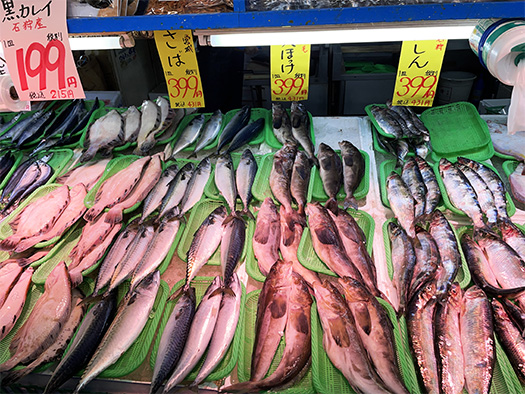
 写真のように4月1日時点の北海道の「大衆魚」が並んでおりました。お目当ての群来に湧いているニシンはまたまた元気よく3尾399円で販売されていましたので、即ゲット。

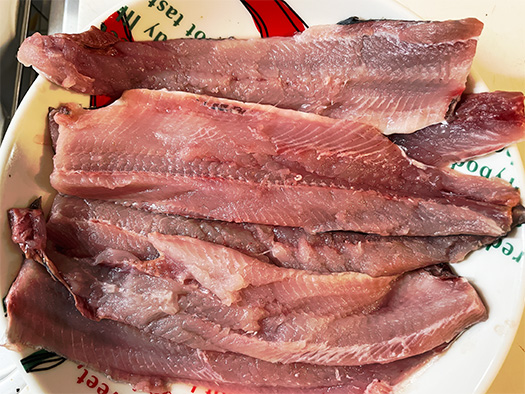
ごらんのようにさっそく捌いて、本日からまた新鮮な春の北海道の旬の味覚を楽しみたい。
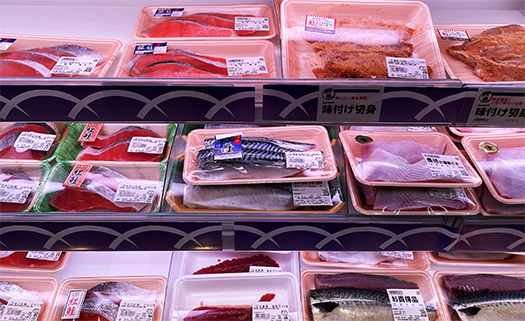
 お店の違いもありますが、東京で目にするスーパー店頭の魚コーナーではナマの魚がゴロンというのは見られない。捌かれて小分けされ、それぞれがパックに入れられて販売されている。

どうもこういう展示の仕方では、楽しみが薄い(笑)。いま海から上がって来ました、みたいな証言が伝わってくるナマの姿がわかりやすい。かれらのカラダを謹んで解体して3枚に降ろしていく、その肉身へ包丁を入れるときに伝わってくる「鼓動感」がやはり堪えられない。
 カレイやホッケ、宮城県から売られてきたサバなどといっしょにニシンが仲良く並んでいる。「おう、なんかちょっと顔見なかったな。オレたちは元気だぜ」という叫び声がこだましてくる思い。

English version ⬇

[Return to SAPPORO, check the season immediately at the fish shop].
 Even in Honshu, I check the fish section at local supermarkets, but I can’t see this kind of fresh fish in the shops. The moment when you realise you’ve come home. …

 The impression of the Yukio Mishima Literature Museum in Yamanakako has a deep impact, but even if you start to look into it, there is a huge amount of information, so you have no choice but to organise it a little bit at a time. And above all, the Mishima Incident has aspects that are similar to the current political situation in Japan, so it’s quite serious in that sense too. So you end up in a thematic area that is difficult to touch immediately. That’s not my intention, so you want to reassess it calmly in your own mind.
 So, when I return from a business trip, albeit a short one, I want to check the seasonality of Sapporo and Hokkaido. Unfortunately, the hard snow I put around the house, which I had hoped before I left that it would mostly melt, had not melted, so I split the snow again and dealt with it all. The gravel that had been spread on top of the snow to prevent slipping was also swept up and removed. And tidied up around the house.
 From there, Kami and I went for a bit of shopping. We hadn’t bought any fresh fish for a while, so we went to a supermarket we were familiar with, as the seasonal herring for grilled fish was finally out of stock.
 As you can see in the photo, Hokkaido’s ‘popular fish’ as of 1 April were lined up. The herring I was looking for, which were springing up in swarms, were again on sale for 399 yen for three fish, so I got them immediately.

As you can see, I want to quickly process it and enjoy the fresh spring seasonal taste of Hokkaido again from today.
 There are differences between shops, but in the fish corners of supermarkets you see in Tokyo, you don’t see gorons of raw fish. They are processed, divided into small portions and sold individually in packs.

Apparently, with this kind of exhibition, there is not much enjoyment (laughs). It is easier to understand the real thing, which conveys testimonies like ‘I just came out of the sea’. The ‘beating’ sensation you feel when the knife is inserted into the meat is unbearable.
 Herring are lined up alongside flounder, hokke and mackerel from Miyagi Prefecture. The herring are lined up in close proximity alongside flounder, hokke and mackerel from Miyagi Prefecture. We’re doing fine’.

【作家の記念館という文化は日本独自なのか?】


 昨日夕刻札幌に帰還しました。関東でも感じていたのだけれど、とにかく寒かった(笑)。
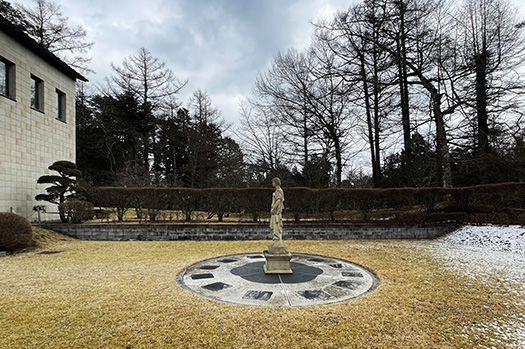
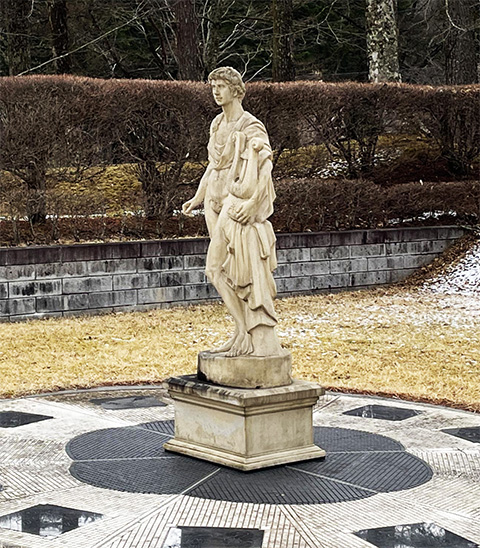
 山中湖というのはこの三島由紀夫文学館訪問のためにはじめて訪れた。上の写真でも庭の彫像の右手側にはうっすらと雪がかぶっていた。こういう端境期になるべく軽装で動きやすい服装で行動したいわたしのような人間には、天候への対応というのがいちばん難しい。だいたいがトランクなどは持たずリュックひとつで歩き回り、レンタカーを操って神出鬼没したいタイプには、寒暖差20度以上という気候条件は面倒で厳しすぎる。
 しかたなく下着の上に本来は高温時対応の半袖Tシャツを、寒さ対策の「重ね着」としてしのいでいた。まぁクルマ移動なので寒さに肌身で遭遇するのは短時間だったことが不幸中の幸い。
 さて三島由紀夫文学館に来て、やはりその場の空間性がさまざまなことに気付けることを再認識させられた。
 庭に置かれた彫像と向き合い続けていた三島由紀夫という作家の内面性探究の、切り口を感じたときのう書いた。現実にそのようなシチュエーションを体感してみると、そうか、こういう視認行為を毎日この人は繰り返していたのだという実感が、即座に「体がわかって」くるものなのだ。
 で、そういった体験を踏まえてたぶん現地でしか入手できない「文学館図録」を購入していたのだけれど、そのページを宿で開いて見始めて、さっそく驚きの発見があった。
 ドナルド・キーンという名前は知っていたけれど、かれが寄稿した短文に接して静かな驚きを感じた。
 〜ドナルド・キーンは、アメリカ合衆国出身の日本文学・日本学者、文芸評論家。コロンビア大学名誉教授。 日本文化研究の第一人者であり、日本文学の世界的権威とされる。〜
 そこにはこのような作家の記念館という「建築文化」はきわめて日本的な光景なのだという記述。え、あれ、という驚き。こういう視点はまったくはじめて気付かされた。たしかに海外にも作家の家が観光資源になっている事例はあるけれど、その作家の書いたすべてを蒐集して保存し、さらに研究を加えてそれに多くの人が強く惹かれている、というのは日本の独自文化だというのです。わたしはこういう視点・意見を初めて知らされて深く驚かされた次第。そしてそこからさまざまな想念が沸き上がっていく、その大きな起点を与えられた気がしていた。
 「作家と住空間」という電子出版作品を創作した人間としては、思わぬ視点をいただいた。これは深掘りするに値する視点。

English version⬇

‘Is the culture of writers’ memorials unique to Japan?’
From Donald Keene, a scholar of Japanese literature, comes a theory that the architectural culture of writers’ memorials is uniquely Japanese. As someone who explores ‘writers and living spaces’, I was deeply moved. …

 I returned to Sapporo yesterday evening. I felt the same in the Kanto region, but it was cold anyway (laughs).
 I visited Lake Yamanakako for the first time for this visit to the Yukio Mishima Literature Museum. In the photo above, there was a light dusting of snow on the right hand side of the statues in the garden. For someone like me, who likes to wear light and comfortable clothes during these off-season periods, the most difficult thing is to cope with the weather. For the type of person who usually walks around with a rucksack and not a boot, and who likes to go off the beaten track in a rented car, a temperature difference of more than 20 degrees Celsius is too much of a hassle and too severe.
 I had no choice but to wear a short-sleeved T-shirt over my underwear, which was originally designed for high temperatures, as a ‘layer’ to protect against the cold. It was fortunate that we only had to encounter the cold for a short time as we were travelling by car.
 Coming to the Yukio Mishima Literature Museum, I was reminded that the spatiality of a place can make you aware of various things.
 I wrote yesterday that I sensed the opening of the writer Yukio Mishima’s exploration of his inner nature, as he kept confronting a statue placed in his garden. When you actually experience such a situation, you immediately ‘understand your body’ and realise that he was repeating this kind of act of recognition every day.
 Based on this experience, I had purchased a copy of the Museum of Literature catalogue, which is probably only available locally, and when I opened the catalogue at the inn and started looking at the pages, I was immediately surprised by what I discovered.
 I knew the name Donald Keene, but I was quietly surprised when I came across a short article he had contributed.
 〜Donald Keene is an American-born scholar of Japanese literature and Japanese studies, and a literary critic. He is Professor Emeritus at Columbia University. He is a leading scholar of Japanese culture and is regarded as one of the world’s leading authorities on Japanese literature. ~.
 The description there is that the ‘architectural culture’ of these writers’ memorials is a very Japanese spectacle. What a surprise! This was the first time I had noticed this point of view. It is true that there are examples overseas where writers’ houses have become tourism resources, but the fact that everything the writer wrote is collected, preserved and studied, and that many people are strongly attracted to it, is a uniquely Japanese culture. I was deeply surprised to learn of this viewpoint and opinion for the first time. I felt that I had been given a great starting point from which various thoughts and ideas would arise.
 As the creator of the e-publication ‘The Writer and the Living Space’, I was given an unexpected perspective. This is a perspective that deserves to be explored in depth.