本文へジャンプ

【中国的「円柱方礎」と日本建築 紀州根来寺-5】


昨日、根来寺の「亀腹」に触れました。
基壇という架構ベースになる平面は大陸から導入された木造概念。
その基壇が和風化していくなかでさまざまに建築が変容した実相をみた。
北海道で「高断熱高気密」という住宅の作りようの革命が起こったけれど、
より巨視的に見ると木造というもの自体、日本の社会・風土条件に即して
古代から休むことなく変容し,進化していることが実感できる。
逆に日本の木造技術進化のひとつのプロセスが高断熱高気密化だったのでしょう。
こういう「故きを温ねて新しきを知る」ことほど喜ばしい体験もない。
現代の機械化・合理化の過程でさまざまな革新が一気に表出しているけれど、
実は古代でもそういう創意工夫は連綿と続いてきた。
実に深く「教えられる」ことが多く、ワクワクさせられる。

中国には天の象徴が丸で、地の象徴は角と言う
「天円地角」の思想があるという。
天に通
ずる柱は丸、地に密着した礎石は角(方)との「円柱方礎」が起こった。
わが国では柱は丸が圧倒的だが礎石は角
にとらわれず適当な自然石が用いられた。
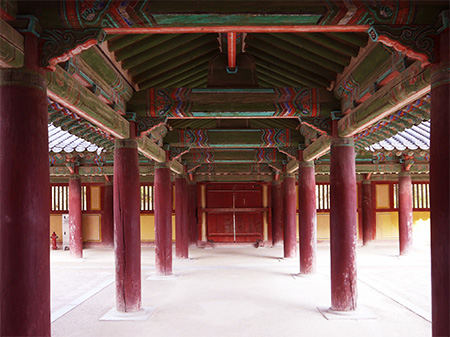
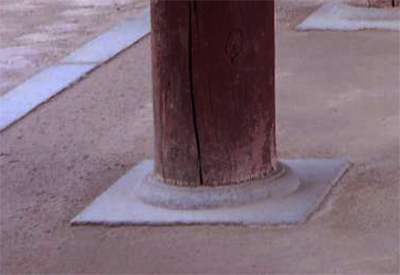
上の写真は上が大陸の影響の強い韓国仏国寺の円柱と方形の礎石。
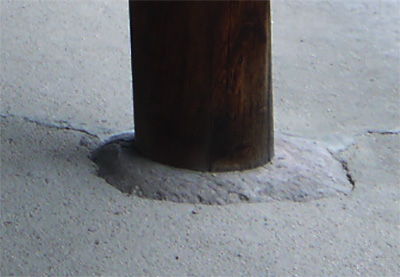
下は仏国寺よりも150年ほど古い創建年代の法隆寺の回廊部分の円柱と礎石。
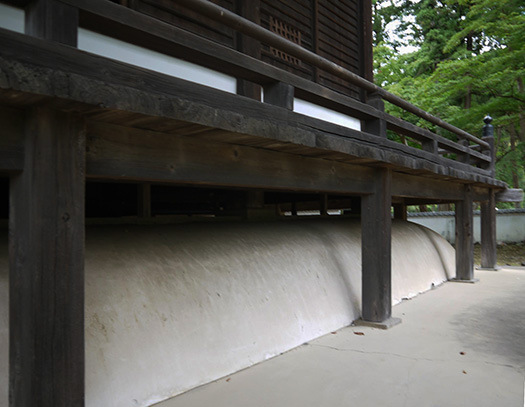
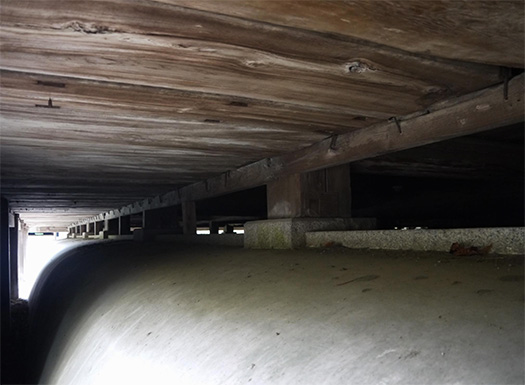
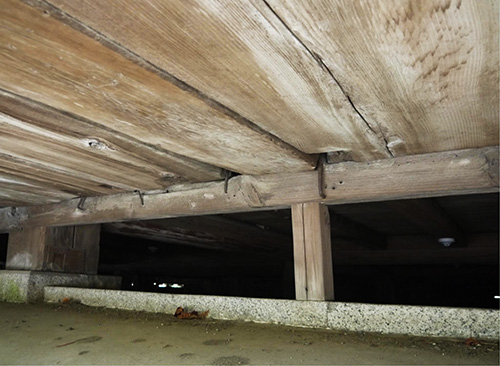
その下写真は根来寺の「亀腹」上に配置された礎石と束柱の様子。
最古級の仏教寺院建築においてすでに日本人はオリジナリティを示している。
たぶん大陸、半島からの木造技術者はかれらの「正調」を主張しただろうけれど
その時代の日本の「在来」伝統工法の木造技術者たちは和様を対置した。
中国出自の「観念論」からの木造技術に対して明確に否定したのでしょう。
大陸国家は常に専制独裁であり特定の観念を他に強制するのに対して
海洋国家であり自然崇拝志向が優先するわが国建築文化としては
「和を以て貴しとなす」という民主主義が機能したように思える。
礎石の方形加工を潔しとせず、あるがままの石を利用した。
法隆寺ではほぼ自然石に近い円形の礎石が採用されていますね。
たぶん寺院建築指導する大陸から派遣の技術者の説く観念論に対して
同意することができず、八百万の自然信仰ベースが反応したのではないか。

また、日本の柱材は着色されず素木のままに使われていることが多い。
法隆寺の柱類はほぼ無着色・素木という素材表現。
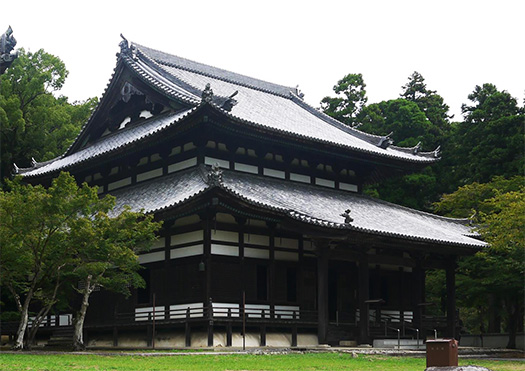
こちらは根来寺・伝法堂の内陣領域の円柱。
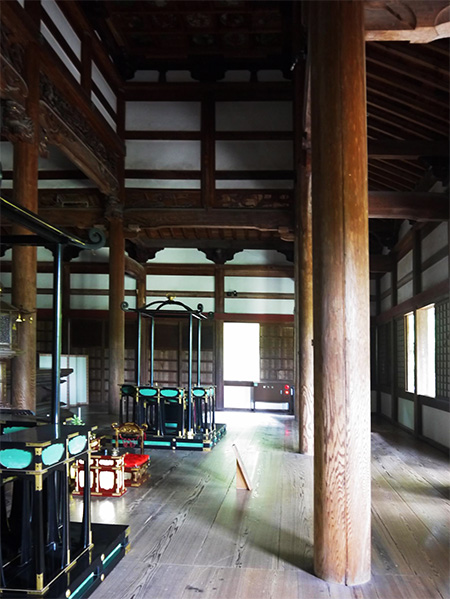

一方この写真は半島国家仏国寺の回廊部の着色ぶり。
針葉樹の桧、杉などは建築の材料としては最適。良材の得られない国土や地域では
木材に彫刻や彩色をする伝統が優勢になるが、良材がふんだ
んに得られるわが国では
素木そのものが装飾材であるという木造文化が主流になる。
究極的には伊勢神宮のように素木で再生させ続けるという「美感」文化を生んだ。
これはやはり海洋に囲まれて温暖・多雨気候条件から豊かな森林がある、
そういった日本の国土条件が育んだ木造への審美眼なのではないか。
仏教建築において彼我の相違が顕著にあらわれている。

English version⬇

[Chinese “Cylindrical Foundation” and Japanese Architecture Kishu Negoroji-5]
Yesterday, I touched the “turtle belly” of Negoroji Temple.
The plane, which is the base of the frame, is a wooden concept introduced from the continent.
As the foundation became Japanese, we could see the fact that the architecture changed in various ways.
There was a revolution in Hokkaido to build a house called “high heat insulation and high airtightness”.
Looking at the big span, the wooden structure is also in line with the social and climate conditions of Japan.
You can feel that it has been transformed and evolved since ancient times.
On the contrary, one process of the evolution of Japanese wooden technology would have been high heat insulation and high airtightness.
There is no more pleasing experience than “warming the old and knowing the new”.
In the process of modern mechanization and rationalization, various innovations are appearing at once,
In fact, even in ancient times, such ingenuity continued.
It’s really exciting to be “taught” very deeply.

It is said that in China, the symbol of heaven is a circle, and the symbol of the earth is a horn.
There, the pillar leading to the heavens was a circle, and the cornerstone that was in close contact with the ground was a “cylindrical cornerstone” with a corner. It was
In Japan, the pillars are overwhelmingly round, but the cornerstones are not limited to the corners and appropriate natural stones are used. It was
The photo above shows the pillars and square cornerstones of the Korean Bulguksa Temple, which is strongly influenced by the continent.
Below are the columns and cornerstones of the corridor of Horyuji Temple, which was founded about 150 years older than Bulguksa Temple (605).
The photo below shows the cornerstones and pillars placed on the “turtle belly” of Negoroji Temple.
The Japanese have already shown their originality in the oldest Buddhist temple architecture.
Perhaps wooden engineers from the continent and peninsula claimed their “right”
The wooden engineers of the Japanese “conventional” traditional construction method of that era faced the Japanese style.
Perhaps he clearly denied the wooden technique from the “idealism” of Chinese origin.
Whereas continental nations are always tyranny and enforce certain ideas
As a maritime nation and prioritizing nature worship, Japan
It seems that the democracy of “being precious with harmony” worked.
The square processing of the cornerstone was not made clean, and the stone as it was was used.
At Horyuji Temple, a circular cornerstone that is almost like a natural stone is used.
Probably against the idealism of the technician dispatched from the continent to teach
I couldn’t agree and the eight million nature worship bases might have reacted.

In addition, Japanese pillars are often used as bare wood without being colored.
The pillars of Horyu-ji are almost uncolored and are made of bare wood.
This is a column in the inner camp area of ​​Negoroji Temple and Denpodo.

On the other hand, this photo shows the coloring of the corridor of Bulguksa Temple on the peninsula.
Coniferous cypress and cedar are the best materials for construction. In countries and regions where good materials are not available
The tradition of carving and coloring wood becomes predominant, but in Japan, where good wood is abundantly available.
The wooden culture that the bare wood itself is a decorative material becomes mainstream.
Ultimately, it created a “beauty” culture of continuing to regenerate with bare wood like Ise Jingu.
It is also surrounded by the ocean and has abundant forests due to warm and heavy rainfall climatic conditions.
Isn’t it an aesthetic eye for wooden structures that have been nurtured by such Japanese land conditions?
It seems that the difference is noticeable in Buddhist architecture.

【中心建築・伝法堂の鏡餅基礎「亀腹」 紀州根来寺-4】


さて昨日は建築探訪としての根来寺から少し離れて
ルーツ探索篇を失礼しましたが、あにはからんや結構な反応で恐縮です。
まだまだ探索は道半ばというか、いまから400年以上前の時期になるので
残存痕跡の照合確認がむずかしくなって来ます。でもはるかな子孫のためにも
いまできることは取り組んでおきたいというところであります。

で、根来寺建築探訪に復帰であります。
空海による開基以降、高野山は宗教都市として発展するのですが、
「空海以来」という傑物僧・覚鑁さんという人物が現れて宗教上のトップになる。
生涯は1095年から1144年ということ。空海さんは835年に入定なので、
おおむね300年後くらいに活躍された人物。平安末期の時代相を生きた。
ときの天皇の信頼を受けたりして高野山の中興に功績があるのですが、
高野山内での力関係・政治からの内部闘争が激化して
やがて「真義真言宗派」として高野山から下界に下りて根来寺が根拠地になる。
どうも宗教や思想というものは「内ゲバ」化しやすいのか。
宗教上の観念論を論争するうちに過激化するのが避けられない運命なのか。
きれいごとを論じながら暴力にまで至る歴史過程はイタい部分がある。
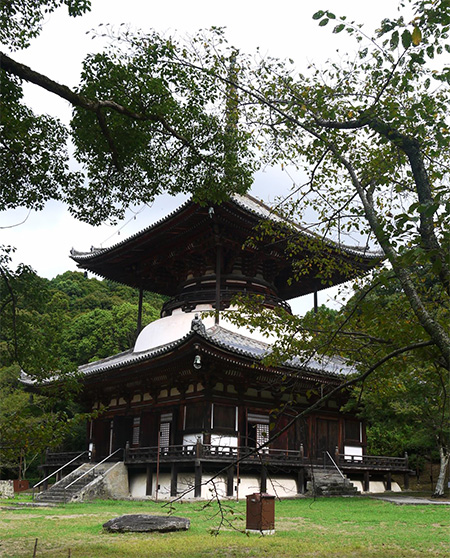
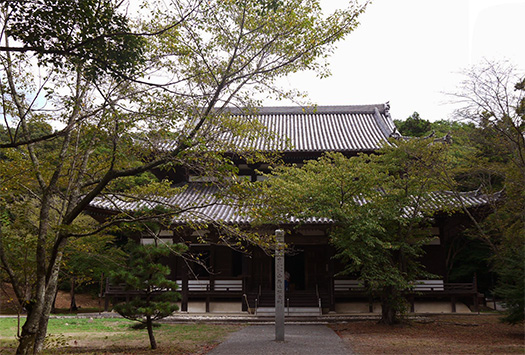
写真の「大伝法堂」という建築は当初は高野山・金剛峯寺境内にあったものが
こちらの方に再建築・移築されたと伝承されている。
建築としては隣接して建っている「大塔」が国宝指定ですが、
本尊はこちらの伝法堂に安置されているので中心建築といえるでしょう。
なんですが、わたしが注目させられたのは基礎の部分で、
なにやら丸く土盛りされた状況が見て取れてしげしげと見入っておりました。
探究の結果、これは「亀腹」という名が付けられた様式のようです。

基壇は仏教伝来とともに我が国にもたらされた。
法隆寺では二重基壇になっていて日本では法隆寺にしか見られないとされる。
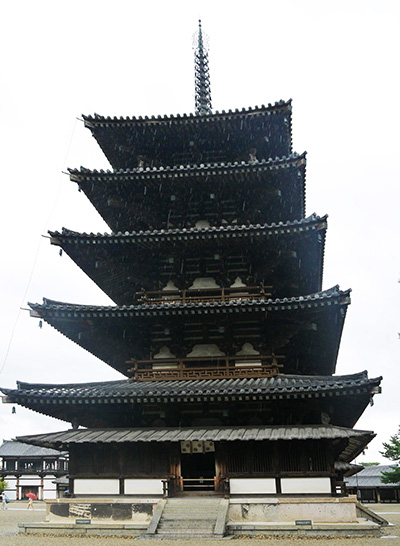
下は法隆寺五重塔の写真ですがこの基壇部分に注目。

基壇は土で築かれた建築物という意味で中は砂と粘土を突き固めて盛り土したもの。
この工法を「版築」と呼ぶ。須弥壇も当然土か石製。
当時の寺院は土間床で聖徳太子も椅子・ベッド生活だったとされる。
外来の基壇だけに日本古来の神社建築にはみられない。
平安時代に入り「和様化」が進み、座式生活の板敷で縁側が設けられ、
基壇が廃れてくる。引き違い戸・障子が考えられ日本建築の様式が確立された。
この床下に見える白い築造物は「亀腹(かめばら)」で、その曲線は
時代が新しくなるにしたがってきつくなるのだそうです。
基壇の名残か床下を美しく見せるための日本オリジナル建築表現とされる。
日本建築独特の塔「多宝塔」の白漆喰の部分も亀腹と呼ばれる。
<基礎と柱の話参照https://www.eonet.ne.jp/~kotonara/kidan.hasira.htm>

ということだそうですが、まるで「鏡餅」が床下に顔を覗かせているようで
まことに建築表現として美しい。名付けセンスも的確(笑)。
こういう表現が日本オリジナルということに深く楽しさを覚える。
みなさんいかがでしょうか?

English version⬇

[Fundamentals of the “turtle belly” of the central architecture and Denpo-do Kishu Negoroji-4]
By the way, yesterday, I was a little away from Negoroji Temple as an architectural exploration.
Excuse me for the roots exploration, but I’m sorry for the inconvenience and good browsing.
The exploration is still in the middle of the road, or more than 400 years ago.
Collation confirmation of residual traces becomes difficult. But also for far-reaching descendants
What I can do now is that I want to work on it.

So, I am returning to the Negoroji architectural exploration.
Negoroji has developed as a religious city since the opening of Mt. Koya by Kukai.
A person named Kakuban, a master monk named “Since Kukai,” appears and becomes the top of the religion.
His life is from 1095 to 1144. Kukai-san was hired in 835, so
A person who was active about 300 years later. He lived in the late Heian period.
He has been credited with the trust of the emperor at that time, and he has been credited with the promotion of Mt. Koya.
Internal struggle from power relations and politics in Koya Yamauchi intensified
Eventually, as the “Shingon Shingon sect”, it descends from Mt. Koya to the lower world and becomes the base of Negoroji.
Is it easy for religion and thought to become “inner geba”?
Is it inevitable that it will become radical while debating religious idealism?
The historical process leading up to violence while discussing cleanliness has a bad part.
The building called “Daidenhodo” in the photo was originally located in the precincts of Kongobuji Temple on Mt. Koya.
It is said that it was rebuilt and relocated to this person.
As for the architecture, the adjacent “Great Tower” is designated as a national treasure,
The principal image is enshrined in this temple, so it can be said to be the central building.
However, what attracted my attention was the basic part,
I could see the situation where the soil was piled up in a round shape, and I was staring at it.
As a result of quest, this seems to be the style named “turtle belly”.

The platform was brought to Japan with the introduction of Buddhism.
It is a double platform at Horyuji Temple and is said to be found only at Horyuji Temple in Japan.
Below is a photo of the five-storied pagoda of Horyu-ji Temple, but pay attention to this platform.

The base is a building built of soil, and the inside is filled with sand and clay.
This method is called “rammed earth”. Of course, Sumidan is also made of earth or stone.
It is said that the temple at that time had a dirt floor and Prince Shotoku also lived in a chair and bed.
It is not found in ancient Japanese shrine architecture only on the foreign platform.
In the Heian period, “Japanese style” progressed, and the porch was set up on the wooden floor of the sitting style life.
The platform is obsolete. The style of Japanese architecture was established with the consideration of sliding doors and shoji screens.
The white structure under the floor is “Kamebara”, and its curve is
It seems that it gets tighter as the times get newer.
It is said to be a Japanese original architectural expression to make the remnants of the platform or the underfloor look beautiful. It was
The white plaster part of the tower “Tahoto” peculiar to Japanese architecture is also called the turtle belly.
<See “The Story of Foundations and Pillars” https://www.eonet.ne.jp/~kotonara/kidan.hasira.htm>

It seems that “Kagami mochi” is looking under the floor.
It’s really beautiful as an architectural expression. The naming sense is also accurate (laughs).
I am deeply pleased that these expressions are Japanese original.
How about everyone?

【紀州征伐・関ヶ原とルーツ探し 根来寺探訪-3】


本日は本筋の根来寺建築探訪とは離れて、個人的家系探索篇であります。
わたしの家系には「往昔紀州にて仕官たるところ慶長年中、故ありて浪人と相成る」
という文書を書き残してくれているご先祖さまがいます。
仕官という意味合いからすればどこかの大名家の家臣になっていたようです。
・・・故ありて、とだけ記載して名と地域・主家を明記しないのはなぜなのか?
この記述を残した先祖は1830年頃にこの記述を書いた。
慶長、たぶん関ヶ原が起点になった紀州での政治変動での「浪人」が自然。
書いた時点からさかのぼること200年ちょっとの祖先に関することで、
その「浪人した先祖」の子どもたちの消息は詳細に記述がある。
だけれど浪人本人の名前は記述がないのです。
紀州から毛利圏・広島県の広島空港近辺で、真言宗派の竹林寺に近い地に
一家を挙げて移住している。前職が武家ですぐに庄屋の立場になっているし、
やがて子孫は「苗字帯刀御免」の役儀にも就いている。
どうも主家を離れるとき、そこそこの退職金も得ている気配を感じる。
長男は医師として身を立て地域に地蔵堂を建てられて顕彰されてもいる。
であるのに、主人である浪人は名も書かれずひっそりしている。
想像すれば関ヶ原で西軍派に属して毛利に気脈を通じていたことが、
主家大名家にとって都合が悪く、徳川の世ということで名乗りもはばかったのか。
場合によっては公儀から探索訴追される可能性もあった?

慶長年中とは1596年から1615年までの期間を指し関ヶ原合戦は1600年10月。
戦国末期に至って紀州は中央政権・信長や秀吉の侵攻で宗教支配が制圧される。
そして秀吉の弟・秀長の支配からその死後は豊臣氏直轄支配となり、
いくつかの小大名が存在している。その時期紀州に縁のあるのは、
田辺泊山城→上野山城:杉若氏(1万9千石)〜関ヶ原後改易。
新宮城:堀内氏善(2万7千石)〜関ヶ原後改易。
和歌山城:桑山重晴(2万石)〜関ヶ原後も本領安堵・紀州藩存続。
という三氏が浮かび上がる。桑山家はその後も存続しているけれど
西軍に参加したと思われる杉若氏と堀内氏は改易されている。
これらの県南部の石高の小さな小大名はたぶん「水軍」で海上ネットワークが資産。
普通はそう考えられる。もともとは熊野水軍系か。
・・・どうもこれらは水軍系でちょっと文化的に違うように思われる。
高野山や根来寺という真言宗派の影響を受けた県北地域の方が自然。
そうすると桑山氏の系列が想定できる。
桑山氏は基本は秀吉の弟・秀長の家臣代表みたいな存在だけれど、
秀長は権力中枢で忙しく領国支配は桑山がほぼ全権を握り秀長死後は独立的立場。
事実関ヶ原では東西両軍に両端を持していた痕跡が濃厚なので、
わが家の先祖はその後の経緯を考えれば西軍毛利氏との関係が深かったと思える。
しかも落ち延びて入植の入野に真言宗の古刹(730年創建)竹林寺もある。
敬虔な真言宗徒なれば、この宗門性重視はこの時代人として腑に落ちる。
高野山、根来寺と続いてのこの探究は見えない血に導かれている気もする(笑)。
明日以降、もうちょっと建築に関心を寄せていくので本日はご容赦を。

English version⬇

[Battle of Kishuu, Search for Sekigahara and Roots Visit Negoroji-3]
Today is a personal family exploration, apart from the main Negoroji architectural exploration.
My family says, “Once upon a time, I was a clerk in Kishu, and during the Keicho era, I became a ronin.”
There is an ancestor who left behind the document.
From the meaning of a clerk, it seems that he was a vassal of some daimyo family.
… Why isn’t the name, area, and owner specified just because there is a reason?
The ancestors who left this description wrote this description around 1830.
Keicho, probably the “Ronin” in the political change in Kishu, which started from Sekigahara, is natural.
It’s about 200 years since I wrote it, and it’s about an ancestor.
The whereabouts of the children of the “Ronin ancestors” are described in detail.
However, the name of the Ronin himself is not described.
From Kishu to the Mouri area, near Hiroshima Airport in Hiroshima Prefecture, near Chikurin-ji Temple of the Shingon sect
The whole family is moving. My previous job was a samurai family, and I was immediately in the position of a scholar.
Eventually, the descendants also took on the role of “Last Name Band Sword Exemption”.
When I leave the main house, I feel that I am getting a decent retirement allowance.
The eldest son has been honored by building a Jizo-do in the area as a doctor.
However, the master Ronin is quiet without a name written on it.
Imagine that in Sekigahara, he belonged to the Western Army and had a bloodline to Mori.
It was inconvenient for the main family, and was it foolish to call himself because of the Tokugawa world?
In some cases, was there a possibility of being prosecuted for exploration by public affairs?

The period from 1596 to 1615 is the period during the Keicho period, and the Battle of Sekigahara was in October 1600.
At the end of the Warring States period, Kishu was overwhelmed by the invasion of the central government, Nobunaga and Hideyoshi.
And from the rule of Hideyoshi’s younger brother Hidenaga, after his death, he became under the direct control of Toyotomi.
There are several small daimyo. At that time, Kishu had a connection
Tanabe Tomariyama Castle → Uenoyama Castle: Mr. Sugiwaka (19,000 stones 1585-1600) -Repair after Sekigahara.
Shin Miyagi: Mr. Horiuchi (27,000 stones, 1585 to 1600) -Battle of Sekigahara.
Wakayama Castle: Shigeharu Kuwayama (20,000 stones, 1585 to 1600) -The main territory of relief and the Kishu domain survived after Sekigahara.
Three people emerge. The Kuwayama family has survived since then
Mr. Sugiwaka and Mr. Horiuchi, who are believed to have participated in the Western Army, have been reformed.
The small daimyo of Kokudaka in the southern part of these prefectures are probably “Navy” and the maritime network is an asset.
Usually that is the case. Originally Kumano Navy system?
… It seems that these are navy and a little culturally different.
The northern part of the prefecture, which was influenced by the Shingon sect of Mt. Koya and Negoroji, is more natural.
Then, Mr. Kuwayama’s series can be assumed.
Mr. Kuwayama is basically like Hideyoshi’s younger brother Hidenaga’s vassal representative,
Hidenaga is busy with the center of power, and Kuwayama has almost full control over the territory, and he is in an independent position after Hidenaga’s death.
In fact, in Sekigahara, there are many traces of having both ends in both the East and West forces, so
It seems that the ancestors of my family had a close relationship with Mr. Mouri of the West Army, considering the circumstances after that.
Moreover, there is also an ancient temple of the Shingon sect (built in 730), Chikurin-ji, in the settlement of the settlement.
If you are a devout Shingon Buddhist, this emphasis on sectarianism falls into your mind as a person of this era.
I feel that this quest following Mt. Koya and Negoroji is led by invisible blood (laughs).
From tomorrow onward, I’ll be more interested in architecture, so please forgive me today.

【戦国の紀州は宗教勢力寡占地 「根来寺」探訪-2】


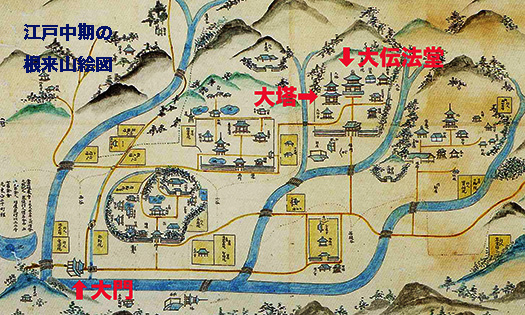
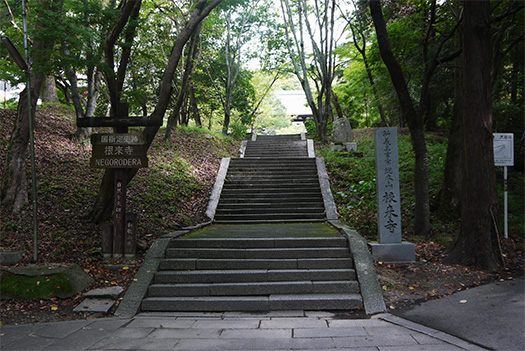
写真は根来寺の国宝「大塔」と江戸期に描かれた境内地絵地図。
周囲が河で2重に囲まれて、城郭としての機能構造が明確に伝わってくる。
宗教は精神性を基盤にするけれど現実的には僧兵による武権として機能した。
Wikipediaの「紀州征伐」の項を参照すると以下のような記述。
「ルイス・フロイスによると16世紀後半の紀伊は仏教への信仰が強く、
4つか5つの宗教が「大いなる共和国的存在」でありいかなる戦争によっても
滅ぼされることはなかった。それらのいわば宗教共和国についてフロイスは
高野山、粉河寺、根来寺、雑賀衆の名を挙げている。フロイスは言及していないが、
五つめの共和国は熊野三山と思える。共和国と表現のこれら寺社勢力や惣国一揆は
高い経済力と軍事力を擁して地域自治を行い、室町時代中期の時点でも
守護畠山氏の紀伊支配は寺社勢力の協力なしには成り立たない状況だった」。
さらに追記されていて「治外法権の地、境内都市」と題して以下の記述。
〜中世において寺領は朝廷も幕府も無断で立ち入ることができない聖域だった。
寺院内部への政治権力による警察権は認められず(検断不入または守護不入)
たとえ謀反人の捜査といえども例外ではなかった。軍事力による介入など許されない。
また寺領内では政府の徴税権も及ばなかった(諸役不入)。このような世間に対する
別天地である寺院の境内は苦境の人々の避難所(アジール)の性格を持つようになる。
一度寺に駆け込めば外での事情は一切問われない。犯罪者ですら例外ではなかった。
境内は貧富貴賎さまざまな人々が流入し、当時の寺社の文化的先進性と結びついて
都市的な発展を遂げる。有力寺社は京都など政治中枢から遠くない場所にあり、
政治的中立、軍事的不可侵に守られ商工業金融の拠点として強い経済力を持った。
これを「境内都市」という。高野山や根来寺は、典型的な境内都市である。〜

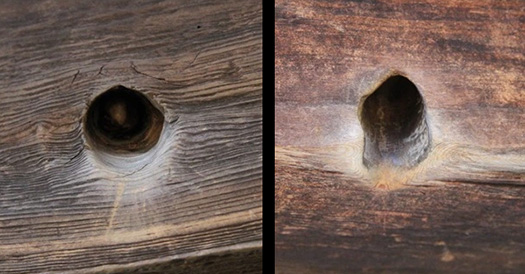
写真上は国宝の根来寺「大塔」に残されている戦国期の「銃弾痕跡」。
経緯から見て秀吉の紀州征伐のときの戦闘痕跡と思われます。
こういった権力構造が支配的な地域が紀州ということであり、
そのときどきの中央権力も手を焼く地域だったけれど、信長・秀吉の政権は
このような宗教権力の跋扈を許さず、武力制圧を行った。
根来寺は、秀吉の「紀州征伐」によっていったん壊滅させられるのです。
歴史を知るほどに宗教と軍事は密接に結びついている実態を知ることができる。
とくに紀州は海運が盛んで鉄砲火薬の生産・流通に深く関わって
商業への支配が強い寺社勢力は容易に武装できたということなのでしょう。
中世社会とはこうした「既得権益層」同士の争闘の歴史とも見える。
宗教というキレイ事を唱える分、武家よりも業が深いのではとも思えてきます。

English version⬇

[Sengoku Kishu explores the religious oligopoly “Negoroji” -2]
The photo is a map of the precincts drawn in the Edo period with the national treasure “Oto” of Negoroji Temple.
Surrounded by rivers, the functional structure of the castle is clearly conveyed.
Although religion is based on spirituality, it actually functioned as a military power by monks.
If you refer to the section of “Battle of Kishuu” on Wikipedia, the description is as follows.
“According to Luis Frois, Kii in the latter half of the 16th century had a strong belief in Buddhism.
Four or five religions are “great republican beings” and by any war
It was never destroyed. Frois about those so-called religious republics
He names Koyasan, Kokawaji, Negoroji, and Saika Ikki. Frois doesn’t mention it,
The fifth republic seems to be Kumanosanzan. These temples and shrines of republic and expression and Sokoku Ichigo
It has high economic power and military power to carry out regional autonomy, even at the time of the middle of the Muromachi period.
Mr. Hatakeyama’s rule of Kii would not have been possible without the cooperation of the temples and shrines. ”
Further added is the following description entitled “Land of extraterritoriality, precinct city”.
~ In the Middle Ages, the temple territory was a sanctuary where neither the imperial court nor the shogunate could enter without permission.
Police power by political power inside the temple is not recognized (non-inspection or non-protection)
Even the investigation of rebels was no exception. Intervention by military force is not allowed.
In addition, the government’s right to collect taxes did not extend to the temple territory (no roles). For such a world
The precincts of the temple, which is a different place, will have the character of a shelter (Azir) for people in distress.
Once you rush to the temple, you don’t have to worry about the situation outside. Even criminals were no exception.
Various people, rich and poor, flowed into the precincts, and it was linked to the cultural advancement of the temples and shrines at that time.
Achieve urban development. Although many leading temples and shrines are not far from the political center such as Kyoto,
Protected by political neutrality and military inviolability, it has gained strong economic power as a base for commerce, industry and finance.
This is called a “precinct city”. Koyasan and Negoroji are typical precinct cities. ”

On the photo is the “Ammunition Trace” of the Warring States period left at the national treasure Negoroji Temple “Oto”.
From the background, it seems to be a battle trace when Hideyoshi conquered Kishu.
Kishu is the area where such a power structure is dominant.
At that time, the central power was also a difficult area, but Nobunaga and Hideyoshi’s administration
He did not allow such religious power to be dismissed, and suppressed armed forces.
Negoroji is once destroyed by Hideyoshi’s “Battle of Kishuu”.
The more we know the history, the more we can know the reality that religion and military are closely linked.
Especially in Kishu, shipping is thriving and deeply involved in the production and distribution of gunpowder.
It seems that the temples and shrines with strong control over commerce could easily be armed.
The medieval society can be seen as the history of the struggle between these “vested interests”.
It seems that the work is deeper than the samurai family because it advocates the beauty of religion.

【宗教と軍事の境界建築  「根来寺」探訪-1】


さて拙ブログではしばらく「高野山」シリーズが全16回まで続いたのですが、
ここは一気に連続させて真言宗寺院シリーズで根来寺に行きたいと思います(笑)。
日本の歴史で建築・住宅を考えて行くと宗教建築は重要な位置付けになる。
複雑な架構技術、目を見張るディテールデザインなど大工技術の継続に
こういった建築需要はきわめて貴重な機会を提供していた。
それが翻って住宅の技術にフィードバックしていただろうと思うのです。
まぁ木造建築の技術の粋をその時代その時代最先端で光彩を放っていた。

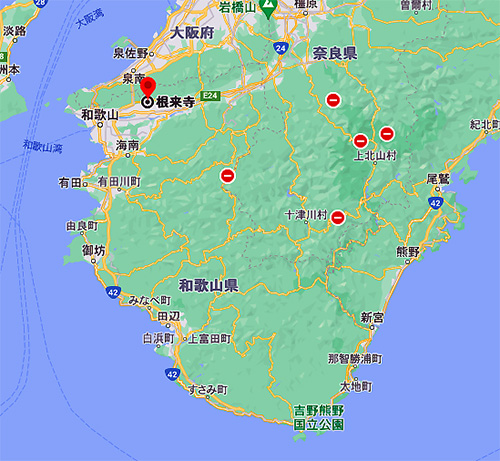
この根来寺というのは、高野山と同じ和歌山県にあります。
たしか探訪したのは高野山と同日で、近くには真田幸村の隠棲地・九度山もある。
こっちも一度は知りたい土地ではある。
江戸期という敵性文化期を通しての「幸村」伝説をみたいところ。
しかし、そのときには時間の関係もあってスルーしました。
たまたまわが家の確実な先祖が紀州で仕官していた事実があり、
また宗派として意思的選択があった真言宗徒家系なので、その縁から判断すると
どうも高野山と言うよりはこちらの根来寺の方が縁が深そうなのです。
まぁいまのところは推測でしかないのですが・・・。
根来寺という存在は日本史の過程では「根来衆」として雑賀衆と連合する勢力。
真言宗の高野山から派生した一派で武装し鉄砲を多数扱って
信長の時代にはその与党的なスタンスだったが、
(しかし信長狙撃者として高名な杉谷善住坊が同宗門だという説もある)
その後の秀吉には反抗的で小牧長久手の役では家康に味方して
大坂を攻めたりしている。結果その後、秀吉の「紀州征伐」を呼んだ。
宗教勢力だけれど僧兵軍団として脅威を武家権力に与え続けていた勢力。
実際にいまに残る根来寺の建築には「鉄砲弾跡」が生々しく残ったりしている。
どうも雑賀衆といい根来衆といいきわめて戦闘的な集団として名高い。
鉄砲の生産・流通拠点としての堺にも近いことから、戦国の気風が強く薫る。
日本でもこういう独自勢力が強力な軍事力を持って反権力的な動きをしていた
そういう代表的な存在感でもって記憶されていると思います。
わたしの若い頃の新左翼運動みたいな空気感がなんとなく感じられる。
先述の杉谷善住坊などはなにやら連合赤軍的な色合いが漂ってくる(笑)。
いやもっとドライに個人的戦闘力をプロとして売り物にしていた、みたいな。
想像ですがまぁ当たらぬまでも近似した存在だったと思うのです。

ということなので高野山のような宗教本山的な雰囲気ではなく
はるかに里に近く、現実世界に深く関与してきた生々しさがあります。
宗教の拠点であり同時に軍事の拠点でもある古代飛鳥寺以来の
この国での仏教寺院の機能側面を垣間見せてくれる雰囲気を強く持っています。

English version⬇

[Visit to Negoroji Temple, a boundary architecture between religion and military-1]
By the way, on my blog, the “Mt. Koya” series continued up to 16 times in total for a while.
I would like to go to Negoroji Temple in the Shingon Buddhist Temple series in a row here (laughs).
Religious architecture is an important part of Japanese history when considering architecture and housing.
For the continuation of carpentry technology such as complicated frame technology and striking detail design
This demand for construction provided an invaluable opportunity.
I think that would have given feedback to housing technology.
Well, the essence of wooden construction technology was shining at the cutting edge of that era.

This Negoroji temple is located in Wakayama prefecture, which is the same as Mt. Koya.
It is true that I visited Mt. Koya on the same day, and there is also Mt. Kudo, a retreat of Sanada Yukimura, nearby.
This is also a land I want to know at least once.
A place where you want to see the legend of “Yukimura” throughout the hostile culture period of the Edo period.
However, at that time, due to time constraints, I passed through.
It happened that a certain ancestor of my family was in charge in Kishu,
Also, since it is a Shingon Buddhist family that had a willful choice as a sect, judging from that connection
It seems that Negoroji Temple has a deeper connection than Mt. Koya.
Well, for now, it’s just a guess …
The existence of Negoroji is a force that associates with Saika Ikki as “Negoro-shu” in the process of Japanese history.
Armed with a group derived from Mt. Koya of the Shingon sect and handling a large number of guns
It was the ruling stance in Nobunaga’s time,
(However, there is a theory that Zenjubo Sugiya, who is famous as a Nobunaga sniper, is the same sect.)
After that, he was rebellious against Hideyoshi, and in the role of Komaki Nagakute, he sided with Ieyasu.
I’m attacking Osaka. As a result, he called Hideyoshi’s “Battle of Kishuu”.
Although it is a religious force, it is a force that continued to pose a threat to the samurai power as a monk soldier corps.
In the architecture of Negoroji Temple that actually remains today, “gun bullet marks” remain vividly.
It is famous as an extremely combative group called Saika Ikki and Negoro-shu.
Since it is close to Sakai as a production and distribution base for guns, the spirit of the Warring States period is strongly scented.
Even in Japan, these unique forces had strong military power and were moving against power.
I think it is remembered with such a representative presence.
I can feel the atmosphere of the New Left movement when I was young.
The aforementioned Zenjubo Sugiya and others have some sort of United Red Army color (laughs).
No, it seems that he was selling his personal fighting power as a professional in a drier way.
As you can imagine, I think it was an approximation, even if it didn’t hit.

Therefore, it is not a religious main mountain atmosphere like Mt. Koya.
It is far closer to the village and has a vividness that has been deeply involved in the real world.
Since ancient Asuka-dera, which is a religious base and a military base at the same time
It has a strong atmosphere that gives a glimpse of the functional aspects of Buddhist temples in this country.

【Zoomじゃムリなナマの味わい・コミュニケーション】


先日外出時、馴染みにしていた札幌中央市場近辺のお寿司屋さんへ。
ここしばらくの間、この店は感染症の拡大と共に閉店していた。
それ以前には中国からの観光客がメチャクチャ集中していて
たまに寄っても大混雑で座ることすらも難しかった。
たぶん中国人の間のSNSなどで情報拡散されて人気集中していたようでした。
同好の友人に聞いたら「ちょっと味もネタも落ち気味・・・」みたいだった。
なにか一時期の北海道を象徴するようで気に掛かっていた。
そういう経緯だった店が久しぶりに営業再開していたのです。
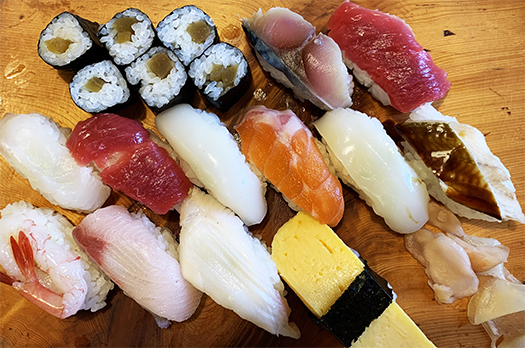
写真は「1.5倍ランチ」。これに吸い物が付いてランチとしてはほどよい。
久しぶりに握りの手さばきなどを見学させていただいて元気そうだった。
寿司は色合い、かたち、揃え方、食器とのバランスなど、さまざまな見方がある。
北海道東部・オホーツク海側出身で漁師さんたちとの交友の豊かな
友人にして、馴染みとして通いたくなる店。
そういう店が久しぶりに店舗をオープンさせていた次第。
ふだんのなにげない日常が久しぶりに復元してみると、
そういった部分の大切さを再確認させてもらえる。
店主が握れる範囲内の客数15人程度と小さい店舗だけれど、
そこそこの集客で営業活動再開という状況でした。

新規感染者減少が続いて恐る恐るながら普段着の暮らし方が戻って来ている。
最近はビジネス来訪者でも、アポなしという方すら増えてきている。
緊急事態宣言解除から1カ月半ほどですが、ごく普通が復元してきた。
住宅関係でもメーカー営業スタッフのみなさんの動き方も相当に復元。
相対の情報交換機会が復元してくると、やはりZoomなどでの情報交換では
得られなかった「現実感」が満ちて肉声感がある。
一方でZoomでの情報交換機会も併存してそれはそれで機能する部分がある。
「機会の適材適所」というような判断基準がこれから出てくるでしょうね。
Zoom型とリアルな面談機会との間で、機能・役割の明確化が進んでいく予感。
Zoomでは今後「話す人」の「聴く力」が試されるのではないか。
ヘンな表現ですが、顔が見えないZoom講演ではつい唯我独尊になってしまって、
聞いている人の立場への想像力が働きにくいケースが散見される。
対面型の講演では「聴衆の表情・反応」で話し方を軌道修正できるのが、
一方通行型のZoom講演ではそういうコミュニケーション上の修正ができにくい。

やっぱりふだん食べる握り寿司は納得感がある(笑)。
目でも味でも、なつかしさが訴えてきます。

English version⬇

[Zoom’s unpleasant taste and communication]
The other day, I went to a sushi restaurant near Sapporo Central Market, which I was familiar with when I went out.
For some time now, the store has closed with the spread of infectious diseases.
Before that, tourists from China were messed up.
Even if I stopped by occasionally, it was so crowded that it was difficult to even sit down.
Probably, it seemed that the information was spread on SNS among Chinese people and the popularity was concentrated.
When I asked a friend who liked it, it seemed like “The taste and the material are a little off …”.
I was worried that it would symbolize Hokkaido for a while.
The store that had such a background was reopening for the first time in a long time.
The photo is “1.5x lunch”. It comes with soup and is good for lunch.
It seemed to be fine to see the hand-handling of the grip for the first time in a long time.
There are various perspectives on sushi, such as color, shape, arrangement, and balance with tableware.
Born on the Sea of ​​Okhotsk side in eastern Hokkaido, he has abundant friendships with fishermen.
A store that makes you want to make friends and become familiar with it.
As soon as such a store opened the store for the first time in a long time.
When I try to restore my usual casual everyday life for the first time in a long time,
Let me reconfirm the importance of such a part.
Although it is a small store with about 15 customers within the range that the store owner can hold,
It was a situation where sales activities were resumed with a decent amount of customers.

The number of newly infected people continues to decrease, and the way of living in everyday clothes is terrifyingly returning.
Recently, the number of business visitors who do not have appointments is increasing.
It’s been about a month and a half since the state of emergency was lifted, but it’s been restored to normal.
Even in the housing industry, the movements of the manufacturer sales staff have been restored considerably.
When the relative information exchange opportunity is restored, it is still possible to exchange information with Zoom etc.
There is a sense of real voice that is full of “reality” that could not be obtained.
On the other hand, there is an opportunity to exchange information with Zoom, and it works partly.
Judgment criteria such as “the right person for the right place” will come out in the future.
I have a feeling that the functions and roles will be clarified between the Zoom type and the real interview opportunities.
In Zoom, the “listening ability” of “speakers” may be tested in the future.
It’s a weird expression, but in the Zoom lecture where I can’t see my face, I just became a self-respecting person.
There are some cases where the imagination of the listener’s position is difficult to work.
In face-to-face lectures, it is possible to correct the trajectory of the speech with “the facial expressions and reactions of the audience”.
In a one-way Zoom lecture, it is difficult to make such communication corrections.

After all, the nigiri sushi that I usually eat is convincing (laughs).
Nostalgia appeals to you both in your eyes and in your taste.

【いまも生けるがごとくの空海さん 高野山探訪記-16】


さて長々と書き連ねてきた「高野山探訪記」ですが、
ようやく「奥の院」建物に到着であります。
こころなしか「おお、よく来たな(笑)」みたいなレスを感じる心境。
住宅がメインでいろいろな探索をすることがライフワークになってきましたが、
宗教建築というのはさまざまに住環境に強い影響を与えてきた。
日本家屋で古民家を見て歩けばほぼ均一に仏壇、仏間に出会う。
人間は動物的生存を基本に生きる存在だけれど、
同時に「こころ」という不可解なものを抱き続けながら生きる。
考えるとか、判断するとか、願うとかのふしぎな脳活動と共生している。
日本人は神社という透明に近い宗教空間を尊崇しながら
同時に仏教思想での涅槃、解脱という救済も希っている。
神社信仰は他を排除する性向が少ない信仰心で仏教とも平和共存してきた。
「神さま、仏様」と違和感なく日本人はこころで唱え続けてきた。

空海さんの仏道にはどうもこの在来の神社信仰との合一性部分を感じる。
八十八ヵ所巡りのルーツには空海さんの山岳跋渉修行があるように思う。
日本は非常に山岳地形が特徴的な風土であり、
「みさき」というような言葉には抜けがたく自然崇拝的信仰が基底にある。
大陸的なインド、中国で発祥した仏教がこの日本の風土に出会ったとき、
空海さんのような修験道的な修行者が現れて密教を広布したのは
民族的必然性が強く働いたように思えるのです。
かれが活躍した時代は、仏教伝来から3-400年経過した時代であり、
そうした輸入仏教がいかにも「大陸由来」的な行き詰まりが顕著になって
天皇王権自体がその桎梏に満ちた「奈良の都」から脱出して
京都に首都移転した時代に相当している。
鎮護国家思想の背骨として王権は仏教を導入したけれど、
その教条の意固地さ,頑迷さに振り回されて事実上、制御不能になっていた。
そういう仏教のこの国での行き詰まり期にあらたな風を巻き起こしたのが
空海であり、最澄だったのでしょう。
最澄は比叡山という京都に近接するいかにも枢要の地に本拠を構えたけれど
より在野的な野生を感じさせる空海は政治の中心地からは隔絶した
空中宗教都市をあらたにこの高野山に切り開いていった。
どうもそういう違いが明確だと思われます。

奥の院を見学していたら、修行僧のみなさんが
どうやら空海さんの廟所に向かって讃を唱えられている場面に遭遇した。
はるかな衆生として空海さんにすこし近づけたように思えてうれしかった。
どうもわたし、熱心な空海ファンになってきたのかなぁ(笑)。

English version⬇

[Mr. Kukai, who is still alive, visited Mt. Koya-16]
By the way, the “Koyasan expedition” that I have written for a long time,
We have finally arrived at the “Okunoin” building.
I feel like “Oh, I’ve come often (laughs)”.
It has become my lifework to explore various things mainly in housing,
Religious architecture has had a strong impact on the living environment in various ways.
If you look at an old folk house in a Japanese house, you will meet Buddhist altars and Buddhist altars almost evenly.
Human beings live on the basis of animal survival,
At the same time, he lives while holding the mysterious thing called “heart”.
It coexists with mysterious brain activities such as thinking, judging, and wishing.
While the Japanese respect the almost transparent religious space of a shrine
At the same time, the relief of nirvana and liberation in Buddhist thought is rare.
Shinto shrine beliefs have coexisted peacefully with Buddhism with a belief that has little tendency to exclude others.
The Japanese have continued to sing with their hearts without any discomfort with “God, Buddha.”

Kukai-san’s Buddhism seems to have a unity with this traditional shrine belief.
I think that Kukai-san’s mountain pilgrimage training has its roots in visiting 88 places.
Japan has a very mountainous terrain, and
Words such as “Misaki” are based on a belief in nature worship.
When Buddhism, which originated in continental India and China, encountered this Japanese climate,
It was the reason why Shugendo practitioners like Kukai appeared and spread esoteric Buddhism.
It seems that ethnic necessity worked strongly.
The time when he was active was 3-400 years after the introduction of Buddhism.
Such imported Buddhism has become a prominent “continental origin” deadlock.
The emperor’s kingship itself escaped from the “city of Nara” full of swords
He corresponds to the time when he moved to Kyoto.
Although the kingship introduced Buddhism as the backbone of the national ideology of protection,
Being swayed by the stubbornness and stubbornness of the doctrine, it was virtually out of control.
It was the one that caused a new wind during the deadlock period in this country of Buddhism.
It was Kukai, and it was probably Saicho.
Saicho was based in Mt. Hiei, a very important place near Kyoto.
Kukai, which makes you feel more wild and wild, is isolated from the political center
A new aerial religious city was opened up on Mt. Koya.
It seems that such a difference is clear.

When I was touring the Okunoin, the monks
Apparently, I encountered a scene where he was chanting to the mausoleum of Mr. Kukai.
I was happy to think that I was a little closer to Kukai-san as a far-reaching sentient being.
I wonder if I’ve become an avid Kukai fan (laughs).

【日本人20万基「奥の院墓標群」 高野山探訪記-15】


835年に空海が死去してたぶん幾ばくかの経緯があって、
空海はまだ信仰の道を生き続けているという神話がうまれ、
入定し鎮座している奥の院周辺が「もっとも涅槃に近い」場所と認識され
多くの衆生が死後の安寧利益を求めて蝟集してきた。
その総数20万基にもなるという墓標・墓域群。
現代の我々は寺の「墓地」に葬られることが自然と思っているけれど
そういう死の様式化は少なくとも仏教伝来以前には習慣はなかったはず。
また、仏教導入初期は鎮護国家思想と連動する国家意志の色合いが強く
墓をそこに建立するという習慣はなかったと言われる。
やがて寺という現世での結界、浄土に近づきうると思える場所に
最後の人間の「不動産」願望として墓地を求める意識が芽生えたのだろう。
そういう日本人の仏教との精神関係史として考えれば
この高野山奥の院墓標群は象徴的なものかも知れない。
寺と墓地という関係性の初源の姿であるようにも感じる。
いろいろ思わぬ人物の痕跡も見出されて興味深い。
戦国期以降の武将たちの墓地は多いのだけれど、
なかにはそれより遙か以前の人物も散見される。
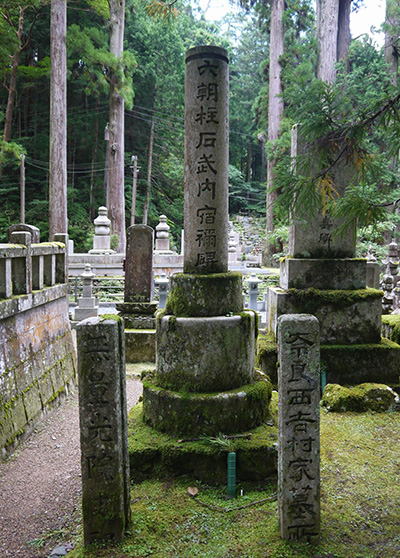
上の2番目の墓地は「六朝の柱石」というキャッチフレーズで
記紀に名の残る忠臣、武内宿禰の名前まで発見できる。
六朝というのは天皇6代にわたって勤仕したという意味で、
まともに計算したら常識をはるかに超える年齢まで活躍した人物。
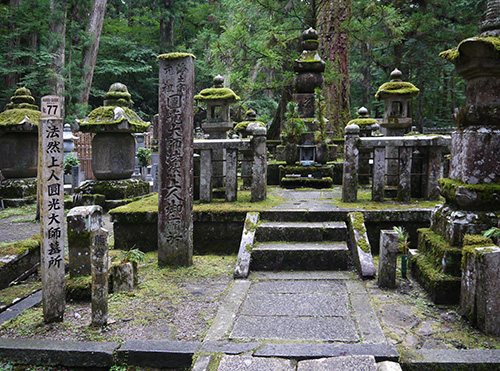
そうかと思えば「法然上人」という仏教の一宗派の創業者の墓域もある。
現代では常識化している宗派のセクト争いのようなものは
ここではまったく止揚されてしまっている。
仏教徒として法然さんはなんのこだわりもなく空海さんに仕えているとみえる。
はるかな弥勒菩薩の救世思想という仏教教義の原点に忠実だとも思える。


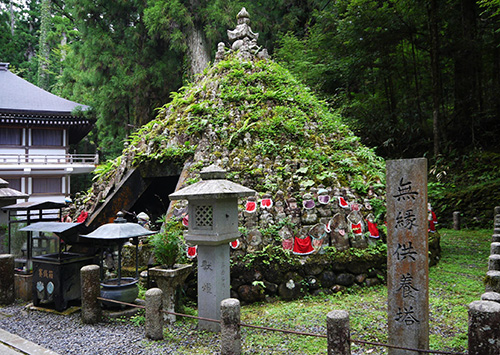
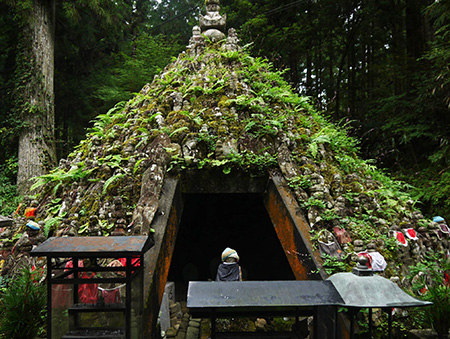
そういう墓標群の中でもこちらのカタチは特異。
無縁仏のための集合墓のようなのですが、
仏教伝来以前の社会で基本であった竪穴住居、
そして霊廟施設として日本古来の古墳をも想起させてくれる。
仏教伝来、寺院の建設ラッシュが統一国家形成期に一気に訪れ、
一方では古墳は急速にフェイドアウトしていく。
しかし古層の日本人意識としてこういった「鎮魂の形態」があるのだと思う。
無縁墓として竪穴の入口も開放されていて清々しい。
入口の架構は鉄さびも見られるので鉄骨で造作されているようにも見える。
近現代になって集合墓の需要が生まれてきたものかもしれません。

高齢化社会が進行・深化してきている日本社会。
こういう「死後の不動産」というものの選択肢の多様化も身近なものになるか。
先人たちのこういう「選択」に思いが去来します。

English version⬇

[200,000 Japanese “Okunoin Tomb Mark” Group Koyasan Expedition-14]
There was probably some history of Kukai’s death in 835,
The myth that Kukai is still alive on the path of faith was born,
The area around Okunoin, which has been settled and enshrined, is recognized as the “closest to Nirvana” place.
Many sentient beings have gathered for profit.
A group of grave markers and grave areas with a total of 200,000 units.
Today we naturally think that we are buried in the “graveyard” of the temple.
Such stylization of death must not have been a custom, at least before the introduction of Buddhism.
Also, in the early days of the introduction of Buddhism, there was a strong national will that was linked to the national idea of ​​protection.
There was no custom to build a tomb there.
Eventually, a temple, a barrier in this world, where you can approach the Pure Land
The consciousness of seeking a graveyard may have sprung up as the last human desire.
If you think of it as a history of spiritual relations with Japanese Buddhism
This group of grave markers at the back of Mt. Koya may be symbolic.
I also feel that it is the first source of the relationship between a temple and a graveyard.
It is interesting to find traces of various unexpected people.
There are many graveyards for military commanders since the Warring States period,
Some people are far earlier than that.
The second graveyard above is with the catchphrase “Scapolite of the Sixth Generation”
You can even discover the name of Takenouchi no Sukune, a loyal retainer of the Kiki era.
The sixth generation means that he served for the sixth generation of the emperor.
A person who was active until an age far beyond common sense when calculated properly.
If you think so, there is also a grave area of ​​the founder of a Buddhist sect called “Honen Shonin.”
Something like the sect struggle of denominations that has become common sense in modern times
It has been completely suspended here.
As a Buddhist, Honen seems to serve Kukai without any particular commitment.
It seems to be faithful to the origin of the Buddhist doctrine of the distant Maitreya Bodhisattva’s thought of salvation.

This shape is peculiar among such grave markers.
It’s like a collective tomb for an unrelated Buddha,
A pit-house as a residence, which was basic in society before the introduction of Buddhism
It also reminds us of an ancient burial mound as a mausoleum facility.
Buddhism was introduced, and the rush to build temples came during the period of unified nation formation.
On the other hand, the tumulus fades out rapidly.
I think that there is such a “form of requiescats” as the Japanese consciousness of the old age.
The entrance to the pit is open as an unrelated tomb, and it is refreshing.
The frame at the entrance also looks like it is made of steel because iron rust can be seen.
Or it may be that the demand for collective tombs was born in modern times.

Japanese society where the aging society is progressing and deepening.
Will the idea of ​​”real estate after death” gradually become familiar?
My thoughts come to this kind of “choice” of our predecessors.

【織田信長の名まで 奥の院参道墓標群 高野山探訪記-14】


ほとんど予備知識なく迷い込んだような高野山・奥の院。
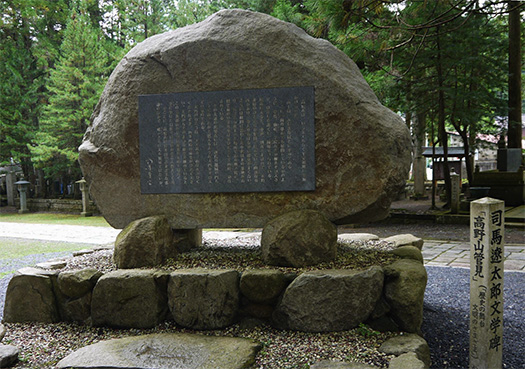
参道入口近くの司馬遼太郎文学碑をかろうじて読んでみたけれど、
一部が不鮮明でそのときには全貌はわからなかった。
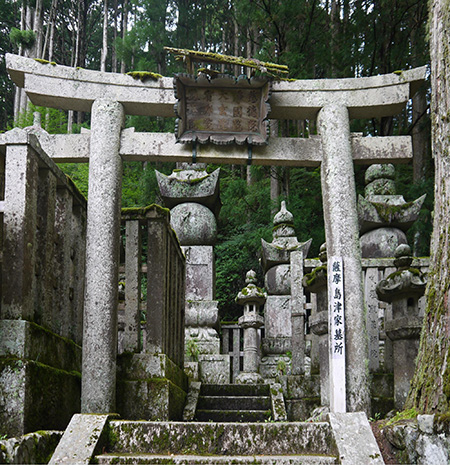
で、歩き進む内にたくさんの墓所、墓標が林立している様子がわかる。
目的地は空海が眠るとされる奥の院建築なのですが、
見るともなくそれら墓標群の文字が目に入ってきます。
なにやら聞き覚えのある日本史上の有名人の名前が見られる。
「え、薩摩家のなんとかさん? なんで?」
というように驚かされるウチに段々と有名人ランクが上がっていって
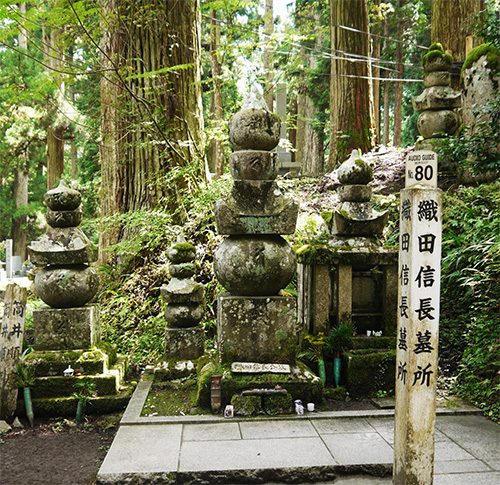
ちょっと脇道に入ると「織田信長」という名前まで出てくる。
ちょっと、オイオイというキツネにつままれたような気分になってくる。
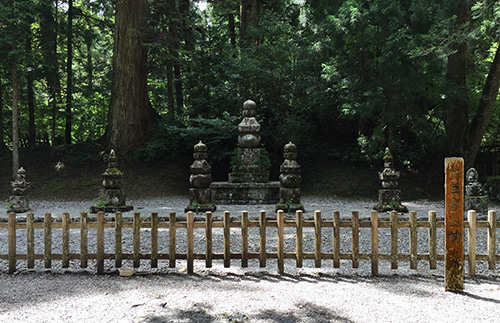
そのさらに奥にはやや高所に至って「豊臣家墓所」もあるではありませんか。
その異常さに驚きを通り越して、おかしみが盛り上がってくる。
そもそも墓標であるのに戒名の類ではなく、歴史上の通名が記されているあたり、
どうにもアタマに大混乱が巻き起こってくる。
それらのどれもが苔むしていて、司馬遼太郎さんの文章通りのたたずまい。

高野山というのはたしかに真言宗の根本道場であるワケですが
800年代中期の開設以来、朝廷や権力機構の尊崇を集めてきた経緯があり
多くの衆生が物見高く押し寄せてもくる存在だったので
そういう「客寄せ」要素として区割りしてあるものか、
というのがわたしの最初の直感、想像だったのですが、
どうもそういう俗世的な価値感ではないようです。
実際にこのような「場所取り」をしている武家などが全部で20万基あるという。
墓所というのは死後の「住宅」とも思えるその「敷地」。
おおくの歴史上の有名人と言っても、どうも戦国期以降の武将名が多い。
そこで出てくる説が弥勒菩薩による救世思想というもの。
弥勒は現在仏であるゴータマ・ブッダの次にブッダとなることが約束された
菩薩(修行者)で、ゴータマの入滅後56億7千万年後の未来に
この世界に現われ悟りを開き、多くの人々を救済するとされる考え方。
この56億7千万年後という時間は、現代の宇宙論的に太陽系の存続時間と
そう大きく違わないという奇妙な符合も指摘されているけれど、さて。
生きている間、無数の殺生を重ねて権力を握った人間たち、およびその縁者にとって
そういった罪業を救済してくれる仏教思想に傾倒したのだという説です。
高野山真言宗派にとって、そういう名目で多くの寄進が権力者から寄せられるのは
あえて拒むような性質のことではないでしょう。
ただ、信長は無神論者として知られて高野山と並ぶ比叡山を焼き討ちした人物。
残された縁者のなかの誰かが、高野山に掛け合って墓地を確保したのか。
中世的権威として高野山もまた信長の攻撃対象だったとも伝わっているので、
真偽のほどはどれも歴史の闇の中ですね。

English version⬇

[To the name of Oda Nobunaga Oku-no-in approach tomb mark group Koyasan expedition -14]
[To the name of Oda Nobunaga Oku-no-in approach tomb mark group Koyasan expedition -14]
Koyasan / Okunoin seems to have lost his way with almost no prior knowledge.
I barely read the Ryotaro Shiba literary monument near the entrance to the approach,
Some were unclear and I couldn’t see the whole picture at that time.
Then, as you walk, you can see that many graveyards and grave markers are standing in a forest.
The destination is the Okunoin architecture, where Kukai is said to sleep.
You can see the letters of those grave markers without seeing them.
You can see the names of famous people in Japanese history that you are familiar with.
“Well, somehow from the Satsuma family? Why?”
As I was surprised, the celebrity rank gradually went up.
If you enter a side road, you will see the name “Oda Nobunaga”.
I feel like I’m pinched by a fox called Oioi.
Isn’t there a “Toyotomi family graveyard” at a slightly higher place in the back?
The anomaly goes beyond surprise, and the humor rises.
Although it is a grave marker in the first place, it is not a kind of Dharma name, but a historical name is written.
Somehow, a great deal of confusion occurs in the head.
All of them are covered with moss, and they look exactly as Ryotaro Shiba wrote.

Koyasan is certainly the root dojo of the Shingon sect,
Since its opening in the mid-800s, it has been revered by the imperial court and power organizations.
Because many sentient beings were rushing to see
Is it divided as such a “customer gathering” element?
That was my first intuition, my imagination,
Apparently it’s not such a secular sense of value.
It is said that there are a total of 200,000 samurai families who are actually doing this kind of “place-taking”.
A graveyard is the “site” that seems to be a “house” after death.
Many historical celebrities have the names of military commanders since the Warring States period.
The theory that comes up there is the idea of ​​salvation by Maitreya Bodhisattva.
Maitreya was promised to be Buddha next to Gautama Buddha, who is now Buddha.
Bodhisattva (practitioner) in the future 5,670 million years after the death of Gautama
The idea that it appears in this world, becomes enlightened, and saves many people.
This time of 5,670 million years later is the duration of the solar system in modern cosmology.
It has been pointed out that there is a strange sign that it is not so different, but by the way.
For humans who have taken power after countless killings during their lives, and their relatives
The theory is that he was devoted to Buddhist ideas that would relieve such sins.
For the Koyasan Shingon sect, it is the reason why many donations are made by those in power under such a name.
It’s not something that you dare to refuse.
However, Nobunaga is known as an atheist and is the person who burned down Mt. Hiei along with Mt. Koya.
Did any of the remaining relatives cross over Mt. Koya to secure the graveyard?
It is said that Koyasan was also the target of Nobunaga’s attack as a medieval authority.
The truth is that it’s all in the darkness of history.

【空海が眠る「奥の院」司馬遼太郎碑文 高野山探訪記-13】


2日間、高野山探訪記休止していましたが「奥の院」の続篇です。
北海道人としては土地としてはあんまり馴染みのない和歌山・紀州。
そのなかでも山上の別世界的な高野山ということで周辺知識はまったくなかった。
金剛峯寺という真言宗の総本山の名前だけは知っていたけれど、
そこを探訪してみるとさらに奥に「奥の院」があって、
しかもいまでも弘法大師空海は生けるがごとくはるかなお弟子さんたちから
毎日の食事を捧げられながら、鎮座されているというのですね。
ということで、かわいい僧侶像に誘われて奥の院探訪を決意。

この奥の院に至る道筋は「絵地図」によれば約3km。
往復するには6kmの移動距離なので結構な運動量にもなる、修行か。
その途中にはたくさんの墓標が建てられていて、
歴史上の有名人たちが空海の尊名を慕って蝟集しているという。
いかにも関西文化圏の空気感、時間経過の積層が強く感じさせられる。
日本国家に正式に編入されてからまだ150年ほどの時間しか持たない
北海道の現実感覚とは違う時間が流れている雰囲気。
空海の死去(835年)からも、1200年近い時間が経過しているのに
まだこのような敬愛が存在し続けていることに
日本の仏教と精神史の存在感をまざまざと知らされる。
途中には司馬遼太郎の碑文も置かれている。


今回の写真整理の機会に全文が読めるように画像を修正してみた。
一部はそれでも読みにくいのですが以下に。
〜高野山は、いうまでもなく平安初期に空海がひらいた。
高野山はふしぎなほどに平坦である。空中に一個の都市でも展開しているように
堂塔・伽藍・子院などが棟をそびえさせ、ひさしを深くし、練塀をつらねている。
横道に入ると、中世「別所」とよばれて、非僧、非俗のひとたちが集団で住んでいた
幽迷(?)な場所があり、寺よりもはるかに俗臭がすくない。
さらには林間に苔むした中世以来の墓地があり、
もっとも奥まった場所である奥の院には、僧空海がいまも生けるひととして
四時、勤仕されている。その大道の出発点には、唐代の都城の門もこうであったかと
思えるような大門がそびえているのである。
大門の向こうは、天空である。山なみがひくくたたなずき、四季四時の虚空が
ひくく大きい。大門からそのような虚空を眺めていると、この宗教都市が
じつは現実のものではなく、空に架けた幻影ではないかとさえ思えてくる。
まことに高野山は日本国のさまざまな都鄙のなかで
唯一ともいえる異域ではないか。  司馬遼太郎〜

国民作家といわれた氏の文章に勝る表現はない。
歴史から教えられる衆生として高野山を巡っていたいと思います。

English version⬇

[Kukai’s Sleeping “Okunoin” Ryotaro Shiba Inscription Koyasan Expedition-13]
It is a sequel to “Oku-no-in”, although I was suspended from visiting Koyasan for two days.
Wakayama and Kishu are not very familiar to Hokkaido people as a land.
Among them, I had no knowledge of the surrounding area because it was Mt. Koya, which is another world on the mountain.
For the time being, I knew only Kongobuji, the main temple of the Shingon sect,
When I explored there, there was “Okunoin” in the back,
Moreover, even now, Kobo Daishi Kukai is still alive, from far-reaching disciples.
You are sitting down while offering your daily meals.
So, I was invited by a cute monk statue and decided to visit Okunoin.

The route to this Okunoin is about 3km according to the “picture map”.
It’s a 6km travel distance to make a round trip, so it’s a good amount of exercise, isn’t it?
Many grave markers were built along the way,
It is said that historical celebrities are gathering together in love with Kukai’s famous name.
The atmosphere of the Kansai cultural area and the accumulation of time have been strongly felt.
Only about 150 years have passed since it was officially incorporated into the Japanese state.
Atmosphere that time is flowing different from the reality of Hokkaido.
Almost 1200 years have passed since Kukai’s death (835).
That this kind of respect still exists
You will be informed of the presence of Japanese Buddhism and spiritual history.
An inscription by Ryotaro Shiba is also placed along the way.

I modified the image so that the full text can be read at this opportunity to organize the photos.
Some are still hard to read, but below.
It goes without saying that Kukai opened on Mt. Koya in the early Heian period.
Koyasan is mysteriously flat. As if it were deployed in one city in the air
The temple tower, the temple, the temple, etc. tower the ridge, deepen the eaves, and hold the fence.
When entering the side street, it was called “Bessho” in the Middle Ages, and non-monks and non-professionals lived in groups.
There is a ghostly (?) Place, and it smells much less profane than a temple.
In addition, there is a mossy graveyard in the woods since the Middle Ages.
In Okunoin, the deepest place, the monk Kukai is still alive.
I am working at four o’clock. At the starting point of the road, I wondered if the gate of Miyakonojo in the Tang dynasty was also like this
There is a towering gate that seems to be.
Beyond the Daimon is the sky. Nodding in the mountains, the emptiness of the four seasons at four o’clock
It’s big. Looking at such a void from Daimon, this religious city
In fact, it seems that it is not a reality, but an illusion in the sky.
Indeed, Koyasan is one of the various cities in Japan.
Isn’t it the only different area? Ryotaro Shiba ~

There is no better expression than the text of a national writer.
I would like to visit Mt. Koya as a sentient being taught from history.