本文へジャンプ

【緑と暮らしのバランス & 多地域「居住」最適化】


 人間はイキモノのひとつであり、類人猿の出自から言って緑の植生に対して無意識のうちに「回帰」するような心性を持つ存在なのだろうと思います。
 現代生活では都市化・コンクリートジャングル化が進展してその「機能性」の進化ぶりもすさまじいモノがあるけれど、その機能性最重視の環境だけでは心理的に「砂漠」化する。そういう基本的な動物心理に適合するように「都市計画」というものが立案されてその両立が図られていくのでしょう。
 たまに超都市環境である首都圏地域との間を行き来する人間としては、その「バランス感覚」について最適解を求めてみたくなる。まぁそのときの自分が置かれた条件によって可変するものでしょうが、いまの自分的にはどういうバランスがいいのかと考える感覚領域があると思う。
 そういう意味では早朝散歩というのは、そういった心理との適合性の判定行動なのだろうと思っている。そこでの環境感受、そのここちよさがひとつの指標になってくるものだ。わたしの場合、札幌の住宅街・西区山の手という環境がベースで、そこでは西区琴似という繁華街が歩5分ほどの近さにあった上で、そこからやや離れた西区図書館と相似する位置に家が立地している。家の前には中学校のグランドがあって視線は比較的に「抜け」が確保されている。
 そういう環境に対して、ときどき移動する関東圏で「ほどよい」場所を探してみるということになる。人間の行動パターンにおいて現代人は面白い領域に近づいているように思う。2地点居住、3地点居住というような選択肢も可視化してきているということかも知れない。
 ホームグラウンドとそれ以外の「馴染み」のゾーンの複層的「くらしごこち」というテーマなのかも知れない。ホームグラウンドの選定・決定にはさまざまな決定因子があるだろうけれど、そういう追究テーマ領域と、ときどき移動してなかば「日常化」する環境についても、それを感受性領域で検討するということが人間環境のテーマになって行く可能性がある。
 自分自身でもそうなのだけれど、知人のなかには2箇所3箇所のそういった環境を定時的に移動しながら生活しているひとも居る。人口減少と既存住宅の相関関係で、こういったテーマ領域も着目されてくるかも知れない。わたし自身ではメインとサブの住環境があり、そのほかに首都圏や関西圏への移動拠点というような選択がある。そのそれぞれでの最適環境選びであったり、最適化努力であったりというテーマ。
 すこしづつ、そのそれぞれを考えて見たいと思っています。

English version⬇

Balance between greenery and living & optimize multi-regional “living”.
The correlation between population decline and the existing living environment. In an environment where there are too many houses and not enough people, will the theme of an optimal human environment emerge? Green & Living

 Humans are one of the unique creatures, and given our ape-like origins, I believe that we have a mentality that subconsciously “returns” to green vegetation.
 In modern life, we live in an urbanized, concrete jungle, and the evolution of “functionality” has been tremendous. Urban planning” will be developed in order to conform to such basic animal psychology and to achieve a balance between the two.
 As a person who sometimes comes and goes between the metropolitan area and the hyper-urban environment, I would like to try to find the optimal solution to this “sense of balance. Well, it may vary depending on the conditions in which I am placed at the time, but I think there is a fundamental area of sensation in which I think about what kind of balance is best for me at the present time.
 In this sense, I think that taking an early morning walk is a factor in determining the compatibility with such a psychological state. The feeling of comfort becomes an indicator. In my case, I live in Yamanote, Nishi Ward, a residential area of Sapporo, and my house is located in a similar position to the Nishi Ward Library, a short walk from downtown Kotoni, Nishi Ward, which is about five minutes away. In front of the house, there is a junior high school ground, which provides a relatively clear line of sight.
 In response to such an environment, we will try to find a “moderate” location in the Kanto area, from which we sometimes move. It seems to me that we are approaching an interesting area in terms of human behavior patterns, and we may be visualizing options such as living in two or three locations.
 This may be a theme of multilayered “living comfort” between home ground and other “familiar” zones. There may be various determinants in the selection and determination of one’s home ground, but there is a possibility that one theme will be to examine the environment that sometimes moves between such a thematic area and the “everyday” environment in the sensitivity area.
 As is the case with myself, some of my acquaintances live in two or three such environments, moving from one place to another on a regular basis. The correlation between the declining population and existing housing may also attract attention to this thematic area. For myself, I have a main and a sub residential environment, and in addition, I choose to live in a base of operations in the Tokyo metropolitan area and the Kansai region. The theme is to choose the best environment for each of these, and to make efforts to optimize them.
 I would like to consider each of them a little at a time.

【首都圏行動拠点探し〜千葉「勝田台」逍遥】


 フリーの住宅探訪人としてあちこちと行動していますが、関東・首都圏地域ではだんだんと成田空港利用の頻度が増えてきています。頻繁な利用ではコスパから考えて、やはり成田が優位。東京都心までの移動がやや時間が掛かるけれど、それ以外の関東各地と考えると大きな差はない。関東各地をレンタカーを借りて高速を利用して移動するのがメインになるとそういった判断に。東京都心では公共交通・電車移動が基本ですが、やはり広域に関東各地を巡る場合にはレンタカー+高速の一択。
 で、最近よく「京成勝田台」駅周辺を利用しております。成田からの移動は30-40分程度で手軽。東京都内での行動にはちょっとムリがありますが、関東一円レンタカー移動の拠点としては適地。
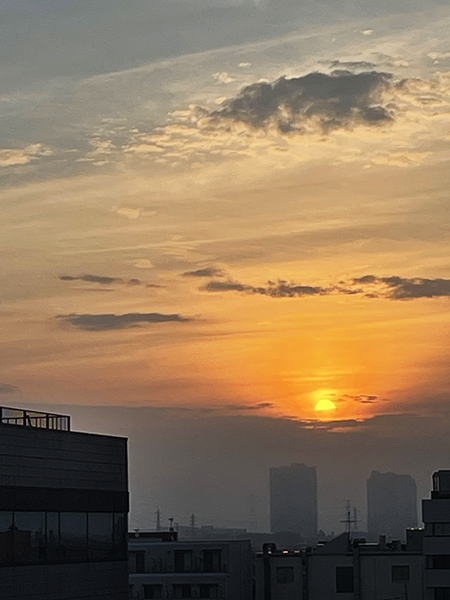
 街区と自然の環境的には東京都心とはすこし印象が違って、そこそこ建築の間に「ゆとり」が感じられ、緑地も多い印象を受ける。いちばん上の写真のように鹿島灘方面の太平洋からの日の出も、雲などの風景感も体感できる。江戸情緒の「浮世絵」っぽい風景が展開してくれる。東京都心では「明るい・暗い」しか日の出の感覚が受け取りにくいけれど、こんなふうに日の出が感じられると「大自然」感も得られるのですね。
 早朝の散歩は日本全国どこにいても気軽に歩きまわるので、ここでも「お、あの辺、ちょっと緑があるな」と目星を付けて探訪するのが楽しい。根っからの「風来坊」気質全開といったところ(笑)。まぁ北海道のようにヒグマまでの遭遇は考えられないので、見知らぬ緑地環境に入っていっても、そう大きな危険性はあり得ないので安心感がある。なにより都内ホテルのようなビジネス感ではなく、なかばは「暮らし」っぽい感覚が得られる。旅人と生活者の中間的な感覚とでも言ったらいいのか。

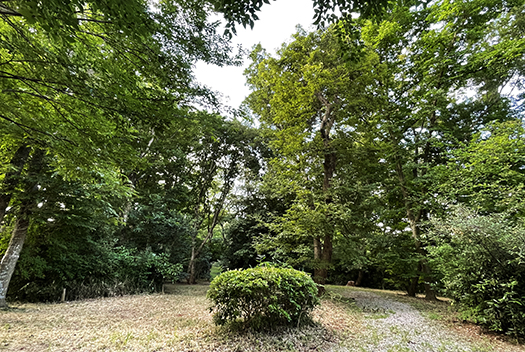
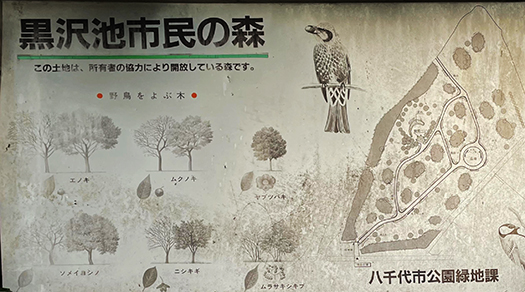
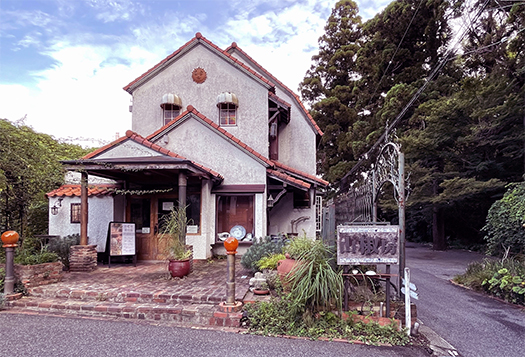
 で、写真のような公園的緑地を逍遥することもできる。ここは「黒沢池市民の森」というエリアだそうで、やや小高い土地に、この地域の植生が保持されている。その植生からの酸素の感覚が味わえる。温度と湿度のほかに「植物の匂い」「土の匂い」に独特の感じがあって、胸いっぱいに吸い込んでみたくなるのですね。「お、いいじゃん、この空気感」。
 とは言っても、やはり面積は小さいので、ほかの緑地も合わせて歩き巡っているのですが、ひとつの散策スポットとしては「数寄」になってくる。そういう雰囲気に惹かれてこの緑地周辺にはこの景観と親和的なレストランの建物が集中していたりする。
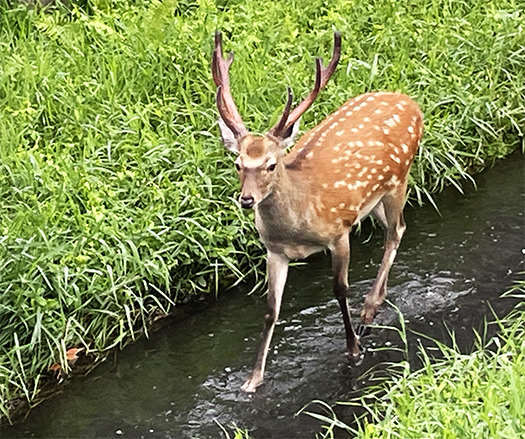
 ・・・どうもここのところ、ヒグマとかシカとか、自然的な「呼び声」に惹かれるようになってきている。やはり年齢的にそういう内心が顕在化してくるのでしょうか?

English version⬇

Searching for a base of operations in the Tokyo metropolitan area – Floundering in Katsutadai, Chiba
There are some areas in Japan where one can gradually narrow down the search for a base of operations for “house-hunting,” based on the ease of action. Is that what “fate” is all about? …

 As a freelance housing explorer, I travel from place to place, but the frequency of Narita Airport use is gradually increasing in the Kanto and Tokyo metropolitan areas. Narita is still superior in terms of cost performance for frequent use. It takes a little longer to get to central Tokyo, but there is not a big difference when considering other parts of the Kanto region. This is the case if you mainly rent a car and use the expressway to travel around the Kanto region. In the center of Tokyo, public transportation and trains are the basic means of transportation, but if you want to travel around the Kanto region over a wide area, renting a car and using the expressway is the only choice.
 Recently, I often use the area around “Keisei Katsutadai” station. It takes only 30-40 minutes from Narita. It is a good location for car rentals in the Kanto area, although it is a bit difficult to get around Tokyo.
 The city and its natural environment are slightly different from those of central Tokyo, and there is a sense of “spaciousness” among the buildings and a lot of green space. As shown in the photo at the top, you can experience the sunrise from the Pacific Ocean in the direction of the Kashima Sea, as well as clouds and other scenery. The scenery is like an “ukiyoe” of the Edo period. In central Tokyo, it is difficult to receive a sense of sunrise only as “bright and dark,” but if you can feel the sunrise like this, you can also get a sense of “great nature.
 Early morning strolls are a casual way to get around anywhere in Japan, so it is enjoyable to spot a green area and explore it. I have always been a “windbag” at heart (laughs). Well, it is unlikely that we will encounter brown bears as in Hokkaido, so there is a sense of security even if we enter an unfamiliar green environment, as there is no great danger. Above all, it does not have the business-like feel of a hotel in Tokyo, but rather a more “lived-in” feel. It is a feeling that is somewhere between that of a traveler and that of a resident.

 In this area, you can also wander through a park-like green space like the one in the photo. This area is called “Kurosawa Pond Citizen’s Forest,” and the vegetation of the area is preserved on a slightly elevated piece of land. You can taste the sensation of oxygen from that vegetation. Besides the temperature and humidity, there is a unique feeling of “plant smell” and “soil smell,” and you want to inhale it with your chest full of air. You think to yourself, “Oh, that’s nice, this airy feeling.
 However, the area is still small, so I am walking around with other green areas, but as one walking spot, it becomes a “sukiyaki”. The atmosphere of this green space has attracted many restaurant buildings that are friendly to this landscape.
 …….Recently, I have been attracted by natural “calls” such as brown bears and deer. Is it because of my age that such inner feelings are becoming more apparent?


【シカと接近遭遇 8/4朝6時半 in札幌・宮の森】


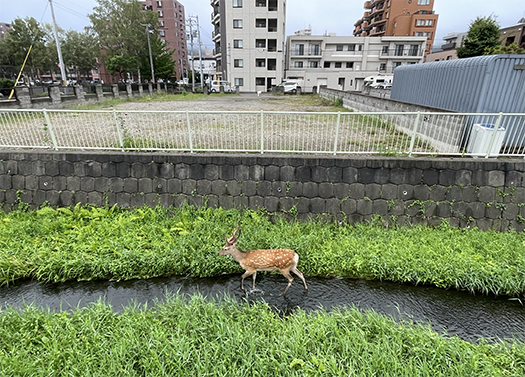
きのうのブログでは体長3mにもなるヒグマの今期でのわが家(札幌市西区の三角山近隣)周辺出現について触れましたが、そんなブログ記事を書いた後に歩いていた散歩の道すがら、今度は野生の牡鹿との接近遭遇であります。
 出現場所は高級住宅街・札幌市中央区宮の森を流れる「琴似川」という住宅街のど真ん中。
 毎朝の散歩コースは、適時コースを変えて気分転換・健康増進を図っているのですが、早朝時間なので野生動物、ヒグマとの遭遇などの危険性のより少ないコースを選んで歩いている。そんな「配慮」をしているにもかかわらず、この場所でか?という意表を突かれてしまった。
 この遭遇場所はわが家から札幌市中心部方向へ、約1.5kmほどの位置。この琴似川は札幌の市街の南側後背の円山・三角山といった山地から低地にあたる札幌市街にむかって流れている。ということは野生動物にとっては、その流路を伝って行けば容易に人間界に接近できる「高速道路」。一昨年も、発寒川水系の流路を伝って、札幌市東区の市街地域に出現して駆除されたヒグマがいたけれど、そのようなパターンかと思われる。
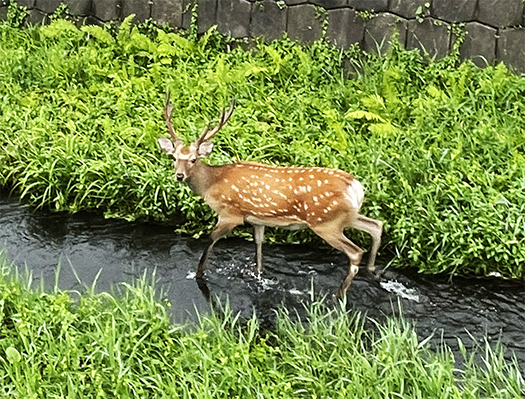
 たしかにわが家近くの発寒川流路でも頻繁にキタキツネなどを見かけることは多いけれど、さすがに今回は繁殖期を迎えて大きなツノを持った(かれら種の攻撃殺傷力)個体との遭遇。
 通報を受けたと思われる警官の方、3人ほどが流路脇の位置から川を見下ろして警戒活動中のところに散歩中のわたしが遭遇したのであります。特段警察のお世話になるような「過激派」ではないし、「いったい何ごと?」という野次馬好奇心で、かれらの視線の先を共有したワケです。
 突然の人間社会からの注目の中、「なにごとさ?なんかあったの?」みたいなやや迷惑そうな視線の泳がせ方で、悠然と川に沿って歩いていた。

 で、わたしたちの視線から外れていく寸前には、上の写真のようにわたしに視線をまっすぐに向けてきていた。「そういえば他のヤツは制服を着ているのに、なんかひとりだけ一風変わったヘンなヤツがいるなぁ、なにこいつ?」とでも内語で語っているような視線。
 いやぁ、オレはもと過激派の少年で警察のみなさんにご苦労はお掛けしたけれど・・・、みたいな反省文を書かされるような視線(笑)。かれとの距離の間には3mほどの高さの防護河岸という結界装置があるので、安全装置を介在させての「会話」が成立していたか。
 ほんの数十秒ほどの接近遭遇でしたが、こういう野生との出会いはこころに残ります。

English version⬇

Close Encounter with Deer 6:30 a.m. on Aug. 4 in Miyanomori, Sapporo
An unexpected encounter with the wild. We exchanged glances and conversed with the creatures for only a few dozen seconds or so. The dignified dialogue with them was a time of deep introspection. Sapporo and Miyanomori

In yesterday’s blog, I mentioned the appearance of a 3-meter-long brown bear in the vicinity of our house (near Mt. Triangle in Nishi Ward, Sapporo City) in this season.
 The stag appeared in the middle of a residential area called Kotoni River, which runs through Miyanomori, Chuo-ku, Sapporo, a high-class residential area.
 I change the course of my morning walk from time to time in order to change my mind and improve my health, but since it is early in the morning, I choose a course with less risk of encountering wild animals or brown bears. In spite of such “consideration,” this is the place? I was surprised at the location of this encounter.
 The location of this encounter was about 1.5 km from our house in the direction of central Sapporo. The Kotoni River flows from the mountains of Maruyama and Sankakuyama in the southern hinterland of the city of Sapporo to the city of Sapporo in the lowlands. This means that for wild animals, the river is a “highway” that allows them to easily approach the human world by following its course. The year before last, there was a brown bear that followed the Hassamu River system into the urban area of Higashi-ku, Sapporo, and was exterminated.
 It is true that we frequently see foxes and other animals along the Hassamu River near our house, but this time we encountered one with large antlers (which can attack and kill these animals) during the breeding season.
 I was walking along the river when I came upon three police officers who had been alerted to the situation and were looking down at the river from their positions along the side of the stream channel. I was not an “extremist” who would need the help of the police, and I was just a curious onlooker wondering “what on earth is going on? I shared their gaze with the curiosity of an onlooker.
 Suddenly, the attention of the human community was on us, and we were like, “What’s going on? What’s going on? I was walking along the river with a somewhat annoyed look on my face.

 And just before he was about to move out of our line of sight, he turned his gaze straight at me, as in the photo above. He looked at me as if he was saying in his internal language, “By the way, the other guys are wearing uniforms, but there’s this one guy who looks so strange and peculiar. He looked at me as if he were saying in his own language, “Well, I used to be a radical.
 He looked at me as if he were asking me to write a letter of apology, as if to say, “Well, I used to be a radical boy, and I’m sorry for all the trouble I went through with the police, but…” (laughs). (Laughs). There is a 3-meter-high protective riverbank between me and him, so I wondered if we were having a “conversation” through a safety device.
 It was a close encounter that lasted only a few dozen seconds, but this kind of encounter with the wild will remain in my heart.

【わが家周辺散歩道〜三角山ヒグマ情報】


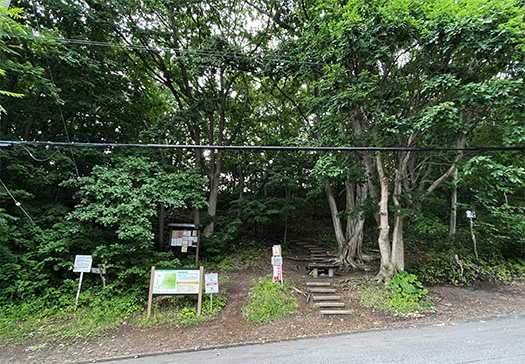
 北海道札幌でももっとも高温になるのが7月末から8月上旬。ということで普段の散歩道のコースをあちこちと分散しておりますが、やはりわが家周辺で緑のある地域としては三角山ということになります。標高311mで頂上には一等三角点という全国測量の基準点が存在する。明治初年の札幌都市計画の出発点とされ、開拓判官・島 義勇の故事も残される。開拓のときに三角山に登って札幌全域を眺望した。
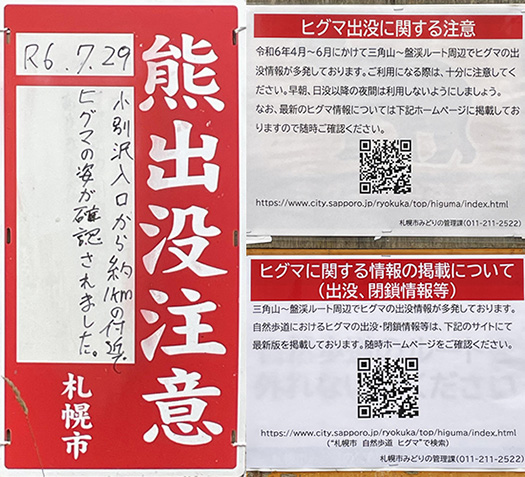
 で、数年前までは手軽に登れる山ということでよく登山していたのですが、上の写真のように最近は危険アラートが告知されてきている。つい数日前にも札幌市からの緊急警報でヒグマの目撃情報がこの登山道入口付近でもあったばかり。〜札幌市内から奥の山地の盤渓に至る道程の途中「小別沢」から1kmほどでことし7/29に目撃との看板表示。自然との共生というのはコトバでキレイ事を言うのは容易いことだけれど、現実的には人間の暮らしようは大きく制限を受ける。
 この問題はハンターのみなさんの「高齢化」問題やその手当ての低額ぶりも報道されてきて、今後とも北海道に暮らす人間にとって身近な問題であります。わたしの場合は、やはりここから山道に入っていくことは断念いたしました。健康増進が目的の散歩で危険を受容するというのはあり得ない。
 しかし東京都内23区内ですら野生のシカが発見捕獲されたというニュース報道もありましたが、野生の動物の間でエサを求めて人間社会とのバリアーを超えてくるような個体も出てきている。また今年は本州地域で多数の「クマ」被害が報告されたりしている。人間社会と野生との間での境界はやはり必要でしょう。
 この山道入口までもわが家からは1kmちょっと程度なのですが、高低差があってずっと上り坂を歩いて行くのはさすがに堪えるようになってきた。きのうも途中なんども呼吸を整えるのに、小休止を繰り返しておりました。1日10,000歩を超える散歩を元気にこなしていても、上り坂はあんまり経験していない。まぁ加齢してきているので、あんまり頑張りすぎないようにムリのない範囲を心がけております。
 緑環境や自然景観との相関も、安全側の限度内で留めながら短い北の夏を謳歌したいと思います。

English version⬇

Brown Bear Sightings in the Triangle Mountains
On 7/29, there was another brown bear sighting within 1-2 km of our house. We must be very careful about our safety and think about communicating with nature and the wild. ……

 The hottest season in Sapporo, Hokkaido, is from the end of July to the beginning of August. Therefore, we have dispersed our usual walking trails from place to place, but the area with the most greenery around our house is Mt. It is 311 meters above sea level, and there is a national surveying reference point called the First Class Triangulation Point at the top. It is said to be the starting point of Sapporo city planning in the early Meiji period (1868-1912), and there is a legend about Yoshiyou Shima, a pioneer magistrate. When he pioneered the development of Sapporo, he climbed Mt.
 So, until a few years ago, I often climbed this mountain because it was easy to climb, but as shown in the photo above, a danger alert has been notified recently. Just a few days ago, there was also a brown bear sighting near the entrance to this trail due to an emergency alert from Sapporo City. 〜A signboard indicated that a brown bear had been seen about 1 km from Kobetsusawa on the route from Sapporo City to Bankei in the backcountry on July 29, 2011. It is easy to talk about living in harmony with nature, but in reality, the way humans live is greatly restricted.
 This issue will continue to be a close concern for people living in Hokkaido, as the “aging” of hunters and their low allowances have been reported in the media. In my case, I decided not to go into the mountain trail from this point. It is impossible to accept danger when walking for the purpose of improving one’s health.
 However, there were news reports that wild deer were found and captured even in the 23 wards of Tokyo, and some wild animals are crossing the barrier between human society and the wild in search of food. Also, this year, a number of “bear” damages have been reported in the Honshu area. Boundaries between human society and the wild are still necessary.
 The entrance to this mountain trail is only about 1 km from our house, but it is getting to be quite a strain to walk uphill all the way to the trail’s entrance. Even though I walk more than 10,000 steps a day, I have not experienced much uphill walking. Well, I am aging, so I try not to work too hard.
 I would like to enjoy the short northern summer while keeping the correlation with the green environment and natural scenery within safe limits.


【2024盛夏の列島 上空からの残暑見舞い状】


 今週は東京から帰ってきて、懸案事項の対応でけっこうな神経戦が続いております。問題点というか、課題の見える化がようやくメドが立ってきて来週にかけてが山場。性格的にコツコツと細部をひねくり回すと言う作業に苦手意識があるのですが、まぁじっくりと気分を静めて対応は続きます。
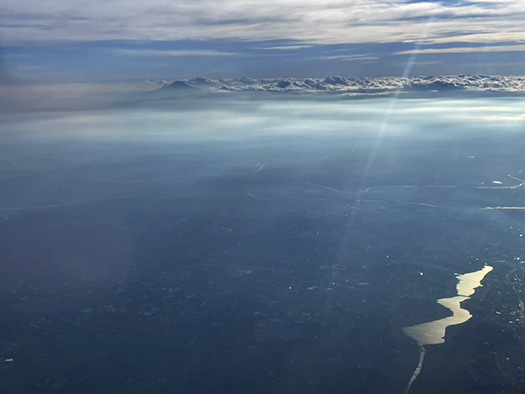
 そういったなかでは気分転換が不可欠ですが、写真は東京から札幌への帰還時の航空写真。手前側が房総半島の様子で、東京湾を挟んでどうやら富士山が雲海から顔を出して、夏雲群がその右側に整列しているかのような光景。房総半島では霞ヶ浦かと思われる水面が日の光を反射して神々しい。
 こういう雄大なパノラマ景色を見ていると、人生の全体にわたっての俯瞰のような思いがわき上がってきて、相当若い時期、はじめて飛行機に乗り始めた時期のことまでワイドに想起する。で、そういった時期に考えていたことや、感覚していた心理の断面などが突然まざまざと浮かび上がってきたりする。
 たぶん誰もがこういうパノラマを見るとそんなふうな想念にかられるでしょう。いや、そうではなく単なる高齢化の進行で、過去の記憶領域がアタマのなかで「あふれかえって」いるのかも(笑)。しかし人間の生物的特徴として、過去のことは薄い霞が掛かって、ぼんやりと平穏な風景に包まれていくのではないかと思っています。たとえばイヤなこととか、ツラかったことでも、時間が経っていくとそういう負の感情は徐々に薄らいでいって、肯定的な心理で捉え返すように思える。
 まぁ時間の経過がすべてを浄化すると言うことかも知れません。
 ・・・っていうような心もようになってきて、飛行機に乗ると最近はとにかく「窓際」族一択(笑)。巨視に包まれていると、日常的な些事や困難はほんの些細なことだというように「見えて」くる。っていうか、違う視点で考えることができるようになる、と言うことかも知れない。

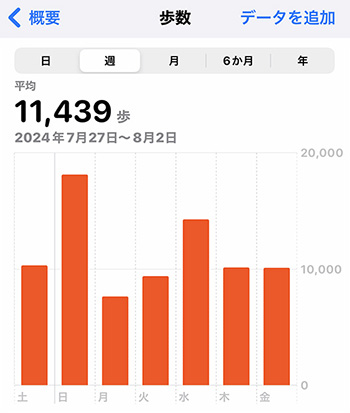
 で、今週は1日の「歩数」がうなぎ上りで平均で1日11,439歩。早朝や夕方など、すこし過ごしやすい時間中心ですが、健康体力の維持・増進に邁進中。ただ、ちょっと歩きすぎかも知れない。週末に至ってやや疲労の蓄積感がある。
 ということで英気を養って体力も涵養したいと思います。みなさんもお元気に。ブログでの残暑見舞いになった次第です。

English version⬇

2024 Midsummer Archipelago: A Late Summer Greeting Card from Above
Unusual sky above and wide landscapes diminish trivial things with an impression of being dazed. I would like to have a generous view to the extent that people do not think I am suffering from dementia (laughs). …….

 This week, after returning from Tokyo, we have been in a nerve-wracking battle to deal with a number of pending issues. I have finally reached a point where I can visualize the problem or rather the issue, and the next week will be the climax of the project. I am not very good at this kind of work, but I will continue to deal with it slowly and calmly.
 In such a situation, a change of pace is essential. The photo is an aerial view of the return trip from Tokyo to Sapporo. In the foreground is the Boso Peninsula, and across Tokyo Bay, Mt. Fuji appears to be emerging from a sea of clouds, with a group of summer clouds lined up to its right. On the Boso Peninsula, the surface of the water, perhaps Kasumigaura, reflected the sunlight and looked divine.
 When I look at such a magnificent panoramic view, I get a bird’s eye view of my entire life, and I even think back to the time when I was quite young and started flying for the first time. And suddenly, the things I was thinking and feeling at that time, as well as the cross-section of my mind, come vividly to the surface.
 Perhaps everyone will have such thoughts when they see a panorama like this. Or perhaps it is not that, but simply the aging of the population that is “flooding” our minds with memories of the past (laughs). (Laughs) However, as a biological characteristic of human beings, I believe that the past will be enveloped in a hazy and peaceful landscape. For example, even if it was a bad time or a painful experience, as time goes by, such negative feelings gradually fade away and we seem to recapture them in a positive frame of mind.
 Well, it may be that the passage of time purifies everything.
 I have come to have such a mentality that when I board an airplane these days, I always choose to fly by the window (laughs). When you are surrounded by a huge view, you can “see” everyday trivialities and difficulties as if they are just trivial. Or perhaps it means that I can think from a different perspective.

 This week, my daily step count has been climbing, averaging 11,439 steps per day. I have been working hard to maintain and improve my health and fitness, mainly in the early morning and evening, when it is a little easier to spend time. However, I may be walking a little too much. I am feeling a bit fatigued after the weekend.
 So, I would like to nurture my energy and physical strength. I wish you all the best. I would like to express my best wishes for the late summer season in this blog.

【いつものスーパーで買い物🎵 ホッケ再確認】


さて月曜日夜に東京から帰還後、あれこれの用務を片付けながら、今週末にはちょっとしたパーティがありカミさんと事前買い出しにようやく行けました。
 で、ここのところすっかり「ホッケの開き」ブログと化しているので、ついつい目がその鮮魚コーナーに向かってしまう。このスーパーは札幌中央市場の魚屋さんが開いている店なので、お魚関係は豊富でしかも新鮮、なお格安というお気に入りなんですね。わたしのホッケの開き購入はおおむねこちらです。
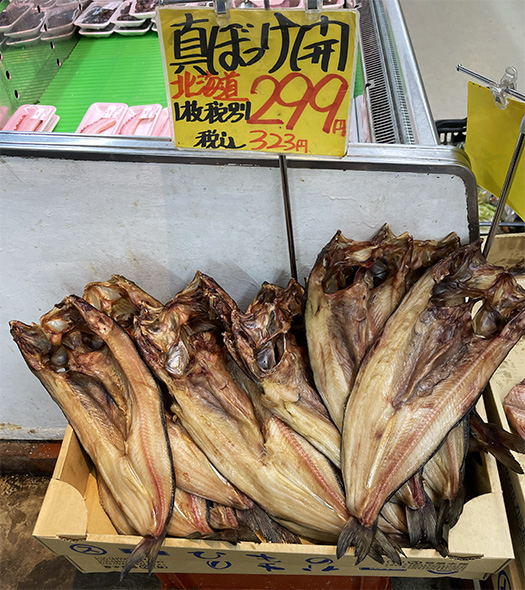
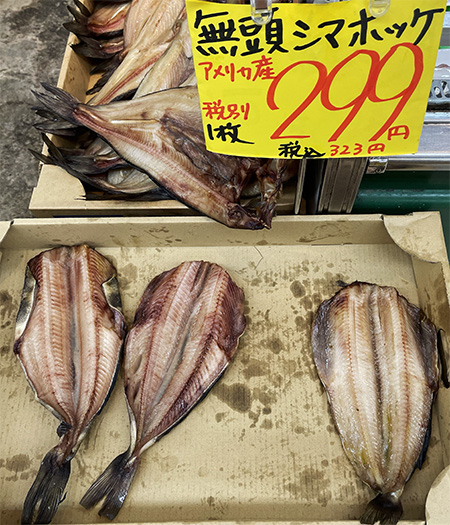
 昨日の場合、北海道産の「真ホッケ」開きが1尾299円。これはかなり大ぶりで、アタマから尻尾までおおむね40cm超でした。一方の「無頭シマホッケ〜アメリカ産」はやや小ぶりで25cm程度。価格はこちらも1尾299円。
 ということでいつものように迷うことなく地元産一択。帰ってきて夕食で夫婦2人で盛大に平らげていましたが、2人で食べてもほぼ満腹。ごはんはわたしは減量して茶碗半分程度と、味噌汁、大根おろし、その他付け合わせの煮付けというメニュー。メインとしての役割としては完璧の大谷翔平クン状態。
 で、このブログのご意見番氏からは、そろそろ開きの自作を強力にプッシュされています(泣)。刺身で捌くのはよくやるのですが、そういう自作はあんまり考えていなかった。


 で、この新鮮なホッケを自分で開けば、1枚200円ほどで作ることが出来るのですね。産地は北海道・積丹と記載されていた。どうしよう、であります。
 まぁ今週は焼き肉パーティということなので、アタマは別のところに向かっています。が、さていつまで我慢できることやら(笑)。たぶん週1での買い物毎に鮮魚コーナーで目が釘付けになり続けることでしょう。
それにしても、イナダの50-60cm程度の魚体のヤツも790円ほど。手料理大好き人間にとって北海道はあまりにも食材の魅力がありすぎる。先日のお寿司大量手づくりでも飛び入りで食べていただけた東京から来られていた方が、非常に喜んでいたということ。食べもののおいしさでつながる心は根深い親和力がきっとあるのでしょうね。北海道の無限な資産として、こういった海産物の魅力は不滅の輝き。地元民としては、いつなんどきでも対応できるように、料理の奥深さを探究しておきたい。
 

English version⬇

Shopping at the usual supermarket 🎵 Reconfirming hokke.
This has become a blog all about hokke (laughs), but it seems to be approaching its peak season and the price has dropped another notch, making it all the more appealing. …

After returning from Tokyo on Monday night, I finally went shopping with my wife in advance for a small party this weekend.
 And since this blog has become a “hokke no akira” (hokke crackers) blog recently, my eyes couldn’t help but drift to the fresh fish section. This supermarket is owned by a fishmonger from the Sapporo Central Market, so the fish is plentiful, fresh, and inexpensive. This is where I usually buy my hokke (hokke).
 Yesterday, I bought a Hokkaido “Maki-Hokke” for 299 yen a piece. It was quite large, measuring over 40 cm from head to tail. On the other hand, “Mu-Hokke (headless) Striped Hokke from the U.S.A.” was a little smaller, about 25 cm. The price was also 299 yen per fish.
 So, as usual, we chose the local product without hesitation. We came home and ate it together for dinner, and we were almost full. I ate half a bowl of rice, miso soup, grated radish, and boiled vegetables as an addition to the menu. As for the main course, I was in perfect Shohei Otani condition.
 And Mr. Opinionator of this blog has been strongly pushing me to make my own kiraki-kira soon (tears). I often do sashimi processing, but I hadn’t really thought about that kind of homemade.

 So, if you open this fresh hokke yourself, you can make it for about 200 yen per piece. The place of origin was listed as Shakotan, Hokkaido. What should I do?
 Well, my mind is going somewhere else this week because we are going to have a yakiniku party. But I wonder how long I can hold out (laugh). I will probably keep my eyes glued to the fresh fish corner every time I go shopping once a week.
But even so, a 50-60cm piece of inada fish costs about 790 yen. For those of us who love homemade cooking, Hokkaido has too much to offer in the way of ingredients. The other day, a person from Tokyo, who had joined us in our mass production of handmade sushi, was very pleased with the food. I am sure that the hearts connected by the deliciousness of food have a deep-rooted affinity. As one of Hokkaido’s infinite assets, the charm of such seafood is immortal and radiant. As a local, I would like to explore the depth of the cuisine so that I can respond whenever and however I want.

【現代人の大テーマ「家をどうするか?」〜道庁住宅会議】

Screenshot


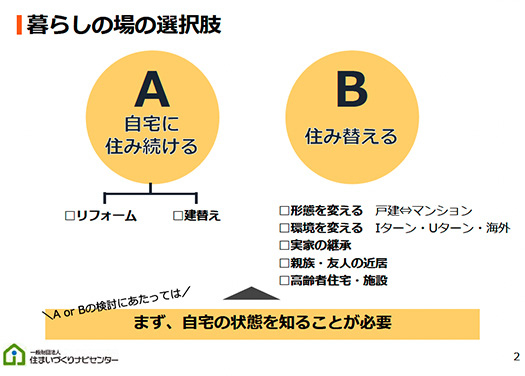
 昨日は表題の会議に参加しておりましたが、画面ショットは同会議での「参考資料」から。
 住宅というのは人間生活の基本であり、とくに北海道という地域にとっては積雪寒冷という風土条件から住み続けていくためには、必須関心領域。それこそ国家の安全保障的な絶対条件から北海道島への日本民族の大量移入が推進されるために「北海道開拓使」という中央省庁が明治初年に設立された経緯がある。その後中央省庁としては廃止されたのだけれど、その使命感に満ちたDNAは、地域自治体としての北海道の建設局に脈々と受け継がれている。
 一般的な「地域自治体」にとって住宅政策というのはお上、中央政府・国土交通省の管轄の事項であってその政策に沿って運用を管掌するというような役割。ところが北海道は日本全体としては特異に寒冷という気候条件から独自に「住宅施策」を行ってきている。
 いまその管掌範囲で住宅リフォームという領域が大きなテーマになって来ている。人口減少局面では従来の新築住宅についての品質基準制定だけでは、市場対応できなくなっていく。現代の住宅の課題としては省エネであり、脱炭素化が求められていくけれど、あくまでも「民間住宅」領域の事柄であって、民の視点からの誘導的な「施策」が求められていくことが必然なのだと思う。
 地域自治体という公共が「民の立場・視点」を持って施策にあたるということは非常によいことだと思う。わたし的には「住宅民主主義」という実相を見るような思いを抱いている。北欧の国々のその住宅への思いというものが言語化されているけれど、それも同様に民の視線が貫かれている。
 ・・・と言うような流れの中で、現代の民にとって、もう一度住まいと暮らし方を再構築していくときにどういったポイントがあるのか、基本はそこからスタートするのだと思う。上の図は一般社団法人「住まいづくりナビセンター」の資料の1丁目1番地画面。
 そもそも現代人にとっては親の家をどうするか、自分の家をどうするかというように、さまざまな住宅のメンテナンスや将来設計への明確な「判断力」が求められているのだと思う。税制なども複雑に絡み合って「家をどうするか」というのは単純に「いい性能の家を新築で建てる」というテーマに収斂させられなくなっているのだ。
 ストック型の住宅市場環境のなかで、その品質向上はどのように誘導されていくべきか、いま現在の北海道の住宅施策会議は非常に興味深いゾーンに入ってきているように思われる。後世のひとたちに役に立つような道筋を解明できればと祈念している。

English version⬇

[The great theme of the modern man, “What to do with our homes?” ~Dojo Housing Conference]
Deepening from institutional design to housing technology to build houses of good performance to the root theme of “how to live in” existing houses such as parent’s houses and one’s own house. …

 Yesterday, I was at the conference on the subject, and the screen shot is from the “reference material” at the conference.
 Housing is the basis of human life, and it is an essential area of concern for the people of Hokkaido, especially in order to continue to live there due to the cold and snowy climate. The “Hokkaido Kaitakushi” (Hokkaido Development Office) was established in the early Meiji period (1868-1912) to promote the mass migration of Japanese people to the island of Hokkaido as an absolute requirement for national security. Although the ministry was later abolished as a central government ministry, its mission-filled DNA has been passed down through the generations to the Hokkaido Construction Bureau as a regional municipality.
 For most “regional governments,” housing policy is a matter under the jurisdiction of the central government (Ministry of Land, Infrastructure, Transport and Tourism), and their role is to administer the operation in accordance with the policy. Hokkaido, however, has been implementing its own housing policies due to its uniquely cold climate.
 Now, the area of housing renovation is becoming a major theme within the scope of the ministry’s jurisdiction. In the phase of population decline, it will no longer be possible to respond to the market simply by establishing conventional quality standards for new housing. Energy conservation and decarbonization will be required for modern housing, but this is only a matter of “private-sector housing,” and it is inevitable that guiding “measures” from the perspective of the private sector will be required.
 I think it is a very good thing that local governments, the public sector, are taking measures from the standpoint and perspective of the private sector. In my opinion, I feel as if I am seeing the reality of “housing democracy. The Scandinavian countries have verbalized their thoughts on housing, but they also have the people’s point of view.
 In this vein, I believe that the basic question is what points should be considered when reconstructing housing and lifestyles for the people of today, and that is where we should start from. The figure above is a 1-1-1 screen from the materials of the General Housing Development Navi Center.
 I think that people today need to be able to make clear “decisions” on various housing maintenance and future plans, such as what to do with their parents’ houses and what to do with their own houses. Taxation systems and other factors are also becoming more complicated, and the question of “what to do with one’s house” is no longer simply “build a new house with good performance”.
 The current housing policy conference in Hokkaido seems to have entered a very interesting zone in terms of how quality improvement should be guided in the stock-type housing market environment. It is my hope that we will be able to clarify the way forward in a way that will be useful to future generations.

【北海道庶民の味覚「ホッケの開き」ふたたび(笑)】


 どうも「ホッケの開き」の縁が続いております(笑)。わたしは北海道民として、札幌市民としてごく普通にスーパーなどで「あ、ホッケの開きだ。いいな、そのうち食べよ」と無意識に買いものカゴに入れていたのです。ホッケには「シマ(縞)ホッケ」といわゆる「ホッケ」2種類あってということはあんまり強く意識していなかった。で、シマホッケはアタマを落としているんだ、としかその形態でしか違いを意識はしていなかった。
 きのうのブログ反響ではいつもコメントをいただける道内の住宅研究者の方からまで、「ホッケの開き、盛り上がっていますね(笑)」としてコメントをいただいた。どうも世間をお騒がせしているようで、住宅ネタがメインのブログとしては、本筋外の話題で恐縮しております。
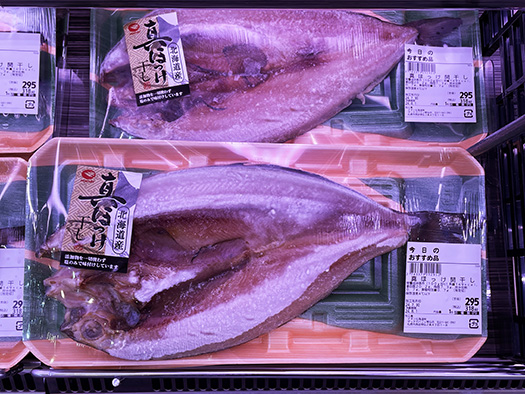
 シマホッケはだいたい「ロシア産」と書いてあるので、とくにロシアによるウクライナ侵攻があって以降は拒否的だった。一方でいわゆる「ホッケ」は上の写真のようにアタマが正直に付いていて、シマホッケに比べたら、やや身の厚みが薄いかなとは思っていても、こっちを愛好していた。
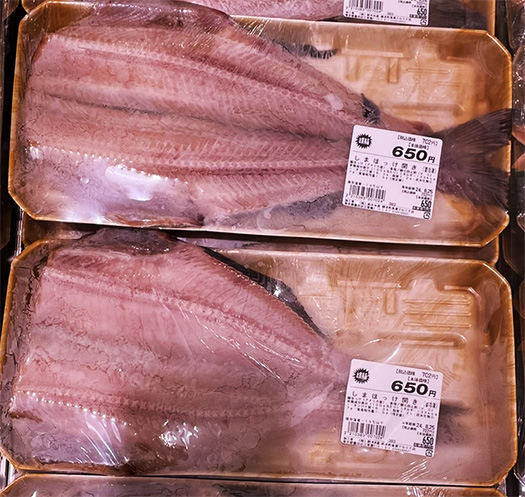
 きのうもふと立ち寄ったスーパーでどうしても目が行って、また写真を取っていた(笑)。きのうのスーパーではホッケ1尾295円の値付け。その下にきのうのブログで使った錦糸町「シマホッケ」の写真を上げましたので両者の違いはお分かりいただけるでしょう。いつも馴染みのスーパーでは、このホッケは398円くらいなので、かなり割安感はあった。シマホッケだとロシア産で1尾298円が相場だったので、それと比較しても割安感がある。なんですが、わたしは案外保守的なのでいつものスーパーでも再度確認してから、判断したいと思います(笑)。
 ということで庶民の味ですが、国際関係・戦争の影もそこに投影されて食べものの相場観にも変化が生まれてくるのでしょう。今後ともウォッチし続けて行きたいと思います。

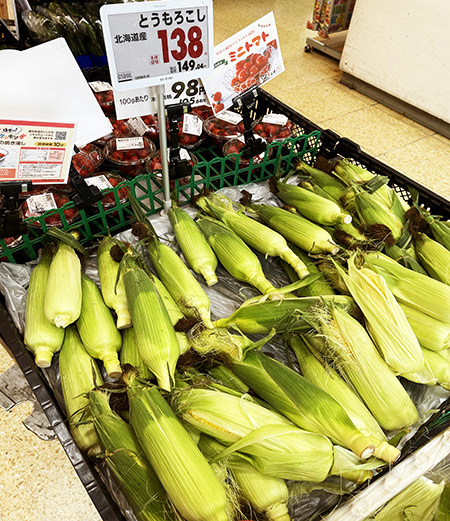
 さて北海道の夏の味覚と言えばなんといってもトウモロコシ。これも「トウキビ」という別称もある。わたし的にはトウキビ一択なのですが、これは日本各地域での言い方の違いなのでしょう。
 日本人の品種改良努力はすさまじいものがあって、最近の進化した品種では、ちょっと味覚で驚かされるものがある。こういう品種改良への志向性の根源には、北海道の開拓・国土利用というDNAがそこに投影されているように思う。コメが採れない土地から採れる土地への進化努力を日本民族は北海道で行ってきた。明治以前にはほとんど採れなかったコメが、いまでは新潟県に肉薄するコメ産地に変貌した。そこではコツコツとした民族的努力が傾注され続けてきた。いまでは品質面でも上位等級のコメが産出されブランド米までが出現している。
 トウキビでもいま、同様の進化努力が花開きつつあるのでしょう。すばらしい。

English version⬇

Hokkaido’s common taste, “hokke no kirai” (hokke fish crackers) once again.
I was completely excited about hokke. International relations are also projected onto the world of taste, and we are getting deeper and deeper into the world of taste. On the other hand, sugarcane is at its peak. The evolution of umami is amazing. The evolution of umami is amazing.

 Thanks for your continued interest in “hokke no akira” (open hokke) (laughs). As a Hokkaido-native and a citizen of Sapporo, I would usually go to the supermarket and say to myself, “Ah, hokke (hokke) open fish. I’ll have some one of these in the future. I was not really aware that there are two types of hokke: striped hokke and so-called hokke. I was only aware that striped hokke had their heads cut off, and that was the only difference between the two.
 Yesterday, I even received a comment from a housing researcher in Hokkaido, who always comments on my blog, saying, “The hokke are getting excited about opening hokke (laughs). It seems to be causing a stir in the world, and as a blog whose main topic is housing, I am sorry to say that it is a topic outside of our main focus.
 Since striped hokke is usually labeled as “Russian,” I have been rejecting it, especially after Russia’s invasion of Ukraine. On the other hand, the so-called “hokke” has its head honestly attached as shown in the photo above, and even though I thought its meat was a little less thick than that of striped hokke, I was a fan of this type of hokke.
 Yesterday, too, I couldn’t help but notice it at the supermarket where I stopped by and took another picture of it (laugh). At the supermarket yesterday, a hokke was priced at 295 yen. Below I have uploaded a photo of the Kinshicho “striped hokke” I used in yesterday’s blog so you can see the difference between the two. At the supermarket I am familiar with, this hokke is priced at about 398 yen, so I felt it was quite inexpensive. The price of Russian striped hokke was 298 yen per piece, so it seemed cheap compared to that. But I am a conservative person, so I will make a decision after checking again at my usual supermarket (laugh).
 So, although it is the taste of the common people, the shadow of international relations and wars will be projected on it, and the market price of food will probably change as well. I would like to continue to watch the market.

 The summer delicacy of Hokkaido is corn. It is also known by another name, “sugarcane. For me, corn is the only one I would choose, but this is probably due to differences in the terminology used in different regions of Japan.
 The Japanese have made tremendous efforts in breeding, and some of the more recently developed varieties are a bit surprising to the palate. I believe that Hokkaido’s DNA of cultivation and utilization of the land is projected at the root of this orientation toward variety improvement. The Japanese people have made efforts in Hokkaido to evolve from a land where rice could not be harvested to a land where rice could be harvested. Rice, which was almost unobtainable before the Meiji era, has transformed itself into a rice-producing region that is now close to Niigata Prefecture. The Japanese people’s persistent efforts have been devoted to the development of the rice production area. Nowadays, the quality of the rice is of a higher grade, and even brand-name rice is being produced.
 The same evolutionary efforts are now blossoming in the sugarcane industry. This is wonderful.


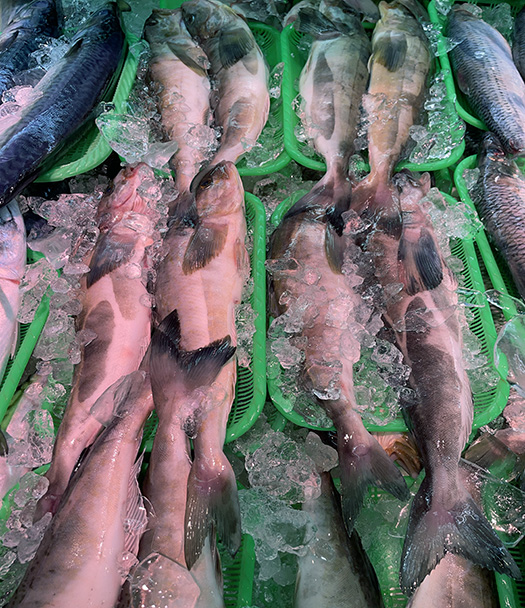
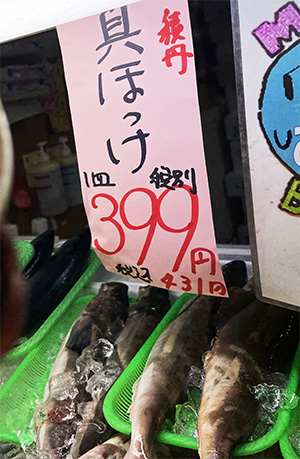
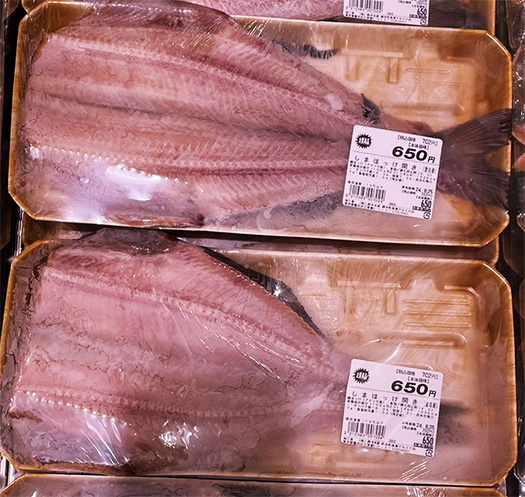
【ホッケの開き 650円 in 錦糸町。札幌価格 298円】


 先日、北海道の庶民の味覚の代表選手・ホッケの開きについて書きましたが、わたしは性格ワルくも(笑)、出張先の本州地域ではときどきスーパーで価格チェックを行う趣味を持っております。~あ、競合他店に価格情報をリークする目的などは金輪際ありません。ただ、そういう誤解を避ける意味で写真撮影取材した店舗名は伏せます。~
 しかしホッケの開きに注目していたことはこれまでなかったので、今回はじめて錦糸町という首都圏地域ど真ん中でも購入可能だと言うことによろこびの気持ちを持っていた。「おお、おお、ここでオマエの美しい姿に出会うとは・・・」と若干詠嘆気味にのめり込んでしまった。
 わたしは普段は、価格は低いけれど「地元産」とは言えないロシア輸入ものはあまり買わない。札幌ではこのロシア産ホッケの開きはだいたい300円程度。それよりも100円程度高くても、北海道地元産を買うようにしている。簡単な見分け方はアタマを落とすのがロシア流で、北海道ではアタマも付いていることが多い。たぶん「捌き方」で国ごとの漁師に「流儀」があるのでしょうか?一物全体食的な雰囲気を感じてやはりアタマも味わってみたいのがわたし好み。
 価格は現実的に2倍以上の開きがあるのだけれど、市場での流通量とか、希少性などのいろいろな要因があると思われるので、こちらの価格が妥当かどうかは、わたし的にはわからない。しかし、ホッケの開きが首都圏地域のみなさんにも選択可能な状況であることが喜ばしい。もしわたしが錦糸町に居て北海道を恋しく思う心理を持っていれば、こういった価格差は気にならないのではないかと想像する。
 北の海を泳ぎ回っていて、この地で人びとのよろこびとともに往生のときを迎えられるのは、ホッケとしても魚冥利かも。
 今回の旅も昨日終了で昨夜札幌帰還。たぶん蒸暑の夏最盛期で、さすがに最終日にはややバテ気味。っていうか、日曜日にトラブルがあって、急遽宿泊先場所を変更したので、夜遅くまで移動の必要が出来して疲れきってしまっていた次第。予測の甘さが結果になってしまったのです。しかし、酷暑の中にもかかわらず、健康ぶりは確認できて、いわばストレステストとしては自分自身で及第点だと思えていました。
 8月中はいろいろな仕事の進行、デスクワークが増えるのでたぶん出張機会はしばらくなく落ち着いて札幌で過ごすことになりそうです。本州以南地域のみなさんは酷暑にめげず、ご自愛ください。札幌は涼しいなぁ。

English version⬇

HOKKEI open fish 650yen in Kinshicho. Sapporo price: 298 yen]
Found at a supermarket in Tokyo. With the development of refrigerated transportation technology, products from around Hokkaido are also available. The lineup is irresistible to those who are in love with Hokkaido. Hokkaido

 The other day, I wrote about hokke (hokke), a typical delicacy for the common people of Hokkaido, and I have a bad habit of occasionally checking prices at supermarkets in the Honshu area where I travel (laugh). ~I have no intention of leaking price information to competitors. However, in order to avoid such misunderstandings, I will not reveal the names of the stores I photograph and cover. ~~ I was just looking at the hokke (hockey sticks).
 However, since I had never paid attention to hokke (hokke) before, I was delighted to know that for the first time, hokke was available in Kinshicho, right in the middle of the Tokyo metropolitan area. I was slightly absorbed in the experience, exclaiming, “Oh, oh, I never thought I’d see your beautiful figure here…” I usually pay lower prices, but this time I was able to purchase the hockey in Kinshicho, right in the middle of the Tokyo metropolitan area.
 I usually do not buy Russian imports, which are less expensive but not “locally produced. In Sapporo, the price of Russian hokke is about 300 yen. Even if the price is 100 yen higher than that, I try to buy the local product from Hokkaido. A simple way to tell the difference is to remove the head, which is the Russian way, and in Hokkaido, the head is often attached as well. Perhaps each country’s fishermen have their own “style” in how they handle the fish? I prefer to taste the head as well, as I feel the atmosphere of “whole food”.
 The price of hokke is more than twice as much, but I do not know whether the price is reasonable or not, since there are various factors such as the amount of hokke distributed in the market and its rarity. However, I am glad that hokke is now available in the Tokyo metropolitan area. I imagine that if I were in Kinshicho and had the mindset of missing Hokkaido, I would not mind such a price difference.
 It is a great pleasure for a hokke to be able to swim around in the northern sea, and to be able to die with the joy of people in this place.
 This trip ended yesterday, and I returned to Sapporo last night. It was probably the peak of the hot and humid summer season, and as expected, I was a bit tired on the last day. We had a problem on Sunday and had to change the place where we stayed suddenly, so we had to move around until late at night, and we were exhausted. I was too tired to travel until late in the evening. However, despite the extreme heat, I was able to confirm that I was in good health, and as a stress test, so to speak, I felt that I had given myself an acceptable score.
 I will probably not have the opportunity to travel to Sapporo for a while during the month of August, as I will be working on various projects and will have more desk work. For those of you in the south of Honshu, please be patient with the extreme heat. It is cool in Sapporo.

【セミのいのちは短くて。神護寺・空海との出会い】


 どうも最近、イキモノに対してその「けなげさ」に深く癒され続けている。自分のいのちもやがて無に返っていくことが自然と受け止め始めてきて、その分、いま輝いている存在、未来がたっぷりと感じられる存在に対してこころが向かってきて仕方がない。それは植物に対しても、動物・虫に対しても同様なこころが働いてくるのだ。
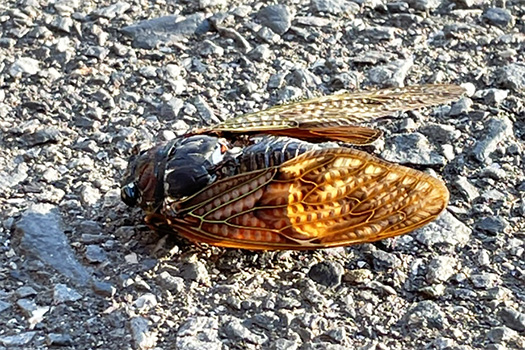
 きのうもセミの必死の鳴き声とウグイスについて書いたけれど、けさ蒸暑の朝の散歩路で、さかんに泣き叫んでいるセミの声を聞いて癒されていたら、ふと道端で、すべてを燃やし尽くした個体が、干からびて横たわっていた。まだ動くかも知れないと軽くついてみても無反応。諸行無常、かれに成仏のときは至ったのだろう。
 以前であれば、こういう死骸にはまったく無反応だったのに、この小さないのちのためにも「祈りたい」という心理がかすかに目覚めてきていることを感じている。
 昨日はある大きな集会に先立って上野の国立博物館を参観していた。そこでは空海が朝廷から管掌を委託された「神護寺」の展覧会が開かれていた。展示のいちばん初めの位置で、空海の管掌に至るまでの神護寺、その前身である寺院についての「縁起」を記した漢文書類を飲み始めていた。こういう展覧会で、漢文の文章を読むのは初めての経験だったが、なぜかその書き手と心理を同期できるように思って一字一句ごとに読み進めてみた。
 もちろん不明箇所も多いし、現代の文字とは違う漢字も書かれているので、ときどきわかる大筋に踏まえて読んでいる内に、前身の寺院は和気清麻呂が勅許を得て開山したことがきちんと記録され、同時に弓削道鏡のことも触れられている。前身の寺院は道鏡の専横を阻止した宇陀神宮の神宣への感謝で創建されたことが記されていた。
 そういった縁起について、その時代人の空気感とともに読んでいると、いきなり現代語訳を読むよりもずっと、その時代人と対話している実感が強くなっていた。なんとなく前段で書いたようないのちとの対話みたいな心理。AIを使って、こういった人間の内面領域を開発するというのも、興味が湧く。バーチャルで昔人の人格を「再構成」して、その人格を可視化して「対話」をさせるというのは有り得るかも。〜妄想ですね(笑)。
 しかし、午前中早めに終わって集会会場に向かいたいと思っていたのに、すっかり遅刻寸前までその時間を超えた昔人との対話が、こころの海を満たしていく。「え、空海さんって右上がり系のくせ字だったんだ?」。さらに空海の「自筆」書類までもが登場してきて、切り上げる寸暇を与えてくれないではないか。最後は立ち去りがたく「もう一回来たい」と心理を納得させながら会場を去っていた。

English version⬇

The Life of a Cicada is Short. An Encounter with Kukai at Jingoji Temple
Guided by a simple dialogue with life, we visited an exhibition at Jingoji Temple. Tracing the history from Wake-no-Kiyomaro to Kukai. A time capsule called a Buddhist temple. The Time Capsule of Buddhist Temples

 Recently, I have been deeply healed by the “spirit” of the creatures. I have naturally begun to accept the fact that my own life will eventually return to nothingness, and because of this, my heart cannot help but go out to beings that are shining now and that I can feel have a bright future ahead of them. The same mindset is at work for plants, animals, and insects.
 Yesterday, I wrote about the desperate cries of cicadas and Japanese bush warblers, but this morning, as I was being soothed by the cicadas crying out on a hot and humid morning walk, I suddenly noticed a dried-up animal lying on the side of the road, having burned itself to death. I lightly poked it to see if it might still be moving, but it did not respond. I thought to myself, “All things are in flux, and the time for Buddhahood has come to him.
 In the past, I would not have reacted at all to such a corpse, but now I feel that I am faintly awakening a psychological desire to “pray” for this little life.
 Yesterday, I visited the National Museum in Ueno prior to a large gathering. There was an exhibition of Jingo-ji Temple, which Kukai was entrusted by the Imperial Court to administer. At the very beginning of the exhibition, the visitors were drinking Chinese documents describing the “Engi” (auspicious omens) of Jingo-ji Temple and its predecessor temples before Kukai took control of the temple. It was my first experience to read Chinese texts at such an exhibition, but somehow I felt as if I could synchronize my mind with the writer of the texts and read through them word by word.
 Of course, there were many unclear passages and kanji characters that were different from those used today, so I read the text based on the main idea that I could understand from time to time. It was also noted that the predecessor temple was founded in gratitude to the divine decree of the Uda Shrine, which had prevented the tyranny of Michikagami.
 When I read about such a history with the atmosphere of the people of the time, I felt that I was talking to the people of the time much more strongly than if I had suddenly read a modern translation. I am also interested in using AI to develop this kind of inner realm of human beings. It might be possible to “reconstruct” a person’s personality virtually, visualize that personality, and have a “dialogue” with it. 〜I’m delusional (laughs).
 However, although I had wanted to finish early in the morning and head to the meeting place, the dialogue with the old people, which exceeded the time, filled the sea of my mind until I was almost late. ‘Eh, Kukai-san, did you have a right ascending type of habitual writing?’ (Kukai’s own handwriting). He even included Kukai’s “autograph” document in the book, which left no time for me to finish the story. In the end, he was reluctant to leave the venue, convincing his mind that he wanted to come back one more time.