本文へジャンプ

【久しぶりの東海道新幹線…タイムトラベル感】


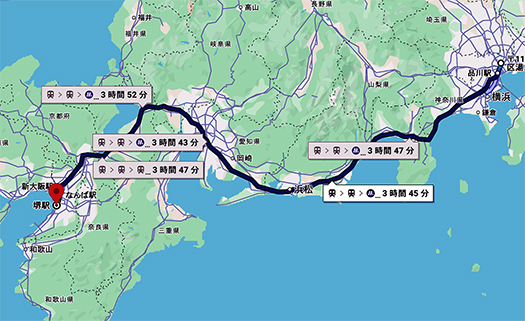
 きのうは急遽入った日程でその前日から東京におりまして、そこから本来の目的地である関西地方に長躯移動。で、仕事現役時にはよく利用していた体験記憶が甦って、タイムトラベル感……。
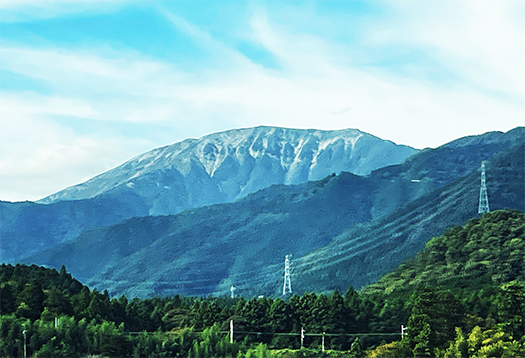
 写真は大好きな「伊吹山」であります。関東から関西に移動するとちょうど「関ヶ原」を過ぎたあたりで、その山容が顔を覗かせてくれる。わたしは地質学などはよく知らないのですが、全国の神社では「さざれ石」という小石が凝塊した石塊が置かれています。それらはこの伊吹山の組成から採取されているという説を聞いてから、この列島国家の成り立ちのなにごとかを表しているように思えて、一種の「ファン心理」を持っているのです。
 実際に壬申の乱や、関ヶ原合戦など、この伊吹山周辺地域で日本列島国土を二分するような政治・軍事対立の極限点が勃発しているのには、なにごとかの誘因があったのではないかと妄想している。また、列島で生きてきた人類史として、そういう機縁を伊吹山にもとめ、さざれ石伝統という事柄が生成されたのではないかとも思っています。
 最近の「移動時習慣」そのままに窓際席一択で、それも東京〜大阪の場合は海側眺望ではなく山側眺望で日本の最重要地域の現在を脳裏に焼き付けながらボーッと過ごしておりました。さまざまな想念、記憶の中の過去のさまざまが、いわば「走馬灯」のように駆け巡っておりました。こういうタイムトラベル感にはなにか、うっとりさせられるものがある。
 その事柄たちの体験時にはさまざまな印象を持って葛藤を持っていたはずだけれど、そういう葛藤もまた徐々に「些事」のように思われてくる。それよりもなお、多様な自然造形を見せるこの風土のオリジナリティをまざまざと実感させられる。美しい国・ニッポン。
 さて混迷の極みのような選挙戦が佳境に至っている。きょうはその最終日。今回もまた、日本国民の「審判」に強く興味を抱かされる。あ、わたしは月曜日に札幌帰還予定で、すでに「不在者投票」は夫婦で済ませております。混迷し迷いがあるとは言え、国民としての意思表示は未来への大きな責任。それぞれがそれぞれの意思を表示して、全体の結果にこころを致さなければならない。民主主義。
 伊吹山のさざれ石は、さまざまな素材が凝結して生成されている。それを日本の原風景と措定した先人の人びとの叡智を、そこに見るような思いがしています。少なくとも昔のように国内戦争のようなカタチとは違って、理性的な判断に委ねているという社会進化は、感謝とともに思い知らされる。

English version⬇

The Tokaido Shinkansen after a long time…a sense of time travel.
Though the memories of various experiences from various phases come back to me vividly from the train windows, there is a useful filtration called time. I will take my time as I go on. …….

 I was in Tokyo the day before yesterday on a sudden schedule, and from there I moved to the Kansai region, my original destination, on a long stature. I was in Tokyo the day before and had to travel from there to my original destination in the Kansai region.
 The photo is my favorite “Ibuki” mountain. When you move from the Kanto region to the Kansai region, just after passing Sekigahara, you can see the shape of the mountain. I do not know much about geology, but I have heard a theory that the pebble stones called “sazareishi” (pebble stones) placed at shrines all over Japan were taken from the composition of Mt. I have a kind of “fan mentality.
 In fact, I have a fantasy that there must have been some kind of inducement for the extreme political and military conflicts that broke out in the area around Mt. I also believe that the human history of the Japanese archipelago may have been inspired by such an opportunity, and that this may have led to the creation of the “ripple stone” tradition.
 As is my recent habit when traveling, I chose a window seat, not a sea-side seat in the case of Tokyo-Osaka, and spent my time in a daze with the present situation of the most important region in Japan burned into my mind. Various thoughts and memories of the past ran through my mind like a “running lantern,” so to speak. There is something enchanting about this kind of time travel.
 I am sure that the people had various impressions and conflicts when they experienced those things, but those conflicts gradually began to seem like “trivial matters. But more than that, the originality of this region, with its diverse natural landscapes, is clearly apparent to the viewer. Japan is a beautiful country.
 The election campaign, which seems to be in a state of confusion, has reached its climax. Today is the last day. Once again, I am very interested in the “judgment” of the Japanese people. I am scheduled to return to Sapporo on Monday, and my wife and I have already cast our absentee ballots. Although there is confusion and hesitation, expressing our will as a nation is a great responsibility for the future. Each of us must express our own will and be mindful of the overall results. Democracy.
 The ripple stones on Mt. Ibuki are a conglomeration of various materials. I feel as if I can see the wisdom of our predecessors who regarded it as the original landscape of Japan. At the very least, I am reminded with gratitude of the social evolution that has left the country to rational decision-making, unlike the domestic warfare of the past.

【狩猟採集文化と現代人〜ところ遺跡-6】


 この竪穴の「ところ遺跡」探訪ブログ記事シリーズは、その前の「福島市民家園」で、珍しく復元展示されていた「庶民の住宅」事例で江戸期後期の建築であるのに「土座」住宅に強く惹かれたことがきっかけ。
 オイオイ、と深く驚かされたのですね。日本の農耕文化社会でもほんの200-300年前までは、床上げ自体もまだ完全に普及していたとは言えなかったのだという事実。そうだとすれば、わたしたちの住空間意識の基底にまだまだそういった、郷愁のような印象部分が残っているのではないかと想像を膨らませられた。そして竪穴の構造木組みや、外皮の構成、そのデザインマインドのようなものが非常に気になってきたという次第。この「ところ遺跡」はその後のアイヌチセが平地住宅に移行してしまったのに対して、明瞭な竪穴住居としては最後期のものだと考えられた。
 米作に適さないと判断されたことで本州以南地域の歴史進行からは「化外」の地とされ続けた北海道ですが、明治以降、旺盛に開発努力が傾注され続けてきた。そのなかで常にテーマ追求されたのは、寒冷気候との格闘史。そのなかで地域の先人であるアイヌ民の住文化、それよりも少し前の人びとの住文化から知見を掘り起こしたいという志向性もあったでしょう。
 そういうときに、かれらの生業と本州以南社会の基本生業の違いがあまりにも大きかった。現代は狩猟採集の経済規模とは比較にならないレベルの農耕文化を基盤としている。狩猟採集で養いうる人口規模とはまったく隔絶した人口を涵養しなければならないし、その住環境を構築して行く必要が絶対にある。
 そうなんだけれど、こちらの遺跡住宅を見ていると、やはり通底してくるような郷愁的な空間意識を再発見させられる。ひとつひとつの建築素材が醸し出す雰囲気が、なんとも良いいごこちを提供していたように思えてならない。

 さて、札幌市の街区でも最近、ヒグマとの遭遇が多く報告されてきている。札幌市からのLINE情報を個人としてわたしは受け取っているが、数日毎に「ヒグマ情報」が発信されてくる。そしてついにわが家周辺の「三角山」付近では一般人の通行を禁止して「山狩り」のようにしてヒグマ除去作戦が展開されてきている。
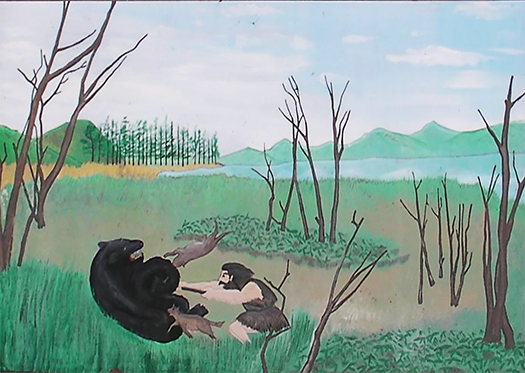
 北海道島の先人のみなさんは、こうした戦いに継続的に立ち向かい、同時に狩猟せざるを得ないヒグマたちへのリスペクトも持ち続けていた。狩猟したヒグマの頭骨は一種の自然神として住居の中の神聖空間に祀っていたといわれる。その叡智に共感を抱いております。
 ということで、今回のテーマシリーズ終了とします。

English version⬇

Hunter-Gatherer Culture and Modern Humans – Tokoro-6
A dialogue with the living environment of our ancestors on the island of Hokkaido. Even today, the natural environment and how to maintain a sense of distance from brown bear ecology is a serious theme. How to live, how to live, how to live, and how to live, we continue to learn. The way of life, the way of living, and the way of learning continue to be learned.

 This series of blog posts on exploring the “Tokoro Ruins” of the pit was triggered by my strong attraction to the “Doza” houses, even though they were built in the late Edo period, in the unusually restored and displayed “common people’s housing” examples at the previous “Fukushima City Minka-en”.
 You were deeply surprised by the “oui oui”. The fact is that even in Japan’s agrarian society, the raising of the floor itself was not yet completely widespread until just 200-300 years ago. If so, it made me imagine that such nostalgic impressions may still remain in the base of our consciousness of living space. The wooden structure of the pit, the composition of the exterior skin, and the design mind of the pit were also of great interest to me. This “Tokoro site” was thought to be the last of the clear pit dwellings, whereas the later Ainu chise had shifted to flatland dwellings.
 Hokkaido was regarded as an “exotic” land in the historical progression of Honshu and southward because it was considered unsuitable for rice cultivation, but since the Meiji era, development efforts have been vigorously devoted to the area. The theme that has always been pursued in these efforts is the history of the struggle against the cold climate. In this context, there must have been a desire to uncover knowledge from the housing culture of the Ainu people, who were the predecessors of the region, and of people who lived a little earlier than the Ainu.
 At that time, the difference between their subsistence and the basic subsistence of the societies south of Honshu was too great. The present day is based on an agrarian culture at a level that cannot be compared to the economic scale of hunter-gatherer societies. It is absolutely necessary to cultivate a population that is completely different from the size of the population that can be supported by hunter-gatherers, and it is absolutely necessary to build a living environment for that population.
 Although this is true, looking at the ruins of these houses, we can rediscover a nostalgic sense of space that seems to run through the whole area. The atmosphere created by the individual building materials seems to have provided a very comfortable atmosphere.

 Recently, there have been many reports of encounters with brown bears in the city of Sapporo. As an individual, I receive information on line from the city of Sapporo, and I receive “brown bear information” every few days. Finally, a brown bear removal operation is underway in the area around our house, “Triangle Mountain,” in which the general public is prohibited from passing through the area, as if they were on a “mountain hunt.
 Our predecessors on the island of Hokkaido continually confronted these battles, while at the same time maintaining respect for the brown bears that they were forced to hunt. It is said that the skulls of the brown bears they hunted were enshrined in sacred spaces in their dwellings as a kind of nature god. We are sympathetic to this wisdom.
 So, this is the end of this theme series.

【竪穴住居の木組みと外皮構造〜ところ遺跡-5】


 今回取り上げている北海道東北部オホーツク沿岸の北見市常呂町の遺跡群についての研究は「東京大学大学院人文社会系研究科附属 北海文化研究常呂実習施設」として現地で半世紀以上調査研究を継続し歴年の成果を上げてきている。北海道民のひとりとしてその労を謝とするものです。施設ではyoutuve動画も公開していて、概要は非常にわかりやすく公開されている。「3000軒の竪穴を残した人々 −ところの古代文化−」https://www.youtube.com/watch?v=UfR4bQdQXH0
 わたし自身は2009年にこの地を訪れて、一訪問者としてひととおりの取材写真を撮影していた。竪穴住居本体とともに併せてこちらの東大の研究展示施設も見学して来ていた。そうやって残していた画像データを再編集していると、そのときの臨場感はある程度「濾過」されて、いわばより「客観視」した見方からの検証が可能になってくる。体験のゆるやかな「発酵」過程のようにも思える。対手が「遺跡」であるだけに、このような時間経過は情報検証、深掘りにも有効であるような気がしている。
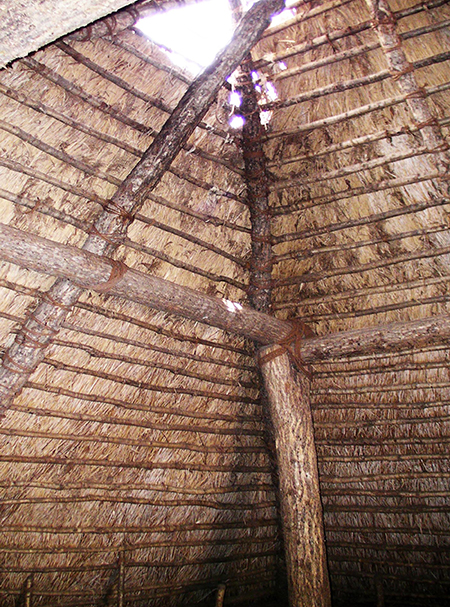
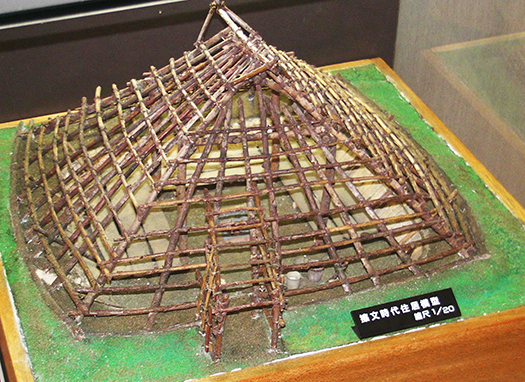
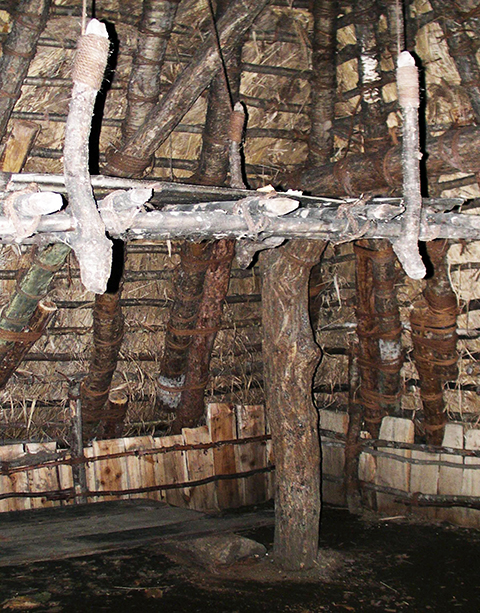
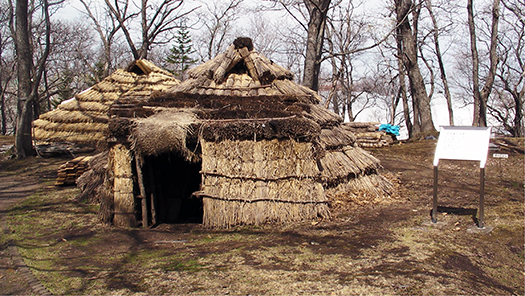
 上の写真は擦文期竪穴住居の木組み構造の復元住居の実写写真と、研究施設展示での建築模型。遺跡研究や復元についての詳細な「手順」や蓋然性の担保手法については、現地の研究者のみなさんを信頼する一択で取材。ディテールの「建築工法」についても、復元建築で妥当と思われたことに基づいているのだろうと理解しています。
 木組みの方法も、当然当時(いまから約1,000年以前)のこの地で可能と推定できるものだろうと思います。素材も当然、周辺環境から入手可能なものをベースとして構成しているのでしょう。木組みは基本的に構造材としての自然木と、蔓性植物での緊結手法がとられている。この当時の「日本社会」での建築では仕口加工で木材同士を「嵌合」させていたでしょうが、そのような建築のプロ仕様は行われず、より始原的な手法に妥当性を見出していたのでしょう。
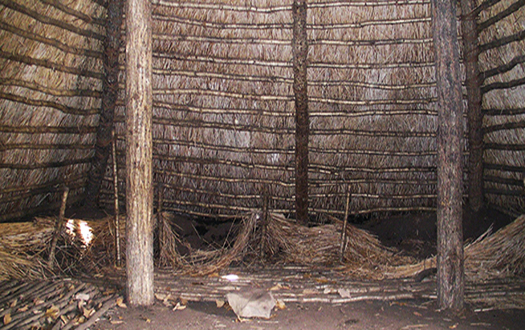
 壁・屋根の構造もより細い木材で木組みしていって、その外皮を萱状植物の束で被覆して行っている。萱などは周辺を流れる常呂川周辺の「茅場」から容易に採取可能と推定されたものと思います。屋根の頂部には「煙だし」として開口が開けられている。
 基底部についてはきのうまで紹介した工法で復元されている。このように復元されたインテリア内観を見ていると、当然ながらすべてが自然素材そのものであり、はるかな後世の人間・イキモノとしてその空気の呼吸感がなんとも好ましく思えてくる。

English version⬇

Wooden framework and outer skin structure of a pit dwelling – Tokoro-5
The sympathetic nature of the ikeimono conveys how they pursued a “rich way of life” by using the best of their wisdom and ingenuity with the materials available in their society at that time. ・・・・・.

 The research on the archaeological sites in Tsunero Town, Kitami City, on the Okhotsk coast of northeastern Hokkaido, which is the subject of this report, has been conducted for more than half a century by the “Tsunero Research Institute for Hokkai Culture Studies, Graduate School of Humanities and Sociology, University of Tokyo,” and has yielded results over the years. As a Hokkai-do citizen, I would like to express my gratitude for their efforts. The facility also offers youtube videos, which provide a very clear overview of the site. People who left behind 3,000 houses of pit – Ancient culture of the place -” https://www.youtube.com/watch?v=UfR4bQdQXH0
 I myself visited the site in 2009 and took a number of photos as a visitor. I also visited the research and exhibition facilities as well as the pit house itself. When I re-edited the image data I had left behind in this way, the realism of the experience was to some extent “filtered out,” and a more “objective” viewpoint became available for verification. It seems like a slow “fermentation” process of the experience. Since the object is an “archaeological site,” I feel that such a passage of time is effective in verifying and digging deeper into the information.
 The photo above is an actual photo of a restored wooden structure of an Aburibun period pit dwelling and a model of the building at the research facility exhibition. As for the detailed “procedures” and methods to ensure the probability of site research and restoration, we have no choice but to trust the local researchers. We understand that the detail “building construction method” is also based on what was considered reasonable in the restoration construction.
 The method of wood construction was also based on what was considered possible at that time (approximately 1,000 years ago) in this area. Naturally, the materials used were also based on what was available in the surrounding environment. The wooden structure is basically made of natural wood as structural material and a method of bonding with vine plants. Although construction in “Japanese society” at this time would have “mated” timbers together using a joinery process, such professional specifications for construction were not performed, and a more primitive method was probably found to be appropriate.
 The walls and roof were constructed of thinner timbers, and the outer skin was covered with bundles of kayu (a kind of grass-like plant). It is assumed that the grass could be easily collected from the “thatch” around the Tsunero River, which flows in the vicinity. There is an opening at the top of the roof as a “smoke vent”.
 The base of the roof has been restored using the method described in the previous section. Looking at the interior of the restored building, we can see that all the materials used are natural materials themselves, and the sense of breathing air is very pleasing to us as human beings of a far future age.
 

【木製床仕上げ・1000年前北海道住宅〜ところ遺跡-4】


 きのうのブログで触れた「アイヌ期」住宅では、もうひとつ重要な擦文期までとの違いとして、縄文・続縄文・擦文と約3,000年間「竪穴」住宅で北海道の先人たちは暮らしていたのに、アイヌ期には「平地住宅」に移行していることが挙げられる。
 一昨日のブログで触れたように竪穴という住宅仕様は、なによりもその温熱環境的効果を期待したことが確実。人類史ではある期間、洞窟住居という段階があって、そこでの暮らしでの温熱的な「郷愁」に似た人間感覚記憶がDNAとして刷り込まれ、その後、より食糧を得やすい環境に移動していく過程で、その地で定住をはじめるとき、竪穴という新空間に惹かれ導かれて行ったのではないと夢想している。
 そういう人類史の普遍的スタイルに対してアイヌ期の住居は平地住宅なのだ。このことはいろいろな想像力、交易民というアイヌ民族の特性など強く刺激されるポイント。DNA的には擦文からアイヌという変移は間違いないのだろうけれど、生業において大きな変動があったのかもしれない。竪穴から平地住宅への変化にはさらに「温暖化」という背景事情もあったかもしれない。
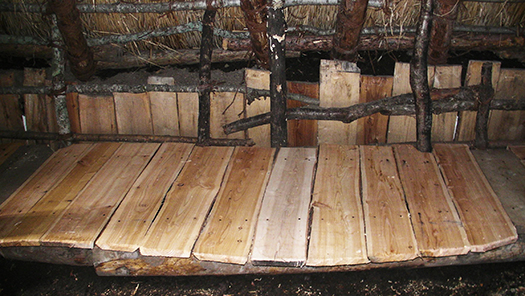
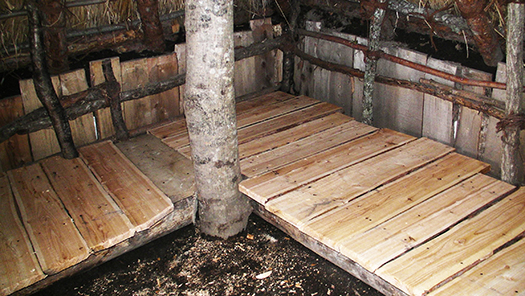
 さて一方で、腰壁までの木製「土留め」は日本民家にも通底するようなインテリアの風景であり一種の「既視感」が迫ってくる。今日まで残る、腰壁までの仕上げとそれから上の仕上げを変えるのは、なにがしかの民族的インテリア感覚なのだろうか、と。
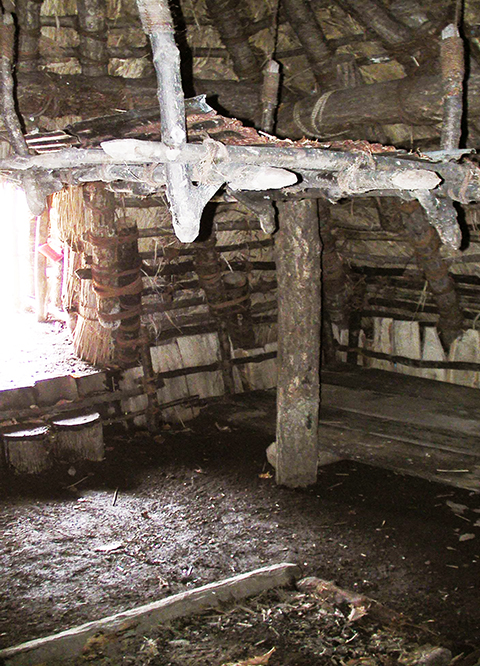
 上の2枚目の写真には、寝具としての萱状繊維が置かれている。夜間の温度低下をしのぐ用途だったと推定できる。ふとんの歴史を概観して見ると日本史で平安・鎌倉期に相当する時期にはまだまだ綿入りの寝具はなく、ちょうど筵のような萱状繊維の上で、普段から着ている服などを上に掛けて就寝していたとされている。「専用の掛け寝具」という概念はなかった。筵のような存在が敷きふとんの代わりだったのだ。そのような用途として、この地では萱状繊維それ自体が敷き込まれていたという推定。
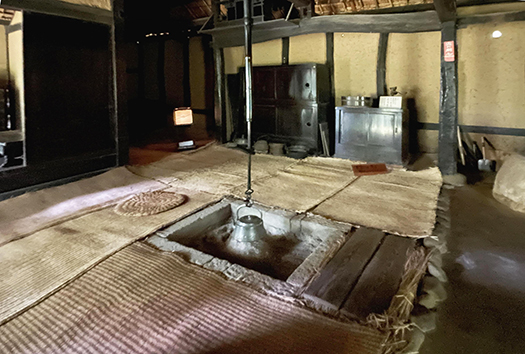
 こういった段階から筵が畳に代わっていき、綿入りの寝具に進化していった。参考までにちょっと前のブログで紹介した江戸期の福島県の「土座」の写真再掲。土間・筵・床上げ・畳というような日本住宅の推移への連想が湧き上がってくる。

 竪穴住宅の中央部には囲炉裏があって土間になっているけれど、外壁側の周囲には床面に板材が敷き込まれている。壁面下部の板材と同様、こういった木材仕上げについてどのような「木割り加工」道具と技術があったのか、この点は今後、探究していきたい。東大の研究成果としてこのように住空間が復元されているので、蓋然性は高いのだろう。一種の「木製ベッド」と考えられる空間。面白い。

English version⬇

[Wooden floor finish, 1000 years ago Hokkaido residence – Tokoro ruins – 3
From the history of bedding, in this period, there was no concept of a quilt bedding, but a grass-like fiber as a role of bedding. The lower part of the bedding was finished with a wooden bed-like floor. …

 Another important difference between the “Ainu Period” housing and the “Aboriginal Period” housing mentioned in yesterday’s blog is that Hokkaido’s ancestors lived in “pit” housing for about 3,000 years during the Jomon, Shijo-Jomon, and Aboriginal periods, but during the Ainu Period, they shifted to “flatland housing.
 As mentioned in the blog of the day before yesterday, the housing specification of “pit” was surely expected above all for its thermal environmental effect. I have a dream that, for a certain period of human history, there was a phase of cave dwellings, and that human sensory memories similar to thermal “nostalgia” from living in cave dwellings were imprinted in our DNA, and that later, when we moved to an environment where it was easier to obtain food, we were attracted to the new space of the pit and were led there. I think that they may have been attracted to and led by the new space of the pit when they began to settle down there.
 In contrast to this universal style of human history, Ainu dwellings were flatland dwellings. Although there is no doubt that the Ainu people’s DNA has undergone a transition from the Scythian to the Ainu, there may have been a major change in the way they made their living. The change from pit houses to flatland houses may have also been caused by background circumstances such as global warming.
 On the other hand, the wooden “mud-frame” up to the waist wall is an interior landscape that is common to Japanese minka houses, and a sense of “déjà vu” looms over us. I wondered if it was some kind of ethnic interior design sense that changed the finish up to and above the hip wall, which has remained to this day.
 In the second photo above, a bedding material, a hemp-like fiber, is placed on the floor. It is assumed that it was used to keep the temperature down at night. Looking at the history of futons, it is said that in the Heian and Kamakura periods of Japanese history, there was still no cotton-filled bedding, and people slept on mat-like mats with their regular clothes draped over the mats. There was no concept of “special quilt bedding. A mat-like mat was a substitute for a futon. It is estimated that the straw mats themselves were laid on the ground for such a purpose.
 From this stage, mats replaced tatami mats and evolved into cotton-filled bedding. For reference, here are some photos of Fukushima Prefecture’s “doza” from the Edo period (1603-1868) that I posted on my blog a while ago. The doza, mats, raised floors, and tatami mats allude to the transition of Japanese housing.

 In the center of the pit house, there is an earthen floor with a hearth, but around the outer wall side, there are planks laid on the floor. As with the planks on the lower part of the wall, what kind of “wood splitting” tools and techniques were used for this kind of wood finishing will be explored in the future. Since the living space has been restored in this way as a result of research conducted by the University of Tokyo, it is highly probable. This space can be considered a kind of “wooden bed”. Interesting.

【1000年前北海道「カマドと囲炉裏」〜ところ遺跡-3】


昨日に引き続き、擦文期(約1000年前当時の北海道島での時代区分)の竪穴住居。きのうは主に竪穴住居の土壌面の掘り下げ土木工事作業と、その「温熱的」人類知に沿ってまとめてみた。成員30名程度のムラ社会にとっての価値感を考えて見た次第。
 それに対してこのブログの「協働者」とでも言えるShigeru Narabeさんから反応。いつも的確なポイント指摘でわたしの着目するテーマ領域に対しての啓示をもたらしてくれています。長文ですが、要旨は以下の通り。
 「炊事道具一般を「鍋・釜」と呼ぶ。カマを据える処という言葉が恐らくカマドの語源。ナベにはツルというハンドルが着くのがデフォルトかと思う。全国にナベツル岩がある。ナベはツルで吊るのがデフォルトであろうと想像する。アイヌ文化は鉄ナベを吊る文化。住居にはカマドではなくてイロリがある。カマドではなくイロリを用いるのは、季節により住居を移動する身軽さと暖房とあわせた燃料効率の問題のようにも感じる。さて、常呂遺跡の竪穴住居跡はどうなのだろう?」<全文はhttps://www.facebook.com/replanmarke/ コメント欄をご覧ください。>
 という指摘でしたので、本日はそのポイントの写真です。
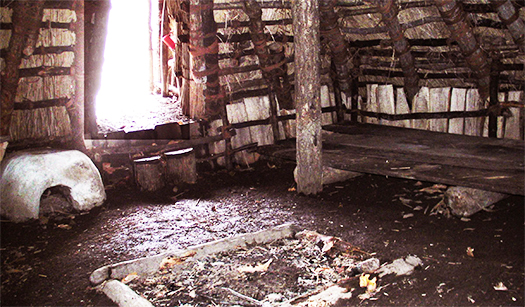
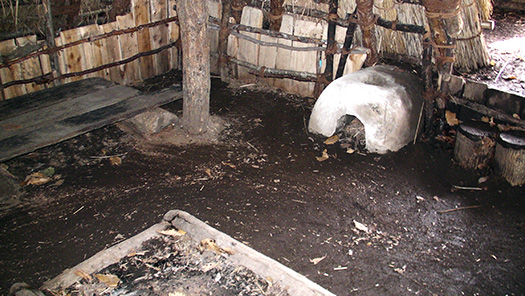
 みごとにカマドと囲炉裏が同居している。
 室外に燃焼の煙を排出する「煙道」も持ったカマドが玄関脇に定置されている。一方で囲炉裏の上部には食物を保存乾燥させる用途の木組み器具が定置されている。ここから囲炉裏に向かって自在鉤が存在すれば囲炉裏に「暖房+調理」の機能を兼用させるアイヌ期文化となるところ。しかし、東大の常呂遺跡研究者の示唆であるのか、明確な鉄鍋などの吊り下げ構造「自在鉤」の呈示は見られない。時代的には本州地域から鉄鍋などの「文明利器」は相当程度の流入は想像できる平安・鎌倉の時代相だけれど。
 実はアイヌ期になぜカマドが消滅したのか、北海道の考古研究者でも定説が認められないとされてきている。擦文期の人びととアイヌ期にはこのライフスタイルの大きな違いという謎が横たわっている。常識的に考えて擦文人とアイヌ民に継承性はあったと思えるのだけれど、いくつかの基本的ライフスタイル相での違いが明瞭なのだ。
 この常呂遺跡には、その後のアイヌ期の痕跡は残されていないとされる。北海道の住宅情報人としては、考古研究者のさらなる研究の進展を期待している段階。
 きのう触れた外周側の土留め的な板状素材が林立して、土間床面との明瞭な対比を見せている。そこから萱状の屋根・外壁素材が壁面を構成している。囲炉裏の裸火に照らされて浮き上がってくるこういうインテリア空間環境で、先人たちは日々の活動後の床に就いていた。どのような寝物語をして共同体成員たちは明日の活力を涵養したか、いっとき思いを巡らせていました。

English version⬇

1000 years ago in Hokkaido, “Kamado” and “Irori” – Tokoro-3
The contrast between the Aburibun period and the Ainu period lifestyle and culture. According to the results of research at the Tokoro site by the University of Tokyo, it was assumed that people cooked food in a kamado (a kind of cooking stove). In contrast, the Ainu period is characterized by hearths for both cooking and heating. The Ainu period is characterized by the use of hearths for both cooking and heating.
Continuing from yesterday, the pit dwellings of the Aburibun period (the period category on Hokkaido Island at that time about 1,000 years ago). Yesterday, I mainly summarized the excavation of the soil surface of the pit dwelling and its “thermal” anthropological knowledge. I thought about the sense of value for a village society of about 30 members.
 Shigeru Narabe, who can be called the “collaborator” of this blog, responded. He has always made precise points that have brought revelations to the theme area I am focusing on. The following is the gist of his response, although it is lengthy.
 The term “pot/kettle” refers to cooking utensils in general. The word “kamado” is probably derived from the word “kama,” which means a place to set up a kama. I think the default is to attach the handle “Tsuru” to the nabe. There are nabetsuru rocks all over the country. I imagine that the default is to hang the nabe with a crane. The Ainu culture is one of hanging iron nabes. The houses have irori, not kamado. The use of irori instead of kamado seems to be a matter of lightness in moving from one dwelling to another depending on the season, as well as fuel efficiency in combination with heating. Now, what about the pit dwelling sites at the Tsuneero site?

So today’s photo is of that point.
 The kamado and the sunken hearth are beautifully coexisting in the same house.
 The kamado, which also has a “flue” for discharging combustion smoke outside the house, is stationed by the entrance. On the top of the hearth is a wooden structure used to store and dry food. If a free hook was placed toward the hearth from here, it would indicate that the hearth served both heating and cooking functions in the Ainu culture. However, there is no clear indication of a “free hook” for hanging iron pots and pans, as suggested by researchers at the University of Tokyo’s Tsunero Site. Although it is possible to imagine a considerable influx of iron pots and other “civilized” tools from the Honshu area during the Heian and Kamakura periods, it is not clear why the Ainu culture would have been involved in the construction of these pots and pans.
 In fact, even archaeologists in Hokkaido have been unable to come up with a definitive theory as to why the kamado disappeared during the Ainu period. The mystery lies in the great difference in lifestyle between the people of the Abrahamic period and the Ainu period. Although common sense would suggest that the Abrahamic people and the Ainu people were interrelated, there are some basic lifestyle differences that are clear.
 It is believed that no traces of the later Ainu period were left at the Tsunero site. As a housing informant in Hokkaido, I am looking forward to further research by archaeologists.
 The earth-roofed wooden planks on the outer perimeter of the house, which I mentioned yesterday, stand in sharp contrast to the earthen floor. From there, the roof and exterior walls are made up of grass-like materials. In this interior space environment, illuminated by the open fire of the sunken hearth, our ancestors slept on the floor after their daily activities. For a moment, I was thinking about what kind of bedtime stories the members of the community used to cultivate their vitality for tomorrow.
 

【竪穴住居・基礎外周のつくり〜ところ遺跡-2】


 北海道北見市常呂町に残る「ところ遺跡」には約4,000年前頃からの竪穴住居痕跡が残っている。最後の「擦文文化期」が約1,000年前ということで延べ3,000年間の先人の痕跡。
 住の側面からみると、一貫して「竪穴住居」が建てられて人間活動の基盤になってきた。竪穴はいわば北海道における人類文化の「ゆりかご」と言えるだろう。こちらの遺跡では訪問時・2009年には竪穴住居の再建プロセスを見学することが出来た。この遺跡全体は東京大学が長年発掘調査を行ってきている。その研究成果に基づいて「工法」が解析されたと思われる。
 竪穴という住環境は、その地域の「凍結深度」〜そのレベルまで土壌が凍結してしまう深さ〜よりも掘り下げた地盤面を住空間の床面とすることで、その地域の「年間平均気温」レベルの安定した「地熱」環境を獲得することができるとされる。
 とくに寒冷地にあってはなによりも年間を通しての「室内気候」の安定が最重視されただろうことは論を待たないだろう。年平均気温は札幌では8.9度程度とされるが、北見市常呂では5度前後。その地熱に対して常時燃焼させる囲炉裏の加熱と萱状植物による保温で生活環境を確保した。
 このような現代科学の生活環境知見それ自体が過去の人びとに共有されていたわけではないけれど、いわば北国環境に対応する「人類経験知」として、このような住環境を獲得してきたのだろう。わたしが見た中では、同じオホーツク圏の標津でみた復元住居では1m近い深さのものもあった。
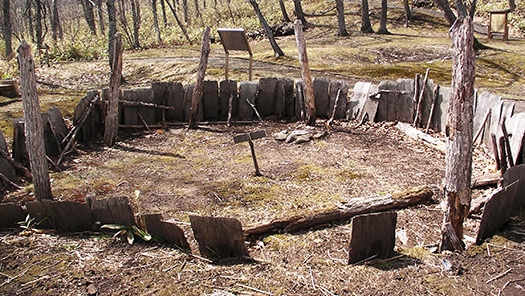
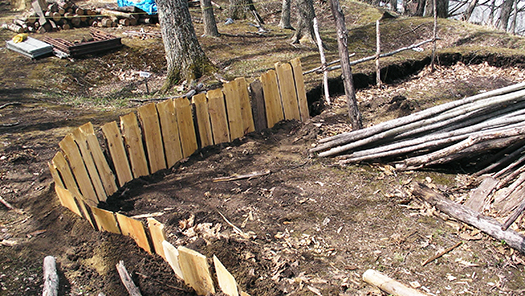
 こちらの遺跡ではこの竪穴掘削について、その手法として、木材で地面外周を柵のように囲ませて、その内側部分を住居内部と特定して、地面を「掘り下げていく」手法が提示されていた。掘り下げられた後には「土留め」としても機能した。
 ここでの木柵の板状素材は現代的な工具での造作が施されていたけれど、もちろん建てられた当時にはもう少し粗放な手法で板状加工が施された木材が使われたことだろう。石器の斧で木割りしたか。
 この遺跡環境は「やや高台」という立地で、土壌それ自体は掘削に適したやわらかな土壌だっただろうと推定される。そういった竪穴住居建築に適した地形の選定にも、太古以来の人類知が大いに発揮されたのだろう。もちろん基本生業としての狩猟採集、定住的な環境での採取が可能なサケマス漁に適していて、その余録として山野の動物性タンパク源があったのだろう。サケマスは、乾燥させることで一年を通しての安定的な食糧とすることが出来た。
 こういう竪穴を掘る作業は、相当の労役作業だったと推測できる。竪穴1戸あたり10人程度の同居人数が想定されていたけれど、常時ムラとしては3軒ほどの竪穴式住居があったとされるので、人口規模は30人程度。労働可能人口を考えれば、1戸の家を建てる営為はムラ社会の一大事業だったと思われる。

English version⬇

The construction of the pit dwelling and foundation perimeter – Tokoro Site-2
In a society of 30 mura members, the labor work of “digging” a pit dwelling is a major undertaking. It was a major undertaking for a society of 30 mura members to “dig” a pit dwelling, and it would have been a significant public benefit to know how the technique was passed on to future generations. The site of the

 The “Tokoro Site” in Tokoro Town, Kitami City, Hokkaido, contains traces of pit dwellings dating from around 4,000 years ago. The last “Abrasive Culture Period” was about 1,000 years ago, which means the traces of the predecessors for a total of 3,000 years.
 From the aspect of housing, “pit dwellings” have consistently been built to serve as the foundation of human activities. The pit can be said to be the “cradle” of human culture in Hokkaido. When we visited this site in 2009, we were able to observe the reconstruction process of the pit dwellings. The University of Tokyo has been excavating the entire site for many years. The “construction method” seems to have been analyzed based on the results of that research.
 It is said that a stable geothermal environment at the level of the average annual temperature of the region can be obtained in a pit dwelling by excavating the ground surface lower than the “freezing depth” of the region (the depth at which the soil freezes to that level) and using it as the floor surface of the dwelling space.
 Especially in cold regions, it is arguable that the most important thing is to have a stable indoor climate throughout the year. The average annual temperature in Sapporo is said to be around 8.9 degrees Celsius, while in Tokoro, Kitami City, it is around 5 degrees Celsius. The living environment was secured by the constant heat from the geothermal heat from the hearth and the use of heath plants to retain heat.
 This kind of modern scientific knowledge of the living environment itself was not shared by the people of the past, but it is likely that they acquired this kind of living environment as “human experiential knowledge” to cope with the northern environment. Among the restored dwellings I saw in Shibetsu, also in the Okhotsk region, some were nearly one meter deep.
 At this site, the pit excavation method used was to enclose the perimeter of the ground with wood like a fence, identify the inner part of the fence as the interior of the dwelling, and “dig down” into the ground. After being dug down, it also functioned as an “earth retaining” structure.
 The plank material of the wooden fence here was worked with modern tools, but of course, at the time of its construction, the wood would have been planked with a more crude technique. Was the wood split with a stone axe?
 The site is located on a “slightly elevated plateau,” and the soil itself is presumed to have been soft and suitable for excavation. The selection of such a topography suitable for pit house construction must have been made possible by the knowledge of mankind since ancient times. Of course, it was suitable for hunting and gathering as a basic livelihood and for fishing for salmon trout, which can be collected in a sedentary environment, and the animal protein source in the mountains and fields would have been an additional record of such fishing. Salmon trout could be dried to provide a stable food source throughout the year.
 It can be assumed that the work of digging these pits was quite labor intensive. It was assumed that there were about 10 people living together in each pit, but since there were always about three pit houses in a village, the population size was about 30 people. Considering the workable population, the construction of a single house would have been a major undertaking for a mura society.

【北海道の遺跡「古民家」再見〜ところ遺跡】


 さて、全国各地の住宅探訪をライフワークのように続けてきて、一方でそういった取材の「整理整頓」が生来の怠け者のせいでまったく進んでおりません(泣)。せっかく高断熱高気密などの現代的住宅進化のただ中で住宅取材を続けて来られた人間なのに、その責任をしっかり果たしていないなと深く反省してきております。
 そういうことで徐々にそういった「振り返り」をして、罪滅ぼしに着手していきたいと思います。そういう活動についてはこのブログに限らず、いろいろな発表機会を活用してまとめていきたいと念願しています。わたしは住宅の取材者・ジャーナリストなので、一応の建築知識自体はあるけれど、より生活レベルでの視点、住んでいた人間側の目線での気付きを心がけて行きたいと思っています。
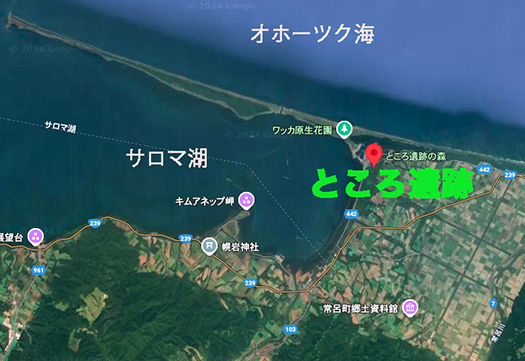
 ということで飛び飛びになると思いますが、今回は「ところ遺跡の森」探訪の再発見編です。前にも一度ブログで触れていましたが、やはりしっかり周辺取材とか、現地研究施設での研究成果などを交えての「深掘り」には到底至っていなかった。そういうケースが山ほどありすぎるのですね。住宅取材版「フーテンの寅さん」か(笑)。こちらについては2009年に探訪してきています。全国のみなさんのために「常呂」の位置関係を。

Screenshot


 ところ遺跡の森はカシワ・ナラを主とした落葉広葉樹の森林で総面積は12万㎡ほど。地図の通り、オホーツク海に面したサロマ湖の接点にあたる丘陵に約4,000年前ころからの竪穴住居群が約138軒。住居の立地はそれぞれ、1000年前頃の「擦文期」には台地の西側・小沢周辺にに分布、約1800年前頃の「続縄文期」には、台地の北側に分布。いちばん古層の4000年前の縄文期では台地の北側から東側に掛けて広く分布している。ひとつの遺跡地域でそれぞれの時代の住居立地が異なっていることは珍しいとのこと。
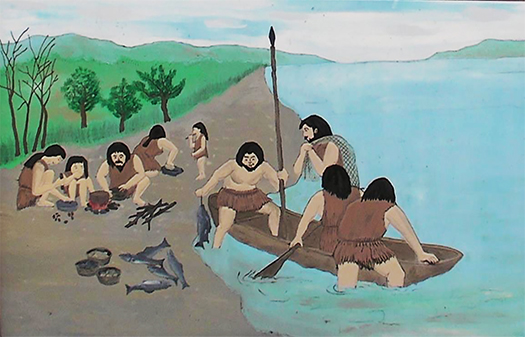
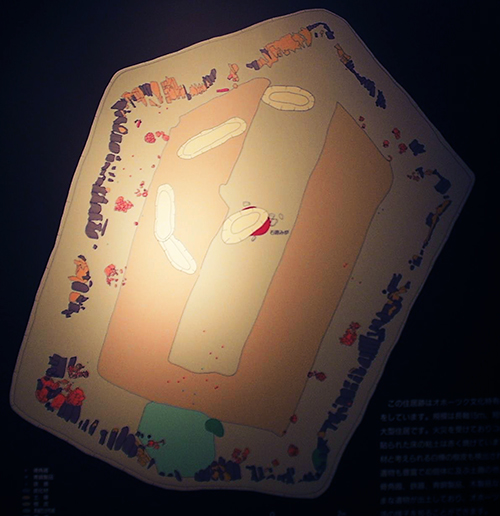
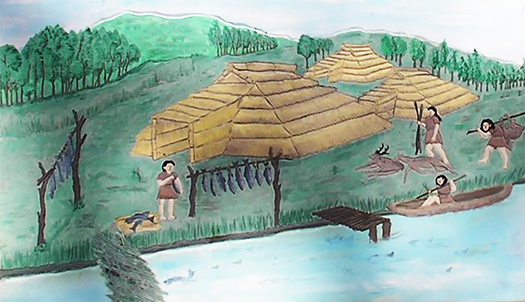
 上の写真・イラストはもっとも最近の「擦文期」のもの。本州地域では平安・鎌倉期にほぼ相当するのですが、遺跡全体で48軒の住居跡が確認されている。この時期には竪穴住居3軒程度でムラが構成されて成立していた。人びとの生業としては、主に川瀬で魚をとる仕掛けの一つ「簗〜やな」で、木・竹を並べて水を一か所に流すようにし、そこに来る魚を、斜めに張った簀(す)などに受けて捕らえるサケマス漁が行われていた。
 イラスト表現では、シカの捕獲も図示されている。主体は狩猟採集だったのでしょう。しかし、アワ・ソバ・ヒエなどの「農耕」も行われていた。このあと、北海道島は「アイヌ文化期」を迎えるけれど、本州地域とははるかに遠隔地だけれど、こういったニッポン列島の風景も同時期に存在していた。

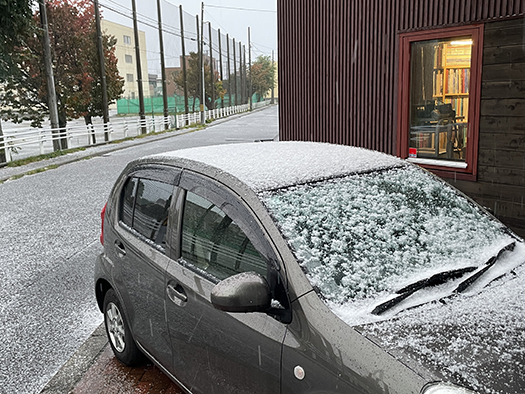
 ・・・と書いていてふと物音がしたと思ったら、なんと札幌、初雪であります。いにしえの人々も、初雪にはどんな心象を抱いたでしょうか。やっぱり一抹のさみしさと、なつかしさなのかなぁ。

English version⬇

Hokkaido’s Ruins: A Second Look at an Old Japanese House – Tokoro Ruins
The first snow was observed at our house in Sapporo today. The houses and people who lived in Tokoro, Hokkaido more than 1,000 years ago. We will explore and excavate with the power of empathy for the climate and climate of the region. The house and people who lived there more than 1,000 years ago in Tsuneo, Hokkaido, Japan.

 I have been continuing my life’s work of exploring houses all over Japan, but on the other hand, due to my natural laziness, I have not been able to “organize” my coverage at all (I cry). (Crying) Although I have been able to continue to cover housing in the midst of the evolution of modern housing, such as highly insulated and airtight houses, I have been deeply reflecting on the fact that I have not been fulfilling my responsibility to do so.
 I would like to gradually “look back” and begin to atone for my sins. I would like to summarize these activities not only in this blog, but also in various other opportunities to present my work. Since I am a housing reporter and journalist, I have a certain amount of architectural knowledge, but I would like to try to notice things from the perspective of people who have lived in the house.
 So, I know this is going to be a bit of a jumping off point, but this is the rediscovery part of my exploration of the “Tokoro Ruins Forest”. As I mentioned in my blog once before, I have not been able to “dig deeper” into the area with thorough research on the surrounding area and the results of research at local research facilities. There are too many such cases. I guess I am the Tora-san version of Hooten’s Tiger (laughs). I visited this area in 2009. I would like to explain the location of Tsuneero for everyone in Japan.

 The forest of the Tokoro Ruins is a deciduous broad-leaved forest of mainly oak and oak trees, with a total area of about 120,000 square meters. As shown on the map, there are approximately 138 pit houses dating from around 4,000 years ago on the hillside facing the Sea of Okhotsk at the junction of Lake Saroma. The houses are located on the west side of the plateau and around Ozawa during the Aburibun period (around 1,000 years ago), and on the north side of the plateau during the Shokujomon period (around 1,800 years ago). During the Jomon period, which is the oldest period (4,000 years ago), they are widely distributed from the north to the east side of the plateau. It is rare to find different residential sites for different periods in a single site area.
 The photo and illustration above are from the most recent “Abrasive Period. It roughly corresponds to the Heian and Kamakura periods in the Honshu area, and 48 dwelling sites have been identified throughout the site. During this period, a village was established with about 3 pit dwellings. The main occupation of the people was salmon fishing using fish traps called “weirs” to catch fish at river rapids, in which wooden and bamboo weirs were lined up so that the water flowed to one place, and the fish coming to the weirs were caught by a bamboo screen stretched diagonally.
 The illustration also shows the capture of deer. The main activity was probably hunting and gathering. However, “farming” of millet, buckwheat, and Japanese millet was also practiced. Hokkaido Island entered the “Ainu cultural period” after this period, but this landscape of the Nippon Archipelago also existed at the same time, although it was much more remote from the Honshu region.

 As I was writing this, I suddenly heard a noise, and to my surprise, it was the first snowfall in Sapporo. I wonder how people in ancient times must have felt about the first snowfall. I wonder if it was a bit of sadness or nostalgia.

【早朝散歩で「交通事故」現場に近接遭遇】


Screenshot


 昨日は早朝散歩、けっこう好きな西野緑道コースにいたしました。散歩道はわたしの場合、いくつかのコースを順繰りしておりまして、その日の気分に合わせて「きょうはこっち、あしたはあっち」と決定している。西野緑道はもともと農業用水路だったそうですが、周辺が完全に宅地化されたことでその流路に沿って整備されたもの。
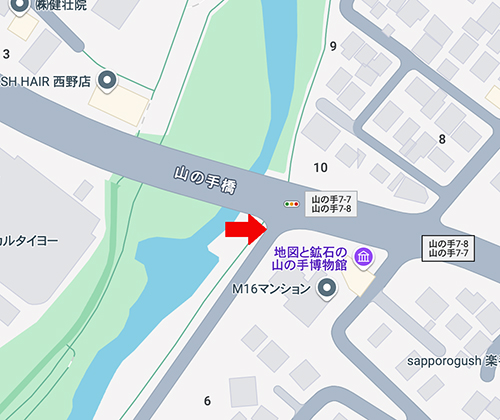
 で、わが家からはその入口まではそこそこの距離もあって、総歩数は7~8,000歩程度。西野緑道に向かう発寒川河畔公園の入り口への橋を渡って川沿いを歩行中、いま通ってきた橋の周辺の信号交差点から「ドン」という大きな衝撃音が響いてきた。ちょうどその入口近くにいまは使われなくなった旧病院建築があって、その様子がなんとなく気がかりな雰囲気というか、独特の陰鬱感があってちょっと気になってはいたのですが・・・。
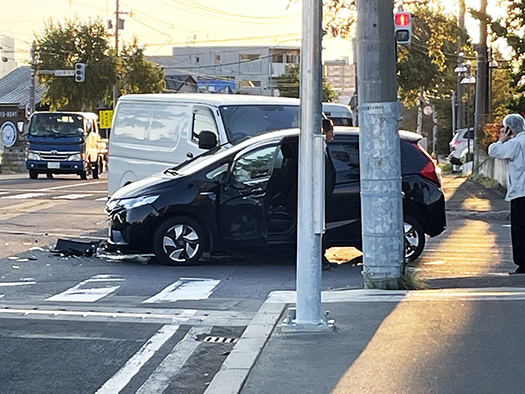
 そんなことからひょっとして人身事故で手助けが必要かもと気になって、その事故衝撃音方向に2-300mほどバックして現場を確認してみた。図のような位置で大きな道路側から左折しようとしていたバンが、細い道路から交差点に進入しようとしていた黒い乗用車の右側前側面に衝突していたのです。バンの左側前面に衝突の痕跡が見られて破損が見られた。
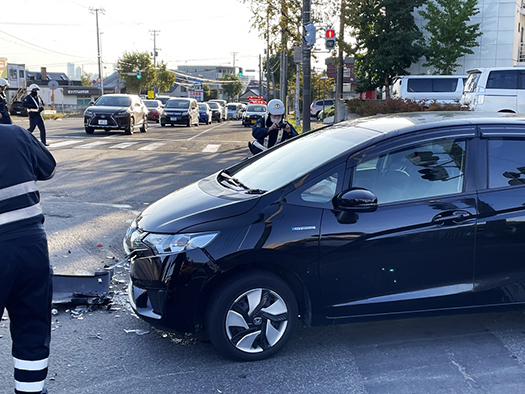
 一方の黒い乗用車は、運転席と助手席のエアバックが膨らんでいる状況が確認できた。不幸中の幸いか、両方の運転者は道路脇の歩道の方に出ていて無事そうな様子で警察に通報していることも確認できた。まぁたまたま現場付近通行中の第3者としての助力が必要とは思われなかった。
 ということで本来の目的である散歩に集中することにして、西野緑道方面にバックして往復してきました。歩数はおおむね7,000歩ほど経過。で、帰り道にもなる事故現場に気になって戻ってみると、すでに警察車両とレッカー車が出動していて現場検証などが行われておりました。事故の当事者の方々はその後も特段の外傷なども目視できませんでした。
 そんな交通事故目撃経緯があって帰宅時間が超過していたので、わが家に戻ってきたらカミさんからは「どこまで行ってきたの?メッチャ遅かったから心配してた」とのこと。かくかくしかじかと報告したら、眼が驚いていた。でもまぁ、わたし自身にはなんの別条はない。たまたまの交通事故現場遭遇。
 昨日はその後、午後からいろいろな不動産取引での現場確認の日程。周辺立地の隣家、全部が法人企業それも大きな会社ばかりなのですが、境界の確認ではじめてご担当の方々にお目にかかることになってその立会い〜契約書の記入などなどを行っておりました。
 よそ事ながら身の回りでの突然の出来事。まぁ禍福はあざなえる縄のごとし、ということなのでしょうか?いずれにせよ、要安全運転。

English version⬇

Early morning stroll in the city, I came across the scene of a traffic accident in close proximity.
Fortunately, no human injuries were involved, but I was a “passerby at the scene” of a vehicle accident. It was an intersection accident between a right and left turn on a main road and a one-lane road. Driving safety is required. Driving

 Yesterday, I decided to take an early morning walk along the Nishino Greenway course, which I quite like. I have several walking paths in order, and decide “this way today, that way tomorrow,” depending on my mood that day. The Nishino Greenway was originally an agricultural waterway, but when the surrounding area was completely converted to residential land, it was developed along its flow path.
 So, from our house, it is quite a distance to its entrance, and the total number of steps is about 7~8,000 steps. While walking along the river after crossing the bridge to the entrance of Hassamu River Riverside Park toward Nishino Greenway, I heard a loud “thump” from the signal intersection around the bridge I had just passed. There was an old hospital building near the entrance that is no longer in use, and I was a little concerned about its appearance because it had a somewhat worrisome atmosphere, or rather, a peculiar sense of gloom.
 I was concerned that it might be a personal injury accident and I might need help, so I backed up 2-300m in the direction of the accident impact sound to check the scene. As shown in the figure, a van that was attempting to make a left turn from the larger road side had collided with the right front side of a black passenger van that was entering the intersection from a narrower road. Traces of the collision were seen on the left front side of the van and damage was observed.
 The black passenger car, on the other hand, was observed to have inflated driver and passenger air bags. Fortunately, both drivers were on the sidewalk and appeared to be safe, and we were able to confirm that they had called the police. Well, I didn’t think I needed any help as a third party who happened to be passing by the scene.
 So I decided to concentrate on my original goal of walking, and backed up to the Nishino Greenway and back. Roughly 7,000 steps passed. I returned to the accident site, which was also my way home, to find that police vehicles and tow trucks had already been dispatched and were inspecting the scene. The people involved in the accident had no visible injuries.
 I had to go home late because of the traffic accident, so when I came back home, my wife asked me, “Where did you go? She said, “You were very late, I was worried. When I told her what had happened, she was surprised to see my eyes. But, well, there was nothing wrong with me. It was just an accidental encounter at the scene of a traffic accident.
 Yesterday, I spent the afternoon checking the site of various real estate transactions. I had to meet the people in charge for the first time to confirm the boundary of the property, so I had to attend the meeting and fill out the contract.
 Sudden events around me, while I was away from home. Well, as the saying goes, “A bad omen is as good as a bad rope,” right? In any case, drive safely.

【ことしの北海道の紅葉、赤よりも黄色主体か?】


 仕事人生いち段落夫婦、カレンダー曜日からは比較的自由に行動予定を決められる。カミさんの調査で、ことしの旭川方面の紅葉、見頃は10/20日頃までという情報。仕事上では土地測量と契約日程の合間の1日、それも休日の混雑を避けられる自由さを発揮して、旭川周辺まで探訪して参りました。
 クルマの運転については意識することもなくわたしは自由に行動できています。きのうも旭川地域への往復、約300kmの運転でしたが、ほとんど疲れを感じません。ただ、いつもよりは寝付きの「熟睡度」がより高かったので、眼精や肉体面での「疲労」は確実にあったのでしょうが、かえって心身はスッキリしております。出張時にもおおむね移動はクルマ一択なのですが、ホテルでの休息でスッキリできる。
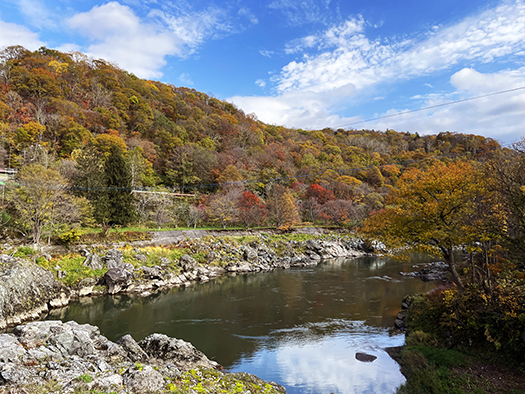
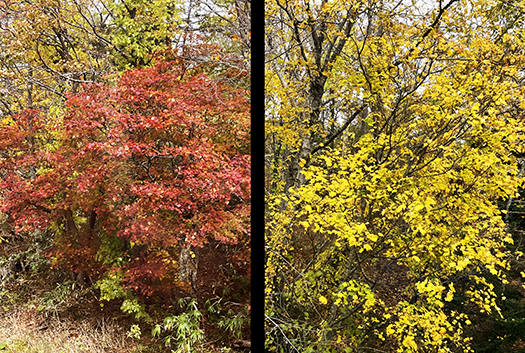
 目的地は冬場にはスキー場になる「カムイスキーリンクス」と神居古潭。上の写真は神居古潭の紅葉の景観。写真としては若干、Photoshopで見栄えをアップさせたので、現実よりも「いい感じ」にしました(笑)。ご容赦ください。下の写真はカムイスキーリンクスで乗っていたゴンドラから見えた特徴的な色づき。こちらのショップ店員のみなさんに聞いたら、ことしの紅葉は表題の通りとか。心もちくすんだような色合いで、昨年までの感じとはやや違いがあるようです。夏場の高温の影響がそういう結果になっているのでしょうか?
 まぁしかし、それは神さまの思し召しなので、人間はどうであってもありがたく感謝の気持ちで受容するに徹するしかありませんね。北海道の雄大な自然のパノラマは、陶然とした時空の浮揚感を与えてくれて、こころの中心に新鮮な回復感をもたらしてくれます。きっとものごとを受容するとき、そういったこころの洗濯が大きな気付きを生んでくれたりするのだろうと思います。
 そこからの帰り道は途中の「美唄」の温泉場まで「下道」をずっと走っておりました。深川〜滝川〜砂川〜奈井江と、普段は高速道で車窓から通り過ぎるだけの北空知の各地を巡っていました。この年齢になると、たぶん幼少期に車窓から見ていた「家並み」の雰囲気に近いと感じられて、無性に「なつかしさ」がこみ上げておりました。山河のありようや家並みにタイムスリップさせられるものがあるのだろうと思います。
 車窓からは選挙のポスターも散見される(笑)ので、現代であることは知らされるのですが、たぶん札幌の街並みが現代のスピード感に同心しているのに対して、すこしズレが感じられるのでしょう。人によってそのことの受け取り方は違うでしょうが、わたし的には非常にうれしく、楽しかった。
 紅葉もだけれど、そういった街の雰囲気にも癒されておりました。

English version⬇

Hokkaido’s Autumn Foliage to be Mainly Yellow Rather than Red this Year?
The unusually high temperatures during the summer may have affected the autumn colors in the mountains, as shown in the title of this article. On the way home, the nostalgic townscape filled my heart. The city is filled with a nostalgic atmosphere.

 My work life has come to an end, and I am free to make my own plans for the next few days of the week. According to my wife’s research, the best time to see the autumn leaves in the Asahikawa area this year is around October 20. We visited the area for a day between the surveying and contracting schedule at work, and also to avoid the holiday crowds.
 I am free to do what I want without having to worry about driving a car. Yesterday, too, I drove about 300 km to Asahikawa area and back, but I hardly felt tired. However, I slept more soundly than usual, so I am sure that I am fatigued in terms of my eyesight and body, but my body and mind feel much more refreshed. I generally choose to drive when I go on business trips, but I can feel refreshed after a rest at the hotel.
 My destinations are Kamui Ski Rinks, which becomes a ski resort in winter, and Kamuikotan. The photo above is a view of the autumn leaves at Kamuikotan. As for the photo, I used Photoshop to enhance its appearance slightly, so I made it “look better” than it is in reality (laugh). Please forgive me. The photo below shows the characteristic color change seen from the gondola we were riding at Kamui Ski Links. I asked the staff at this store about this year’s autumn foliage, and they told me that it was just as shown in the title. The colors were a little duller than last year’s and slightly different from the previous year’s. The high temperatures during the summer had an effect on the colors. Is this the result of the high temperatures during the summer?
 Well, however, it is God’s will, and we humans have no choice but to be thankful and accept it with gratitude. The magnificent natural panorama of Hokkaido gives us a sense of floating in time and space that brings a fresh sense of recovery to the center of our hearts. I am sure that when accepting things, such a washing of the mind will bring about a great realization.
 On the way home from there, we took the “down road” all the way to a hot spring resort in Bibai. We drove from Fukagawa to Takikawa to Sunagawa to Naie, visiting places in Kita-Kuachi that we usually just pass by from the window of the car on the expressway. At my age, I felt that the atmosphere was similar to that of the “rows of houses” I used to see from the car window in my childhood, and I was filled with an irresistible feeling of “nostalgia. I think that there is something about the mountains and rivers and the rows of houses that takes me back in time.
 However, I think I could feel a slight discrepancy between Sapporo’s streetscape and that of today, which is more in tune with the speed of modern times. I am sure that everyone has a different take on this, but for me, it was a very pleasant and enjoyable experience.
 I was healed not only by the autumn leaves but also by the atmosphere of the city.


【不動産取引・現場測量、仮杭設置立会い】


 きのうはセカンドハウスの敷地の現場測量の立会い。
 札幌圏は広域経済圏としてどちらかというと北広島・千歳方面に向かって拡大されていくという実感があります。札幌市は例の札幌ドームからの北海道日本ハムファイターズの本拠地撤退、北広島への移転という事実が象徴するように行政サイドのトンチンカンな対応ぶりが露わになっている。迅速な対応が要求されるあらたな「経済動向」への感度が相当鈍っているように思えてならない。
 ファイターズの移転先である北広島市は、さまざまな公共投資の可能性も出てきているし、千歳はラピダスの建築と半導体産業への巨額投資が、人口増化・人流の増大にも寄与する趨勢が見えてきている。いずれにせよ、札幌広域経済圏としてはより「南側」へと移行していく可能性が高まっている。
 わたしの関係するこちらの敷地と住宅建築は、近隣はすべて全国企業敷地などが集中している地域。高速道路ICへのアクセスも、札幌市内からは「札幌南」、千歳空港方面へは「北広島IC」に近接している。とくに「北広島IC」へはほんの2−3分で、「札幌南」からも10分程度という立地。こと交通アクセスという意味では、ユニークな立地環境。
 そういった状況を反映して、国道36号線と「厚別東通り」の交差点からすぐ近く、交通量が飛躍的に増えてきて、交差点の土木的改造計画も1年以内に行われる趨勢になっている。たぶん交通量の増加比率的には札幌市内でも有数のレベルなのではないかと推測しています。
 そういった状況・タイミングを見て、周辺の企業にも状況変化へのさまざまな反応が出てきている。そのなかでわたしどもの立地環境も大きく変貌していくことは疑いがない。そういうことから積極的に対応をしてきていて大企業との「対話」も図っていたところ、いろいろな先方からのアクションも引き出されてきている。大企業というのは意思決定に時間はかかる。
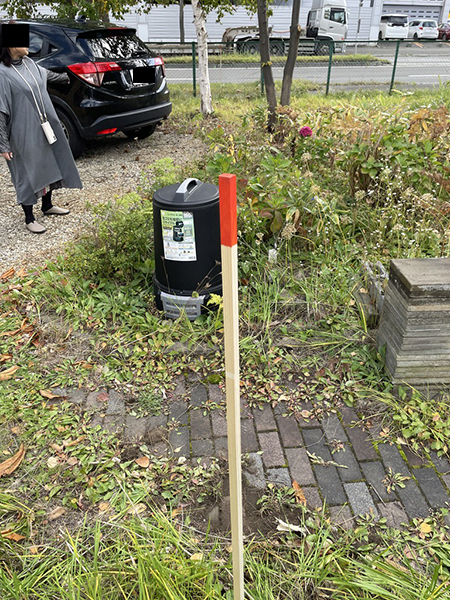
 そういった一環で、昨日は現地測量作業への立会いだった次第。写真のアタマが赤い棒杭があらたな「境界線」をおおむね表している様子。そこそこの敷地なので「境界石」の確認も多数必要で、なかには土砂に埋もれていたヤツもあったのですが、さすが専門の測量屋プロのみなさんの努力できちんと露頭確認させていただくことができた。
 実地測量すると、敷地のさまざまな「情報」が次々と明らかになってくる。まぁ前述の通り、なぜか周辺は大企業・有名企業ばかりが立地しているので、みなさん非常に理性的・良識的で遵法性の高い対応をされている様子もしっかり確認できた次第です。大変ありがたい。

English version⬇

[Real estate transactions, on-site surveying, witnessing temporary pile installation
We feel that the Sapporo economic zone is being restructured. This is clearly reflected in the speed of the increase in traffic volume. Access to expressways and airfields is the key to the future economy. Real estate transactions

 Yesterday, I witnessed the on-site surveying of the site for a second house.
 There is a sense that the Sapporo area is expanding toward Kitahiroshima and Chitose as a broad economic zone. As symbolized by the withdrawal of the Hokkaido Nippon-Ham Fighters from the Sapporo Dome and its relocation to Kitahiroshima, the city of Sapporo seems to have lost its sensitivity to new “economic trends” that require a quick response, as the administration side’s boneheadedness has become apparent.
 In Kitahiroshima City, where the Fighters will be relocated, various public investment opportunities are emerging, and in Chitose, the construction of Lapidus and massive investment in the semiconductor industry are expected to contribute to an increase in the population. In any case, there is a growing possibility that the greater Sapporo economic zone will shift to the “south.
 The site and residential construction I am involved with is located in an area where there is a concentration of national corporate sites and other businesses. Access to expressway interchanges is also close to the Sapporo Minami Interchange from Sapporo City and the Kitahiroshima Interchange from the Chitose Airport area. In particular, the Kitahiroshima Interchange is only a few minutes away, and it is only about 10 minutes from the Sapporo Minami Interchange. In terms of transportation access, this is a unique location.
 Reflecting such a situation, the property is located near the intersection of National Route 36 and Atsubetsu Higashi Dori, where traffic volume has been dramatically increasing, and a civil engineering remodeling plan for the intersection is expected to be implemented within a year. I suspect that this is probably one of the highest levels in Sapporo in terms of traffic increase ratio.
 In view of this situation and timing, companies in the surrounding area are responding in various ways to the changes in the situation. There is no doubt that the environment in which we are located will also undergo a major transformation. We have been proactively responding to this situation, and we have been trying to have a “dialogue” with large companies, which has led to a variety of actions from them. Large companies take a long time to make decisions.
 As a part of such efforts, I was present at the site survey yesterday. The red stakes at the top of the photo show the new “boundary line” in general. Since the site is quite large, many “boundary stones” needed to be confirmed, and some of them were buried in the soil and sand, but we were able to properly confirm the outcropping through the efforts of the professional surveyors.
 The field surveying revealed various “information” about the site one after another. As mentioned above, for some reason, there are many large and well-known companies located in the surrounding area, so we were able to confirm that everyone was very rational, sensible, and law-abiding. We are very grateful.