本文へジャンプ

【あの国は「中華」独裁しか政体があり得ないのか?】


 わたしが生きてきた時間の中では、お隣の国に対してある程度好意的だった期間が長かった。学生運動に沈没していた時期、いわゆる「反帝反スタ」スローガンで運動していた。反スタというのは「反スターリン主義」というものでソ連という存在への反抗ということ。中ソ対立の国際関係に置いては現在のロシア、当時のソ連に対しての反感の方が深く強かった。
 このソ連の呪縛からかの国は西側社会に擦り寄ってきて、経済的「出口ナシ」国際関係から西側に支援を求めてきた流れに、好意的な対応を日本はしてきたと思う。首脳外交をアメリカに先駆けた田中角栄の姿勢には同感を覚えていた。鄧小平・周恩来の率直な姿勢に日本は支援という見返りで当たってきたと思う。
 その後、わたし自身は左翼的な政治運動の醸し出す「絶望感」に絶望し、より人間的な生き方、正直な生き方に目覚め自由で自立的な個人を基盤とする社会、民主主義の考えに賛同するようになった。いろいろ手続きは大変だけれど、チャーチルが言ったように「面倒だけれど、これしかない人類知」という民主主義制度を基盤とする社会は、あきらかな「正統性」を持っていると思う。
 そういう流れの中で外交局面を見ていて、いまの日本側の外交姿勢には同意する。一方かの国はほぼ支離滅裂な対日姿勢を見せてきている。(たぶん)連立政権からの某党の離脱に始まって、影響下にある日本メディア各社を使った必死な政権攻撃。かの国外交当局による「狂気」としか言いようのない対応の数々。・・・そしてついには通常的・自衛行動を行っていた自衛隊機に対して、ミサイル発射をロックオンするレーダー照射「攻撃」まで仕掛けてくるに及んでいる。
 これに対して日本側はきわめて抑制的に理を尽くす反対対応をしてきている。防衛大臣はきちんと意見発表を、真夜中にも関わらず即座に行った。
 国際社会は、こうしたかの国の姿勢に対して総体としてNOを突き付けてきている。
 こういう流れの中で、なぜかの国はこうであるのか、その根源としての「中華」思想に思いが至る。地形的にあの国家は中央集権・独裁でしか存続し得ないのだろう。孫文もあの国では民主主義政体を確立することができなかった。いま、世界からの孤立化のなかで経済は破綻してきているとされる。近隣関係の中で、その推移・動向に今後も注意していかなければならないだろう。

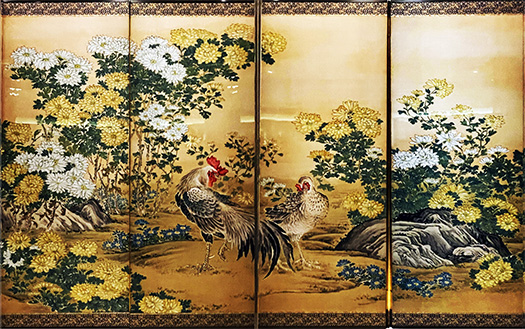
<写真は「菊鶏図・野口幽谷」>

お知らせ
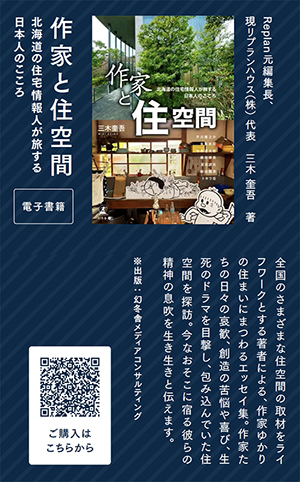
拙書「作家と住空間」幻冬舎から電子書籍で発刊
お求めはAmazonで。
https://amzn.asia/d/eUiv9yO
English version⬇

【Is “Chinese” Dictatorship the Only Possible Form of Government for That Country?】
Is dictatorship that proclaims itself “Chinese” the only legitimate form of government on that land? Can it not comprehend the universally accepted “democracy”?…

 Throughout my lifetime, I’ve generally held a favorable view of our neighboring country for the most part. During my days immersed in student activism, we rallied under the so-called “anti-imperialist, anti-Stalinist” slogans. “Anti-Stalinist” meant opposing the Soviet Union itself. Within the context of the Sino-Soviet split in international relations, my resentment toward what is now Russia—then the Soviet Union—ran deeper and stronger.
 I believe Japan responded favorably to this country’s shift away from the Soviet Union’s spell, as it moved closer to Western society and sought support from the West to escape its economically “dead-end” international relations. I sympathized with Kakuei Tanaka’s stance of pursuing summit diplomacy ahead of the United States. I think Japan responded to the frank attitudes of Deng Xiaoping and Zhou Enlai with support in return.
 Later, I myself despaired at the “sense of hopelessness” fostered by leftist political movements. I awakened to a more human way of life, an honest way of living, and came to endorse the idea of a society based on free, independent individuals and democracy. While the procedures are often cumbersome, I believe a society founded on the democratic system – as Churchill said, “a nuisance, but the only human institution we have” – possesses clear “legitimacy.”
 Observing the diplomatic landscape within this context, I agree with Japan’s current diplomatic stance. On the other hand, that country has displayed an almost incoherent approach toward Japan. Beginning (probably) with a certain party’s withdrawal from the coalition government, it launched desperate attacks on the administration using Japanese media outlets under its influence. The numerous responses from that country’s diplomatic authorities can only be described as “madness.” …And finally, they have gone so far as to launch a radar lock-on “attack” against a Self-Defense Forces aircraft conducting routine, self-defense operations.
In response, Japan has maintained an extremely restrained yet principled opposition. The Defense Minister promptly issued a statement, despite it being the middle of the night.
The international community has, as a whole, rejected this country’s stance.
 Amidst this trend, one wonders why that country behaves this way, leading thoughts to the root cause: the “Chinese” ideology. Geographically, that nation can only survive through centralization and dictatorship. Even Sun Yat-sen failed to establish a democratic system there. Now, amid growing isolation from the world, its economy is said to be collapsing. Within regional relations, we must continue to watch its trajectory and movements closely.

Notice
My book “Writers and Living Spaces” published as an e-book by Gentosha
Available on Amazon.


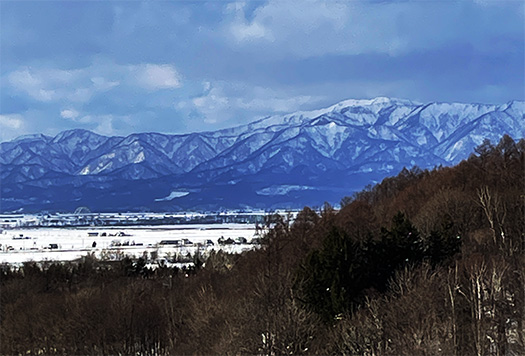
【好きな風景/空知・美唄からの西方山並み雪化粧】


 昨日は好きな温泉である美唄市の高台に位置する「ビバの湯・ゆーりん館」でまったり。
 ここから見える西北方の山並みに不思議とヨワイ(笑)。
 どうという特徴があるわけでもないのですが、この時期になってくるとその積雪の表情が心象に迫ってくる。とは言っても、人生時間でこの風景に関わっていた記憶は非常にレア。小学校低学年の時に、母親の実家である三笠市の農家の家にときどき遊びに行っていて、雪原越しボーッとに見ていた記憶がうっすらとある。名前もよくわからない。暑寒別岳方向ではあるけれど・・・。
 で、その心象風景を小学校で「俳句」という表現を習って、自作していたように記憶している。そのとき心に浮かんでいたのが、この山容だったという希薄な「波動」なのです。
 高齢期になってくると、こういうこころの「ルーツ」のようなものが、強くせり上がってくる。
 こういう「風景の記憶」領域は、日本の短文文学の主要な部分なのでしょうが、昭和中期の子どもたちには、学校で言われたから表現した、という程度の認識だった。そのことはその後の生き様の中でも、とくに無頓着にいたけれど、ある時期、たぶん北海道各地をクルマで走り回ることが多くなってきて、この山容風景が、どうも自分には内面世界的に重たい位置を占めていることがわかってくるのですね。
 たぶん誰にもそういう風景があるでしょう。
 その短文表現・俳句は「・・・遠い連山」という最後の7文字だけが記憶に残っている。
 いまも、こういう心理を繰り返し再生させていただけているので、その当時の小学校の授業には深く感謝しています(笑)。そういえば、同じ小学校時期には絵が専門の先生から北米のポートランド市と札幌市が「姉妹都市」となったことを記念して子どもたちの絵の交換行事があって、わたしの描いた絵が先方に贈られたこともある。
 自分では「ボーッと」過ごしていた記憶が大きい時期だけれど、いまになってもこんな風に強く迫ってくるなにものかがあるのだと実感させられる。
 さて年の瀬がだんだん迫ってくる。来週からはいろいろ予定で多忙。体力を温存しておきたい。

お知らせ
拙書「作家と住空間」幻冬舎から電子書籍で発刊
お求めはAmazonで。
https://amzn.asia/d/eUiv9yO

English version⬇

【Favorite Scenery / Snow-Capped Western Mountain Range from Sorachi and Bibai】
Today’s blog takes a break from the serialized theme. Memories of the “distant mountain range” I used to gaze at blankly during elementary school. I don’t know why I like it, but it’s a landscape that inexplicably draws me in. …

 Yesterday I relaxed at my favorite hot spring, “Biba no Yu Yurin-kan,” perched on a hill in Bibai City.
I’m strangely drawn to the mountain range visible to the northwest from here (lol).
It doesn’t have any particularly striking features, but this time of year, the look of the snow-covered peaks really resonates with me. That said, memories of actually spending time with this scenery are incredibly rare in my life. I vaguely recall visiting my mother’s family farmhouse in Mikasa City during my early elementary school years, staring blankly across the snowfields. I don’t even remember the name of the mountains. They were in the direction of Shokanbetsu-dake, though…
And I remember learning about “haiku” as an expression in elementary school and composing my own. The faint “vibration” that came to mind then was the shape of these very mountains.
 As one enters old age, these kinds of “roots” in the heart surge strongly to the surface.
This realm of “landscape memories” is probably a major part of Japanese short-form literature, but for children in the mid-Showa era, it was merely something we expressed because we were told to in school. I remained particularly indifferent to this throughout my subsequent life, but at a certain point—probably when I started driving around Hokkaido frequently—I realized this mountain landscape held a profoundly significant place within my inner world.
I imagine everyone has such a landscape.
Of that short verse, that haiku, only the final seven characters remain in my memory: “…distant mountain range.”
 Even now, this feeling keeps coming back to me, so I’m deeply grateful for that elementary school lesson (laugh). Come to think of it, during the same elementary school years, an art teacher organized an exchange of children’s drawings to commemorate Portland, North America, becoming a sister city with Sapporo. My drawing was sent over there.
 Though I mostly recall this period as one spent “zoning out,” it makes me realize there are still things from then that come rushing back to me this strongly, even now.
Well, the year’s end is gradually approaching. Next week brings a busy schedule with various plans. I want to conserve my energy.

Notice
My book “Writers and Living Spaces” published as an e-book by Gentosha
Available on Amazon.

【幕末期インバウンドによる日本の街と人の写真】


 親族の生き様をタイムマシン的に脳裏に復元させたいというわたしの「新領域」。実際に遺された記録や文献などからの血脈的な探索と、一方でその当時に肉親が対応を迫られていた政治経済社会の全般の状況と、そのなかでの独特な「状況」の復元再生が基本。
 そういうなかである程度のカタチが見えてきている。
 こういう復元作業は認知能力のなかではごく限定的な「部分」でのことがらなので、よりリアリティを持ちたいという欲求が盛り上がってきて仕方がない。そんなことで各種の「情報」を探索することになるけれど、先般触れた国立国会図書館などでの探索から、身近な図書館などでも情報を掘り出すことが出来てきた。
 そんななかで幕末期に日本を訪れていた欧米の「インバウンド」が記録していた写真類と出会うことが出来た。
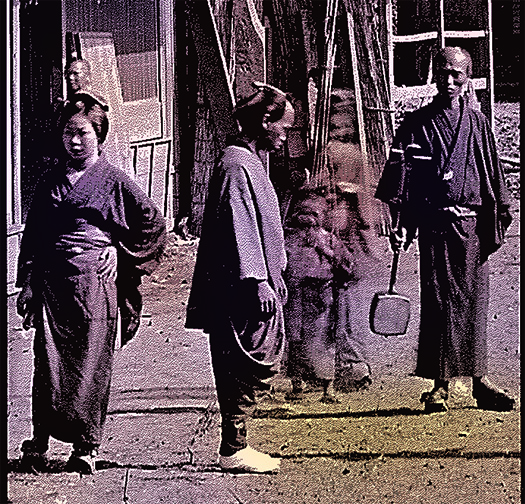
 1枚目の写真は神奈川県横浜市中区・根岸白滝不動尊付近の茶屋前での当時の人びとの様子。画像本体はもちろんモノクロ(Photoshopでカラー化)で、写っているひとたちに「静止していて欲しい」とお願いしながら撮影されたもののよう。しかしほぼ正面に子どもも写っているが、ゆらぎのなかにほのかになっているのは、かれには静止している意味が半ば通じなかったことを、ユーモラスに物語っている。そのほかのオトナたちは見知らぬ異人さんのリクエストに大人しくしたがっている。様子からは武士ではない一般町民と思える。当然ながら全員下駄履きだけれど、家系の生きていた広島県福山市の「松永」地域では幕末・明治期には全国の「下駄」の最大の出荷産地だったという。その需要を当て込んで、明治末に祖父は北海道から原材料となる木材を出荷させたかったと推定している。
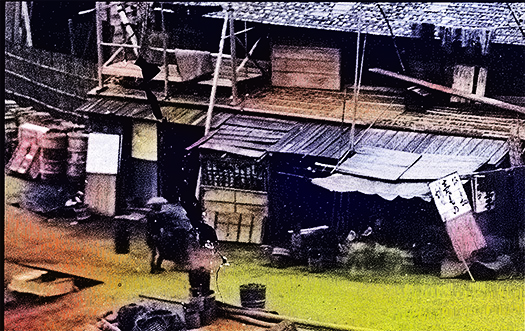
 またもう1枚の写真は、明治初期の鉄道開設当時の横浜市中区野毛の駅前の商店の様子。わたしの家系も、塩という藩財政にとっての重要資源の仕入と広域販売を営みつつ、同時に広島県福山市今津町の脇本陣・蓮華寺の目の前の西国街道筋に店舗を開いていた事実が確認できている。たぶん20-30年程度の時間差はあると思うけれど、似たような「店先」の雰囲気だったことが想像できる。
 わたしの先祖の事跡と重ねながら、その記録に関連する映像を凝視し続けている。・・・

お知らせ
拙書「作家と住空間」幻冬舎から電子書籍で発刊
お求めはAmazonで。
https://amzn.asia/d/eUiv9yO

English version⬇

【Photographs of Japanese Towns and People During the Late Edo Period Inbound Tourism】
For Westerners, Japan during the opening period was a subject of maximum curiosity. They must have been deeply fascinated by the orderly streetscapes and the diligent people of this different culture. …

 My “new frontier” involves reconstructing the lives of my relatives in my mind like a time machine. It fundamentally involves two things: tracing bloodlines through actual records and documents left behind, and simultaneously reconstructing the broader political, economic, and social context of the time—the unique “situation”—that my relatives were forced to navigate.
Within this, a certain shape is beginning to emerge.
 Since this reconstruction work operates within a very limited “part” of my cognitive abilities, the desire for greater realism inevitably grows stronger. This leads me to explore various “information” sources. While searches at places like the National Diet Library, mentioned earlier, have been productive, I’ve also been able to unearth information at local libraries.
Amidst this, I came across photographs recorded by Western “inbound” visitors to Japan during the Bakumatsu period.
 The first photograph shows people near a teahouse in the Negishi-Shirataki Fudoson area of Naka Ward, Yokohama City, Kanagawa Prefecture. The image itself is, of course, monochrome, and it appears to have been taken while asking the subjects to “please stay still.” However, a child is captured almost directly in front, faintly blurred within the motion. This humorously illustrates that the concept of staying still was only partially understood by the child. The other adults appear willing to comply with the request from this unfamiliar foreigner. Judging by their appearance, they seem to be ordinary townspeople, not samurai. Naturally, they are all wearing geta sandals. Interestingly, the “Matsunaga” area of Fukuyama City, Hiroshima Prefecture, where my family lived, was the largest shipping point for geta sandals nationwide during the late Edo and Meiji periods. I suspect my grandfather wanted to ship timber from Hokkaido as raw material, anticipating this demand, around the end of the Meiji era.
 Another photograph shows the scene in front of a shop near the station in Noge, Naka Ward, Yokohama City, during the early Meiji period when the railway was established. It has been confirmed that my family lineage also operated a business dealing in the procurement and wide-area distribution of salt, a crucial resource for domain finances, while simultaneously running a storefront along the Saigoku Highway, directly opposite the Waki-honjin and Rengeji Temple in Imazu-cho, Fukuyama City, Hiroshima Prefecture. Though likely separated by about 20-30 years, one can imagine a similar atmosphere at these shop fronts.
I continue to gaze intently at these images, overlaying them with the deeds of my ancestors. …

Notice
My book “Writers and Living Spaces” published as an e-book by Gentosha
Available on Amazon.


【江戸期・親藩と連携する商家層の「葛藤」を思う】


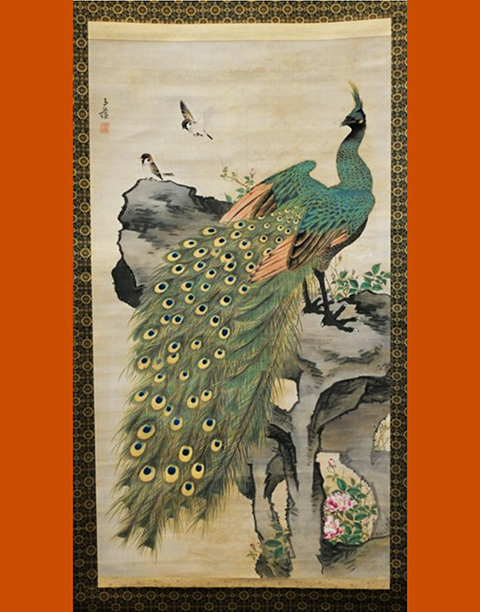
 図は広島県尾道市で江戸期に活躍した平田玉蘊(ぎょくうん)の作品。
 彼女は幕末期の尊皇思想家で倒幕の志士たちに強く影響を与えた頼山陽の「愛人」説が濃厚な女性。
 わたしなどは戦後教育そのもので学んだ人間なので頼山陽という人物は知ることすらも無かった。それはかれの思想が戦前期の軍国主義教育でもっとも畏敬されていたことで、その反動から徹底的に排除されてきたことが大きいのでしょう。そういう「過激」思想家だけれど、ちょっと事跡を見てみると日本各地に「愛人」をウワサされる女性がいて、江戸末期という時代相の中で奔放な「自由恋愛」を生きていた人物と、なんとも人間的にユーモラスと感じさせられる。
 いま、家系の歴史を跡づけながら考究しているけれどこの頼山陽が若い時期、福山藩の菅茶山の「廉塾」で2年間ほど「助教授」みたいな存在で、5-60年ほどの時間差でわが家系の当主(嫡子)が同じ塾で学んだ事実がわかってきた。そして思想的に頼山陽に強い影響を受けていたように思われるのです。
 ・・・そういえば1914年生まれの父と教育について話をしたときわたしは頼山陽などまったく知らないと話したら「え、学校で頼山陽を教えていないのか!」とわずかに怒気を含みながら驚いていた記憶がある。父はそういう話題には一切触れないタイプだったのですが、家系に思想的に「かぶれた」当主がいたことは自覚があったよう。あんまり触れたくないが、悪く取られるのもイヤだ、みたいな反応だった。
 そういった江戸末期の世相を生きた当主は、ビジネス的には福山藩と連携する「政商」スタンスでありながら自分自身が学んだ学問としては尊皇攘夷側の思想を持っていたということ。そして一時は「学問で身を立てていた」という記述があるほどだった事実。徳川家親藩(福山藩)の政商的商家なのに、いわば身を引き裂かれるような心象風景だったのではと想像しています。
 ビジネスでは大名用の宿泊施設・本陣の助役的立場であり庭が有名だった今津本陣の床の間にこうした掛け軸画を掛けていたかも知れない。倒幕側の薩摩藩が有力な「得意先」でもあったのです。
 「おお、これがあの頼山陽が愛した女性の画風か・・・」(薩摩の殿様)
 ちなみに福山藩はペリー来航時、幕府老中であった藩主を擁しながら、箱館戦争時には籠城した佐幕派・榎本武揚軍を攻撃する新政府側になっている。なかなか、であります。

お知らせ
拙書「作家と住空間」幻冬舎から電子書籍で発刊
お求めはAmazonで。
https://amzn.asia/d/eUiv9yO

English version⬇

【Reflecting on the “Conflict” of Merchant Families Collaborating with the Shogun’s Loyal Clans During the Edo Period】
As merchants, they must have felt torn apart, torn between responding to political turmoil and their own “ideologies and beliefs.” …

 The illustration depicts a work by Hirata Gyokun, who was active in Onomichi City, Hiroshima Prefecture during the Edo period.
She is the woman strongly rumored to have been the “mistress” of Rai Sanyo, a late Edo-period imperial loyalist thinker who profoundly influenced the anti-shogunate revolutionaries.
I, for one, was educated entirely under the postwar education system and knew nothing of Rai Sanyo as a figure. This is largely because his ideas were held in the highest reverence during the pre-war militarist education, leading to their thorough exclusion as a reaction. Though considered a “radical” thinker, looking at his deeds reveals he had women rumored to be his ‘mistresses’ across Japan. Living a free-spirited “free love” within the context of the late Edo period, he comes across as a rather humorous figure, humanly speaking.
 I’m currently tracing and researching my family history. I’ve discovered that during his youth, this same Rai Sanyo served as a sort of “assistant professor” for about two years at the “Renshu” academy run by Suga Chazan of the Fukuyama domain. Roughly 50-60 years later, the head of my own family line (the legitimate son) studied at that very same academy. It seems he was strongly influenced by Rai Sanyo’s ideas.
 …Come to think of it, when I discussed education with my father, born in 1914, and mentioned I knew nothing about Rai Sanyo, he reacted with surprise, tinged with slight irritation: “What? They don’t teach Rai Sanyo in school?!” My father was the type to avoid such topics entirely, but he seemed aware that a head of our family had been ideologically ‘obsessed’ with him. His reaction was like, “I’d rather not bring it up, but I also don’t want it taken badly.”
 This head of the family, who lived through the late Edo period’s social climate, adopted a “political merchant” stance in business, collaborating with the Fukuyama domain. Yet, in terms of the scholarship he himself pursued, he held pro-imperial, expel-the-barbarians ideology. There are even records suggesting he once “made his living through scholarship.” I imagine it must have been a deeply conflicted state of mind for him – belonging to a political merchant family loyal to the Tokugawa shogunate (the Fukuyama domain), yet holding such opposing beliefs.
 In business, he held an assistant role managing lodging facilities for daimyo, the honjin. He might have hung such a hanging scroll painting in the alcove of the famous Imazu Honjin, known for its garden. After all, the anti-shogunate Satsuma domain was also a powerful “client.”
“Oh, so this is the painting style of the woman beloved by Rai Sanyo…” (Lord of Satsuma)
 Incidentally, the Fukuyama domain, while having a daimyo who was a senior councilor of the shogunate during Perry’s arrival, sided with the new government attacking the pro-shogunate forces led by Takeaki Enomoto who had barricaded themselves in Hakodate during the Hakodate War. Quite something, indeed.

Notice
My book “Writers and Living Spaces” published as an e-book by Gentosha
Available on Amazon.


【江戸後期・人間「時間割」 タイムトラベル探訪に復帰】


 さて昨日は通常ペースを復元させる1日で、あれこれと要件を片付け。
 東京の空気に浸るとわたしの場合、20代の「職業&生活感覚」が蘇ってきて若返らざるを得ないようです。しかし確実に老化で体力は劣ってきているので、そのギャップにふと気付き「ゆったり」を心がける。そういう瞬間の頻度が増えてきているのは確か。用心が肝心。
 東京では某国「団体旅行客」キャンセルがどのような状況かと興味があったのですが、インバウンド状況はほとんど変わりない。とくにアジア系若年層が労働力活用されているのが目に付く。札幌のわが家のまわりでもアジア系の女性たちが近くの「看護師養成施設」に通っている様子によく遭遇するので、全国どこでも同様なのでしょう。
 そういうなかでは某国のそれも団体旅行客の姿が見えないこと自体は、別段どうということもない。
 むしろ異常な高止まり傾向だった「宿泊施設」のコストがやや低下傾向の喜ばしい側面も。団体枠として相当早い段階で予約が入るので全体としてコストアップにつながり、その分、国内のビジネス・観光需要が落ち込まざるを得ない状況から、徐々に復元してきているのかも。インバウンド増加と反比例して国内旅客の減少が言われましたが、この異様なコストアップが要因だったのではと思います。
 巨視的に見れば、国内の情報交流機会減少は景気にはマイナス要因と思える。単純な「某国からの旅客が減って経済的に損失がー」と叫ぶオールドメディアの論調には疑問を感じますね。
 ・・・おっと、サッパリ本論に「復帰」していない(笑)。
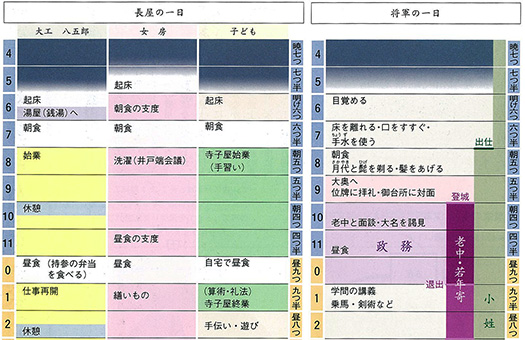
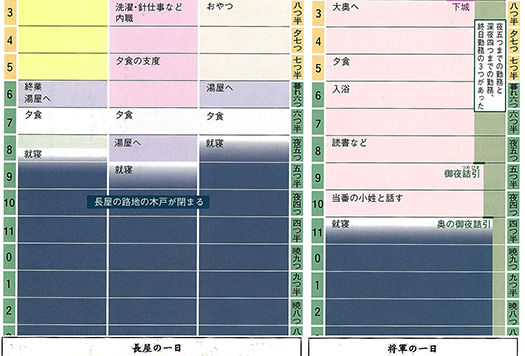
 遅ればせですが、図は江戸期の人びとのライフスタイルを表す「生活時間割」。わが家系の江戸期動向を深掘りするには時代相を分析したいと調査・発見した、2004年刊行の小学館「ひと目でわかる江戸時代」からの一部抜粋引用。
 わたしも加齢と共に「早寝早起き」が極端に(笑)進行していますが、江戸期のひとびとも全体としてこの傾向にあったのですね。朝6時には起床して、夜8時には就寝する暮らしようが基本。
 就寝時間の早さは素晴らしい。また大工さんは1日に朝と晩に2回入浴している。よく働きよく休む。
 こういう生活習慣が一般的だった「社会」という認識は、けっこうな気付きポイントかと。

お知らせ
拙書「作家と住空間」幻冬舎から電子書籍で発刊
お求めはAmazonで。
https://amzn.asia/d/eUiv9yO

English version⬇

【Late Edo Period: Human “Timetable” – A Return to Time Travel Exploration】
A lifestyle where one promptly goes to bed by 8 PM. A carpenter who bathes twice at the public bathhouse. Work hard, rest well. A splendid sense of moderation. …

 Yesterday was a day to get back to my normal pace, taking care of various tasks.
When I immerse myself in Tokyo’s atmosphere, my professional and lifestyle sensibilities from my twenties seem to resurface, making me feel rejuvenated. However, my physical stamina has definitely declined with age, and I suddenly notice this gap, reminding me to take it easy. The frequency of such moments is certainly increasing. Caution is key.
 I was curious about the situation regarding cancellations by group tourists from a certain country in Tokyo, but the inbound tourism landscape remains largely unchanged. Notably, young Asian workers are being actively utilized. Around my home in Sapporo, I frequently encounter Asian women commuting to a nearby nursing training facility, so this is likely the case nationwide.
In this context, the absence of group tourists from that particular country isn’t particularly noteworthy.
 Rather, there’s a welcome aspect: the abnormally high accommodation costs are showing a slight downward trend. Group bookings are made very early, driving overall costs up and inevitably squeezing domestic business and tourism demand. This trend may now be gradually reversing. While it’s been said that domestic passenger numbers decline inversely with inbound growth, I suspect this abnormal cost surge was a key factor.
 From a macro perspective, reduced domestic information exchange opportunities seem like a negative factor for the economy. I question the old media’s simplistic narrative of “economic losses due to fewer visitors from a certain country.”
…Whoops, I haven’t quite “returned” to the main topic yet (laugh).
 Better late than never, here’s a diagram showing the “daily schedule” representing the lifestyle of people in the Edo period. To delve deeper into my family’s activities during the Edo period, I wanted to analyze the era’s context. This is an excerpt from Shogakukan’s “The Edo Period at a Glance,” published in 2004, which I researched and discovered.
As I age, my “early to bed, early to rise” habit has become extremely pronounced (laugh). It seems people in the Edo period also generally followed this trend. The basic routine was waking at 6 AM and going to bed by 8 PM.
The early bedtime is wonderful. Also, carpenters bathed twice a day, morning and evening. Work hard, rest well.
Recognizing that this lifestyle was common in society is quite a significant insight point.

Notice
My book “Writers and Living Spaces” published as an e-book by Gentosha
Available on Amazon.

【知の日本資産へのアクセス権確保/札幌に帰還】


 昨日、夕刻に札幌に帰還いたしました。
 重厚な古文書や地域史が深く集積している国立国会図書館の機能に実際にアクセスしたことで、探究の必要条件が整備・確立できたと心強く思っています。この国の先人の「知の宝庫」というように認識することが出来ました。AIの活用などが進んできていますが、やはりこういった国家的な施設での深み、奥行きはすばらしい。この国に生まれて良かったとまで思えた。
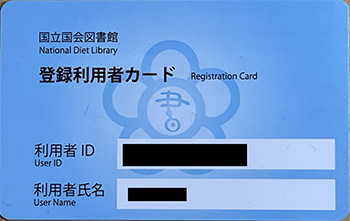
 歴史探究の分野の最先端領域は各地域での探究の深まりが大きいと言われていますが、たしかにその通りですね。しかしそういった広域にわたる深まりとのアクセスは新たな課題。以前から「利用登録」はしていたのですが、今回は直接アクセス出来るカードもいただけた。今後上京する機会には、どんどん利用させていただきたいと思います。
 空間的な移動と同時にタイムトラベル的にも常に往復できるかのようです。若いときにはとにかく「どこか遠くに行きたい」という欲求が人間を動かしていくのでしょうが、そういった時期をはるか遠くに見るようになって来て、まったく違う風景が見えてくるのだと実感させられる。
 ふしぎなのは、そういう目線から見ると目に見える景色に時間軸の「ゆらぎ」みたいなものが感じられること。量子か(笑)。そして無上に楽しい気分に包まれてくることでしょうか。
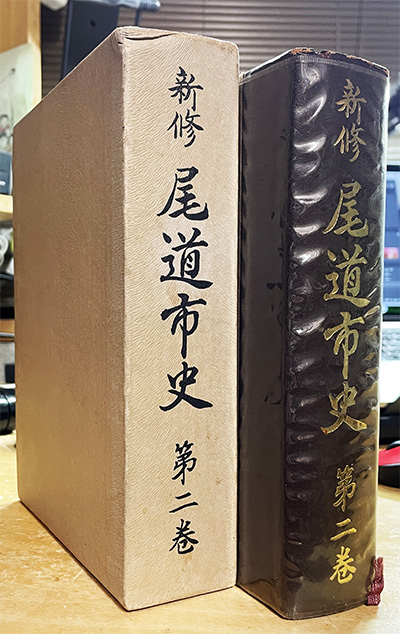
 ということで秋深い東京都心の遊歩道を楽しく帰還してきたのですが、帰還後、家にはわが家系が深く関係した「尾道」の市史の当該部分の巻が郵送されてきていました。尾道市役所で昭和47年発行された総ページ数800ページ超の大部です。パラパラとめくるたびにこれまでの、文学的読書体験とはまったく違う見方からの「発見」が連続してきます。国立国会図書館での知の探訪の広がり体験、そして先人との血脈的な、内側からの波動のようなものがシンクロしてくれる。
 まさかこんな本にワクワクするとは信じられない(笑)。
 ヒグマの話題も減少化してきた札幌で、落ち着いて「対話」を継続していきたいと思います。

お知らせ
拙書「作家と住空間」幻冬舎から電子書籍で発刊
お求めはAmazonで。
https://amzn.asia/d/eUiv9yO

English version⬇

Securing Access to Japan’s Intellectual Assets / Returning to Sapporo
Experiencing the “flow” of time and space. Imagination expands vastly, perceiving depth echoing from the visible world. Is this “enchantment”? …

 Yesterday evening, I returned to Sapporo.
Having actually accessed the National Diet Library’s functions—where profound historical documents and regional histories are deeply accumulated—I feel reassured that the essential conditions for my research have been established and solidified. I came to recognize it as a true “treasure trove of knowledge” from this nation’s forebears. While AI utilization is advancing, the depth and breadth offered by such national institutions remain truly remarkable. It even made me feel fortunate to have been born in this country.
 It’s often said that the cutting edge of historical research lies in deepening local investigations, and that’s certainly true. However, accessing this kind of broad, deep research presents new challenges. While I had previously registered as a user, this time I also received a card granting direct access. I intend to make full use of this whenever I have the opportunity to visit Tokyo in the future.
 It feels like I can constantly travel back and forth, both spatially and temporally. When young, the desire to “go somewhere far away” drives us, but looking back on that time from a great distance, I realize a completely different landscape comes into view.
What’s strange is that, from this perspective, I sense a kind of “flicker” of the time axis in the visible scenery. Quantum physics, perhaps? (laughs) And I find myself enveloped in an immensely joyful mood.
 So, I happily returned from my stroll along the deep autumn paths of central Tokyo. Upon my return, a volume of the Onomichi City History, deeply connected to my family lineage, had arrived by mail. It’s a massive tome, over 800 pages, published by Onomichi City Hall in 1972. Each time I flip through it, I make continuous “discoveries” from a perspective entirely different from my previous literary reading experiences. It expands the experience of exploring knowledge at the National Diet Library, and creates a kind of synchronicity with the bloodline of our ancestors, like an inner vibration.
I never imagined I’d get so excited about a book like this (laugh).
With bear sightings decreasing in Sapporo, I hope to continue our calm “dialogue” here.

Notice
My book “Writers and Living Spaces” published as an e-book by Gentosha
Available on Amazon.

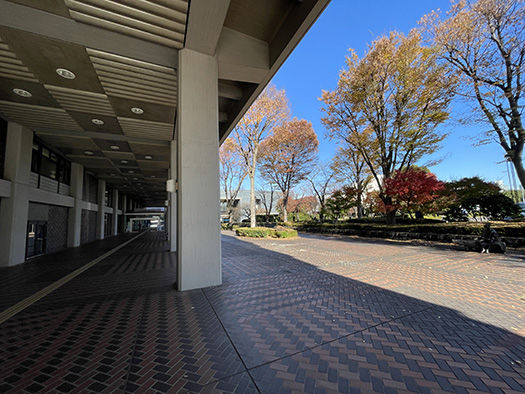
【古文書探索 in国立国会図書館〜和の国都心の自然散策】


 これまでは札幌にいるときしか「図書館」は利用しませんでしたが、最近は福山市の図書館など「故地」の探索の関係から、全国の訪問先図書館で資料を探すことが増えてきています。しかし各地域の詳細情報を、北海道にいながらすべてチェックするのは難しい。
 そういうことからこの「国立国会図書館」利用を思い立った。
 名前のごとく国会議員のため専門的資料を集中させる、という趣旨の図書館であることは間違いないのですが、もちろん民主国家として一般国民も自由に利用できる。とくに全国に故地が散在している「歴史情報」については大変ありがたい施設。一般的にはWEB利用も出来るのですが、実際にその原本を確認しながら「情報の取捨選択」をするには、実際に確認して判断していく必要がある。ということで訪問。
 もちろん「登録」自体はしているのだけれどパスワードはもちろん忘却の彼方(笑)。訪問時に更新した方が合理的とも思ったのですね。
 で、昨日は少ない脳味噌が朝一番からたっぷりと大働き。古文書とか資料文書・地域史文書類って、とにかく膨大な情報量の中から目で探すという作業の連続なのです。一種の「情報検索術」能力が必要だと痛感させられた。いくつかの情報発掘は出来たけれど、とてもすべての発掘はムリとも悟らされた。やはり今後もWEBで継続探索することにしましたが、登録の更新とパスワードの再設定もでき、この情報集中的なこの図書館の機能詳細を実体験できたので、今後の探索に有益に活かせると思います。
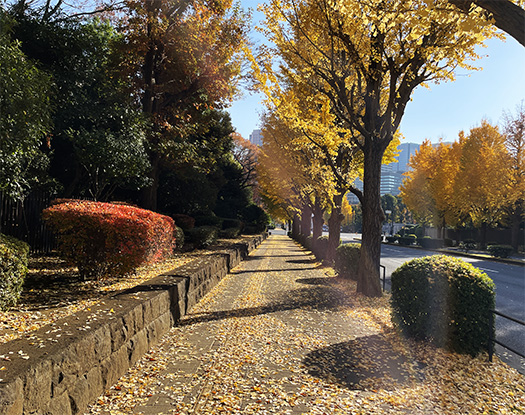
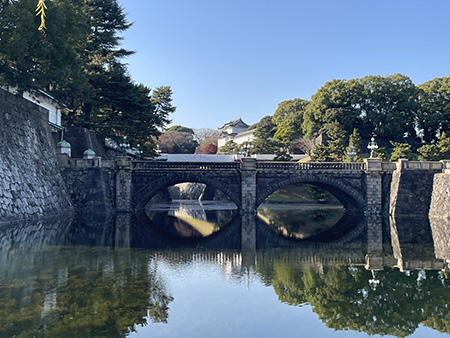
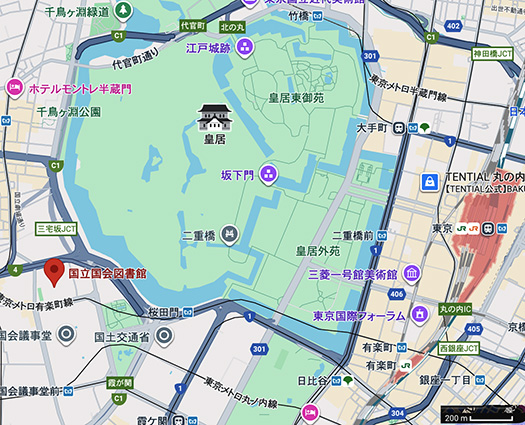
 ・・・ということでフル稼働で高温化し興奮したアタマをクールダウンさせるべく、そこから東京駅方向をめざして普段通り「散歩」しようと歩き始めた。まったく「無念無想」の行動だったのですが、この場所は日本の中心・ど真ん中。皇居の周辺だと徐々に「判明」してきた。皇居のお堀をぐるっと回る散策路。
 ふだんからヒグマなどと接触可能性の高い自然「豊かな」北海道人ではありますが「温暖地」の水鳥たちの生態が体感できて驚かされる。また皇居前広場には全世界(ごく一部は現在不在)からの観光のみなさんがノンビリと公園ベンチなどでリラックスしていました。
 まことに「民主世界」。自由で穏やかさに満ちた世界こそ「和の国」。

お知らせ
拙書「作家と住空間」幻冬舎から電子書籍で発刊
お求めはAmazonで。
https://amzn.asia/d/eUiv9yO

English version⬇

Exploring Historical Documents at the National Diet Library ~ Nature Walk in the Heart of Japan’s Capital
A genealogical detective hunt for scattered ancestral lands nationwide. Cooling down a heated mind amidst nature right in the heart of Japan’s capital. …

 Until now, I only used the “library” when I was in Sapporo. Recently, however, due to exploring my “hometowns” like the library in Fukuyama City, I’ve increasingly been searching for materials at libraries I visit nationwide. Yet, checking all the detailed information for each region while staying in Hokkaido is difficult.
That’s why I decided to use this “National Diet Library.”
 True to its name, it’s undoubtedly a library intended to centralize specialized materials for Diet members. But of course, as a democratic nation, it’s freely accessible to the general public. It’s an especially invaluable facility for “historical information” scattered across the country. While web access is generally available, to truly “select and evaluate information” while confirming the originals, you need to physically verify and judge them. Hence the visit.
 I was registered, of course, but my password was long forgotten (laugh). I figured it made more sense to update it during my visit.
So yesterday, my limited brain worked overtime from the very start. With ancient documents, reference materials, and regional history records, it’s a continuous process of visually searching through an enormous volume of information. I was painfully reminded that a certain “information retrieval skill” is essential. I managed to unearth some information, but I also realized it was impossible to uncover everything. I decided to continue my search online going forward. However, I did manage to update my registration and reset my password. Experiencing the detailed functions of this information-rich library firsthand will be beneficial for future research.
…So, to cool down my overheated, excited brain after working at full capacity, I started walking toward Tokyo Station for my usual “stroll.” It was a completely “mind-free” action, but this place is the very center of Japan. It gradually became clear that I was near the Imperial Palace. The walking path encircling the moat around the Imperial Palace.
Even as a Hokkaido native, accustomed to nature “rich” enough to potentially encounter brown bears, I was surprised to experience the ecology of warm-climate waterfowl firsthand. At the Imperial Palace Plaza, tourists from all over the world (though a few were absent at the moment) were relaxing leisurely on park benches.
Truly a “democratic world.” A world filled with freedom and tranquility is indeed the “Land of Harmony.”

Notice
My book “Writers and Living Spaces” published as an e-book by Gentosha
Available on Amazon.


【東京藝大 in AI活用での「芸術ビジネス」領域】


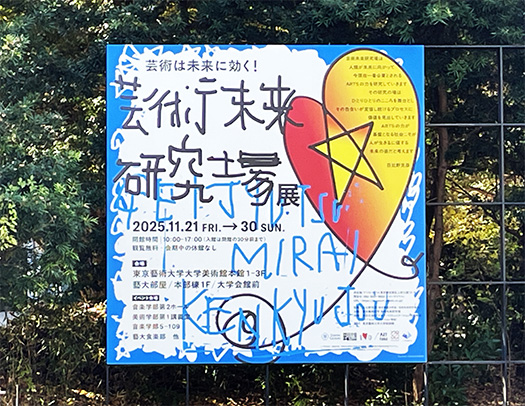
 東京での情報収集活動であります。午後から今回移動のメイン目的でしたが、その前に情報収集として写真のようなイベントに参観・傾聴しておりました。イベントの趣旨は以下の通り。
 〜この展覧会は、アカデミックな研究発表だけでなく、芸術の創造性から生まれた「作品やプロジェクトを展示」し学内に留まらず、企業や自治体などとの連携による社会実装を試みる活動が発信されます。美術・音楽・デザイン・科学技術など、幅広い分野の学生や教員、外部連携者が「ARTSの力」で未来を創造する試みを紹介する、非常に意欲的な展覧会。/主催 東京藝術大学 芸術未来研究場 監修 日比野克彦(東京藝術大学長 / 芸術未来研究場長)〜
 東京に来るとほぼ東京国立博物館などのある上野エリアを中心に散策する時間を持っていますが、最近はこちらの「藝大美術館」も時折探訪します。わたしの母校の高校は北海道有数の「東京藝大」進学校で、親しかった友人も入学していた。
 このイベントでは、同大卒業生たちの「芸術活動での起業」を目指す若者たちのコンセプト発表が行われるとのことだったので、強く惹かれていた次第。・・・案の定、若い感受性が、AIが大きく盛り上がりを見せている現代の環境の中で「きっと考えるだろうなぁ」と思える発表に聞き入っていた。SNSとAIがやはり刺激いっぱいの領域だということですね。
 わたし自身も絵を描くことが好きだったし、やがて映像を活用する領域ビジネスを続けてきているので、こういう若い可能性の発露には強い親近感を覚えさせられる。そのなかでも親和する領域についての発表者とは会話もさせていただけた。やはり藝大卒の若い人のナイーブでキラキラの感性と接触するのは、なかなか刺激的。具体的な領域特定の可能性も感じた。

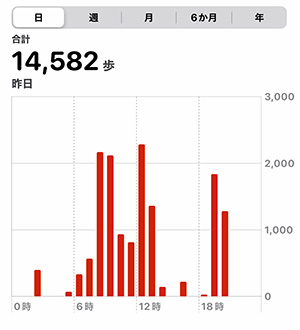
 ということでしたが、きのうは天気もすばらしくあちこちと移動が広範囲にわたって、ホテルに着く頃にはごらんのような歩数。同年代の友人たちとも健康について分析論議しますが、体幹の強化にはやはり歩くのが一番でしょう。そして若い世代の感性に触れることは、精神的活力の最大の刺激要因。深まり行く首都圏の秋、行脚したいけど、まぁほどほども肝要(笑)かなぁ。

お知らせ
拙書「作家と住空間」幻冬舎から電子書籍で発刊
お求めはAmazonで。
https://amzn.asia/d/eUiv9yO

English version⬇
 
【Tokyo University of the Arts in the “Art Business” Field Utilizing AI】
The evolution of AI inevitably stimulates the realm of creativity. The raw, unfiltered expressions and presentations of young aspiring artists stimulate the mind. …

 This is an information-gathering activity in Tokyo. While the main purpose of this trip was scheduled for the afternoon, beforehand I attended and listened to an event like the one pictured as part of my information gathering. The event’s purpose is as follows:
~This exhibition not only presents academic research findings but also showcases “works and projects born from artistic creativity.” It aims to communicate activities that go beyond the university campus, seeking social implementation through collaboration with companies, local governments, and others. It is an ambitious exhibition introducing attempts by students, faculty, and external collaborators across diverse fields—including fine arts, music, design, and science and technology—to create the future using the “power of ARTS.” /Organized by Tokyo University of the Arts, Art Future Research Lab
Supervised by Katsuhiko Hibino (President, Tokyo University of the Arts / Director, Art Future Research Lab)〜
When I visit Tokyo, I usually take time to stroll around the Ueno area, home to places like the Tokyo National Museum. Lately, I’ve also been exploring the “Geidai Museum” here occasionally. My high school alma mater was one of Hokkaido’s top preparatory schools for Tokyo University of the Arts, and a close friend of mine also enrolled there.
 This event featured concept presentations by young graduates aiming to “pursue entrepreneurship through artistic activities,” which strongly drew me in. …As expected, I found myself engrossed in presentations that reflected the kind of thinking one would expect from young sensibilities navigating today’s environment, where AI is booming. It really underscores how SNS and AI remain incredibly stimulating fields.
Having enjoyed drawing myself and later pursued a career in video-based business, I felt a strong affinity for these expressions of youthful potential. I even had the chance to speak with presenters whose fields aligned with mine. Connecting with the naive, sparkling sensibilities of young Tokyo University of the Arts graduates is genuinely stimulating. I sensed concrete possibilities for specific collaborations.

 That was the plan, but yesterday the weather was splendid and I ended up moving around quite extensively. By the time I reached the hotel, my step count was as you see here. I discuss health analysis with friends my age, and walking really is the best way to strengthen your core. And connecting with the sensibilities of younger generations is the greatest stimulus for mental vitality. As autumn deepens in the capital region, I want to keep traveling, but well, moderation is key (lol), I suppose.

Notice
My book “Writers and Living Spaces” published as an e-book by Gentosha
Available on Amazon.

【海外観光客旺盛な東京丸の内、クマも出迎え(?)】


 しばらくわが家系の歴史探索に惑溺しておりました。
 まさに「惑溺」であります。辞典を確認したら〜まどいおぼれること。夢中になって,正常な判断ができなくなること。「古習に―する者は」〈文明論之概略•諭吉〉〜っていうことだそうで、福沢諭吉さんも注意喚起(笑)されているそうであります。はるかな後世の凡百は、その聡明にただただ頭を下げるのみ・・・。
 なんですが、自分の血脈をたどるというのはまさに血湧き肉躍る感覚が強い。ほぼ自分と似たような「感受性・受け止め方」を持っていると想像できる先祖の方々が、それぞれの人生で出会った運命を、導かれるように追体験できる。自分も高齢期になって来て一定の「区切り」感を共有できるようになってきたことで、その深みに「惑溺」するのですね。
 しかしいろいろ時代も社会も動いてきている。
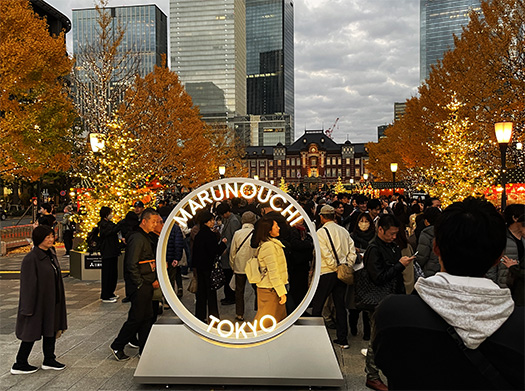
 そういうリアリズムをときどきの東京・関東や関西・西日本への移動時間で再確認しています。昨日は秋色深まっていた東京へ。所用で東京駅「丸の内」側を巡っていたら、ごらんのような光景が広がっていて、国内客以上に多様な海外からのみなさんの大混雑と遭遇していた。Welcome!
ことしはコロナ前以上の海外観光客のあふれかえりぶりとのこと。たしかにときどき国内移動してその状況は体感させられる。いま、某国との間では外交的なあつれきが言われていますが、大多数の国民は賢明な判断力をみせていると思います。冷静に外交を進めれば良いと思います。
 で、そういう喧噪の中、なんとクマと遭遇!
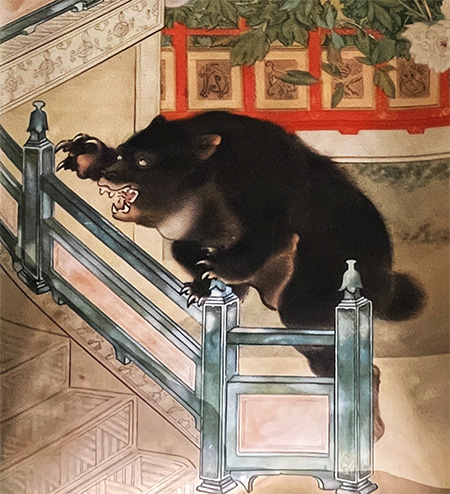
 <静嘉堂文庫の展示会>の会場「案内看板」に大きく表現されていたもの(笑)。どうもこの展覧会の運営側、キャッチーなアイコンとして上手に人心を鷲づかみしている。わたしのように日常的「当事者」感覚の人間からすると、どうしても「ここでもこれかよ!」と思わされる。画筆は名作らしくすばらしくその毛並み感、表情のリアル感を表現している。まさに「刮目!」
 惑溺と刮目。こういう文字表現を共有してきているアジア世界。歴史はまさに共存のながき時間を過ごしてきている。「人民と共和」も日本発祥の漢字表現だという。欧米文明、その民主主義の根幹を表現してきた日本の先人たちに思いが至ります。

お知らせ
拙書「作家と住空間」幻冬舎から電子書籍で発刊
お求めはAmazonで。
https://amzn.asia/d/eUiv9yO

English version⬇

【Tokyo’s Marunouchi Welcomes Foreign Tourists in Droves—Even a Bear Sign?】
My regular business trips keep me grounded in Japan’s reality. The ginkgo trees lining Marunouchi are stunningly colorful this season—and now there’s even a bear sign! Hey, wait a minute…

 For a while, I was utterly engrossed in exploring my family history.
Truly “engrossed”—as the dictionary defines it: “to become lost in confusion and obsession. To become so absorbed that one loses sound judgment.” As in “those who become engrossed in old customs” (from Fukuzawa Yukichi’s Outline of Civilization Theory). Apparently, even Yukichi-sensei warned against it (laugh). We ordinary mortals of distant posterity can only bow our heads in awe at his brilliance…
But tracing one’s own bloodline truly stirs the blood and sets the heart racing. It allows you to vicariously experience the destinies encountered by ancestors—whom you can imagine possessing sensitivities and perspectives much like your own—as if guided through their respective lives. As I’ve entered my own later years and gained a sense of shared “milestones,” I find myself utterly captivated by this depth.
Yet, times and societies have shifted considerably.
I’m constantly reminded of this reality during my occasional trips to Tokyo/Kanto or Kansai/Western Japan. Yesterday, I headed to Tokyo, where autumn colors were deepening. While running errands around the Marunouchi side of Tokyo Station, I encountered a scene like this, a massive crowd of diverse international visitors, even more numerous than domestic travelers. Welcome!
This year, it seems overseas tourists are flooding in even more than before COVID. Indeed, I sometimes experience this situation firsthand during domestic travel. While diplomatic friction with a certain country is being discussed now, I believe the vast majority of citizens are demonstrating wise judgment. I think we should proceed calmly with diplomacy.
And then, amidst all that noise, I encountered a bear!
It was a large depiction on the “directional sign” for the venue (lol). The organizers of this exhibition have really mastered grabbing people’s attention with a catchy icon. For someone like me, who feels like a daily “stakeholder,” I couldn’t help but think, “Seriously, this again?” The brushwork is masterful, beautifully capturing the fur texture and the realism of the expression. Truly “scratch your eyes out!”
Enchantment and amazement. The Asian world has shared these very expressions. History has indeed been a long time of coexistence. “People and Republic” is also said to be a kanji expression originating in Japan. My thoughts turn to Japan’s forebears who expressed the very foundations of Western civilization and its democracy.

Notice
My book “Writers and Living Spaces” published as an e-book by Gentosha
Available on Amazon.

【ヒグマ騒動一服。秋深まる「札幌景観資産緑道」往復12,873歩】


 約2週間前に札幌では北海道神宮境内と隣接の「円山公園」でヒグマ出没があり、注意信号がMaxで発せられ円山公園緑地と円山動物園が閉鎖された。直近で暮らしている知人の建築家の家の庭先でも出没情報が発せられていた。その出没個体は1週間ほどで駆除報告があり、以来やや沈静化している様子。一方ほぼ1ヶ月くらい前には5-6kmほど西側に位置する「西野」地区でも出没情報があったのものが、こちらの方も駆除情報があって沈静化。
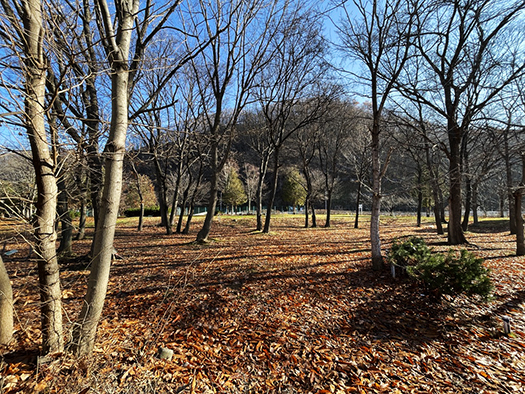
 とはいえ安全最優先。ことしはこのまま冬を迎えざるを得ないかと思っていたのですが、11/24昼間に散歩時間が取れたので、この時間ならとチョー久しぶり、ほぼ3ヶ月ぶりくらいに秋深まる「西野緑道」を散策。写真はそのなかのパークゴルフ場からの景色。シーズンも終わり落葉が処理されていないので絨毯化。いいかも。
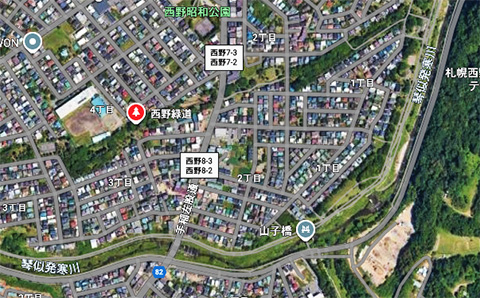
 この緑道は、周囲は琴似発寒川と交通量の多い車道が山岳の緑地とを区切っているし、また反対側も住宅地として完全に区切られている立地なのでまず安全と考えての散歩道選択。
 印象としてはいつもの散歩と比較して人数は半分くらいでしたが、それでもけっこう多くの方も散歩されていた。西野緑道として平成3年(1991年)に実施された第5回札幌市都市景観賞を受賞し、令和6年(2024年)には札幌景観資産にも登録されている身近なコースで、札幌の自然の季節変化を体で感じさせてもらえる。

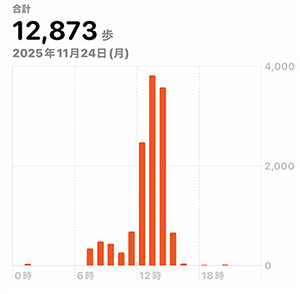
この日は自宅からずっとiPhoneを持参しての散歩だったので歩数を確認したところ、この往復だけで11,000歩くらいになっていた。1歩あたり60cm程度のハズなので約6.6kmくらいの距離。この往復はほぼ習慣化していたので、たぶん10年以上もこれくらいの距離を歩いていたことになる。なんとも迂闊ながらいまさら気付かされた(笑)。「おお、けっこう歩いていたんだ」。
 北海道ではヒグマ、本州地区ではツキノワグマの出没があって被害・不幸が相次いだ。環境省などの正式な発表を待つしかないところですが、最近の情報発信では「里山の喪失」が問われている。太陽光発電「畑」の設置などが、自然と人間社会の中間領域の破壊に繋がっている可能性の指摘。原因について真摯な解明を期待したい。
 現代の人間社会のありように対して自然から危険信号が灯されているのでしょうね。

お知らせ
拙書「作家と住空間」幻冬舎から電子書籍で発刊
お求めはAmazonで。
https://amzn.asia/d/eUiv9yO

English version⬇

【Brown Bear Commotion Subsides. Deepening Autumn on Sapporo Landscape Asset Greenway: 12,873 Steps Round Trip】
The ultimate cost-effective health habit. Who knew my usual walking route could be so beneficial! The importance of preserving our natural environment hits home.・・・

 About two weeks ago in Sapporo, brown bears were sighted within the grounds of Hokkaido Jingu Shrine and the adjacent Maruyama Park. The highest alert level was issued, leading to the closure of Maruyama Park Green Space and Maruyama Zoo. Reports of sightings were also issued near the garden of an architect friend who lives nearby. That particular bear was reported to have been removed after about a week, and the situation has since calmed somewhat. Meanwhile, about a month ago, sightings were also reported in the “Nishino” district, located about 5-6km to the west. There too, reports of the bear being eliminated followed, leading to a lull.
Still, safety comes first. I was thinking we might just have to face winter as is this year, but on the afternoon of November 24th, I managed to find time for a walk. Figuring this time would be fine, I took a stroll along the deepening autumn “Nishino Greenway” for the first time in ages – almost three months. The photo shows the view from the park golf course along the path. The season has ended, and the fallen leaves, left untouched, form a carpet. Not bad.
I chose this greenway for my walk because it’s considered safe. It’s surrounded by the Kotoni Hassamu River and busy roads that separate the mountainous green space, and the opposite side is completely separated as a residential area.
 Compared to my usual walks, the number of people seemed about half, but there were still quite a few out strolling. As the Nishino Greenway, it won the 5th Sapporo City Urban Landscape Award in 1991 (Heisei 3) and was registered as a Sapporo Landscape Asset in 2024 (Reiwa 6). It’s a familiar course that lets you physically feel the seasonal changes of Sapporo’s nature.

That day, I’d been carrying my iPhone with me on my walk from home, so when I checked my step count, just this round trip alone had totaled about 11,000 steps. Assuming each step is about 60 cm, that’s roughly 6.6 km. Since this round trip had become almost routine, I’d probably been walking this distance for over ten years. How careless of me to only realize it now (laugh). “Wow, I’ve been walking quite a bit.”
 In Hokkaido, brown bears have been sighted, and in the Honshu region, Asian black bears have been appearing, leading to a series of incidents and misfortunes. We can only wait for official announcements from the Ministry of the Environment and others, but recent information highlights the “loss of satoyama” as a key issue. There are pointed concerns that the installation of solar power “farms” and similar developments may be contributing to the destruction of the intermediate zone between nature and human society. I sincerely hope for a thorough investigation into the causes.
 It seems nature is flashing warning signals about the state of modern human society.

Notice
My book “Writers and Living Spaces” published as an e-book by Gentosha
Available on Amazon.