本文へジャンプ

【日鉄のUSスチール買収にバイデン政権 NO通告。日米関係は?】


 本日はやや時事的で政治外交的なテーマ。わたしの生きてきた時代はいわゆる戦後世界であり、日本の国際的スタンスは日米同盟をその最強基盤としてきた。自国の防衛についてアメリカという世界最強軍事国家との同盟関係で保全するという国家戦略。もちろん国内的には民主主義国家であり、反体制側として共産主義国家群と連携する勢力が批判勢力として存在してきた。権力監視者の役割を持つマスメディアもそういう批判スタンスに近いでしょう。
 一時的な細川連立政権や民主党政権時代などでも日米同盟は、しかし堅固に維持されてきた。そういった国際的関係、バランスにとって昨日出されたバイデン政権による表題の決定は、微妙な「さざ波」を印象させられる。
 次期トランプ政権は、この表題の一件について明確に「反対」の姿勢とされてきたので、そういうアメリカ側の権力意志が明確になってきたと言えるのではないか。アメリカ国内でも、同盟関係にある日本を代表する企業の自由な戦略的意思、ひいては日米の関係の安定性を勘案して受容する意見もあったなかで、日米関係に微妙に影響を及ぼす今回の否定的な決定がアメリカ政権側において下された。日本製鉄という一企業としては、企業の戦略的決定に照らして、まことに厳しい環境になっているだろうことは理解できる。
 また、安倍元首相未亡人のトランプ訪問による効果として大統領就任式前の石破首相との会談も、トランプ側からは急転直下OKサインが出されていたけれど、先日日本外務省からはそれを否定し就任式後の2月以降の会談を目指すとの発表。一方で岩屋毅外相はアメリカよりも先に中国を訪問し、中国の王毅外相と3時間以上の異例な長時間会合を持ち、政権与党・自民党の党内にも十分に諮らずに、対中融和的な相互の入国管理体制を合意した。
 このような石破政権の対応は、日本の多くの人びとにとって「多数派意思」と言えるのだろうか。また、日本の伝統的「反体制派」勢力ははたして積極的にこうした外交選択を望んでいるのだろうか?
 わたし自身は新左翼学生運動に共鳴参加した過去もあるのですが、さまざまな人生経験を積層させてきて大枠としての戦後体制についてそれを基本的に支持するスタンスに立っています。日本が生き延びて行くには、やはり日米同盟基軸関係は最重視されるべきだと。しかししっかりと国論として論議された結果であれば、その結果は尊重したいとも考えます。ただ、今回の日米関係の「微妙化」は、目的的で信念を持った外交選択とはどうしても見なせない。そこに確固とした政治信条が反映されているとは思えない。
 今後トランプ政権が正式に発足して、こういう状況がどのように展開していくのか、日本国民としては注視していくべきだろうと考えます。

English version⬇

The Biden administration has given a NO notice to NITTETSU’s acquisition of US Steel. What is the US-Japan relationship?
Steel is a nation. Even allies must clearly declare their rejection of the basic principle. Ripples in the future of Japanese capitalism. Is the administration aware of this situation? …

 Today’s theme is somewhat topical and political diplomacy. I have lived in the so-called post-war world, where Japan’s international stance has been based on the US-Japan alliance as its strongest foundation. Japan’s national strategy is to safeguard its own defence through its alliance with the US, the world’s most powerful military state. Domestically, of course, Japan is a democratic state, and there have been critical forces on the anti-establishment side that are aligned with the communist group of states. The mass media, with its role as power watchdog, is probably close to such a critical stance.
 The US-Japan alliance has been maintained, but firmly, even during the temporary Hosokawa coalition and Democratic Party of Japan (DPJ) governments. For such international relations and balance, the Biden Government’s decision on the title, issued yesterday, gives the impression of a subtle ‘ripple’.
 The incoming Trump administration has been said to be clearly ‘against’ this title, so it can be said that the will to power on the part of the US has become clearer. The negative decision, which has a subtle impact on US-Japan relations, was taken by the US administration while there were opinions in the US that accepted the free strategic will of a company representing Japan’s alliance and, by extension, the stability of US-Japan relations. It is understandable that Nippon Steel Corporation, as a company, must be facing a very difficult environment in light of the company’s strategic decisions.
 Also, as an effect of former Prime Minister Abe’s widow’s visit to the US, Trump had given the go-ahead for a meeting with Prime Minister Ishiba before the inauguration ceremony, but the Japanese Foreign Ministry recently denied this and announced that they would aim for a meeting after the inauguration ceremony, in February. Meanwhile, Foreign Minister Tsuyoshi Iwaya visited China before the US and had an unusually long meeting with Chinese Foreign Minister Wang Yi, lasting more than three hours, and agreed to a conciliatory mutual immigration control regime with China without fully consulting the ruling LDP party.
 Can such a response by the Ishiba Government be regarded as the ‘majority will’ of many Japanese people? And do Japan’s traditional ‘dissident’ forces really actively want such a diplomatic option?
 I myself was a sympathetic participant in the New Left student movement in the past, but I have accumulated many different life experiences and have a stance that basically supports the post-war system as a general framework. I believe that in order for Japan to survive, the keystone relationship of the US-Japan alliance should be given the highest priority. However, if the results are the result of a thorough discussion of the national debate, I would like to respect the results. However, the current ‘delicatisation’ of US-Japan relations cannot be seen as a purposeful and principled diplomatic choice. It does not seem to reflect any firm political beliefs there.
 I believe that the Japanese people should keep a close eye on how this situation develops once the Trump administration is officially inaugurated in the future.

【江戸期・備後福山藩領「地方中小商家」の営業実態】


きのうの続きです。わが家の家系はこの福山市西部の今津町で確実に商家として生業を営んでいたようなのですが、そういう「営業実態」についての記録や実物などは、北海道移住に際しての混乱期に多くが散逸していて、なかなか確認することができませんでした。たまたまわたしはこういう「探究・深掘り」が住宅(関連)取材として興味と機会があるので、企図してきていた。しかしなかなかリアリティと整合性のある「実感」には至っていなかったのです。
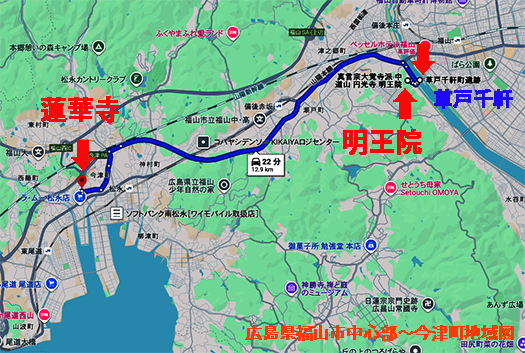
 そういうもどかしさを抱えながらいたのですが、草戸千軒遺跡の取材と、わが家が強く関係していた今津の蓮華寺の様子、それらが同一生活文化圏、宗教文化圏としてもきわめて近接し相互に関係している状況事実とクロスすることで、生々しく浮かび上がってきた次第です。
 わが家は瀬戸内海地域有数の「商都」であった尾道を本拠とする商業ビジネス集団「あがや」に属していたことは確実なのです。わたし自身も遺品のひとつとして商家としての「あがや」家紋入りの「膳部」を承継保有しています(笑)。江戸期の「商家」の営業実態としては、物流としての水運利用によって、物資の流入する尾道のような港湾商業都市拠点から、販売先地域への物流の継続的運営管理が生命線なのでしょう。草戸千軒遺跡は江戸期には衰退していたとされていますが、瀬戸内海と河川(芦田川)の水運を利用していたことは発掘などから明白な事実。その水運機能が草戸では衰退していたのに対して「今津」<イマドキの港という含意>の地名自体でわかるように、中世期の草戸千軒と同様の水運物流機能が、この今津で確保されていたのでしょう。
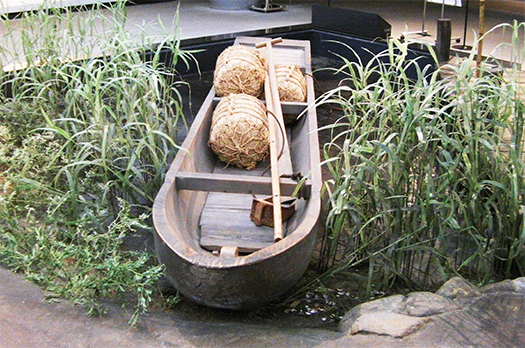
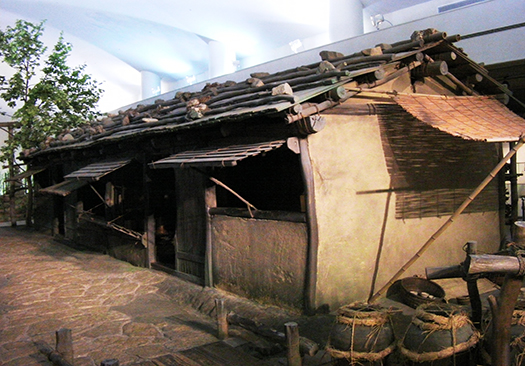
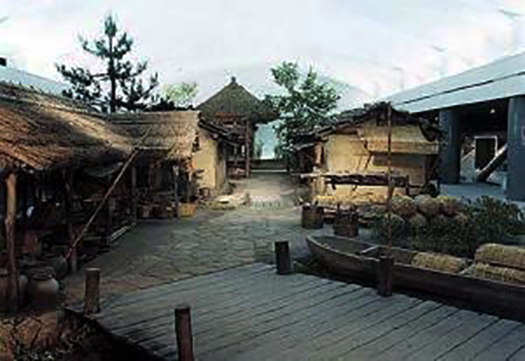
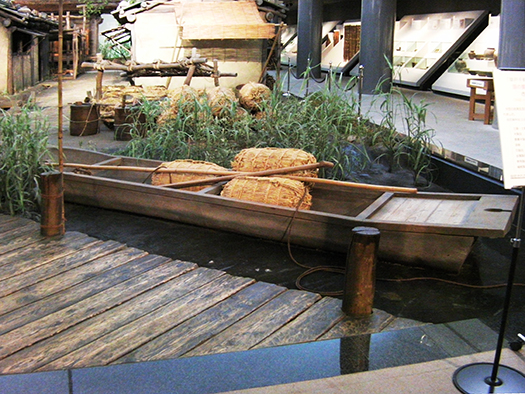
 そしてその物流の対象先は、「今津宿」とされた参勤交代の宿場機能に対してだった。この今津には薩摩藩や平戸藩などの西国大名家が「定宿」として利用してきた事実がある。「本陣」としての「河本家」と「脇本陣」としての「蓮華寺」への物資納品の役割を独占していた事実。まさに大名家などが必要とする物資を尾道の「あがや」本拠から調達して流通販売することが、主要な江戸期の経済物流機能だった。その物流のリアリティが草戸千軒遺跡の発掘痕跡ジオラマと、まったく同一文化圏だった事実から、まさになまなましく実感できたのです。
 言ってみれば、中世の草戸千軒の役割が、江戸期のこの今津で再生されていたのでしょう。
 わが家の家系伝承では、平戸藩主の松浦静山の書き記した「甲子夜話」に今津宿本陣での大名貴賓接遇に一家を挙げて奉仕している様子が記録されている。
 そうした商家としての営業の基本構造が見事に「見える化」されてきた次第。う〜むオモシロい気付きが得られたと頓悟しております。全体イメージを知る大きな機縁。

English version⬇

[Actual business conditions of ‘local small and medium-sized merchant families’ in the Bingo Fukuyama Domain during the Edo period].
The reality of the business conditions of our family’s ancestors has become visible. The breath of life has been intensely felt. …

This is a continuation of yesterday’s article. My family seems to have been a merchant family in Imazu-cho in the western part of Fukuyama City, but many records and actual objects relating to the ‘business situation’ were scattered during the period of confusion when the family moved to Hokkaido, so it has been difficult to confirm the existence of such a family. It just so happened that I had planned to do this kind of ‘exploration and in-depth research’ as a housing (related) journalist because I was interested and had the opportunity to do so. However, I have not been able to come to a ‘real feeling’ of reality and consistency.
 I had been feeling frustrated about this, but by crossing the coverage of the Kusado-Senken site with the situation at Renge-ji Temple in Imazu, to which my family was strongly related, and the fact that they were very close and interrelated as the same living and religious cultural sphere, the situation came to the fore in a vivid way.
 It is certain that my family belonged to the Agaya, a commercial business group based in Onomichi, which was one of the leading ‘commercial capitals’ of the Seto Inland Sea region. I myself have inherited a ‘zenbu’ with the ‘Agaya’ family crest as a merchant family as one of my personal belongings (laughs). The business reality of a merchant family in the Edo period was the continuous operation and management of logistics from port commercial centres such as Onomichi, where goods flowed in through the use of water transport as logistics, to the areas where the goods were sold. Although the Kusado Senken site is said to have declined during the Edo period, it is an obvious fact from excavations and other evidence that the site made use of water transport from the Seto Inland Sea and rivers (Ashida River). While the water transportation function was in decline at Kusado, the name of the place itself, ‘Imazu’ (meaning ‘Imadoki port’), indicates that the same water transportation and distribution function as at Kusado-Senken in the medieval period was secured at Imazu.
 The logistics destination was for the function of an inn for the pilgrimage, which was called ‘Imadzu-juku’. It is a fact that this Imazu has been used as a ‘fixed inn’ by the Satsuma and Hirado clans and other western daimyo families. The Kawamoto family monopolised the role of delivering goods to the Rengeji Temple, which served as the ‘main lodge’ and the ‘side lodge’. The main economic and logistical function of the Edo period was to procure the goods needed by the feudal lords and others from the ‘Agaya’ headquarters in Onomichi for distribution and sale. The reality of this logistics could be seen in the diorama of excavated traces at the Kusado-Senken site and the fact that they were in exactly the same cultural sphere, which made it possible to feel the reality of the logistics in a very sedate way.
 In other words, the role of Kusado-Senken in the Middle Ages was being recreated here in Imazu during the Edo period.
 In our family tradition, the Koshi Yawa, written by Shizan Matsuura, lord of the Hirado domain, records how the whole family served at the Imazu-juku Honjin for the reception of noble guests of feudal lords.
 The basic business structure of such a merchant family has been successfully ‘visualised’. I am now realising that I have gained some interesting insights. A great opportunity to understand the whole picture.

【草戸千軒〜今津へ 広島県福山地域の歴史文化】


 先日まで安藤忠雄建築の姫路文学館関連の探訪記を記していましたが、加齢とともにだんだんいろいろ探訪行脚の領域・地域が広がっていく趨勢。きのうお知らせしたようなノンフィクション作品の取材対象に興味が広がってきたことから、建築と人間、その暮らしようというフィールドに大きく展開してきているのですね。
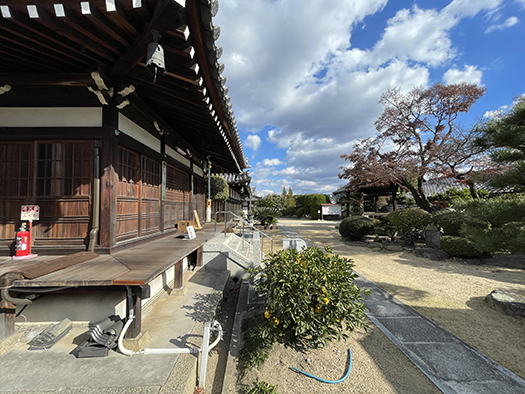
 そういうことで、家系に縁のある福山市今津の寺院「蓮華寺」を探訪の途次に訪問していたのですが、その住職様から貴重な資料類をちょうどご恵送いただいたところなのです。こちらの寺院とは先代住職のときからなにくれと縁が繋がっているのですが、いまはその娘さんが住職を引き継がれていて、非常に活発に宗教文化の発掘に余念がない。はるかな縁者として非常にうれしく、その動向を注視させていただいています。地元の福山市の「ふくやま美術館」で〜ふくやまの仏さま〜国宝明王院本堂本尊三十三年ぶり特別公開・特別展開催とのこと(昨年12月15日まで)。こちらの様子を伝える展示会図録・資料類を送付いただき、その様子を知ることができました。
 おお、であります。もう13年前になるけれど草戸千軒遺跡(写真の下2枚)について深く感銘を受けていた記憶がわたしの中に甦り、同時に遺跡と深く関わる「明王院」についても回想されてきていたのです。当時の探訪ではたまたま今津の蓮華寺も距離的には近くにあるのだなぁ程度に漠然と感じていたのですが、仏教文化面としてはそれらの地域的な関連性が強く浮き彫りにされていて、一気に中世以来の草戸千軒遺跡・民の生き様とわが家家系の人びとの事跡の残影がくっきりと明示的になってきたのです。「そうか、こうした時代の空気の中でご先祖様たちは、あのように行動したのか」と。
 これまで感覚のレベルまでは感受することが出来なかった、歴史事象とわが家の家系伝承とがクロスし始めてきて、ひとびとのいとなみの実像が沸き立つように迫ってくる感じがしております。仏像や仏画の作者や、その作られようから当時の時代の空気、人間のこころのさざ波のようなものがリアリティを持って伝わってきた。宗教というものに人びとがどのような「祈り」を捧げたのか、そういう心象がみえてきた思いなのですね。
 仏画の説明文の中にも、これも先日触れた現代量子科学的な解析「死は存在しない」の文中での宗教と科学の出会いのような臨場感、現場感覚と似た、共通する部分があると感じられてならない。
 どうもいろいろな「出会い」が重なってきているように思われます。宗教的に言えば「機縁」ということなのでしょうが、淡々とその領域を深掘りしてみたい。

English version⬇

Kusado-Senken to Imazu: The history and culture of the Fukuyama area, Hiroshima Prefecture.
A sense of a dramatic ‘door being opened’ when the results of my own explorations and various analyses meet. I would like to explore this opportunity in depth in a straightforward manner. …

 Until the other day, I had been writing about my explorations of the Tadao Ando Himeji Museum of Literature, but as I get older, the areas and regions I visit are gradually expanding. As my interest in the subjects of non-fiction works, such as the one I wrote about yesterday, has expanded to include architecture, people and the way they live.
 I was visiting Renge-ji Temple in Imazu, Fukuyama City, which is related to my family history, and the abbot of the temple has just sent me some valuable materials. I have been connected with this temple since the time of the previous abbot, whose daughter has now taken over as abbot, and she has been very active in discovering religious culture. As a distant relative, I am very happy to be able to keep a close eye on her movements. The Fukuyama Museum of Art in Fukuyama City, my hometown, is holding a special exhibition of the main temple of the national treasure Meio-in temple, the Buddha of Fukuyama, for the first time in 33 years (until 15 December last year). We were sent the exhibition catalogue and materials to learn more about the exhibition.
 Oh, yes. It was 13 years ago, but the memory of being deeply impressed by the Kusado-Senken site (bottom two photos) came back to my mind, and at the same time I was reminded of the Meio-in Temple, which was deeply connected to the site. At the time of the visit, I had only a vague impression that Renge-ji Temple in Imazu was also nearby by chance in terms of distance, but the regional relationship between them in terms of Buddhist culture was strongly highlighted, and the traces of the life of the Kusado-Senken site and its people since the Middle Ages and the people of my family lineage became clear and evident at once. The traces of the life of the Kusado-Senken site and its people since the Middle Ages, as well as the traces of the people of my family, became clear. I was able to see the traces of the life of the Kusado-Senken site and its people since the Middle Ages, and the traces of the people of my family.
 Historical events and our family traditions, which until now we have not been able to perceive at the level of the senses, are beginning to cross over, and I feel that the real image of people’s lives is coming to the surface in an exciting way. The creators of Buddhist statues and paintings, and the way they were made, conveyed the reality of the atmosphere of the times and the ripples of the human spirit. I felt that I could see the mental images of how people prayed for religion.
 In the explanatory text of the Buddhist paintings, I cannot help but feel a sense of reality and a sense of the scene, like the encounter between religion and science in the text of the modern quantum scientific analysis ‘Death does not exist’, which I mentioned the other day.
 Apparently, various ‘encounters’ seem to be coming together. In religious terms, this may be called ‘kiki-en’, but I would like to delve deeper into this area in a nonchalant manner.
 

【謹賀新年& 4月発売予定『作家と住空間』 電子書籍ご案内】


2025年 あけましておめでとうございます。
 みなさまには、永年格別のご厚誼をいただきありがとうございます。昨年2024年は会社譲渡の円滑な落着を見届ける責任を、大過なく終了。また、深く関係する札幌市清田区の不動産の件で隣接する全国企業などとよい関係を構築できて、ひとつの大団円を迎えることが出来ました。さらに取り組んできた個人としてのはじめての出版作品
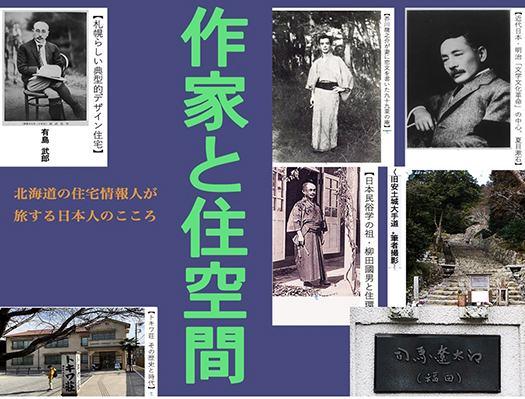
 『作家と住空間 〜表現者のナマの息づかいに触れる』
 が、いよいよ4月に電子書籍で発刊される予定で、校正作業などが大車輪進行中。これは仕事人生で取り組んだ「住空間とそこに暮らす人間の相関性」を、誰もが知る著名作家の事例から掘り下げる、という「人生まとめ企画」。
 見城徹氏で知られる「幻冬舎ルネッサンス」から発刊予定。わたし三木奎吾の生きた証(大袈裟〜笑)、なにとぞご一読願えれば幸いです。
 みなさまのご多幸をお祈りいたします。また引き続きあたたかいお導きをよろしくお願いします。
 発刊されましたら、みなさまには必ずこのブログなどで正式にご案内差し上げたいと思います、なにとぞよろしくお願い申し上げます。<電子出版の装丁は現在先方にて作業進行中で、写真はわたしの「内容説明図版」。この旨ご理解ください。>


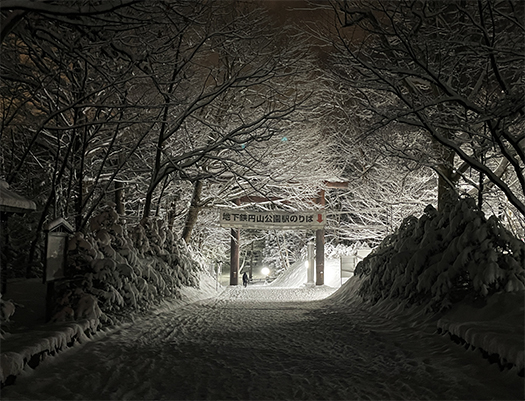
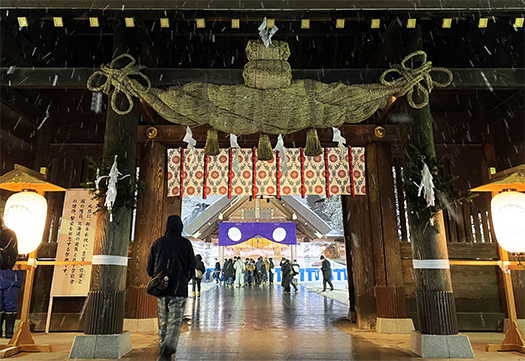
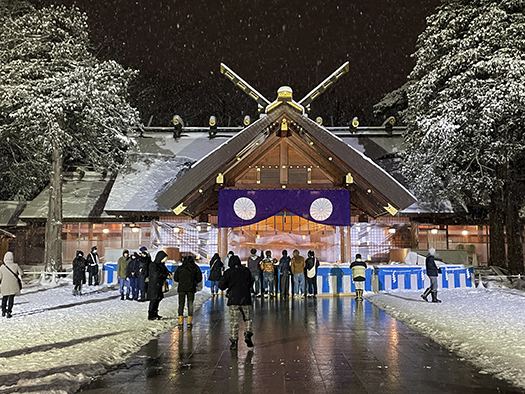
 ということで、新年明けていつものように北海道神宮に初詣。まぁ毎日のように早朝散歩しているコースのひとつなので、通い慣れた道なのですが、大みそかから元旦に掛けて札幌はそこそこの降雪。たぶん20cmを超えていると思いますので、参道はなかなか幻想的な景色が顔を見せてくれておりました。いかにも日本列島最北の地の鎮守らしい新年の光景。明治の開拓と同時にやってこられた大国魂神(おおくにたまのかみ)・大那牟遅神(おおなむちのかみ)・少彦名神(すくなひこなのかみ)の最初期三神は、後に祀られた明治天皇からこの地の寒冷と積雪を教えられ、もっと早く言ってくれと思われているかも知れませんね(笑)。本日はわが家駐車場や家の前などの雪かきにさすがに大汗を掻いて、その汗が引くのを待っての参拝でした。
 この冬は岩見沢以北の大雪がたびたび報じられていますが、だいたい札幌と岩見沢地域はこと降雪に関しては対比的な関係でして、札幌はこれまでは少雪気味で推移していまして、散歩道のスッテンコロリンに最注意ということでしたが、この降雪で例年通りの本格的な冬の到来のようです。ことしも冬にめげずに過ごしましょうね。

English version⬇

Happy New Year!
This is a project to publish an e-book based on the experience of exploring houses as a life theme. This is a “life summary project” that delves into the homes of famous writers who are well known to everyone. The book will be published in the form of an e-book…

Happy New Year!
 I would like to thank you all for your continued support over the years. Last year, 2024, I completed my responsibility of seeing that the transfer of the company was completed smoothly and without incident. In addition, we were able to build good relationships with neighbouring national companies and others in the area of real estate in Kiyota-ku, Sapporo, with which we are deeply involved, and we were able to reach a great conclusion. In addition, the first published work as an individual that I have been working on.
 The Writer and the Residential Space: Touching the Real Breath of the Expressionist’.
 is finally scheduled to be published as an e-book in April, and proofreading and other work is underway on a big wheel. This is a ‘life summary project’ that delves into the ‘correlation between living spaces and the people who live there’, which I have worked on throughout my working life, using examples of well-known writers who are well known to everyone.
 It is scheduled to be published by Gentosha Renaissance, a company known for its writer Toru Miki. I would be very happy if you could read the living proof (exaggeration – lol) of my life, Keigo Miki.
 I wish you all the best of luck. We also ask for your continued warm guidance.
 When the book is published, we will be sure to inform you officially through this blog and other means, so please do not hesitate to contact us. <The binding of the e-publication is currently being worked on by the publisher, and the photo is my ‘illustration of the contents’. Please understand this. >
 So, as usual, I went to Hokkaido Jingu Shrine for the first time after the New Year. It is one of the routes I walk early in the morning every day, so I am used to it, but from New Year’s Eve to New Year’s Day, Sapporo had a fair amount of snowfall. The approach to the shrine was quite a fantastic sight. This is a New Year’s scene that is very typical of the township shrine in the northernmost part of the Japanese archipelago. The first three deities, Okunitama no Kami, Onamuchi no Kami and Sunahikona no Kami, who came to Japan at the same time as the Meiji era settlements, were told of the cold and snowfall in this area by Emperor Meiji, who later enshrined them, and may have been asked to tell them earlier (laughs). Today, I was sweating heavily shoveling snow from our parking lot and in front of our house, and waited for the sweat to subside before visiting the shrine.
 This winter, heavy snowfall north of Iwamizawa has often been reported, but Sapporo and the Iwamizawa area have a contrasting relationship when it comes to snowfall, with Sapporo having had light snow so far, and the greatest attention being paid to the snowfall on walking paths. The snowfall seems to be the start of a full-blown winter as usual. Let’s not let winter get the better of us this year.


【歩きやすい冬の散歩道を探して多様な環境へ】


 ことしも今日で終了ですね。なんとかこのブログは年中無休で継続させることができました。開始は2005年8月9日からなので、これで19年と4ヶ月以上1日の休みもなく続いてきていることになります。年齢で言うと53歳というまだまだ若い時期から日々の仕事のことや中心領域である住宅のことをメインにして書いてきました。来年には20年目に突入することになります。
 この間でいくつも変化がありましたが、2023年9月の事業譲渡以降も関連する事業領域で個人企業として活動してきているので、そういったことからブログについてはテーマ的にも休むことなく続けてきた次第です。ここまで続けたら書ける限り続けて行きたいと思っていますが、さてどうか。やはり日々の習慣化が大きいので、毎日書くことが万が一途切れることがあったら、立ち止まることがあるかもと想像しています。
 しかし、こういう目標感があるうちは自分にきびしく言い聞かせて(笑)続けていきたいと思います。ブログなので、いわゆる「作品」というものではないので完成度ということとは別と考えています。むしろ、自分の中で発見したことを未完成なままで良いから表出させておいて、あとでその記憶・残骸のようなものを引き出してテーマを深掘りするための「痕跡を形象化させる」ものという認識。
 さて、ことしからカミさんが早朝散歩にいっしょしてくれております。夫唱婦随よろしく、わたしを後ろ姿で観察しながら健康状態をチェックしてくれているワケです。その結果としてわたし以上にカミさんが「スッキリ」してきています(笑)。わたしは完全に習慣化していて、特段すぐに痩せるというようなことはないのですが、まぁ大変に喜ばしいことと思っています。
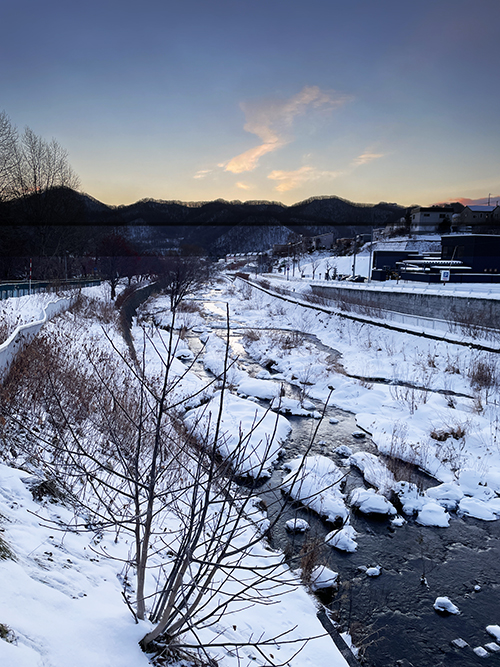
 スパイク付きの靴もあるのでわたしは冬道でもコース選択には影響しないのですが、カミさんはスパイク付きの女性用シューズ購入をためらっているようなので、コース選択が「滑りにくい」という基準になってきている。札幌の住宅地、琴似駅周辺では完璧除雪の結果、ツルツル路面になっていて非常に歩きにくい。そういうことで安全優先で考えると写真のような圧雪雪道が最近のコース選択なのです。気候条件に応じて転々と散歩コースを変えるのは、それはそれで楽しい。
 でもそういった選択基準が昂じてくると早朝時間に長時間無料もしくは格安利用できそうな駐車場までクルマ移動して、琴似から札幌までJRで移動しそこから今度は札幌や琴似駅周辺市街の「地下歩道」「空中通路」なども散歩選択肢に入ってきて、地下街を南北・東西と歩いたりとまでしております。
 まぁいろいろ「冒険の旅」感も湧いてきて楽しく選択しております。若返る(笑)。

English version⬇

Go to diverse environments in search of easy-walking winter trails.
Avoiding accidents caused by falling down on slippery road surfaces due to perfect snow removal, we go to natural environments with compacted snow. In addition, we are exploring the underground malls and aerial passages created by the modern urban environment. …

 Today is the last day of the year. I have managed to keep this blog going 24/7. I started on August 9, 2005, which means that I have been writing this blog for 19 years and 4 months without a single day off. I have been writing mainly about my daily work and my core area, housing, since I was still young, 53 years old in terms of age. Next year will mark my 20th year.
 There have been a number of changes during this time, but even after the transfer of my business in September 2023, I have continued to work as a private company in related business areas, and as such, I have continued to write about the blog without a break in terms of theme. I would like to continue writing as long as I can, but we’ll see how it goes. After all, daily habit is a big part of it, and I imagine that if there should ever be a break in my daily writing, I might have to stop.
 However, as long as I have this sense of goal, I will keep telling myself to be strict (laugh) and keep going. Since this is a blog, it is not a so-called “work of art,” so I consider it different from a degree of perfection. Rather, I would rather let what I have discovered in my mind surface in an unfinished state, and later on, I would draw out the memories and remnants of those discoveries to dig deeper into the theme by “figuring out the traces.
 Since this year, my wife has been taking me for an early morning walk. She checks on my health by observing me from behind, just like a husband and wife. As a result, she is feeling “refreshed” more than I am (laugh). I have become completely addicted to it, and I don’t see any immediate weight loss, but I am very happy about it.
 I have shoes with spikes, so it does not affect my course selection even on winter roads, but Kami is hesitant to buy women’s shoes with spikes, so her course selection is now based on the criterion of “non-slip”. In the residential areas of Sapporo and around Kotoni Station, the result of perfect snow removal is a slippery surface that makes it very difficult to walk on. That is why, when safety is a priority, the pressurized snow paths like the one in the photo are the course choice these days. It is fun to change the walking course from one place to another depending on the climatic conditions.
 However, as these selection criteria become more and more important, I move my car to a free or cheap parking lot early in the morning, take the JR train from Kotoni to Sapporo, and from there, I choose to walk along the “underground walkways” and “aerial passages” in the city around Sapporo and Kotoni Station, and even walk through the underground mall from north to south, east to west. I have been walking from north to south, east to west, and so on.
 I am enjoying my choice as it gives me a sense of “adventurous travel”. I feel young again (laugh).


【札幌中央市場で年末の買い出し♬】


 さて本日は12月も押し迫っての30日。きのうも札幌市内から岩見沢方面へと移動往復していましたが、札幌から北のこちら方面では吹雪で、帰りには案の定、高速通行止め。途中では片側2車線のメイン国道道路がほぼ全線で1車線になっておりました。なかには大きく雪煙を上げて道路脇の雪山に衝突して停止しているようなクルマも散見しておりました。とくに道路の左側はどこに雪山があるか、前走車の走りっぷりから判断するしかないので、注意深く観察していなければならない。そういう経験知の少ない方には過酷な条件。しかし経験豊富なわたしも、さすがに高齢化で疲労感はいや増してくる。きのうはお隣の国で航空機の墜落事故でほぼ全員落命という情報。なんといっても安全最優先で、年末を過ごしたいですね。
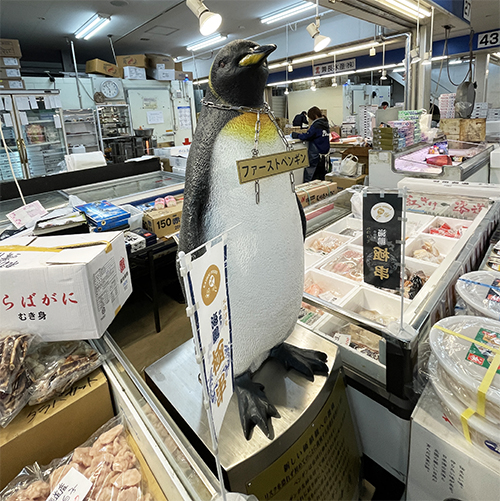
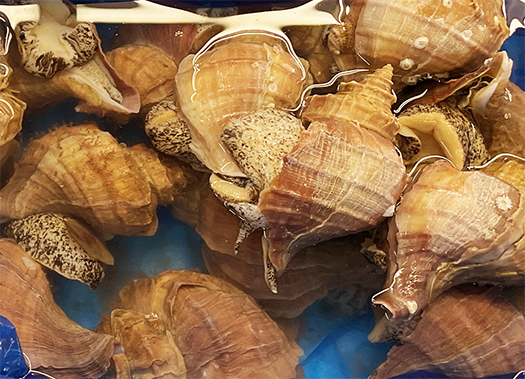
 なんですが、一方で年末時期には早朝からわが家恒例の年末買い出しで、北海道中の海産物が集まってくる「札幌中央市場」にここ何日か通っております。札幌市内全域の魚屋さんやお寿司屋さんなどの「業者向け」の市場なのですが、わたしは少年時から食品事業を営んでいた家業の関係から中央市場にはその「空気感」に深い馴染みがあって、わざわざではありますがこの時期の買い出しには血が沸き立ってしまうのです。
 中央市場には、一般客も買い出しに来る店舗のほかに「場内」と呼ばれる業者向け専門の店舗区域もありますが、少年時からそういう店舗に「配達」などで手伝いに駆り出されていたので新鮮な魚介類や野菜類が活発に取引される現場感覚が、時間を超えて蘇ってくる部分があるのですね。
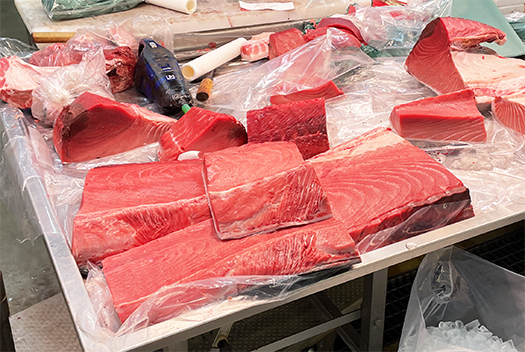
 とくに地元産の魚類の取引では、その生産者の仕事ぶりがなまなましく伝わってくるものが大きい。津軽海峡で水揚げされたマグロの巨大な魚体が冷凍された状態で捌かれていく様子などは、目を瞠るほどに刺激的。シンプルな漁場の名前が印字された魚箱の様子から、その海の空気がリアルに感じられたりする。想像力、とふつうに書くけれど、そのようなイキモノの鼓動感がそこに籠もっているように感じているのですね。
 で、買い出しなので当然カミさんといっしょにああだこうだと掛け合いしながら。
「このマグロの中トロ、なかなかウマそうだなぁ」
「でも、ちょっとこっちの方がもう少し赤身が強そうだから、いいんでない?」
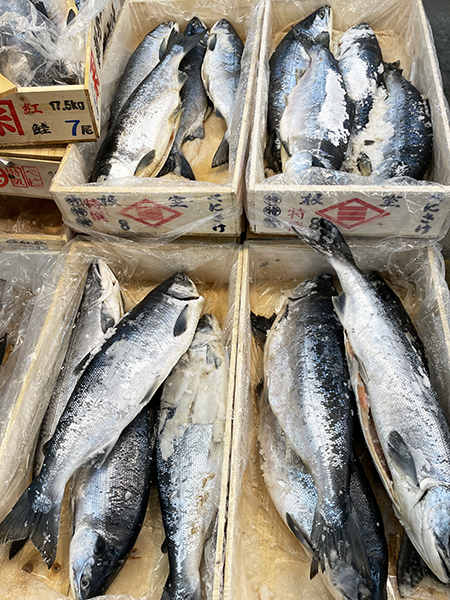
「サケはどうせ毎日食べるから、この箱ごと買っちゃうか?」
などと品評しながらの楽しい買い出し。
 厳しい寒さの続く、それも早朝の買い出しですが北海道という地域の元気そのままが、全身に一気に駆け巡ってくるようで、なんとも楽しい時間であります。

English version⬇

I’ll make love to you at Sapporo Central Market for year-end shopping.
The market is filled with the vitality of fresh fish and shellfish caught in the northern seas, despite the bitter cold. The market is a vibrant place where you can buy seafood from all over Hokkaido. …

Today is the 30th of December. Yesterday, I was traveling back and forth from Sapporo to Iwamizawa, but there was a blizzard in this direction north of Sapporo, and as expected, the highway was closed to traffic on the way home. On the way home, the main national highway, which has two lanes on each side, was almost entirely one lane. Some of the cars were stopped after crashing into snow piles on the side of the road, sending up a big cloud of snow. Especially on the left side of the road, one can only judge where there is a snowbank by the driving style of the car in front, so one has to watch carefully. These are harsh conditions for those with little experience and knowledge. However, even I, who have a lot of experience, am feeling more and more tired due to my advanced age. Yesterday, I heard that almost all of the crew members lost their lives in a plane crash in a neighboring country. I would like to spend the end of the year with safety as my top priority.
 On the other hand, I have been going to Sapporo Central Market, where seafood from all over Hokkaido gathers, for our family’s annual year-end shopping from early in the morning for the past few days. The market is for fishmongers, sushi restaurants, and other “traders” from all over Sapporo, but I am deeply familiar with the atmosphere of the central market because my family has been in the food business since I was a boy, and it makes my blood boil to go there to do the shopping.
 In addition to the stores where ordinary customers come to buy, the Central Market also has a special area for vendors, called the “in-place” area, and since I was sent to these stores as a boy to help with “deliveries” and the like, the sense of being on the spot where fresh seafood and vegetables are being actively traded has come back to me beyond time.
 Especially in the trade of locally produced fish, the work of the producers can be felt in a very vivid way. The sight of huge tuna landed in the Tsugaru Straits and processed in frozen form, for example, is blindingly exciting. The simple name of the fishing grounds printed on the fish box gives the viewer a realistic sense of the atmosphere of the sea. I usually write the word “imagination,” but I feel as if such a sense of the heartbeat of the living creature is contained in these boxes.
 And of course, I was shopping, so my wife and I were talking about this and that together.
“This medium fatty tuna looks pretty tasty,” she said.
But this one looks a little leaner.
I eat salmon every day anyway, so why don’t I just buy this whole box?
We were having a good time shopping while evaluating the products.
 It is a very enjoyable time, as the energy of the Hokkaido region seems to rush through my body all at once, even though it is early in the morning when the bitter cold continues.

【「望景亭」にみる温暖地建築デザインの「極み」】


 建築文化はその地域社会・国家社会の背景となる気候風土条件に対して整合し、またその風土の持つ独特の「いごこち」の快適性を求めて進化発展していくものでしょう。写真で見るような姫路文学館の別邸「望景亭」のいくつかに機能分化された応接空間とみなせる茶室スペースは、明治期のこの地での成功者が前述のような「最高空間」として今日まで遺してくれたもの。現代的な安藤忠雄コンクリート打ち放し空間が展開する地に「奥の院」的に配置されている。想像だけれど、たぶん安藤忠雄としても空間性として了解し受容した建築なのでしょう。
 茶の湯文化というものが歴史の積層を通じて昇華されてきたものとして日本人の独特の文化としてあり、日本の気候風土に最適な精神文化と認定され、その奥行きへリスペクトを表現することが「最高」とされた。そしてそのような「風雅」を庭園への眺望とともに味わうというのが、この列島人としての的確な人格陶冶と擬された。
 北海道人も当然ながら、本州以南地域からの流動者であって、そのルーツは温暖地ニッポンに「みなもと」を発している。わたし自身、家系伝承としてこの姫路には格別なゆかりを感じている。そういった人間として、このような空間性には、すなおに「素晴らしいなぁ」と感じる部分が大きい。けれど、それ一択とも思っていない。
 北海道をベースに取材というカタチで住文化に接してきた者として、こういう心理が本当のところと思っています。「こういうの素晴らしいけど、じゃぁそのまま自分たちの生活価値感の基盤かと言われればちょっと疑問」というのが、ホンネ。
 この建築で示されている庭への眺望、そのこだわりのひとつの極点と表現されている個性的な枝振りの樹木の四季変化を愛でることは、それはそれでこの地域らしい味わい方であることはまったく同意できる。その地の四季の移ろいを感受しうることが住まうことの良き表現として住まい空間に取り込むことは自然。ただ、その生活様式がすべての日本人に共有できるかと言われれば、そうではない地域もあります、という申し立て。
 やはり「花鳥風月」の基準レベルが大きく違うということなのだ。
 北海道のある成功者「文化人」が東京の敬愛する設計者に住宅を依頼して、出来上がった写真と似たような美しい庭を造作したところ、冬期の大雪に見舞われ屋根から大量の落雪があって、庭の景観の繊細さなどはキレイさっぱり消却され灰燼に帰してしまったことを、取材した経験がある。「結局ひと冬中、その無惨な大雪崩落の庭木ととその雪山を見続けることになった(笑)」という施主としての真言。
 そういう生活実感から、また別の最高空間創造、その価値創造を目指さなければならないと。さて、この血脈としての美意識との調和的発展は、どこに向かっていくのでしょうね?

English version⬇

The “extremes” of warm-weather architectural design as seen in the Mokei-tei Pavilion
What kind of “elegance” is possible in a cold and snowy environment that severely inhibits appreciation, as opposed to a garden culture in a climatic environment that allows “appreciation”? …

 Architectural culture evolves and develops in accordance with the climatic conditions of the background of the local and national society, and in pursuit of the comfort of the unique “comfort” of that climate. The tea ceremony room space in the Bokkeitei, the villa of the Himeji Museum of Literature, as seen in the photo, can be regarded as a reception space divided into several functions, and was left to us today as the “best space” as described above by the successful residents of this area in the Meiji period. It is located in the “inner sanctum” of the building, where the contemporary Tadao Ando concrete floor space is being developed. I imagine that Tadao Ando probably understood and accepted this architecture as spatiality.
 The tea ceremony culture is a unique culture of the Japanese people that has been sublimated through layers of history, and is recognized as a spiritual culture best suited to the Japanese climate. It was considered “the best” to express respect for the depth of the culture, and to enjoy such “elegance” with a view of the garden was considered to be a proper cultivation of character for the people of this archipelago.
 Naturally, the people of Hokkaido are also from the south of Honshu, and their roots are in the warm climate of Japan. I myself feel a special connection to Himeji in my family history. As a person who has such a connection to Himeji, I can easily say that I think this kind of spatiality is wonderful. However, I do not think that this is the only choice.
 As a person who has been in contact with housing culture in the form of interviews based in Hokkaido, I believe that this is the true state of mind. The truth is, “These things are wonderful, but if you ask me if they are the foundation of our sense of values in life, I am a little skeptical.
 I agree that the view of the garden shown in the architecture and the seasonal changes of the trees with unique branches, which is described as one of the extremes of this particular approach, is a way to enjoy the area in its own way. It is natural to incorporate the appreciation of the changing seasons into one’s living space as a good expression of living in a certain area. However, if it is said that this lifestyle can be shared by all Japanese people, I would argue that this is not the case in some areas.
 The standard level of “kacho-fu-getsu” is very different.
 I have reported on a successful “cultural figure” in Hokkaido who commissioned a respected Tokyo-based designer to build a house and create a beautiful garden similar to the one in the finished photograph, only to have the delicacy of the garden landscape completely obliterated and reduced to ashes when heavy winter snowfall caused a massive snowfall from the roof. The house was completely destroyed by the snowfall. As the owner of the house, he says in his sincerity, “I ended up spending the whole winter looking at the trees and the snow pile that had fallen so miserably.
 (laugh).” From that kind of experience of life, he said, we must aim at another creation of the highest space and its value creation. Now, where will this harmonious development with a sense of beauty as a vein go?

【姫路・数寄屋建築「望景亭」と障壁画】


 日本の高級住宅建築という文化は北海道では、明治初期からの建物で、たとえば清華亭や豊平館のような明治天皇の「御座所」として建てられた建築があるけれど、最初期から寒冷地域の建築として、その「与条件」に対して日本の住文化はどう対応するか、ということが中心軸戦、背骨になっていると思う。
 そこでの空間体験がネイティブな人間からすると、この姫路の高級数寄屋建築とは、庭の景観、その先の「借景」環境との内外部の視覚的芸術性が究極的な、きわめる対象だったのだと思える。その日本建築的伝統価値感との根源的相違をいつも感じさせられる。
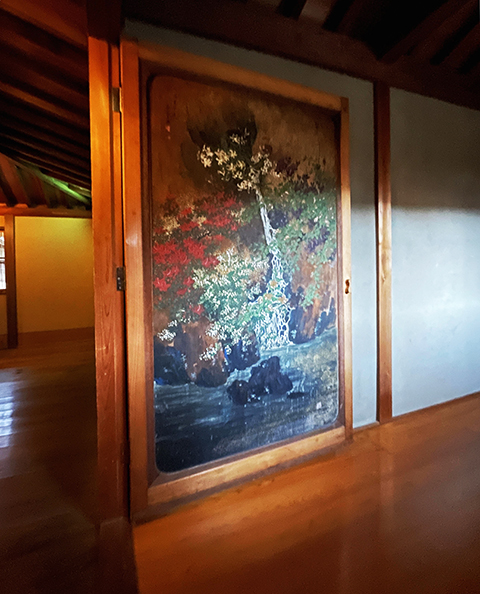
 その建築の感受性的な興味対象はつねにそういった視覚的芸術性が最優先されているのだと。それに対して北海道建築は、凶暴なブリザードが室内を暴走し、いたたまれない厳しい冬期自然環境から、室内を保護し、人間居住性を優先させてきた住文化なのだといつも思わされる。この姫路の高級数寄屋住宅での内観空間には、「望景」というわかりやすい眺望最優先の建築動機から、室内装飾障壁画でも風景画一択となっていた。
 こうした空間構成の動機からは、四季折々の自然のうつろいが最大関心事として画面が構成されていった。ごく自然に「花鳥風月」がその主要領域とされたのでしょう。「もののあわれ」みたいな心情交流が、最大関心事に昇華されていったものでしょう。
 北海道という「異界」で過ごしてきているとはいえ、血族としてはそのルーツを本州以南地域に持っている人間としては、こういった数寄屋の住文化、精神性もいわば血脈としては腑に落ちている。「わかるよなぁ」とは思って受容しているのだけれど、こういった精神世界はいわば「浮ついた世界観」だとも根底的には思い続けている。北海道でこういう花鳥風月を描くとすれば、本州以南地域の建築ではほとんど描かれていない冬の猛吹雪をどう描くか、となる。どうしてもその表現は「箱庭」的な空間性をはるかに超えてしまう。

 日本画の後藤純男の作品を富良野の画廊で見ていると、建築自体が正面に雄大な北海道的な山並みに向かって建てられていて、箱庭に自然を写し撮るというような心象ではない。言ってみれば「ポスト花鳥風月」というような表現意欲を感じさせられる。やはりどちらかといえば西洋画のような額縁で囲まれた作品として受け止めることになる。家の中でそうした絵画を鑑賞するとしても、やはり「額縁画」となって壁面に展示される。
 この「望景亭」のように建具自体に装画している空間性に、違和感は感じつつも「ああ、いいなぁ」とも本然的には「同期」したいとも感じておりました。見果てぬ夢。

English version⬇

Himeji, Sukiya-style architecture “Bokkei-tei” and wall paintings.
The “Kacho-fu-getsu” worldview is expressed in every place and fixture of the sukiya-style architecture. This is the world of the highest Japanese sensitivity and value. There is no blizzard in winter as the theme of the paintings. ・・・・.

 In Hokkaido, the culture of high-class residential architecture dates back to the early Meiji period (1868-1912), with buildings such as the Seikatei and the Toyohirakan, which were built for the Emperor Meiji as his “throne room,” but I think that from the beginning, the central axis and backbone of Japanese residential culture was how to respond to the “given conditions” as architecture in a cold region. The experience of space there is the backbone of the Japanese residential culture.
 From the perspective of someone who is a native of Himeji and experienced the space there, it seems to me that the high-class sukiya architecture of Himeji was ultimately about the visual artistry of the garden landscape and the “borrowed landscape” environment inside and out. I am always reminded of the fundamental difference between the traditional values of Japanese architecture and these traditional values.
 The sensibility of the architectural interest is always focused on the visual artistry of the building. In contrast, the architecture of Hokkaido has always given priority to human habitability, protecting the interior from the harsh natural environment of winter, when violent blizzards run rampant through the interior and make it unbearable to live in. In the interior space of this high-class sukiya house in Himeji, the motive of the architecture was to give the highest priority to the view, which is easy to understand: “望景”, which means “to look out over the landscape”.
 From this motive for spatial composition, the changing nature of the four seasons became the primary concern in the composition of the paintings. The main area of interest was naturally “flowers, birds, wind, and the moon. Emotional exchanges like “the mercy of things” must have been sublimated to the greatest concern.
 Although I have spent my life in the “other world” of Hokkaido, as a person whose family roots are in the southern part of Honshu, I understand the culture and spirituality of the sukiya as a bloodline, so to speak. I can understand it and accept it, but at the same time, I continue to think that this kind of spiritual world is a “floating worldview. If I were to depict this kind of flower, bird, wind, and moon in Hokkaido, I would have to find a way to depict the blizzard in winter, which is rarely depicted in architecture in the southern part of Honshu. Inevitably, this expression goes far beyond the “box garden” spatiality.

 When I saw the works of Japanese-style painter Sumio Goto at a gallery in Furano, the architecture itself was built facing the majestic Hokkaido-like mountain range in front of it, not the mental image of capturing nature in a box garden. In other words, it is a “post-Kacho-fu-getsu” style of expression. If anything, the works are more like Western-style paintings framed in a frame. When we appreciate such paintings in our homes, they are displayed on the wall as “framed paintings.
 I felt a sense of discomfort with the spatiality of the fittings themselves, as in this “Bokkeitei,” but I also felt a sense of “ah, I like it” and naturally wanted to “synchronize” with it. A dream that will never be fulfilled.

【冬至も過ぎ、静かな北の景色へ】


 ことしのスケジュールもほぼ終了してきて、同じ建物を事務所として共有している関連会社も、基本的に休暇に突入しております。わたしの方は自由度の高い個人会社なので、それなりのペースで活動してきていますが、ほぼ同様のカレンダー感であります。高齢化が進行しているので、あまりムリをせずできることをしっかりやって、それ以上の背伸びは達観していること。みたいな行動規範で過ごしてきた1年。
 ただし来年には、かねてから進行させていたプロジェクトが起動するので、いろいろとウィングが広がっていく可能性があります。年末のしずかな時間に、準備はしていきたい。
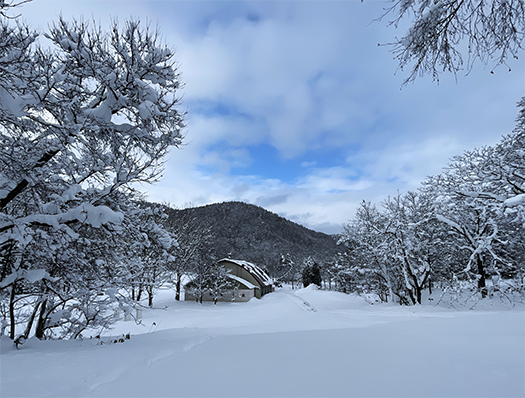
 写真は先日旅していた美唄の「アルテピアッツァ美唄」の雪景色。夏場にしか行っていなかったのですが、こういう雪の中を歩くというのも少年時代のカラダに残っている体感記憶が呼び覚まされていました。ほとんど音が聞かれない静寂な雪景色。雪にはそういう静寂を生み出す要素が大きい。札幌の都会の冬景観とはまったく違って、山々や樹木、そして建築がしずかにハーモニーを奏でてくれる。 
 建築というモノが、環境の中で調和するというか、「同心」するようなたたずまいを見せてくれる。こういう原点的な風景に抱かれていたいと思ってしまいます。
 本日早朝5時から、活気あふれる札幌中央市場に年末買い出し。北の海の幸と楽しく語らって参ります(笑)。

 English version⬇

The winter solstice has passed, and the scenery has turned quiet in the north.
The work for the year is over. I’m going to visit a lively market at the end of the year in the quiet northern winter scenery to cheer myself up. I am going to visit the market.

 Our schedule for this year is almost complete, and our affiliated companies, which share the same building as our office, are basically on vacation. As a private company with a high degree of freedom, I have been working at a reasonable pace, but my calendar is almost the same. The population is aging, so I am doing what I can do without too much effort, and I have to be patient and be optimistic about growing taller than I can. I have spent the past year with this kind of code of conduct.
 Next year, however, a project that I have been working on for some time will start up, so it is possible that my wings will expand in a variety of ways. I would like to prepare for this in the quiet time at the end of the year.
 The photo shows the snowy landscape of Arte Piazza Bibai in Bibai, where I was traveling the other day. I had only been there in the summer, but walking in the snow like this was also awakening the physical memories left in my body from my boyhood. The quietness of the snowy landscape with almost no sound being heard. Snow has a great ability to create this kind of silence. Unlike the urban winter landscape of Sapporo, the mountains, trees, and architecture create a quiet harmony. 
 The architecture seems to be in harmony with the environment, or rather, it appears as if it is “concentric” with it. This is the kind of landscape that I would like to be embraced by.
 From 5:00 a.m. today, I went to the bustling Sapporo Central Market for year-end shopping. I will enjoy talking with the seafood of the north (laugh).


【恒例・札幌円山公園「クリスマス版雪まつり」オブジェ】


 札幌に帰還して2日目、早朝散歩。いつもの北海道神宮〜円山公園緑地コースを巡っていて、アメリカ領事館の裏庭あたりのベンチに、この雪だるま発見(笑)。毎年、冬の時期に円山公園周辺で雪だるまを作るアーティストの方がいるようで、散歩者としてはその光景にある「予定調和」感を感じている。
 「おお、ことしも頑張っているんだなぁ」という微笑ましさを受け取っていた。去年までは自然木に付加造形していたように記憶しているけれど、ことしはベンチを素材として使っているので、半ばは公共側との了解があるのかも知れないなどと想像させられていました。
 さっぽろ雪まつりといういまや国際的なイベントも、もともとは雪だるま造形という日本の雪国人のごく自然な「遊び心」、いわば現代風の「民俗」が昇華したものだと認識しています。柳田國男は北海道に「民俗はない」とみなしていたのではないかと思いますが、もし存命であれば、雪まつりイベントというのは、素朴な民俗心がこの地で表出していった最大のモノと認識した可能性が高い。ただ、北海道は日本社会が欧米社会と文化的に「混淆」して、そういう国際化も同時進行したので、「伝統的ニッポン」性は薄らいで来ているのだと思う。しかし、雪を使って儚い造形をこころみて、それがひとびとのニッコリ「コミュニケーションツール」になれるというのは、ある種、その本質において日本民俗的だとも思えるのですね。雪まつり現象をそのように捉え返す視点というのが足りていなかったのだとむしろ思える。
 この円山公園のオブジェ、それもクリスマス時期に出現する私的アート作品には、2月初旬という雪まつり時期とは違う時空間でオモシロい新規性を感じさせられている。クリスマスを祝うという心理は日本人オリジナルな心情というより、欧米圏的な文化価値感の好意的で日本的な反映ということでしょう。そういう「シン民俗」として、こんな風にオモシロオブジェという発想を仕掛けてきていると感じられる。
 公共としてはこういった自然発生的な「仕掛け」はある意味では困ったことではあるかも知れませんが、わたし的にはこういう「クリスマスの日本民俗化」という志向性発露として興味深く感じております。こういう志向性からなにかユニークな日本人的なカウンターカルチャーを欧米世界に対して発していけるのではないかと。言ってみれば「クリスマス版雪まつり」として、かれらキリスト教文化圏から楽しい反応があり得るのではないでしょうか? ちょっと、妄想過多かなぁ(笑)。・・・

English version⬇

The annual Sapporo Maruyama Park “Christmas Version Snow Festival” objects.
A pleasant reunion on the walkway. The creator’s message: “I did my best this year, too. I love this kind of “folk” nature. I love this kind of “folklore.

 On the second day after returning to Sapporo, I took an early morning walk. I was cruising along my usual route from Hokkaido Shrine to Maruyama Park Greenbelt when I spotted this snowman on a bench around the backyard of the U.S. Consulate (smile). It seems that every year there is an artist who makes a snowman in the Maruyama Park area during the winter season, and as a walker, I feel a certain “scheduled harmony” in the scene.
 As a walker, I received a smile from them and thought, “Oh, they are doing a good job this year, too. I remember that until last year, the artists had been using natural wood as an additional formative element, but this time they were using benches as a material, which made me imagine that they might have an agreement with the public side halfway through.
 I am aware that the Sapporo Snow Festival, now an international event, was originally a sublimation of the natural “playfulness” of the people of Japan’s snow country, a modern “folk custom,” so to speak, of making snowmen. Kunio Yanagida may have regarded Hokkaido as having no “folk customs,” but if he were still alive, it is highly likely that he would have recognized the snow festival event as the greatest manifestation of the simple folk spirit in the region. However, since Japanese society in Hokkaido has become culturally “mixed” with Western society, and such internationalization has been taking place at the same time, I think the “traditional Nippon” character of the festival is fading away. However, the fact that people can use snow to create ephemeral forms and use them as a “communication tool” to smile at each other is, in a sense, Japanese folklore in its essence. It seems to me that we have not had enough perspectives to understand the phenomenon of snow festivals in this way.
 The objects in Maruyama Park, private artworks that appear during the Christmas season, have an interesting novelty in a time and space different from that of the snow festival season in early February. The psychology of celebrating Christmas is not an original Japanese sentiment, but rather a favorable and Japanese reflection of Western cultural values. As such a “sin folklore,” I feel that they are setting up the idea of omoshiro objet d’art in this way.
 Although such a spontaneous “device” may be a problem for the public in a sense, I find it interesting as a manifestation of the orientation of “Japanese folklore of Christmas”. I believe that this kind of orientation could lead to the creation of a unique Japanese counterculture to the Western world. In other words, as a “Christmas version of the Snow Festival,” it would be a joyful response from the Christian cultural sphere, wouldn’t it? I may be being a bit paranoid (laughs). I love this kind of “folklore.